Yana Skakun

Lighting 101: Why You Must Get Your Makeup Done Near a Window
By Yana Skakun·10 June 2026·6 min read
If there's one piece of advice I give every bride before her wedding day, it isn't about the dress, the flowers, or even the timings. It's this: get your makeup done next to a window. I know it sounds almost too simple to matter, but the quality of light that falls on your face during the morning shapes both how your makeup looks in person and how your getting-ready photographs turn out. As a wedding photographer based in Cambridge, I've shot prep in everything from sun-drenched Suffolk farmhouses to dim hotel rooms in the city centre, and the difference window light makes is genuinely transformative.
Why Window Light Beats Every Other Source
Window light is soft, directional, and flattering in a way that ceiling spotlights and bathroom bulbs simply cannot replicate. When daylight comes through a large window, it wraps gently around the contours of your face, filling in shadows under the eyes and softening fine lines without flattening your features entirely. This is exactly the kind of light professional photographers spend years learning to recreate with expensive modifiers.
Overhead lighting, by contrast, casts harsh shadows straight down. It pools darkness in the eye sockets and under the nose, which is why so many bathroom selfies look unflattering. Your makeup artist needs to see your skin the way it will actually appear in your photographs and to the human eye in daylight at your ceremony. A window gives them that honest, even canvas to work on.
How It Changes Your Makeup Itself
Here's something most brides don't realise: makeup applied under warm artificial light almost always ends up too heavy. When an artist works under a yellow-tinted bulb, they instinctively overcompensate, adding extra foundation and deeper contour to make features read in that dull glow. Then you step outside into natural daylight and suddenly the base looks cakey and the bronzer too strong.
Working near a window solves this before it starts. Your artist can colour-match your foundation accurately, blend edges seamlessly, and judge the intensity of your blusher and lipstick against the same neutral daylight you'll wear all day. I've watched brilliant makeup artists at venues across Cambridgeshire request a window seat the moment they walk in, because they know their work will be judged in the daylight of the ceremony, not the lamplight of the prep room.
What It Does for Your Prep Photographs
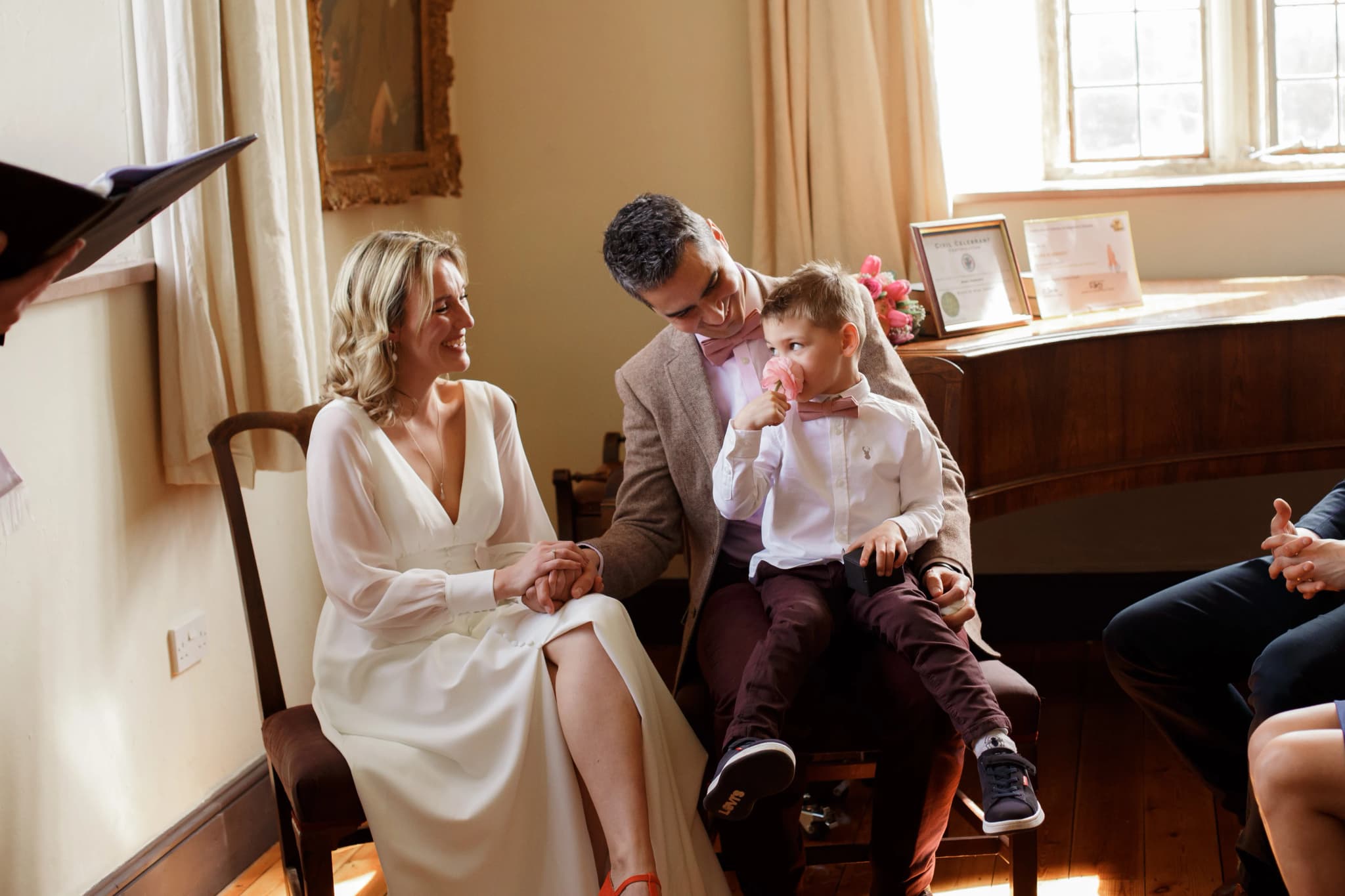
The getting-ready hour produces some of my favourite images of the entire day. The quiet anticipation, your mum fastening a necklace, the bridesmaids laughing over a glass of something fizzy. But those moments only photograph beautifully when there's good light to capture them in. A bride seated by a window is lit like a portrait from an old master painting, the light falling across one side of the face and rolling gently into shadow.
When you're tucked in a corner under a single ceiling bulb, I'm forced to push my camera's settings hard, which introduces grain and muddies your skin tones. The colours go orange, the catchlights in your eyes disappear, and the romance drains out of the frame. Position yourself by the window and the whole sequence sings, no editing trickery required.
How to Set Up the Perfect Window Spot
You don't need a grand bay window or a stately home to get this right. A modest cottage window in rural Suffolk works just as well as the floor-to-ceiling glass at a luxury Cambridge hotel. What matters is how you arrange the space. A few small adjustments on the morning make an enormous difference, and they're easy to brief your bridal party on in advance.
- ◆Face the window: Sit so the light falls onto your face rather than behind you. Facing the glass gives the most even, shadow-free coverage for your artist to work with.
- ◆Pull back the nets: Sheer curtains and net drapes tint and dim the light. Draw them aside fully and let the raw daylight pour in.
- ◆Turn off the lamps: Mixing warm bulbs with cool daylight creates colour casts that confuse both your artist and my camera. Switch the overheads off entirely.
- ◆Clear the clutter: Move bags, chargers, and breakfast trays out of the window's reach so the backdrop stays clean and your photos look intentional.
- ◆Pick the biggest window: If the room has several, choose the largest. A bigger source means softer, more wraparound light and gentler shadows.
- ◆Mind the direction: North-facing windows give beautifully consistent, cool light all morning. South-facing ones can blast harsh sun, so a thin white sheet across the glass tames it.
Planning Around the British Weather
I'd be doing you a disservice if I didn't mention our famously unpredictable skies. The good news is that window light works in almost any weather. A grey, overcast Cambridgeshire morning actually produces some of the softest, most even light you could ask for, as the cloud cover acts like one enormous diffuser across the whole sky. You genuinely do not need bright sunshine for this to work.
When the day is properly gloomy, simply choose the window that faces the brightest patch of sky and sit close to it. The closer you are to the glass, the stronger and more flattering the light becomes. It's worth raising all of this with your venue or hotel when you book, asking which rooms have the best windows, so you're not scrambling on the morning to find a decent spot.
Planning a wedding in Cambridge or the surrounding counties?
I help my couples plan their morning timings and prep spaces so the light works in your favour from the very first photograph. Let's talk through your day together.
Check Your Date →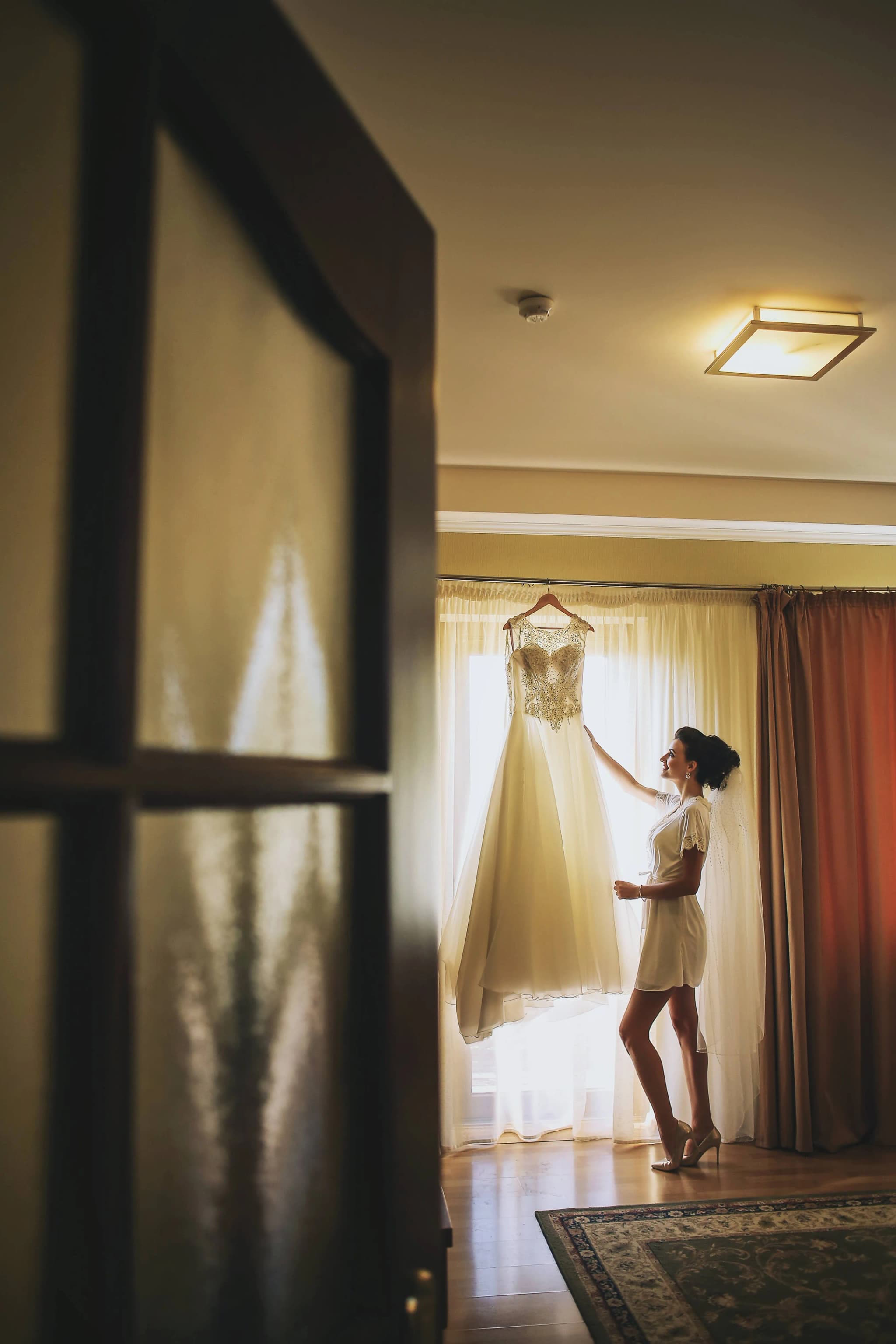

Yana Skakun
Photographer · England
Professional wedding, family and portrait photographer based in England. Passionate about capturing authentic emotions and timeless moments.
About Yana →bridalmakeuplightingwindow
Wedding Tips — Wedding Photography in Cambridge & England
Yana Skakun is a professional wedding photographer based in Cambridge, covering weddings across England — from intimate elopements to full-day ceremonies at country houses, barns, and city venues. Every couple receives a relaxed, documentary approach that captures the day as it truly unfolds. This guide — Lighting 101: Why You Must Get Your Makeup Done Near a Window — is part of the photography journal: practical, experience-based advice drawn from real sessions across England. Whether you arrived searching for bridal or makeup, the same care and attention shapes every session Yana photographs.
Wedding Photography sessions are available year-round, with bookings open across Cambridge, Ely, Huntingdon, Peterborough, and further afield — East England, London, the Midlands, and beyond. If you have specific questions about lighting, mention it in your enquiry. Get in touch through the contact form above to check availability and discuss your session. Enquiries are welcomed from anywhere in the UK.
Frequently Asked Questions
How much does a wedding photographer cost in England?+
Wedding photography in England typically ranges from £1,500 to £4,000+ for a full day. Price depends on experience, coverage hours, and whether albums or engagement shoots are included. Most photographers charge between £2,000–£3,000 for 8–10 hours of coverage.
How early should you book a wedding photographer?+
For peak season (May–September), book 12–18 months in advance. For autumn and winter weddings, 9–12 months is usually sufficient. Popular photographers at popular venues fill up fast — as soon as you have a date and venue confirmed, start reaching out.
How many photos do you get from a wedding photographer?+
Most professional wedding photographers deliver 400–800 edited images for a full-day wedding. The exact number depends on coverage hours, how many guests there are, and the photographer's editing style. Quality matters more than quantity — a curated gallery of 500 images tells the story better than 1,500 unedited files.
Do you need a second photographer at your wedding?+
A second photographer is helpful if you want simultaneous coverage of getting-ready moments in different locations, multiple angles during the ceremony, or more candid coverage during the reception. It adds cost but significantly increases the variety and completeness of your gallery.
What is the difference between documentary and editorial wedding photography?+
Documentary (reportage) wedding photography captures moments as they happen — the photographer observes and doesn't intervene. Editorial photography involves deliberate direction: placing you in good light, shaping compositions, creating intentional portraits. Most photographers blend both styles throughout the day.
Continue Reading
Related Articles

Wedding Tips
Sustainable Eco-Friendly Wedding Guide — Planning a Green Celebration
15 min read · Read Article
Wedding Tips
Trash the Dress Session — Complete Planning and Photography Guide
14 min read · Read Article
Wedding Tips
Client Communication for Photographers — From Enquiry to Gallery Delivery
15 min read · Read Article
Get in Touch
Ready to Book Your Session?
Get in touch to discuss your vision — I'll reply within 24 hours.