Yana Skakun

Bridal Portrait Ideas: Classic, Editorial, and Moody
By Yana Skakun·10 June 2026·5 min read
Your bridal portrait is one of the few photographs from your wedding day where the entire frame belongs to you alone — no background crowd, no timeline pressure, just you and your photographer working together to create something that genuinely reflects who you are. The style you choose shapes everything: the time of day we shoot, the locations we scout, the way I direct your posing, and the editing palette I apply in post. Understanding the three main approaches before your wedding day means you arrive with clarity rather than anxiety, and we can spend our time making images rather than making decisions.
Classic Bridal Portraits: Timeless, Elegant, and Made to Last
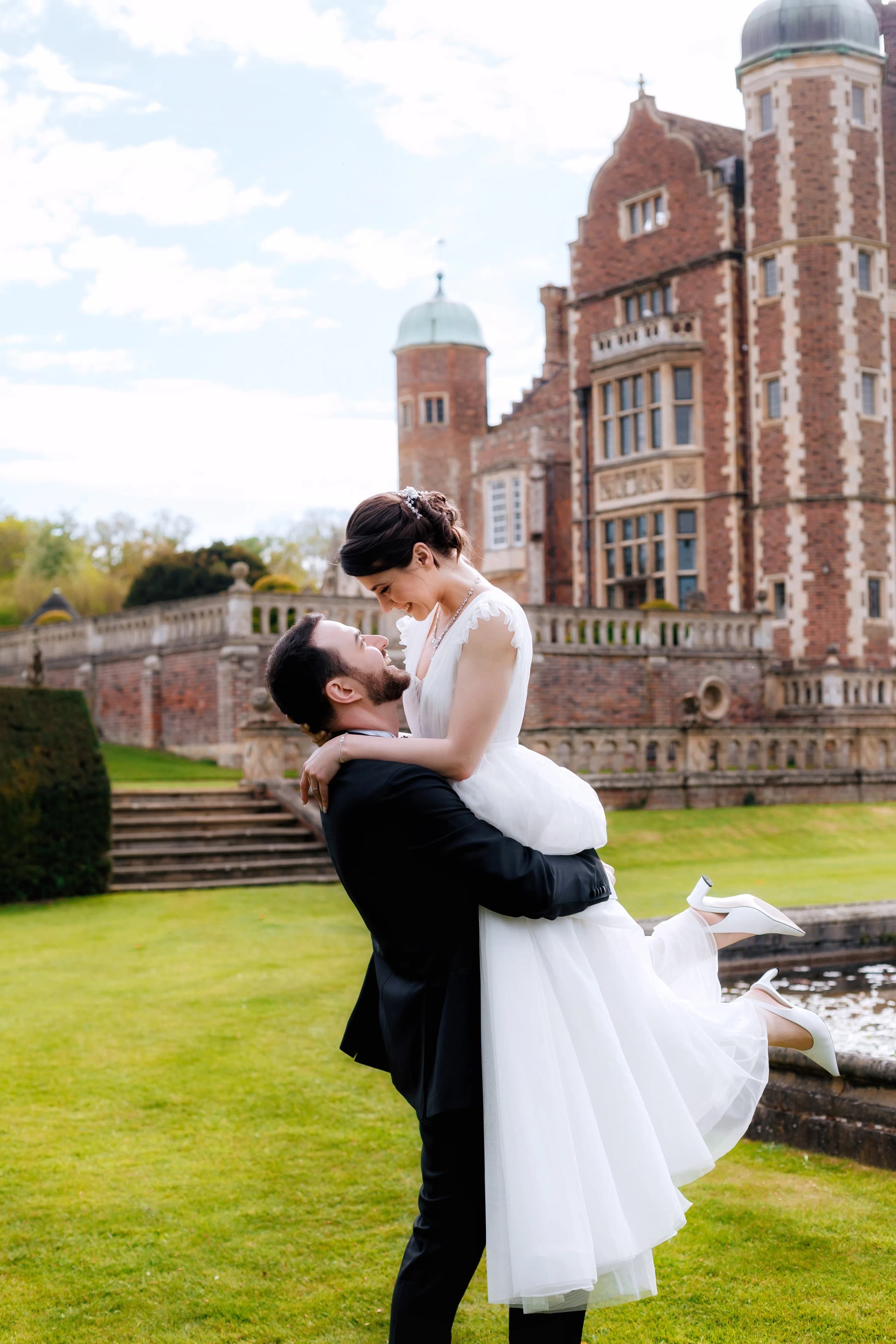
Classic bridal portrait photography is built on one principle: these images should look just as beautiful in thirty years as they do the week after your wedding. The aesthetic draws from fine-art portraiture — clean, directional light, restrained posing, and a colour palette that leans warm-neutral rather than heavily stylised. In the UK, this usually means working with window light inside a Georgian country house or a chapel, or stepping outside during the golden hour that arrives so reliably on long summer evenings in Cambridgeshire and Suffolk.
The editing for classic portraits preserves accurate skin tones and natural fabric texture. Silk, lace, and tulle all behave differently under light, and the classic approach lets those materials speak for themselves rather than flattening them under heavy presets. If you are wearing a structured ballgown or a cathedral-length veil, this style almost always flatters the investment you have made in your dress — every seam and fold reads clearly against a clean background.
When I shoot classic bridal portraits at venues like Anstey Hall or Madingley Hall near Cambridge, I usually aim for a fifteen-to-twenty-minute window in the hour before sunset. The light is warm but still has enough directionality to sculpt shape, and the garden backdrops settle into a soft, undistracting blur at f/2 or f/2.8. If your venue has beautiful interiors — original cornicing, tall sash windows, stone flagging — we can also work indoors and achieve something that feels almost painterly.
Editorial Bridal Portraits: High-Fashion Mood with a Story to Tell
Editorial bridal photography borrows its visual language from fashion magazines: strong geometric compositions, deliberate negative space, unexpected angles, and a willingness to let the bride's dress or jewellery become an architectural element in the frame. Where classic portraits document beauty, editorial portraits construct it. The difference is intentionality — every element in the shot is placed, not stumbled upon.
This approach suits brides who have a clearly defined aesthetic, whether that is minimalist Scandi, maximalist vintage, or sharp contemporary. It also works well with dresses that have strong structural design: column silhouettes, sculptural sleeves, or deeply dramatic trains. Editorial portraits tend to involve more movement — a deliberate turn, a veil caught mid-air, a glance directed ten degrees off-camera — because that sense of controlled energy is part of what separates editorial from documentary work.
For couples booking me for weddings in London, Brighton, or the Cotswolds, editorial bridal portraits often use the venue itself as a bold graphic backdrop rather than something to be softened into bokeh. Exposed brick, steel-framed windows, a reflective marble floor — these elements add contrast and structure that complement a strong dress beautifully. Brief your photographer on three or four reference images from editorial sources like Vogue Brides or Rock My Wedding so they understand the specific flavour of editorial you are drawn to, because the range within the style is wide.
Moody Bridal Portraits: Atmosphere, Depth, and Quiet Drama
Moody bridal photography leans into shadow, muted tones, and a sense of intimate stillness. Rather than chasing the brightest window in the room, I might position a bride closer to the edge of the light source so that one side of her face falls gently into darkness. The editing palette in moody work deepens the shadows, pulls greens towards teal or forest tones, and often introduces a slight film-like grain that gives the final images texture and presence. These are portraits that feel like they belong in a very good novel.
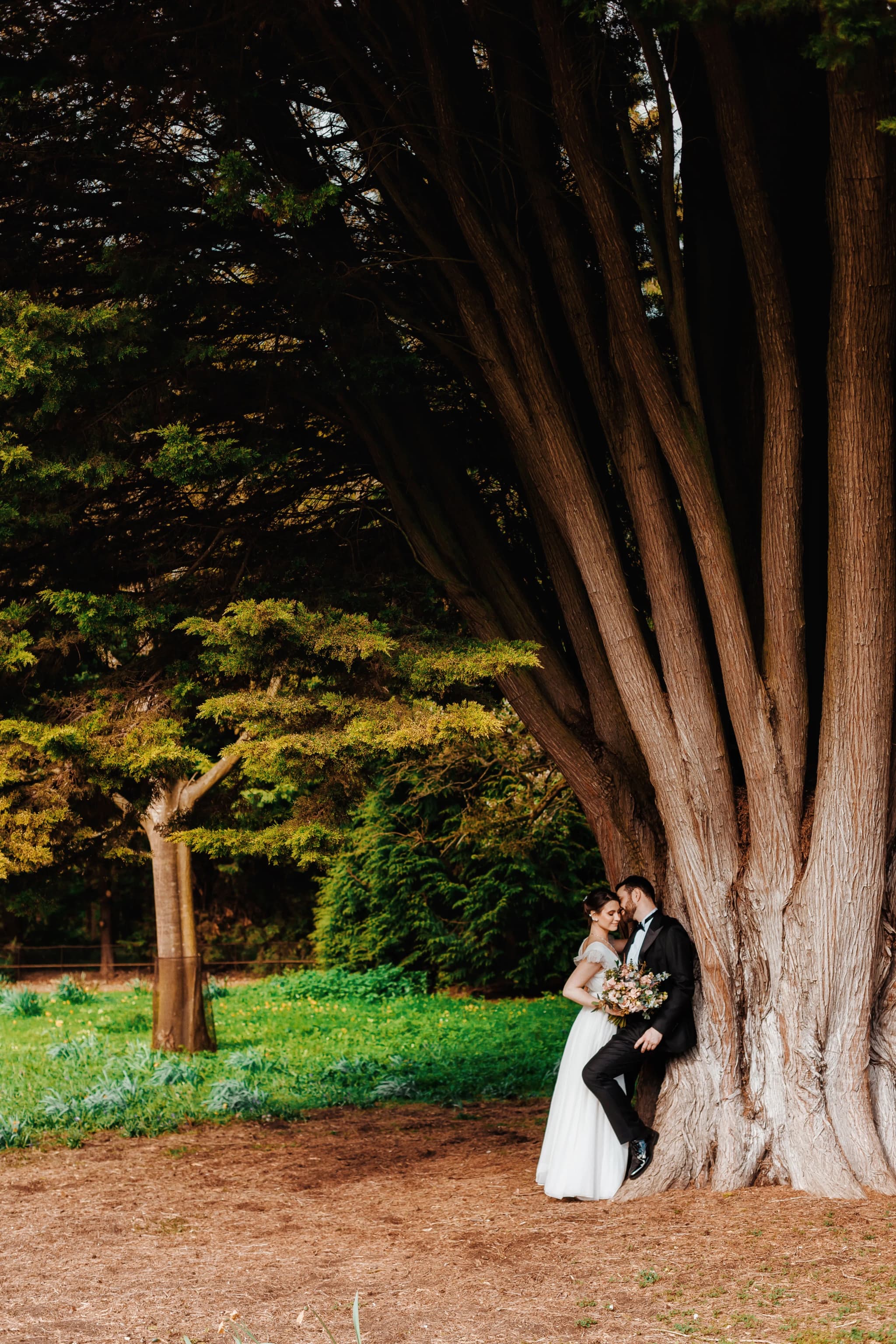
Autumn and winter weddings are a natural fit for the moody style — the quality of light in October through February in England is already soft and directional, with golden tones that have real depth rather than the harsh brightness of midsummer. Woodland locations, stone churches, candlelit halls, and ivy-covered outbuildings all contribute naturally to the atmosphere. But moody portraits are absolutely possible in summer too: shooting just after sunset, using interior spaces with limited light, or working under tree canopy on an overcast afternoon all create the same sense of depth.
One thing to keep in mind: moody editing works best when the base exposure is intentionally measured rather than simply underexposed. I expose for the subject's skin, then develop the atmosphere in post — this means shadows have genuine detail and tonal range rather than blocked-out black. If you are drawn to this aesthetic, share references specifically and ask your photographer whether they shoot moody work regularly, because it requires a distinct shooting and editing discipline that not every photographer practises.
How to Brief Your Photographer for Bridal Portraits
Knowing which style you want is only half the preparation. The other half is communicating it clearly so that your photographer can plan the timing, location, and technical approach around your vision. The following points make the biggest practical difference to how your bridal portraits turn out.
- ◆Build a reference folder before your consultation: Save ten to fifteen images to a shared folder — Pinterest board, Google Drive, or a simple photo album works fine. You do not need them all to be from the same photographer. What matters is that they reveal the consistent mood, light quality, and composition style that appeals to you.
- ◆Tell your photographer about your dress early: The silhouette, fabric weight, and detailing of your dress influence every location and lighting decision. A lightweight silk bias-cut gown moves very differently from a structured duchess-satin ballgown, and the ideal portrait conditions for each are quite different. Share your dress photos at your planning meeting, not the morning of your wedding.
- ◆Discuss timing honestly, including UK weather contingency: Golden-hour bridal portraits in England require a weather backup plan — we do not have the reliable evening light that photographers in Tuscany or California take for granted. Talk to your photographer about where indoors portraits would happen and whether you are comfortable shooting in soft overcast light outdoors, which can actually be very beautiful for all three styles.
- ◆Allocate real time in your schedule: Bridal portraits rushed into a ten-minute gap between the ceremony and reception almost always produce results that feel rushed. For classic or editorial work, twenty to thirty minutes of uninterrupted time is the minimum for genuinely strong images. For moody work that involves location changes or complex lighting setups, forty-five minutes is better.
- ◆Be specific about what you want to feel, not just see: Reference images communicate aesthetic, but emotional language communicates something equally important. "I want to feel powerful and still" points toward a very different set of decisions than "I want to feel romantic and a little lost in the moment." Your photographer can translate that emotional brief into posing direction, lens choice, and pacing.
- ◆Ask to see a full gallery from a wedding, not just highlights: Portfolio highlight reels show a photographer's best single images. A full gallery from one wedding shows how they sustain a consistent style across hundreds of frames over eight or ten hours. If you are committing to a specific aesthetic, you want confidence that it is consistent throughout the day, not just in the golden-hour window.
Which Style Is Right for Your Wedding?
There is no objectively correct answer, and the best bridal portrait style is the one that genuinely reflects your personality and the overall visual direction of your wedding day. Classic portraits tend to suit brides who want images they can display in their home for decades without feeling they have dated. Editorial suits brides who are drawn to fashion imagery and want their portraits to have a sense of curated intention. Moody suits brides who are drawn to atmosphere, intimacy, and images that reward slow looking.
Many real weddings incorporate more than one approach across the day — documentary coverage during the ceremony, editorial portraits during the couple session, and moody candlelit reception images. What matters is that you and your photographer have agreed on the primary aesthetic direction so that the editing and shooting decisions are coherent from start to finish. Inconsistency in style is harder to live with in a wedding gallery than a single imperfect image, because it makes the whole collection feel unresolved.
If you are unsure where you land, pull together a folder of images you genuinely love — not images you think you should love, or images your friends raved about — and look for the pattern. The light quality, the colour temperature, the degree of shadow, the posing energy: those consistent threads will tell you which category you are drawn to far more reliably than any label.
Ready to Plan Your Bridal Portraits?
I photograph weddings across Cambridge, Suffolk, London, and the wider UK in classic, editorial, and moody styles — and I am happy to talk through which approach fits your venue, dress, and vision before you book. Check whether your date is still available and let's start planning portraits that will genuinely mean something to you.
Check Your Date →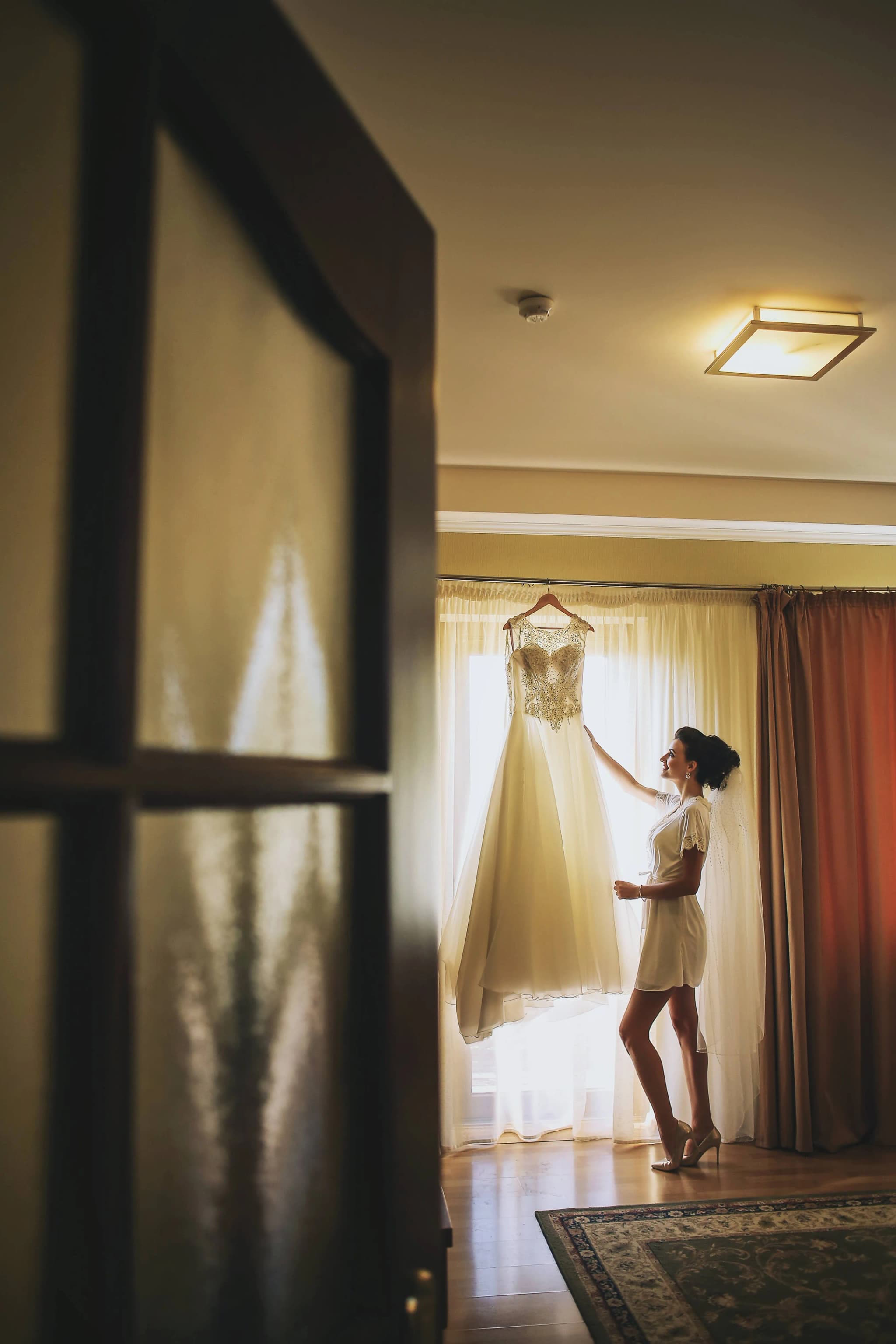

Yana Skakun
Photographer · England
Professional wedding, family and portrait photographer based in England. Passionate about capturing authentic emotions and timeless moments.
About Yana →bridalportraitideasguide
Wedding Tips — Wedding Photography in Cambridge & England
Yana Skakun is a professional wedding photographer based in Cambridge, covering weddings across England — from intimate elopements to full-day ceremonies at country houses, barns, and city venues. Every couple receives a relaxed, documentary approach that captures the day as it truly unfolds. This guide — Bridal Portrait Ideas: Classic, Editorial, and Moody — is part of the photography journal: practical, experience-based advice drawn from real sessions across England. Whether you arrived searching for bridal or portrait, the same care and attention shapes every session Yana photographs.
Wedding Photography sessions are available year-round, with bookings open across Cambridge, Ely, Huntingdon, Peterborough, and further afield — East England, London, the Midlands, and beyond. If you have specific questions about ideas, mention it in your enquiry. Get in touch through the contact form above to check availability and discuss your session. Enquiries are welcomed from anywhere in the UK.
Frequently Asked Questions
How much does a wedding photographer cost in England?+
Wedding photography in England typically ranges from £1,500 to £4,000+ for a full day. Price depends on experience, coverage hours, and whether albums or engagement shoots are included. Most photographers charge between £2,000–£3,000 for 8–10 hours of coverage.
How early should you book a wedding photographer?+
For peak season (May–September), book 12–18 months in advance. For autumn and winter weddings, 9–12 months is usually sufficient. Popular photographers at popular venues fill up fast — as soon as you have a date and venue confirmed, start reaching out.
How many photos do you get from a wedding photographer?+
Most professional wedding photographers deliver 400–800 edited images for a full-day wedding. The exact number depends on coverage hours, how many guests there are, and the photographer's editing style. Quality matters more than quantity — a curated gallery of 500 images tells the story better than 1,500 unedited files.
Do you need a second photographer at your wedding?+
A second photographer is helpful if you want simultaneous coverage of getting-ready moments in different locations, multiple angles during the ceremony, or more candid coverage during the reception. It adds cost but significantly increases the variety and completeness of your gallery.
What is the difference between documentary and editorial wedding photography?+
Documentary (reportage) wedding photography captures moments as they happen — the photographer observes and doesn't intervene. Editorial photography involves deliberate direction: placing you in good light, shaping compositions, creating intentional portraits. Most photographers blend both styles throughout the day.
Continue Reading
Related Articles

Wedding Tips
Sustainable Eco-Friendly Wedding Guide — Planning a Green Celebration
15 min read · Read Article
Wedding Tips
Trash the Dress Session — Complete Planning and Photography Guide
14 min read · Read Article
Wedding Tips
Client Communication for Photographers — From Enquiry to Gallery Delivery
15 min read · Read Article
Get in Touch
Ready to Book Your Session?
Get in touch to discuss your vision — I'll reply within 24 hours.