Yana Skakun

Bridesmaids Photo Ideas That Aren't Cheesy
By Yana Skakun·10 June 2026·5 min read
The bridesmaids photos that couples actually hang on their walls are never the ones where everyone stands in a perfect line holding identical bouquets. They're the ones where someone is laughing so hard their eyes are closed, or where the whole group is piling into a tiny car outside a village church in the Cotswolds. Natural bridesmaids photo ideas aren't about abandoning structure — they're about creating moments that feel as good as they look.
Why Most Bridesmaids Photos Look the Same (and How to Avoid It)
The classic bridesmaids shot — everyone lined up, matching dresses, forced smiles — became a wedding staple because it's easy to direct and easy to execute. But "easy" and "memorable" are rarely the same thing. When I photograph weddings across Cambridgeshire, Suffolk, and London, I notice the same pattern: couples spend months choosing dresses, flowers, and venues, then get five minutes of posed group shots that look indistinguishable from a stock photo.
The fix isn't complicated. It starts before the camera comes out. When I work with a bridal party during the getting-ready portion of the morning, I'm already watching how they interact — who's the funny one, who tears up easily, who has the calming presence. By the time we're shooting formal bridesmaids portraits, I already know which prompts will unlock genuine reactions instead of polite smiles.
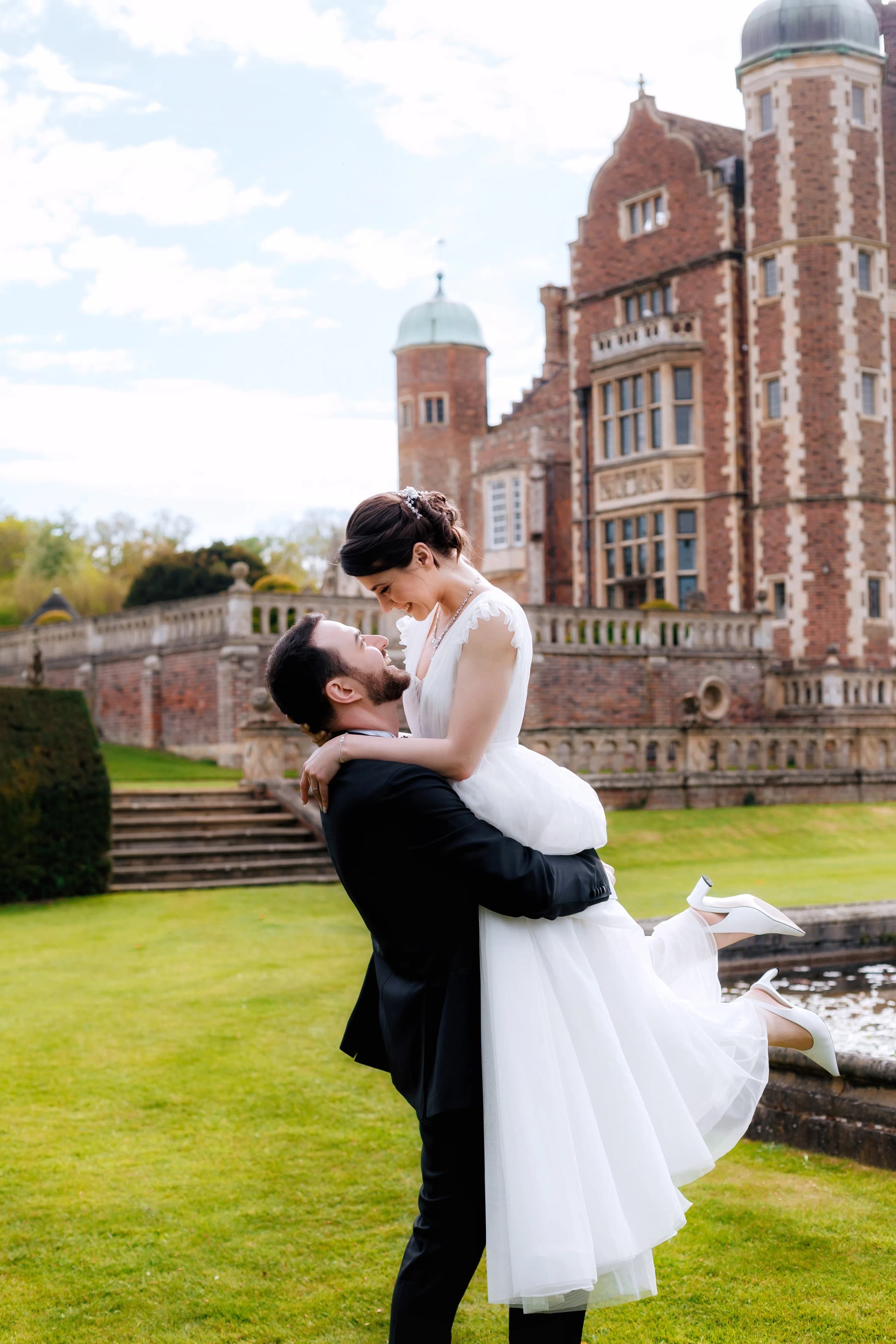
UK venues also offer something that gets underused: genuine architectural and natural character. A weathered stone wall at a barn wedding in Norfolk, a walled garden at a Cambridgeshire country house, late-afternoon light cutting through leaded windows — these settings do most of the work if you position your bridesmaids within them rather than in front of them.
Natural Bridesmaids Photo Ideas That Actually Work
The following approaches consistently produce images that feel alive rather than staged. None of them require unusual equipment or hours of shooting time — most of these moments happen within a 20-to-30-minute window if the group is relaxed and the light is good.
- ◆The walking shot: Ask the group to walk toward you (or past you) as if they're heading somewhere. The movement relaxes shoulders, people talk to each other naturally, and you capture genuine expressions mid-stride. Works especially well on gravel paths, cobbled courtyards, or through wildflower meadows common at countryside UK venues.
- ◆Getting-ready candids: The 45 minutes before the bride is fully dressed produces more genuine bridesmaids photos than any formal session. Someone doing a final zip, a group reading a card together, the moment the bride first sees herself in the mirror — these are the images that get framed. Give me access to the getting-ready room and I'll have the bridesmaids coverage largely done before the ceremony.
- ◆The inside joke prompt: Instead of saying 'look at each other and smile,' I ask the maid of honour to whisper something only the bride would find funny. The resulting photo — one person mid-laugh, the other pretending to be appalled — tells an entire friendship in a single frame.
- ◆Back-lit window portraits: In almost every UK wedding venue, there's a large sash window or glass door with beautiful diffused light. Position two or three bridesmaids close together with that light source behind and slightly to the side, expose for their faces, and you get a soft, editorial quality that looks nothing like a typical wedding photo.
- ◆The detail-and-person combination: Rather than shooting flowers alone or people alone, combine them. A bridesmaid holding her bouquet up to smell it, another pinning a buttonhole onto someone's lapel, two people comparing earrings before the ceremony — these micro-moments connect the day's details to the people who matter.
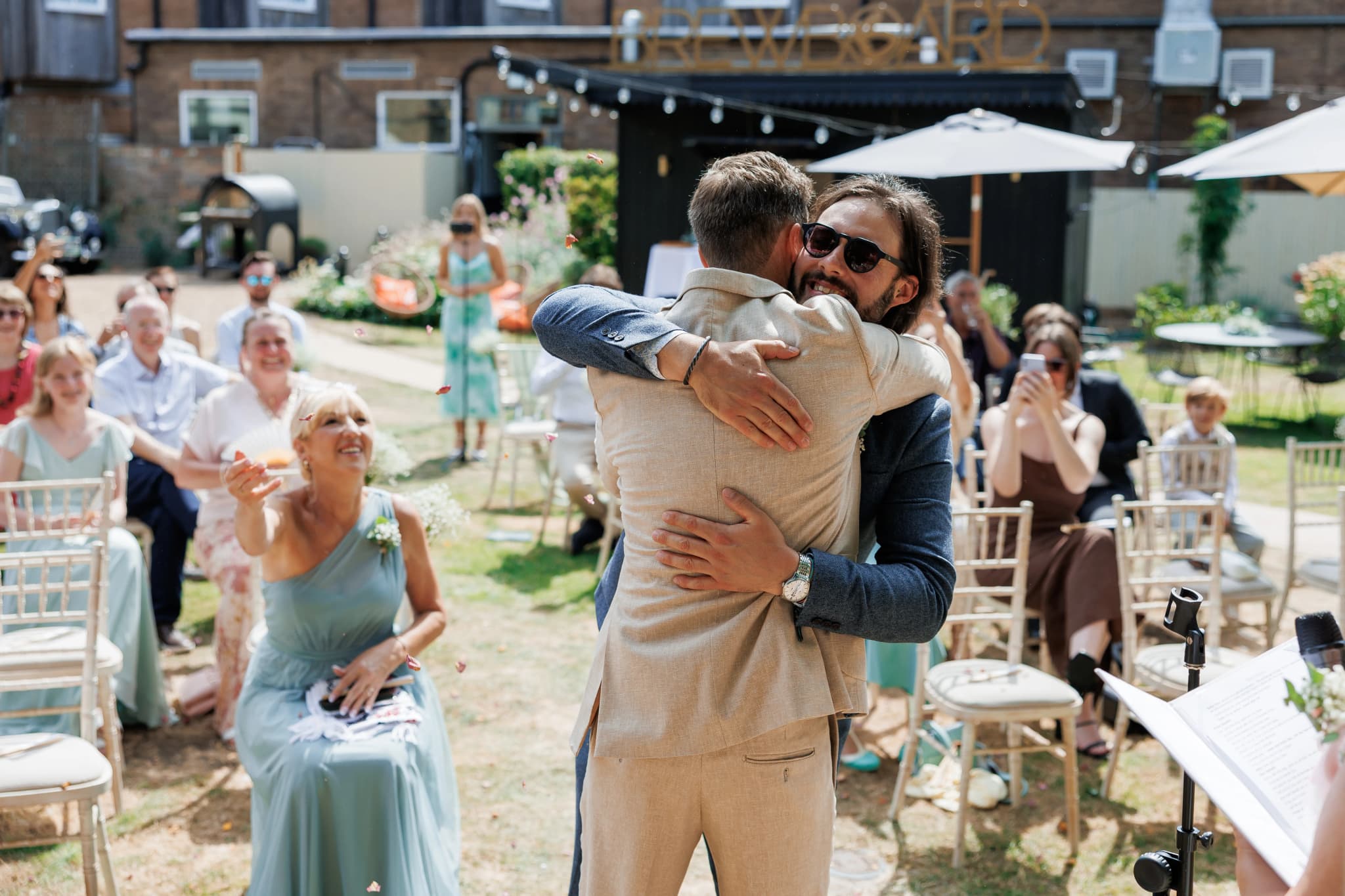
- ◆The chaotic confetti exit: If your venue allows it and you're doing a confetti moment, position one bridesmaid on each side of the exit path rather than having them all stand in a cluster. The confetti shower creates natural movement and laughter, and the wide shot becomes a genuine celebration rather than a static group photo.
Timing and Light: The Two Variables That Matter Most
In the UK, where we can't reliably count on sunshine, understanding light becomes even more important than in sunnier climates. The hour before sunset — golden hour — gives a warmth and directional quality that makes even a simple standing shot look intentional. But most UK wedding schedules have bridesmaids portraits sandwiched between the ceremony and the wedding breakfast, often in the middle of the afternoon when the light is flat and harsh.
I always talk to couples during our planning call about carving out a second, shorter bridesmaids session during drinks reception. Ten minutes at 6pm in September produces completely different images than 2pm in the same spot. If the schedule is genuinely fixed, overcast British light is your friend — it's naturally soft and even, which means no harsh shadows under eyes and no squinting. A light grey sky is not a photography problem; it's a diffusion panel the size of the sky.
Indoor light at UK venues — particularly the soft, cool light from north-facing windows in historic properties — is beautiful for intimate small-group portraits. Position two or three bridesmaids near a window, use the ambient light only, and the resulting images have a quiet, editorial quality that feels current rather than dated. This approach works particularly well for the dressing-room shots that start the day.
What to Tell Your Bridesmaids Before the Day
The bridesmaids who look most relaxed in photos are the ones who knew what to expect. A short briefing — even just a message from the bride the week before — makes a significant difference. Let them know that the photographer will be around during getting-ready, that there will be a short formal portrait session (so they don't wander off during drinks), and that most of the best shots will come from them just being themselves rather than performing for the camera.
It also helps to appoint one bridesmaid as the "wrangler" — someone who knows the plan and can help gather the group when needed. At larger UK weddings, especially outdoor summer receptions where guests disperse across garden grounds, spending 15 minutes just locating everyone can eat into the entire portrait window. One organised bridesmaid who knows the schedule is worth more than any fancy lighting setup.
Remind them about colour coordination if it matters to the aesthetic — mismatched clutch bags and jackets in vastly different colours can pull a group portrait apart visually. This isn't about being rigid; it's about making sure the images reflect the care that went into the day rather than accidental chaos.
The Formal Group Shot: How to Make It Feel Less Formal
Every wedding needs at least one photograph where you can clearly see everyone's face. The formal bridesmaids group shot isn't the enemy — the stiffness that comes with it is. There are several ways to keep structure while losing the rigidity.
Instead of asking everyone to stand at the same distance from camera, create depth by having some bridesmaids slightly closer and some further back, naturally gathered rather than evenly spaced. Ask them to turn and talk to each other as you count down, then capture the moment they turn back — you get connected expressions rather than everyone simultaneously looking at the camera with the same fixed smile.
For larger bridal parties of six or more, consider splitting into two images rather than one wide shot. Two smaller groups, shot at a closer focal length, produce more intimate and detailed portraits than a wide group where faces are small and expression is lost. These can then be presented as a diptych in albums or on walls, which often looks more intentional than a single wide composition.
Want Bridesmaids Photos That Actually Look Like Your Day?
I photograph weddings across Cambridge, Suffolk, Norfolk, and London with a documentary approach that captures genuine moments rather than manufactured ones. If you'd like to see how I work with bridal parties and whether your date is available, get in touch.
Check Your Date →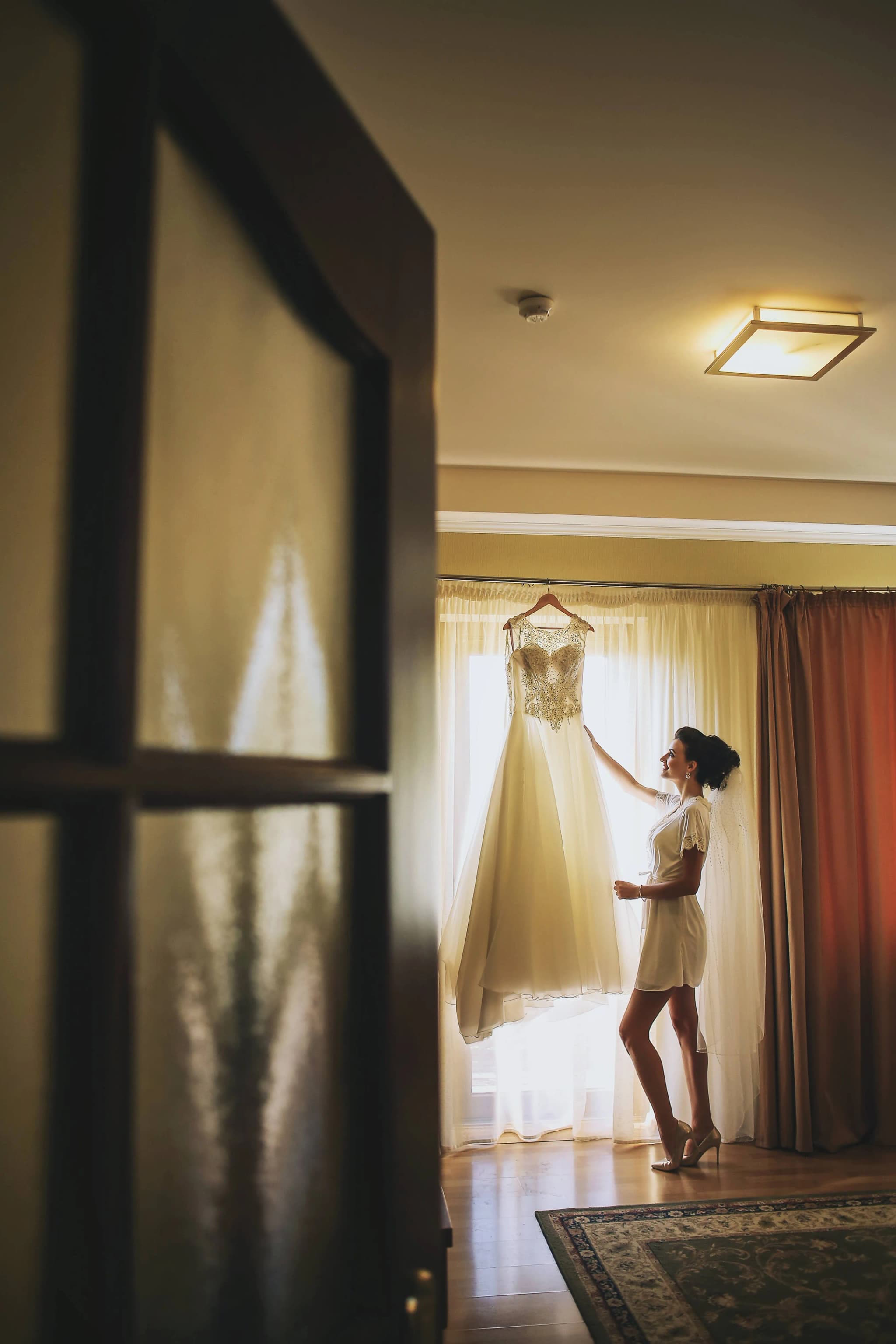

Yana Skakun
Photographer · England
Professional wedding, family and portrait photographer based in England. Passionate about capturing authentic emotions and timeless moments.
About Yana →bridesmaidsphotoideasguide
Wedding Tips — Wedding Photography in Cambridge & England
Yana Skakun is a professional wedding photographer based in Cambridge, covering weddings across England — from intimate elopements to full-day ceremonies at country houses, barns, and city venues. Every couple receives a relaxed, documentary approach that captures the day as it truly unfolds. This guide — Bridesmaids Photo Ideas That Aren't Cheesy — is part of the photography journal: practical, experience-based advice drawn from real sessions across England. Whether you arrived searching for bridesmaids or photo, the same care and attention shapes every session Yana photographs.
Wedding Photography sessions are available year-round, with bookings open across Cambridge, Ely, Huntingdon, Peterborough, and further afield — East England, London, the Midlands, and beyond. If you have specific questions about ideas, mention it in your enquiry. Get in touch through the contact form above to check availability and discuss your session. Enquiries are welcomed from anywhere in the UK.
Frequently Asked Questions
How much does a wedding photographer cost in England?+
Wedding photography in England typically ranges from £1,500 to £4,000+ for a full day. Price depends on experience, coverage hours, and whether albums or engagement shoots are included. Most photographers charge between £2,000–£3,000 for 8–10 hours of coverage.
How early should you book a wedding photographer?+
For peak season (May–September), book 12–18 months in advance. For autumn and winter weddings, 9–12 months is usually sufficient. Popular photographers at popular venues fill up fast — as soon as you have a date and venue confirmed, start reaching out.
How many photos do you get from a wedding photographer?+
Most professional wedding photographers deliver 400–800 edited images for a full-day wedding. The exact number depends on coverage hours, how many guests there are, and the photographer's editing style. Quality matters more than quantity — a curated gallery of 500 images tells the story better than 1,500 unedited files.
Do you need a second photographer at your wedding?+
A second photographer is helpful if you want simultaneous coverage of getting-ready moments in different locations, multiple angles during the ceremony, or more candid coverage during the reception. It adds cost but significantly increases the variety and completeness of your gallery.
What is the difference between documentary and editorial wedding photography?+
Documentary (reportage) wedding photography captures moments as they happen — the photographer observes and doesn't intervene. Editorial photography involves deliberate direction: placing you in good light, shaping compositions, creating intentional portraits. Most photographers blend both styles throughout the day.
Continue Reading
Related Articles

Wedding Tips
Sustainable Eco-Friendly Wedding Guide — Planning a Green Celebration
15 min read · Read Article
Wedding Tips
Trash the Dress Session — Complete Planning and Photography Guide
14 min read · Read Article
Wedding Tips
Client Communication for Photographers — From Enquiry to Gallery Delivery
15 min read · Read Article
Get in Touch
Ready to Book Your Session?
Get in touch to discuss your vision — I'll reply within 24 hours.