Yana Skakun
Candlelight Wedding Photography in Winter: Warm Glow & Romantic Atmosphere
By Yana Skakun·18 March 2026·6 min read
There is a particular quality to candlelight that no electric light can properly replicate — it is warm, it moves, and it has a genuinely living quality that flat artificial lighting simply does not have. In wedding photography, these characteristics produce images with a depth and intimacy that studio-quality lighting rarely achieves, however carefully it is set up. Winter weddings lit largely or entirely by candles are among my favourite things to photograph, and I plan carefully for them whenever a couple tells me their venue will be candlelit.
Why Candlelight Works So Well in Photography
Candlelight creates several specific photographic conditions that are difficult to achieve any other way. The colour temperature is extremely warm — candles burn at somewhere around 1800 to 2000 Kelvin, warmer even than golden hour sunlight — and that warmth wraps faces and surfaces in a rich amber glow that photographs with real beauty. It is a colour palette that flatters almost everyone, softening skin tones in a way that cooler, more neutral light does not.
Candlelight also has an intimate scale to it that shapes an image in a useful way. It does not travel far, so it creates pools of warmth surrounded by darkness, and that means attention is drawn naturally to whatever the light is actually illuminating — a face, a pair of joined hands, a table setting. In photography, that kind of built-in focus and separation from the background is genuinely valuable and something I would otherwise have to create deliberately with off-camera lighting.
There is also constant, gentle movement in candlelight that static lighting can never replicate. The flicker shifts the light on faces imperceptibly from moment to moment, which gives candlelit photographs a sense of life and presence that a single, fixed light source does not have. And where there are multiple candles — a table setting with a dozen tea lights, for instance — you get a whole landscape of small light sources interacting, producing interesting patterns and reflections across glassware, cutlery, and skin that a single light simply cannot generate.
How I Work with Candlelit Venues
Candlelit photography requires real technical adaptation, and it is not something that can simply be handled with a flash and hoped for the best — using flash would destroy the very quality that makes candlelight worth photographing in the first place. I work with wide aperture lenses, generally somewhere between f/1.2 and f/1.8, which allows the maximum amount of available light onto the sensor without compromising image quality or depth of field control.
Modern camera sensors handle high ISO settings, typically somewhere in the range of ISO 3200 to 6400, with remarkably little visible noise, and I use that range routinely for candlelit work rather than treating it as a last resort. White balance is handled carefully and deliberately rather than automatically — I often preserve the warm cast of candlelight rather than correcting it back to neutral, because that warmth is genuinely part of the aesthetic rather than a flaw to be fixed in post-processing.
In very low light, I also change my approach to timing. Rather than chasing fast-moving action the way I might in bright daylight, I wait for the still moments — a pause in conversation, a quiet look between a couple, a moment of stillness at the table. Candlelit portrait sessions naturally slow down and become more contemplative, and working with that rhythm rather than against it produces far better results than trying to force a faster pace onto conditions that do not suit it.
A note on planning a candlelit winter wedding
If your venue is planning candlelight for the ceremony, the reception, or both, it is genuinely worth mentioning to me as early as possible in the planning process, so I can think through timeline and positioning around it in advance. Candlelight photography is a speciality I love, and getting the technical planning right beforehand makes a real difference to how the finished images turn out on the day itself.
Get in touch about your candlelit venueThe Best Candlelit Wedding Moments
A ceremony conducted entirely by candlelight — a church or chapel with all its lighting coming from candles alone, the faces of the congregation lit by individual flames, the couple at the altar illuminated by candlesticks either side of them — is one of the most profound photographic experiences a wedding can offer. The light is uneven, unpredictable, and genuinely beautiful in a way that no lighting rig could ever recreate on purpose.
The dinner table is another highlight. The arrangement of table setting, flowers, wine glasses, and candlelight together creates still-life compositions of real beauty, often before a single guest has even sat down. I try to photograph these details while they are still perfectly arranged, because a table full of guests, however lively, rarely photographs with the same quiet elegance as the setting on its own.
A first dance in a ballroom lit by chandeliers and candelabras is classic wedding photography for a reason — dancing figures caught in warm, moving light, turning slowly through the frame, is an image that never really goes out of style. And outside, paper lanterns, shepherd's hook lights, and fire torches at a venue entrance create a completely different but equally beautiful transition from a candle-warm interior to a lantern-lit exterior, which I always try to capture as guests move between the two spaces through the evening.
Choosing a Venue with Candlelight in Mind
Not every winter venue lends itself equally well to candlelight, and it is worth thinking about this at the venue-viewing stage rather than only once the booking is confirmed. Rooms with dark wood panelling, low ceilings, or a naturally intimate scale tend to hold candlelight beautifully, with the warm glow filling the space rather than being lost in a large, open room. Barns and converted agricultural buildings, which many winter couples choose specifically for their atmosphere, are often particularly well suited to this kind of lighting.
If your venue is a larger, brighter space by default, that does not rule candlelight out at all — it simply means concentrating it in specific areas, such as the top table, the ceremony backdrop, or a designated lounge area, rather than expecting it to carry the whole room. I am always glad to visit a venue in advance or talk through floor plans with a couple specifically to think through where candlelight will have the most impact.
Preparing for a Candlelit Wedding
There are a few practical things that help a candlelit wedding photograph as well as possible. Venues sometimes restrict open flame for safety reasons, so it is worth confirming with your venue coordinator exactly what kind of candles are permitted and where, well before the day itself — battery-operated candles can look convincing to the eye but read very differently through a camera, so I like to know in advance which type will actually be used.
It is also worth thinking about how candlelit portions of the day connect to better-lit portions. A candlelit ceremony followed immediately by a well-lit reception, or vice versa, gives a real sense of contrast and atmosphere across the finished gallery rather than a single unbroken mood from start to finish. I plan the timeline with this in mind wherever I can, so the candlelit moments feel like a deliberate highlight rather than simply the darkest part of the day.
Combining Candlelight with Other Winter Details
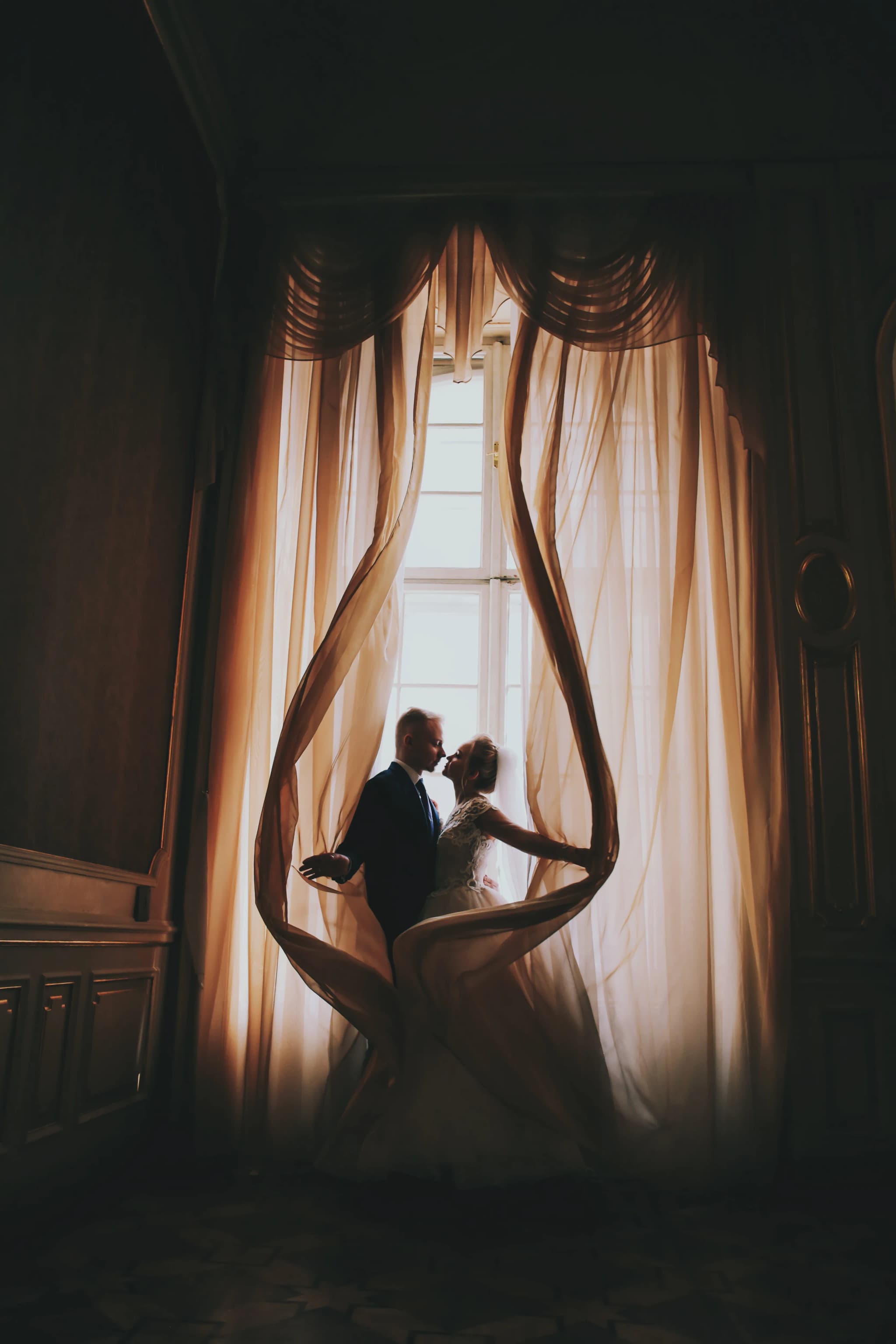
Candlelight rarely exists on its own at a winter wedding, and part of what makes it photograph so well is everything it sits alongside — deep-toned florals in burgundy and forest green, dark wood furniture, heavy fabric drapes, and the general richness of a winter colour palette. All of these elements amplify what the candlelight itself is doing, so I think about styling and candlelight together rather than treating the lighting as a separate consideration from the overall look of the day.
Guests' formal winter attire also plays into this more than people often expect — dark suits, jewel-toned dresses, and warm wraps all catch candlelight in a way that pale summer clothing simply does not, adding depth and richness to group and reception photographs that a summer wedding rarely achieves in quite the same way.
Candlelight photography is a speciality I genuinely love, and winter weddings built around it consistently produce some of the most atmospheric galleries I deliver all year. If you are planning a candlelit ceremony or reception and want to talk through your venue and how to make the most of the atmosphere, get in touch and I will help you plan it properly.


Yana Skakun
Photographer · England
Professional wedding, family and portrait photographer based in England. Passionate about capturing authentic emotions and timeless moments.
About Yana →candlelight wedding photographywinter candlelit ceremony photoscandle wedding photographer UK
Wedding Tips — Wedding Photography in Cambridge & England
Yana Skakun is a professional wedding photographer based in Cambridge, covering weddings across England — from intimate elopements to full-day ceremonies at country houses, barns, and city venues. Every couple receives a relaxed, documentary approach that captures the day as it truly unfolds. This guide — Candlelight Wedding Photography in Winter: Warm Glow & Romantic Atmosphere — is part of the photography journal: practical, experience-based advice drawn from real sessions across England. Whether you arrived searching for candlelight wedding photography or winter candlelit ceremony photos, the same care and attention shapes every session Yana photographs.
Wedding Photography sessions are available year-round, with bookings open across Cambridge, Ely, Huntingdon, Peterborough, and further afield — East England, London, the Midlands, and beyond. If you have specific questions about candle wedding photographer uk, mention it in your enquiry. Get in touch through the contact form above to check availability and discuss your session. Enquiries are welcomed from anywhere in the UK.
Frequently Asked Questions
How much does a wedding photographer cost in England?+
Wedding photography in England typically ranges from £1,500 to £4,000+ for a full day. Price depends on experience, coverage hours, and whether albums or engagement shoots are included. Most photographers charge between £2,000–£3,000 for 8–10 hours of coverage.
How early should you book a wedding photographer?+
For peak season (May–September), book 12–18 months in advance. For autumn and winter weddings, 9–12 months is usually sufficient. Popular photographers at popular venues fill up fast — as soon as you have a date and venue confirmed, start reaching out.
How many photos do you get from a wedding photographer?+
Most professional wedding photographers deliver 400–800 edited images for a full-day wedding. The exact number depends on coverage hours, how many guests there are, and the photographer's editing style. Quality matters more than quantity — a curated gallery of 500 images tells the story better than 1,500 unedited files.
Do you need a second photographer at your wedding?+
A second photographer is helpful if you want simultaneous coverage of getting-ready moments in different locations, multiple angles during the ceremony, or more candid coverage during the reception. It adds cost but significantly increases the variety and completeness of your gallery.
What is the difference between documentary and editorial wedding photography?+
Documentary (reportage) wedding photography captures moments as they happen — the photographer observes and doesn't intervene. Editorial photography involves deliberate direction: placing you in good light, shaping compositions, creating intentional portraits. Most photographers blend both styles throughout the day.
Continue Reading
Related Articles

Wedding Tips
Sustainable Eco-Friendly Wedding Guide — Planning a Green Celebration
15 min read · Read Article
Wedding Tips
Trash the Dress Session — Complete Planning and Photography Guide
14 min read · Read Article
Wedding Tips
Client Communication for Photographers — From Enquiry to Gallery Delivery
15 min read · Read Article
Get in Touch
Ready to Book Your Session?
Get in touch to discuss your vision — I'll reply within 24 hours.