Yana Skakun
Castle Wedding Photography: Making the Most of Historic Architecture
By Yana Skakun·20 March 2026·6 min read
There is something genuinely timeless about a castle wedding. The weight of centuries of history, the drama of stone battlements against an English sky, the cool hush of a great hall — all of it creates a setting that no modern venue can replicate. As a wedding photographer who has worked at castles across England and Scotland, I can tell you that these venues reward careful planning and reward it generously: the photographs you take home from a castle wedding are unlike anything else.
Why Castles Are a Photographer's Dream Venue
Castle weddings offer an extraordinary density of photographic opportunity. Within a single venue you can have sweeping exterior landscapes, intimate stone-walled corridors, grand staircases, candlelit great halls, walled gardens, and panoramic views from battlements — often all within a hundred metres of each other. This variety means that even if the English weather turns, there is always another composition waiting inside or in a sheltered courtyard.
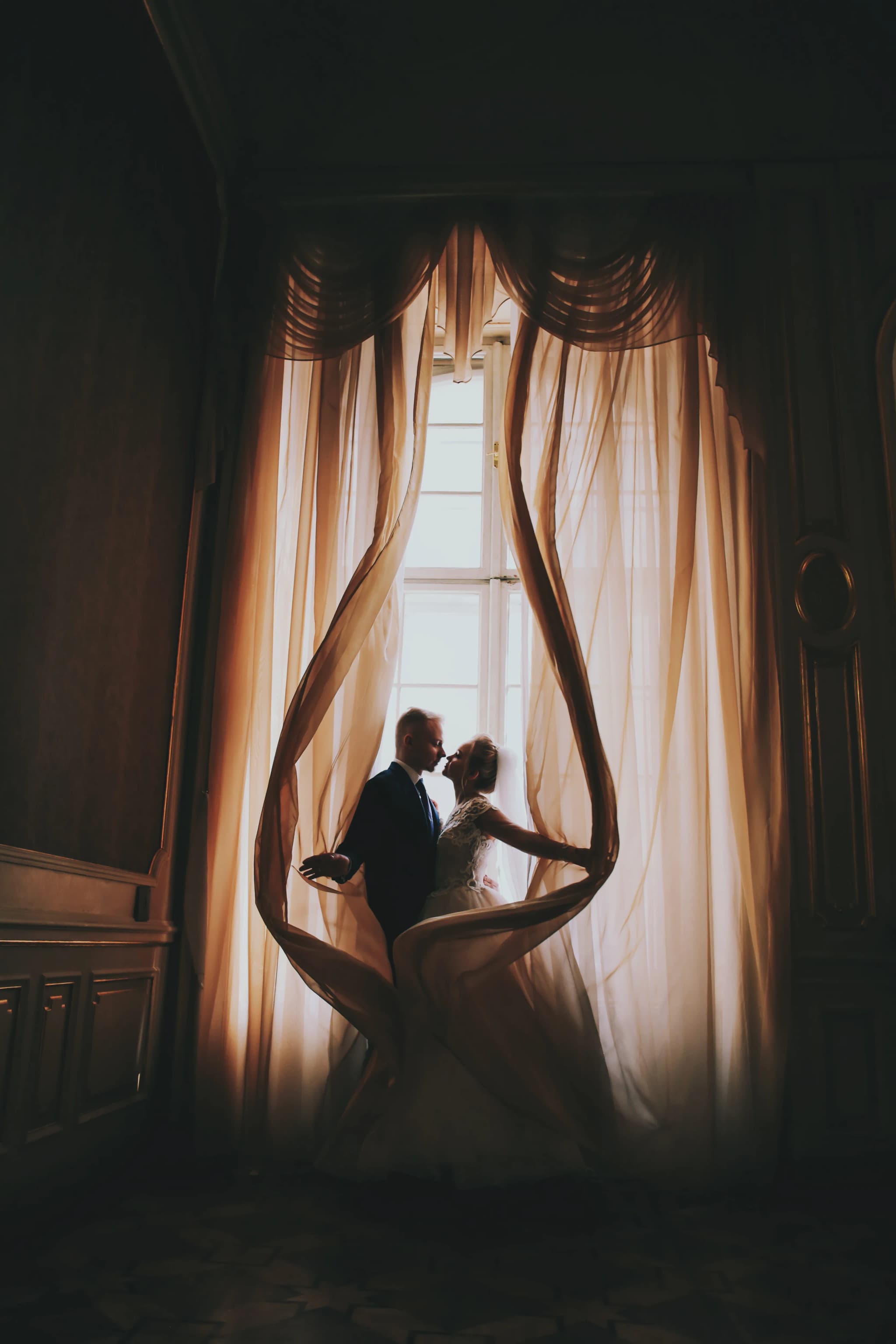
The architecture itself does much of the compositional work for you. Norman archways, Tudor windows, and Victorian Gothic turrets all create natural frames within frames. When a couple stands beneath a pointed stone arch with soft diffused daylight falling through a lancet window beyond them, the image essentially composes itself. My job in those moments is simply to be still, to wait for the right glance or smile, and to press the shutter at precisely the right second.
Popular castle wedding venues in England include Hever Castle in Kent (Anne Boleyn's childhood home), Highclere Castle in Berkshire (familiar to millions as Downton Abbey), Sudeley Castle in the Cotswolds, and Bamburgh Castle in Northumberland. Scotland offers Eilean Donan, Dundas Castle near Edinburgh, and the spectacular Inveraray on the banks of Loch Fyne. Each has its own character, light quality, and set of photographic challenges — and each rewards a photographer who has taken the time to understand it before the wedding day.
Understanding Castle Light: The Biggest Technical Challenge
Castle interiors are not designed for photography. Walls that are two metres thick, windows that are deliberately narrow for defensive reasons, and floors of cold stone all mean that available light inside a castle can be startlingly low — far lower than a modern hotel ballroom or country house. During an overcast English winter afternoon, the great hall of a medieval castle might be lit to less than a tenth of the light you would find indoors at a modern venue. This is not a problem for an experienced photographer, but it requires the right equipment and the right approach.
I always shoot castle weddings with fast prime lenses — typically at f/1.4 or f/1.8 — which allow the maximum amount of light to reach the sensor. Combined with the high ISO performance of modern full-frame cameras, which can produce clean, usable files at ISO 6400 and above, this means I can photograph a ceremony in a candlelit undercroft or a dimly lit chapel without flash. The resulting images have a quality of light that feels genuinely medieval: rich, directional, slightly moody, and completely authentic to the space.
Where flash is used, I prefer off-camera setups that bounce light off the stone ceiling or walls, creating a soft, ambient quality rather than the harsh direct look of on-camera flash. Many castle venues restrict or prohibit flash during ceremonies, which I actively welcome — the restriction produces better photographs. I always check the venue's flash policy well in advance and plan accordingly.
Making the Most of Castle Architecture in Your Portraits
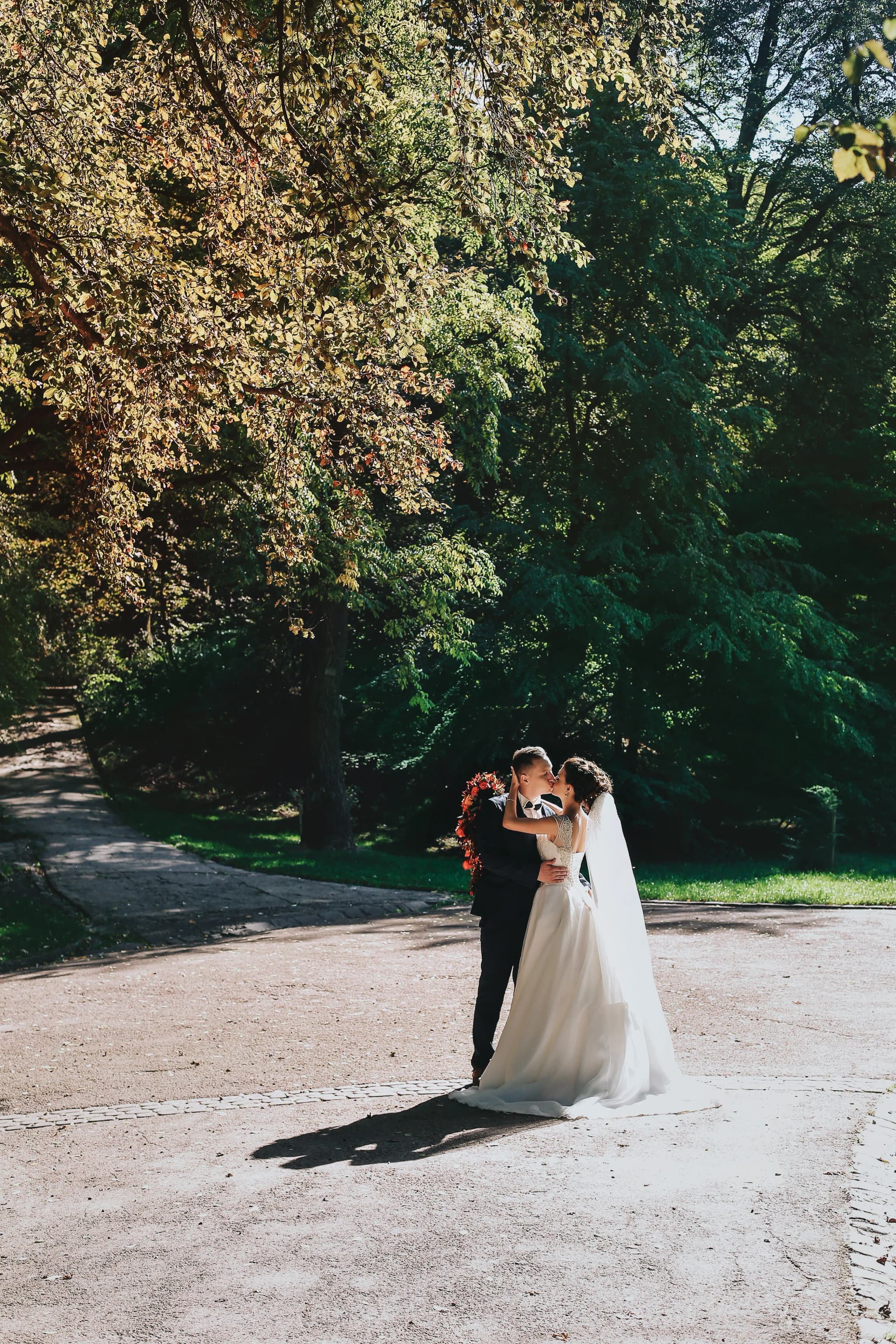
The couple portrait session at a castle wedding is where the venue truly earns its reputation. The key is to use the architecture purposefully rather than simply standing the couple in front of a wall and hoping for the best. Archways work beautifully as frames — I will often position myself thirty or forty metres away and use a short telephoto lens to compress the perspective, so that the arch fills the foreground and the couple is framed perfectly within it, the stone texture surrounding them on all sides.
Staircases are another essential castle feature. A grand straight staircase allows for a high-angle shot looking down at the couple from above, creating an elegant, almost aerial perspective. A tight spiral staircase produces something entirely different — claustrophobic in the best sense, intimate, historical. For one recent wedding at a Northamptonshire estate, the bride and groom walked up a spiral staircase together and I photographed them from below through the open centre of the stairwell, the stone steps curving away above them into shadow. It remains one of my favourite photographs from that year.
Where battlements and towers are accessible, they offer the chance to place the couple against a backdrop of sky and landscape that contextualises the whole wedding within the history of the place. A late-afternoon portrait on the ramparts, with the castle grounds spreading out below and the sky turning golden behind the couple, is worth every steep stone step it takes to get there. I always scout these locations during the venue visit so that on the day I know exactly where to take the couple and how long it will take to get there and back.
Working with Castle Grounds and Gardens
Many of England's great castle venues — Hever, Sudeley, Leeds Castle in Kent — have grounds that are as photogenic as the buildings themselves. Formal gardens provide soft, even light and a lush green backdrop that contrasts beautifully with the grey stone of the castle walls. Moats, drawbridges, and ha-has create natural lead-in lines that draw the eye through the frame to the couple. Wooded parkland beyond the formal gardens offers dappled shade and a more relaxed, romantic atmosphere for portraits later in the evening.
I always plan the portrait route through the grounds in advance, identifying the key locations, the best light direction at the time we will be shooting, and any potential obstacles — other wedding guests, tourist visitors at heritage sites, or gardening activity. At some of the more popular castle venues, other weddings or heritage visitors may be present on the same day, so knowing exactly where to go and when means we can move efficiently and avoid congestion.
In my experience, the courtyard is often the most underrated photographic space at a castle venue. Enclosed on all sides, a courtyard receives beautiful, soft overhead light from the open sky above — essentially the same quality as a north-facing studio setup, but on a grand historic scale. It is ideal for group photographs because the light is even and flattering across a large number of faces, and the stone walls provide a backdrop that is both neutral and deeply characterful.
Seasonal Considerations for Castle Wedding Photography
Castles change dramatically across the seasons, and the best time to photograph them depends entirely on what you want from your images. Spring brings fresh green growth against grey stone, blossom in castle orchards and gardens, and long, gentle light in the late afternoon. Summer offers the warmest light, the greenest grounds, and the longest shooting window — but also the highest tourist footfall at heritage venues. Autumn is arguably the most dramatic season: the grounds turn gold and copper, mist lingers in the early morning, and the raking low-angle light of October and November produces extraordinary warmth and texture on old stone.
Winter castle weddings are a particular speciality of mine. The stripped-down trees reveal the architecture more completely, frost and ice add texture and atmosphere, and the low winter sun — when it appears — rakes across stone walls and battlements at an angle that produces almost sculptural shadows. Indoors, candlelight and firelight become central photographic elements rather than mere decoration. A winter wedding in a candlelit great hall, with the couple lit entirely by warm flickering firelight against the cold stone darkness of the room, produces images that feel genuinely historic — photographs that would not look out of place in a painting from five centuries ago.
Thinking about a castle wedding?
I visit every venue in advance, plan every portrait location, and arrive on the day knowing exactly how to make the most of the space and the light. If you are planning a castle wedding in England or Scotland, I would love to talk through what is possible. Get in touch to start the conversation — or take a look at the wedding photography gallery to see castle images from recent weddings.
Practical Advice for Couples Booking a Castle Wedding
If you are planning a castle wedding, there are a few things that will make a significant difference to the photographs. First, share the full venue details with your photographer as early as possible so they can arrange a recce visit. Castle venues are complex spaces and there is no substitute for walking the ground in person, at the same time of day and ideally in the same season as your wedding. A recce visit allows me to identify the key portrait locations, understand the light, and spot any logistical challenges before they become problems on the day itself.
Second, build portrait time into your schedule generously. Castle venues reward exploration, and the best portraits are often found in unexpected corners — a doorway in the curtain wall, a forgotten garden beyond the main grounds, a window embrasure with a view across the moat. Give your photographer time to find these places with you, rather than rushing through a list of must-have shots. In my experience, the couples who are most relaxed about the portrait session — who treat it as a walk together rather than a photographic obligation — always end up with the best images.
Finally, embrace the atmosphere of the place. A castle is not a neutral backdrop. It has a character, a history, and a presence that will come through in every photograph. The best castle wedding images are the ones where the couple look genuinely at home in that extraordinary space — not performing for the camera in front of a famous building, but simply being themselves within a setting that happens to be magnificent. That ease and authenticity is what I work to create in every portrait session, and it is what makes castle wedding photography so enduringly powerful.
Castle weddings ask a little more of everyone — more planning, more logistical care, more technical preparation. But the photographs they produce are simply unlike anything a conventional venue can offer. If you are considering a castle for your wedding, the investment of time and thought is absolutely worth it.


Yana Skakun
Photographer · England
Professional wedding, family and portrait photographer based in England. Passionate about capturing authentic emotions and timeless moments.
About Yana →castle wedding photography guidephotographing castle weddings UKhistoric architecture wedding photographer
Wedding Tips — Wedding Photography in Cambridge & England
Yana Skakun is a professional wedding photographer based in Cambridge, covering weddings across England — from intimate elopements to full-day ceremonies at country houses, barns, and city venues. Every couple receives a relaxed, documentary approach that captures the day as it truly unfolds. This guide — Castle Wedding Photography: Making the Most of Historic Architecture — is part of the photography journal: practical, experience-based advice drawn from real sessions across England. Whether you arrived searching for castle wedding photography guide or photographing castle weddings uk, the same care and attention shapes every session Yana photographs.
Wedding Photography sessions are available year-round, with bookings open across Cambridge, Ely, Huntingdon, Peterborough, and further afield — East England, London, the Midlands, and beyond. If you have specific questions about historic architecture wedding photographer, mention it in your enquiry. Get in touch through the contact form above to check availability and discuss your session. Enquiries are welcomed from anywhere in the UK.
Frequently Asked Questions
How much does a wedding photographer cost in England?+
Wedding photography in England typically ranges from £1,500 to £4,000+ for a full day. Price depends on experience, coverage hours, and whether albums or engagement shoots are included. Most photographers charge between £2,000–£3,000 for 8–10 hours of coverage.
How early should you book a wedding photographer?+
For peak season (May–September), book 12–18 months in advance. For autumn and winter weddings, 9–12 months is usually sufficient. Popular photographers at popular venues fill up fast — as soon as you have a date and venue confirmed, start reaching out.
How many photos do you get from a wedding photographer?+
Most professional wedding photographers deliver 400–800 edited images for a full-day wedding. The exact number depends on coverage hours, how many guests there are, and the photographer's editing style. Quality matters more than quantity — a curated gallery of 500 images tells the story better than 1,500 unedited files.
Do you need a second photographer at your wedding?+
A second photographer is helpful if you want simultaneous coverage of getting-ready moments in different locations, multiple angles during the ceremony, or more candid coverage during the reception. It adds cost but significantly increases the variety and completeness of your gallery.
What is the difference between documentary and editorial wedding photography?+
Documentary (reportage) wedding photography captures moments as they happen — the photographer observes and doesn't intervene. Editorial photography involves deliberate direction: placing you in good light, shaping compositions, creating intentional portraits. Most photographers blend both styles throughout the day.
Continue Reading
Related Articles

Wedding Tips
Sustainable Eco-Friendly Wedding Guide — Planning a Green Celebration
15 min read · Read Article
Wedding Tips
Trash the Dress Session — Complete Planning and Photography Guide
14 min read · Read Article
Wedding Tips
Client Communication for Photographers — From Enquiry to Gallery Delivery
15 min read · Read Article
Get in Touch
Ready to Book Your Session?
Get in touch to discuss your vision — I'll reply within 24 hours.