Yana Skakun
Catholic Wedding Photography: Church Ceremonies, Sacrament & Beauty
By Yana Skakun·19 March 2026·6 min read
A Catholic or Christian church wedding is one of the most photographically rich ceremonies you can have in the UK. The architecture alone — centuries-old stone, towering stained-glass windows, carved wooden pews, candlelit altars — provides a backdrop that no hired venue can replicate. But capturing a nuptial Mass or Anglican service well requires far more than pointing a camera at beautiful surroundings. It demands an understanding of the ceremony's sacred structure, a sensitivity to the spiritual weight of each moment, and the technical ability to work in genuinely challenging light.
Understanding the Ceremony Before the Day
The single most important thing I do before photographing any church wedding is a thorough reconnaissance of the venue. I visit during a comparable time of day to assess how the light moves through the windows, where the priest or officiant will stand, whether the couple will face the congregation or the altar, and where the signing of the register takes place. At Cambridge churches such as St Bene't's Church — the oldest building in Cambridgeshire — or at larger venues like Ely Cathedral, this preparation is essential because the interior logic of each space is entirely different.
I also speak with the couple in advance about any restrictions set by the officiating priest or minister. Many Catholic parishes ask that flash photography be avoided entirely during Mass, and some restrict movement to certain areas of the nave. Knowing these boundaries before the day means I can plan my positions, choose the right lenses, and ensure I never disrupt the ceremony. Surprises on the day, in a sacred setting, are something I work hard to eliminate.
For Anglican services, the approach is similar but the structure differs. The Church of England ceremony is typically shorter than a full nuptial Mass and may include more flexibility around photography. Discussing the order of service with your vicar or rector in advance, and then sharing that information with your photographer, is one of the most practical things you can do in the planning phase.
The Nuptial Mass: Moments That Matter Most
A Catholic nuptial Mass typically runs between sixty and ninety minutes, and within that time there is a rich sequence of photographically significant moments. The procession is the first: the bride walking down the aisle — often a long, stone-flagged nave — while guests turn to watch. I position myself to capture both the bride and the groom's face as he sees her for the first time, which means planning in advance exactly where I will stand so as not to obstruct the aisle.
The exchange of vows and the blessing and exchange of rings are the emotional heart of the ceremony. In a Catholic service, the priest raises the rings and blesses them before they are placed on the finger — a visually beautiful and symbolically loaded moment that I always anticipate carefully. The unity candle ritual, where two flames merge into one, offers another distinct image that speaks directly to the meaning of the sacrament.
Holy Communion is treated with particular care. This is a sacred rite, and I photograph it respectfully from a distance, without intruding into the communion line or drawing attention to the camera. The signing of the register — whether done at the altar steps, in the sacristy, or in a side chapel — is often a more relaxed moment, and I use it to capture genuine smiles and quiet exchanges between the couple, witnesses, and immediate family.
Working in Church Light: The Technical Reality
Church interiors present a combination of lighting conditions that is genuinely difficult to manage. Stained glass casts richly coloured but unpredictable light across the nave. Candles at the altar provide a warm, flickering glow that is beautiful on film but sits far below the light levels required by a standard camera setting. High stone ceilings absorb light rather than reflecting it. And side-aisle windows may be in direct sunlight for part of the ceremony and in shade for another part.
I use fast prime lenses — typically a 35mm and an 85mm — that perform well at wide apertures in low light. These allow me to maintain a fast enough shutter speed to freeze movement without pushing the ISO to a point where the images become unacceptably noisy. In churches where flash is permitted, I use a small off-camera flash bounced subtly to supplement the ambient light rather than overwhelming it. Where no flash is permitted, I rely entirely on natural and candlelight, which in my experience produces some of the most atmospheric images I have ever made.
Arriving at the church at least an hour before guests is something I always insist on. That time is used to walk the space again on the day, check where the light actually is at that hour, confirm my shooting positions with the verger or church coordinator, and be calm and ready before anyone else arrives. Rushing into a church ceremony is a recipe for missed moments and disruption.
Tip for couples planning a church wedding
Ask your priest or minister whether a "rehearsal run-through" is possible — even just walking the aisle and standing at the altar together. Share the order of service with your photographer at least two weeks before the wedding. These two steps alone will result in better photographs and a calmer ceremony day. If you are planning a Catholic or Christian wedding in Cambridge or across East Anglia and would like to discuss your day in detail, please get in touch.
Portrait Sessions After a Church Ceremony
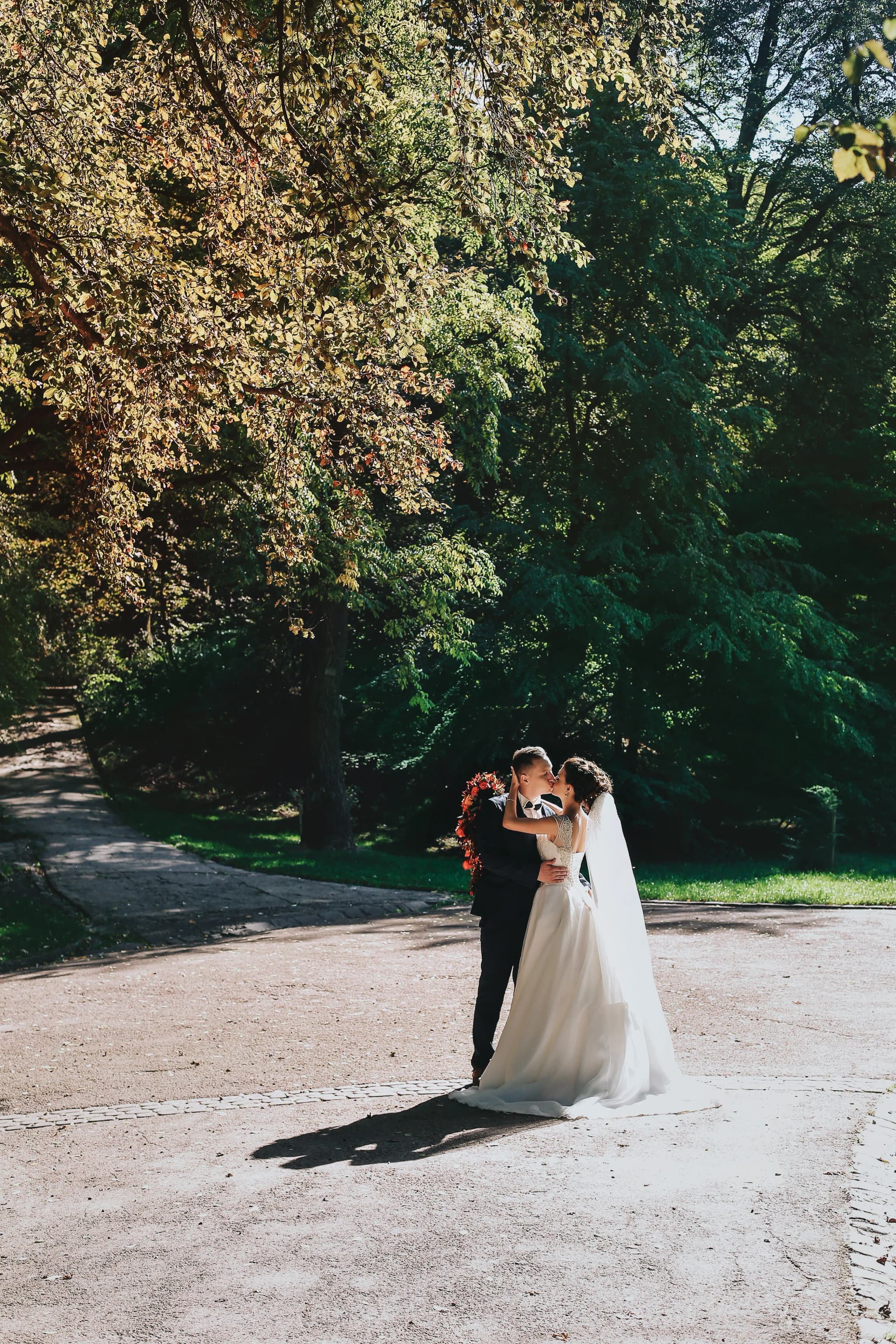
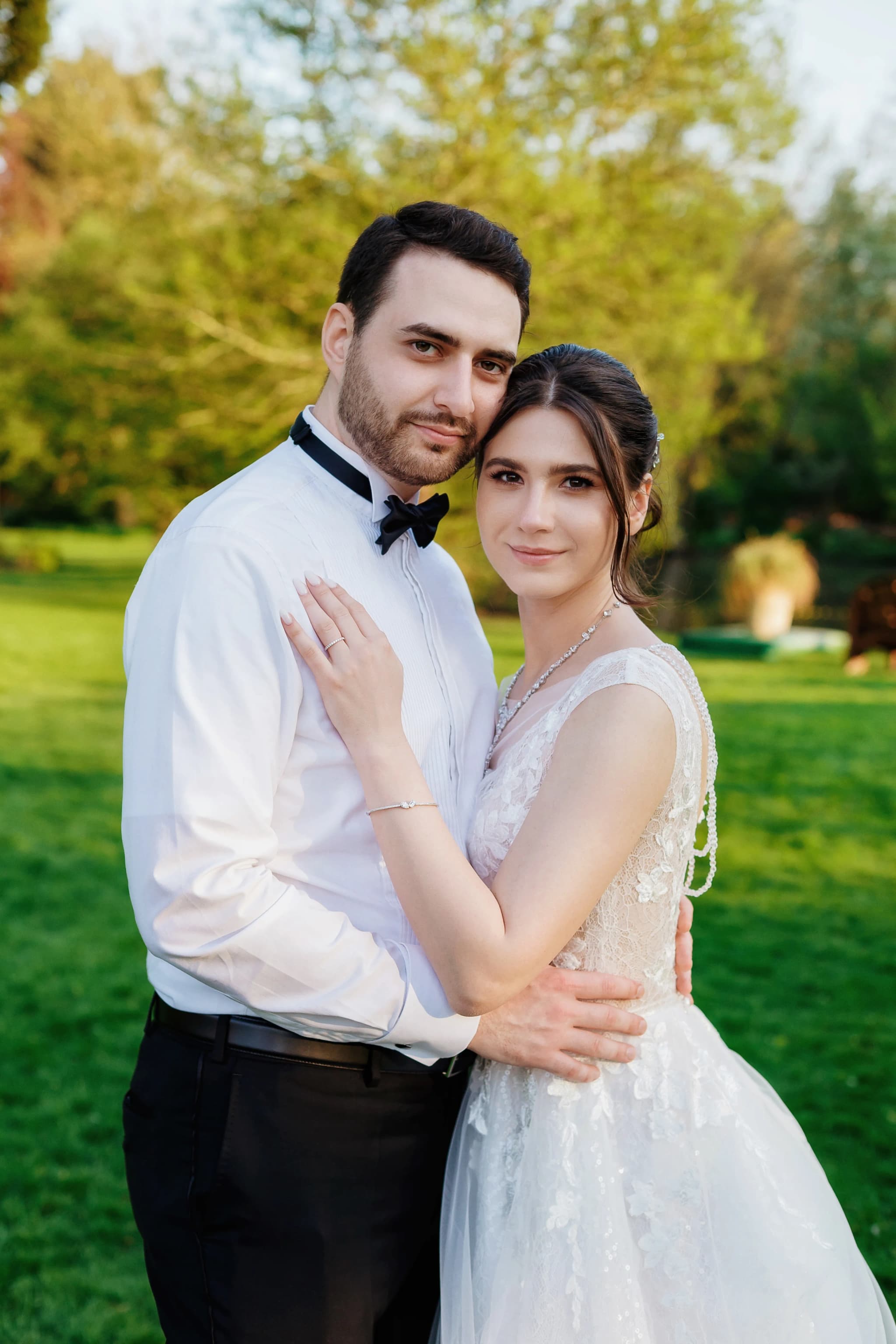
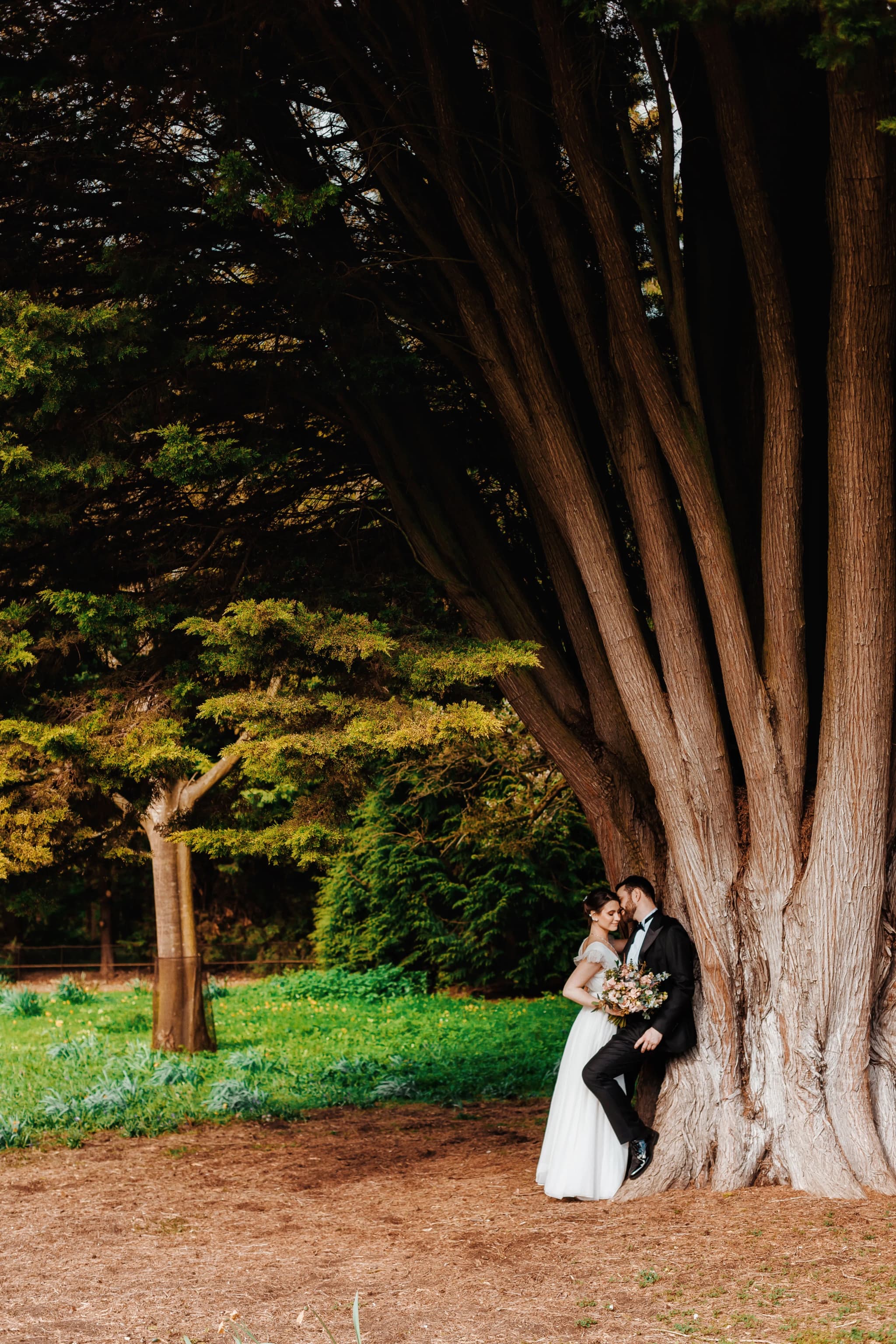
One of the advantages of a church wedding is the exterior architecture, which provides extraordinary portrait opportunities that a hotel or barn venue simply cannot offer. Stone porches, arched doorways, churchyard paths lined with ancient yews, lychgates, and gravel paths between headstones all contribute to images that feel rooted in English history. At churches such as St Mary the Great in Cambridge, or at the cathedral churches of Ely, Peterborough, or Norwich, the possibilities extend to cloisters, chapter house gardens, and long grassed lawns.
I typically aim for a twenty-minute portrait session immediately after the ceremony — just the two of you, while guests are having drinks — followed by group photographs. For Catholic weddings that proceed to a reception venue, I also build in a second portrait session later in the afternoon, when the light is lower and warmer, and when the couple has had time to relax into the day. This dual-session approach consistently produces the images couples love most: the formal portraits immediately after, full of emotion and freshness, and the golden-hour portraits later, when they feel entirely at ease.
Coordinating with Your Priest, Verger, and Venue
The relationship between a wedding photographer and the church staff is one that I take seriously. Vergers and church coordinators have seen many weddings, and they understand the ceremony far better than any photographer who arrives without prior contact. I always introduce myself to the verger or church warden on arrival, confirm the shooting positions we have agreed, and check whether anything has changed since my recce visit. At Catholic churches, I may also speak briefly with the priest before Mass begins, both out of respect and to confirm any specific requests.
For couples, the practical advice is simple: introduce your photographer to your priest or minister by name and email before the day, share the photographer's website if the church requests to review their approach, and confirm in writing any restrictions so there is no ambiguity on the day. The vast majority of UK clergy are genuinely supportive of wedding photography when approached with professionalism and respect. Problems arise only when photographers arrive without preparation or treat the ceremony as a photo shoot rather than a sacrament.
What to Expect from Your Gallery
After a Catholic or Christian church wedding, the gallery I deliver tells the story of the entire ceremony chronologically: the preparations at home or hotel, the arrival of guests, the processional, the Mass or service in full, the recessional, the exterior portraits, and the celebrations at the reception. For a full nuptial Mass, this typically means between 400 and 600 carefully edited images, with a core selection of fifty to eighty that tell the story most powerfully.
The editing approach for church interiors emphasises warmth, depth, and a slight desaturation of artificial colour casts so that the images feel timeless rather than obviously "digital." Stained glass windows are handled carefully in post-processing to balance the exposure between the bright window and the darker interior without losing the colour that makes them so distinctive. Black-and-white conversions work particularly well in historic stone churches, where the texture of the walls, the fall of candlelight, and the emotional expressions of the couple create images of genuine permanence.
A Christian or Catholic church wedding in the UK is a ceremony with deep roots — in faith, in tradition, and in the physical fabric of buildings that have hosted weddings for centuries. Photographing it well is a privilege I approach with care, preparation, and genuine respect for what is happening. If you are planning a church wedding in Cambridge, Ely, or anywhere across East Anglia and want photography that honours both the beauty and the meaning of the day, I would love to hear from you. Visit the weddings page for more about how I work, or get in touch directly to begin the conversation.


Yana Skakun
Photographer · England
Professional wedding, family and portrait photographer based in England. Passionate about capturing authentic emotions and timeless moments.
About Yana →Catholic wedding photographychurch wedding photographer UKChristian wedding photography England
Wedding Tips — Wedding Photography in Cambridge & England
Yana Skakun is a professional wedding photographer based in Cambridge, covering weddings across England — from intimate elopements to full-day ceremonies at country houses, barns, and city venues. Every couple receives a relaxed, documentary approach that captures the day as it truly unfolds. This guide — Catholic Wedding Photography: Church Ceremonies, Sacrament & Beauty — is part of the photography journal: practical, experience-based advice drawn from real sessions across England. Whether you arrived searching for catholic wedding photography or church wedding photographer uk, the same care and attention shapes every session Yana photographs.
Wedding Photography sessions are available year-round, with bookings open across Cambridge, Ely, Huntingdon, Peterborough, and further afield — East England, London, the Midlands, and beyond. If you have specific questions about christian wedding photography england, mention it in your enquiry. Get in touch through the contact form above to check availability and discuss your session. Enquiries are welcomed from anywhere in the UK.
Frequently Asked Questions
How much does a wedding photographer cost in England?+
Wedding photography in England typically ranges from £1,500 to £4,000+ for a full day. Price depends on experience, coverage hours, and whether albums or engagement shoots are included. Most photographers charge between £2,000–£3,000 for 8–10 hours of coverage.
How early should you book a wedding photographer?+
For peak season (May–September), book 12–18 months in advance. For autumn and winter weddings, 9–12 months is usually sufficient. Popular photographers at popular venues fill up fast — as soon as you have a date and venue confirmed, start reaching out.
How many photos do you get from a wedding photographer?+
Most professional wedding photographers deliver 400–800 edited images for a full-day wedding. The exact number depends on coverage hours, how many guests there are, and the photographer's editing style. Quality matters more than quantity — a curated gallery of 500 images tells the story better than 1,500 unedited files.
Do you need a second photographer at your wedding?+
A second photographer is helpful if you want simultaneous coverage of getting-ready moments in different locations, multiple angles during the ceremony, or more candid coverage during the reception. It adds cost but significantly increases the variety and completeness of your gallery.
What is the difference between documentary and editorial wedding photography?+
Documentary (reportage) wedding photography captures moments as they happen — the photographer observes and doesn't intervene. Editorial photography involves deliberate direction: placing you in good light, shaping compositions, creating intentional portraits. Most photographers blend both styles throughout the day.
Continue Reading
Related Articles

Wedding Tips
Sustainable Eco-Friendly Wedding Guide — Planning a Green Celebration
15 min read · Read Article
Wedding Tips
Trash the Dress Session — Complete Planning and Photography Guide
14 min read · Read Article
Wedding Tips
Client Communication for Photographers — From Enquiry to Gallery Delivery
15 min read · Read Article
Get in Touch
Ready to Book Your Session?
Get in touch to discuss your vision — I'll reply within 24 hours.