Yana Skakun

Church vs Outdoor Ceremony Lighting: What You Need to Know
By Yana Skakun·10 June 2026·5 min read
Light is the single biggest variable that separates a breathtaking ceremony photograph from a technically compromised one — and church interiors and outdoor settings behave in almost opposite ways. Understanding those differences before your wedding day means you and your photographer can make decisions together that protect your images regardless of the venue you choose.
Why Church Lighting Is One of the Most Demanding Environments in Wedding Photography
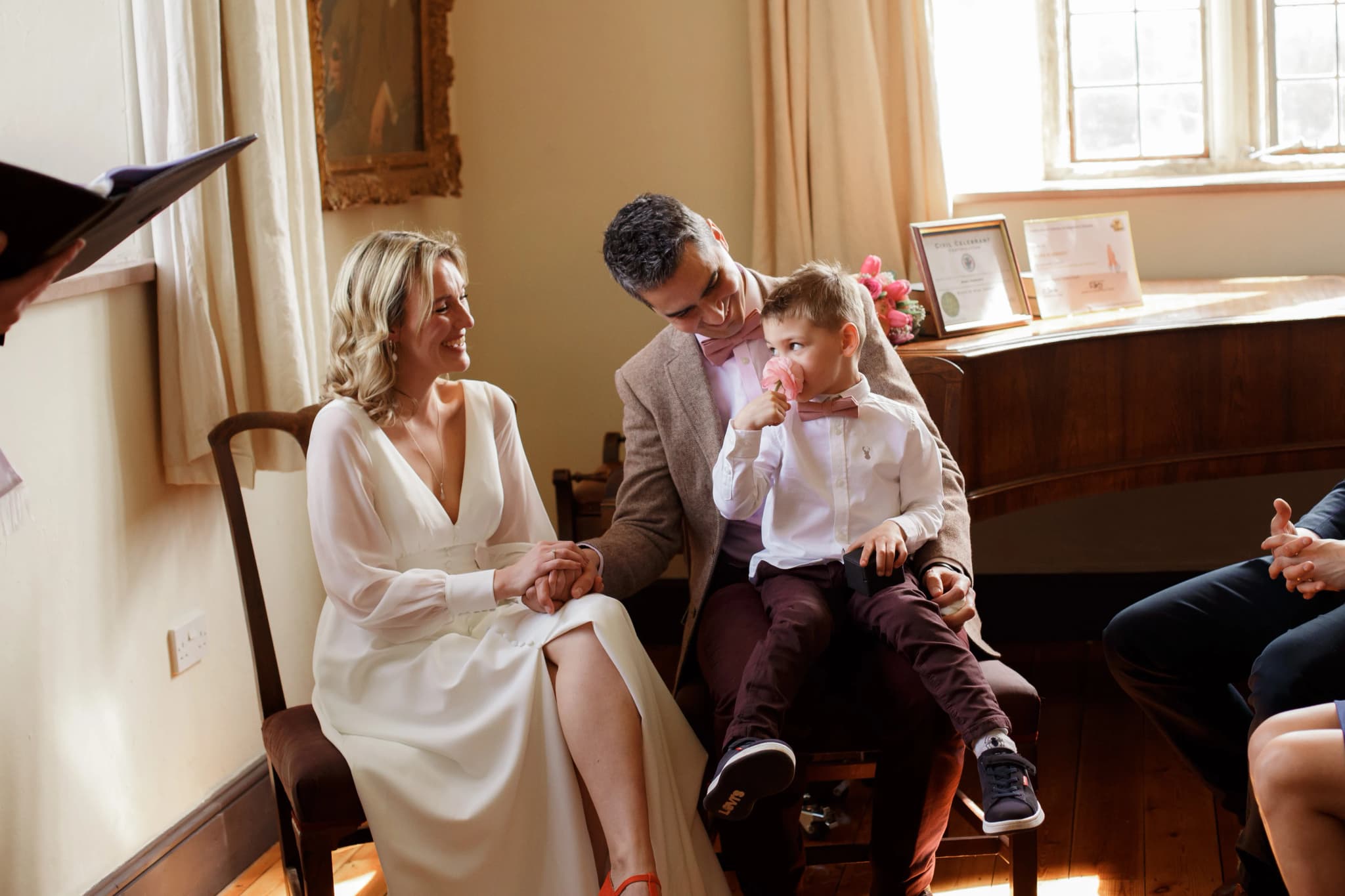
Most UK churches were built to create atmosphere, not photographic conditions. Stone walls absorb light, stained glass introduces pools of colour that shift across the aisle as the sun moves, and the overhead fixtures — typically warm tungsten pendants or, in more recently refurbished buildings, cool LED strips — create a mixed-colour-temperature scene that no single white balance setting can fully resolve in camera. The result is that your photographer is working with light that might be three stops darker than outside and pulling in two or three conflicting colour casts simultaneously.
The practical consequence is that lenses need to work wide open, ISO values climb into ranges where maintaining clean files becomes a technical discipline rather than an automatic outcome, and every composition is a negotiation between what is aesthetically pleasing and what the sensor can physically record without smearing motion or producing noisy shadows. This is not a problem that can be solved by simply "using a flash" — most Church of England ceremonies prohibit flash photography entirely, and even where it is permitted, direct flash flattens the very atmosphere that makes a church ceremony feel like itself.
When I photograph church ceremonies in and around Cambridge, the venues I return to most — St Mary's Great St Mary's, village churches in the Fens, historic chapels in the college grounds — each have their own particular light signature. I visit before the wedding whenever possible, note where the window light falls at ceremony time, and plan my positioning accordingly so that the existing light becomes an asset rather than an obstacle.
How Outdoor Ceremonies Create a Different Set of Challenges
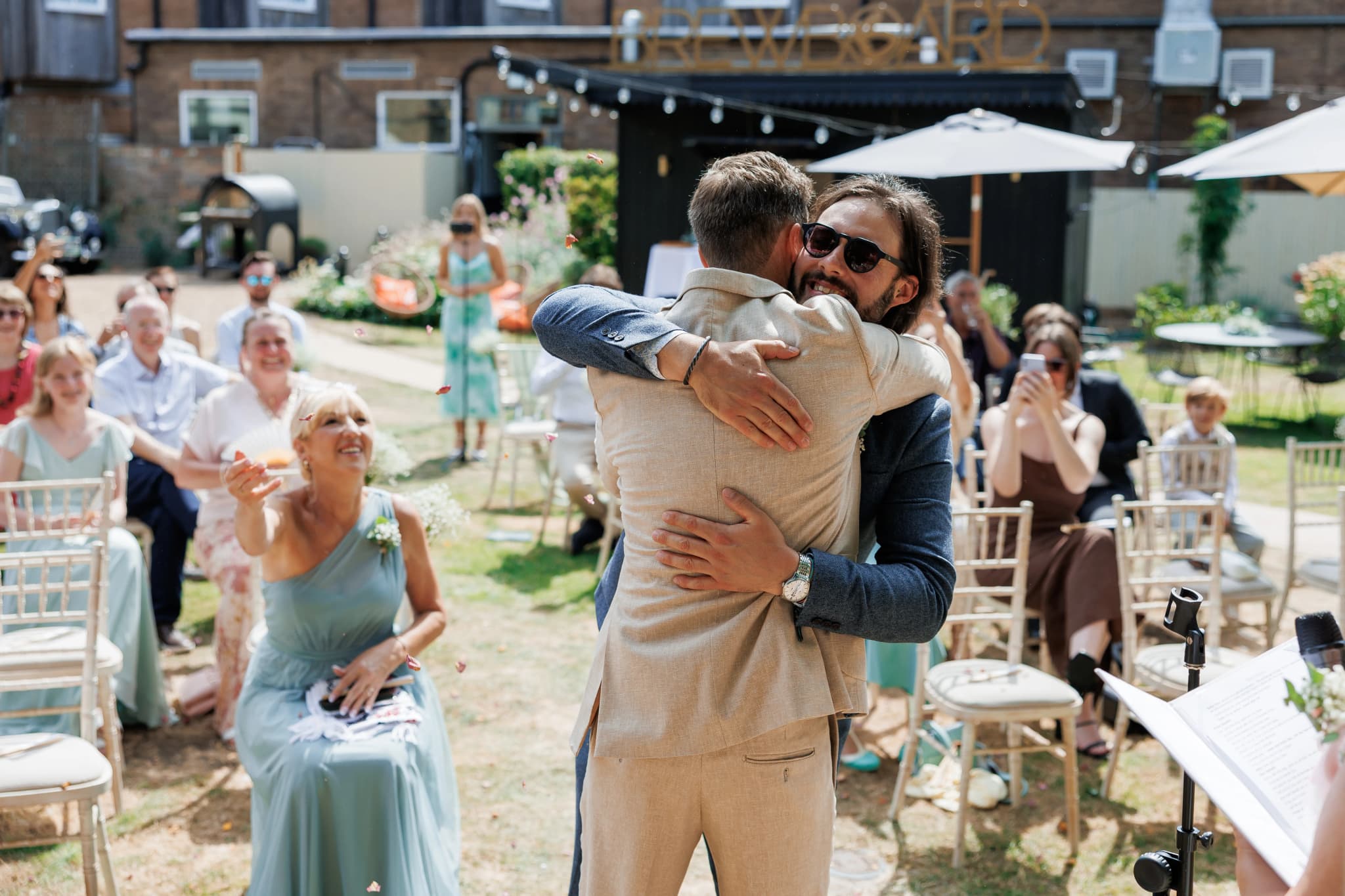
An outdoor ceremony sounds straightforward — abundant, natural light, no architectural constraints, open sky. In reality, outdoor ceremonies in the UK introduce their own set of variables that require just as much preparation. The fundamental challenge is that the sun does not take direction, and the difference between a ceremony that begins at noon and one that begins at 4 pm on a June afternoon can mean the difference between harsh overhead shadows carving unflattering lines across faces and a warm raking light that wraps around your guests like something from a film.
The most common problem I encounter at outdoor ceremonies is couples facing into direct sunlight because the arch or structure was placed for the view rather than the light. When guests are seated with the sun behind them and the couple facing it, both parties are squinting, and the background — often the thing the venue most wants to show — becomes a blown-out white void. Conversely, if the couple has the sun behind them, they are beautifully lit from behind but the front of their faces falls into shadow, and the camera cannot expose correctly for both simultaneously.
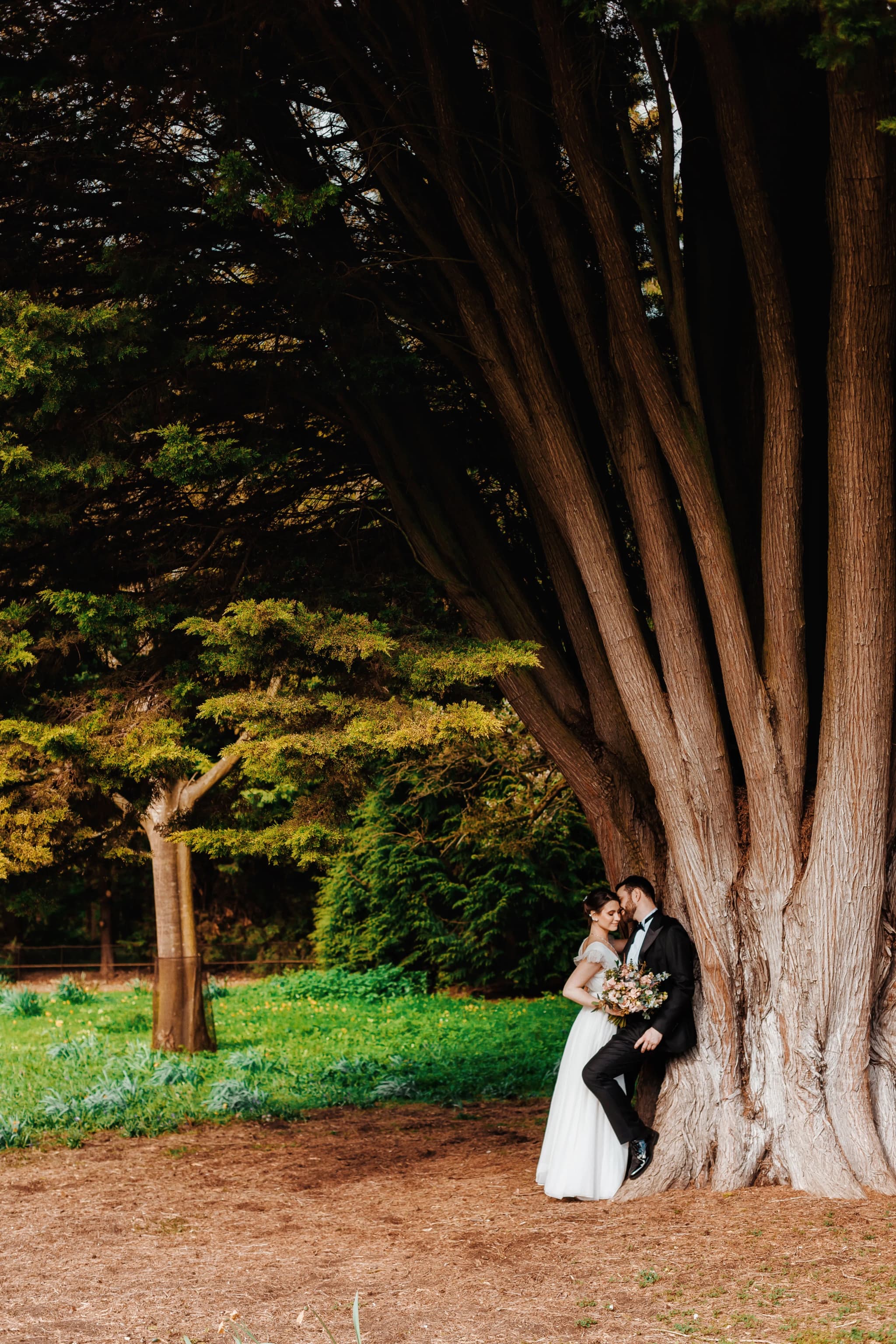
Open shade — the soft, even light found under a tree canopy, beside a tall hedgerow, or beneath a pergola — is almost always preferable to direct midday sun and is one of the first things I discuss with couples planning outdoor ceremonies at UK country houses and estate venues.
Key Lighting Factors Your Photographer Will Manage Differently at Each Venue
These are the specific decisions that change depending on whether your ceremony is indoors in a church or outdoors in a garden or field setting. Each one affects how your images look in ways that are difficult to correct in post-processing if the wrong choice is made at the time.
- ◆White balance strategy: In a church, mixed tungsten and daylight sources mean shooting in RAW with manual white balance adjustments per scene is essential. Outdoors, open shade reads as a consistent colour temperature that can be managed with a single preset, making colour consistency across the gallery far more reliable.
- ◆Lens aperture selection: Church interiors demand wide apertures — f/1.4 to f/2.0 — to gather enough light for clean files. Outdoors in full daylight, shooting at those apertures requires neutral density filters to avoid overexposure, but the shallow depth of field they produce gives outdoor images the same painterly quality that works so well in a church.
- ◆Positioning relative to light source: Inside, I identify the brightest window and position myself so the couple is between me and that light for the key exchange moments — the ring, the first kiss. Outdoors, I track the sun's arc across the ceremony space and identify the one or two positions where the light is working in my favour rather than against it.
- ◆Movement and documentary pace: Church ceremonies tend to have fixed, predictable blocking — processional, readings, exchange, recessional — which allows me to pre-plan each shot. Outdoor ceremonies are more fluid; guests move, natural elements shift, and I work more reactively. Both approaches produce strong images, but the pace and anticipation required are different.
- ◆Contingency for UK weather: No outdoor ceremony in Britain is fully weather-certain. I carry a second body rated for light rain, and I know how to use overcast light — which actually produces some of the most beautiful even illumination possible for portraits — rather than treating cloud cover as a photographic failure.
- ◆Detail and atmosphere shots: Candle flames, stained glass patterns on stone floors, the texture of old wooden pews — churches offer atmospheric detail shots that outdoor settings simply cannot replicate. Outdoor venues compensate with natural elements: dappled light through leaves, wildflower arrangements in direct sun, the expanse of sky above the couple. Both produce meaningful images; the approach to finding them is entirely location-specific.
What to Discuss With Your Photographer Before the Ceremony Day
The most important conversation you can have with your wedding photographer is not about style or editing preferences — it is about logistics and light. Before your ceremony, your photographer should know the exact start time, the direction the venue faces, whether there are any restrictions on movement during the service, and where you will be standing. For church ceremonies in particular, it is worth asking your officiant in advance whether the photographer may move quietly during the service or must remain in a fixed position. Some UK churches ask photographers to stay behind a rope or within a designated area; if that constraint applies, your photographer needs to know before the day so they can bring the right equipment and plan compositions from that position rather than discovering the restriction at the altar.
For outdoor ceremonies, the sun's position at your ceremony time is worth checking using a free sun tracker app — I use PhotoPills for site visits — and sharing with your photographer. Even a thirty-degree shift in where your arch faces can be the difference between images you love and images that require significant corrective editing. If you are still in the planning stage and have flexibility on orientation, that conversation with your photographer before you confirm the setup with your venue coordinator can meaningfully improve your photographs.
Timing also matters more than most couples realise. In the UK, summer ceremonies that begin after 3 pm benefit from the sun dropping toward the horizon, producing warmer, more directional light by the time you reach the key moments. Winter ceremonies face the opposite challenge: low sun can produce beautiful golden light, but it moves quickly and your photographer will need to work fast to take advantage of it before it disappears behind treelines or buildings. Discussing these timing considerations in your pre-wedding consultation is part of how I ensure that whatever the conditions, your ceremony photographs reflect the day as you actually experienced it.
There Is No Superior Venue — Only Better Preparation
Couples sometimes ask me whether a church or outdoor ceremony produces better photographs, and the honest answer is that the venue type is far less important than how prepared your photographer is for it. Some of the most emotionally powerful ceremony images I have taken were in dim country churches with no natural light beyond a single west-facing window. Some of the most technically challenging situations I have navigated were outdoor ceremonies in full August sun at midday. What determines the outcome in both cases is preparation, the right equipment, and an understanding of how light behaves in that specific space at that specific time of day.
What I look for in every ceremony, regardless of setting, is the quality of light on the faces of the people who matter most in that room — or that field, or that garden. Whether that light comes from a stained-glass window in a Cambridge church or from open shade beneath a marquee at a Suffolk estate, the job is the same: find it, position within it, and wait for the moments that deserve to be remembered.
Let's talk about your ceremony venue and the light it offers.
Every church and outdoor setting in Cambridgeshire and across the UK has its own lighting character — and I photograph best when I've had the chance to understand yours before the day. Get in touch to discuss your venue, your ceremony time, and how we'll make the light work for you.
Check Your Date →

Yana Skakun
Photographer · England
Professional wedding, family and portrait photographer based in England. Passionate about capturing authentic emotions and timeless moments.
About Yana →churchvsoutdoorceremony
Wedding Tips — Wedding Photography in Cambridge & England
Yana Skakun is a professional wedding photographer based in Cambridge, covering weddings across England — from intimate elopements to full-day ceremonies at country houses, barns, and city venues. Every couple receives a relaxed, documentary approach that captures the day as it truly unfolds. This guide — Church vs Outdoor Ceremony Lighting: What You Need to Know — is part of the photography journal: practical, experience-based advice drawn from real sessions across England. Whether you arrived searching for church or vs, the same care and attention shapes every session Yana photographs.
Wedding Photography sessions are available year-round, with bookings open across Cambridge, Ely, Huntingdon, Peterborough, and further afield — East England, London, the Midlands, and beyond. If you have specific questions about outdoor, mention it in your enquiry. Get in touch through the contact form above to check availability and discuss your session. Enquiries are welcomed from anywhere in the UK.
Frequently Asked Questions
How much does a wedding photographer cost in England?+
Wedding photography in England typically ranges from £1,500 to £4,000+ for a full day. Price depends on experience, coverage hours, and whether albums or engagement shoots are included. Most photographers charge between £2,000–£3,000 for 8–10 hours of coverage.
How early should you book a wedding photographer?+
For peak season (May–September), book 12–18 months in advance. For autumn and winter weddings, 9–12 months is usually sufficient. Popular photographers at popular venues fill up fast — as soon as you have a date and venue confirmed, start reaching out.
How many photos do you get from a wedding photographer?+
Most professional wedding photographers deliver 400–800 edited images for a full-day wedding. The exact number depends on coverage hours, how many guests there are, and the photographer's editing style. Quality matters more than quantity — a curated gallery of 500 images tells the story better than 1,500 unedited files.
Do you need a second photographer at your wedding?+
A second photographer is helpful if you want simultaneous coverage of getting-ready moments in different locations, multiple angles during the ceremony, or more candid coverage during the reception. It adds cost but significantly increases the variety and completeness of your gallery.
What is the difference between documentary and editorial wedding photography?+
Documentary (reportage) wedding photography captures moments as they happen — the photographer observes and doesn't intervene. Editorial photography involves deliberate direction: placing you in good light, shaping compositions, creating intentional portraits. Most photographers blend both styles throughout the day.
Continue Reading
Related Articles

Wedding Tips
Sustainable Eco-Friendly Wedding Guide — Planning a Green Celebration
15 min read · Read Article
Wedding Tips
Trash the Dress Session — Complete Planning and Photography Guide
14 min read · Read Article
Wedding Tips
Client Communication for Photographers — From Enquiry to Gallery Delivery
15 min read · Read Article
Get in Touch
Ready to Book Your Session?
Get in touch to discuss your vision — I'll reply within 24 hours.