Yana Skakun

Combining Film and Digital in Your Wedding Gallery: A Modern Approach
By Yana Skakun·10 June 2026·6 min read
A growing number of wedding photographers offer a hybrid approach: shooting the majority of the day digitally, but bringing a film camera for select moments. The result is a gallery with two distinct but complementary textures — the reliability and consistency of digital alongside the warmth, grain, and irreducible character of 35mm film.
What 35mm Film Looks Like Compared to Digital
The differences between film and digital are real, and they go beyond a filter or a preset. Film has a natural grain structure that is organic and irregular — quite different from the digital noise produced at high ISO. The tonal response of film is different too: highlights roll off gently rather than clipping suddenly, and shadow detail has a particular quality that digital sensors render differently.
Colour is perhaps the most obvious distinction. Film stocks each have their own colour character. Kodak Portra 400 is famous for its warm, skin-flattering tones and its latitude in overexposure. Kodak Gold gives a more contrasty, saturated result. Fujifilm stocks tend toward cooler, greener shadows. When you see a film image, even without being told, there is usually something that reads as distinctly analogue — a feeling rather than just a look.
Why Hybrid Photographers Use Both Formats
Digital photography offers things film cannot: speed, reliability in low light, the ability to review images immediately, and essentially unlimited shooting without thinking about cost per frame. For documentary wedding coverage — where a critical moment might happen in a fraction of a second and you cannot ask for a retake — digital is simply the most practical tool.
Film, however, offers something digital is still working to replicate: a physical, chemical relationship with light that produces images with a quality that is immediately recognisable. Hybrid photographers tend to use film for the most considered, calm moments of the day — couple portraits, getting-ready details, the quiet moments of the morning — where there is time to be deliberate, and where the aesthetic payoff is worth the care required.
- ◆Getting ready: The soft, unhurried quality of morning preparation suits film beautifully — details of jewellery, hands, the dress hanging by a window.
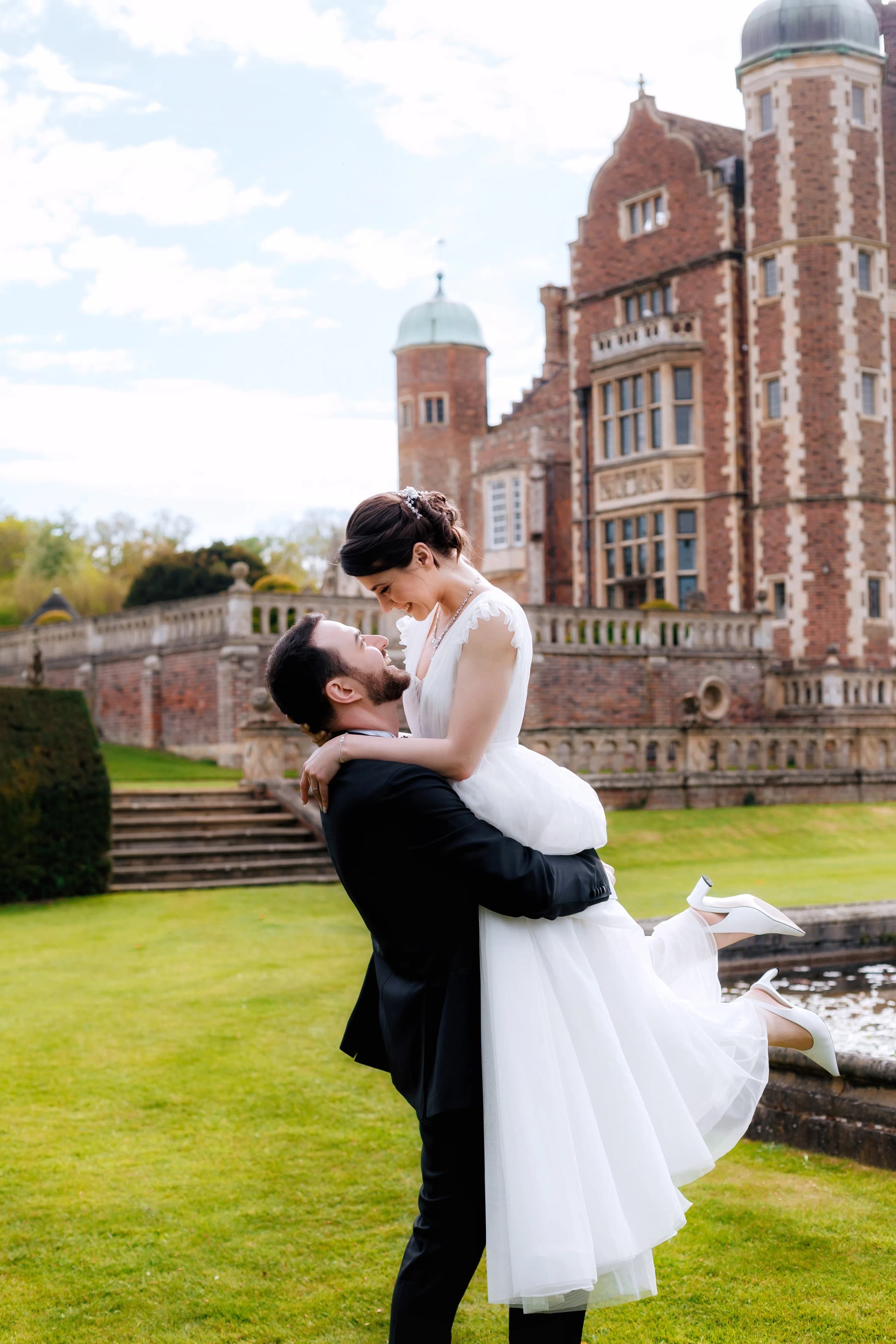
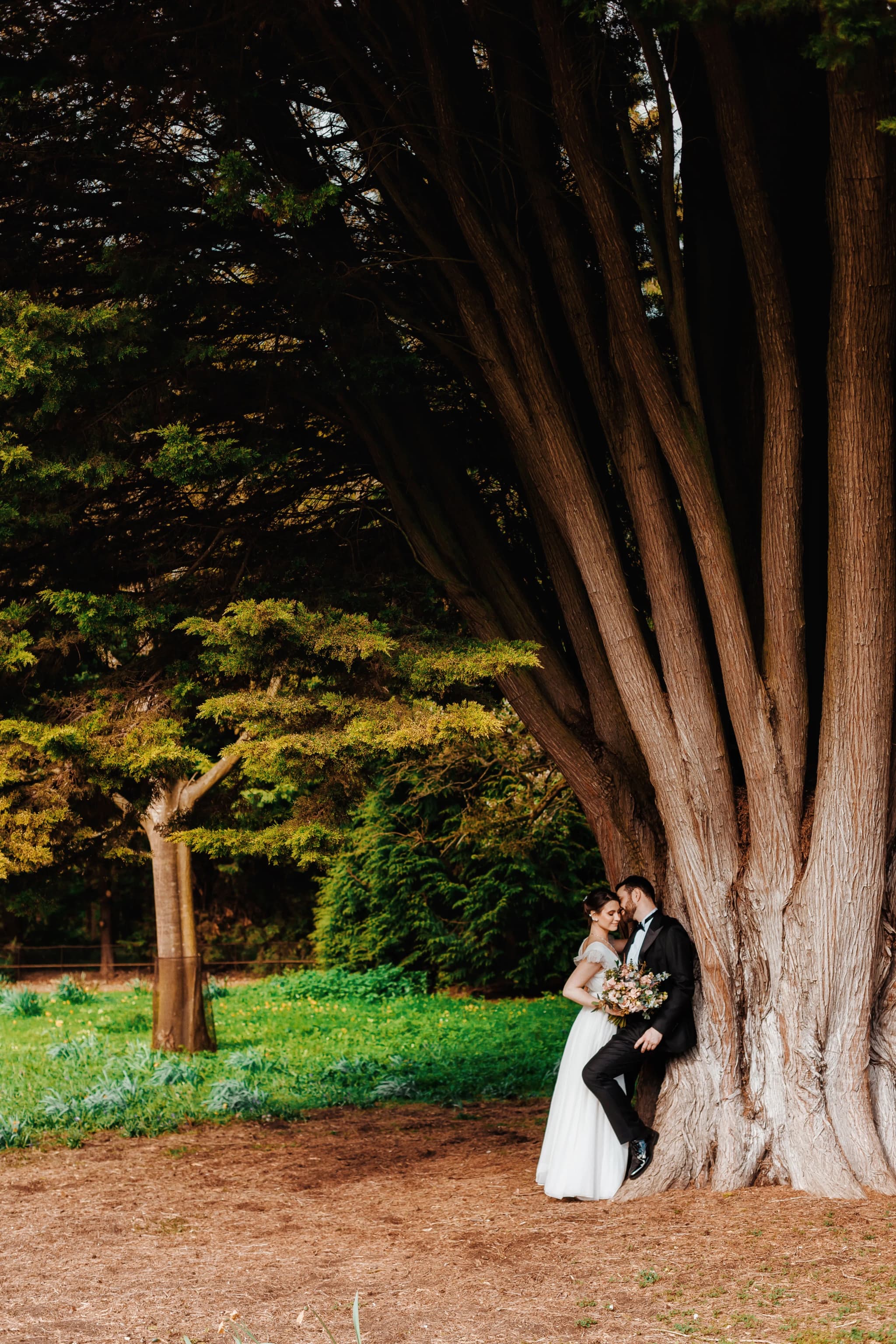
- ◆Couple portraits: Golden hour portrait sessions are a natural fit for film. The warm tones of late light respond magnificently to Portra stock.
- ◆Reception candids: Some photographers load a flash with a film camera for reception dancing — the harsh flash-lit grain is deliberately retro and energetic.
- ◆Key ceremony moments: A second frame of the first kiss on film, alongside the digital capture, often becomes the framed print on the wall.
The Practical Considerations
Film adds cost and time to the process. A roll of 35mm film, development, and scanning currently costs between £20–£40 per roll depending on the lab, with most rolls producing 36 frames. A photographer shooting five rolls during a wedding day is adding £100–£200 in direct costs before their time for handling and editing. This is typically reflected in pricing for hybrid coverage.
Turnaround time is also longer. Film must be sent to a lab, developed, and scanned before the images can be edited — adding anywhere from one to four weeks onto the delivery timeline depending on the lab's queue. Some couples find this wait worthwhile; others would rather have their full gallery sooner. It is worth discussing honestly with any photographer you are considering.
The other practical note is consistency. Because film and digital have genuinely different colour and tonal characteristics, a skilled photographer edits digital images to complement rather than match the film frames. The goal is a gallery that feels coherent, not one where the transitions between formats are jarring.
How to Brief a Photographer for a Hybrid Approach
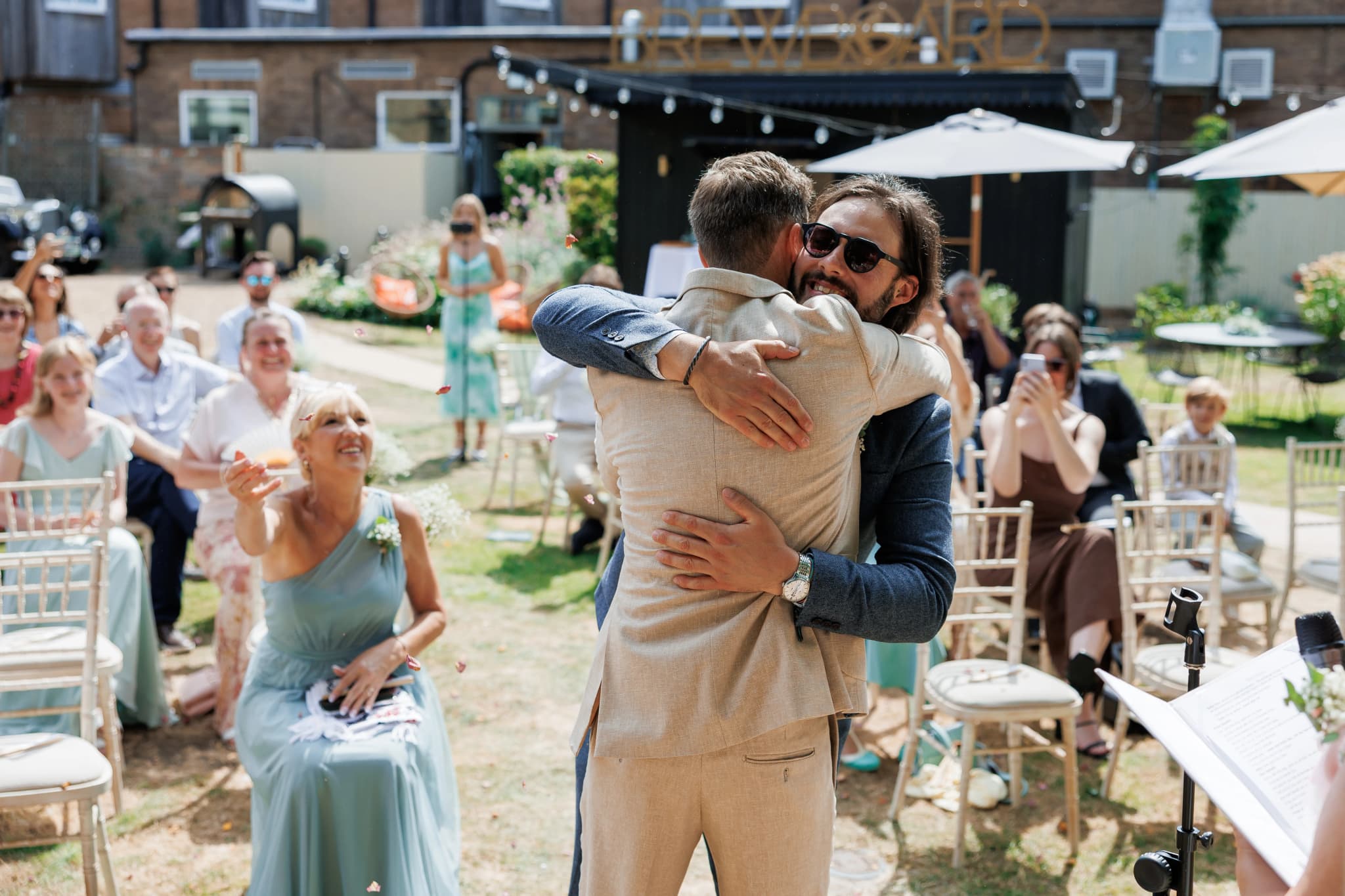
If hybrid photography appeals to you, the conversation to have with your photographer is about intent rather than mechanics. Where in the day would you most like film to feature? Is it the getting-ready morning? The couple portraits? Are there particular moments — the first dance, the confetti — where you specifically want that film quality?
A thoughtful photographer will have their own perspective on where film adds the most to a wedding story, and their instincts are worth listening to. The best hybrid galleries are ones where the film was used with intention, not scattered throughout the day at random.
Ask to see examples of their hybrid galleries specifically — not just their strongest film images, but how the two formats sit together across a real wedding day. The transitions and the overall coherence of a mixed gallery tell you everything about whether a photographer has genuinely mastered the approach.
Wedding photography with care and craft
I photograph weddings with an approach that prioritises light, atmosphere, and authentic moments. Get in touch to discuss your day and what a gallery could look like for your wedding.
Get in Touch →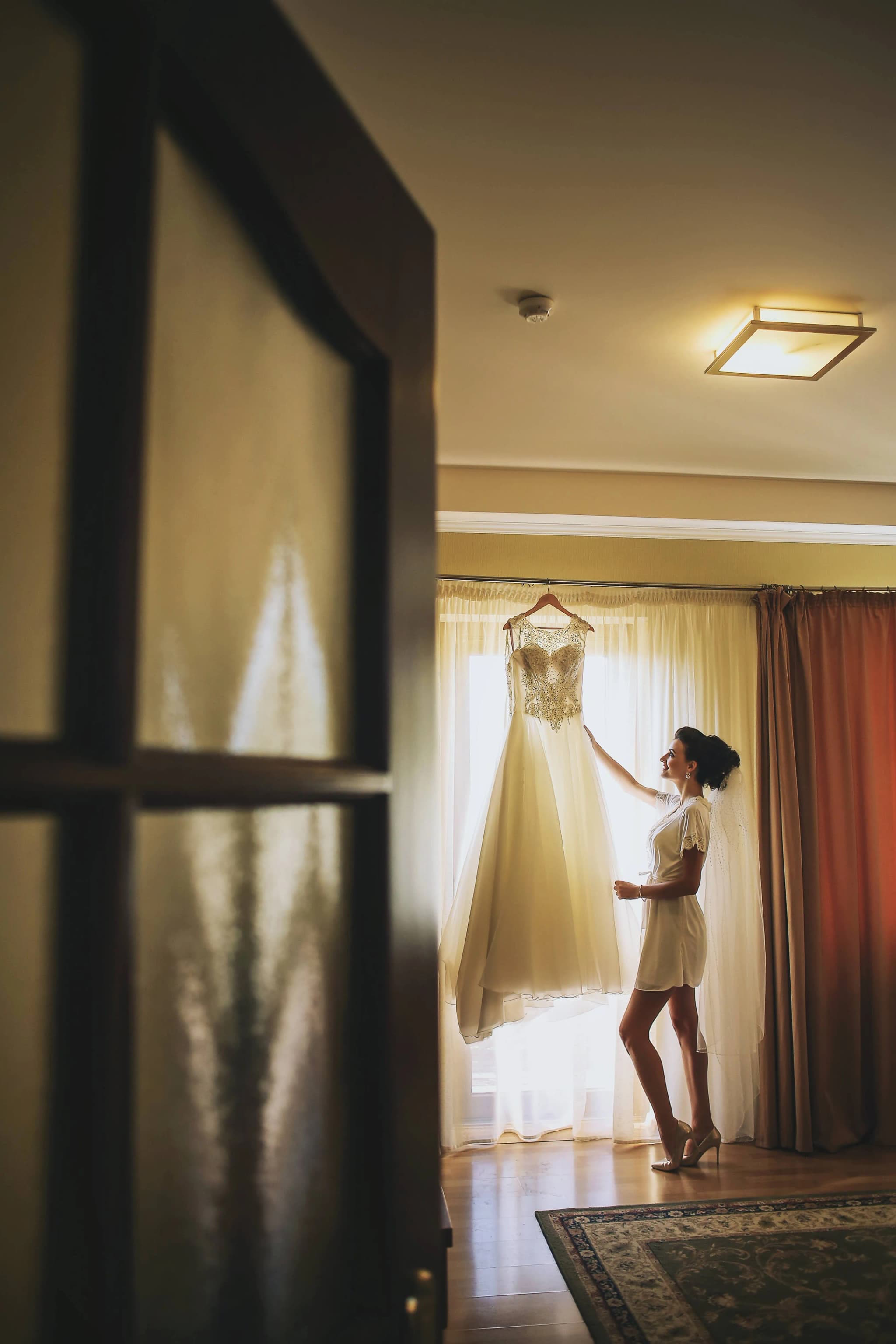

Yana Skakun
Photographer · England
Professional wedding, family and portrait photographer based in England. Passionate about capturing authentic emotions and timeless moments.
About Yana →film and digital wedding photographyhybrid wedding photographyfilm wedding photos UKanalogue wedding photography
Wedding Tips — Wedding Photography in Cambridge & England
Yana Skakun is a professional wedding photographer based in Cambridge, covering weddings across England — from intimate elopements to full-day ceremonies at country houses, barns, and city venues. Every couple receives a relaxed, documentary approach that captures the day as it truly unfolds. This guide — Combining Film and Digital in Your Wedding Gallery: A Modern Approach — is part of the photography journal: practical, experience-based advice drawn from real sessions across England. Whether you arrived searching for film and digital wedding photography or hybrid wedding photography, the same care and attention shapes every session Yana photographs.
Wedding Photography sessions are available year-round, with bookings open across Cambridge, Ely, Huntingdon, Peterborough, and further afield — East England, London, the Midlands, and beyond. If you have specific questions about film wedding photos uk, mention it in your enquiry. Get in touch through the contact form above to check availability and discuss your session. Enquiries are welcomed from anywhere in the UK.
Frequently Asked Questions
How much does a wedding photographer cost in England?+
Wedding photography in England typically ranges from £1,500 to £4,000+ for a full day. Price depends on experience, coverage hours, and whether albums or engagement shoots are included. Most photographers charge between £2,000–£3,000 for 8–10 hours of coverage.
How early should you book a wedding photographer?+
For peak season (May–September), book 12–18 months in advance. For autumn and winter weddings, 9–12 months is usually sufficient. Popular photographers at popular venues fill up fast — as soon as you have a date and venue confirmed, start reaching out.
How many photos do you get from a wedding photographer?+
Most professional wedding photographers deliver 400–800 edited images for a full-day wedding. The exact number depends on coverage hours, how many guests there are, and the photographer's editing style. Quality matters more than quantity — a curated gallery of 500 images tells the story better than 1,500 unedited files.
Do you need a second photographer at your wedding?+
A second photographer is helpful if you want simultaneous coverage of getting-ready moments in different locations, multiple angles during the ceremony, or more candid coverage during the reception. It adds cost but significantly increases the variety and completeness of your gallery.
What is the difference between documentary and editorial wedding photography?+
Documentary (reportage) wedding photography captures moments as they happen — the photographer observes and doesn't intervene. Editorial photography involves deliberate direction: placing you in good light, shaping compositions, creating intentional portraits. Most photographers blend both styles throughout the day.
Continue Reading
Related Articles

Wedding Tips
Sustainable Eco-Friendly Wedding Guide — Planning a Green Celebration
15 min read · Read Article
Wedding Tips
Trash the Dress Session — Complete Planning and Photography Guide
14 min read · Read Article
Wedding Tips
Client Communication for Photographers — From Enquiry to Gallery Delivery
15 min read · Read Article
Get in Touch
Ready to Book Your Session?
Get in touch to discuss your vision — I'll reply within 24 hours.