Yana Skakun

A Cotswolds Vow Renewal: Planning a Day That Feels Like You
By Yana Skakun·25 April 2026·7 min read
There is a particular kind of quiet confidence in a couple who are renewing their vows rather than marrying for the first time. They have already lived the promise for ten, twenty, thirty years, through the parts nobody photographs — the illness, the house move, the years with small children when a lie-in felt like a luxury holiday — and now they want to stand somewhere beautiful and say it again, out loud, in front of the people who matter. The Cotswolds, with its honey-coloured stone, its folded green hills, and its slower pace of life, has become one of the settings I am asked about most often for exactly this kind of celebration. Over the years I have photographed vow renewals in walled gardens, on hillside terraces, in tucked-away churchyards, and in fields with nothing but a dry-stone wall and a view for a backdrop, and I have learned that this particular kind of day asks for a different approach to photography than a first wedding does. This article is about what that difference looks like in practice, and how to plan a vow renewal in the Cotswolds that actually feels like you, rather than a smaller, quieter copy of somebody else's wedding.
Why the Cotswolds Suits a Vow Renewal So Well
A first wedding often has to accommodate a long guest list, a fixed budget conversation with two families, and a certain amount of tradition that neither partner particularly wanted but nobody felt able to drop. A vow renewal, by contrast, is usually a decision made freely by two people who already know exactly what they want, and increasingly that means something small, beautiful, and slightly unconventional. The Cotswolds offers a landscape that does a great deal of the visual work without needing much intervention: honeyed limestone buildings that hold warm light beautifully at any time of day, rolling hills that give you space and horizon without ever feeling remote, and a network of villages and countryside venues that are used to hosting intimate gatherings rather than only large-scale weddings.
What I notice most with couples planning a vow renewal here is that they are choosing the region for the same reasons they might choose it for a weekend away — because it is genuinely restful to be in, because the light is soft and flattering for most of the year, and because it does not demand the same logistical machinery as a large wedding. You can have a beautiful, photographically rich day with twenty guests in a walled garden and a pub lunch afterwards, and nobody standing in that garden will feel the day was diminished by its smaller scale. If anything, an intimate vow renewal in the Cotswolds often produces more genuinely emotional photographs than a large first wedding, simply because everyone present has a real, close relationship with the couple, and that closeness shows on people's faces.
Choosing a Setting: Gardens, Churchyards, and Open Countryside
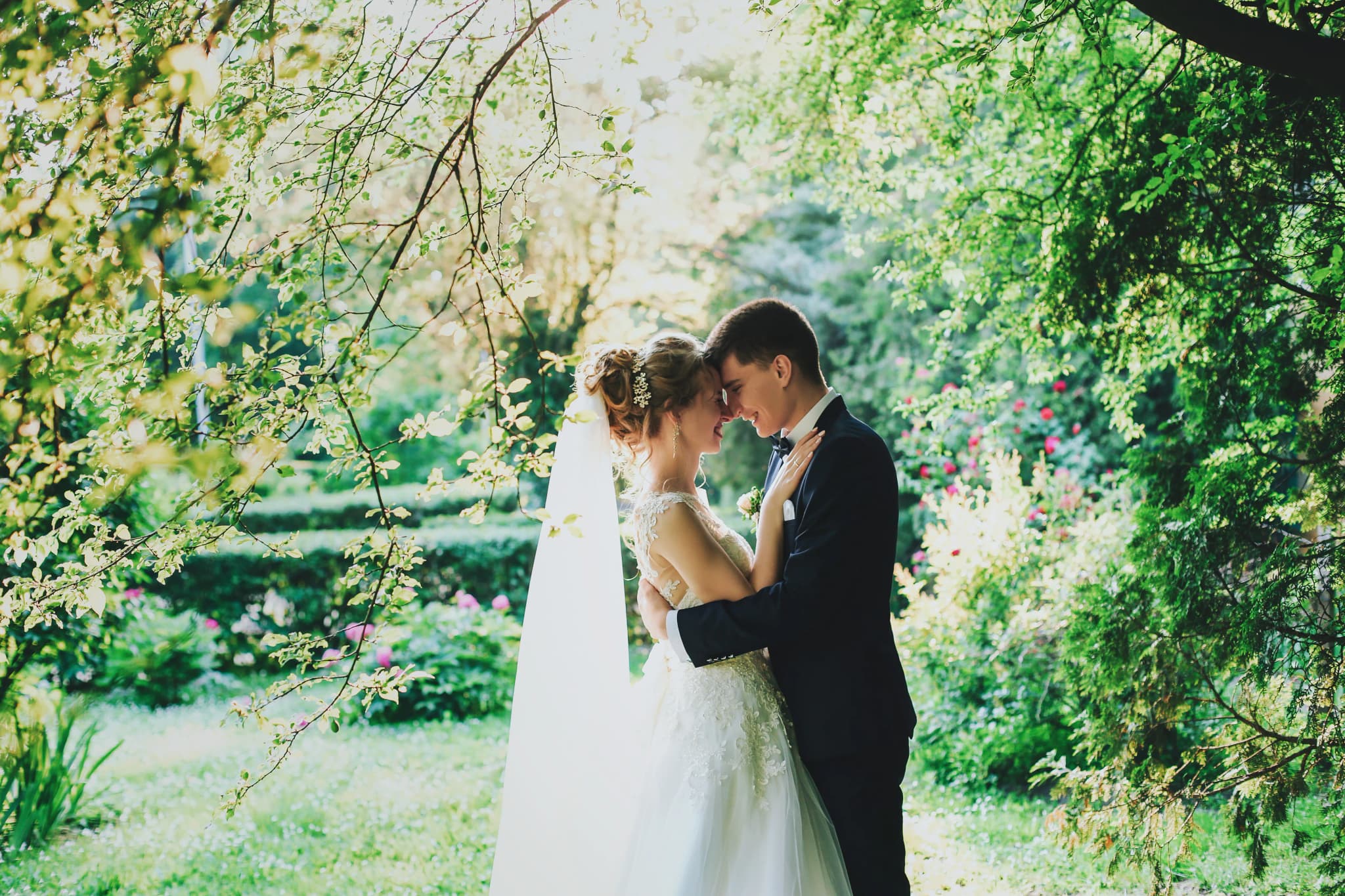
There is no single right setting for a vow renewal, but the choice does change the photographs quite significantly, so it is worth thinking through deliberately. Walled gardens are a favourite of mine for this kind of day. They give you a defined, intimate space with natural structure — box hedging, mature borders, a stone wall as a backdrop — without needing any additional decoration. The enclosed feeling suits a renewal particularly well, because the day is often about the couple and a small circle rather than about a grand public statement, and a garden gives you privacy even when the venue itself sits in open countryside.
Churchyards and chapel grounds work beautifully too, particularly for couples who married in a church originally and want a visual echo of that first day without needing a full religious service this time round. Many small Cotswold churchyards allow a short blessing or reading on the grounds even without a formal ceremony inside, and the combination of aged stone, yew trees, and quiet lanes gives a sense of continuity that a lot of couples find genuinely moving. I would always recommend checking directly with the church or diocese about what is permitted, since policies vary a great deal from parish to parish and change over time.
Open countryside — a hillside, a field edge, a spot along one of the ridgeways with a long view over the valleys — suits couples who want something less structured and more elemental. These settings photograph beautifully in every season: soft and green in late spring, golden and dry in high summer, coppery in autumn, and starkly beautiful under winter light with bare hedgerows and long shadows. The trade-off is practical rather than photographic. Open sites usually need more thought given to guest access, seating, shelter from wind, and a contingency plan if the weather turns, since there is no building to retreat into.
Planning Around the Cotswold Seasons
The Cotswolds photograph well across the whole year, but each season asks for slightly different planning. Late spring, from roughly mid-May into June, gives you the fullest, freshest greens of the year alongside a reasonable chance of settled weather, and it is consistently the season I am asked about most for renewals. Blossom is largely finished by this point but hedgerows and gardens are at their lushest, and the light in the early evening has a soft gold quality that suits both portraits and wider landscape shots.
High summer brings long days and warm light, but it also brings the most unpredictable combination of heat and sudden showers, so I always encourage couples marrying or renewing in July and August to build in a shaded or covered fallback, even if the plan is entirely outdoors. Early autumn, particularly September and the first half of October, is a genuinely underrated season for a Cotswold vow renewal. The crowds of high summer have thinned, the light softens and warms noticeably compared with July, and the countryside still holds a great deal of green alongside the first hints of turning colour in the hedgerows and mature trees.
Winter renewals are a smaller but increasingly common request, and they can be extraordinary. A short winter ceremony in a walled garden or churchyard, wrapped in coats, followed by something warm indoors, has a coziness and intimacy that summer weddings rarely achieve. The light is lower and softer for a greater proportion of the day, which is genuinely useful for photography, though obviously the ceremony itself needs to be timed carefully around the much shorter daylight hours, and I always plan the schedule backwards from sunset rather than forwards from a start time when a couple is renewing in November, December, or January.
What Actually Happens on the Day, Photographically
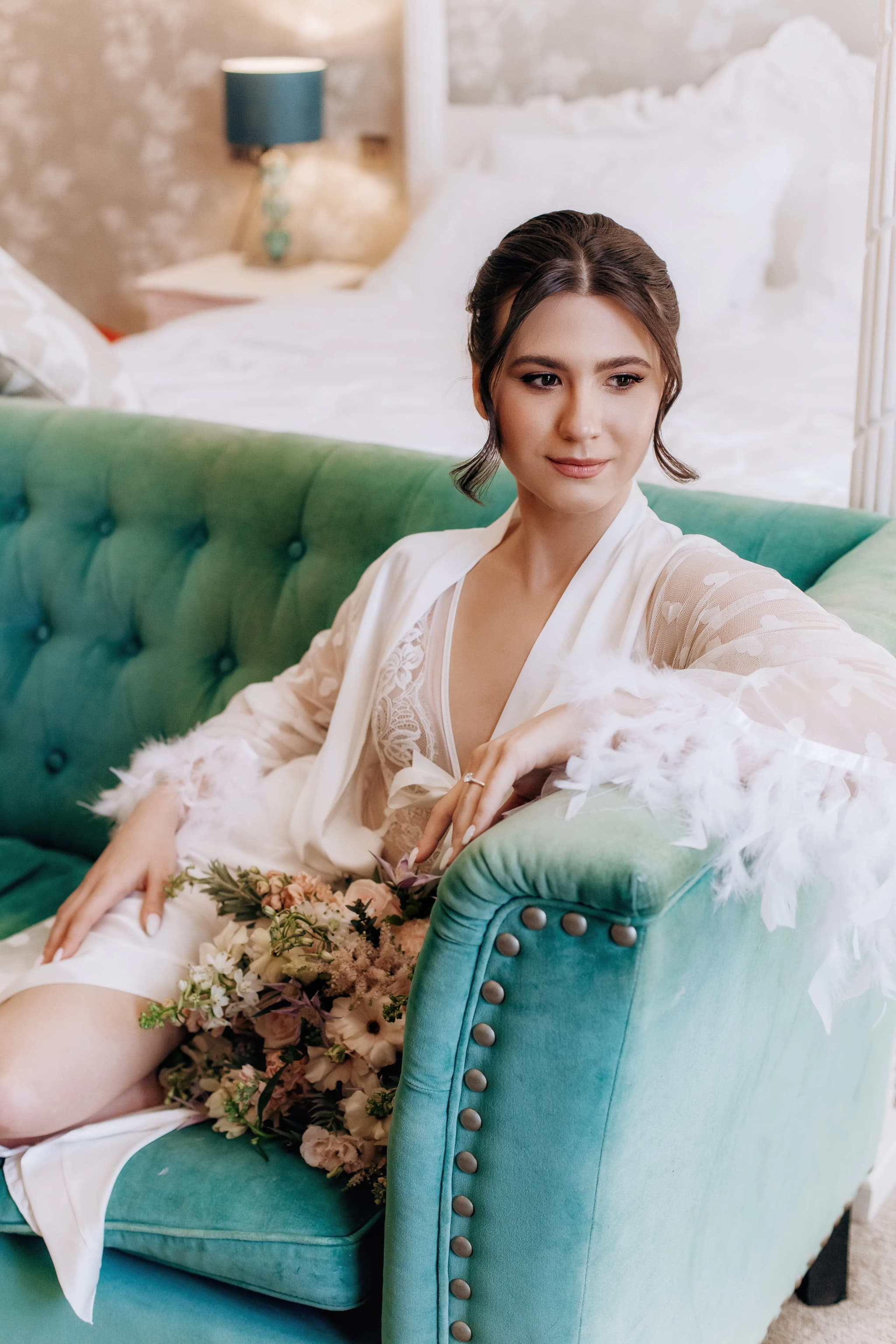
A vow renewal usually has a much shorter, more flexible timeline than a first wedding, and I try to photograph it with that same relaxed rhythm rather than imposing a rigid wedding-day schedule onto something that does not need one. I typically arrive to capture some quiet preparation details — the outfits, any flowers, the setting itself before guests arrive — then photograph the ceremony or reading itself, whatever form that takes, followed by a stretch of relaxed portrait time with the couple and, where wanted, with family and close friends in smaller groupings.
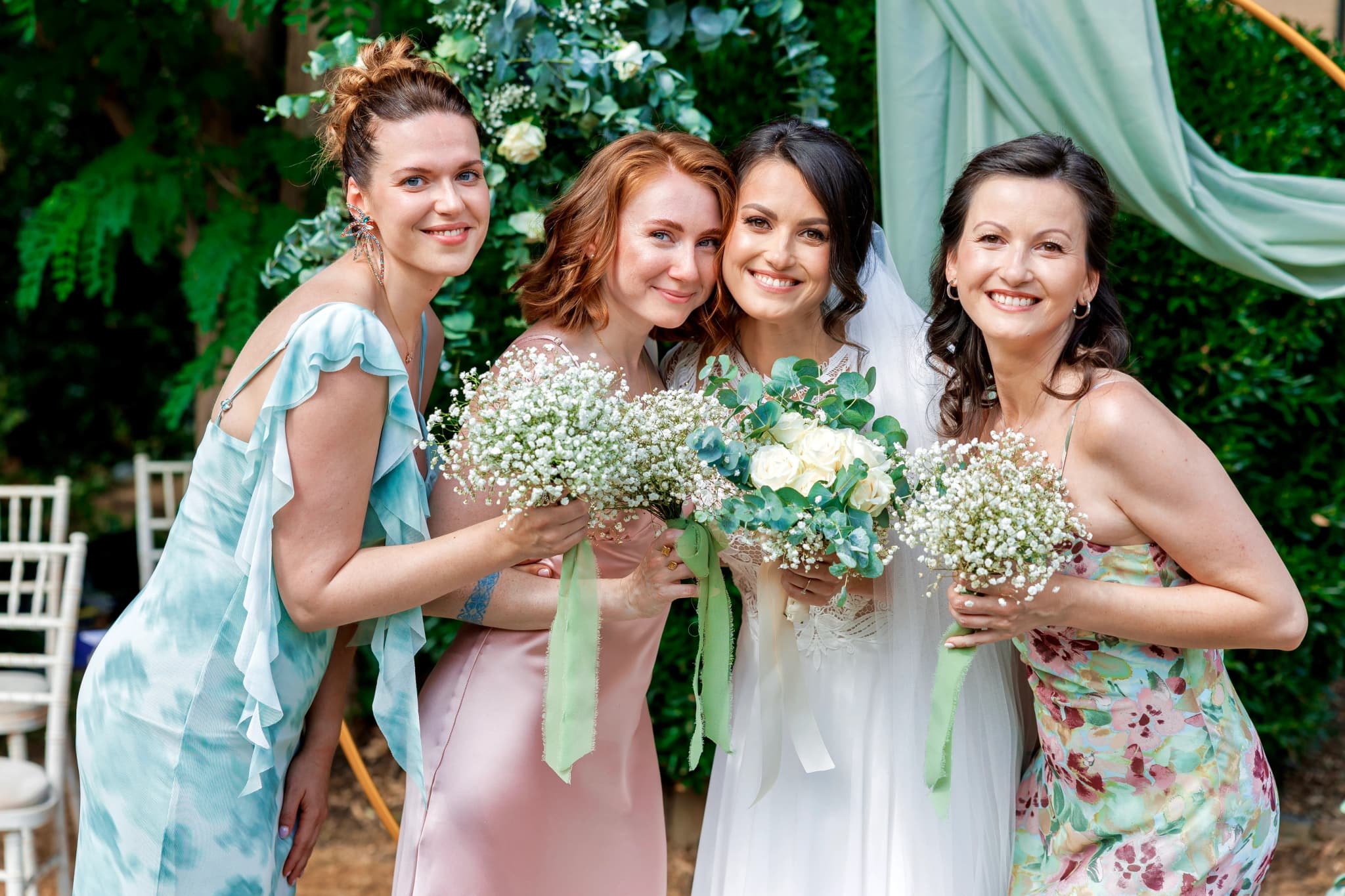
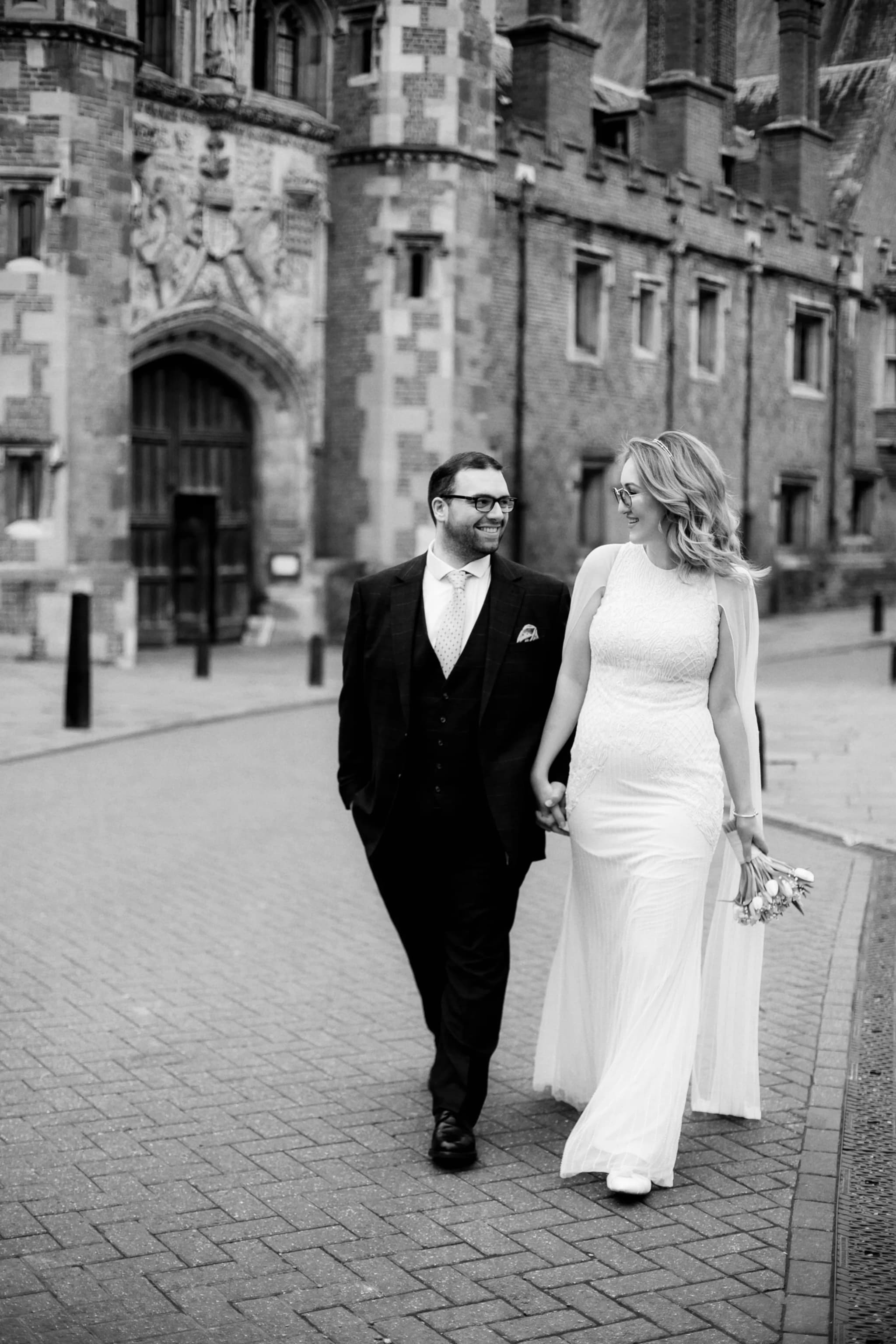
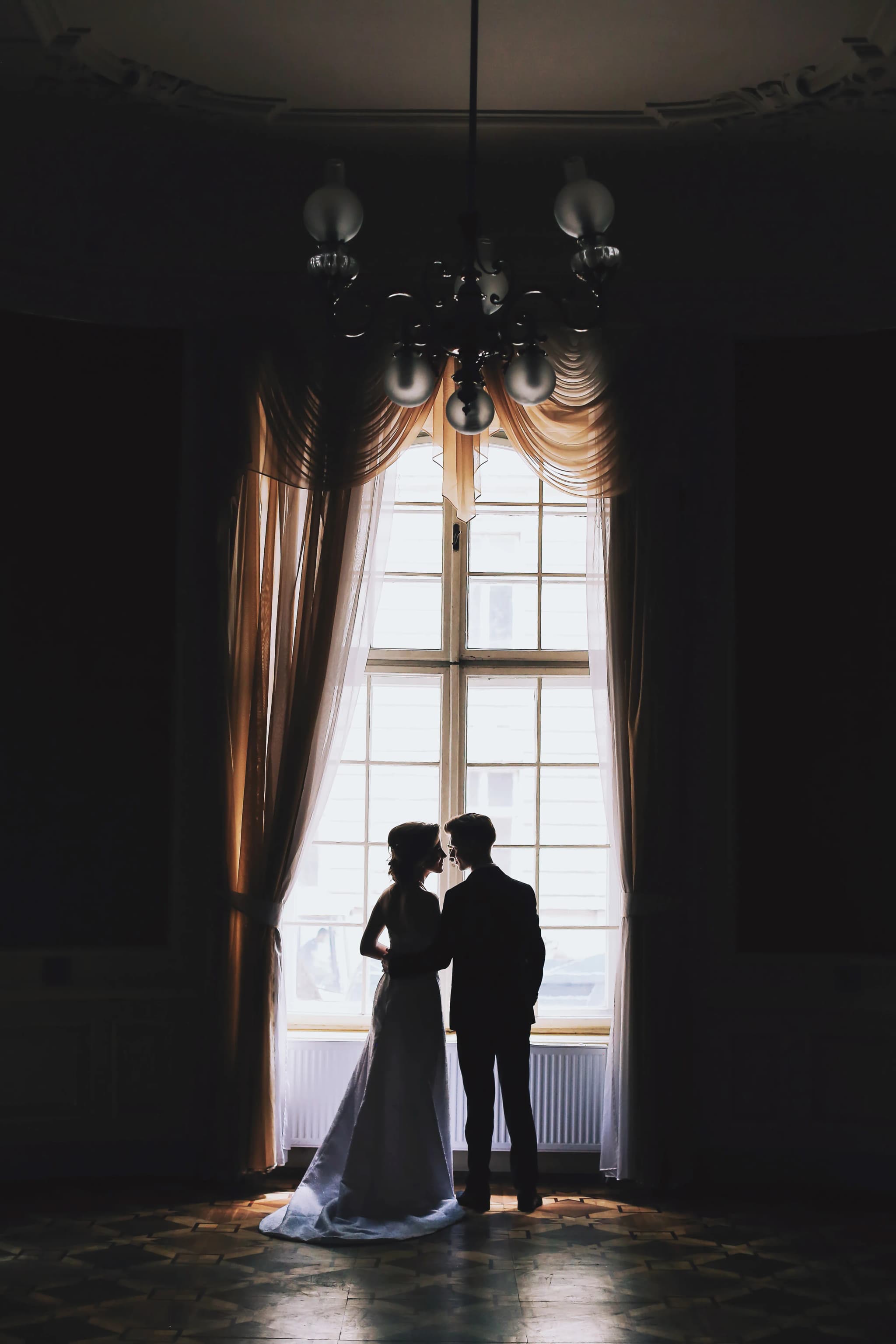
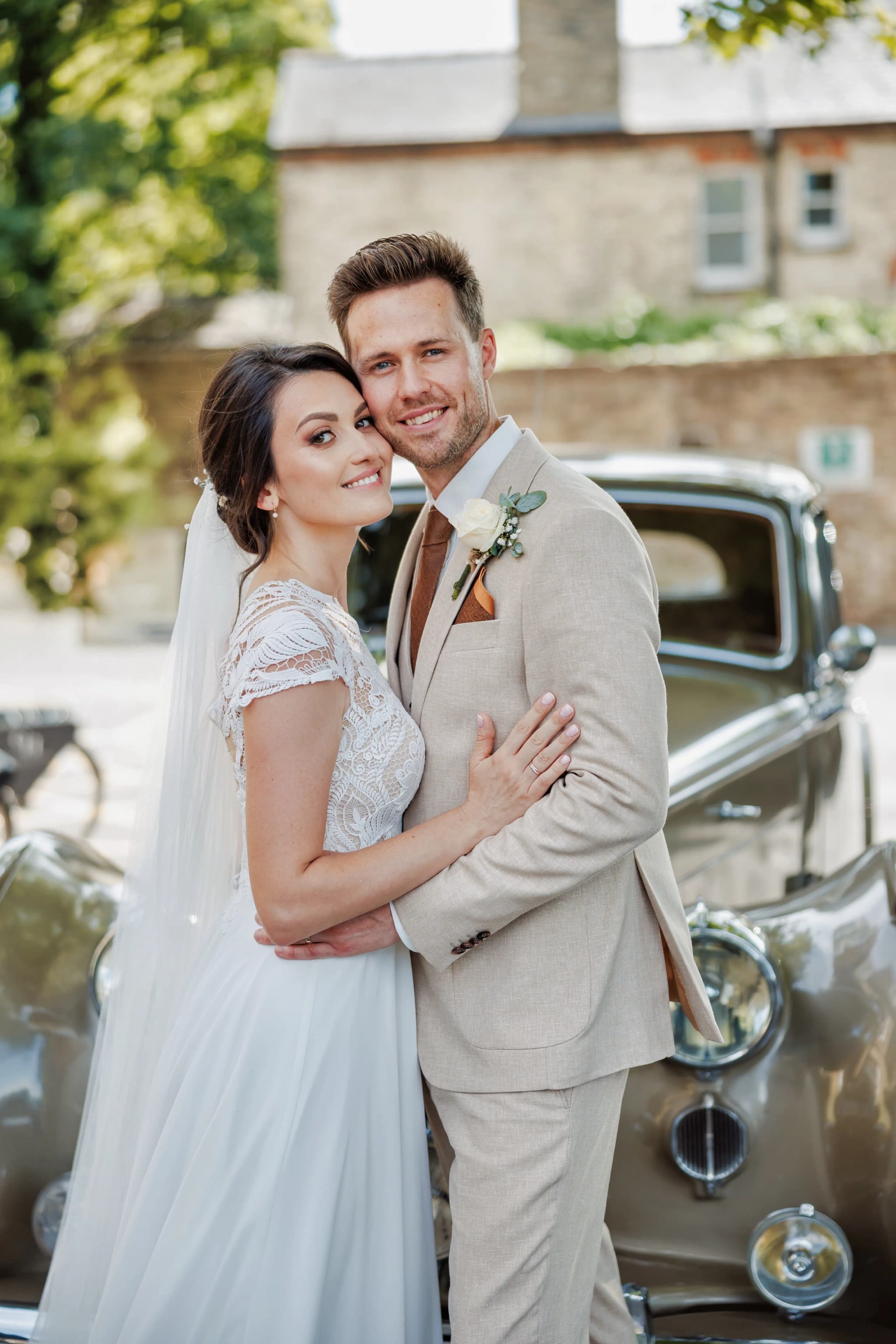
Because vow renewal guest lists tend to be small, I spend proportionally more time on portraits of the couple together and much less time on the large formal group photographs that dominate the schedule at bigger weddings. This usually means more genuinely varied images: some posed and considered, many candid and caught mid-conversation or mid-laugh, and a good number taken simply walking through the grounds or countryside together while I stay slightly back and let the day unfold. Couples who have been together for decades are often far more relaxed in front of a camera than couples on their actual wedding day, which tends to produce warmer, more natural portraits than you might expect.
I always ask in advance whether there is a meaningful detail worth building the day around — the original wedding rings if they are being reworn or added to, a piece of fabric or lace from the first wedding dress incorporated into a new outfit, a location connected to an anniversary or a proposal. These details are rarely dramatic in themselves, but they carry real weight for the couple, and photographing them properly, rather than rushing past them, is often what makes the final gallery feel personal rather than generic.
Planning a Cotswold vow renewal?
I would love to hear about your day, however small or large you are imagining it, and talk through timings, settings, and what matters most to you both.
Enquire about vow renewal photographyPractical Considerations: Weather, Guests, and Logistics
The Cotswolds is a genuinely lovely place to hold a countryside celebration, but it is still the English countryside, and a sensible plan always accounts for weather that does not cooperate. If your setting is largely outdoors, I encourage couples to identify a genuine wet-weather alternative early in the planning process, not as an afterthought a week before the day. This does not need to be elaborate — a marquee, a barn, a covered terrace, or simply the indoor space of wherever you are having lunch or dinner afterwards is usually enough. Knowing the alternative is settled removes a huge amount of stress if the forecast turns unhelpful, and it also means I can plan lighting and composition for both scenarios in advance rather than improvising on the morning.
Guest logistics matter more than people expect for a small renewal in open countryside. Narrow lanes, limited parking at rural venues, and uneven ground can all be genuine obstacles for older guests or anyone with mobility considerations, and it is worth walking the actual route from car park to ceremony spot with exactly this in mind. Many of the loveliest hillside and field settings I have worked in required a short but real amount of thought about how guests with less mobility would actually get there and be seated comfortably, and building that into the plan early avoids an awkward scramble on the day itself.
Timing around light is worth discussing directly with your photographer rather than choosing a ceremony time purely around caterers or guest travel. A renewal ceremony scheduled for four o'clock on a summer afternoon, followed by portraits through into the early evening, will consistently produce softer, warmer images than the same ceremony held at midday under harsh overhead sun. It is a small adjustment to a day's schedule that makes a real difference to how the final photographs look and feel.
Making the Day Feel Like an Anniversary, Not a Repeat
The couples who get the most out of a vow renewal, in my experience, are the ones who resist the temptation to simply recreate their original wedding day in miniature. A renewal is a genuinely different occasion — it marks years lived together, not the beginning of a life together — and the best days I have photographed tend to lean into that difference rather than away from it. That might mean involving children who did not exist at the first wedding, incorporating a toast or reading written specifically about the years since, choosing a setting that has personal meaning from the marriage itself rather than simply being conventionally pretty, or simply keeping the whole affair deliberately unstructured and unhurried in a way a first wedding rarely can be.
Photographically, this shift in focus changes what I am looking for through the day. I am watching less for the nervous, adrenaline-charged expressions of a couple about to commit for the first time, and more for the settled, easy warmth of two people who know each other completely and have chosen, again, to stand up and say so. Those photographs tend to have a different quality — quieter, more grounded, often funnier, because a couple with decades together rarely takes the formal parts of a ceremony entirely seriously in the way a first-time couple sometimes does.
A vow renewal in the Cotswolds does not need to be large or elaborate to be genuinely beautiful, and some of the most affecting days I have photographed here have involved a dozen guests, a walled garden, and an afternoon with nothing scheduled beyond the ceremony itself and a long, unhurried lunch. What matters most is that the setting, the timing, and the pace of the day reflect the two of you as you actually are now, rather than an attempt to reproduce a wedding day that has already happened. If you are starting to think about a Cotswold vow renewal, whatever stage of planning you are at, get in touch and we can talk through settings, seasons, and timings together.

Yana Skakun
Photographer · England
Professional wedding, family and portrait photographer based in England. Passionate about capturing authentic emotions and timeless moments.
About Yana →cotswolds vow renewal photographervow renewal photography ukcotswolds wedding photographerintimate wedding photography cotswoldscountryside vow renewal
Wedding Tips — Wedding Photography in Cambridge & England
Yana Skakun is a professional wedding photographer based in Cambridge, covering weddings across England — from intimate elopements to full-day ceremonies at country houses, barns, and city venues. Every couple receives a relaxed, documentary approach that captures the day as it truly unfolds. This guide — A Cotswolds Vow Renewal: Planning a Day That Feels Like You — is part of the photography journal: practical, experience-based advice drawn from real sessions across England. Whether you arrived searching for cotswolds vow renewal photographer or vow renewal photography uk, the same care and attention shapes every session Yana photographs.
Wedding Photography sessions are available year-round, with bookings open across Cambridge, Ely, Huntingdon, Peterborough, and further afield — East England, London, the Midlands, and beyond. If you have specific questions about cotswolds wedding photographer, mention it in your enquiry. Get in touch through the contact form above to check availability and discuss your session. Enquiries are welcomed from anywhere in the UK.
Frequently Asked Questions
How much does a wedding photographer cost in England?+
Wedding photography in England typically ranges from £1,500 to £4,000+ for a full day. Price depends on experience, coverage hours, and whether albums or engagement shoots are included. Most photographers charge between £2,000–£3,000 for 8–10 hours of coverage.
How early should you book a wedding photographer?+
For peak season (May–September), book 12–18 months in advance. For autumn and winter weddings, 9–12 months is usually sufficient. Popular photographers at popular venues fill up fast — as soon as you have a date and venue confirmed, start reaching out.
How many photos do you get from a wedding photographer?+
Most professional wedding photographers deliver 400–800 edited images for a full-day wedding. The exact number depends on coverage hours, how many guests there are, and the photographer's editing style. Quality matters more than quantity — a curated gallery of 500 images tells the story better than 1,500 unedited files.
Do you need a second photographer at your wedding?+
A second photographer is helpful if you want simultaneous coverage of getting-ready moments in different locations, multiple angles during the ceremony, or more candid coverage during the reception. It adds cost but significantly increases the variety and completeness of your gallery.
What is the difference between documentary and editorial wedding photography?+
Documentary (reportage) wedding photography captures moments as they happen — the photographer observes and doesn't intervene. Editorial photography involves deliberate direction: placing you in good light, shaping compositions, creating intentional portraits. Most photographers blend both styles throughout the day.
Continue Reading
Related Articles

Wedding Tips
Sustainable Eco-Friendly Wedding Guide — Planning a Green Celebration
15 min read · Read Article
Wedding Tips
Trash the Dress Session — Complete Planning and Photography Guide
14 min read · Read Article
Wedding Tips
Client Communication for Photographers — From Enquiry to Gallery Delivery
15 min read · Read Article
Get in Touch
Ready to Book Your Session?
Get in touch to discuss your vision — I'll reply within 24 hours.