Yana Skakun
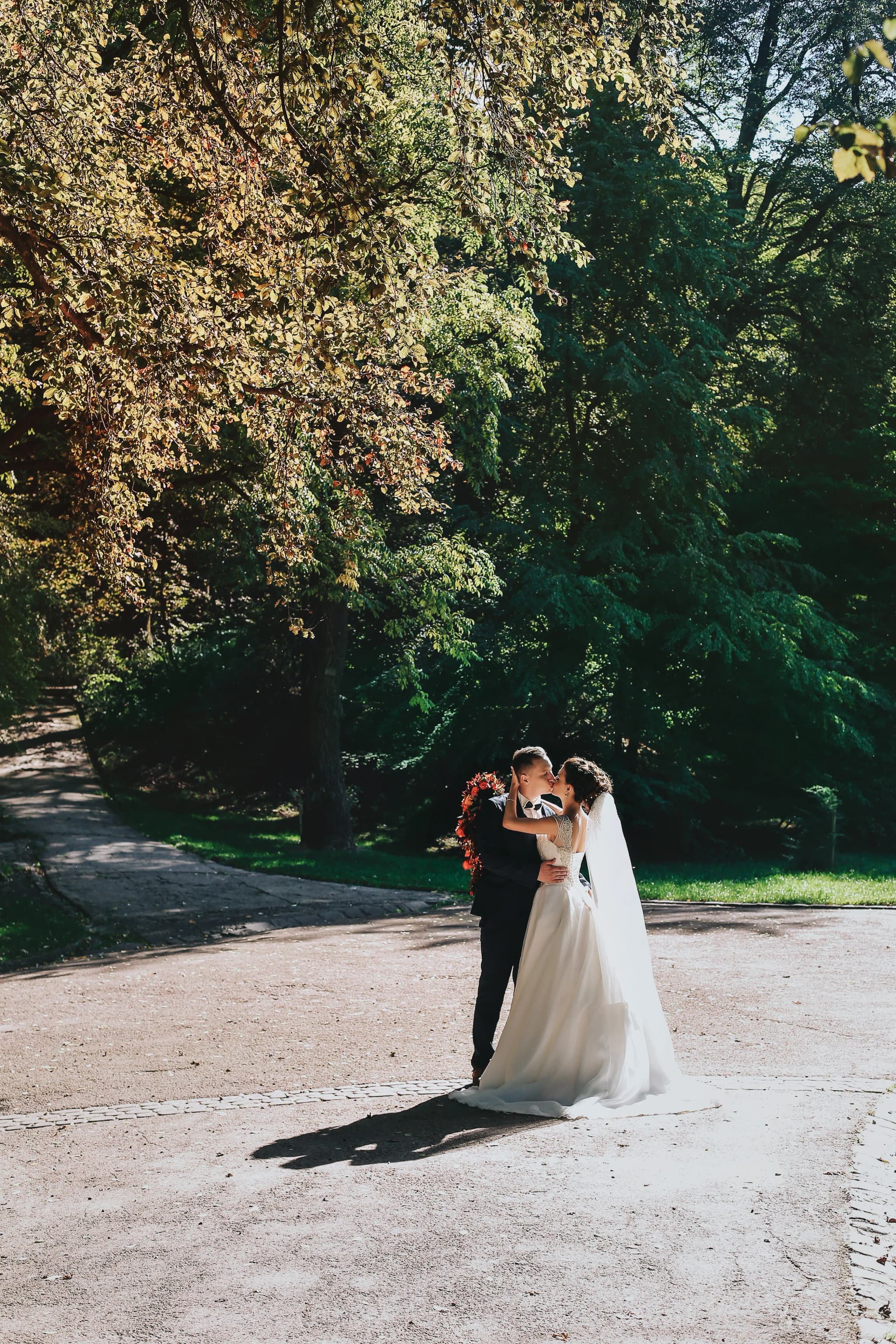
Country Church Wedding Photography: English Villages at Their Finest
By Yana Skakun·20 March 2026·6 min read
There is a particular beauty reserved for the small English country church wedding — the flint-towered Norman building ringed by ancient yews, the worn stone path through the lichgate, the peal of bells that have called people to worship for a thousand years. These buildings carry a weight of history and place that no modern venue can replicate, and the photographs taken within and around them carry that weight quietly, for a lifetime.
Why Country Church Weddings Photograph So Beautifully
The English village church is architecturally singular. Whether you are marrying in a twelfth-century Norman chapel in the Cotswolds, a flint-faced church on the Suffolk coast, or a honey-stone Perpendicular building in Northamptonshire, the structure itself provides photographic depth that is almost impossible to manufacture. Stone walls absorb and reflect light in ways that modern materials simply do not. The interior light — cool, directional, filtering through centuries-old glass — creates conditions that portrait photographers dream about.
Guest lists at country church weddings tend toward the intimate. Fifty to eighty people fill a village church perfectly, creating a warmth of community that photographs with genuine feeling. These are not anonymous events in enormous function suites. Everyone present knows the couple, and that knowledge shows in faces and gestures throughout the day. In my experience, the candid moments at country church weddings — the knowing smile between old friends, the grandmother steadying herself on a family arm — carry an emotional weight that is the heart of the day's story.
The surrounding landscape also matters enormously. Country churches are rarely isolated from their context. The churchyard itself, the village green beyond, the farmland that often begins where the lychgate ends — all of these become part of the photographic world of the day in a way that the car park of a country house hotel simply cannot.
The Churchyard: Your Natural Portrait Studio
I often tell couples that a well-chosen English churchyard is one of the finest natural portrait settings available to a photographer. The variety of elements within a relatively small space — the ancient yew trees, the mossy headstones, the flint or stone walls, the lychgate, the tower itself — means that a skilled photographer can produce genuinely varied portrait work without ever leaving the grounds.
Ancient yew trees deserve particular mention. Some English churchyard yews are thought to be over a thousand years old, pre-dating the churches they surround. Their gnarled, deeply textured trunks and trailing branches create extraordinary portrait backgrounds — alive, elemental, and entirely specific to the English church tradition. If your church has a significant yew, I will almost certainly want to use it. The same applies to the lychgate: that timber-framed ceremonial entrance, often with a canopy of oak or chestnut, creates a natural frame for couple portraits that is uniquely English and uniquely beautiful.
The building itself is always individual. A Norman doorway with chevron carving in Cambridgeshire will look nothing like a flint-flecked chancel wall in Norfolk or a limestone arcade in the Oxfordshire Cotswolds. I take time before the ceremony to walk the building, identify the best angles, note where the light falls on stone and glass at different times of day. That preparation means that when the ceremony ends and the couple emerges into the churchyard, I am not guessing — I already know exactly where we are going.
Ceremony Photography Inside the Church
Church interiors present one of the most rewarding and technically demanding environments in wedding photography. The light levels are lower than outdoor settings, but the quality of that light is exceptional — soft, directional, often coloured by stained glass. I always shoot in RAW and adapt my approach to the specific building rather than relying on a standard setting. English country churches vary enormously: a whitewashed chancel in a Suffolk church bounces light very differently from the dark oak-panelled interior of a Lincolnshire estate chapel.
Most Church of England vicars will confirm their preferences in advance. Some welcome photographers moving quietly during the service; others prefer that the photographer remain at the back during prayers or the address, moving only during hymns and the processional. I always contact the officiant in advance to understand the approach, and I respect those preferences completely. In practice, the moments that matter most — the couple at the altar, the exchange of rings, the first kiss, the signing of the register — are accessible from multiple positions in almost any church interior, and working quietly within those constraints produces better, more natural images than intruding on the ceremony.
The register signing is an often-underrated moment in church weddings. Many country churches have beautiful vestries or side chapels where this takes place, with good window light and an intimate atmosphere. I treat it as a genuine portrait opportunity rather than an administrative formality — it is one of the few moments in the day when the couple is relatively still, together, and the immediate family are gathered close.
The Village as Extended Setting
One of the great advantages of a country church wedding is the village itself. Many couples choose a church that sits within a village of genuine character — a green, a pub, a cluster of period cottages — and that village becomes a backdrop that extends the photographic world well beyond the churchyard gates. A ten-minute walk through a Cotswold village in golden afternoon light, or across a Norfolk village green with the church tower in the distance, produces images with a very particular Englishness that is increasingly sought-after and deeply personal.
The logistics of moving guests from church to reception venue also create photographic opportunities. The informal procession along a village lane, guests gathered outside the pub for a pre-reception drink, children chasing in a churchyard — these unposed moments of community are part of the story of a country church wedding in a way that has no equivalent in a single-venue event. I stay alert to these moments throughout the transition between ceremony and reception, and some of my favourite images from country church weddings come from exactly this period of the day.
Practical Preparation: What Couples Should Know
A country church wedding requires some specific practical thinking from a photography perspective. Access time matters enormously. I always ask to visit the church in advance — ideally at the same time of day as the ceremony — to understand the light conditions. South-facing porches flood with light on a summer afternoon; north-facing aisles can be very dark even in June. Knowing this in advance means I arrive on the day prepared, not surprised.
Flower arrangements inside the church can make or break the aisle photographs. I am always happy to discuss with florists the placement of arrangements at the end of pews and around the chancel arch. A beautiful garland that sits in front of the couple's faces during the ceremony is a problem that is easily avoided with a ten-minute conversation beforehand. Similarly, the position of the couple at the altar — whether they stand side by side or at a slight angle — significantly affects what I can capture from the nave. Many vicars are entirely open to a brief discussion about positioning if asked politely in advance.
Weather, inevitably, is a consideration in England. A cloudless July day creates beautiful but harsh light in a white-walled churchyard, while a soft overcast sky in October produces extraordinary conditions for portraits. I genuinely love shooting in both, and I actively reassure couples that a little rain or cloud on their wedding day is not a photographic disaster — it is often the opposite. The green of a wet Cambridgeshire churchyard in October, the warm stone gleaming after a light shower, the couple laughing under a shared umbrella by an ancient lychgate: these images have a quality that full summer sunshine simply cannot produce.
Planning a country church wedding?
Every English village church is different, and I love the process of understanding a specific building, its light, its character, and its surrounding landscape before the day. Whether you are marrying in Cambridgeshire, Suffolk, Norfolk, Oxfordshire, or anywhere else in England, I would love to hear about your church and talk through how we can make the most of it. Get in touch to arrange a conversation, or take a look at my wedding photography work to see how I approach these beautiful settings.
Choosing the Right Photographer for a Church Wedding
Not every wedding photographer is equally comfortable in a church setting. The technical demands — low and variable light, restricted movement during the ceremony, the need to work quietly and unobtrusively in a sacred space — require genuine experience and adaptability. When you speak to potential photographers, ask specifically about their experience with church ceremonies and their approach to interior light. Ask to see examples from inside churches, not just the portraits outside. The difference between a photographer who has mastered church interior conditions and one who has not is visible in the images.
It is also worth asking about their relationship with officiants and their approach to the restrictions that many clergy understandably impose. A photographer who sees those restrictions as obstacles to be circumvented is the wrong choice for a country church wedding. The right photographer sees them as a framework within which to work creatively and respectfully — and has enough experience to know that the most important moments are always accessible, whatever the specific rules of the building.
The English country church wedding is one of the most photographically rich events I have the privilege of documenting. The combination of ancient architecture, intimate community, natural landscape, and the particular quality of English light — in every season and every weather — produces images that carry genuine depth and lasting meaning. If you are planning a church wedding anywhere in England, I would love to be part of it.

Yana Skakun
Photographer · England
Professional wedding, family and portrait photographer based in England. Passionate about capturing authentic emotions and timeless moments.
About Yana →country church wedding photographyvillage church wedding photographer EnglandNorman church wedding photos
Wedding Tips — Wedding Photography in Cambridge & England
Yana Skakun is a professional wedding photographer based in Cambridge, covering weddings across England — from intimate elopements to full-day ceremonies at country houses, barns, and city venues. Every couple receives a relaxed, documentary approach that captures the day as it truly unfolds. This guide — Country Church Wedding Photography: English Villages at Their Finest — is part of the photography journal: practical, experience-based advice drawn from real sessions across England. Whether you arrived searching for country church wedding photography or village church wedding photographer england, the same care and attention shapes every session Yana photographs.
Wedding Photography sessions are available year-round, with bookings open across Cambridge, Ely, Huntingdon, Peterborough, and further afield — East England, London, the Midlands, and beyond. If you have specific questions about norman church wedding photos, mention it in your enquiry. Get in touch through the contact form above to check availability and discuss your session. Enquiries are welcomed from anywhere in the UK.
Frequently Asked Questions
How much does a wedding photographer cost in England?+
Wedding photography in England typically ranges from £1,500 to £4,000+ for a full day. Price depends on experience, coverage hours, and whether albums or engagement shoots are included. Most photographers charge between £2,000–£3,000 for 8–10 hours of coverage.
How early should you book a wedding photographer?+
For peak season (May–September), book 12–18 months in advance. For autumn and winter weddings, 9–12 months is usually sufficient. Popular photographers at popular venues fill up fast — as soon as you have a date and venue confirmed, start reaching out.
How many photos do you get from a wedding photographer?+
Most professional wedding photographers deliver 400–800 edited images for a full-day wedding. The exact number depends on coverage hours, how many guests there are, and the photographer's editing style. Quality matters more than quantity — a curated gallery of 500 images tells the story better than 1,500 unedited files.
Do you need a second photographer at your wedding?+
A second photographer is helpful if you want simultaneous coverage of getting-ready moments in different locations, multiple angles during the ceremony, or more candid coverage during the reception. It adds cost but significantly increases the variety and completeness of your gallery.
What is the difference between documentary and editorial wedding photography?+
Documentary (reportage) wedding photography captures moments as they happen — the photographer observes and doesn't intervene. Editorial photography involves deliberate direction: placing you in good light, shaping compositions, creating intentional portraits. Most photographers blend both styles throughout the day.
Continue Reading
Related Articles

Wedding Tips
Sustainable Eco-Friendly Wedding Guide — Planning a Green Celebration
15 min read · Read Article
Wedding Tips
Trash the Dress Session — Complete Planning and Photography Guide
14 min read · Read Article
Wedding Tips
Client Communication for Photographers — From Enquiry to Gallery Delivery
15 min read · Read Article
Get in Touch
Ready to Book Your Session?
Get in touch to discuss your vision — I'll reply within 24 hours.