Yana Skakun

Do Wedding Photographers Photoshop Out Blemishes?
By Yana Skakun·10 June 2026·5 min read
Yes — almost every professional wedding photographer retouches their images, but what that actually means varies enormously. There is a significant difference between the light, consistent editing that is standard in every delivered gallery and the deeper skin work that most photographers treat as an optional extra. Understanding that distinction before you book will save you from disappointment on delivery day.
What 'Standard Editing' Actually Covers
Every image in a professional wedding gallery goes through a base editing pass before delivery. This is not optional — it is the difference between a raw camera file and a finished photograph. For me, standard editing means correcting exposure and white balance so that your skin tones look natural in both the bright afternoon ceremony light and the dimmer evening reception. It means removing temporary distractions from the background where they are easy to fix — a stray bin, a parking cone, an ugly exit sign that photobombed your first kiss.
Colour grading is also part of this stage. My galleries have a consistent, film-influenced tone: slightly warm highlights, lifted shadows, and natural skin without the over-saturated orange look that ages so badly in a decade. This is the 'look' couples are booking when they choose a particular photographer, and it is baked into every single image at no extra charge.
What standard editing does not include is per-image skin retouching. Going through 400 photographs and individually smoothing skin, removing blemishes, or slimming faces is hours of additional work — and charging for it as though it were included in a base package would either make wedding photography unaffordably expensive or push photographers toward cutting corners elsewhere.
Blemishes, Spots, and Temporary Skin Issues: the Honest Policy
Most photographers — including me — will fix genuinely temporary skin issues on the key portrait images as a matter of course. A spot that appeared the week before the wedding, a small bruise from bumping a table corner, or a patch of redness from the cold morning air are all things I address without being asked, because I know they are not part of how you normally look. The goal is to reflect you accurately, not to document every accidental thing that happened to your skin in the days surrounding the wedding.
What I do not do by default is full-face skin smoothing, frequency separation retouching, or body reshaping. These are significant alterations that change the way you look in a fundamental sense, and applying them without discussion feels dishonest. Couples who want this level of work can request it, and we discuss it openly before signing the contract.
The Difference Between Key Images and the Full Gallery
Not every photograph in a 400-image gallery receives the same level of attention. Here is how most wedding photographers — and I specifically — structure the workload:
- ◆Hero portraits: The formal couple portraits, bridal prep close-ups, and any designated 'hero' shots receive the most careful individual attention. Temporary blemishes are removed, exposure is fine-tuned per image, and the edit is checked at full resolution.
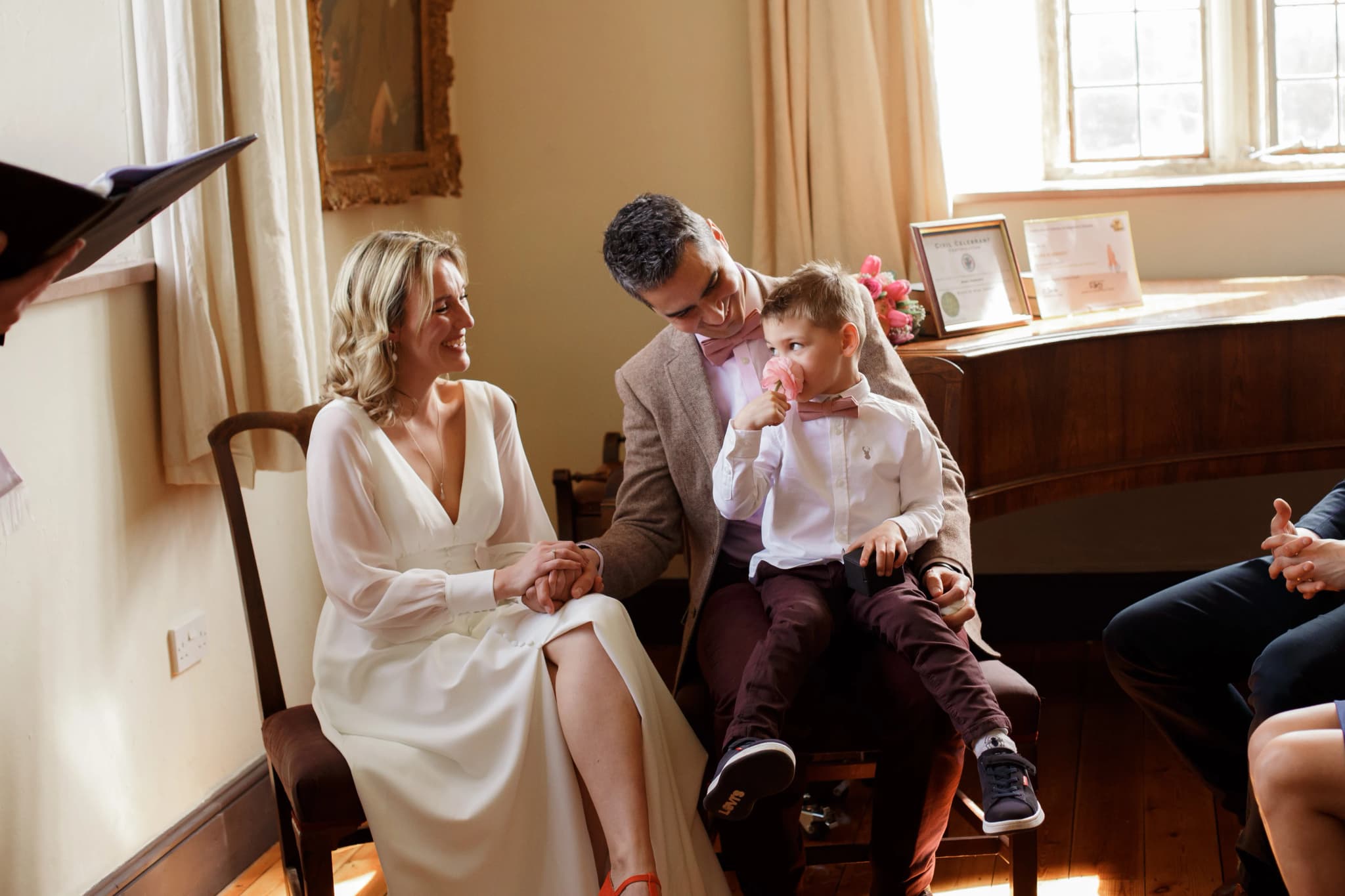
- ◆Ceremony coverage: These images are edited for consistency and mood. The focus is on the sequence of the story — your expressions as you see each other, the exchange of rings, the first kiss. Individual skin retouching is not applied here because the emotional content matters far more than any minor skin variation.
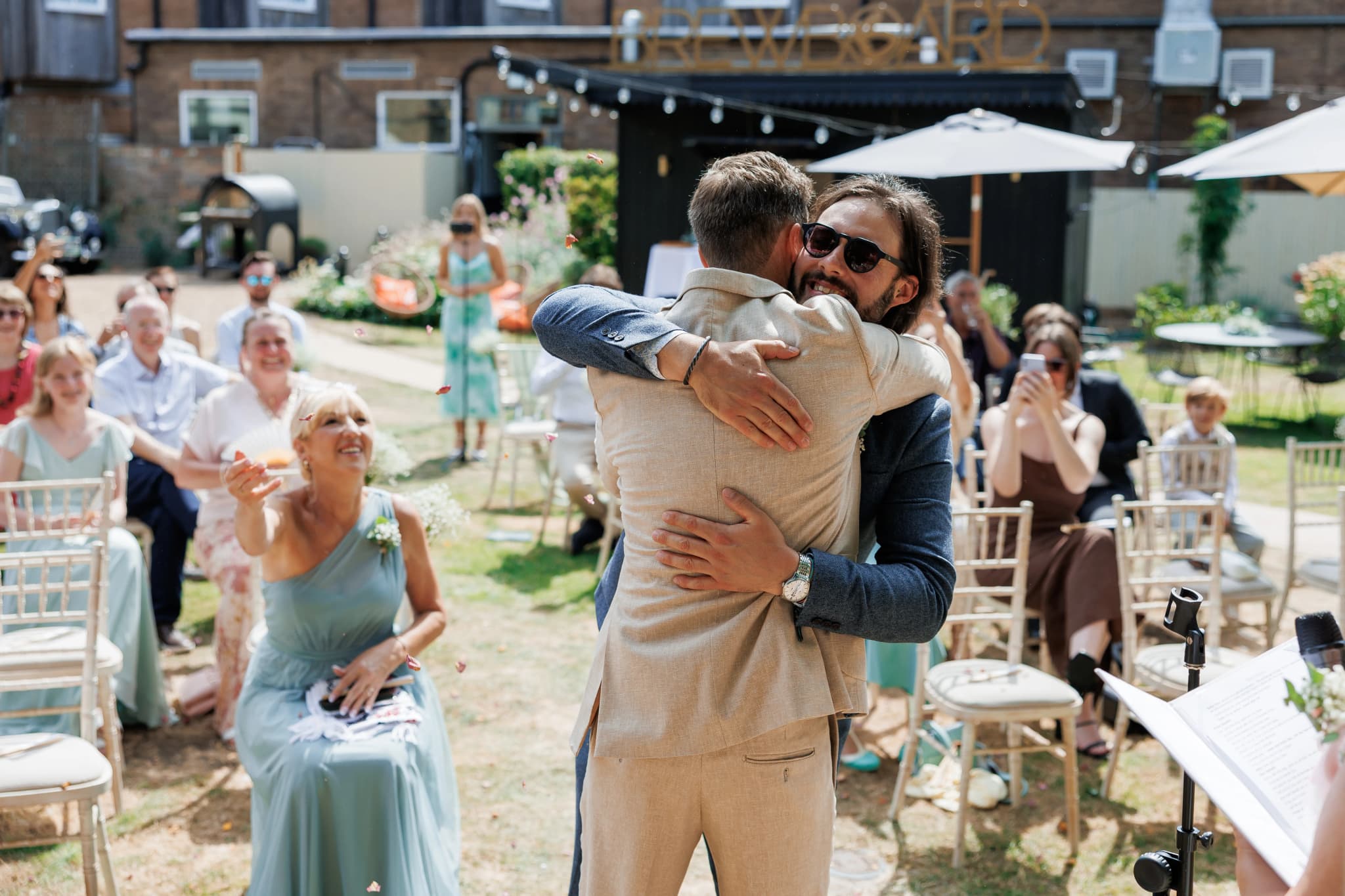
- ◆Reception and candids: Documentary coverage of the speeches, first dance, and guest mingling is colour-corrected and culled, but individual retouching on 150+ candid frames would add days to the editing timeline without meaningfully improving how you remember the day.
- ◆Album selections: If you order a printed album, the selected images receive a second, more detailed edit pass before going to the print lab. This is where deeper retouching makes sense — these are the images that will be on your wall for decades.
- ◆Additional retouching: Any image can be flagged after delivery for deeper work. I offer this as a small per-image service so couples can prioritise the photographs that matter most to them personally.
How to Have This Conversation With Your Photographer Before You Book
The retouching conversation is one couples often feel awkward about, but it is entirely routine for photographers. If you have a specific concern — a scar you are self-conscious about, a skin condition that flares unpredictably, or simply a preference for heavier or lighter editing — say it at the initial enquiry stage, not after you have received the gallery. Photographers who cannot have a professional, nonjudgemental conversation about this are not the right fit for the intimacy of wedding photography.
For UK weddings specifically, it is worth knowing that the lighting conditions here — overcast skies, indoor church ceremonies, converted-barn receptions with mixed tungsten and fairy lights — already do a great deal of the heavy lifting that harsh Mediterranean sunlight makes harder. Soft, diffused British daylight is genuinely flattering, and a photographer who knows how to use it will need to do far less corrective skin work in post because the light was right to begin with. This is something I pay close attention to when planning shooting positions throughout the day at venues across Cambridgeshire, Suffolk, and the wider East of England.
Ask any photographer you are considering two specific questions: first, which images in a standard delivery receive individual retouching? Second, what is the process and cost for additional skin work on specific images? Clear answers to both questions tell you a great deal about how professional and transparent they are about the whole editing workflow.
A Note on Authenticity and Over-Retouching
There is a real risk on the other end of the spectrum that is worth naming. Heavily retouched wedding photographs — smoothed skin, altered body shapes, digitally changed features — look impressive as portfolio Instagram posts but can feel deeply strange when you look at them in ten years. They are a record of a person who did not quite exist on that day. Several couples have come to me after receiving galleries from other photographers specifically because they felt the editing had erased them — their freckles, their laugh lines, the way their eyes crinkle. Those details are not flaws. They are faces, and they are the faces the people who love you most in the world were looking at when you got married.
My editing philosophy is rooted in this: I want you to look at your photographs in thirty years and recognise yourself completely, at the peak of one of the best days of your life. That means addressing the things that were never yours — the pre-wedding stress spot, the cold-day redness — and leaving everything that is.
Curious about my editing style and retouching approach?
Every couple I work with gets a full walkthrough of what to expect in their gallery before we sign anything — including exactly how I handle skin retouching. Check whether your date is still available and let's talk.
Check Your Date →

Yana Skakun
Photographer · England
Professional wedding, family and portrait photographer based in England. Passionate about capturing authentic emotions and timeless moments.
About Yana →doweddingphotographersphotoshop
Wedding Tips — Wedding Photography in Cambridge & England
Yana Skakun is a professional wedding photographer based in Cambridge, covering weddings across England — from intimate elopements to full-day ceremonies at country houses, barns, and city venues. Every couple receives a relaxed, documentary approach that captures the day as it truly unfolds. This guide — Do Wedding Photographers Photoshop Out Blemishes? — is part of the photography journal: practical, experience-based advice drawn from real sessions across England. Whether you arrived searching for do or wedding, the same care and attention shapes every session Yana photographs.
Wedding Photography sessions are available year-round, with bookings open across Cambridge, Ely, Huntingdon, Peterborough, and further afield — East England, London, the Midlands, and beyond. If you have specific questions about photographers, mention it in your enquiry. Get in touch through the contact form above to check availability and discuss your session. Enquiries are welcomed from anywhere in the UK.
Frequently Asked Questions
How much does a wedding photographer cost in England?+
Wedding photography in England typically ranges from £1,500 to £4,000+ for a full day. Price depends on experience, coverage hours, and whether albums or engagement shoots are included. Most photographers charge between £2,000–£3,000 for 8–10 hours of coverage.
How early should you book a wedding photographer?+
For peak season (May–September), book 12–18 months in advance. For autumn and winter weddings, 9–12 months is usually sufficient. Popular photographers at popular venues fill up fast — as soon as you have a date and venue confirmed, start reaching out.
How many photos do you get from a wedding photographer?+
Most professional wedding photographers deliver 400–800 edited images for a full-day wedding. The exact number depends on coverage hours, how many guests there are, and the photographer's editing style. Quality matters more than quantity — a curated gallery of 500 images tells the story better than 1,500 unedited files.
Do you need a second photographer at your wedding?+
A second photographer is helpful if you want simultaneous coverage of getting-ready moments in different locations, multiple angles during the ceremony, or more candid coverage during the reception. It adds cost but significantly increases the variety and completeness of your gallery.
What is the difference between documentary and editorial wedding photography?+
Documentary (reportage) wedding photography captures moments as they happen — the photographer observes and doesn't intervene. Editorial photography involves deliberate direction: placing you in good light, shaping compositions, creating intentional portraits. Most photographers blend both styles throughout the day.
Continue Reading
Related Articles

Wedding Tips
Sustainable Eco-Friendly Wedding Guide — Planning a Green Celebration
15 min read · Read Article
Wedding Tips
Trash the Dress Session — Complete Planning and Photography Guide
14 min read · Read Article
Wedding Tips
Client Communication for Photographers — From Enquiry to Gallery Delivery
15 min read · Read Article
Get in Touch
Ready to Book Your Session?
Get in touch to discuss your vision — I'll reply within 24 hours.