Yana Skakun
Documentary wedding photography: What it is & why you'll love it
By Yana Skakun·5 February 2026·7 min read
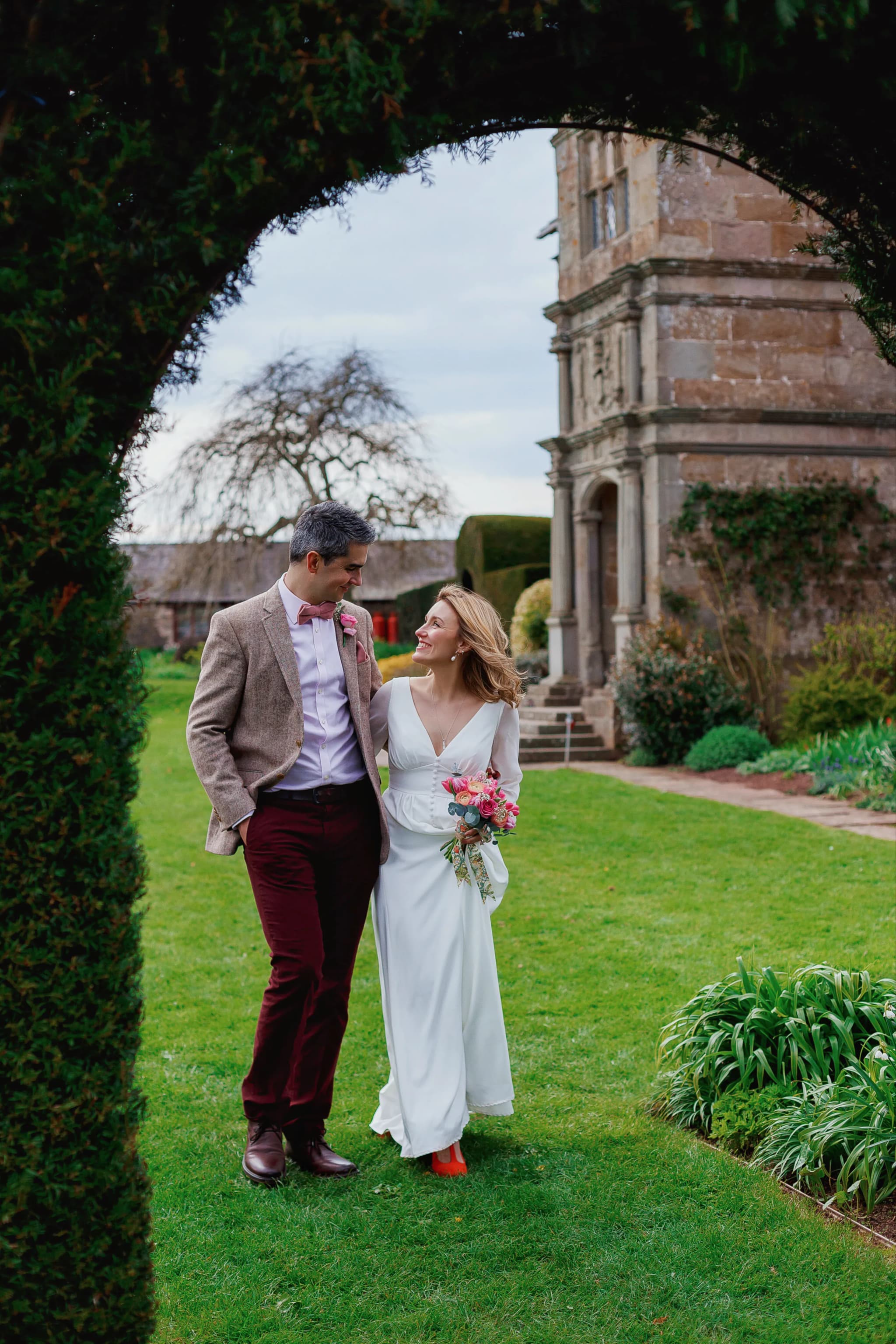
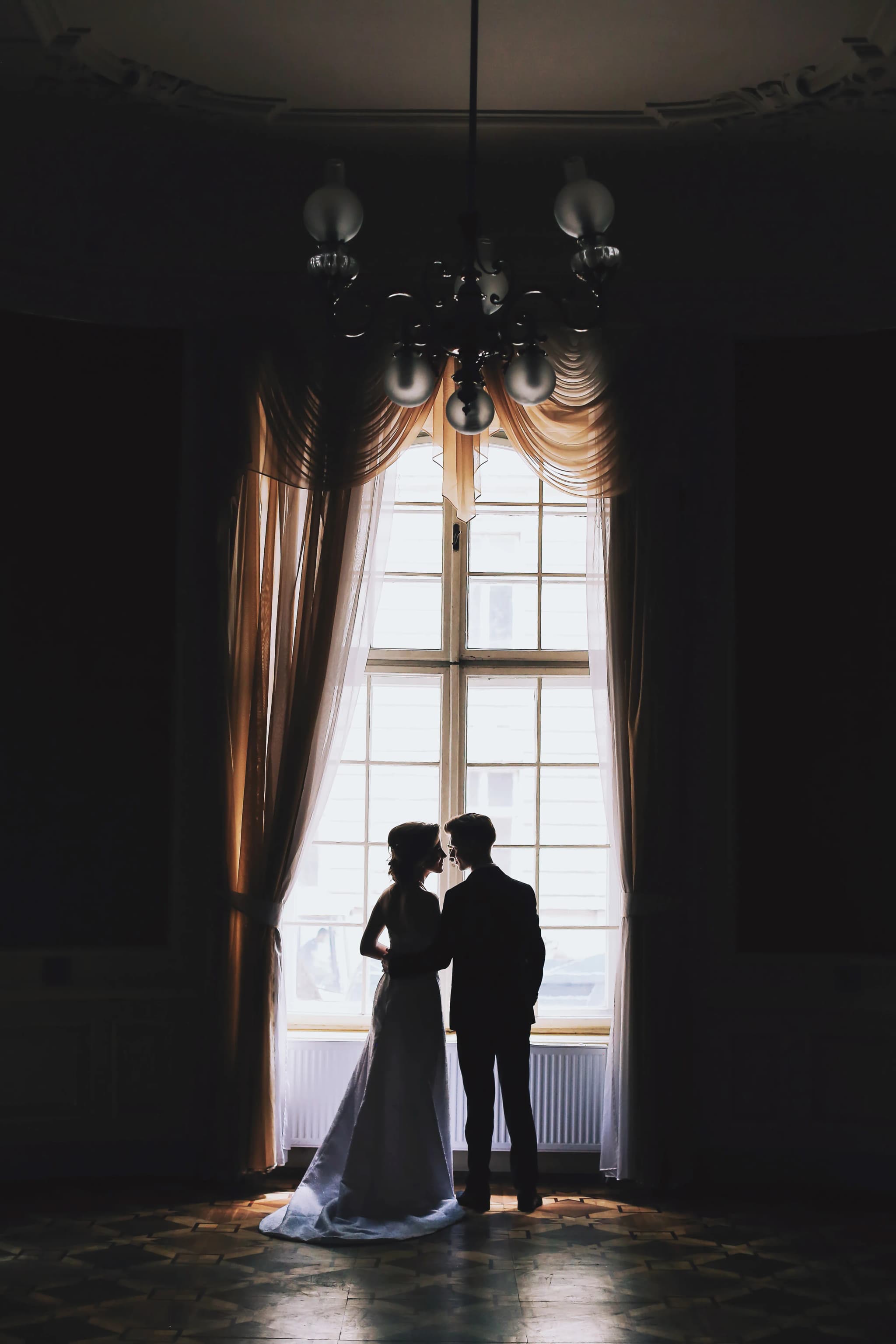
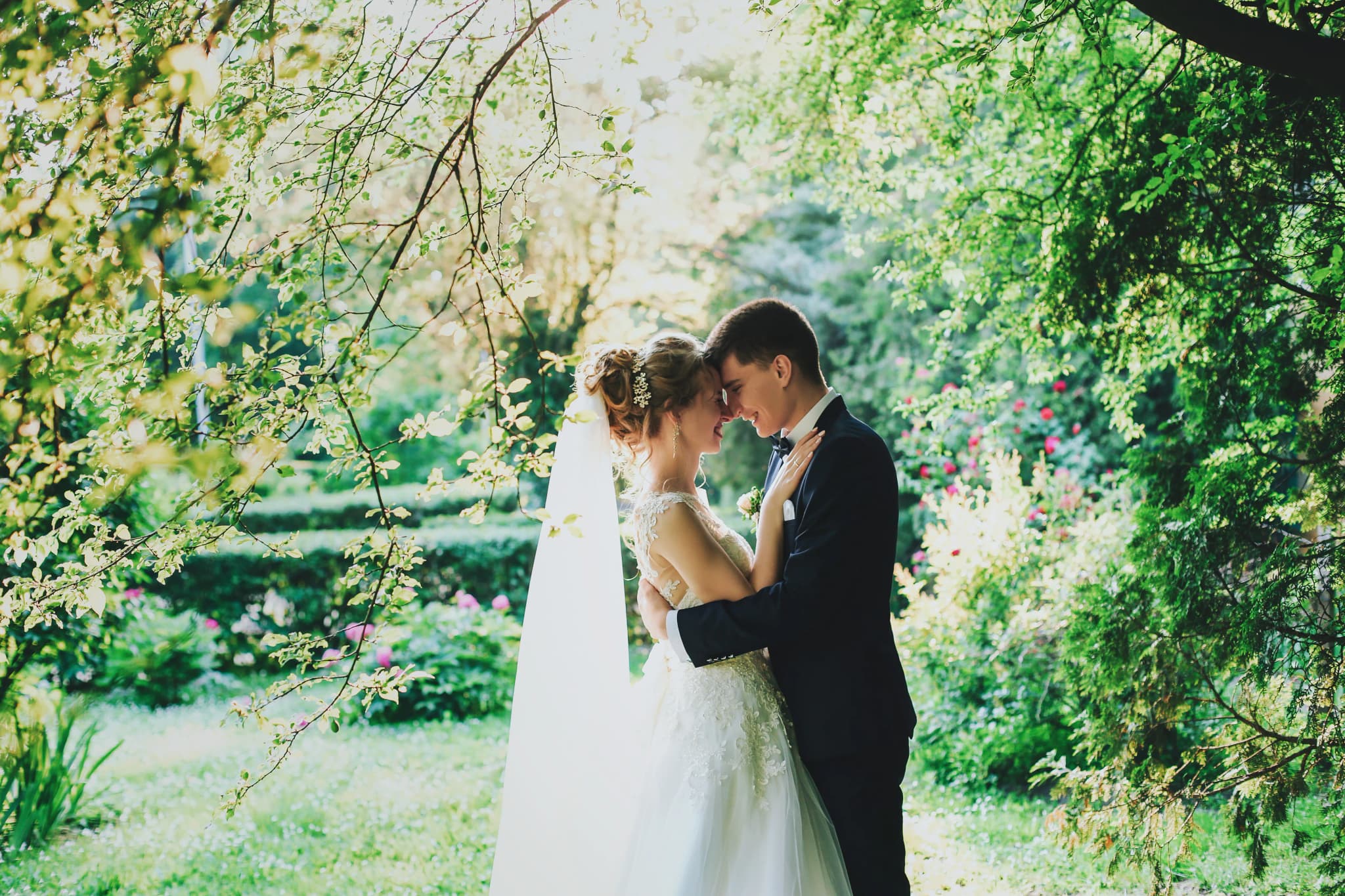
Documentary wedding photography, sometimes called reportage, is the approach of capturing your wedding day as it actually unfolds, without staging, directing, or interfering. It has become the dominant style for a reason: the photographs are authentic, emotional, and full of the genuine atmosphere of your day, rather than a series of carefully constructed scenes that look impressive but feel slightly hollow when you look back on them years later.
What Documentary Photography Looks Like
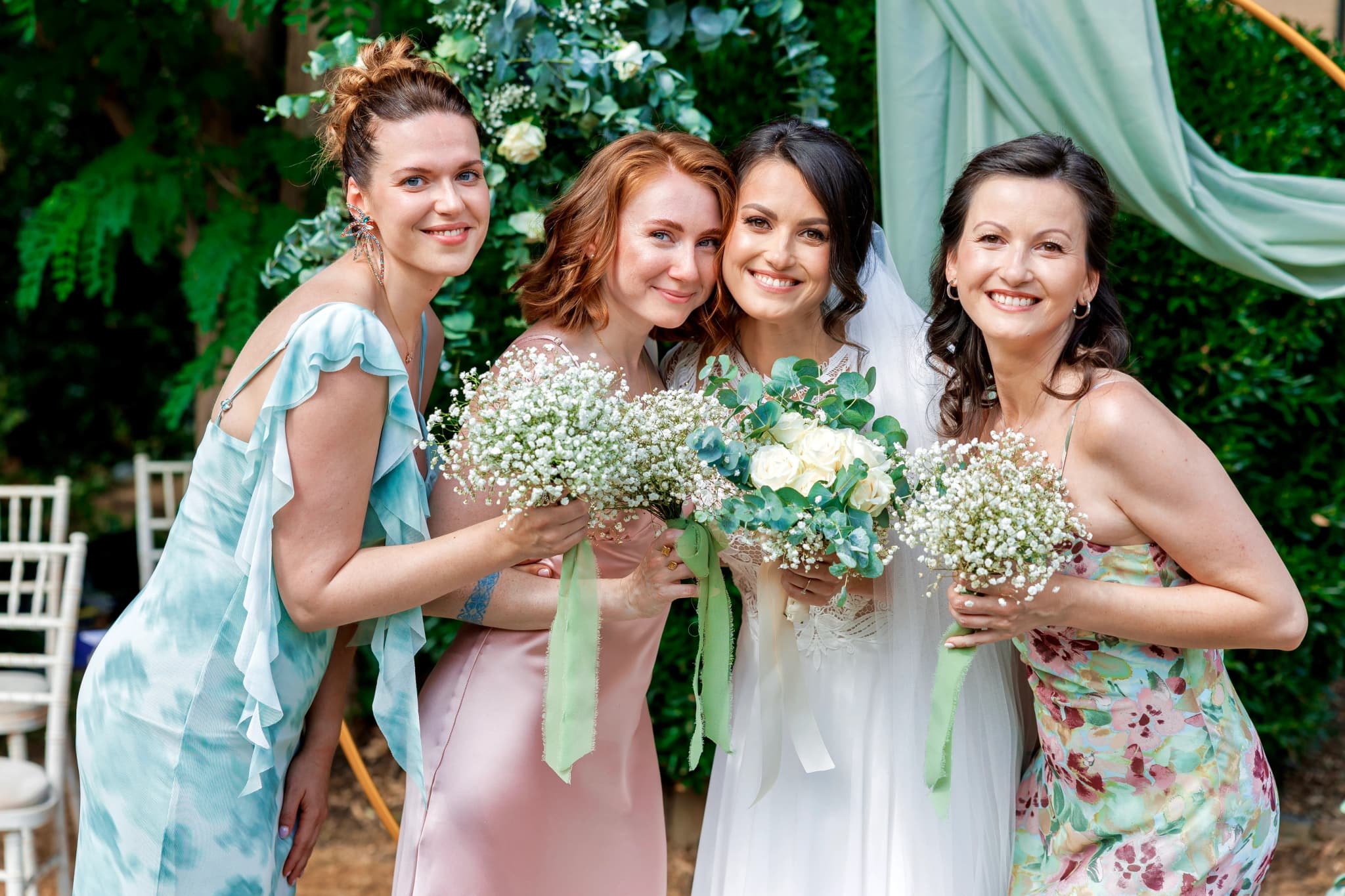
A documentary photographer blends into the background as much as possible. You won't be posed or directed for most of the day, aside from a short session of family formals and couple portraits that almost every wedding still includes in some form. Instead, the photographer works constantly throughout the day, watching for genuine glances, reactions, tears, laughter, and the thousand small details that make your wedding uniquely yours rather than interchangeable with any other wedding that weekend.
In practice, this means I am rarely asking you to look at the camera or hold a particular expression. I am positioning myself to see what is actually happening, whether that is the moment your partner first sees you, the exact second your grandmother starts crying during the vows, or the quiet exchange between old friends at a table during the meal that nobody else in the room even notices is happening. None of that can be recreated afterwards, which is exactly why a documentary approach prioritises being in the right place over directing the scene.
The Advantages of a Documentary Approach
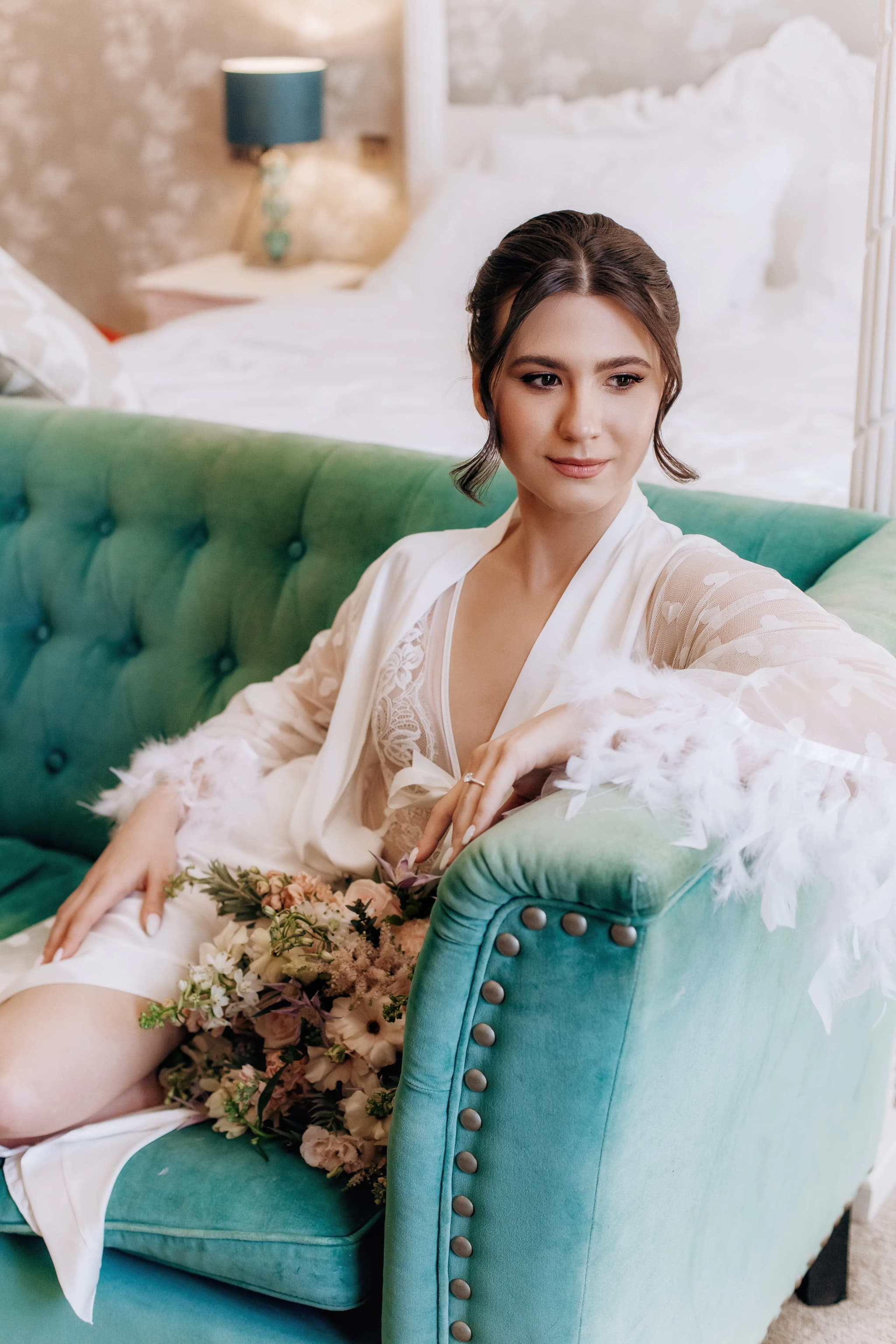
Authenticity is the most obvious benefit. There are no stiff group shots of people who look like they are tolerating the experience, because most of the day simply isn't built around posed groupings at all, and every image reflects something that actually happened rather than something arranged to happen for the camera. Full story coverage follows from the same principle: the getting-ready nerves, the ceremony tears, the best man's face during the speech, all of it gets captured without interruption, because nobody has to pause what they are doing to accommodate a photograph.
Guests stay considerably more relaxed throughout a documentary-covered wedding too, since nobody is being herded into formal lineups for most of the day, and the atmosphere stays natural and celebratory rather than periodically stalling for photography. This matters more than couples often expect going in, because a wedding where guests are constantly being organised for photos develops a very different, more self-conscious energy than one where the photography happens quietly around the celebration.
There is also a longevity to the results that heavily posed or over-directed photography rarely achieves. Trends in posing and styling date quickly, and photographs that lean hard into a particular fashionable look often feel oddly dated within a decade. Authentic documentary images, because they are rooted in genuine emotion and real moments rather than a stylistic trend, tend to remain genuinely timeless in a way that is difficult to engineer deliberately.
It Doesn't Mean No Portraits
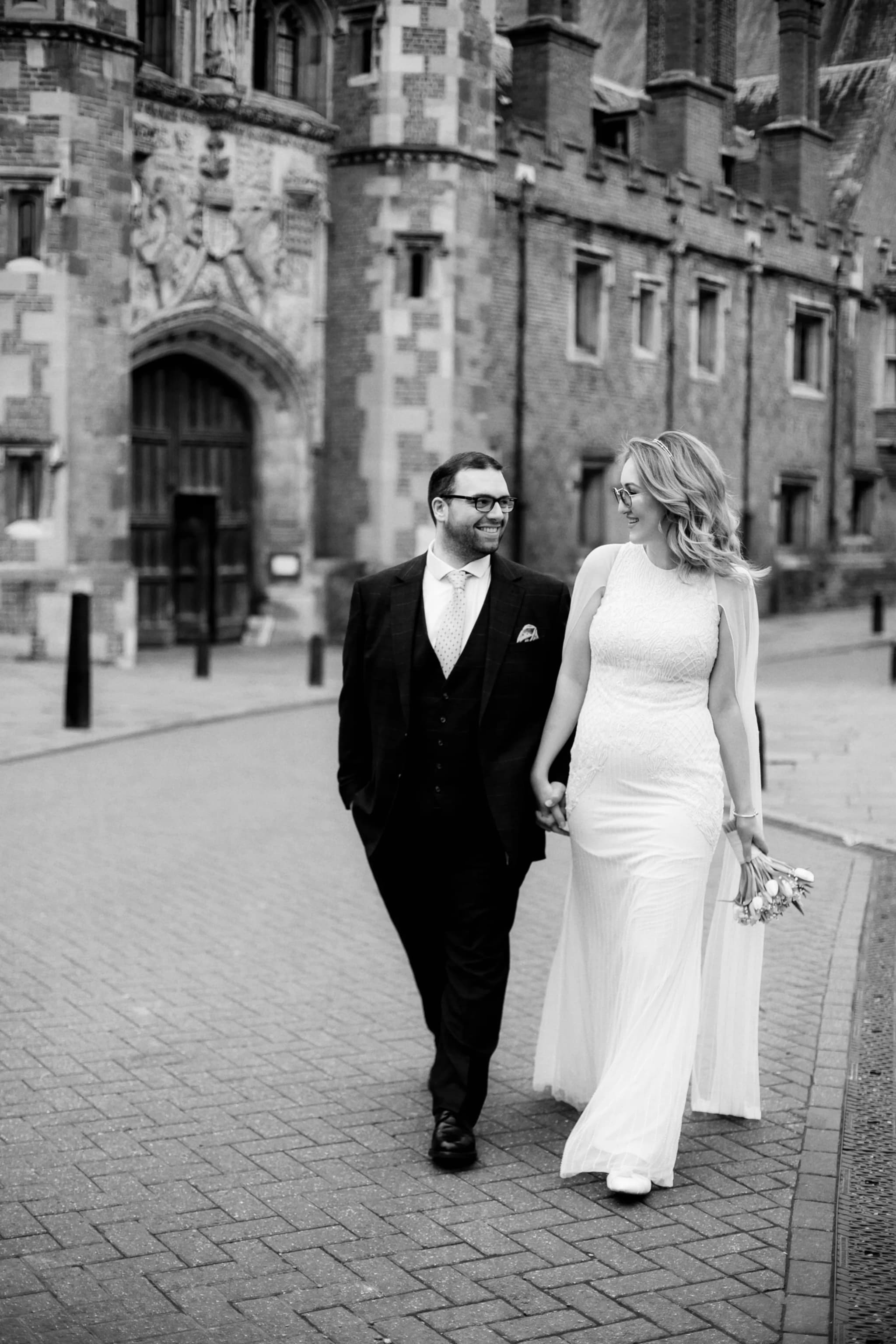
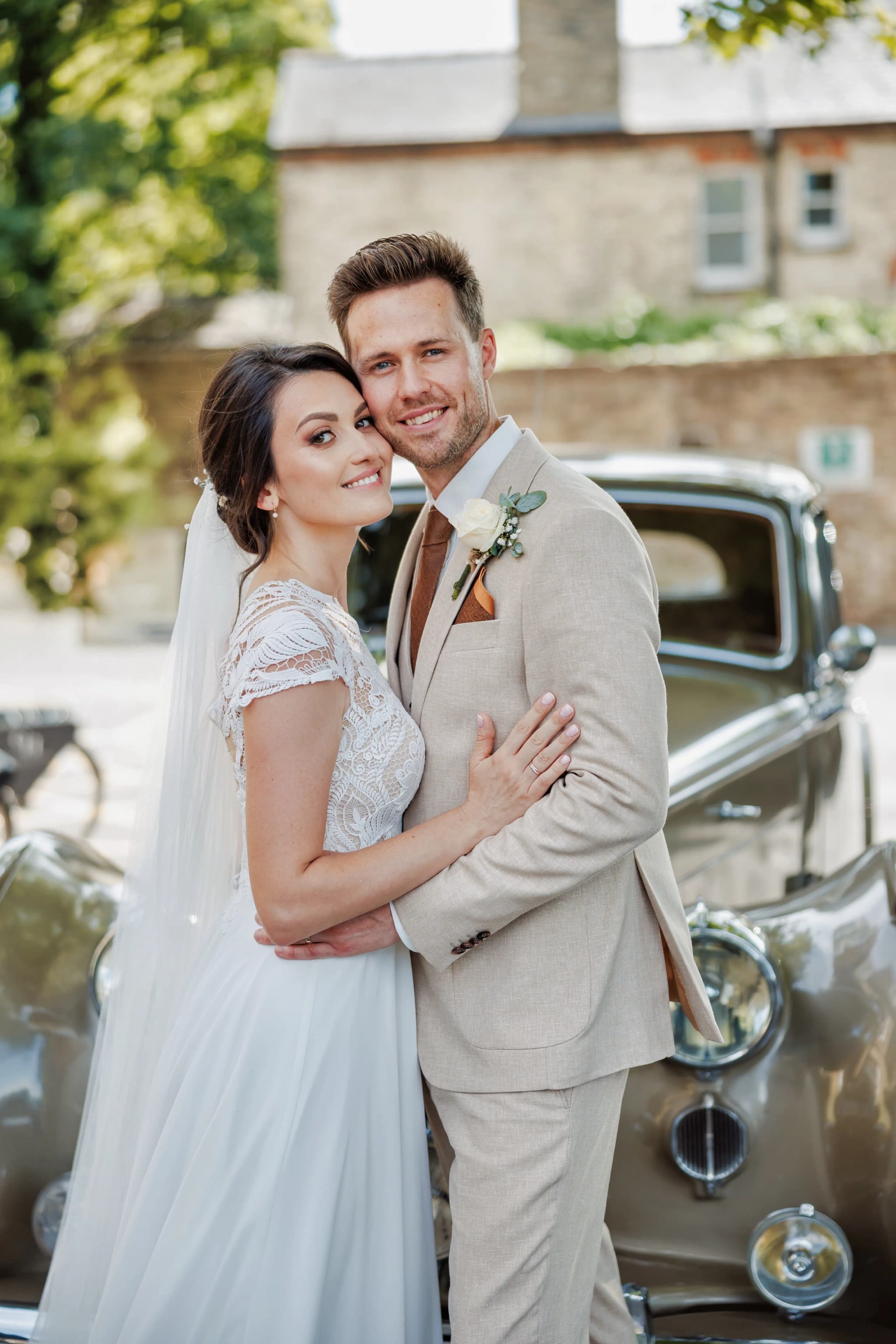
A documentary approach doesn't mean zero direction at any point in the day. I always include a short, relaxed couple portrait session as part of every wedding, typically twenty to forty minutes in the best available light, because most couples do want at least some images of the two of them together that are a little more considered than a candid grab shot. These sessions are lightly guided rather than heavily posed, with suggestions about where to stand or which direction to walk rather than rigid instructions about exact poses, and they produce images that are romantic and beautiful without looking stiff or artificial.
The family formals work similarly. I keep this part of the day as efficient as possible, working through a clear pre-agreed list of groupings so it takes the minimum time necessary, then step back into a purely documentary role for the rest of the celebration. The goal throughout is to give you the handful of considered, composed images that most couples do want, without letting that requirement bleed into the rest of the day and turn the whole wedding into a series of posed set pieces.
A note on my approach
My style is documentary at heart — authentic, unobtrusive, and focused on your actual story rather than a manufactured version of it. A short couple portrait session and efficient family formals sit alongside a day spent mostly watching and waiting for real moments.
Get in touch about your weddingHow This Approach Shapes the Whole Day
A documentary approach changes more than just how the photography happens, it changes how the whole day is planned around it. When couples build their timeline with a documentary photographer, we talk less about staged photo opportunities and more about where the genuinely interesting moments are likely to happen, so I can be in position for them rather than missing them while set up somewhere else. That might mean being in the room during getting ready rather than arriving just before the ceremony, or staying close to the top table during speeches rather than working the room more broadly at that particular moment.
It also means being honest with couples about what documentary coverage cannot do. If a specific posed image is important to you, whether that is a particular group configuration or a portrait in a specific location on the grounds, it is worth telling me in advance so it can be built into the timeline deliberately, because a purely observational approach will not manufacture a shot that depends on active staging. The strength of documentary photography is capturing what is real, and that strength has a corresponding limit: it will not invent a moment that was never going to happen on its own.
Choosing a Documentary Photographer for Your Day
Not every photographer who describes themselves as documentary approaches the day the same way, so it is worth asking specific questions when you are choosing someone for your own wedding. Ask how much of the day is typically spent on posed portraits versus candid coverage, how they handle family formals, and whether they can show you a full wedding gallery rather than just a curated highlights reel, since a full gallery tells you far more honestly what an actual day of coverage with that photographer looks like.
It is also worth trusting your own reaction to a photographer's existing work. Documentary photography depends heavily on a photographer's instinct for the right moment, and that instinct comes through consistently across someone's portfolio if you look at enough of it. If the candid images in a gallery consistently feel alive and specific to the people in them, rather than generic, that is usually a reliable sign of a photographer who genuinely works this way rather than simply describing their style as documentary without the coverage to back it up.
Documentary Style and Different Kinds of Venues
A documentary approach adapts well across genuinely different kinds of wedding venues, though the practical experience of it changes somewhat depending on the setting. A large country house with extensive grounds gives a documentary photographer plenty of room to work unobtrusively, moving between spaces without ever feeling like a visible presence in any single shot. A smaller, more intimate venue asks for a slightly different set of instincts, working quietly within a tighter space so the photography still feels invisible even without the luxury of distance to retreat to between moments.
Outdoor and destination weddings bring their own considerations too, since weather, changing light, and less predictable timings all ask a documentary photographer to adapt quickly without losing the observational approach that defines the style. Whatever the venue, the underlying principle stays consistent: stay attentive, stay out of the way, and trust that the real moments of your day are worth more than anything that could be staged in their place.
Multi-day celebrations, whether a destination wedding weekend or a cultural celebration spanning several events, suit a documentary approach particularly well, since the extended timeframe naturally produces a wider range of genuine, unguarded moments than a single tightly scheduled day allows. A documentary photographer working across a longer celebration has more opportunity to fade fully into the background as guests grow accustomed to a camera being present, which often means the later events in a multi-day celebration produce some of the most relaxed and authentic images of the whole occasion.
If a documentary approach sounds like what you want for your own wedding day, get in touch and we can talk through how it would work for your venue, your timeline, and the moments that matter most to you.

Yana Skakun
Photographer · England
Professional wedding, family and portrait photographer based in England. Passionate about capturing authentic emotions and timeless moments.
About Yana →documentary wedding photography UKreportage wedding photographer Englandcandid wedding photosstorytelling wedding photography
Wedding Tips — Wedding Photography in Cambridge & England
Yana Skakun is a professional wedding photographer based in Cambridge, covering weddings across England — from intimate elopements to full-day ceremonies at country houses, barns, and city venues. Every couple receives a relaxed, documentary approach that captures the day as it truly unfolds. This guide — Documentary wedding photography: What it is & why you'll love it — is part of the photography journal: practical, experience-based advice drawn from real sessions across England. Whether you arrived searching for documentary wedding photography uk or reportage wedding photographer england, the same care and attention shapes every session Yana photographs.
Wedding Photography sessions are available year-round, with bookings open across Cambridge, Ely, Huntingdon, Peterborough, and further afield — East England, London, the Midlands, and beyond. If you have specific questions about candid wedding photos, mention it in your enquiry. Get in touch through the contact form above to check availability and discuss your session. Enquiries are welcomed from anywhere in the UK.
Frequently Asked Questions
How much does a wedding photographer cost in England?+
Wedding photography in England typically ranges from £1,500 to £4,000+ for a full day. Price depends on experience, coverage hours, and whether albums or engagement shoots are included. Most photographers charge between £2,000–£3,000 for 8–10 hours of coverage.
How early should you book a wedding photographer?+
For peak season (May–September), book 12–18 months in advance. For autumn and winter weddings, 9–12 months is usually sufficient. Popular photographers at popular venues fill up fast — as soon as you have a date and venue confirmed, start reaching out.
How many photos do you get from a wedding photographer?+
Most professional wedding photographers deliver 400–800 edited images for a full-day wedding. The exact number depends on coverage hours, how many guests there are, and the photographer's editing style. Quality matters more than quantity — a curated gallery of 500 images tells the story better than 1,500 unedited files.
Do you need a second photographer at your wedding?+
A second photographer is helpful if you want simultaneous coverage of getting-ready moments in different locations, multiple angles during the ceremony, or more candid coverage during the reception. It adds cost but significantly increases the variety and completeness of your gallery.
What is the difference between documentary and editorial wedding photography?+
Documentary (reportage) wedding photography captures moments as they happen — the photographer observes and doesn't intervene. Editorial photography involves deliberate direction: placing you in good light, shaping compositions, creating intentional portraits. Most photographers blend both styles throughout the day.
Continue Reading
Related Articles

Wedding Tips
Sustainable Eco-Friendly Wedding Guide — Planning a Green Celebration
15 min read · Read Article
Wedding Tips
Trash the Dress Session — Complete Planning and Photography Guide
14 min read · Read Article
Wedding Tips
Client Communication for Photographers — From Enquiry to Gallery Delivery
15 min read · Read Article
Get in Touch
Ready to Book Your Session?
Get in touch to discuss your vision — I'll reply within 24 hours.