Yana Skakun
How Wedding Photographers Edit Their Photos: Yana's Style Explained
By Yana Skakun·19 March 2026·6 min read
Ask ten couples what they loved about a photographer's portfolio and most will struggle to put it into words beyond "I just love the way it looks." That feeling — the sense that a whole gallery has a coherent, recognisable mood — is almost never an accident of the camera. It is the result of editing: hundreds of small, deliberate decisions made after the wedding day is over, long after the last dance has finished and the venue lights have come up. Understanding what happens in that process helps you read a portfolio properly, and helps you choose a photographer whose finished style actually matches what you picture when you imagine your own gallery.
What Editing Actually Does
Every digital photograph passes through some form of post-processing before it reaches a couple. At the most basic level, this means culling: selecting the strongest frames from the several thousand taken across a wedding day, discarding duplicates, blinks, and moments that simply did not land. That editing stage alone shapes the story of your day enormously — the narrative arc of a gallery depends as much on what is left out as on what is kept in.
Beyond selection comes the technical correction stage: exposure, white balance, and colour accuracy, making sure skin reads naturally under the mixed lighting of a marquee, a church, or a dimly lit reception room. Only after that does the creative layer begin — the deliberate tonal grading that gives a whole gallery its unified look. This is the stage most people mean when they talk about a photographer's "style," and it is where genuinely significant differences between photographers appear.
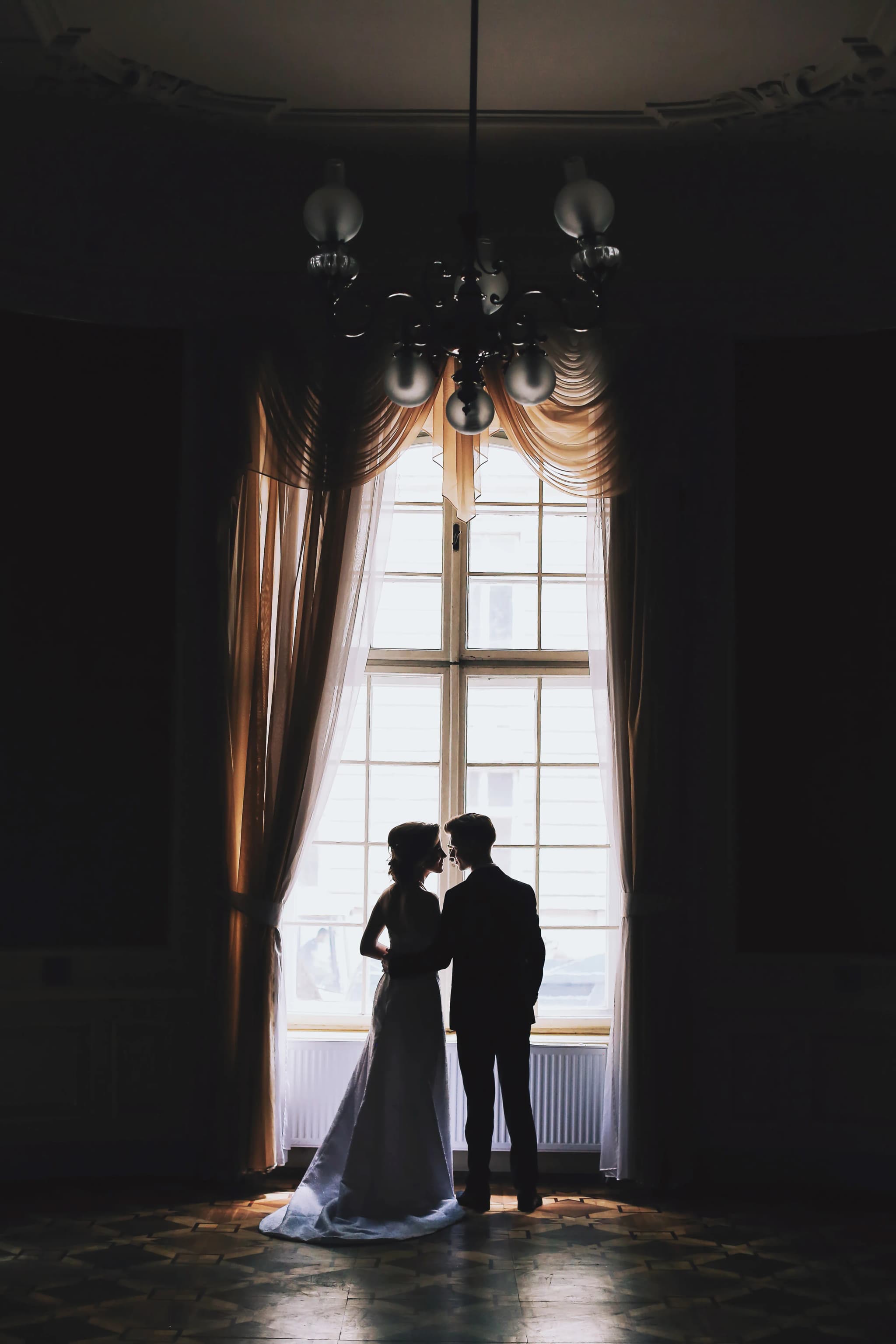
The choices made at this stage determine whether a gallery reads as bright and airy, moody and cinematic, warm and golden, clean and true-to-life, or heavily stylised in a way that leans toward film emulation. None of these are objectively better than the others. They are aesthetic decisions, and the right one for you is simply the one that, when you look at a full gallery rather than a handful of highlight images, still feels like something you would want on your wall in ten years.
My Editing Philosophy
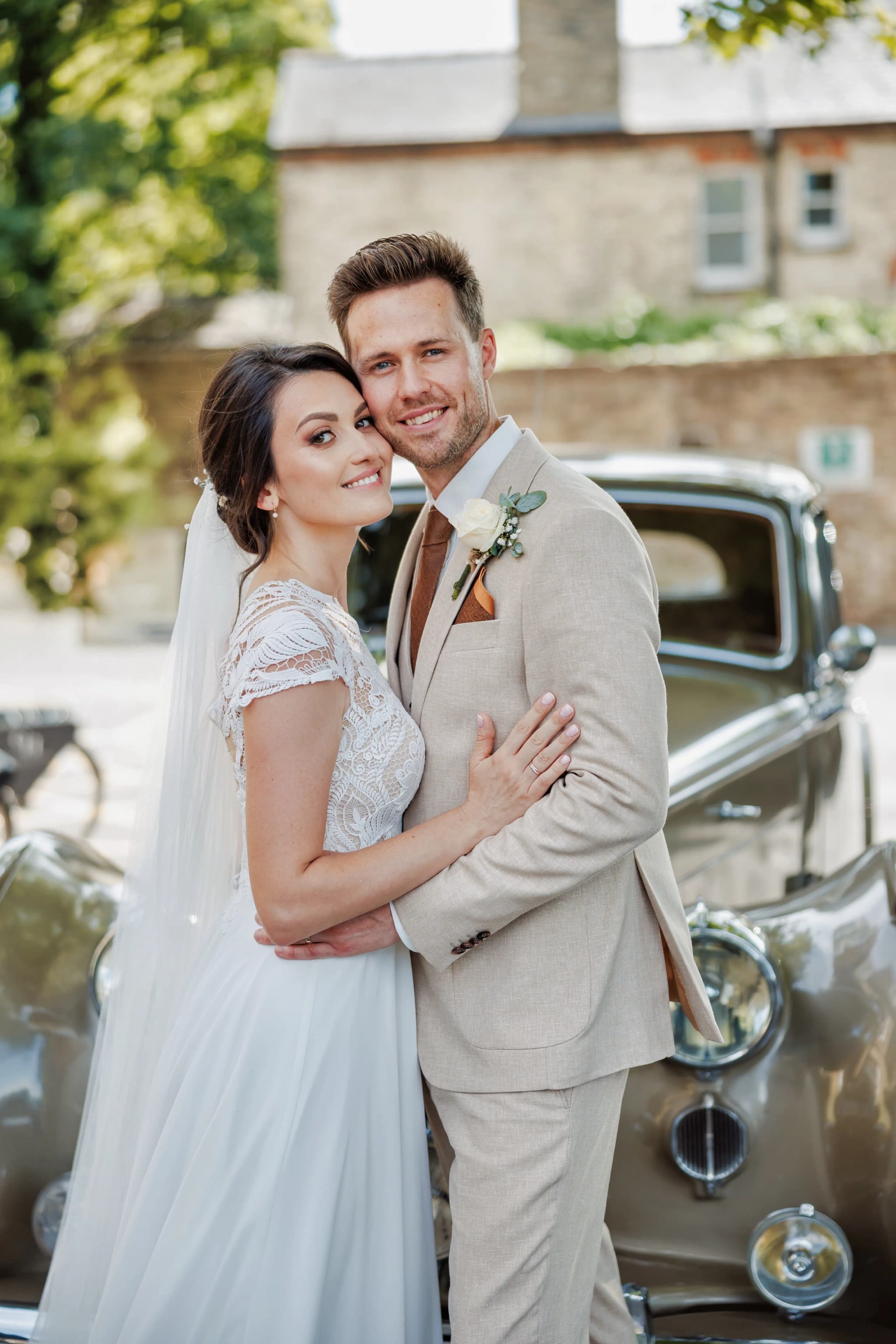
My approach is built on a simple principle: editing should serve the moment, not rewrite it. I start every image with technically accurate correction — faces exposed properly, no colour cast from venue lighting, whites reading as white rather than pulling green under fluorescent strip lights or orange under tungsten. Only once that foundation is right do I apply the creative signature that runs consistently through the whole gallery.
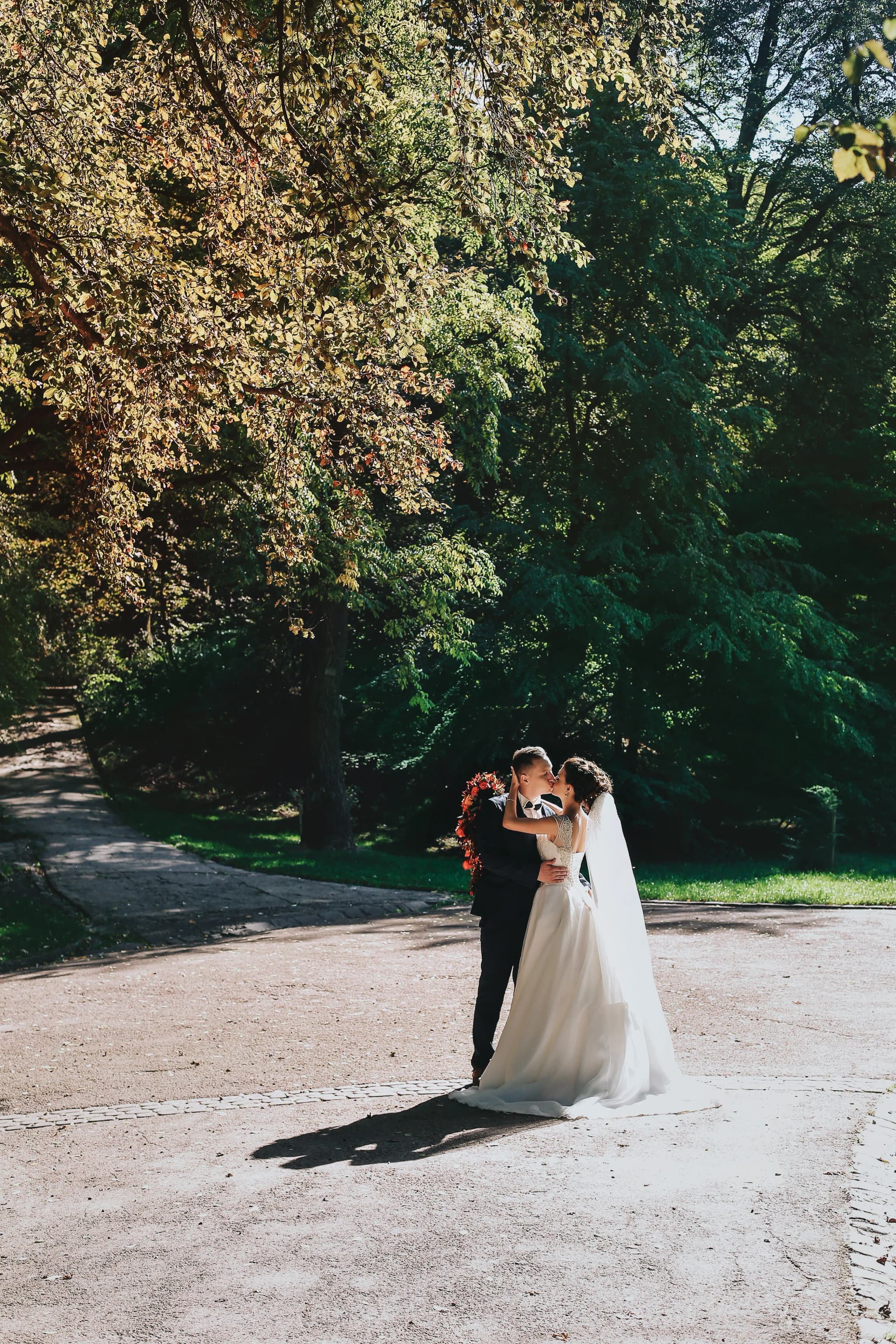
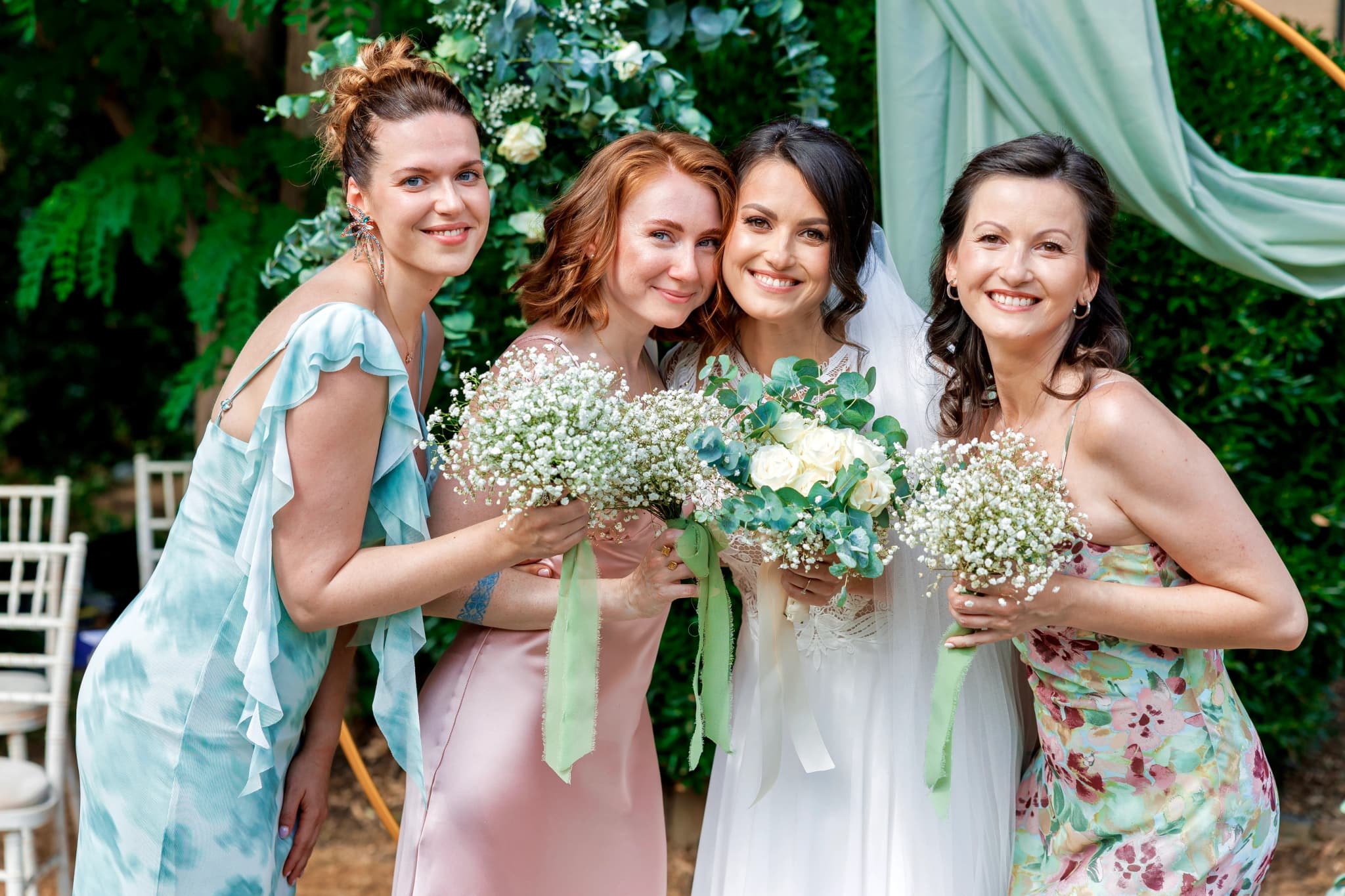
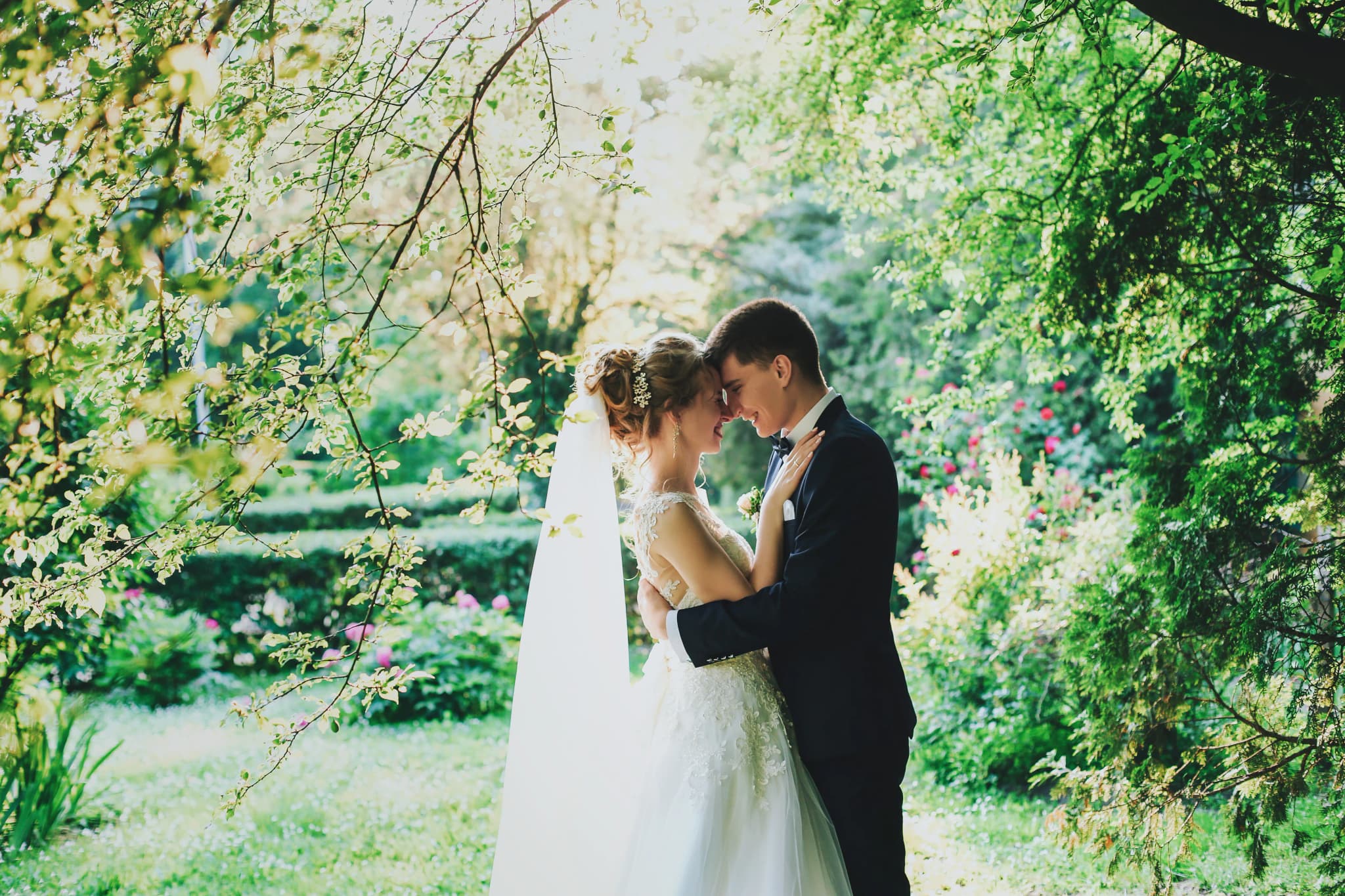
That signature has a few consistent qualities. I push warmth gently into the highlights, which gives daylight portraits a natural, sun-touched feel without tipping into an artificial orange cast. I lift the shadows rather than let them fall to pure black, which keeps detail visible in a bride's dress or a groom's dark suit and gives the images a softer, slightly film-inspired quality rather than the punchy high-contrast look some photographers favour. Skin tones get careful individual attention across every ethnicity and lighting condition present in a gallery, because getting this wrong is one of the most common and most noticeable editing failures. Contrast stays moderate — enough for depth, not so much that shadows swallow detail. And sharpening is selective: eyes and the key focal point of a frame are crisp, while backgrounds are allowed to stay soft, which keeps attention where it belongs.
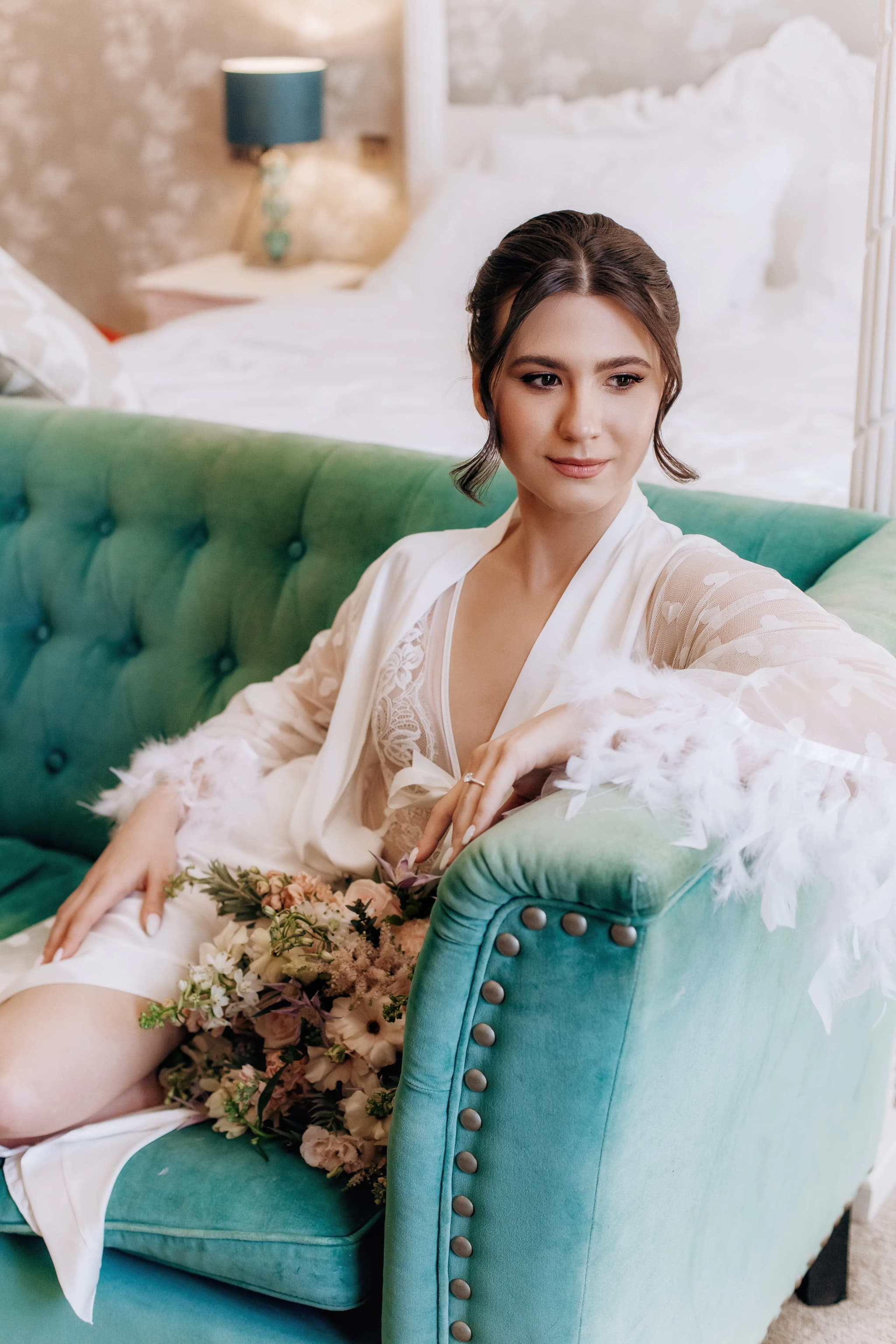
None of this is applied as a single uniform filter dragged across every image. Morning preparation shots, taken in a bedroom with soft window light, need different treatment from harsh midday ceremony light, which in turn needs different treatment from candlelit evening dancing. The editing decisions change frame by frame to suit the actual light, while the underlying tonal philosophy stays constant — which is what makes a gallery feel like one coherent body of work rather than a patchwork of different treatments stitched together.
What I Deliberately Don't Do
I don't retouch faces extensively. Temporary blemishes — a spot that appeared the morning of the wedding, a scratch, a stray flyaway hair caught mid-motion — are removed, because they are not part of who you are and will be gone within days anyway. But I don't smooth skin texture, slim faces, or reshape features. You are marrying the person in front of you, not a digitally altered version, and your photographs should show the two of you as you actually looked on the happiest day of your lives.
I also avoid applying extreme presets uniformly across a gallery. Presets bought off the shelf and dragged across every image regardless of the actual light conditions are one of the fastest ways to produce a technically inconsistent gallery that only looks cohesive at a glance. Every image in your gallery is edited individually, even when the overall aesthetic direction is the same throughout.
And I deliberately avoid heavily stylised, trend-driven looks — the kind of intense film-fade or crushed-black grading that looks striking on a phone screen for eighteen months and then dates a gallery almost immediately. I would rather your photographs look as considered and as beautiful in twenty years as they do the week you receive them, which means resisting some of the more extreme editing trends that move through the industry every few years.
Colour Versus Black and White
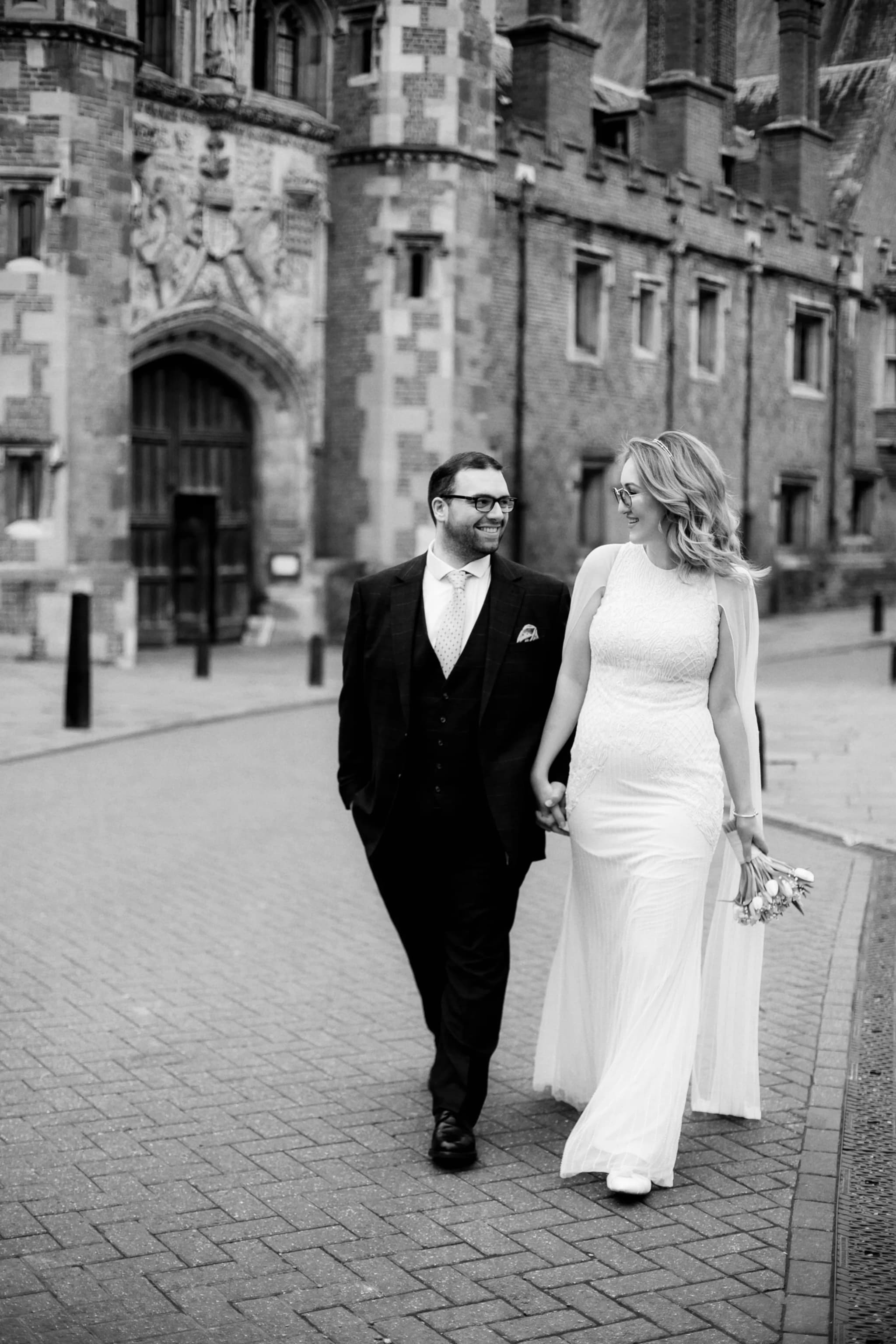
A portion of every gallery — typically somewhere between fifteen and twenty-five percent — is converted to black and white. This is not decorative variety for its own sake. Black and white works best where colour would distract from the emotional core of a moment: a father seeing his daughter for the first time in her dress, a groom's hand tightening around his partner's during vows, the quiet chaos of a dance floor at its peak. Removing colour in these frames strips away anything that might pull attention away from expression and gesture, and lets the moment itself carry the image.
I choose these conversions individually rather than applying a fixed ratio or a fixed set of moments. Some weddings produce more genuinely black-and-white-worthy frames than others, depending on the light and the moments that unfolded. The decision is always about what best serves that specific photograph, not about hitting a target percentage for its own sake.
A note on seeing it for yourself
Descriptions of editing style only go so far — the best way to know whether my finished look is right for you is to look through a full wedding gallery, not just a curated highlight reel. I'm always happy to share complete galleries so you can see exactly how consistent, natural, and true-to-life the editing feels across an entire day, from morning preparations through to the last dance.
Get in touch to see full galleriesWhy Consistency Across a Gallery Matters
The single hardest thing to achieve in wedding editing is not any individual beautiful frame — it is consistency across hundreds of images taken in wildly different lighting conditions over the course of a single day. Morning preparations happen in soft, low, often mixed indoor light. Ceremonies can be indoors or outdoors, in full sun or heavy shade. Portraits happen wherever the light is best at that specific hour. Receptions move from daylight into candlelight into dance floor uplighting within a few hours. Each of these conditions has to be corrected and graded so that, when you scroll through your finished gallery from start to finish, it feels like the work of one photographer with one clear vision, not a set of unrelated results stitched together by lighting condition.
Achieving that consistency while still respecting what made each individual moment distinctive — the softness of morning light, the drama of an outdoor ceremony, the warmth of candlelit speeches — is, honestly, the real craft of wedding editing. It matters more than any single trendy effect, because it is what makes a gallery feel like a complete, coherent piece of work rather than a collection of disconnected photographs.
If any of this resonates with the kind of gallery you picture for your own wedding — natural, warm, consistent, and true to how you and your partner actually looked and felt on the day — I would love to talk it through with you. Get in touch and I can share full galleries from recent weddings so you can see the editing style in practice, start to finish.

Yana Skakun
Photographer · England
Professional wedding, family and portrait photographer based in England. Passionate about capturing authentic emotions and timeless moments.
About Yana →wedding photographer editing stylehow wedding photos are editednatural edit wedding photos UK
Wedding Tips — Wedding Photography in Cambridge & England
Yana Skakun is a professional wedding photographer based in Cambridge, covering weddings across England — from intimate elopements to full-day ceremonies at country houses, barns, and city venues. Every couple receives a relaxed, documentary approach that captures the day as it truly unfolds. This guide — How Wedding Photographers Edit Their Photos: Yana's Style Explained — is part of the photography journal: practical, experience-based advice drawn from real sessions across England. Whether you arrived searching for wedding photographer editing style or how wedding photos are edited, the same care and attention shapes every session Yana photographs.
Wedding Photography sessions are available year-round, with bookings open across Cambridge, Ely, Huntingdon, Peterborough, and further afield — East England, London, the Midlands, and beyond. If you have specific questions about natural edit wedding photos uk, mention it in your enquiry. Get in touch through the contact form above to check availability and discuss your session. Enquiries are welcomed from anywhere in the UK.
Frequently Asked Questions
How much does a wedding photographer cost in England?+
Wedding photography in England typically ranges from £1,500 to £4,000+ for a full day. Price depends on experience, coverage hours, and whether albums or engagement shoots are included. Most photographers charge between £2,000–£3,000 for 8–10 hours of coverage.
How early should you book a wedding photographer?+
For peak season (May–September), book 12–18 months in advance. For autumn and winter weddings, 9–12 months is usually sufficient. Popular photographers at popular venues fill up fast — as soon as you have a date and venue confirmed, start reaching out.
How many photos do you get from a wedding photographer?+
Most professional wedding photographers deliver 400–800 edited images for a full-day wedding. The exact number depends on coverage hours, how many guests there are, and the photographer's editing style. Quality matters more than quantity — a curated gallery of 500 images tells the story better than 1,500 unedited files.
Do you need a second photographer at your wedding?+
A second photographer is helpful if you want simultaneous coverage of getting-ready moments in different locations, multiple angles during the ceremony, or more candid coverage during the reception. It adds cost but significantly increases the variety and completeness of your gallery.
What is the difference between documentary and editorial wedding photography?+
Documentary (reportage) wedding photography captures moments as they happen — the photographer observes and doesn't intervene. Editorial photography involves deliberate direction: placing you in good light, shaping compositions, creating intentional portraits. Most photographers blend both styles throughout the day.
Continue Reading
Related Articles

Wedding Tips
Sustainable Eco-Friendly Wedding Guide — Planning a Green Celebration
15 min read · Read Article
Wedding Tips
Trash the Dress Session — Complete Planning and Photography Guide
14 min read · Read Article
Wedding Tips
Client Communication for Photographers — From Enquiry to Gallery Delivery
15 min read · Read Article
Get in Touch
Ready to Book Your Session?
Get in touch to discuss your vision — I'll reply within 24 hours.