Yana Skakun
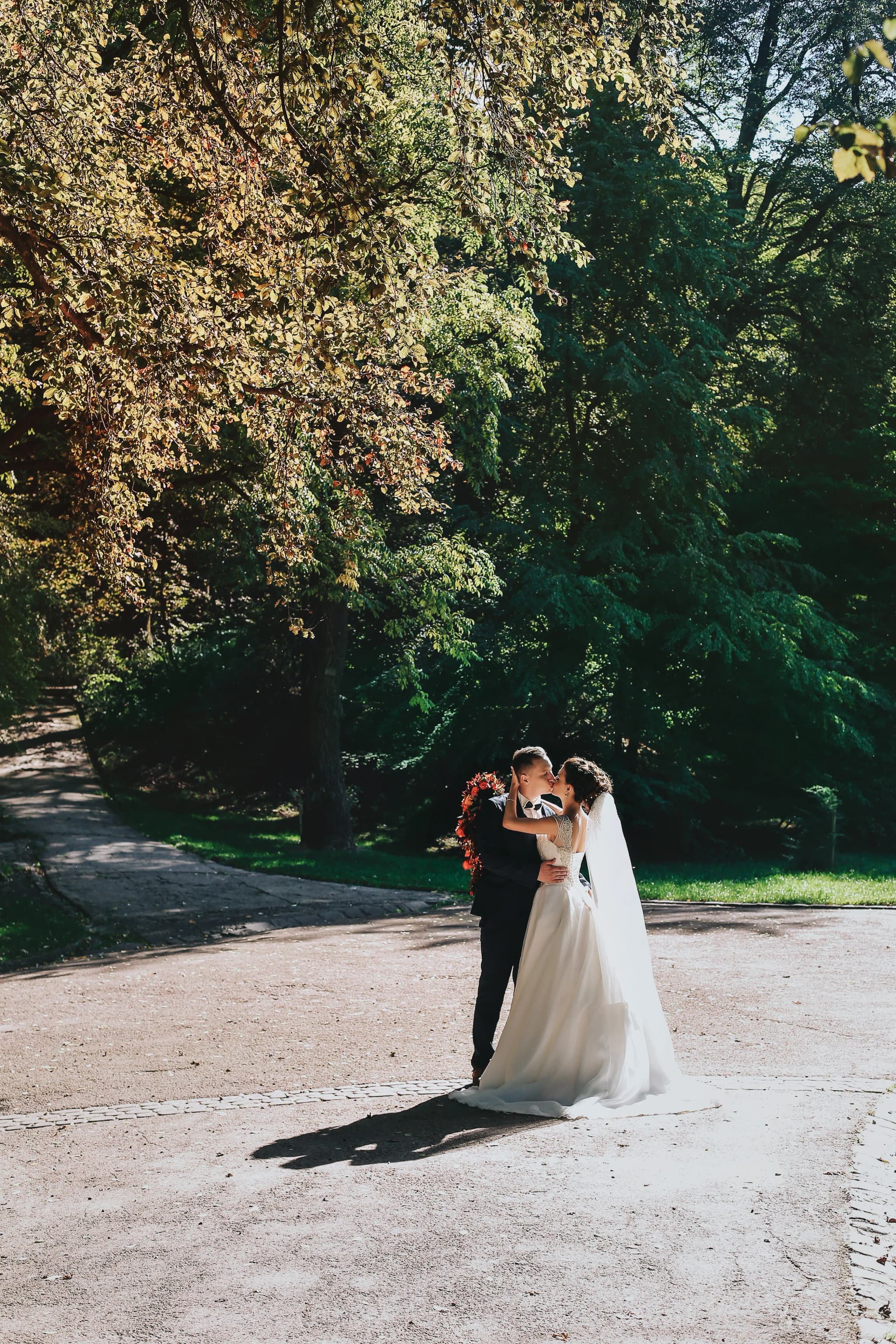
Elopement Photography in Cambridgeshire & East England
By Yana Skakun·19 March 2026·6 min read
Elopements are one of the most meaningful things I have the privilege of photographing. Two people who have decided their marriage belongs to them — not to a guest list, a seating plan, or a catering timeline — stepping away from expectation and choosing instead to begin with honesty and presence. Cambridgeshire is a quietly extraordinary place for this: ancient stone, wide fenland sky, and a landscape that has a way of making small, intimate moments feel enormous.
Why Cambridgeshire Works So Well for Elopements
There is a particular quality to the East of England landscape that suits elopements perfectly. The flat, open fenland horizon gives even the simplest ceremony a sense of scale and stillness. Cambridgeshire is not showy countryside — it does not compete with the Lake District for drama — but it has a quiet grandeur that photographs beautifully and never feels busy or performative. That tonality mirrors what most elopements are actually about.
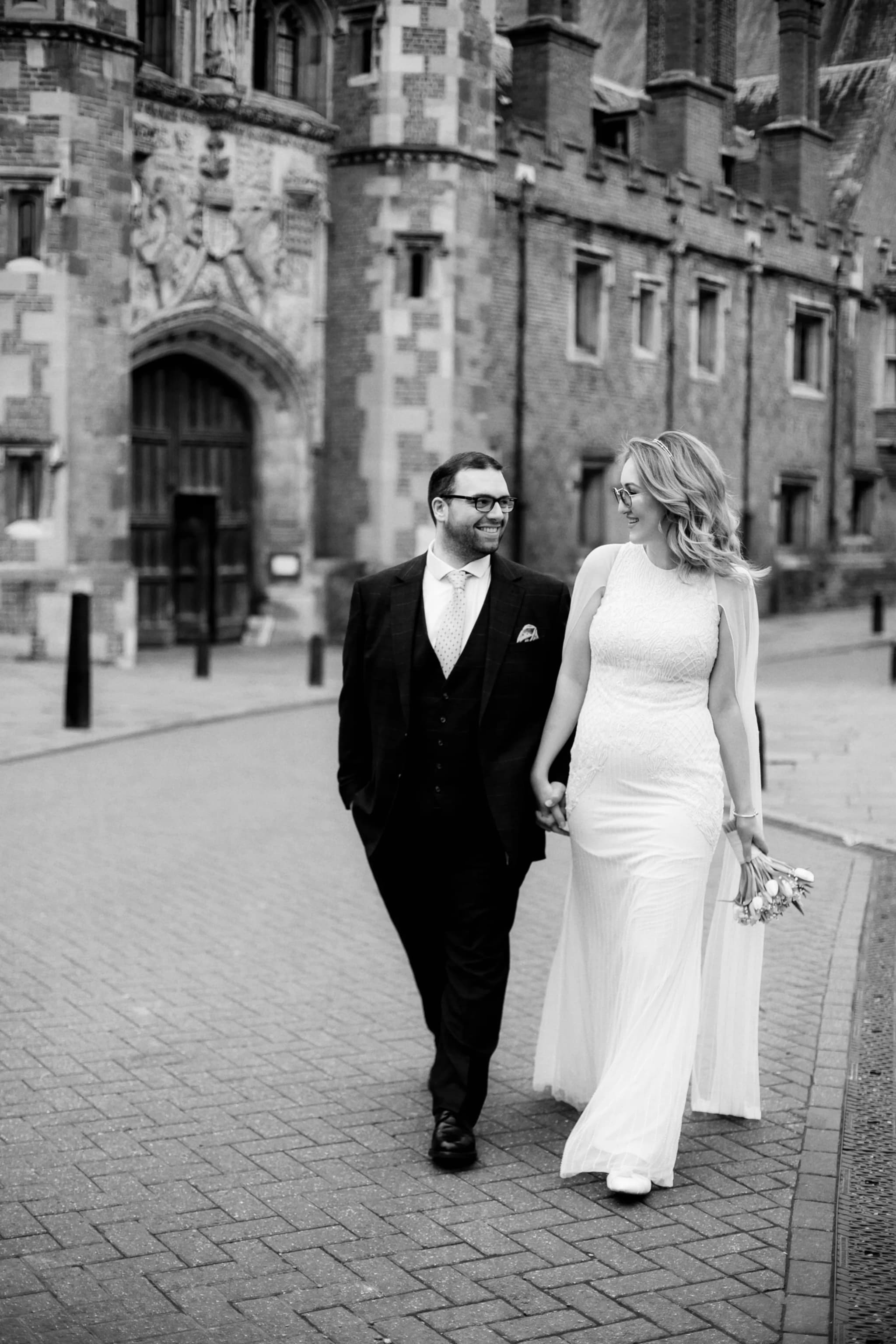
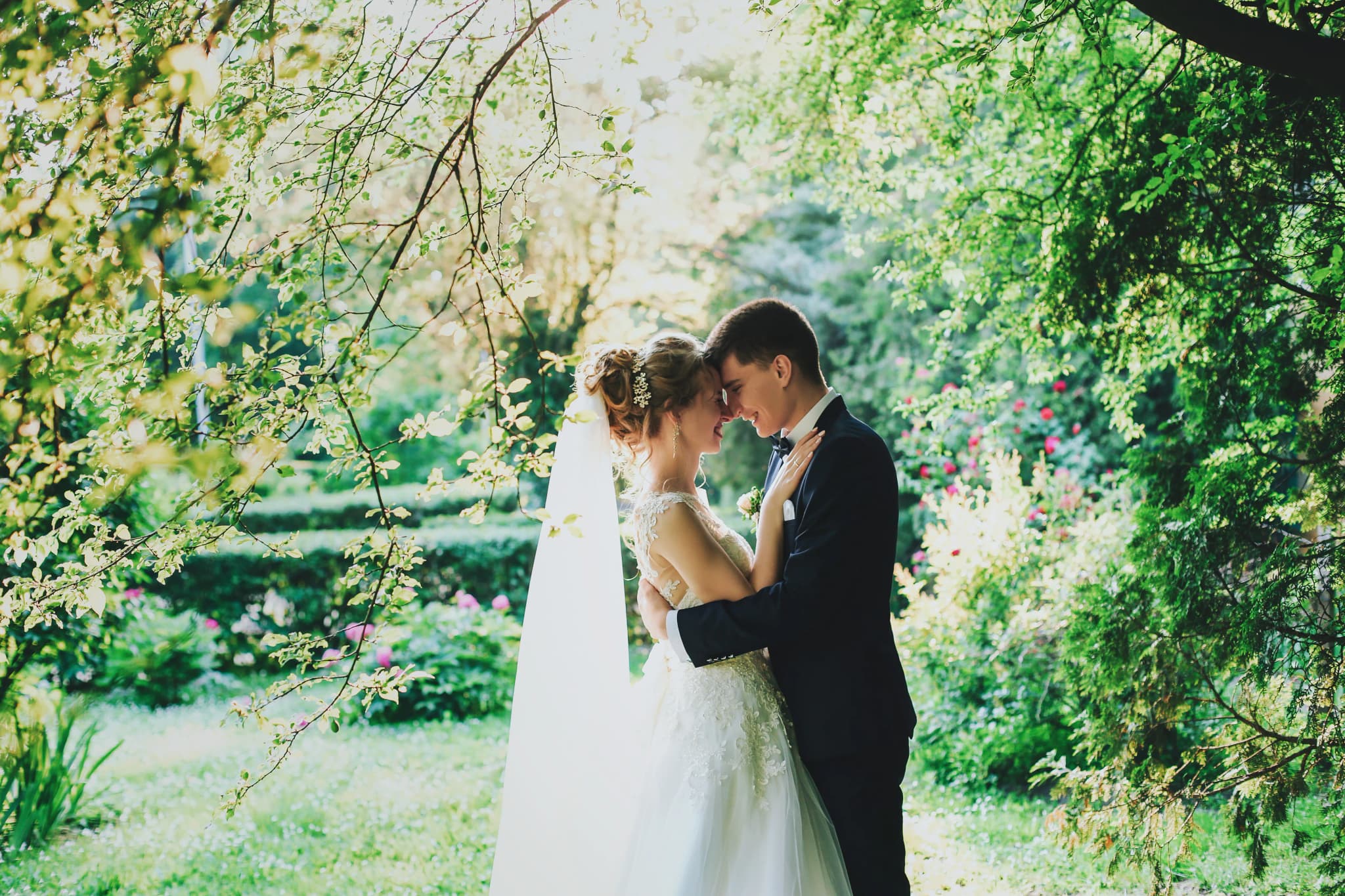
Cambridge itself offers something else entirely: medieval architecture of genuine world-class standing, woven through with rivers, meadows, and gardens that are accessible without the fuss of a private venue booking. The Backs, where the colleges meet the River Cam, can feel almost deserted in the early morning. Wander through Grantchester Meadows on a June evening and you will understand immediately why couples choose this region as the backdrop for one of the most significant days of their lives.
Beyond the city, Cambridgeshire opens into a landscape that very few non-locals realise exists: ancient nature reserves, isolated drove roads lined with willows, and a sky that dominates every photograph in the best possible way. It is a region that rewards couples who are willing to explore it.
The Best Elopement Locations in the Region
Cambridge's most iconic locations are not off-limits for elopements, but they do require some planning. King's College grounds require advance permission, but for couples who put in the effort, the Baroque and Gothic architecture provides a backdrop that no purpose-built wedding venue can replicate. The Bridge of Sighs at St John's is similarly worth the paperwork. Early morning permissions — before the tourist footfall arrives — make a genuine difference to how your photographs feel.
Wicken Fen, owned by the National Trust and one of the oldest nature reserves in England, is a genuinely wild location with a character unlike anything else in the region. Reed beds, grazing cattle on open water meadows, and a sky that seems to stretch without limit. In autumn the light here is amber and low; in summer the long evening golden hour lasts until almost ten o'clock. For couples who want landscape rather than architecture, Wicken is one of the most compelling locations I know in this part of England.
The Norfolk Coast Area of Outstanding Natural Beauty is within easy reach — around ninety minutes from Cambridge — and offers something even more dramatic: sand dunes at Holkham stretching to the tideline, isolated saltmarsh at Brancaster, sea lavender at Blakeney in July and August. Couples who choose the Norfolk coast for their elopement photographs consistently tell me it exceeded what they imagined. It is genuinely wild for southern England, and the beaches can be entirely empty outside of summer weekends. For those willing to drive a little further, Dunwich Heath in Suffolk offers heathland and coastal cliffs with a different quality of light again.
How an Elopement Day Actually Runs
The practical reality of an elopement varies considerably depending on the couple's choices. Some elope entirely — a registry office appointment with two witnesses, then hours wandering Cambridge or driving to the coast. Others plan a small outdoor ceremony in a private location with parents present. A few choose a micro-wedding: a legal ceremony at a licensed venue, then an elopement-style portrait session in a location that matters to them. There is no single template, and that flexibility is part of what makes elopements so compelling to photograph.
When I work with eloping couples, I ask them early on what the day should feel like, not just what it should look like. Do they want to move through several locations, or stay in one place and let the light change around them? Do they want me present from the moment they get ready, or to meet them at the ceremony location? These conversations shape everything about how I approach the day. Without a wedding coordinator, a venue schedule, or a banquet to retreat to, my role is to follow the couple's lead and document what unfolds with as little direction as possible.
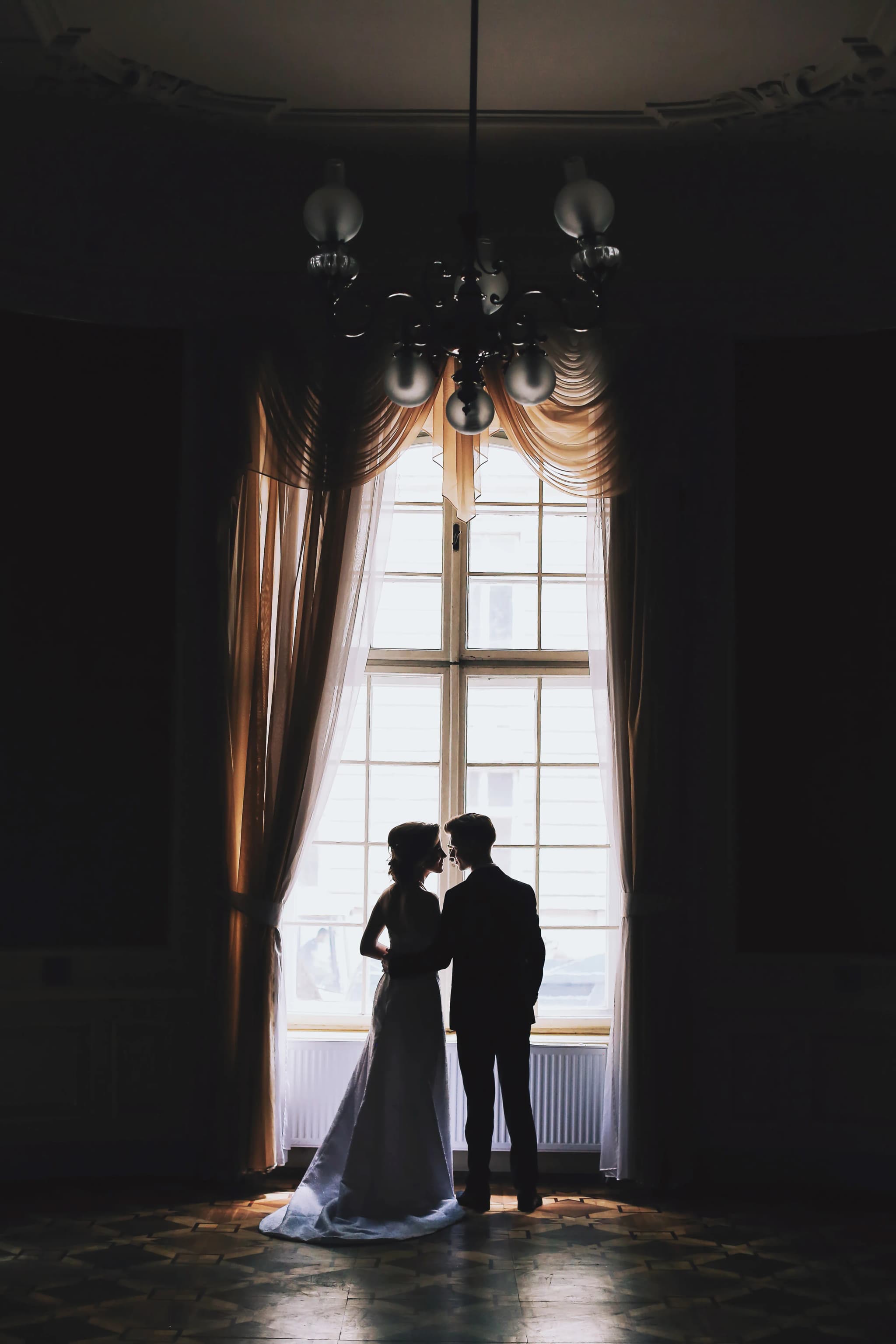
In my experience, the images that emerge from elopements tend to be among the most emotionally genuine I make. Without an audience, couples relax in front of the camera in a way that is genuinely different. The laughter is quieter, the tenderness less performed. Photographs from elopements often look more like the couple actually are, rather than how they imagined themselves on their wedding day.
Considering an elopement in Cambridgeshire?
I work with eloping couples and micro-wedding parties across Cambridge, the Fens, Norfolk, and the wider East of England. Whether you have a location in mind or want help finding somewhere that suits you, I am happy to talk through the options. Get in touch to start the conversation — elopement enquiries are always welcome.
Legal Practicalities for Eloping in England
England and Wales have specific legal requirements for marriage, and it is worth understanding them before you plan an elopement. All legal marriages must take place at a registered venue — a registry office or a licensed wedding venue. You cannot legally marry outdoors in England without the ceremony taking place within a licensed structure, though legislation has been under review for several years and may change. This means that couples who want an outdoor ceremony typically have two options: a legal ceremony at a registry office followed by an outdoor vow exchange or portrait session, or choosing a licensed outdoor venue such as a barn or garden venue that holds the necessary approval.
For Cambridgeshire couples, Cambridge Registry Office on Shire Hall is a straightforward and dignified option for the legal element. Cambridgeshire also has a number of small licensed venues that can accommodate ceremonies of ten people or fewer, which suits the spirit of an elopement while keeping everything legal. I am happy to share a list of intimate licensed venues in the region with couples who enquire. The paperwork — giving notice of marriage — must be done at least twenty-eight days in advance, and both parties need to visit the register office in their district of residence.
What to Wear and How to Prepare
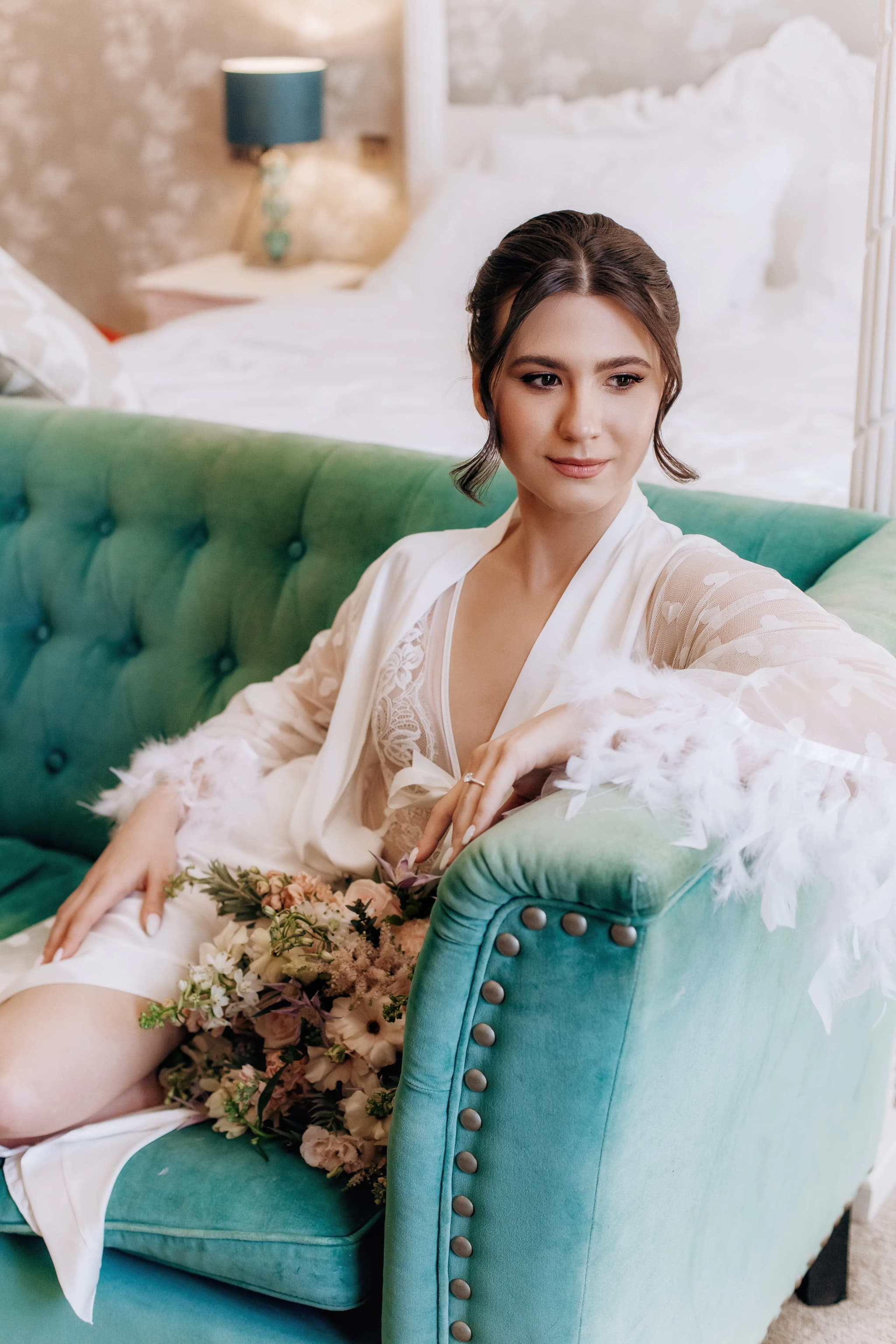
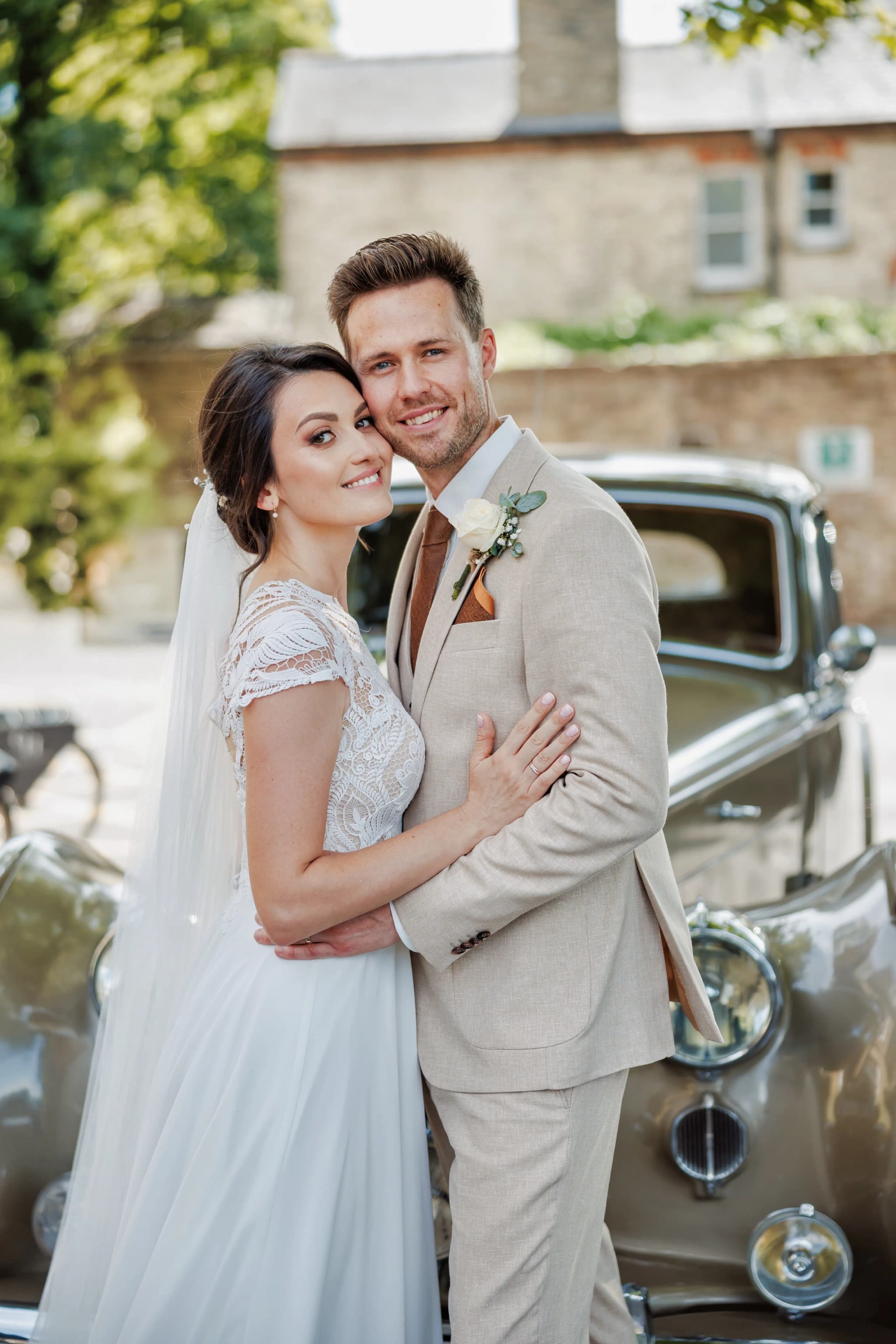
Elopements give you genuine freedom in what you wear, because there is no guest list to consider, no venue dress code, and no one whose expectations you are managing. Some couples choose full wedding attire — a gown and suit — because that is what feels right to them. Others prefer something that reflects their actual aesthetic: a silk midi dress, a tailored linen suit, something they could realistically wear again. Both approaches produce beautiful photographs. What matters most is that whatever you wear feels like you, not like a costume.
For outdoor Cambridgeshire locations, practical considerations are worth thinking through. The fenland landscape is exposed, and a windy day at Wicken Fen or on the Norfolk coast will move everything that can move. Layers are useful in any season outside of midsummer. Flat or low-heeled shoes make the difference between comfortable and miserable if you are walking across grass or along a beach. I always mention this to couples in advance because photographs where someone is visibly uncomfortable in their shoes are very different from photographs where someone is genuinely at ease in the landscape.
For the portrait session itself — wherever it takes place — I typically ask for two to three hours. That sounds like a long time, but it rarely feels that way. The first thirty minutes are often adjustment: getting used to the camera, relaxing into the space, warming up. The best images almost always come later, once that self-consciousness has dissolved and the couple have forgotten, to some extent, that they are being photographed at all. Elopement days are not rushed days, and I always protect time for the light to do what it needs to do.
Micro-Weddings and Intimate Ceremonies
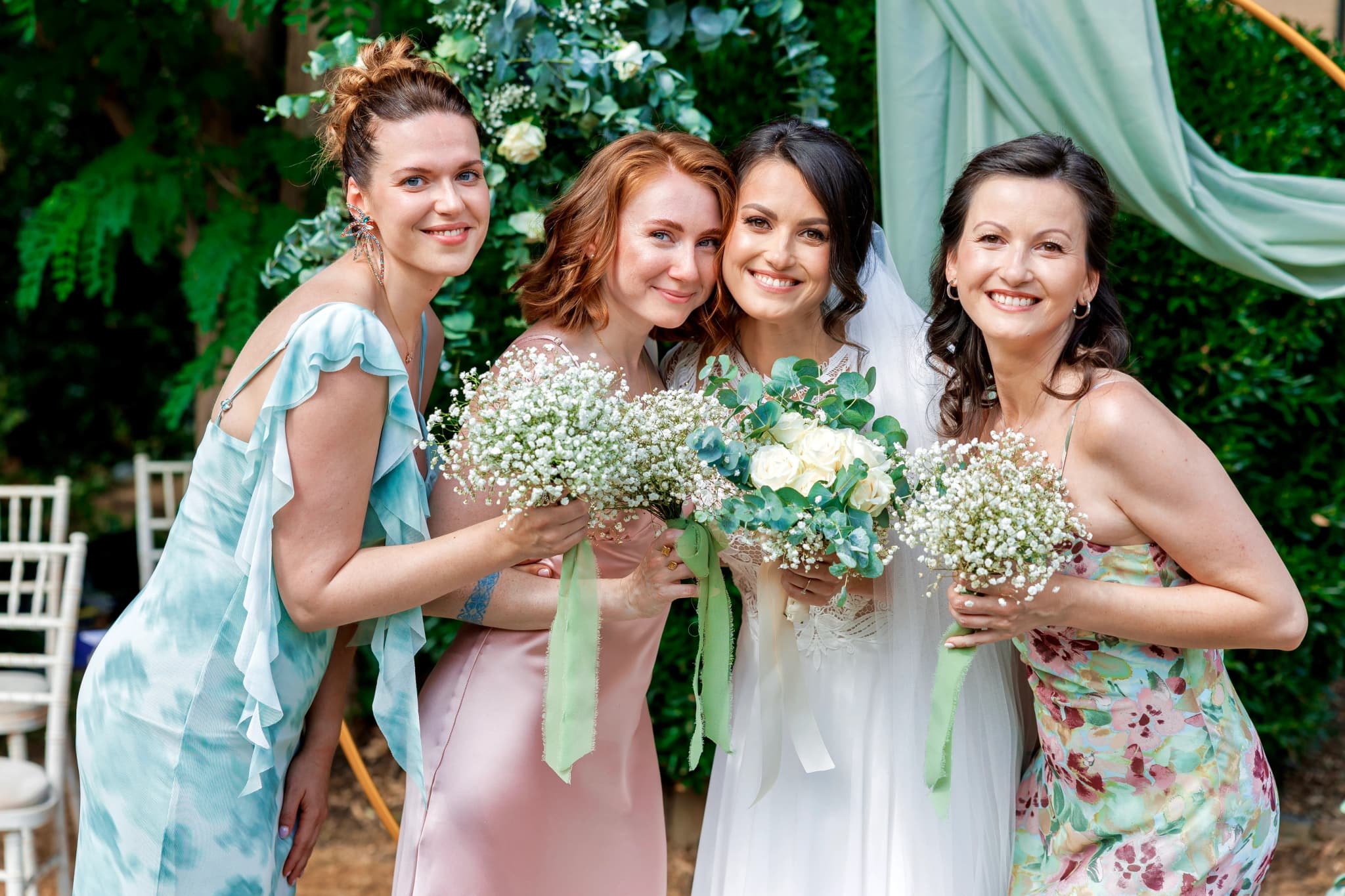
Not every small wedding is technically an elopement, but the spirit can be the same. A micro-wedding — typically defined as a ceremony with fewer than thirty guests — shares many of the qualities that make elopements so rewarding to photograph: less distraction, more presence, a day that centres entirely on the relationship rather than the logistics of hosting. Cambridgeshire has several venues that suit this format beautifully, from converted barns on the edge of the fens to small country house hotels with gardens large enough to feel private.
I work with micro-weddings in the same way I approach elopements: with an emphasis on documentary photography, on capturing what the day actually felt like rather than staging it for a brochure. The difference is that with a small guest list, there are real relationships to document — the grandmother who has travelled from overseas, the four friends who have known the couple for twenty years, the moment the parents of both families see each other across a small dining room. These things do not appear in elopements, and when they do appear in micro-weddings, they add a dimension to the story that is well worth capturing.
Whether you are planning to elope entirely or to gather a handful of people who matter most, Cambridgeshire offers a range of settings that will serve your day well. The key is choosing locations that reflect something true about who you are as a couple — and giving yourself enough time, and enough quiet, to actually be present in what is happening. The photographs will follow from that.

Yana Skakun
Photographer · England
Professional wedding, family and portrait photographer based in England. Passionate about capturing authentic emotions and timeless moments.
About Yana →elopement photographer Cambridgeshireelopement photography East EnglandCambridge elopement photographer
Wedding Tips — Wedding Photography in Cambridge & England
Yana Skakun is a professional wedding photographer based in Cambridge, covering weddings across England — from intimate elopements to full-day ceremonies at country houses, barns, and city venues. Every couple receives a relaxed, documentary approach that captures the day as it truly unfolds. This guide — Elopement Photography in Cambridgeshire & East England — is part of the photography journal: practical, experience-based advice drawn from real sessions across England. Whether you arrived searching for elopement photographer cambridgeshire or elopement photography east england, the same care and attention shapes every session Yana photographs.
Wedding Photography sessions are available year-round, with bookings open across Cambridge, Ely, Huntingdon, Peterborough, and further afield — East England, London, the Midlands, and beyond. If you have specific questions about cambridge elopement photographer, mention it in your enquiry. Get in touch through the contact form above to check availability and discuss your session. Enquiries are welcomed from anywhere in the UK.
Frequently Asked Questions
How much does a wedding photographer cost in England?+
Wedding photography in England typically ranges from £1,500 to £4,000+ for a full day. Price depends on experience, coverage hours, and whether albums or engagement shoots are included. Most photographers charge between £2,000–£3,000 for 8–10 hours of coverage.
How early should you book a wedding photographer?+
For peak season (May–September), book 12–18 months in advance. For autumn and winter weddings, 9–12 months is usually sufficient. Popular photographers at popular venues fill up fast — as soon as you have a date and venue confirmed, start reaching out.
How many photos do you get from a wedding photographer?+
Most professional wedding photographers deliver 400–800 edited images for a full-day wedding. The exact number depends on coverage hours, how many guests there are, and the photographer's editing style. Quality matters more than quantity — a curated gallery of 500 images tells the story better than 1,500 unedited files.
Do you need a second photographer at your wedding?+
A second photographer is helpful if you want simultaneous coverage of getting-ready moments in different locations, multiple angles during the ceremony, or more candid coverage during the reception. It adds cost but significantly increases the variety and completeness of your gallery.
What is the difference between documentary and editorial wedding photography?+
Documentary (reportage) wedding photography captures moments as they happen — the photographer observes and doesn't intervene. Editorial photography involves deliberate direction: placing you in good light, shaping compositions, creating intentional portraits. Most photographers blend both styles throughout the day.
Continue Reading
Related Articles

Wedding Tips
Sustainable Eco-Friendly Wedding Guide — Planning a Green Celebration
15 min read · Read Article
Wedding Tips
Trash the Dress Session — Complete Planning and Photography Guide
14 min read · Read Article
Wedding Tips
Client Communication for Photographers — From Enquiry to Gallery Delivery
15 min read · Read Article
Get in Touch
Ready to Book Your Session?
Get in touch to discuss your vision — I'll reply within 24 hours.