Yana Skakun

Elopement-Style Vow Renewals: Escaping to Scotland For Your Anniversary
By Yana Skakun·14 May 2026·8 min read
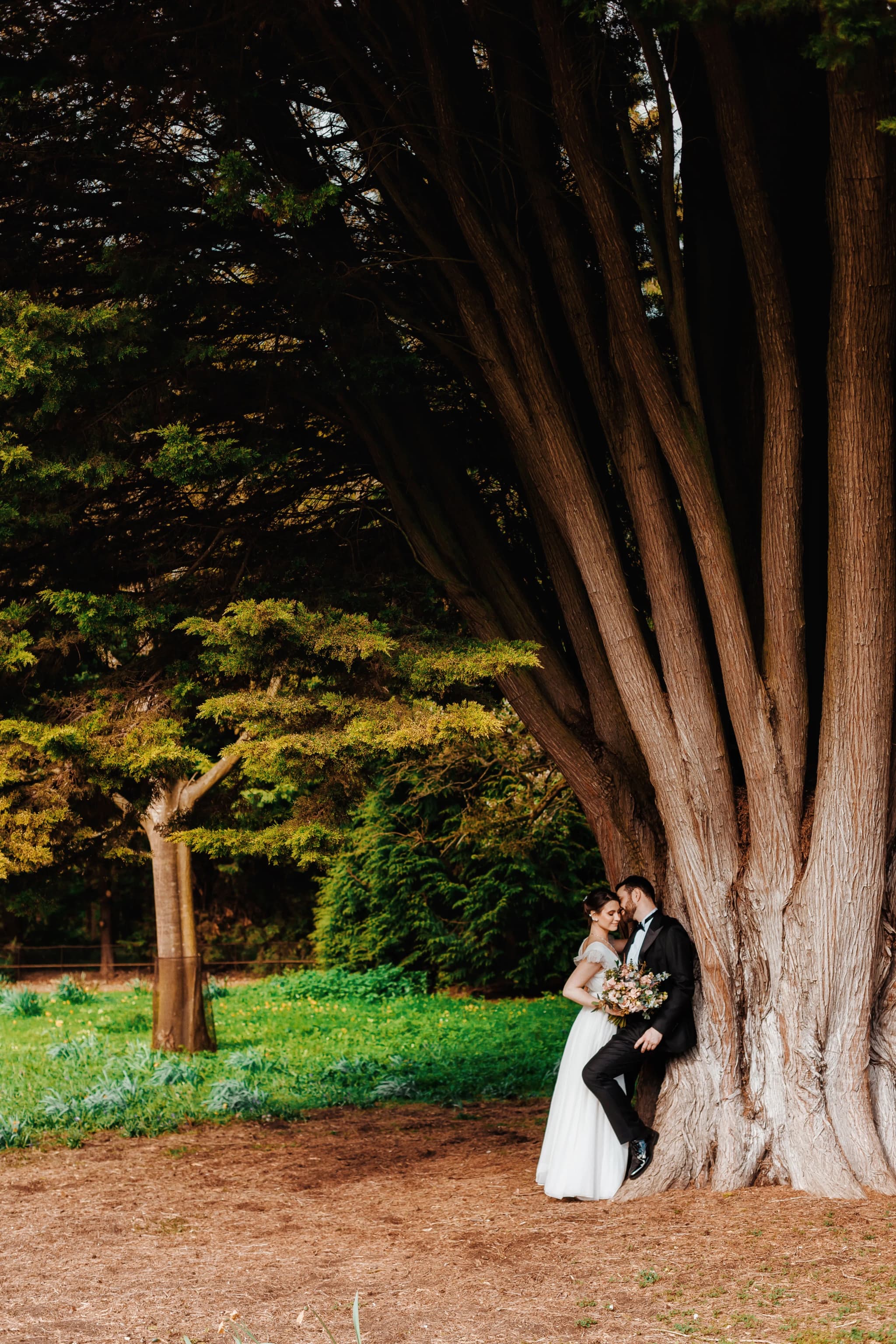
There is a particular kind of quiet that settles over a Highland glen at first light — mist still lying low across the water, a single track road with no one else on it, and a sky that changes colour every few minutes as the sun comes up over the ridgeline. It is a very different atmosphere to a wedding day, and that is precisely why more couples are choosing to mark a significant anniversary not with a party, but with a journey. An elopement-style vow renewal in the Scottish Highlands strips everything back to the two of you, a landscape that does not care how long you have been married, and the chance to say the same words again with twenty, twenty-five, or thirty years of context behind them. I have photographed a number of these trips now, and they consistently produce some of the most genuinely moving images I make all year, precisely because there is no guest list to perform for and no schedule to keep to.
Why Couples Choose a Renewal Over a Party
A milestone anniversary tends to arrive with an assumption attached — that it should be marked with a gathering, a marquee, a guest list assembled from decades of friendships and family connections. For many couples that is exactly right, and a big anniversary party has its own kind of joy. But for others, particularly those who had a large wedding the first time around, the idea of organising another version of the same event holds very little appeal. What they want instead is something that belongs only to the two of them: no seating plan, no speeches to write, no obligation to make sure second cousins are having a good time.
A Highland elopement-style renewal answers that need directly. It is, at its core, a trip rather than an event. You choose a few days, you choose a part of Scotland that means something to you or simply looks the way you have always imagined, and the ceremony itself becomes one afternoon within a longer, slower experience of being somewhere beautiful together. Couples often tell me afterwards that the thing that struck them most was how present they felt — there was no one to greet, no timeline to hit, nothing pulling their attention away from each other and the place they were standing in.
There is also something quietly powerful about repeating vows in a landscape rather than a building. The Highlands offer scale in a way that very few settings do — mountains that have been there for longer than any human institution, water that moves whether or not anyone is watching. Standing in front of that with the person you have spent decades of your life with tends to put things in a particular kind of perspective, and it shows on people's faces in the photographs in a way that is very hard to manufacture anywhere else.
Choosing Where in the Highlands to Go
Scotland's Highlands are vast, and part of the planning conversation I have with every couple is narrowing that down into something specific rather than trying to see everything in a handful of days. Some couples want water — a loch with the classic still, reflective surface on a calm morning, or a coastline with the kind of dramatic light that the west coast produces when weather systems move through quickly. Others want mountains and glens, the sense of being small against something enormous, with a single track road winding between peaks and barely another car in sight. A smaller number want forest and woodland, the softer, more intimate version of the Highland landscape, where light filters through Scots pine rather than opening out across open moorland.
I generally encourage couples to pick one general area rather than trying to cover the whole country in three or four days. The driving distances in the Highlands are deceptive on a map — roads are narrow, often single track with passing places, and weather can slow progress considerably. A trip that tries to cover too much ground ends up feeling rushed, which defeats the entire purpose of an elopement-style renewal. Better to choose one region, base yourselves there, and allow enough time to wait for the right light and the right weather window rather than being locked into a rigid itinerary.
Season matters here more than almost anywhere else I photograph. Late spring brings fresh green on the hillsides and long daylight hours, which gives enormous flexibility for timing a ceremony around good light without an early start. Early autumn brings the heather into bloom across the moorland in a way that turns entire hillsides purple, alongside the first hints of colour in the birch and rowan. Winter is starker and quieter, with far fewer other travellers around, and a renewal photographed against snow-dusted peaks has a stillness and drama that is completely unlike any other time of year, though it does demand more flexibility around weather and daylight, which is genuinely limited in December and January.
Planning the Ceremony Itself
Because there is no venue, no officiant requirement in the legal sense, and no guest list, a vow renewal ceremony can be as simple or as considered as you want it to be. Most couples choose to write something themselves — not the vows from their original wedding, but a short reflection on the years since, read aloud to each other in the moment. Some bring the original rings and simply place them back on each other's hands; others choose to have new bands made to mark the occasion specifically. There is no correct format, which is part of the appeal, but it does mean the couple has to decide what they actually want rather than following a template.
A small number of couples choose to bring a celebrant or officiant with them from home, someone who knows them well and can lead a short, personal ceremony. Others prefer to conduct it entirely themselves, exchanging words privately with only the camera present. Because a vow renewal carries no legal weight, there is no registration process or paperwork required in the way there is for an original wedding, which removes a layer of logistics entirely and leaves the ceremony free to happen wherever and however you choose.
Timing the ceremony around light is one of the most useful pieces of practical advice I give. Late afternoon into early evening in spring and summer gives soft, warm light and often several hours of usable golden hour given how long Scottish summer evenings run. In winter, that window is much shorter and arrives much earlier in the day, so the ceremony itself often needs to happen mid-afternoon to make the most of the light before it fades. I always build a weather contingency into the plan as well — Highland weather changes quickly, and having a backup slot the following morning or a nearby sheltered alternative means a single rain shower does not derail the whole occasion.
Planning a Highland renewal
I work with couples well ahead of the trip to shape a loose itinerary around light, weather patterns, and the specific landscape you are drawn to, so the days feel unhurried rather than scheduled to the minute.
Get in touch about a Highland renewalWhat to Wear and Bring
Highland weather is genuinely changeable, sometimes within the same afternoon, and clothing needs to account for that rather than fighting it. I generally advise couples to choose an outfit they can layer — a dress or suit that photographs beautifully on its own, but that can sit comfortably under a coat while walking to a location and come off again once you arrive. Fabric that moves in wind photographs well against a Highland backdrop, so flowing dresses and looser tailoring tend to work better than very structured, fitted pieces that hold their shape regardless of the weather. Colour-wise, the Highland palette is muted and natural — heather purple, deep greens, granite grey, the amber of autumn bracken — and outfits in soft neutrals, dusty blues, or deep jewel tones tend to sit beautifully within that landscape rather than fighting it the way very bright or very white clothing can.
Footwear is worth genuine thought. Many of the most striking locations require a short walk over uneven, often wet ground, and heels or smooth-soled shoes simply do not work for that terrain. I encourage couples to bring proper walking boots or shoes for the approach and to change into ceremony footwear once at the location itself, or to choose footwear from the outset that can handle both. A change of warm, practical clothing to travel in between locations is genuinely useful too — there is no need to stay in ceremony outfits for the whole day when a fleece and walking trousers will keep you far more comfortable between shots.
Beyond clothing, I suggest packing for genuine outdoor conditions rather than a typical UK day out: waterproof layers regardless of the season, because Highland rain arrives with very little warning even on forecast-clear days, a flask of something warm for early starts or evening shoots, and sturdy transport suited to single track roads if you are self-driving between locations. None of this needs to detract from the romance of the occasion — if anything, arriving properly prepared means you can relax into the experience rather than being distracted by being cold or uncomfortable.
How the Photography Works Across a Trip Like This
Photographing a Highland vow renewal is a different rhythm to photographing a wedding day, and I structure my approach around that difference. Rather than a single long day covering preparation through to evening reception, this is usually a few hours across one or two days, built around the ceremony itself plus a series of portrait sessions at chosen locations either side of it. I like to build in time before the ceremony for candid, relaxed images of you simply being in the landscape together — walking, talking, taking in the view — before the more composed ceremony portraits, and then further time afterwards once the formality of the moment has settled and you are more at ease.
Because weather in the Highlands can shift the plan at short notice, I always build flexibility into how I photograph the trip. If a location that was meant for golden hour turns overcast, we adapt and use the softer, more even light for a different set of images, and hold the golden hour slot for another location or another evening if the trip allows. Mist and low cloud, which many photographers see as a problem, is often something I actively look for in the Highlands — it adds atmosphere and depth to a landscape that is already dramatic, and some of the most memorable images from these trips have come from mornings that started out looking entirely unpromising.
I deliver a full edited gallery from a trip like this in the weeks afterwards, generally a larger set of images than a single-day session would produce, given that we are usually covering more than one location and more than one block of time. The final collection tends to include the quieter documentary moments alongside the more considered ceremony portraits, because it is often the unposed images — a hand reaching for another on a windswept ridge, a shared laugh at the base of a waterfall — that end up meaning the most once you are home and looking back on the trip.
Practical Notes on Timing and Logistics
Most couples build their renewal into a longer Highland holiday rather than treating it as a single isolated event, which I think is the right instinct — travelling that far deserves more than one afternoon of attention. I recommend allowing at least three or four full days in the region, which gives enough flexibility to wait out poor weather for the ceremony itself without losing the whole trip to a single bad forecast, and still leaves time simply to explore without a camera present at all.
Booking well in advance matters more for a Highland trip than it might for a more conventional local session, largely because of my own travel logistics and the narrower window of good light depending on the season you choose. I like to have an initial conversation many months ahead of a trip like this, refine the itinerary as the date approaches and the seasonal picture becomes clearer, and stay in close contact in the final week or two before travel so we can make a final call on locations based on the actual forecast rather than guesswork made months in advance.
Accommodation and general trip planning sit outside what I organise directly, but I am always happy to talk through which parts of the Highlands tend to suit which kind of imagery, and how a general travel itinerary might be structured around the ceremony to make the most of your time there. The goal throughout is always the same: to make sure the photography fits around the experience of the trip, rather than the trip being built around the photography.
A vow renewal in the Highlands is, in the end, less about the ceremony itself and more about giving two people who have built a life together a few days of genuine, undistracted time in a landscape that asks nothing of them except to be present in it. The photographs that come out of a trip like that tend to carry a different weight to wedding photographs — less about capturing a single defining day, more about capturing what decades together actually look like on someone's face when they are somewhere they have chosen simply because it is beautiful. If an anniversary trip to Scotland is something you have been turning over, I would love to help you shape it — get in touch and we can start talking through timing, location, and what the days might look like.


Yana Skakun
Photographer · England
Professional wedding, family and portrait photographer based in England. Passionate about capturing authentic emotions and timeless moments.
About Yana →scottish highlands vow renewalelopement style vow renewalanniversary elopement scotlandhighland wedding photographervow renewal photography uk
Wedding Tips — Wedding Photography in Cambridge & England
Yana Skakun is a professional wedding photographer based in Cambridge, covering weddings across England — from intimate elopements to full-day ceremonies at country houses, barns, and city venues. Every couple receives a relaxed, documentary approach that captures the day as it truly unfolds. This guide — Elopement-Style Vow Renewals: Escaping to Scotland For Your Anniversary — is part of the photography journal: practical, experience-based advice drawn from real sessions across England. Whether you arrived searching for scottish highlands vow renewal or elopement style vow renewal, the same care and attention shapes every session Yana photographs.
Wedding Photography sessions are available year-round, with bookings open across Cambridge, Ely, Huntingdon, Peterborough, and further afield — East England, London, the Midlands, and beyond. If you have specific questions about anniversary elopement scotland, mention it in your enquiry. Get in touch through the contact form above to check availability and discuss your session. Enquiries are welcomed from anywhere in the UK.
Frequently Asked Questions
How much does a wedding photographer cost in England?+
Wedding photography in England typically ranges from £1,500 to £4,000+ for a full day. Price depends on experience, coverage hours, and whether albums or engagement shoots are included. Most photographers charge between £2,000–£3,000 for 8–10 hours of coverage.
How early should you book a wedding photographer?+
For peak season (May–September), book 12–18 months in advance. For autumn and winter weddings, 9–12 months is usually sufficient. Popular photographers at popular venues fill up fast — as soon as you have a date and venue confirmed, start reaching out.
How many photos do you get from a wedding photographer?+
Most professional wedding photographers deliver 400–800 edited images for a full-day wedding. The exact number depends on coverage hours, how many guests there are, and the photographer's editing style. Quality matters more than quantity — a curated gallery of 500 images tells the story better than 1,500 unedited files.
Do you need a second photographer at your wedding?+
A second photographer is helpful if you want simultaneous coverage of getting-ready moments in different locations, multiple angles during the ceremony, or more candid coverage during the reception. It adds cost but significantly increases the variety and completeness of your gallery.
What is the difference between documentary and editorial wedding photography?+
Documentary (reportage) wedding photography captures moments as they happen — the photographer observes and doesn't intervene. Editorial photography involves deliberate direction: placing you in good light, shaping compositions, creating intentional portraits. Most photographers blend both styles throughout the day.
Continue Reading
Related Articles

Wedding Tips
Sustainable Eco-Friendly Wedding Guide — Planning a Green Celebration
15 min read · Read Article
Wedding Tips
Trash the Dress Session — Complete Planning and Photography Guide
14 min read · Read Article
Wedding Tips
Client Communication for Photographers — From Enquiry to Gallery Delivery
15 min read · Read Article
Get in Touch
Ready to Book Your Session?
Get in touch to discuss your vision — I'll reply within 24 hours.