Yana Skakun

Elopement Timeline: Structuring a Full Day When It's Just the Two of You
By Yana Skakun·10 June 2026·5 min read
An elopement without a rigid schedule of toasts and table plans is one of the most liberating choices you can make — but "just the two of you" does not mean winging it. The couples who walk away with the most extraordinary photographs, and the most vivid memories, are the ones who spent fifteen minutes thinking through their day in advance and then gave themselves full permission to be present inside it.
Why a Timeline Still Matters When You Elope
People often assume that eloping means shedding every structure — turn up somewhere beautiful, say the words, disappear. And while that spontaneity is part of the appeal, a completely unplanned day tends to produce a different kind of stress: the creeping awareness that the light is fading, that you haven't eaten, that you meant to walk down to the river but somehow never did. A loose, flexible timeline is not a constraint; it is the thing that keeps the day from slipping through your fingers.
As a Cambridge-based wedding photographer who has shot elopements on the Norfolk coast, in the Peak District, along the Jurassic Coast and in city-centre locations across East Anglia, I have seen what happens when couples plan well and when they don't. The difference shows up not just in the photographs — in the quality of light, in whether there was time for a quiet portrait in that perfect doorway — but in how the couple describe the day afterwards. A thoughtful timeline is what turns a single day into a story.
The good news is that an elopement timeline is far simpler to build than a traditional wedding run-of-day. There are no suppliers to coordinate across a venue, no caterer waiting on your ceremony to finish, no best man's speech to fit in before the kitchen closes. You just need to know roughly when and where, and then protect enough unhurried time inside that.
Building Blocks of a Full Elopement Day
Most elopement days I photograph run between four and eight hours. That sounds like a lot when it is just the two of you, but the hours fill naturally once you stop trying to compress everything into a ninety-minute ceremony slot. Here are the elements worth including — not as a rigid checklist, but as a menu to choose from:
- ◆Getting ready, separately or together: Even if you are not doing a formal bridal preparation shoot, having a getting-ready window gives you time to settle your nerves, eat something, and arrive at your ceremony location feeling calm rather than rushed. Some couples love getting ready in the same room; others prefer the tradition of not seeing each other. Either works beautifully on camera.
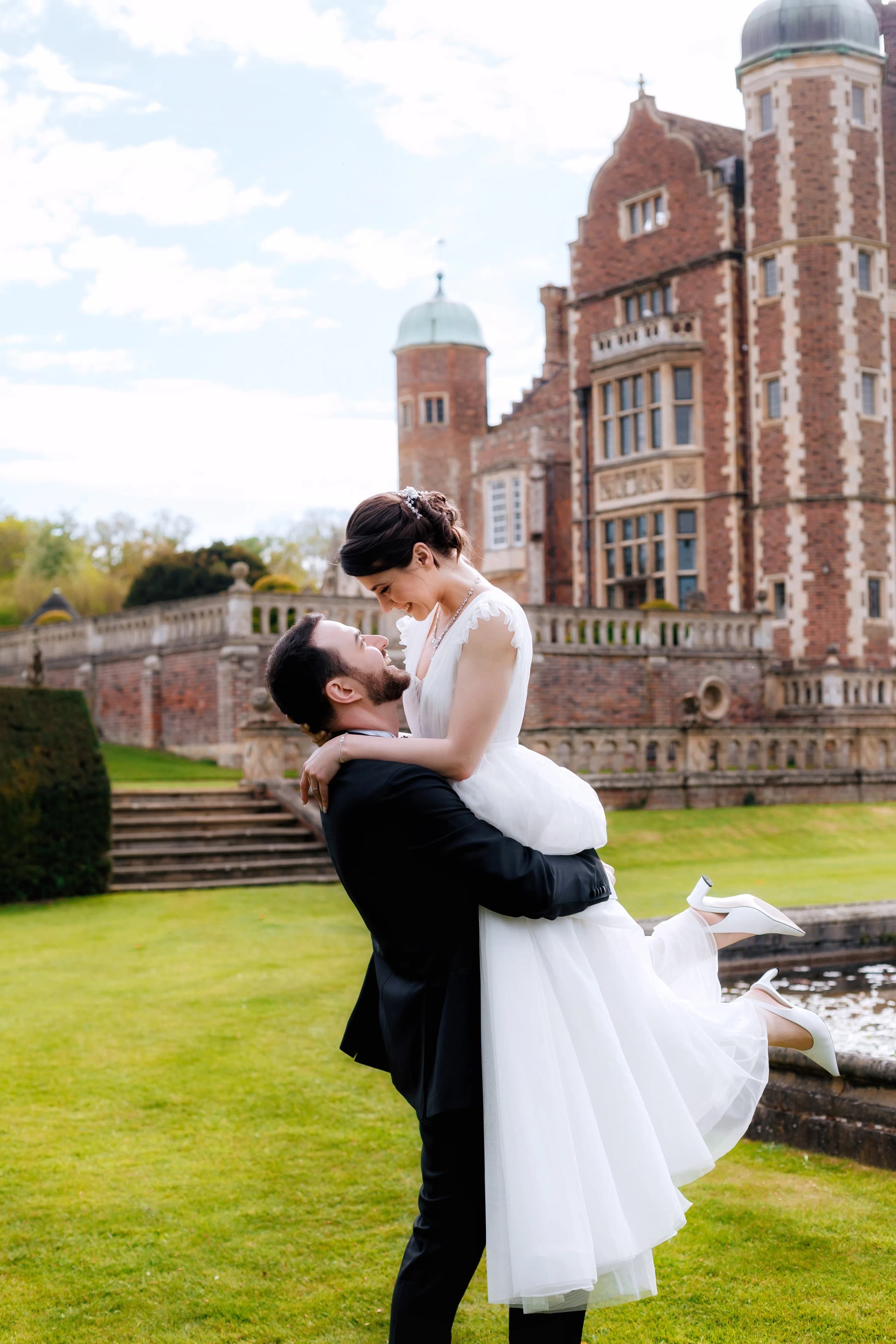
- ◆A first look or arrival moment: This is the moment just before your ceremony where you see each other properly for the first time. Whether it is a planned first look in a quiet courtyard or simply walking toward each other at a cliff edge, it is almost always the most emotionally charged part of the day — and it is worth leaving space for it rather than folding it straight into the ceremony.
- ◆The ceremony itself: Legal elopements in England and Wales require a licensed venue or a register office, so your ceremony location is part of the planning. If you are also planning a symbolic ceremony outdoors — at the coast, in a woodland, on a hillside — schedule it separately and give it room to breathe. Twenty minutes of unhurried vows with no audience tends to produce far more genuine emotion than a ceremony squeezed between logistics.
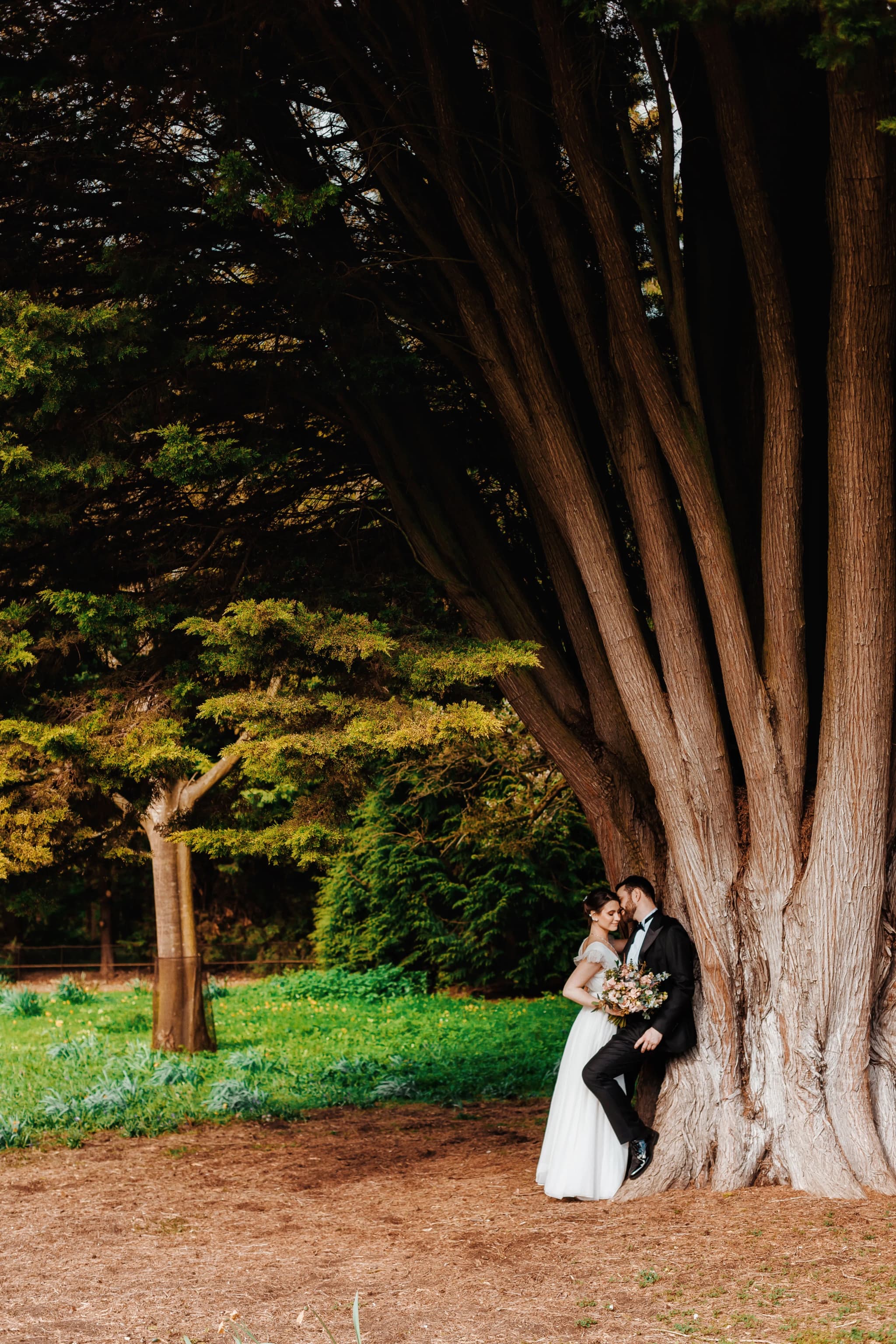
- ◆A portrait walk: This is the part of the day I look forward to most as a photographer. A one-to-two-hour portrait walk, timed around the best available light (usually the two hours before sunset in the UK), gives us time to move through a location properly — to find the tucked-away corners, to let you forget the camera is there, and to capture the full range of light from golden to blue hour.
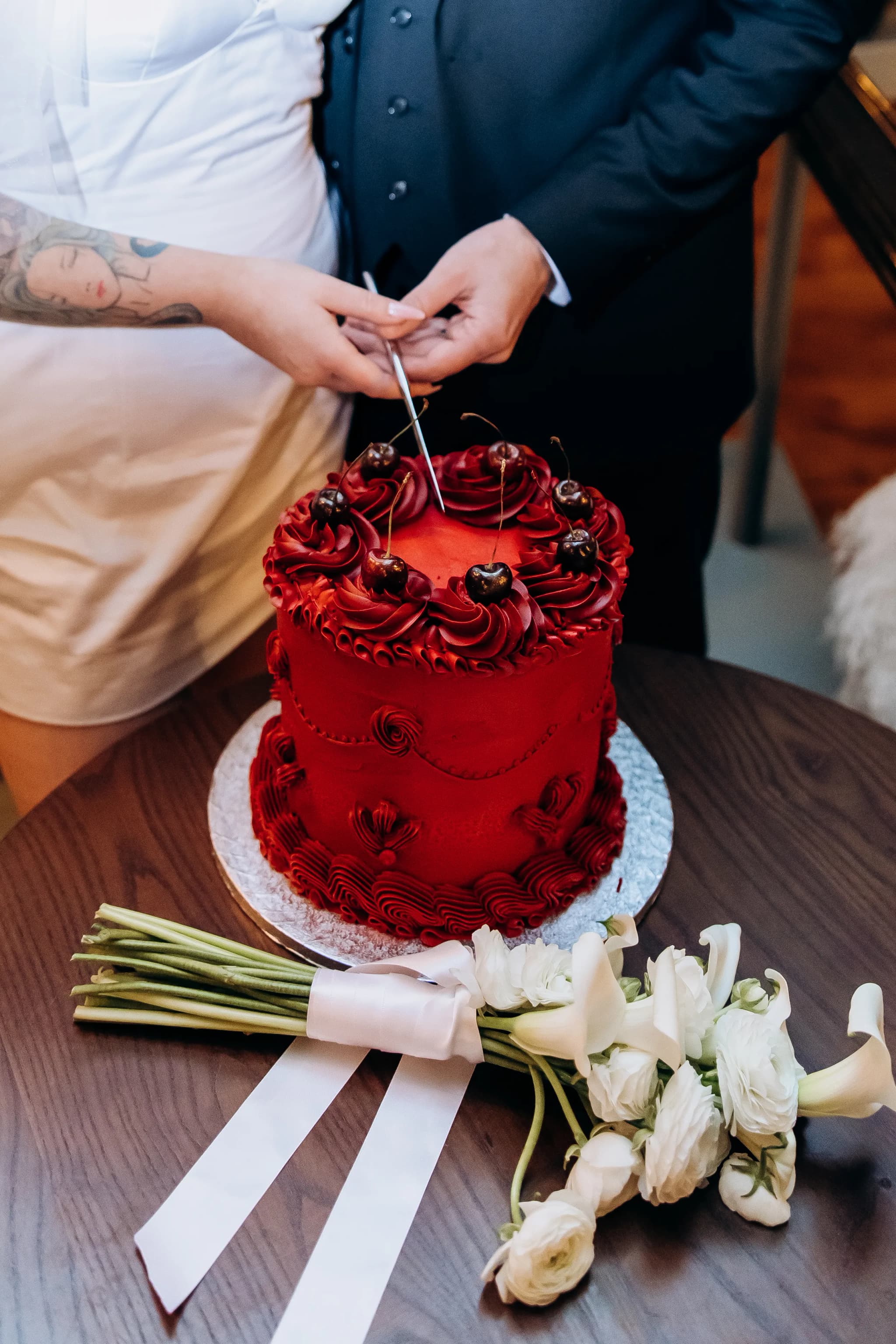
- ◆A private celebration: Book a table at a restaurant that matters to you, open the champagne you brought in a cool bag, cook dinner together in a rented cottage. The celebration does not need to be elaborate; it just needs to feel intentional. Photographs of a spontaneous picnic or a candlelit dinner for two can be as beautiful as anything from a traditional wedding reception.
- ◆Buffer time: UK weather, parking, a longer walk than expected, a moment that needed more time than you gave it — build thirty minutes of buffer into the day and you will never feel like you are running late.
Working With UK Light: When to Schedule What
Light in the UK is one of the most variable and most beautiful in the world — and it changes dramatically by season. If you are eloping in December near Cambridge, golden hour arrives around 3:30 pm and is gone by 4:00 pm. In June, you have soft usable light from 5:00 am through to 9:30 pm. Planning your portrait walk around the best light for your chosen date and location is one of the highest-impact decisions you can make, and it costs nothing.
Overcast days — which make up the majority of the UK calendar — are not the photographic disaster couples sometimes fear. Flat, diffused cloud cover is genuinely flattering for portraits, eliminates harsh shadows, and gives the images a moody, painterly quality that suits a lot of the landscapes we have here: the fens, the moors, the chalk cliffs, the old stone streets of Cambridge or Ely. I never recommend postponing an elopement for sunshine. I do recommend checking the forecast so we know whether to lean into the drama of a grey sky or to time the portrait walk for a brief clear window.
As a practical note for England and Wales: if your ceremony requires a registrar, book well in advance — popular register offices in places like Cambridge, Oxford, and Bath can have waiting lists of several months. Your legal ceremony and your outdoor symbolic ceremony can happen on the same day or on different days entirely; many couples do the legal paperwork quietly on a weekday and hold their "real" ceremony at their chosen location on the weekend.
A Sample Elopement Day Timeline (Adaptable to Any Location)
This is a template I often share with couples planning a full-day elopement in the UK, loosely structured around a late-afternoon golden hour. Adjust the start time depending on your ceremony location and the season.
10:00 am — Getting ready. Leisurely, no alarm-clock energy. Good coffee, favourite music, space to talk to each other. If you have a getting-ready location worth photographing (a characterful Airbnb, a boutique hotel room, a friend's beautiful kitchen), this can be a lovely first hour of coverage.
12:30 pm — Travel and arrival. Factor in parking, any walk to the location, a moment to take in where you are before anything begins. Arriving fifteen minutes early feels completely different to arriving exactly on time when you are about to say vows.
1:00 pm — First look and ceremony. In soft midday light or sheltered from direct sun. Legal or symbolic, or both. Allow forty-five minutes minimum so it does not feel rushed; ninety minutes if you want to read letters to each other or have a private moment after.
2:30 pm — Explore and breathe. Walk, find a pub for lunch, sit somewhere and read the cards people sent. This middle window is often underestimated — it is where the day stops feeling like an event and starts feeling like yours.
4:30 pm — Portrait walk begins. Two hours of moving through the location together, timed to end at or just after sunset. This is the heart of the photography coverage — unhurried, exploratory, genuinely fun once you settle into it.
6:30 pm — Blue hour and wrap. The fifteen to thirty minutes after sunset produce some of the most quietly beautiful light of the whole day. A few final frames, then the evening is entirely yours.
How Your Photographer Fits Into the Day
The most common question I get from couples planning an elopement is how much of the day they actually need a photographer present. My honest answer: as much as you want documented, plus a little extra on either side. If you only want portraits and ceremony, three to four hours of coverage is often enough. If you want the full story — getting ready through to blue hour — plan for six to eight.
What I ask of couples in return is communication about what matters most to them. Not every elopement is the same. Some couples want sweeping landscapes and barely any close-up portraits. Others want the intimacy of two people in a small room saying vows by a window. Some want me to disappear completely between moments; others want gentle direction throughout. None of these is the right or wrong way to do it — but knowing which is yours before the day makes the whole thing work better.
I also strongly recommend walking the location together before the elopement day, or at minimum studying photographs taken there at the same time of year. The couples who arrive knowing roughly where the light falls and which path leads to the best viewpoint are the couples who spend the day fully present, rather than orientating.
Let's plan your elopement day together
Every elopement timeline I build starts with a conversation about what you actually want the day to feel like — and I bring the location knowledge, light awareness, and experience to help make that happen. If you are planning to elope anywhere in the UK and want photography that reflects the full intention of your day, I would love to hear from you.
Check Your Date →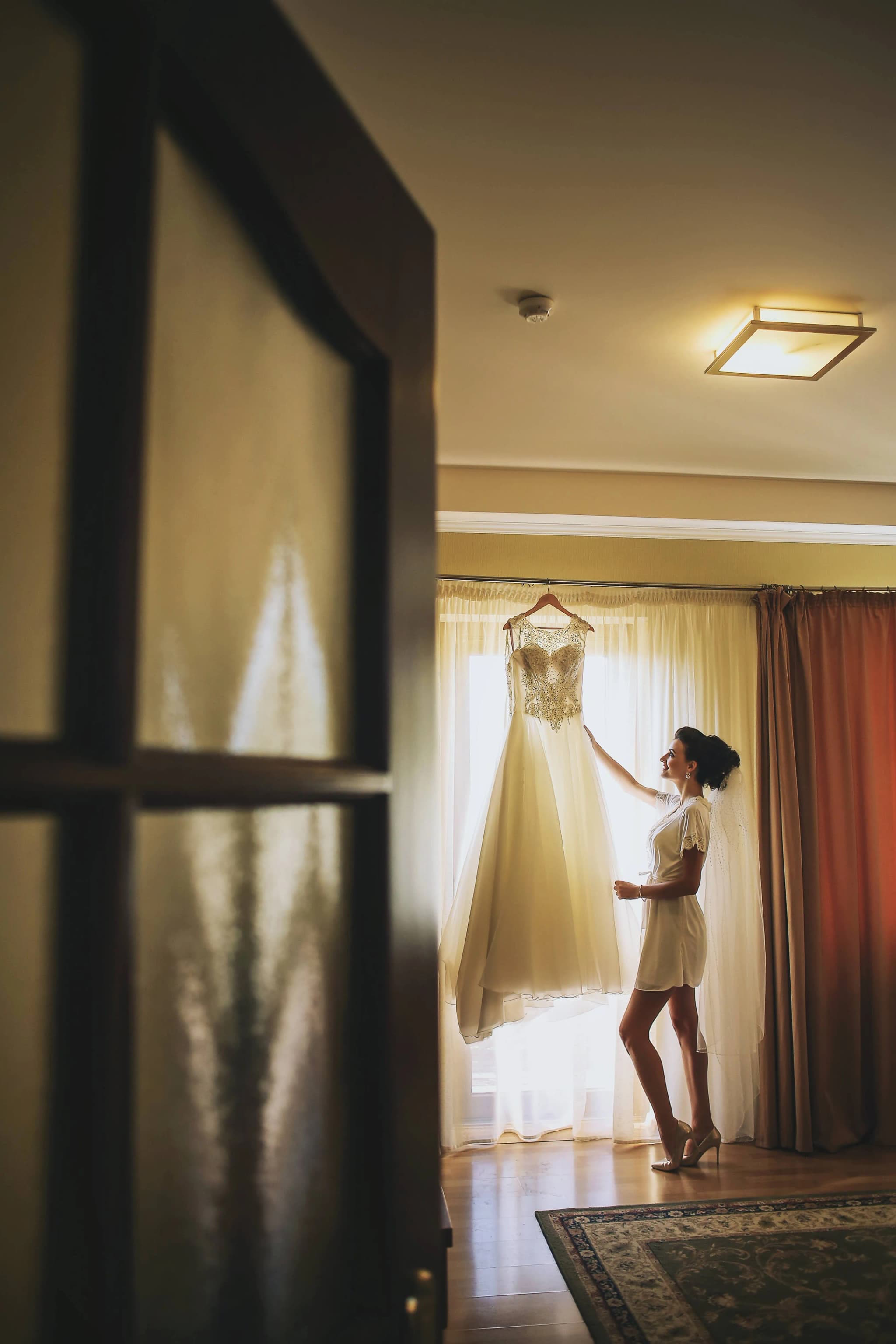

Yana Skakun
Photographer · England
Professional wedding, family and portrait photographer based in England. Passionate about capturing authentic emotions and timeless moments.
About Yana →elopementtimelinejustthe
Wedding Tips — Wedding Photography in Cambridge & England
Yana Skakun is a professional wedding photographer based in Cambridge, covering weddings across England — from intimate elopements to full-day ceremonies at country houses, barns, and city venues. Every couple receives a relaxed, documentary approach that captures the day as it truly unfolds. This guide — Elopement Timeline: Structuring a Full Day When It's Just the Two of You — is part of the photography journal: practical, experience-based advice drawn from real sessions across England. Whether you arrived searching for elopement or timeline, the same care and attention shapes every session Yana photographs.
Wedding Photography sessions are available year-round, with bookings open across Cambridge, Ely, Huntingdon, Peterborough, and further afield — East England, London, the Midlands, and beyond. If you have specific questions about just, mention it in your enquiry. Get in touch through the contact form above to check availability and discuss your session. Enquiries are welcomed from anywhere in the UK.
Frequently Asked Questions
How much does a wedding photographer cost in England?+
Wedding photography in England typically ranges from £1,500 to £4,000+ for a full day. Price depends on experience, coverage hours, and whether albums or engagement shoots are included. Most photographers charge between £2,000–£3,000 for 8–10 hours of coverage.
How early should you book a wedding photographer?+
For peak season (May–September), book 12–18 months in advance. For autumn and winter weddings, 9–12 months is usually sufficient. Popular photographers at popular venues fill up fast — as soon as you have a date and venue confirmed, start reaching out.
How many photos do you get from a wedding photographer?+
Most professional wedding photographers deliver 400–800 edited images for a full-day wedding. The exact number depends on coverage hours, how many guests there are, and the photographer's editing style. Quality matters more than quantity — a curated gallery of 500 images tells the story better than 1,500 unedited files.
Do you need a second photographer at your wedding?+
A second photographer is helpful if you want simultaneous coverage of getting-ready moments in different locations, multiple angles during the ceremony, or more candid coverage during the reception. It adds cost but significantly increases the variety and completeness of your gallery.
What is the difference between documentary and editorial wedding photography?+
Documentary (reportage) wedding photography captures moments as they happen — the photographer observes and doesn't intervene. Editorial photography involves deliberate direction: placing you in good light, shaping compositions, creating intentional portraits. Most photographers blend both styles throughout the day.
Continue Reading
Related Articles

Wedding Tips
Sustainable Eco-Friendly Wedding Guide — Planning a Green Celebration
15 min read · Read Article
Wedding Tips
Trash the Dress Session — Complete Planning and Photography Guide
14 min read · Read Article
Wedding Tips
Client Communication for Photographers — From Enquiry to Gallery Delivery
15 min read · Read Article
Get in Touch
Ready to Book Your Session?
Get in touch to discuss your vision — I'll reply within 24 hours.