Yana Skakun
English Garden Wedding Photography: Rose Arches, Lawns & Golden Afternoons
By Yana Skakun·20 March 2026·6 min read
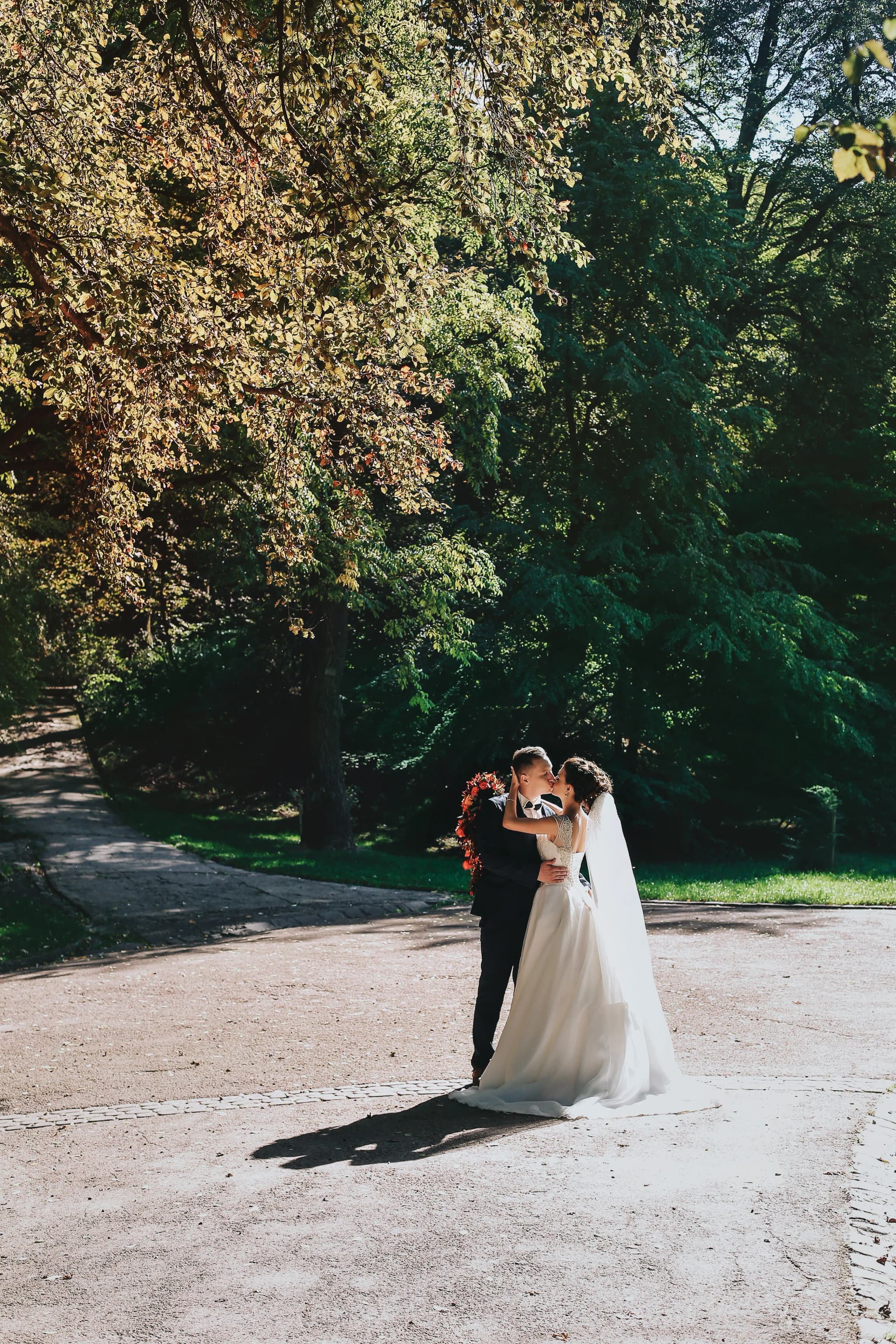
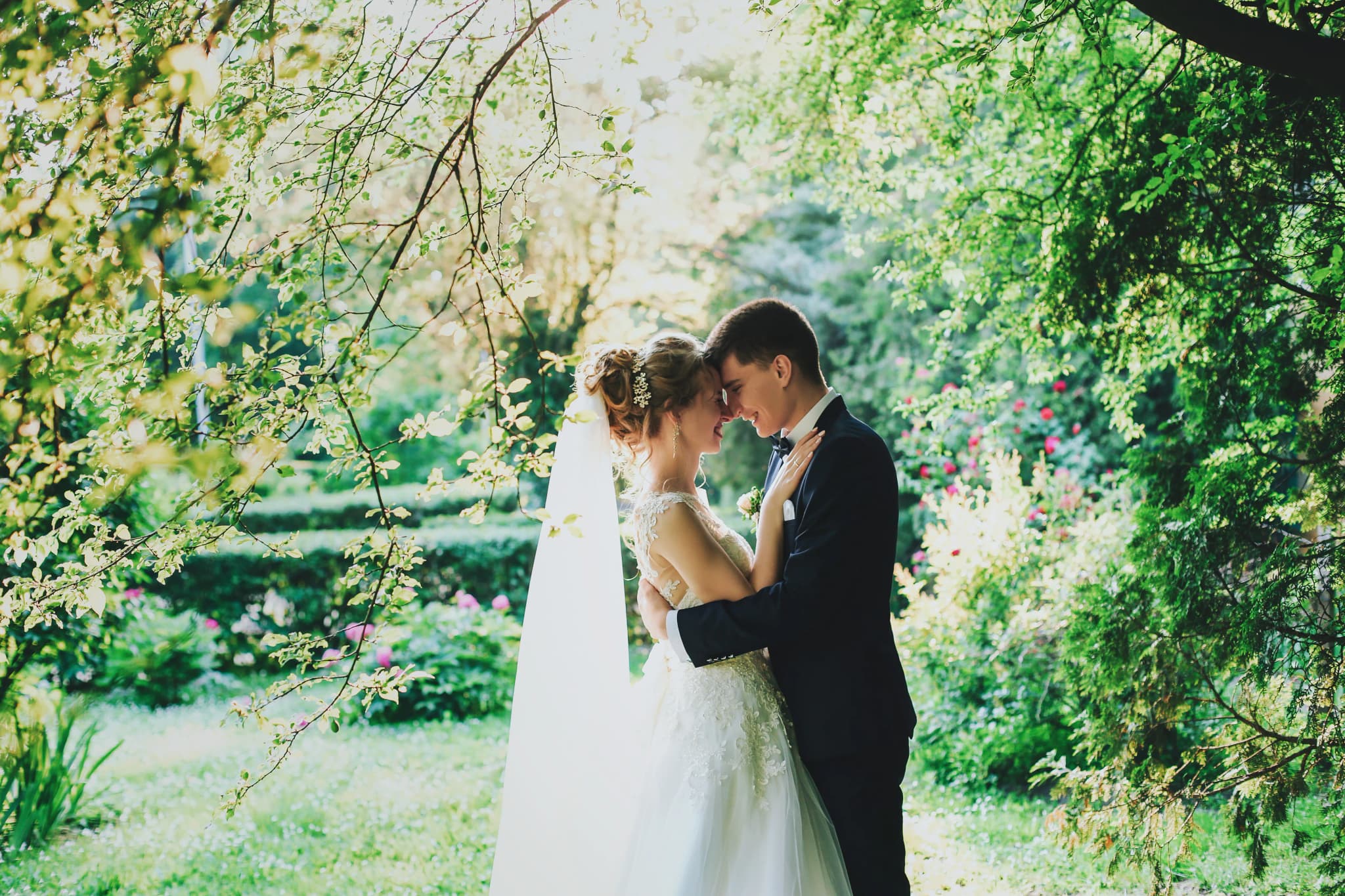
An English garden wedding in full summer is perhaps the most idealised form of the British celebration — lawns, herbaceous borders, cascading roses, warm light filtering through old trees, and birdsong carrying across the air rather than traffic noise. For couples who have always pictured themselves among the foxgloves and the dahlias, a garden venue offers something no ballroom can replicate: a living, breathing backdrop that changes from hour to hour and season to season. I have photographed garden weddings from the formal terraced grounds of Oxfordshire manor houses to the wilder, meadow-edged gardens of Cambridge and Norfolk, and they remain among the most consistently beautiful settings I work in.
Choosing the Right Garden Venue for Photography
Not all garden venues are equal from a photographic standpoint. The difference between a recently landscaped hotel garden and a genuine historic garden with mature planting is visible immediately in the final images. Established trees — cedars of Lebanon, ancient oaks, magnolias — lend a scale and permanence that younger gardens simply cannot offer. If you are searching in the East of England, look at venues such as Elton Hall in Cambridgeshire, Narborough Hall Gardens in Norfolk, or Chilford Hall in South Cambridgeshire. Each has the layered depth and planting variety that creates natural portrait locations throughout a single property.
The season shapes everything. A June wedding works with rose-covered arches and alliums at their height. July brings lavender paths and full herbaceous borders. September offers the warmth of dahlias, rudbeckia, and the beginning of turning leaf colour. When you visit a potential venue, go during the same month your wedding will take place. What looks magnificent in August may be bare stalks in April. I always advise couples to ask venues for photographs taken in their actual wedding month, not just the best possible summer shots.
Water features deserve special attention. Formal reflecting pools, mill ponds, and streams extend light horizontally through a scene and offer the possibility of double portraits — couple and reflection — which have a timeless quality that never dates in wedding photography. Several Cambridgeshire venues have working kitchen gardens with espalier fruit trees and cutting-flower rows that photograph beautifully as an alternative to formal borders.
Understanding Light in a Garden Setting
Garden weddings live and die by the quality of light, and understanding how light moves across your specific venue is the most important preparation work a couple and photographer can do together. In the UK summer, the golden hour does not arrive until late — often 8 pm or later in June and July. If your reception carries on past 7 pm, there is an opportunity for a short portrait walk during that extraordinary last hour of warm, low, directional light that is simply unavailable at any other time of day.
Midday light in an open garden is the most challenging. Between noon and 3 pm in high summer, overhead sun casts unflattering shadows, bleaches the colour from flowers, and causes guests to squint. I plan around this by using areas of open shade — beneath a large tree canopy, inside a walled kitchen garden, or in the shadow of an architectural feature like a stone pergola. Open shade is bright enough to expose correctly but soft enough to be genuinely flattering. If your ceremony or wedding breakfast falls in this window, communicate with your photographer about which parts of the garden provide this quality of indirect light.
Overcast days, which English summers provide in abundance, are in many ways ideal for garden photography. The cloud acts as a giant diffuser, wrapping light around faces evenly and saturating flower colours rather than bleaching them. I have shot some of my favourite garden wedding portraits on days that guests initially worried about. The key is knowing how to expose for an even, bright sky without losing the lush greens of the garden beneath it.
Planning Your Garden Wedding Timeline for Photographs
The timeline is where a garden wedding either succeeds or struggles photographically. Unlike a venue where all elements are indoors and controllable, a garden wedding requires building in flexibility for movement between spaces. I typically recommend allowing 45 to 60 minutes for couple portraits during a garden wedding, spread across two moments: a short 15-minute window after the ceremony while the mood is high and guests are mingling, and a longer 30-minute walk later in the afternoon or early evening when the light softens.
Guest group photographs on lawns can take longer than expected. Rounding people up across a large garden takes more time than corralling them inside a room. Build at minimum 20 minutes into your timeline for formal group shots, and decide in advance which groupings matter most. The family groups on a sunlit lawn are often among the most joyful images from an English garden wedding, and they deserve proper time rather than being rushed between courses.
If your venue has a walled garden, a kitchen garden, or a specific feature such as a ha-ha, a topiary walk, or a rose arch, discuss these with your photographer before the day. Some of the best garden wedding portraits come from simply wandering through parts of the property that guests do not typically see. I always do a venue walk with couples in advance precisely to identify these hidden pockets of beauty.
What to Wear for an English Garden Wedding
The setting creates context for the clothes, and nowhere is this more true than in an English garden. Flowing fabrics — silk, chiffon, linen — move beautifully in the gentle breeze that most summer gardens provide. Structured or stiff fabrics can look out of place against a relaxed, natural backdrop. For the bride, a dress with movement photographs extraordinarily well in a garden: the way fabric catches a gust of wind crossing a lawn is one of those spontaneous details that becomes the image couples return to years later.
Colour choices matter in a garden context. White and ivory work classically against green, but do not be afraid of blush, champagne, or soft sage, all of which harmonise with typical English garden planting rather than competing with it. For grooms and wedding parties, consider the full palette of the venue. Dusty blue, moss green, and warm terracotta all sit beautifully against herbaceous borders and stone balustrades. Navy, while always elegant, can read very dark against a sun-lit lawn.
Practical considerations: heels and lawns are a well-documented challenge. Many couples now choose block heels, wedges, or stylish flat sandals specifically for garden weddings. From a photography perspective, a bride walking confidently across a lawn is far more elegant than one concentrating on not sinking at every step. Shoes matter less in the photographs than comfort and ease of movement — and that ease reads clearly in images.
Thinking about a garden wedding in Cambridgeshire or the surrounding counties?
I would love to hear about your venue, your vision for the day, and how we can plan the timeline to make the most of your garden setting. Get in touch for a relaxed conversation or explore the wedding photography work to see how English garden venues translate into images.
Weather Contingency and the English Summer
No guide to English garden weddings would be complete without addressing the weather directly. Couples planning outdoor celebrations in the UK often carry anxiety about rain, and it is worth reframing what rain actually means photographically. A light rain falling across a garden — particularly in the golden hour — creates a particular kind of atmospheric beauty that is uniquely English. Wet cobblestones reflect light, flowers hold droplets, and the garden smells extraordinary. Some of the most evocative garden wedding photographs I have taken involved a brief shower.
What matters is having a plan. Every good garden venue will have a covered structure or a well-placed marquee that allows the ceremony or reception to continue regardless. For photography, I always identify indoor or covered alternatives during a venue visit: a beautiful doorway, a stone loggia, a glasshouse or orangery. These spaces often photograph as well as or better than the open garden because they frame the couple within an architectural context while the weather performs outside.
Communicate clearly with your venue about the specific weather contingency plan, not just that one exists. Know in advance which ceremonies move inside, which table plans change, and where the photographer will be positioned under each scenario. A brief pre-wedding conversation between photographer and wedding coordinator about the contingency layout can save significant time and confusion on the day itself.
The Details That Make English Garden Weddings Memorable
Beyond the portraits and the ceremony, English garden weddings are rich with detail that rewards an observant photographer. The arrangement of wildflowers in a jam jar. The menu card set against a stone wall. A guest's hat lifted by the breeze. Children racing across the lawn between the croquet hoops. The grandmother sitting in the shade of the apple tree. These are the images that, when gathered together in an album, tell the complete story of a day spent among the herbaceous borders and the warm afternoon air of an English country garden.
I approach garden weddings with a documentary instinct alongside the portrait work — moving through the property as the day develops, watching for the small unrepeatable moments that happen between the scheduled events. The best garden wedding photographs are rarely the result of asking people to stand in one place. They come from following the energy of the day across the landscape, staying alert to the way light changes, and being ready when the spontaneous moments arrive.
If you are planning an English garden wedding in Cambridgeshire, Suffolk, Norfolk, or across the wider East of England, I would encourage you to think about your venue not just as a backdrop but as a participant in the day itself. The right garden, at the right season, in the right light, creates photographs that feel genuinely rooted in this particular corner of England — images that carry the atmosphere of a specific summer afternoon, preserved exactly as it was.

Yana Skakun
Photographer · England
Professional wedding, family and portrait photographer based in England. Passionate about capturing authentic emotions and timeless moments.
About Yana →English garden wedding photographygarden wedding photographer Englandrose garden wedding photos
Wedding Tips — Wedding Photography in Cambridge & England
Yana Skakun is a professional wedding photographer based in Cambridge, covering weddings across England — from intimate elopements to full-day ceremonies at country houses, barns, and city venues. Every couple receives a relaxed, documentary approach that captures the day as it truly unfolds. This guide — English Garden Wedding Photography: Rose Arches, Lawns & Golden Afternoons — is part of the photography journal: practical, experience-based advice drawn from real sessions across England. Whether you arrived searching for english garden wedding photography or garden wedding photographer england, the same care and attention shapes every session Yana photographs.
Wedding Photography sessions are available year-round, with bookings open across Cambridge, Ely, Huntingdon, Peterborough, and further afield — East England, London, the Midlands, and beyond. If you have specific questions about rose garden wedding photos, mention it in your enquiry. Get in touch through the contact form above to check availability and discuss your session. Enquiries are welcomed from anywhere in the UK.
Frequently Asked Questions
How much does a wedding photographer cost in England?+
Wedding photography in England typically ranges from £1,500 to £4,000+ for a full day. Price depends on experience, coverage hours, and whether albums or engagement shoots are included. Most photographers charge between £2,000–£3,000 for 8–10 hours of coverage.
How early should you book a wedding photographer?+
For peak season (May–September), book 12–18 months in advance. For autumn and winter weddings, 9–12 months is usually sufficient. Popular photographers at popular venues fill up fast — as soon as you have a date and venue confirmed, start reaching out.
How many photos do you get from a wedding photographer?+
Most professional wedding photographers deliver 400–800 edited images for a full-day wedding. The exact number depends on coverage hours, how many guests there are, and the photographer's editing style. Quality matters more than quantity — a curated gallery of 500 images tells the story better than 1,500 unedited files.
Do you need a second photographer at your wedding?+
A second photographer is helpful if you want simultaneous coverage of getting-ready moments in different locations, multiple angles during the ceremony, or more candid coverage during the reception. It adds cost but significantly increases the variety and completeness of your gallery.
What is the difference between documentary and editorial wedding photography?+
Documentary (reportage) wedding photography captures moments as they happen — the photographer observes and doesn't intervene. Editorial photography involves deliberate direction: placing you in good light, shaping compositions, creating intentional portraits. Most photographers blend both styles throughout the day.
Continue Reading
Related Articles

Wedding Tips
Sustainable Eco-Friendly Wedding Guide — Planning a Green Celebration
15 min read · Read Article
Wedding Tips
Trash the Dress Session — Complete Planning and Photography Guide
14 min read · Read Article
Wedding Tips
Client Communication for Photographers — From Enquiry to Gallery Delivery
15 min read · Read Article
Get in Touch
Ready to Book Your Session?
Get in touch to discuss your vision — I'll reply within 24 hours.