Yana Skakun
Fairytale Wedding Photography: Make Your Dream Wedding Come to Life
By Yana Skakun·19 March 2026·6 min read
Every couple, somewhere in the earliest stages of planning, forms a vision of their wedding — and for many, that vision is fairytale: dramatic architecture, sweeping gowns, light that looks like it came from a dream. The good news is that England is extraordinarily well-equipped to deliver on a fairytale wedding aesthetic. The castles, manor houses, medieval churches, walled gardens, and extraordinary countryside are themselves the stuff of storybooks, long before a photographer arrives to capture any of it.
What Fairytale Wedding Photography Actually Looks Like
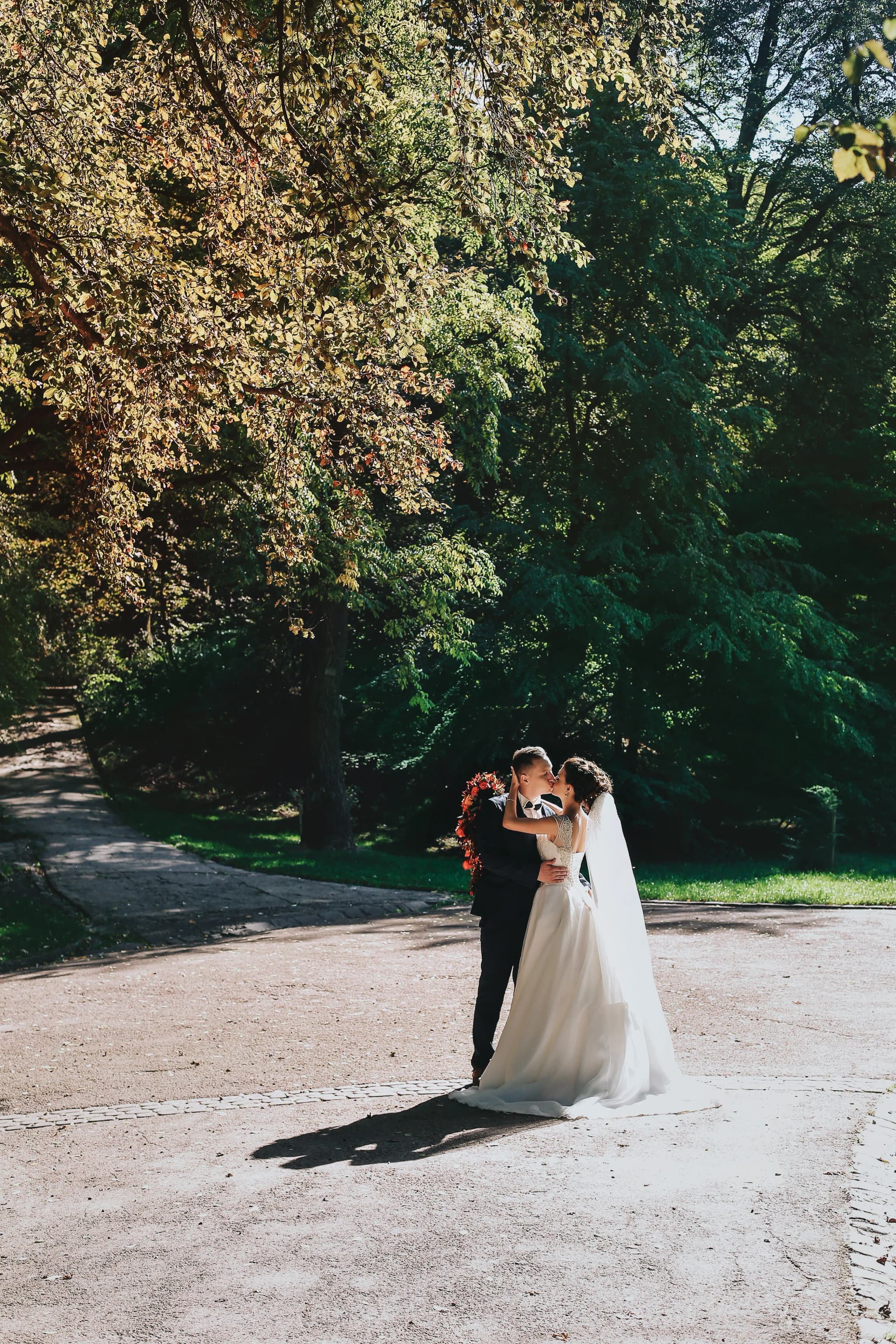
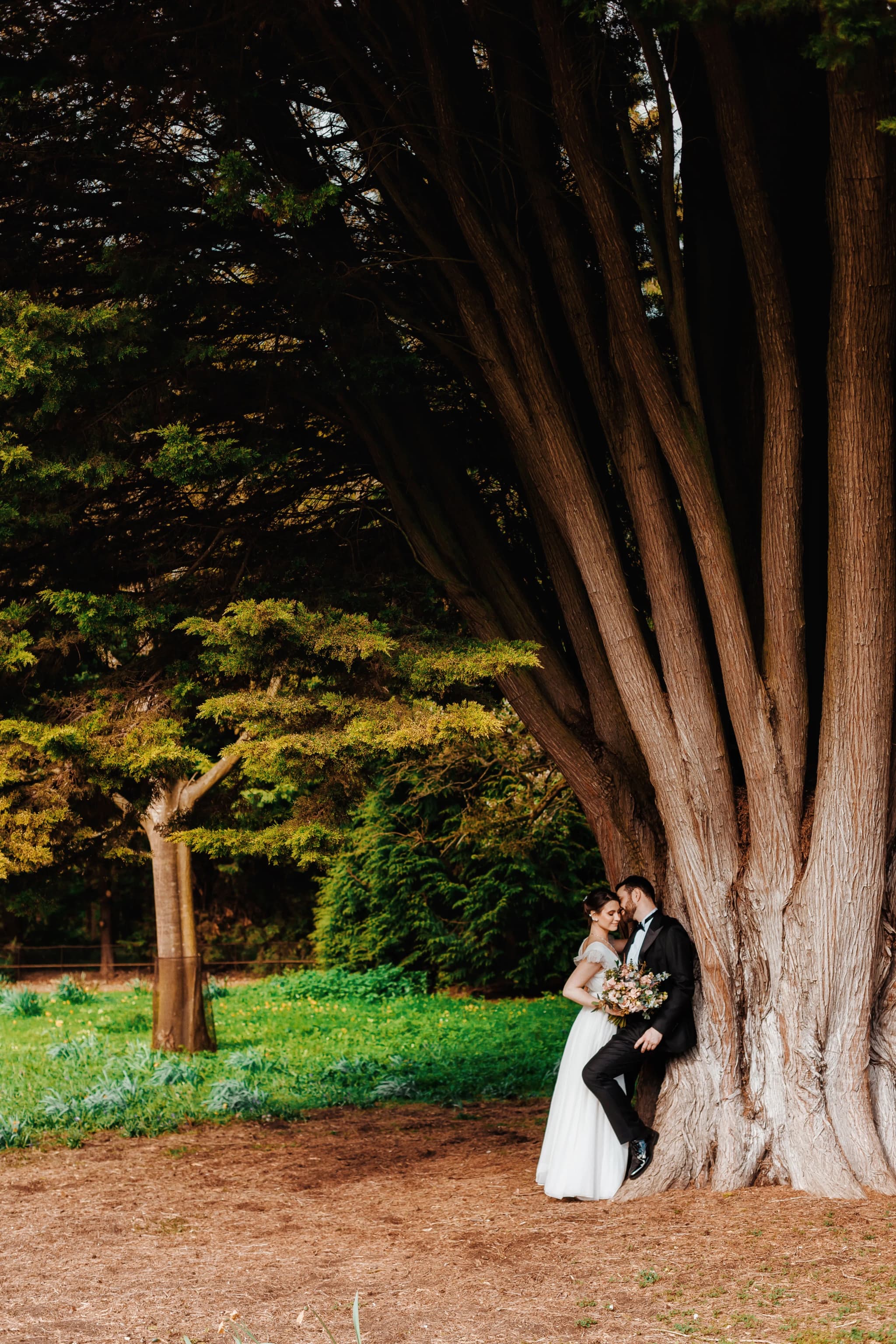
The fairytale aesthetic is not one single thing but a combination of several ingredients working together. Dramatic architecture — castle towers, stone archways, grand staircases, ancient walls — locates the story firmly in time and place, giving the images a sense of scale and history that a modern venue simply cannot replicate. Sweeping, romantic compositions matter just as much: wide shots with the couple deliberately small against a vast backdrop, so the setting itself becomes part of the story rather than a blurred backdrop behind two large faces.
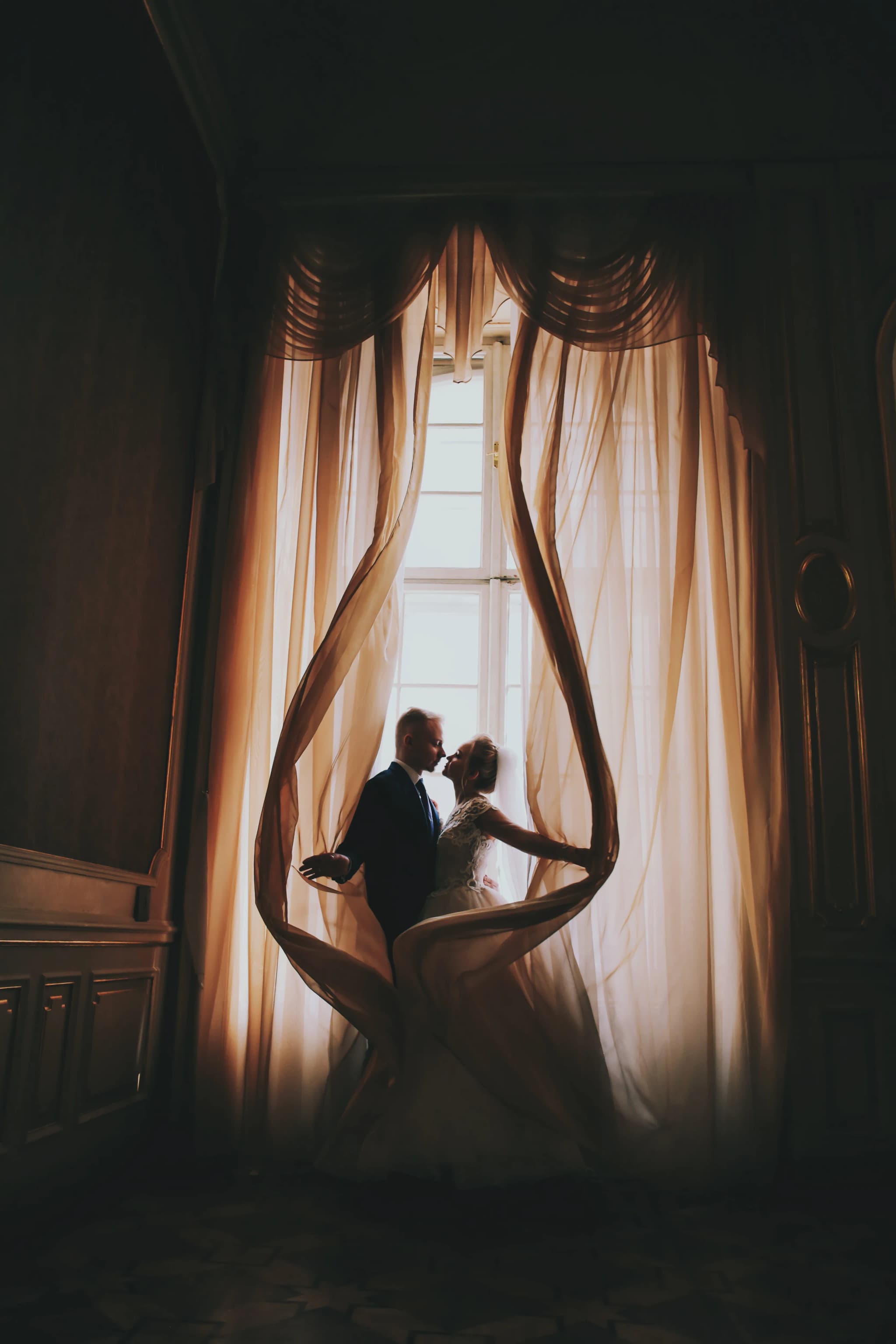
Editing plays its part too. A rich, warm treatment — lifted shadows, warm highlights, a slightly filmic tonal quality — gives the images a cinematic feel that flat, neutral editing does not achieve on its own. Movement adds life to what could otherwise be static, formal images: a trailing veil caught in a breeze, the sweep of a full skirt through a stone doorway, a couple running laughing through castle grounds. And magical light — late golden hour, shafts of sun through a high window, candlelight in a stone hall — is often what tips a good photograph into one that genuinely looks like it belongs in a painting.
None of these elements works in isolation. A castle photographed flatly in midday light with no movement and no editing warmth will read as a nice venue photograph rather than a fairytale image. The combination is what creates the feeling, which is why planning for it deliberately, rather than hoping it emerges by accident on the day, makes such a difference to the final gallery.
Perfect Fairytale Settings Across England
England's castle venues do much of the work on their own. Hever Castle in Kent, Bamburgh in Northumberland, and Castle Howard in Yorkshire all offer architecture so complete and so dramatic that very little else is needed to create a fairytale feel — the building itself supplies the storybook quality, and the photography simply has to make the most of it. Beyond castles proper, medieval manor houses with oak-panelled great halls, hidden priest holes, and four-poster beds offer a slightly softer, more domestic version of the same fantasy.
Walled gardens bring a different quality entirely: the secret-garden aesthetic of high enclosing walls and a hidden interior, the sense of stepping into a world set apart from the everyday. Ancient woodland does something similar at a larger scale — bluebell woods carpeting the ground in spring, or autumn beech woodland turned entirely gold, are as fairytale as any deliberately designed backdrop, and arguably more so because nothing about them was built for the purpose.
Village churches add a quieter, more intimate version of the same atmosphere: flint or limestone Norman architecture, a weathered lychgate, a churchyard yew that has stood for centuries longer than the building beside it. And sometimes the simplest settings carry the most enchantment of all — a field gate opening onto a bluebell wood, a country lane running between tall hedgerows, ordinary rural England photographed with the same intention given to a grand estate.
Choosing a Venue That Actually Suits the Vision
Couples sometimes assume that a fairytale feel requires the grandest, most expensive venue available, when in practice a smaller manor house or a well-chosen woodland location can produce results just as magical as a famous castle, at a fraction of the cost and with considerably less pressure around scheduling and guest logistics. What matters more than the scale of the venue is whether it has the raw ingredients — texture, history, good natural light, and some sense of drama in its architecture or landscape — for the photography to work with.
I always encourage couples to think about the specific moments of the day alongside the venue itself: where the ceremony will actually happen, where there will be a natural pause for portraits in good light, and whether there is a quiet corner away from the main event where a couple can have ten unhurried minutes together. A fairytale venue without any of that structured in tends to produce fewer genuinely magical images than a more modest venue where the day has been planned with the photography in mind.
A note on creating the look through photography
The fairytale aesthetic comes as much from photographic choices as from the venue itself. Wide lenses that emphasise scale, low angles looking up at architecture, and selective focus that softens the background and brings a couple forward are all deliberate decisions that create the fairytale feel rather than simply documenting the day as it happens. I bring this conscious, intentional approach to every couple who wants images that feel genuinely other-worldly.
Get in touch about your weddingPlanning the Day Around the Light
Fairytale imagery depends heavily on light in a way that other wedding photography styles do not need to as much. Golden hour — the hour or so before sunset when the light turns warm, low, and directional — is when the most dramatic, storybook-quality images tend to happen, and I always plan a portion of the timeline specifically around it rather than treating it as a bonus if the schedule happens to allow. Overcast days are not a problem for this style either; flat, diffused light through stained glass or across stone architecture has its own quiet magic, just a different one from a blazing golden hour.
Season matters too. Spring bluebell woods, high summer golden evenings, and autumn beech canopies each offer a completely different flavour of the same fairytale idea, and choosing a wedding date with the season's particular strengths in mind is worth factoring into planning alongside the venue itself.
Details That Reinforce the Story
Beyond the venue and the light, small details often do more to reinforce a fairytale feel than couples expect going into planning. A dress with real movement — a train, a full skirt, layers of tulle that catch light and air as a bride walks or turns — photographs very differently from a fitted, structured gown, and is worth factoring into dress shopping if the fairytale aesthetic genuinely matters to you. Candlelight, whether in an evening reception or during an early ceremony in a dim stone church, adds a warmth and texture that no amount of editing can quite replicate afterwards.
Flowers and styling choices matter too. Loose, textured, slightly wild arrangements tend to suit a fairytale aesthetic better than tightly structured, formal florals, echoing the romantic, slightly untamed quality that runs through most fairytale imagery. None of this needs to be expensive or elaborate — it is more a question of choosing details that lean into movement, texture, and warmth rather than stiff formality.
Working the Portrait Session Around the Venue
The couple portrait session is usually where the fairytale aesthetic comes through most strongly, since it is the part of the day with the most flexibility over timing, location within the venue, and pace. I generally build in enough time to move between two or three distinct spots within a venue — a dramatic architectural backdrop, a quieter garden or woodland corner, and somewhere that catches the best of the evening light — rather than rushing through a single formal set of images in one spot.
Giving the couple genuine time alone together during this part of the day, away from the crowd of the wedding breakfast, also tends to produce the most natural, unguarded images of the whole gallery. Some of the strongest fairytale-feeling photographs come not from posed compositions at all, but from a couple simply enjoying a few unobserved minutes together in a beautiful setting, photographed candidly rather than directed. I always talk through timing with couples in advance so this window is protected in the schedule, rather than squeezed out by a running-late timeline elsewhere in the day.
If a fairytale wedding is the vision you are working towards, England genuinely has the settings to deliver it, and I would love to help bring the photography to match. Get in touch and let's talk through your venue and your day.

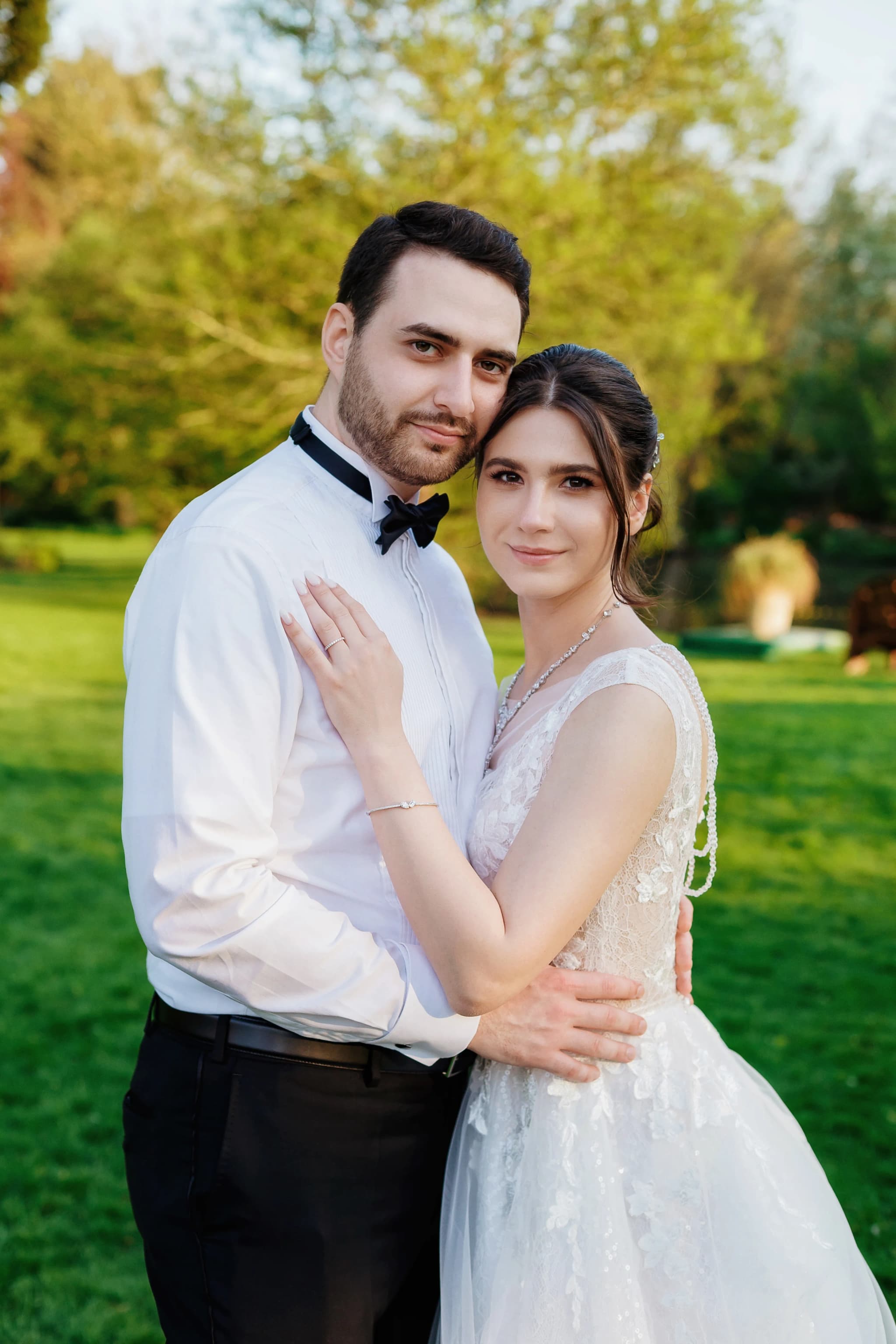

Yana Skakun
Photographer · England
Professional wedding, family and portrait photographer based in England. Passionate about capturing authentic emotions and timeless moments.
About Yana →fairytale wedding photographystorybook wedding photographer UKdreamy wedding photos England
Wedding Tips — Wedding Photography in Cambridge & England
Yana Skakun is a professional wedding photographer based in Cambridge, covering weddings across England — from intimate elopements to full-day ceremonies at country houses, barns, and city venues. Every couple receives a relaxed, documentary approach that captures the day as it truly unfolds. This guide — Fairytale Wedding Photography: Make Your Dream Wedding Come to Life — is part of the photography journal: practical, experience-based advice drawn from real sessions across England. Whether you arrived searching for fairytale wedding photography or storybook wedding photographer uk, the same care and attention shapes every session Yana photographs.
Wedding Photography sessions are available year-round, with bookings open across Cambridge, Ely, Huntingdon, Peterborough, and further afield — East England, London, the Midlands, and beyond. If you have specific questions about dreamy wedding photos england, mention it in your enquiry. Get in touch through the contact form above to check availability and discuss your session. Enquiries are welcomed from anywhere in the UK.
Frequently Asked Questions
How much does a wedding photographer cost in England?+
Wedding photography in England typically ranges from £1,500 to £4,000+ for a full day. Price depends on experience, coverage hours, and whether albums or engagement shoots are included. Most photographers charge between £2,000–£3,000 for 8–10 hours of coverage.
How early should you book a wedding photographer?+
For peak season (May–September), book 12–18 months in advance. For autumn and winter weddings, 9–12 months is usually sufficient. Popular photographers at popular venues fill up fast — as soon as you have a date and venue confirmed, start reaching out.
How many photos do you get from a wedding photographer?+
Most professional wedding photographers deliver 400–800 edited images for a full-day wedding. The exact number depends on coverage hours, how many guests there are, and the photographer's editing style. Quality matters more than quantity — a curated gallery of 500 images tells the story better than 1,500 unedited files.
Do you need a second photographer at your wedding?+
A second photographer is helpful if you want simultaneous coverage of getting-ready moments in different locations, multiple angles during the ceremony, or more candid coverage during the reception. It adds cost but significantly increases the variety and completeness of your gallery.
What is the difference between documentary and editorial wedding photography?+
Documentary (reportage) wedding photography captures moments as they happen — the photographer observes and doesn't intervene. Editorial photography involves deliberate direction: placing you in good light, shaping compositions, creating intentional portraits. Most photographers blend both styles throughout the day.
Continue Reading
Related Articles

Wedding Tips
Sustainable Eco-Friendly Wedding Guide — Planning a Green Celebration
15 min read · Read Article
Wedding Tips
Trash the Dress Session — Complete Planning and Photography Guide
14 min read · Read Article
Wedding Tips
Client Communication for Photographers — From Enquiry to Gallery Delivery
15 min read · Read Article
Get in Touch
Ready to Book Your Session?
Get in touch to discuss your vision — I'll reply within 24 hours.