Yana Skakun
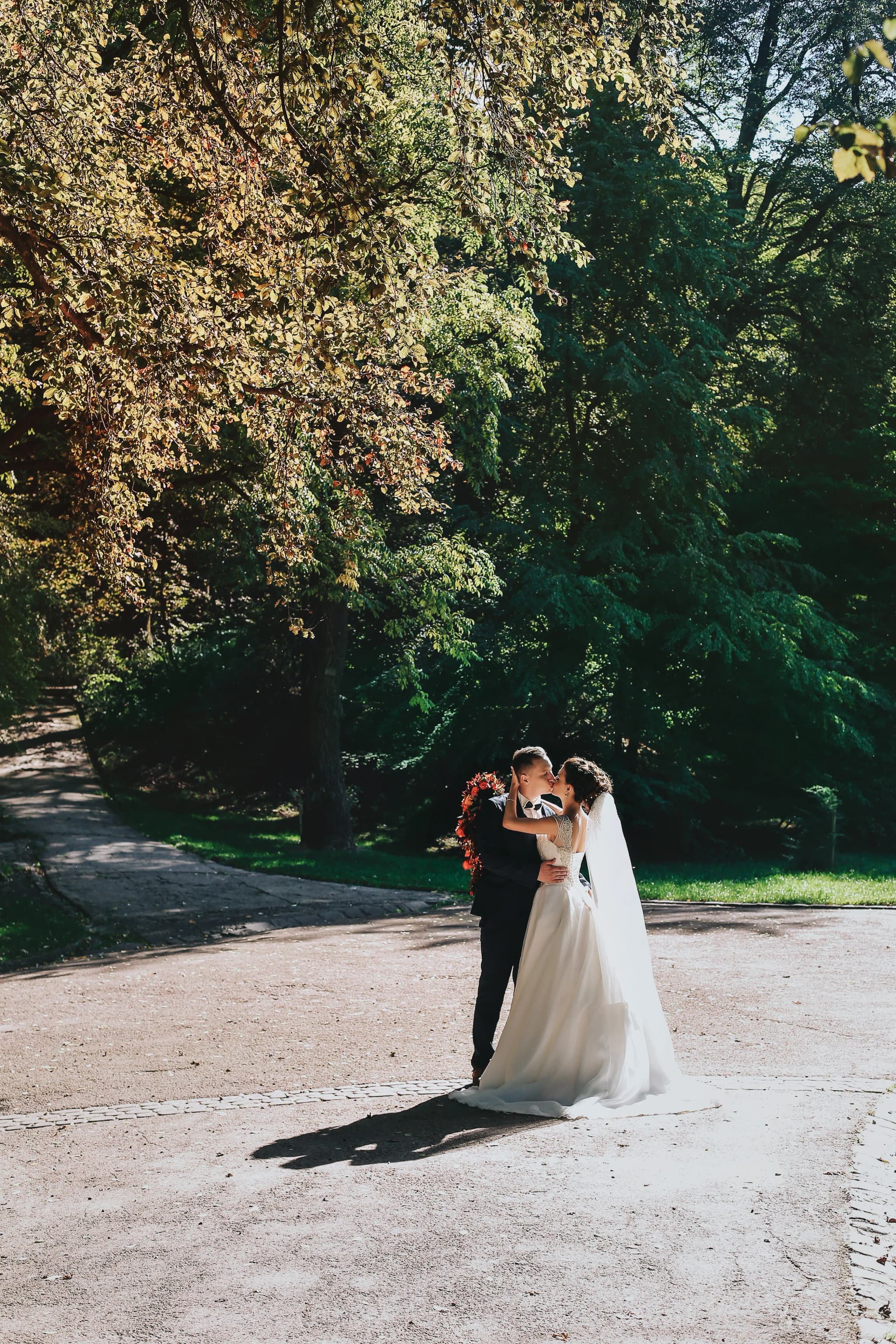
Festival Wedding Photography: Tipis, Bunting & Barefoot Dancing
By Yana Skakun·19 March 2026·6 min read
Festival weddings are the most deliberately, joyfully exuberant of all wedding formats. Tipis and yurts rather than marquees. Barefoot dancing on grass. Flower crowns and dungarees making their appearances alongside tailored suits and bohemian dresses. A bar built from salvaged timber. Bunting strung between trees. And over everything, a sense that the couple have created their own world for a weekend, and everyone present is living within it entirely, rather than simply attending a single afternoon event.
Festival Wedding Photography — The Aesthetic
Festival weddings produce photography that is, above everything else, alive. The candid opportunities at a festival wedding are some of the richest of any format I photograph, simply because there is so much genuine, unposed activity happening at any given moment: people dancing without inhibition in open fields, children running barefoot with faces painted, friends gathered on hay bales at the edge of the fire pit deep in conversation, the last light fading behind the tipi profiles on the horizon, and late-night sparkler moments in complete darkness that produce some of the most striking images of the whole weekend.
Because festival weddings so often run across an entire weekend rather than a single day, the photography has room to build a much fuller story than a conventional wedding allows. Friday-evening arrivals, Saturday ceremonies, and Sunday-morning breakfasts in the field all become part of the same visual narrative, and I try to be present for enough of that arc to capture the shift in mood from anticipation to celebration to the quieter, more reflective morning after.
The Festival Setting Elements
The physical context of a festival wedding creates beautiful photography material almost everywhere you look. The wooden pole structure of a tipi, hung with fairy lights and garlands, creates an architectural interior with enormous character, very different from the flat ceilings and neutral walls of a conventional marquee. Bunting and flags strung overhead produce repeated geometric patterns against a summer sky that read beautifully in wide shots taken from a distance.
The social eating culture of festival weddings — long shared tables, street food stations, guests gathering informally around whatever is being cooked — creates documentary photography gold, full of genuine interaction rather than the seated, formal meal structure of a traditional reception. Fire pits, lanterns, and candles in jam jars all feature heavily too, and festival weddings tend to use fire light far more extensively than conventional weddings, producing a warmth in the evening photographs that artificial venue lighting rarely matches.
The countryside surroundings themselves play a bigger role than at most weddings, since festival weddings are typically held in open fields rather than indoor venues. The landscape, the tree line at the field's edge, and the wide sky at sunset all contribute directly to the visual story of the day, and I spend a good amount of time before the wedding walking the site to understand how the light moves across it through the afternoon and evening.
A note on planning a festival wedding
The joy, the chaos, and the beauty of festival weddings are what I love most about this format. If you are planning one and want a photographer who is comfortable working within a loose, living timeline rather than a rigid one, I would be glad to talk through your vision for the weekend.
Get in touch to discuss your visionChoosing Suppliers Who Understand the Format
Festival weddings work best when the whole team of suppliers, not just the photographer, understands and embraces the informal, living nature of the day. A caterer used to rigid timed service, or an entertainment act expecting a conventional venue setup, can occasionally introduce friction into a day that is otherwise designed to flow loosely. I try to coordinate with other suppliers where possible in the lead-up, simply so everyone involved understands the general shape of the day and is not caught off guard by its flexibility.
Couples planning a festival wedding are often doing so precisely because they want to escape the more rigid conventions of traditional wedding planning, and that same instinct is worth extending to every supplier they choose, photography included. A photographer more comfortable with a tightly scheduled, formally directed day may struggle to adapt to the pace and unpredictability of a genuine festival wedding, so it is worth discussing this explicitly during the planning process rather than assuming every photographer will approach the format the same way.
Specific Photography Considerations
Festival weddings are informal by design, and their timelines tend to be living documents rather than fixed schedules. The couple may not have a formal order of events at all — the speeches might happen whenever feels right, the cake cutting when someone remembers it is time. I work comfortably within this format, staying observant and anticipating moments rather than following a rigid shot-by-shot schedule the way I might at a more traditional venue wedding. I will be briefed on the rough arc of the day beforehand and trust the rest to instinct and experience.
Evening photography at festival weddings, when fire pits and artificial light take over almost entirely from daylight, requires real technical sensitivity to the mixed and low-light conditions that come with an outdoor field setting after dark. I bring specialist low-light lenses and flash systems designed to support rather than overwhelm the natural atmosphere, since the whole appeal of this kind of evening is the warmth and intimacy of firelight, and heavy-handed flash photography would undo exactly what makes those images special.
Access and logistics also deserve some attention when planning a festival wedding, since these venues are often more remote and less equipped than a conventional wedding venue with established parking, signage, and infrastructure. I always try to visit the site in advance where possible, or at minimum have a detailed conversation with the couple about layout, so I know where the light will be strongest, where the ceremony will actually take place relative to the accommodation, and how the site connects together across its various different areas.
Weather is a bigger factor at festival weddings than at most indoor venues, simply because so much of the day happens outdoors regardless of conditions. I always plan for a range of weather scenarios in advance — where the best sheltered spots are if rain moves in, how the light changes under heavy cloud versus clear sky — so that a change in forecast does not derail the photography plan for the day.
Documenting a Multi-Day Celebration
One of the genuine advantages of a festival wedding, from a photography perspective, is the sheer length of time available to build a complete story. Where a conventional wedding might give me eight or nine hours to document an entire relationship milestone, a weekend-long festival wedding can offer two or three full days, and that additional time changes what is possible in terms of depth and range.
I try to capture the quieter, in-between moments across a multi-day event as much as the obvious highlights — guests arriving and setting up camp, the site being prepared the day before, a quiet coffee shared between the couple on the morning of the ceremony before the noise and excitement of the day properly begins. These smaller moments, easy to overlook in the planning, often become some of the most treasured images in the final gallery precisely because they capture a texture of the weekend that the more obvious, expected shots do not.
What to Wear and How to Prepare Guests
Festival weddings give couples and guests far more freedom in what they wear than a conventional venue, and this shows up beautifully in photographs. Wellington boots paired with a formal dress, a suit jacket over a t-shirt, flower crowns worn by guests of every age — the mix of formal and casual, considered and spontaneous, is part of what makes the photography from these weddings feel so distinctive compared to a more traditional wedding gallery.
It is worth briefing guests in advance about the practicalities of a field setting, since this affects how relaxed and photograph-ready everyone is throughout the day. A note on the invitation about suitable footwear for grass and mud, or a mention that the site may be cooler after dark than expected, means guests arrive prepared rather than uncomfortable, and comfortable guests photograph with far more genuine enjoyment than guests who are quietly regretting their shoe choice.
If you are planning a festival wedding of your own, whatever shape that takes, get in touch and we can talk through your site, your timeline, and what kind of images you are hoping to come away with.

Yana Skakun
Photographer · England
Professional wedding, family and portrait photographer based in England. Passionate about capturing authentic emotions and timeless moments.
About Yana →festival wedding photographytipi wedding photographer UKoutdoor festival wedding photos England
Wedding Tips — Wedding Photography in Cambridge & England
Yana Skakun is a professional wedding photographer based in Cambridge, covering weddings across England — from intimate elopements to full-day ceremonies at country houses, barns, and city venues. Every couple receives a relaxed, documentary approach that captures the day as it truly unfolds. This guide — Festival Wedding Photography: Tipis, Bunting & Barefoot Dancing — is part of the photography journal: practical, experience-based advice drawn from real sessions across England. Whether you arrived searching for festival wedding photography or tipi wedding photographer uk, the same care and attention shapes every session Yana photographs.
Wedding Photography sessions are available year-round, with bookings open across Cambridge, Ely, Huntingdon, Peterborough, and further afield — East England, London, the Midlands, and beyond. If you have specific questions about outdoor festival wedding photos england, mention it in your enquiry. Get in touch through the contact form above to check availability and discuss your session. Enquiries are welcomed from anywhere in the UK.
Frequently Asked Questions
How much does a wedding photographer cost in England?+
Wedding photography in England typically ranges from £1,500 to £4,000+ for a full day. Price depends on experience, coverage hours, and whether albums or engagement shoots are included. Most photographers charge between £2,000–£3,000 for 8–10 hours of coverage.
How early should you book a wedding photographer?+
For peak season (May–September), book 12–18 months in advance. For autumn and winter weddings, 9–12 months is usually sufficient. Popular photographers at popular venues fill up fast — as soon as you have a date and venue confirmed, start reaching out.
How many photos do you get from a wedding photographer?+
Most professional wedding photographers deliver 400–800 edited images for a full-day wedding. The exact number depends on coverage hours, how many guests there are, and the photographer's editing style. Quality matters more than quantity — a curated gallery of 500 images tells the story better than 1,500 unedited files.
Do you need a second photographer at your wedding?+
A second photographer is helpful if you want simultaneous coverage of getting-ready moments in different locations, multiple angles during the ceremony, or more candid coverage during the reception. It adds cost but significantly increases the variety and completeness of your gallery.
What is the difference between documentary and editorial wedding photography?+
Documentary (reportage) wedding photography captures moments as they happen — the photographer observes and doesn't intervene. Editorial photography involves deliberate direction: placing you in good light, shaping compositions, creating intentional portraits. Most photographers blend both styles throughout the day.
Continue Reading
Related Articles

Wedding Tips
Sustainable Eco-Friendly Wedding Guide — Planning a Green Celebration
15 min read · Read Article
Wedding Tips
Trash the Dress Session — Complete Planning and Photography Guide
14 min read · Read Article
Wedding Tips
Client Communication for Photographers — From Enquiry to Gallery Delivery
15 min read · Read Article
Get in Touch
Ready to Book Your Session?
Get in touch to discuss your vision — I'll reply within 24 hours.