Yana Skakun

Fine Art Wedding Albums UK: A Photographer's Complete Guide
By Yana Skakun·15 May 2026·7 min read
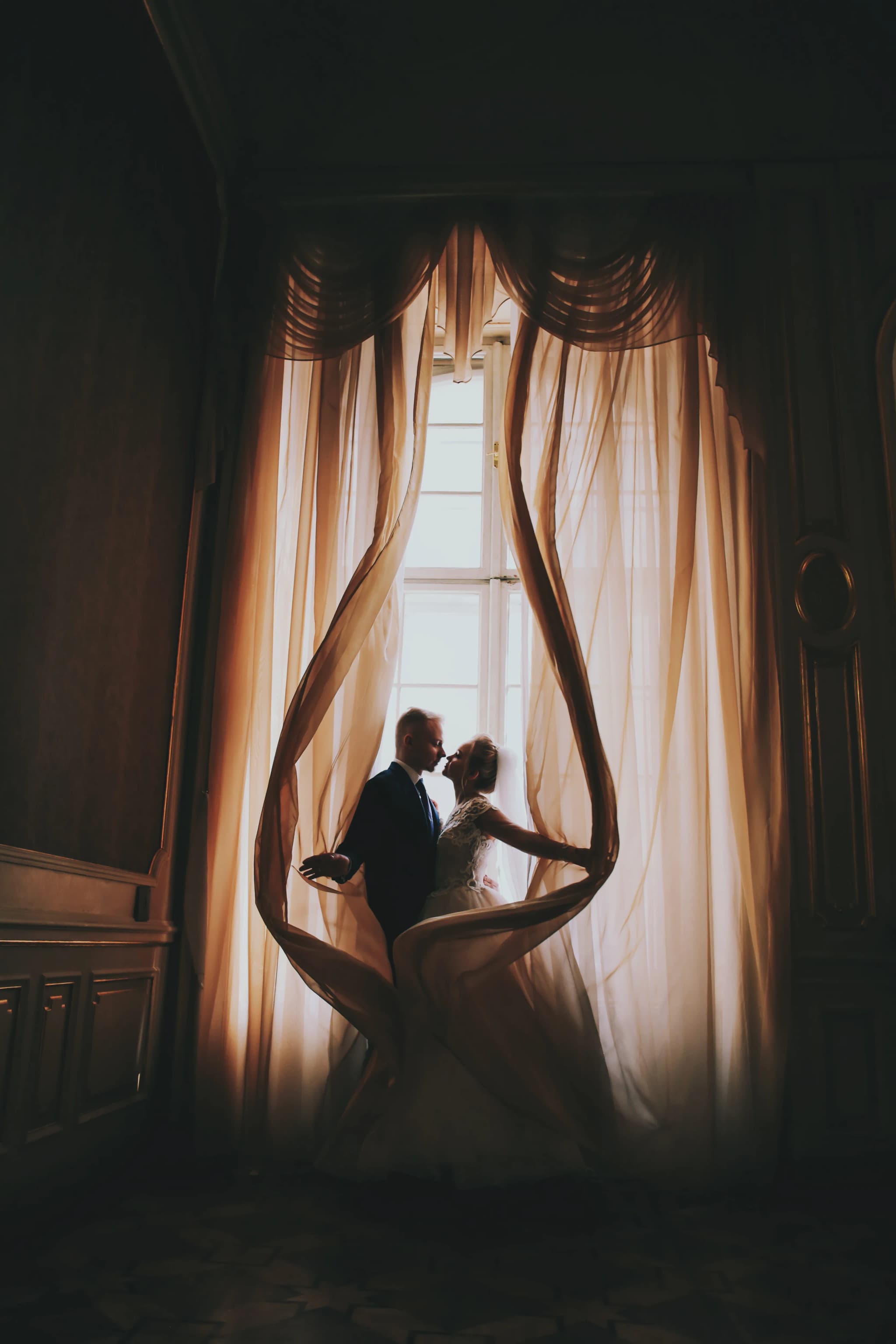
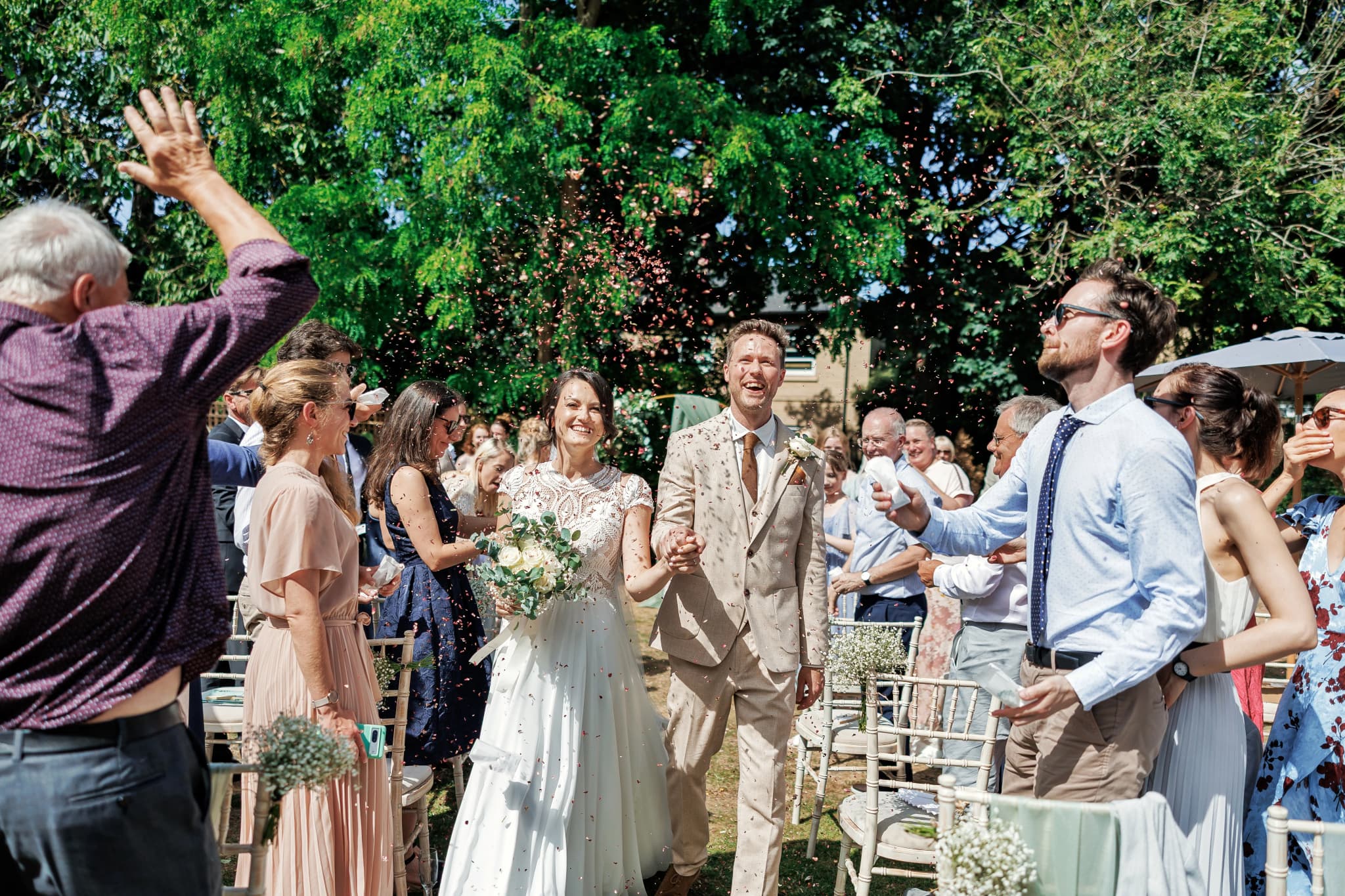
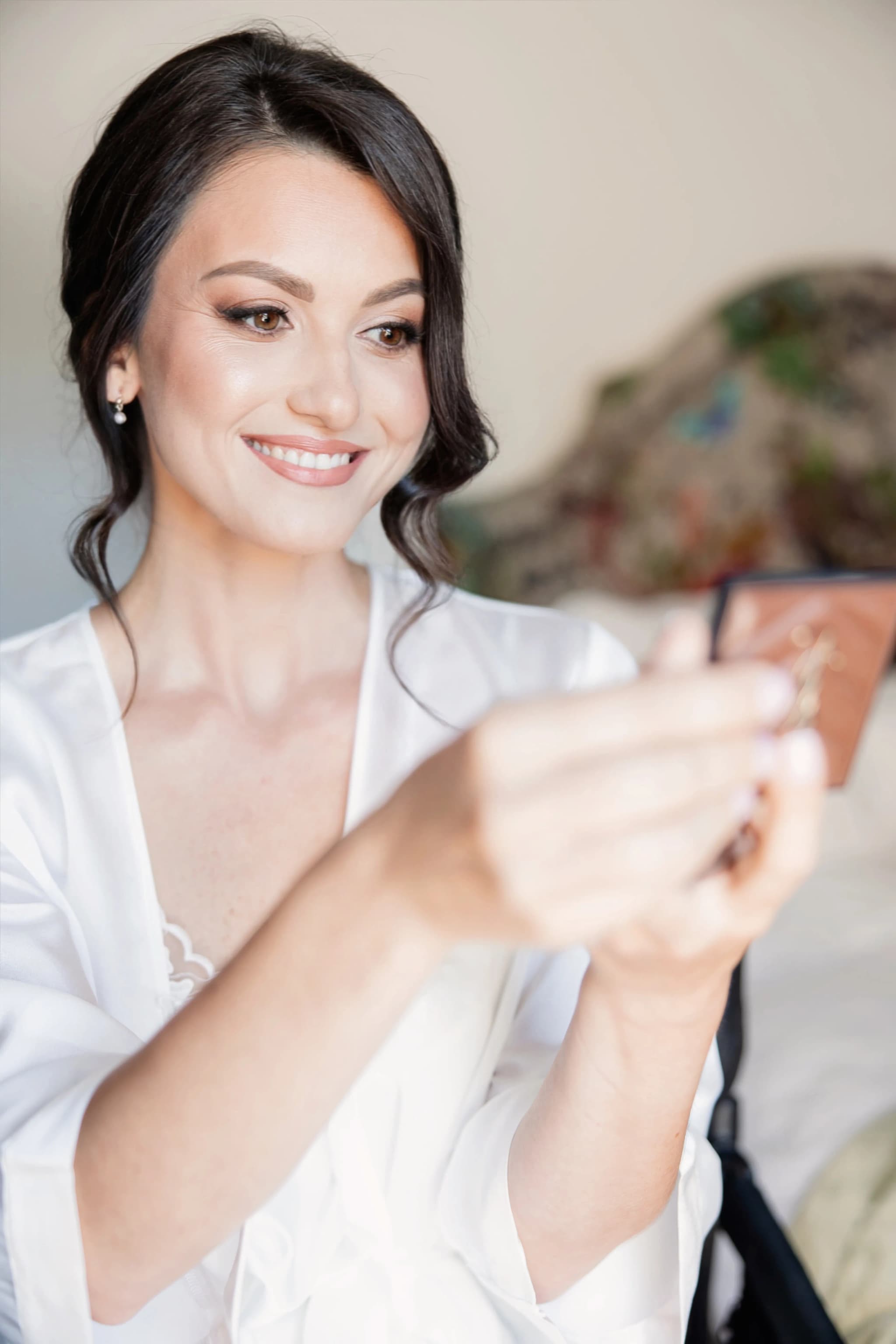
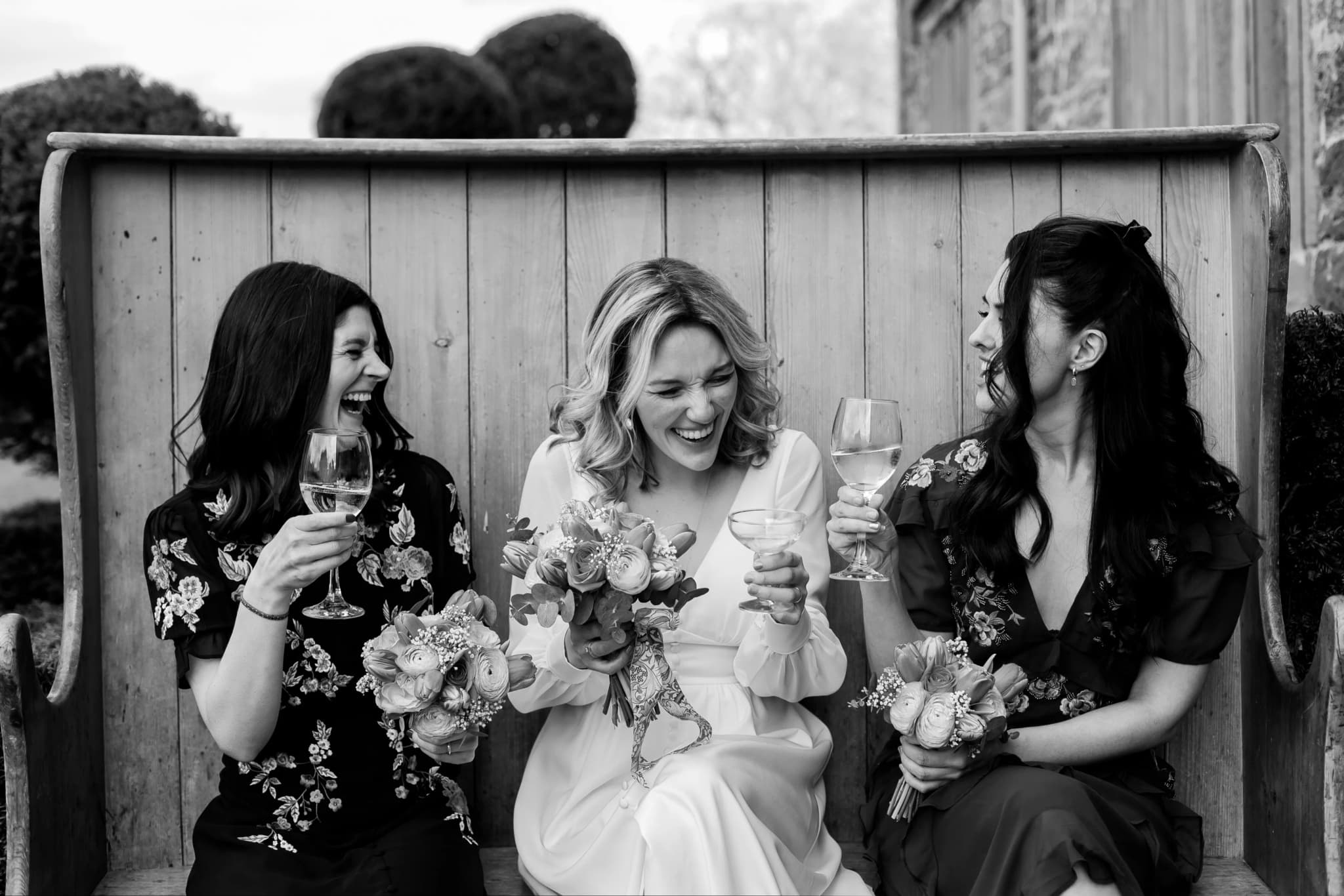
Every autumn I sit down with couples who married the previous year and open a proof album on the table between us for the first time. It is, without fail, one of my favourite parts of this job. The gallery of digital images they received months earlier already told the story of their day, but there is something different that happens when the same images are printed, sequenced, and bound into pages you can hold. People go quiet. They slow down. They start noticing details in photographs they had already looked at a dozen times online — the way a grandmother's hand rested on a shoulder, the blur of a dance floor, the light through a marquee at seven in the evening. A fine art wedding album is not simply a keepsake; it is the format that finally lets a wedding day become a story with a beginning, a middle, and an end, rather than a folder of files that quietly gets buried under newer photos on a phone.
What "Fine Art" Actually Means in an Album
The phrase "fine art wedding album" gets used loosely across the industry, so it is worth being precise about what it means when I use it. It refers to a category of album construction and materials, not a photographic style. A fine art album is lay-flat bound, meaning the pages open completely flat with no gutter swallowing the centre of a spread, which matters enormously when you want a single panoramic image — a wide shot of a ceremony or a full bridal party — to cross both pages without losing anything into the spine. The pages themselves are thick, rigid, and printed directly onto archival photographic paper or fine art matte stock, rather than having photographs stuck onto card, which is how many cheaper "photo books" are made.
Cover materials for genuine fine art albums are typically real leather, Italian bookcloth, or occasionally a printed acrylic or fabric panel, and the binding itself is done by hand by specialist album makers rather than mass-produced. The result is an object with real physical weight and permanence — something that is built to be handled, opened, and passed between generations of a family without pages yellowing, cracking at the spine, or peeling apart the way cheap adhesive-bound photo books eventually do. When couples ask me why a fine art album costs meaningfully more than a printed photo book from a consumer app, this is the honest answer: it is a different category of object, made from different materials, by different processes, intended to last for a different length of time.
Why I Encourage Every Couple to Order One
I say this to nearly every couple I photograph, and I mean it as genuine advice rather than a sales line: order the album, and order it reasonably soon after the wedding rather than putting it off indefinitely. Digital galleries are wonderful for sharing images with family and friends who live far away, and for the immediate flood of enthusiasm in the weeks after the wedding, but they are not a reliable long-term home for the only photographs you will ever have of that day. Cloud accounts lapse, hard drives fail, phones get replaced and not everything migrates cleanly, and the sheer convenience of digital storage means many people simply never revisit the images once the initial excitement fades. An album sits on a shelf. It gets pulled down at Christmas, shown to new partners, opened by children who want to see what their parents looked like on their wedding day. It survives changes of phone, changes of cloud provider, and changes of habit in a way that a folder of JPEGs quietly does not.
There is also a genuine editing benefit to working with an album designer rather than trying to choose favourites from several hundred images alone. Left with an entire gallery and no constraints, most couples either try to include far too much, diluting the emotional weight of the strongest images, or become paralysed by choice and never finish selecting at all. A well-designed album forces a narrower, more intentional edit — the sequence of moments that actually tells the story of the day, rather than a scroll of everything that happened to be technically in focus. I have lost count of the number of couples who tell me, months later, that the album taught them things about their own wedding day they had not noticed in the digital gallery, simply because the sequencing and pacing made certain moments land differently.
How Album Design Actually Works
The process begins after the full gallery has been delivered and you have had time to sit with the images, share them with family, and let the initial rush of the wedding settle. I ask couples to send through a shortlist of must-include images — the ones that matter to them personally, which are not always the images that would occur to me as the photographer — and from there I build a first design based on chronology, pacing, and visual rhythm rather than simply dropping images in the order they were taken.
Good album design pays close attention to pacing in a way that is easy to feel but hard to describe until you see it done well and badly side by side. A spread of quiet, intimate detail images — rings, invitations, a bouquet resting on a windowsill — needs to sit somewhere different from the visual noise of a packed dance floor. Full-bleed panoramic spreads, where a single image fills both pages with no border, are used sparingly and deliberately, reserved for moments that genuinely warrant that scale: a wide ceremony shot, a landscape with the couple small within it, a group shot of everyone together. Smaller, grid-based spreads with multiple images work better for sequences — getting ready, walking down the aisle, the first dance — where the story is told through a series of connected moments rather than one singular image.
I send a full digital proof of the design before anything goes to print, and revisions are a normal, expected part of the process rather than an inconvenience. Couples often want to swap in a particular image a parent has singled out, adjust a caption, or ask for a slightly different balance between the ceremony and the reception. Two or three rounds of revision is typical before a design is approved for print, and I would always rather take that extra time than rush a couple into approving something they are not genuinely happy with.
Thinking about an album for your wedding?
I talk through album options, materials, and sizing with every couple as part of planning their coverage, well before the wedding day itself. If you would like to see sample albums in person, get in touch and we can arrange a time.
Ask about album optionsChoosing Size, Cover, and Page Count
There is no single correct album size, but there are sensible starting points depending on how you intend to use it. A large album, generally in the region of thirty by thirty centimetres or bigger, makes an genuine statement piece for a coffee table and does full justice to wide, detailed images, but it is a substantial object and not something most people want to travel with or hand around casually at a family gathering. A smaller album in the twenty to twenty-five centimetre range is easier to hold, easier to pass between people on a sofa, and often ends up being the one that actually gets looked at more often simply because it is less of a production to pick up.
Cover choice is largely a matter of personal taste and how the album will be displayed. Leather covers, particularly in neutral tones like a soft grey, sand, or deep tan, age beautifully and develop a slight patina over years of handling, which some couples love as a physical record of the album actually being used. Bookcloth covers come in a wider range of colours and can be a good match if you want the album itself to coordinate with a particular interior. Some couples choose to have a small image printed directly onto an acrylic or debossed leather cover, which creates a striking first impression but is a more considered, personal choice than a plain cover.
On page count, I generally recommend against trying to cram an entire wedding day, start to finish, into one enormous album. A tightly edited thirty to forty page album with a genuinely considered selection reads far better, and is far more likely to be picked up and enjoyed repeatedly, than an eighty page album where every attendee at the wedding gets one obligatory group photograph and the emotional highlights get lost among filler. If there is a large amount of material a couple wants preserved — every guest table, every speech, every detail from the day — a companion parent album or a slightly larger second volume is often a better solution than trying to force everything into a single overstuffed book.
Parent Albums and Smaller Companion Editions
Once a main album design is finalised, it becomes straightforward to produce smaller companion albums from the same layout for parents or grandparents, usually at a reduced size and sometimes with a slightly adjusted selection to suit what matters most to that particular relative. I find these are genuinely treasured gifts, and because the design work has already been done for the main album, producing a parent copy is a much simpler add-on than starting an entirely separate design from scratch. It is worth deciding early, before the main album goes to print, whether parent albums are something you want, since it is far more efficient to order them together than to revisit the design months or years later.
A practical note worth mentioning: album pricing tends to be driven primarily by page count and cover material rather than by the number of copies, so a parent album at a smaller size with fewer pages is generally a modest addition rather than a second full investment. It is one of the reasons I encourage couples to think about the full album order — main album plus any parent copies — at the same time, rather than piecemeal over several years, simply because the logistics and costs work more sensibly that way.
A Realistic Timeline, From Wedding Day to Finished Album
Couples are sometimes surprised that a finished, hand-bound album is not something that arrives within days of approving a design, and it is worth setting expectations honestly. After the full gallery is delivered, I generally suggest taking at least a few weeks before starting the design conversation, simply so the immediate post-wedding busyness has settled and you can look at the images with some distance. From there, design and revision typically takes several weeks depending on how quickly feedback comes back, and the physical printing and hand-binding process with a specialist album maker adds further weeks on top of that, as these are not mass-produced items rushed through a factory line.
All told, it is realistic to expect the process from "gallery delivered" to "album in your hands" to take a few months rather than a few weeks, and that is entirely normal for a genuinely hand-crafted product. I would always rather a couple receive an album that has been designed and made without being rushed than one hurried through to hit an arbitrary deadline. The one exception worth planning around is if you want an album ready in time for a specific occasion — a first anniversary, a parent's birthday, a particular family gathering — in which case it is worth flagging that date at the very start of the design process so the whole timeline can be planned backwards from it.
A wedding album is, in the end, the one piece of your wedding photography that does not depend on a screen, a login, or a working device to be enjoyed. It survives lost passwords and outdated phones; it can be picked up by a child, a parent, or a future grandchild without anyone needing to know how to find the right folder. I care about the design and construction of these albums as much as I care about the photography itself, because the two are genuinely inseparable — a beautiful image that never gets printed and never gets looked at again is only half finished. If you are getting married and want to talk through how album design fits into your overall wedding photography package, get in touch and we can go through the options together, well ahead of your wedding day.

Yana Skakun
Photographer · England
Professional wedding, family and portrait photographer based in England. Passionate about capturing authentic emotions and timeless moments.
About Yana →fine art wedding albums ukwedding album designlay-flat wedding albumsUK wedding photographer albumswedding album materials
Wedding Tips — Wedding Photography in Cambridge & England
Yana Skakun is a professional wedding photographer based in Cambridge, covering weddings across England — from intimate elopements to full-day ceremonies at country houses, barns, and city venues. Every couple receives a relaxed, documentary approach that captures the day as it truly unfolds. This guide — Fine Art Wedding Albums UK: A Photographer's Complete Guide — is part of the photography journal: practical, experience-based advice drawn from real sessions across England. Whether you arrived searching for fine art wedding albums uk or wedding album design, the same care and attention shapes every session Yana photographs.
Wedding Photography sessions are available year-round, with bookings open across Cambridge, Ely, Huntingdon, Peterborough, and further afield — East England, London, the Midlands, and beyond. If you have specific questions about lay-flat wedding albums, mention it in your enquiry. Get in touch through the contact form above to check availability and discuss your session. Enquiries are welcomed from anywhere in the UK.
Frequently Asked Questions
How much does a wedding photographer cost in England?+
Wedding photography in England typically ranges from £1,500 to £4,000+ for a full day. Price depends on experience, coverage hours, and whether albums or engagement shoots are included. Most photographers charge between £2,000–£3,000 for 8–10 hours of coverage.
How early should you book a wedding photographer?+
For peak season (May–September), book 12–18 months in advance. For autumn and winter weddings, 9–12 months is usually sufficient. Popular photographers at popular venues fill up fast — as soon as you have a date and venue confirmed, start reaching out.
How many photos do you get from a wedding photographer?+
Most professional wedding photographers deliver 400–800 edited images for a full-day wedding. The exact number depends on coverage hours, how many guests there are, and the photographer's editing style. Quality matters more than quantity — a curated gallery of 500 images tells the story better than 1,500 unedited files.
Do you need a second photographer at your wedding?+
A second photographer is helpful if you want simultaneous coverage of getting-ready moments in different locations, multiple angles during the ceremony, or more candid coverage during the reception. It adds cost but significantly increases the variety and completeness of your gallery.
What is the difference between documentary and editorial wedding photography?+
Documentary (reportage) wedding photography captures moments as they happen — the photographer observes and doesn't intervene. Editorial photography involves deliberate direction: placing you in good light, shaping compositions, creating intentional portraits. Most photographers blend both styles throughout the day.
Continue Reading
Related Articles

Wedding Tips
Sustainable Eco-Friendly Wedding Guide — Planning a Green Celebration
15 min read · Read Article
Wedding Tips
Trash the Dress Session — Complete Planning and Photography Guide
14 min read · Read Article
Wedding Tips
Client Communication for Photographers — From Enquiry to Gallery Delivery
15 min read · Read Article
Get in Touch
Ready to Book Your Session?
Get in touch to discuss your vision — I'll reply within 24 hours.