Yana Skakun

Fusion Wedding Photography: Blending Two Cultures in One Album
By Yana Skakun·10 June 2026·6 min read
A fusion wedding is a photographic storytelling challenge unlike any other. Two complete cultural narratives unfold within a single day — sometimes within a single hour — and your job is to document both with equal depth, equal care, and equal understanding, then weave the images into a single gallery that tells one unified love story. Done well, it is some of the most meaningful work in wedding photography.
The Narrative Challenge
The central challenge of a fusion wedding is not logistical — it is editorial. You will capture hundreds of images across two distinct cultural ceremonies, and your job in the editing suite is to build a sequence that reads as a single, coherent story rather than two separate weddings that happen to share a couple.
The images that do this work most effectively are the transition moments: the bride changing from her white dress into a red lehenga; the groom in a morning suit having his hands painted with henna; a Jewish grandmother and a Hindu grandmother sitting together at the reception, both watching the couple dance. These fusion frames are not incidental — they are the whole point. Train your eye to recognise them and be ready to capture them the instant they occur.
Before the wedding day, have an explicit editorial conversation with the couple: how do they want the story told? Chronologically? Or with the two ceremonies intercut thematically? The answer shapes how you shoot and how you sequence the final gallery.
Jewish-Hindu Fusion: Chuppah and Pheras
Among the most visually compelling fusion weddings is the Jewish-Hindu combination, combining two of the world's richest ceremonial traditions. In practice, this typically means a chuppah ceremony (under the Jewish wedding canopy) in the morning, followed by Hindu pheras (circumambulations of the sacred fire) in the afternoon — or a combined ceremony where elements of both are woven together with a thoughtful officiant.
The visual contrast between the two ceremonies is dramatic and beautiful. The chuppah — often white flowers, simple canopy, formal dress — has a restraint and elegance that contrasts strikingly with the explosion of colour under the Mandap: the bride in a red lehenga, the sacred fire, the garlands. Shooting both with equal technical care, and ensuring both sets of family feel their tradition was taken seriously, is the photographer's primary responsibility.
- ◆Jewish ceremony priorities: Badeken (veiling), ring placement under the chuppah, Sheva Brachot, glass-breaking moment and the couple's immediate reaction.
- ◆Hindu ceremony priorities: Var Mala exchange, fire ceremony (Agni), Saptapadi seven steps, Sindoor application, and the Vidaai farewell if included.
- ◆Fusion transition moments: The bride moving between ceremonies; family members from both sides meeting and embracing; the reception table where both traditions meet in a shared meal.
British-Chinese Fusion: Ceremony and Tea Ceremony
The British-Chinese fusion wedding is one of the most common in London, and it typically combines a church or registry ceremony with a Chinese tea ceremony held either before or after. The tea ceremony is one of the most intimate rituals in Chinese culture: the couple kneels before each set of parents and grandparents in order of seniority, serving tea and receiving red envelopes (hongbao) of money in return.
The tea ceremony is small, quiet, and emotionally intense. It is nothing like the public spectacle of the Western ceremony — it is a private family moment of gratitude, filial respect, and blessing. Position yourself discreetly and work without flash. The images you produce will be among the most personal of the whole wedding and are often the ones the couple's Chinese family values most highly.
Watch for the wardrobe change: Chinese brides frequently wear a qipao (traditional fitted dress, often red with gold embroidery) for the tea ceremony even if they wore a white Western dress for the church ceremony. The moment of that change, and the first reveal to the groom, is a fusion moment worth capturing.
Building the Unified Gallery
When you sit down to edit a fusion wedding, resist the temptation to organise the gallery into two sections — "Jewish ceremony" followed by "Hindu ceremony." This structure, while logical, reinforces the idea of two separate events rather than one unified celebration. Instead, consider a chronological edit that treats the day as a single narrative: getting ready, first ceremony, transition, second ceremony, portraits, reception. Let the images from both cultures intermingle naturally, just as the families themselves intermingle throughout the day.
The final gallery of a fusion wedding should feel, above all, like the story of two specific people who love each other — not like a cultural comparison study. The traditions are the context; the relationship is the story. Keep that hierarchy clear in your editing choices, and the result will be a gallery that both families treasure and that the couple can return to for the rest of their lives.
Fusion and Multicultural Wedding Photography
I specialise in multicultural and fusion weddings across London and the UK — bringing preparation, cultural sensitivity, and storytelling craft to every combined celebration. Get in touch to discuss your day.
Discuss Your Fusion Wedding →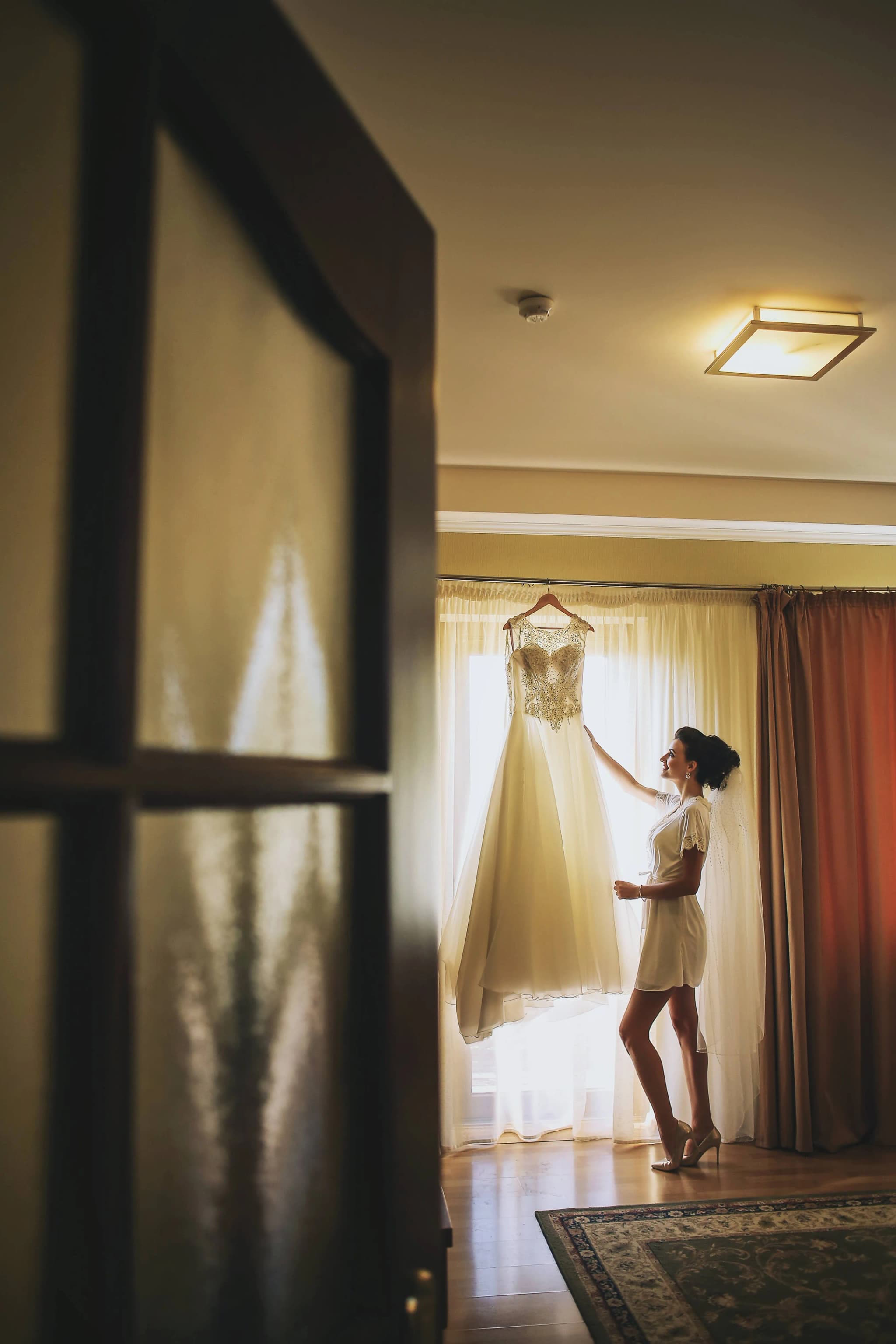

Yana Skakun
Photographer · England
Professional wedding, family and portrait photographer based in England. Passionate about capturing authentic emotions and timeless moments.
About Yana →fusion wedding photographymulticultural wedding photosblended culture weddingmixed heritage wedding UK
Wedding Tips — Wedding Photography in Cambridge & England
Yana Skakun is a professional wedding photographer based in Cambridge, covering weddings across England — from intimate elopements to full-day ceremonies at country houses, barns, and city venues. Every couple receives a relaxed, documentary approach that captures the day as it truly unfolds. This guide — Fusion Wedding Photography: Blending Two Cultures in One Album — is part of the photography journal: practical, experience-based advice drawn from real sessions across England. Whether you arrived searching for fusion wedding photography or multicultural wedding photos, the same care and attention shapes every session Yana photographs.
Wedding Photography sessions are available year-round, with bookings open across Cambridge, Ely, Huntingdon, Peterborough, and further afield — East England, London, the Midlands, and beyond. If you have specific questions about blended culture wedding, mention it in your enquiry. Get in touch through the contact form above to check availability and discuss your session. Enquiries are welcomed from anywhere in the UK.
Frequently Asked Questions
How much does a wedding photographer cost in England?+
Wedding photography in England typically ranges from £1,500 to £4,000+ for a full day. Price depends on experience, coverage hours, and whether albums or engagement shoots are included. Most photographers charge between £2,000–£3,000 for 8–10 hours of coverage.
How early should you book a wedding photographer?+
For peak season (May–September), book 12–18 months in advance. For autumn and winter weddings, 9–12 months is usually sufficient. Popular photographers at popular venues fill up fast — as soon as you have a date and venue confirmed, start reaching out.
How many photos do you get from a wedding photographer?+
Most professional wedding photographers deliver 400–800 edited images for a full-day wedding. The exact number depends on coverage hours, how many guests there are, and the photographer's editing style. Quality matters more than quantity — a curated gallery of 500 images tells the story better than 1,500 unedited files.
Do you need a second photographer at your wedding?+
A second photographer is helpful if you want simultaneous coverage of getting-ready moments in different locations, multiple angles during the ceremony, or more candid coverage during the reception. It adds cost but significantly increases the variety and completeness of your gallery.
What is the difference between documentary and editorial wedding photography?+
Documentary (reportage) wedding photography captures moments as they happen — the photographer observes and doesn't intervene. Editorial photography involves deliberate direction: placing you in good light, shaping compositions, creating intentional portraits. Most photographers blend both styles throughout the day.
Continue Reading
Related Articles

Wedding Tips
Sustainable Eco-Friendly Wedding Guide — Planning a Green Celebration
15 min read · Read Article
Wedding Tips
Trash the Dress Session — Complete Planning and Photography Guide
14 min read · Read Article
Wedding Tips
Client Communication for Photographers — From Enquiry to Gallery Delivery
15 min read · Read Article
Get in Touch
Ready to Book Your Session?
Get in touch to discuss your vision — I'll reply within 24 hours.