Yana Skakun
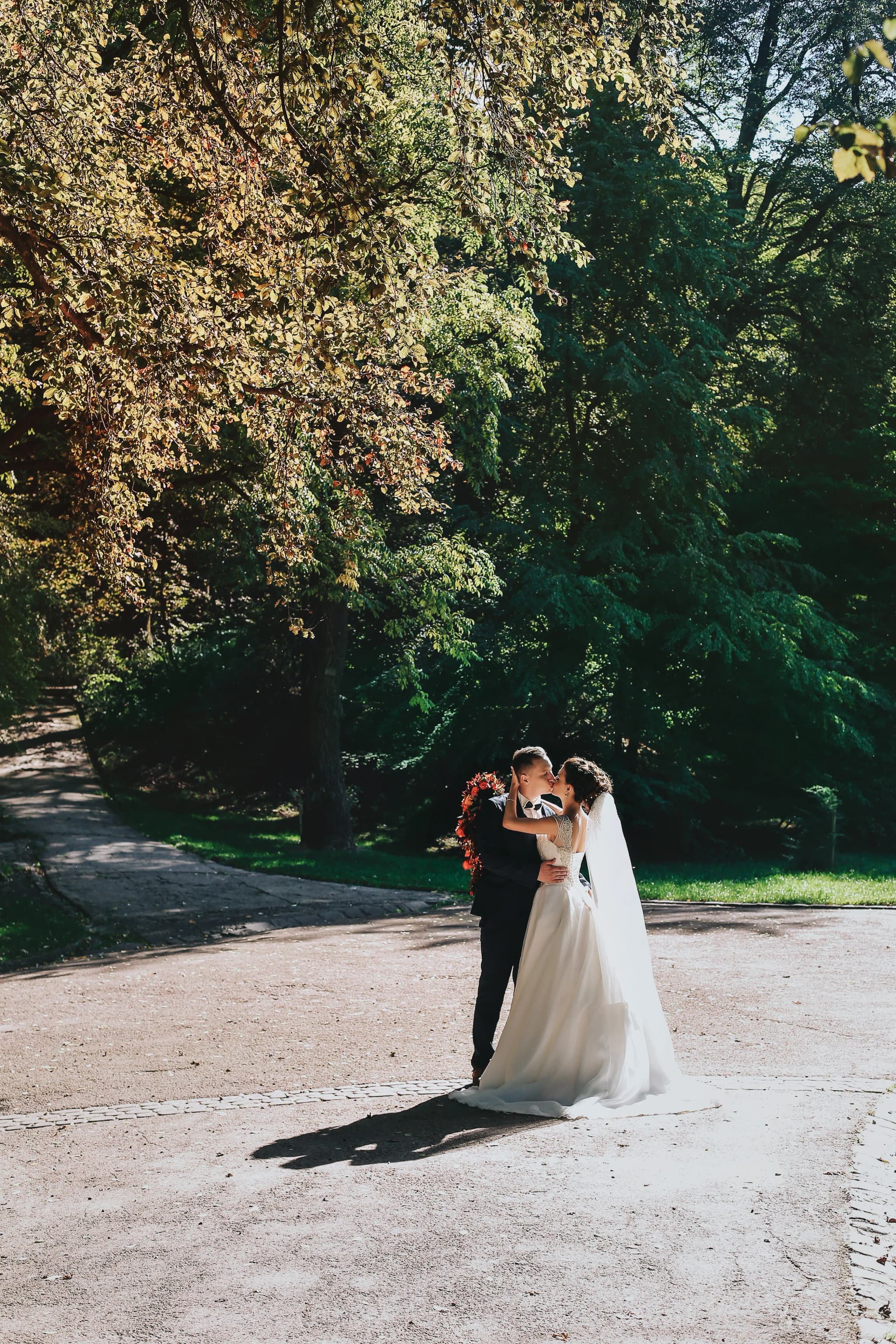
Garden Party Wedding Photography: Champagne, Sunshine & English Charm
By Yana Skakun·19 March 2026·6 min read
The English garden party wedding is one of the most distinctly national wedding aesthetics — and one of the most beautiful to photograph. Striped pavilions and white tents on a summer lawn. Champagne in the afternoon sun. Women in silk dresses and elaborate hats. The hum of conversation and the sound of a string quartet drifting across perfectly cut grass. And behind it all, the house, the garden walls, and four hundred years of English summer tradition quietly holding the whole scene together.
What Makes a Garden Party Wedding Photogenic
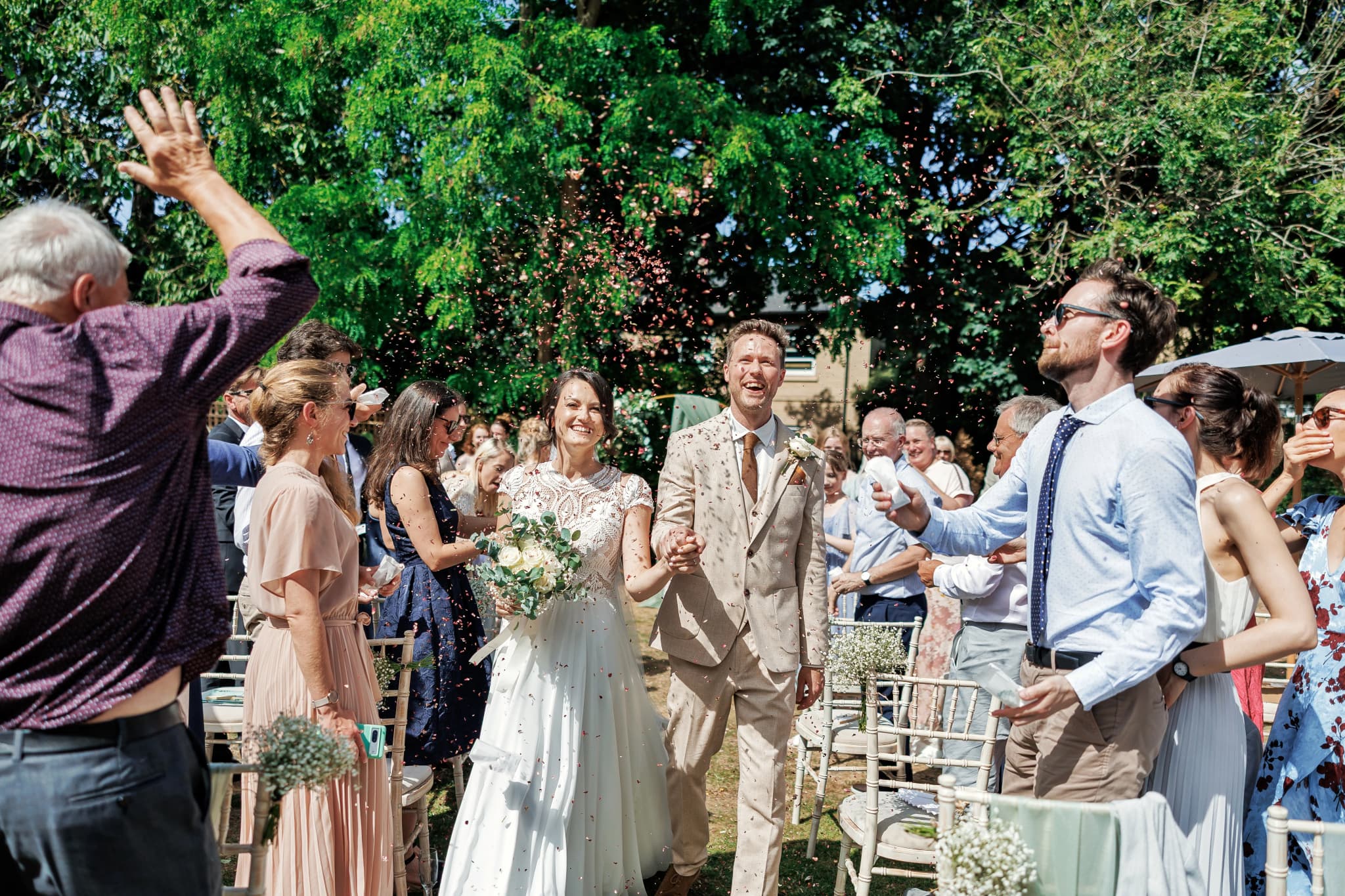
The garden party format creates specific, beautiful photography conditions that few other wedding styles offer in the same combination. There is movement everywhere: guests circulating across a garden space, conversation groups forming and dissolving, children running freely across the lawn — all of it creates candid photography gold, the kind of unplanned moment that no amount of posing can replicate. There is natural light in abundance: an outdoor afternoon reception has the best natural light of any wedding format, and the long English summer evening means photography windows extend late into the day without needing flash.
Texture and colour run through everything as well — straw hats, floral dress prints, bunting strung between trees, chintz tablecloths, roses arranged in enamel jugs on long trestle tables. The visual world of a garden party is rich and beautiful before a single photograph is even taken. And there is real scale to work with: garden parties range from intimate lawn celebrations for forty guests to grand estate events for several hundred, and the space itself, and the way guests move through it, becomes as much a photograph as the people within it.
Essential Garden Party Wedding Photographs
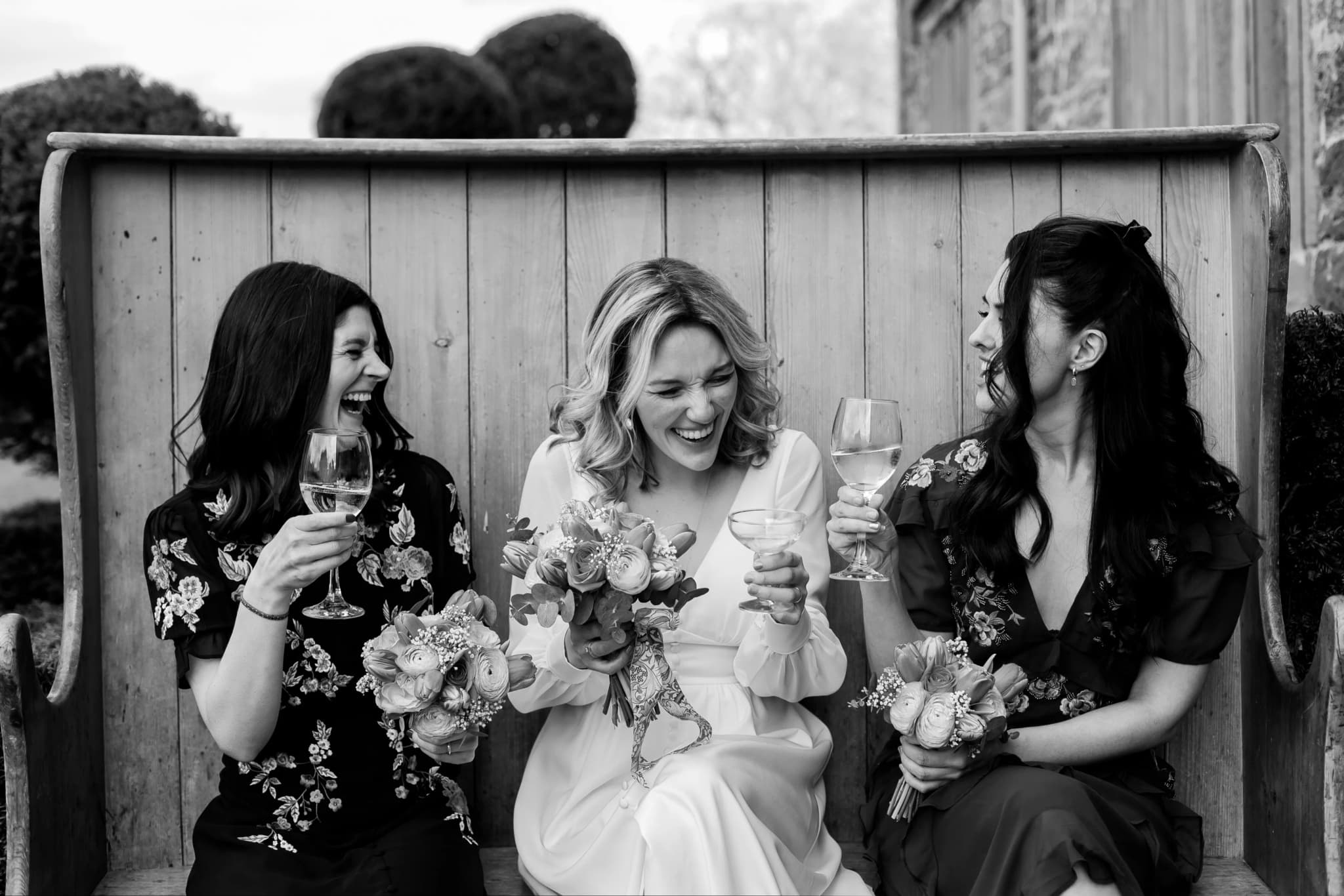
Certain moments recur across almost every garden party wedding I photograph, and I plan my positioning around catching each of them properly. The arrival scene is the first: guests emerging through the garden gate or into the marquee, that first impression of the party seen from across the lawn as everyone gradually gathers. Champagne and conversation follow soon after — the clink of glasses, lateral light passing through glasses of Pimm's, two guests laughing at a garden table in a moment nobody staged.
Children at freedom are almost always among the most loved images from the day. A garden party gives children genuine permission to run, climb, and explore in a way a marquee reception rarely allows, and those candid moments end up being some of the most treasured photographs in the final gallery. Hat details deserve close attention too — women's hat choices at garden party weddings are often extraordinary, wide brims, elaborate fascinators, vintage styles passed down through families, and they reward a photographer willing to get close and capture the detail rather than only the wide shot.
The couple walking together through their own party is a great English tradition worth planning time for — the host couple strolling among their guests, pausing to talk, visibly at ease in their garden on their own wedding day. And as the afternoon turns toward evening, the last light catches across the lawn and the white tent begins to glow from within, which is often the single most photogenic ten minutes of the entire day.
Specific Challenges of the Garden Party Format
Garden party weddings can present distinctive photography challenges that differ from a more tightly scheduled indoor reception. Full midday sun creates harsh shadows across faces, which means the timing of formal portraits needs careful thought around the day's actual schedule rather than being fixed at an arbitrary hour. Large spaces make it harder to control backgrounds, since a beautiful garden often has several competing focal points and it takes a practised eye to choose which direction to shoot in at any given moment.
The informal format itself means some key moments — speeches, cutting the cake, the first dance if there is one — can happen quickly and with less pre-planning than a couple might expect from a more traditional reception. I work closely with coordinators and couples in advance to ensure I know the informal timeline as well as it can be known, and I position myself so I can be ready for each moment as it occurs rather than reacting a beat too late.
Weather remains the biggest variable of all, as with any outdoor English event. I always discuss a wet-weather contingency with couples during planning, so that if the day does not go entirely to plan, the coverage itself is never left to chance.
A note on planning a garden party wedding
This is one of the most beautiful and joyful wedding formats to photograph, but it benefits enormously from a little advance planning around timing, light, and the informal schedule of the day.
Get in touch to discuss your dayChoosing the Right Setting
Not every garden party wedding needs a grand estate. A well-tended private garden, or a smaller country garden venue, can produce results every bit as beautiful as a large formal estate, provided the light and the layout are used thoughtfully. What matters more than scale is variety within the space — somewhere shaded for portraits in harsh sun, an open lawn for the wider group shots, and a corner with some architectural or planting interest for closer, quieter images of the couple.
Whatever the scale of the garden, the format rewards a photographer who understands how to read a large, loosely structured space and find the moments happening within it, rather than one who only knows how to direct a tightly controlled indoor timeline.
Timing a Garden Party Wedding Day
The structure of a garden party wedding day tends to be looser than a formal sit-down reception, and that looseness is part of the charm, but it does mean the timeline benefits from a bit more deliberate planning behind the scenes than guests will ever notice. I usually build in a specific, brief window for the couple's own portraits away from the main party, since a garden full of guests rarely offers a genuinely quiet corner without carving out the time for it deliberately.
I also plan around the natural high points of the afternoon — the arrival of the wedding party, any toasts or speeches, the cutting of the cake — so that I am positioned correctly for each one rather than discovering it is happening from the wrong side of the lawn. A relaxed format does not mean an unplanned one; if anything, the informality of a garden party rewards more preparation on the photography side, precisely because so much of the day is happening simultaneously across a wide, open space.
Dressing for a Garden Party Wedding
Clothing at a garden party wedding tends to carry more colour and pattern than at a more formal indoor reception, and this is worth embracing rather than fighting against in the photography. Floral dresses, pastel suits, and elaborate hats all photograph beautifully against a lawn and a marquee, provided the light is handled with a bit of care to avoid the harshest midday shadows falling across busy patterns.
For the couple themselves, fabric choice matters more outdoors than it does indoors, since a breeze across an open lawn will move a dress or a veil in ways that a still indoor room never will. I keep an eye on wind direction through the day, since it often shapes where the most flattering portrait angles end up being, quite apart from where the light itself is best.
Footwear is worth a practical thought too. Heels sink into soft summer lawns within minutes, and I always mention this gently to couples during planning so there is a backup pair of flat shoes on hand for the portrait session, even if the formal shoes go back on for the reception itself. It is a small detail, but it saves a great deal of frustration on the day and keeps portraits looking relaxed rather than strained.
For the wider guest list, the garden party format tends to bring out a slightly bolder approach to colour and pattern than a more formal city wedding would, and I always find this makes the candid coverage more visually interesting as a set — a sea of florals and pastel linen against green lawn produces a very different, warmer feeling gallery than the more restrained palette of a typical indoor reception.
If you are planning a garden party wedding and want photography that captures both the tradition and the genuine joy of the occasion, get in touch and we can talk through your venue and timings.


Yana Skakun
Photographer · England
Professional wedding, family and portrait photographer based in England. Passionate about capturing authentic emotions and timeless moments.
About Yana →garden party wedding photographygarden party wedding photographer UKEnglish summer garden wedding photos
Wedding Tips — Wedding Photography in Cambridge & England
Yana Skakun is a professional wedding photographer based in Cambridge, covering weddings across England — from intimate elopements to full-day ceremonies at country houses, barns, and city venues. Every couple receives a relaxed, documentary approach that captures the day as it truly unfolds. This guide — Garden Party Wedding Photography: Champagne, Sunshine & English Charm — is part of the photography journal: practical, experience-based advice drawn from real sessions across England. Whether you arrived searching for garden party wedding photography or garden party wedding photographer uk, the same care and attention shapes every session Yana photographs.
Wedding Photography sessions are available year-round, with bookings open across Cambridge, Ely, Huntingdon, Peterborough, and further afield — East England, London, the Midlands, and beyond. If you have specific questions about english summer garden wedding photos, mention it in your enquiry. Get in touch through the contact form above to check availability and discuss your session. Enquiries are welcomed from anywhere in the UK.
Frequently Asked Questions
How much does a wedding photographer cost in England?+
Wedding photography in England typically ranges from £1,500 to £4,000+ for a full day. Price depends on experience, coverage hours, and whether albums or engagement shoots are included. Most photographers charge between £2,000–£3,000 for 8–10 hours of coverage.
How early should you book a wedding photographer?+
For peak season (May–September), book 12–18 months in advance. For autumn and winter weddings, 9–12 months is usually sufficient. Popular photographers at popular venues fill up fast — as soon as you have a date and venue confirmed, start reaching out.
How many photos do you get from a wedding photographer?+
Most professional wedding photographers deliver 400–800 edited images for a full-day wedding. The exact number depends on coverage hours, how many guests there are, and the photographer's editing style. Quality matters more than quantity — a curated gallery of 500 images tells the story better than 1,500 unedited files.
Do you need a second photographer at your wedding?+
A second photographer is helpful if you want simultaneous coverage of getting-ready moments in different locations, multiple angles during the ceremony, or more candid coverage during the reception. It adds cost but significantly increases the variety and completeness of your gallery.
What is the difference between documentary and editorial wedding photography?+
Documentary (reportage) wedding photography captures moments as they happen — the photographer observes and doesn't intervene. Editorial photography involves deliberate direction: placing you in good light, shaping compositions, creating intentional portraits. Most photographers blend both styles throughout the day.
Continue Reading
Related Articles

Wedding Tips
Sustainable Eco-Friendly Wedding Guide — Planning a Green Celebration
15 min read · Read Article
Wedding Tips
Trash the Dress Session — Complete Planning and Photography Guide
14 min read · Read Article
Wedding Tips
Client Communication for Photographers — From Enquiry to Gallery Delivery
15 min read · Read Article
Get in Touch
Ready to Book Your Session?
Get in touch to discuss your vision — I'll reply within 24 hours.