Yana Skakun
Wedding morning photography: Capturing the getting ready moments
By Yana Skakun·28 February 2026·6 min read
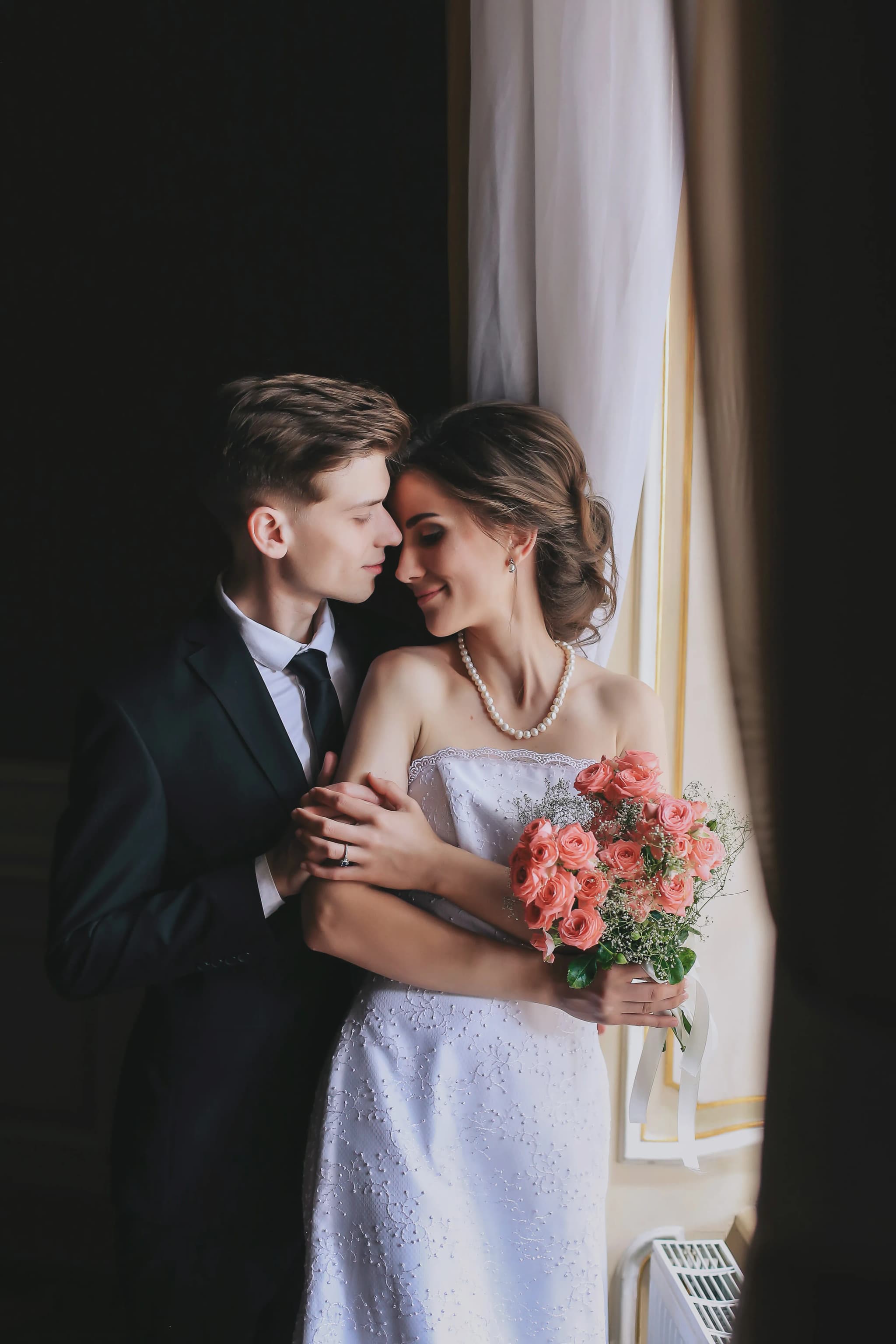
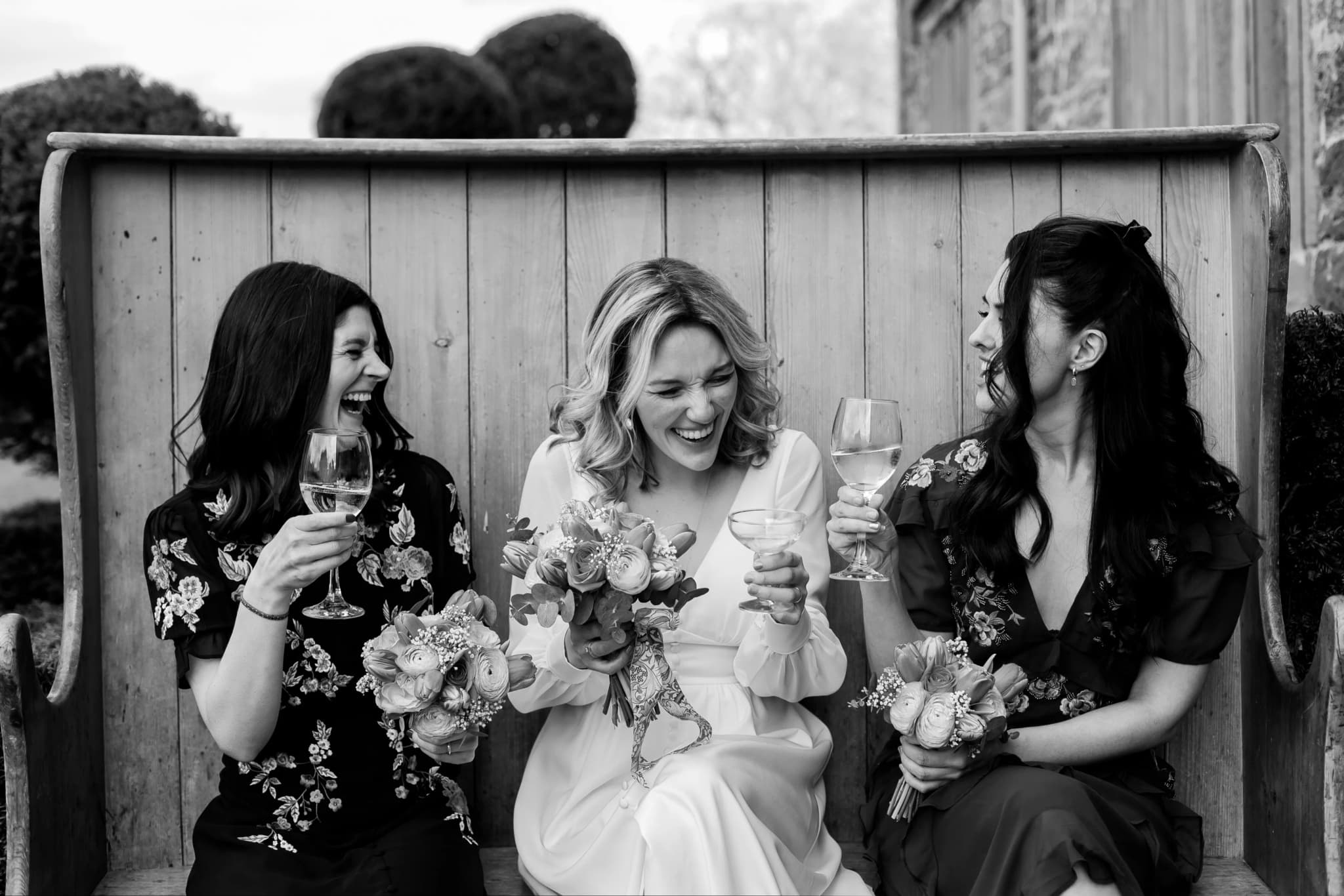
The getting-ready morning is, in my experience, often the most emotionally charged part of a whole wedding day, and it is also the part most couples give the least thought to when planning their photography coverage. It is where nerves and excitement genuinely mix together, where the closest people in your life gather around you, and where the reality of what is about to happen starts to properly land. Photographing it well takes technical skill, but more than that, it takes the ability to be a calm, almost invisible presence in a room that is already full of activity.
Many of the couples I work with tell me afterwards that getting-ready is their favourite part of the finished album, which surprises some of them at the planning stage. It is where you look most like yourself — before the ceremony, before a room full of guests, before the day becomes, in a sense, a performance for other people.
Why This Part of the Day Deserves Real Attention
Getting-ready photographs tell the before story — the anticipation, the preparation, and the relationships that matter most to you, captured before the day's formality takes over. They also give a wedding album genuine visual variety: soft natural light, unguarded candid moments, real emotional reactions, and small details that will not exist anywhere else in the coverage, because they only happen once, in that one room, on that one morning.
It is also, practically speaking, the part of the day where I have the most freedom to work quietly and unobtrusively, moving around a room rather than being positioned formally at the front of a ceremony or a top table. That freedom tends to produce some of the most natural images across the whole day.
A Rough Timeline for the Morning
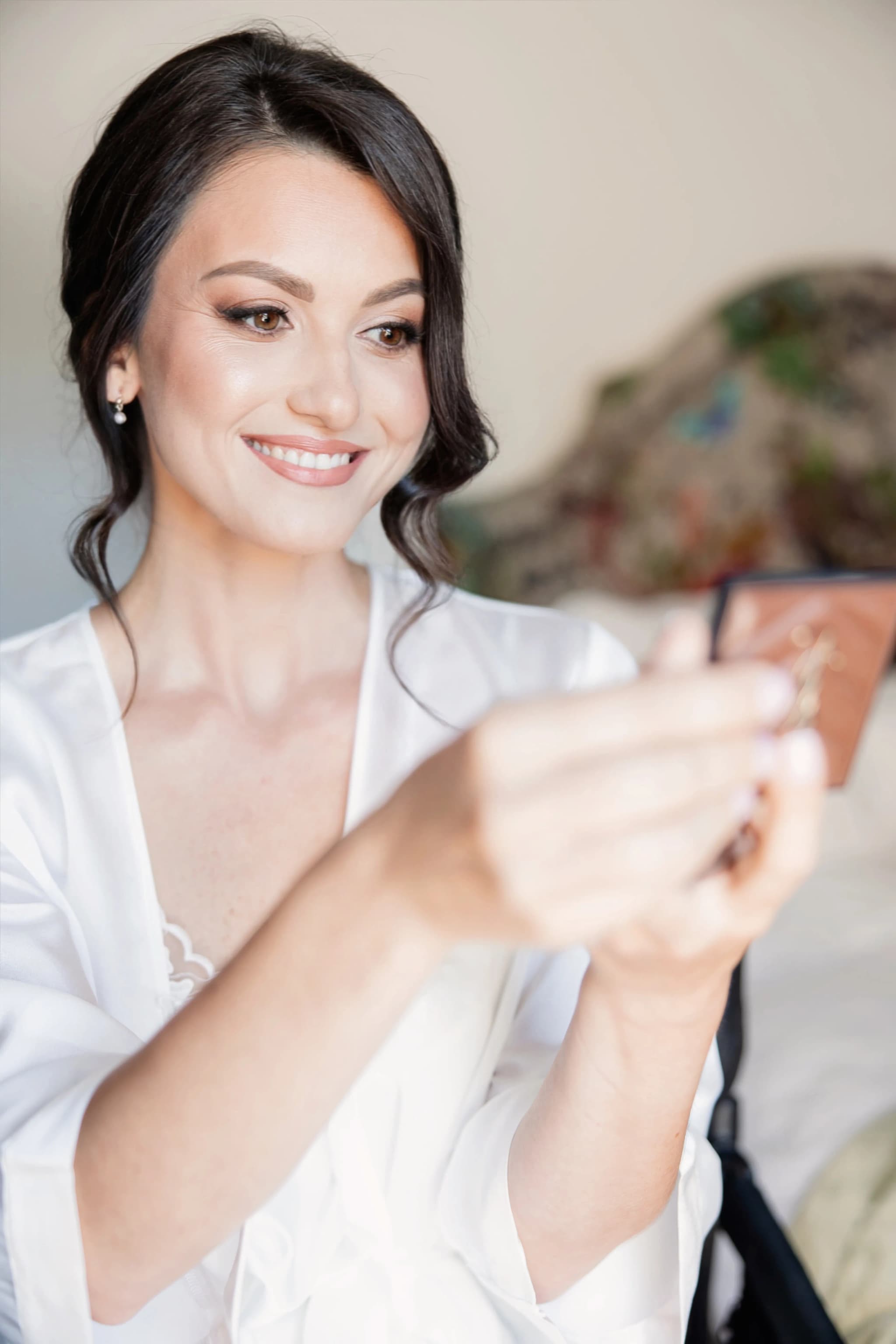
I generally arrive around two hours before the ceremony to start with the details — the dress on its hanger, shoes, rings, florals, and any jewellery laid out before things get busier. In the final ninety minutes before the ceremony, hair and make-up are usually reaching their last stages, which gives good opportunities for close-up candids of the styling process itself and the moment of actually getting into the dress.
With around an hour to go, I move into dress-on portraits, and this is often where a first look with bridesmaids or a parent happens, if that is something you have planned. Group portraits — the bridal party, parents, bridesmaids together — tend to fit into the last forty-five minutes, followed by travel to the ceremony or, for couples who have chosen one, a private pre-ceremony moment together roughly half an hour before things begin properly.
Planning your wedding morning
If you would like help thinking through timings for your getting-ready morning, or the wider wedding day schedule, I am happy to talk it through before your date.
Ask about wedding day coveragePreparing the Room Itself
The single biggest practical challenge with getting-ready photography is the room, not the people in it. Hotel suites and bridal preparation rooms are very often cluttered by the time the morning is in full swing — dressing gowns draped over chairs, open suitcases on the bed, empty bottles and takeaway cups accumulating without anyone quite noticing. A little pre-session tidying makes a genuinely large difference to how the finished photographs look.
It helps to clear surfaces of general clutter before I arrive, and to position the main preparation area near a natural window rather than relying on overhead fluorescent lighting, which tends to flatten skin tones and cast unflattering shadows. Asking venue staff to remove any extra chairs, trollies, or unused furniture from the room, keeping a steamer on hand for the dress, and designating one clear area for the bride's details — rings, shoes, and florals together — all help enormously on the morning itself.
Making Sure the Groom's Morning Gets Proper Coverage
Groom getting-ready photography is genuinely underrated, and it is worth planning for properly rather than as an afterthought. With a second photographer, simultaneous coverage of both the bride's and groom's preparation is straightforward. With a single photographer covering the whole day, groom coverage typically happens as a focused thirty-to-forty-five-minute session — cufflinks, ties, a group shot with groomsmen — either ahead of the bride's session or on arrival at the ceremony venue itself.
Either way, I would always encourage couples to ask specifically how groom coverage will be handled when booking a photographer, since it is one of the details that gets overlooked most often in initial conversations about the day.
Deciding Whether a First Look Is Right for You
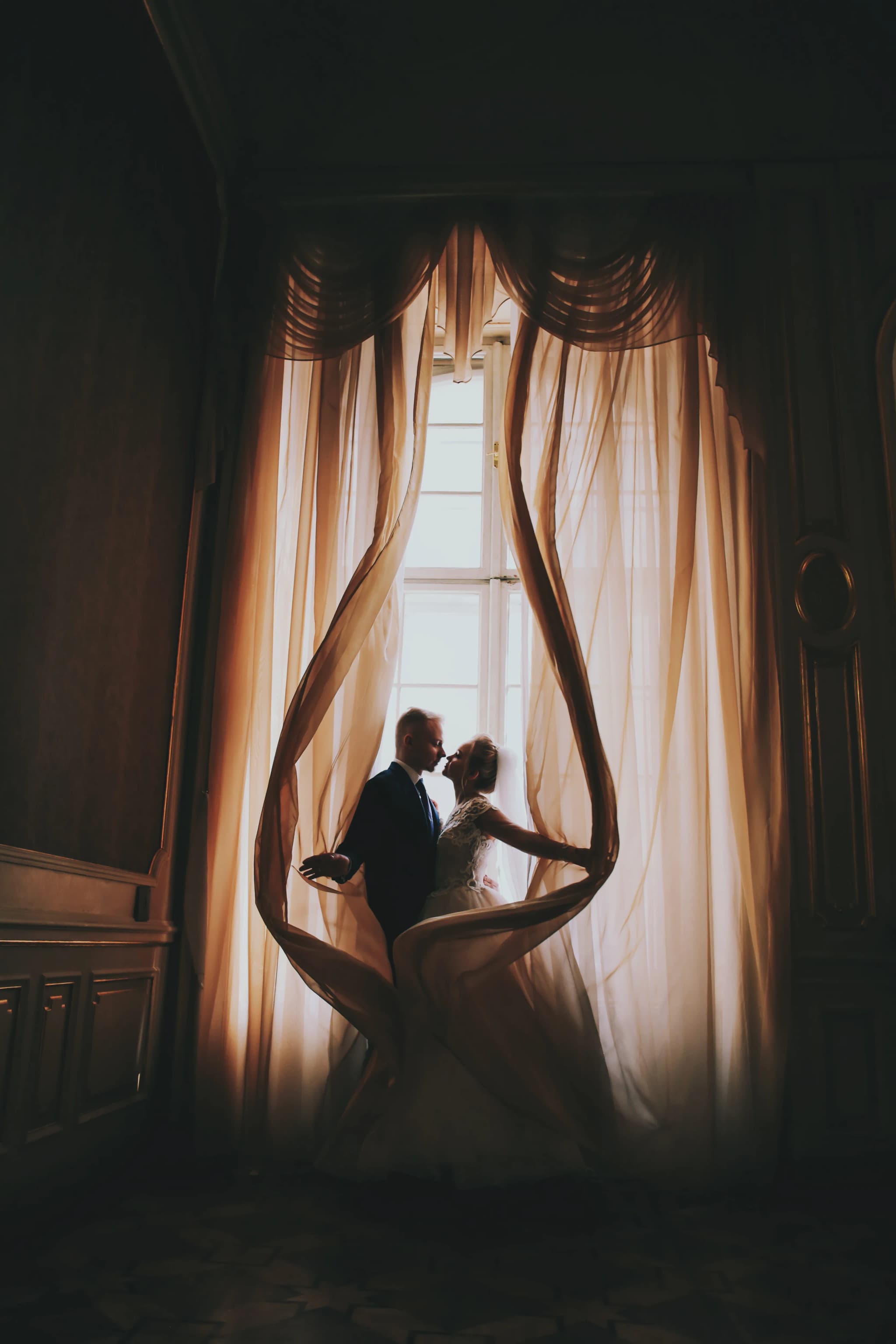
Some couples choose to see each other privately before the ceremony — a first look, captured quietly by the photographer rather than in front of guests. It produces an extraordinarily emotional, intimate image, tends to relieve pre-ceremony nerves considerably, and opens up time for extended couple portraits before guests even arrive at the venue. It is a genuinely personal choice, and I do not think it is better or worse than the more traditional aisle reveal — simply a different emotional shape for the day.
Couples who choose a first look often find the rest of the day runs more smoothly as a result, simply because the bulk of the couple portraits are already done before the ceremony, which frees up the reception timeline considerably and means less time spent away from guests later in the evening. Couples who prefer the traditional reveal at the aisle tend to describe a different kind of value in it — a single, unrepeatable moment shared with a full room of guests rather than privately. Neither approach is more photogenic than the other; they simply produce different kinds of images.
Who Should Be in the Room
It is worth thinking in advance about who you actually want present during getting-ready, rather than letting the room fill up organically. A smaller, calmer group — your closest bridesmaids or a parent, rather than an entire extended family — tends to produce a more relaxed atmosphere and, in turn, more natural photographs. If you do want a larger group present for part of the morning, it can help to schedule their arrival for a specific window rather than having everyone there from the very start, so the room does not feel crowded during the quieter early stages of preparation.
Whatever you decide, the getting-ready morning is worth planning with the same care as the ceremony and reception. If you would like to talk through how to structure yours, or discuss a first look, get in touch and I can help you plan the timeline properly.

Yana Skakun
Photographer · England
Professional wedding, family and portrait photographer based in England. Passionate about capturing authentic emotions and timeless moments.
About Yana →wedding getting ready photosbridal preparations photographywedding morning photographybride getting ready photography UKhow long to get ready wedding photography
Wedding Tips — Wedding Photography in Cambridge & England
Yana Skakun is a professional wedding photographer based in Cambridge, covering weddings across England — from intimate elopements to full-day ceremonies at country houses, barns, and city venues. Every couple receives a relaxed, documentary approach that captures the day as it truly unfolds. This guide — Wedding morning photography: Capturing the getting ready moments — is part of the photography journal: practical, experience-based advice drawn from real sessions across England. Whether you arrived searching for wedding getting ready photos or bridal preparations photography, the same care and attention shapes every session Yana photographs.
Wedding Photography sessions are available year-round, with bookings open across Cambridge, Ely, Huntingdon, Peterborough, and further afield — East England, London, the Midlands, and beyond. If you have specific questions about wedding morning photography, mention it in your enquiry. Get in touch through the contact form above to check availability and discuss your session. Enquiries are welcomed from anywhere in the UK.
Frequently Asked Questions
How much does a wedding photographer cost in England?+
Wedding photography in England typically ranges from £1,500 to £4,000+ for a full day. Price depends on experience, coverage hours, and whether albums or engagement shoots are included. Most photographers charge between £2,000–£3,000 for 8–10 hours of coverage.
How early should you book a wedding photographer?+
For peak season (May–September), book 12–18 months in advance. For autumn and winter weddings, 9–12 months is usually sufficient. Popular photographers at popular venues fill up fast — as soon as you have a date and venue confirmed, start reaching out.
How many photos do you get from a wedding photographer?+
Most professional wedding photographers deliver 400–800 edited images for a full-day wedding. The exact number depends on coverage hours, how many guests there are, and the photographer's editing style. Quality matters more than quantity — a curated gallery of 500 images tells the story better than 1,500 unedited files.
Do you need a second photographer at your wedding?+
A second photographer is helpful if you want simultaneous coverage of getting-ready moments in different locations, multiple angles during the ceremony, or more candid coverage during the reception. It adds cost but significantly increases the variety and completeness of your gallery.
What is the difference between documentary and editorial wedding photography?+
Documentary (reportage) wedding photography captures moments as they happen — the photographer observes and doesn't intervene. Editorial photography involves deliberate direction: placing you in good light, shaping compositions, creating intentional portraits. Most photographers blend both styles throughout the day.
Continue Reading
Related Articles

Wedding Tips
Sustainable Eco-Friendly Wedding Guide — Planning a Green Celebration
15 min read · Read Article
Wedding Tips
Trash the Dress Session — Complete Planning and Photography Guide
14 min read · Read Article
Wedding Tips
Client Communication for Photographers — From Enquiry to Gallery Delivery
15 min read · Read Article
Get in Touch
Ready to Book Your Session?
Get in touch to discuss your vision — I'll reply within 24 hours.