Yana Skakun

Getting Ready Room Mistakes That Guarantee Cluttered Photos
By Yana Skakun·10 June 2026·5 min read
The getting-ready coverage sets the emotional tone for your entire wedding album, yet it's the part most couples accidentally sabotage before the photographer even arrives. Cluttered dressing tables, overflowing garment bags, and a room that looks like a jumble sale — these are not bad luck, they are predictable and entirely avoidable. Understanding what goes wrong and why is the first step toward photographs that genuinely reflect the calm, joyful morning you deserve.
Why Getting-Ready Rooms Go Wrong
Most bridal suites and hotel rooms are not large spaces. Add a bride, three or four bridesmaids, a make-up artist with an open kit, a hair stylist with a travel case, multiple sets of shoes, a dress on a hanger, and the random debris of a morning — coffee cups, phone chargers, spare fascinators — and the room transforms from a stylish backdrop into controlled chaos. What feels perfectly manageable in person photographs as pandemonium.
The camera compresses depth. A single handbag left on the window ledge behind you can appear, in a photograph, to be sitting directly on your head. A pile of coats thrown over a chair in the corner of the room becomes the dominant visual element in a wide shot. Photographers are trained to see these hazards, but in a genuinely cluttered room there is simply nowhere to turn the lens without capturing something distracting.
The good news is that the fix requires no money and very little extra time. It requires only a plan — and ideally, a trusted person to execute it on the morning while you focus on getting ready.
The Six Most Common Mistakes (and How to Avoid Each One)
Over years of photographing weddings across Cambridge, Ely, Suffolk, and into London, the same problems appear again and again regardless of venue budget or room size. These are the culprits most likely to steal the beauty from your getting-ready photographs.
- ◆Plastic and carrier bags left in frame: Garments arrive in dry-cleaning bags, accessories in plastic carrier bags from the shop. These catch light badly and look terrible in photographs. Designate one wardrobe, cupboard, or bathroom to receive all packaging the moment it is removed — out of sight before the camera appears.
- ◆No designated 'flat lay' surface: The rings, the perfume, the earrings, the invitation card — these details matter and they deserve a clean surface. A white or cream hand towel placed on a windowsill or dressing table costs nothing and gives your photographer a ready-made detail station that photographs beautifully every time.
- ◆Wrong window placement: Natural light from a window is almost always the most flattering light source in a getting-ready room. If your chair is positioned with the window behind you, your face will be in shadow. Ask your make-up artist to place you facing the window, not with your back to it. This single change can dramatically improve every portrait taken during hair and make-up.
- ◆Too many people in a small space: It is natural to want everyone present, but a small hotel room with eight people in it is genuinely difficult to photograph well. Consider asking a few guests to wait in the hotel bar or lounge for the first hour and join once hair and make-up is finished. The photographs during the intimate moments — zipping the dress, a quiet exchange with your mother — require space and quiet.
- ◆Dressing gowns and matching pyjamas treated as an afterthought: If you have matching robes or pyjamas for the morning, they are worth investing in properly. Thin, scratchy polyester in a bright colour photographs very differently from a simple white cotton robe or a silk kimono. UK brands like The Bridal Robe Company offer options that photograph beautifully without requiring a significant budget.
- ◆Forgetting to steam the dress the evening before: A freshly steamed dress hanging in the room is one of the most photographed elements of the morning. If the dress arrives with creases and is steamed at the last minute, you lose that window. Arrange for steaming the evening before, hang the dress somewhere prominent but uncluttered, and it becomes an effortless hero shot for your album.
Timing: The Hidden Factor in Getting-Ready Coverage
Even a perfectly tidy room cannot produce good photographs if the schedule is collapsing. Getting-ready coverage works best when there is a gentle buffer built into the morning — not a frantic race to the finish. The most common timing mistake is booking hair and make-up to finish exactly when the photographer is due to arrive for portraits. In practice, things always run slightly behind: someone's trial look needs adjusting, a bridesmaid spills something, the hotel breakfast takes longer than expected.
A practical rule: build thirty minutes of empty time between "ready" and "need to leave." This is not wasted time. It is the time during which the most relaxed, genuinely joyful photographs happen — when everyone is dressed and gorgeous but not yet rushing. It is the time for the first reaction when your mother sees you in your dress. It is the time for the quiet moment alone before the ceremony begins. These are the photographs people frame.
When I work with couples during our planning consultation, we build the morning timeline together, working backwards from the ceremony start and building in realistic buffers at each stage. Weddings at venues like Anstey Hall in Trumpington or Elton Hall in Peterborough often have multiple getting-ready locations to coordinate — getting the timing right across all of them is something worth planning carefully rather than leaving to the morning itself.
Preparing Your Space: A Simple Pre-Morning Checklist
The evening before your wedding, ask someone you trust — a bridesmaid, your maid of honour, or your wedding coordinator — to spend twenty minutes preparing the getting-ready space. The checklist is straightforward but makes an enormous difference to the photographs.
Clear all visible surfaces except one, which you designate for details. Place all bags, cases, and extra clothing into one cupboard or bathroom and close the door. Hang the dress in front of the best light source in the room — ideally a north-facing window for soft, even light, or any window away from direct morning sun. Lay the veil, shoes, and accessories neatly nearby or on a clean surface. Remove all branded plastic packaging. If the room has ugly overhead lighting, ask the venue if a standard lamp or two can be brought in — warm lamp light is far more flattering than a fluorescent ceiling panel.
None of this takes more than twenty minutes. The difference in your photographs will be visible on every page of your album.
What Your Photographer Should Be Doing During Getting Ready
A good wedding photographer does not simply point the camera at whoever is in the chair. They arrive early enough to assess the room, identify the best light, move any remaining clutter quietly and without disrupting the mood, and begin building a picture of the morning before anything critical happens. They capture the small details — the earrings on the card from your grandmother, the shoes your father paid for, the text message from your partner — alongside the bigger moments.
They also manage the energy in the room. A calm, confident presence behind the lens makes everyone relax. When people are relaxed, they forget the camera is there. When they forget the camera is there, they stop posing and start simply being — and that is when the photographs that make you cry happen.
The getting-ready session is not a formality to be ticked off before the real photography begins. It is the opening chapter of your wedding story, and the chapter that sets the emotional register for everything that follows. Treat it with the same care you give the ceremony and the reception, and your photographs will reflect that intention.
Want Getting-Ready Photographs That Actually Look Like You?
I photograph weddings across Cambridge, Cambridgeshire, and the wider UK with an approach that prioritises the quiet, real moments — and I plan every morning timeline with couples in advance so nothing is left to chance. If you're still searching for a photographer who will help you get these details right, let's talk.
Check Your Date →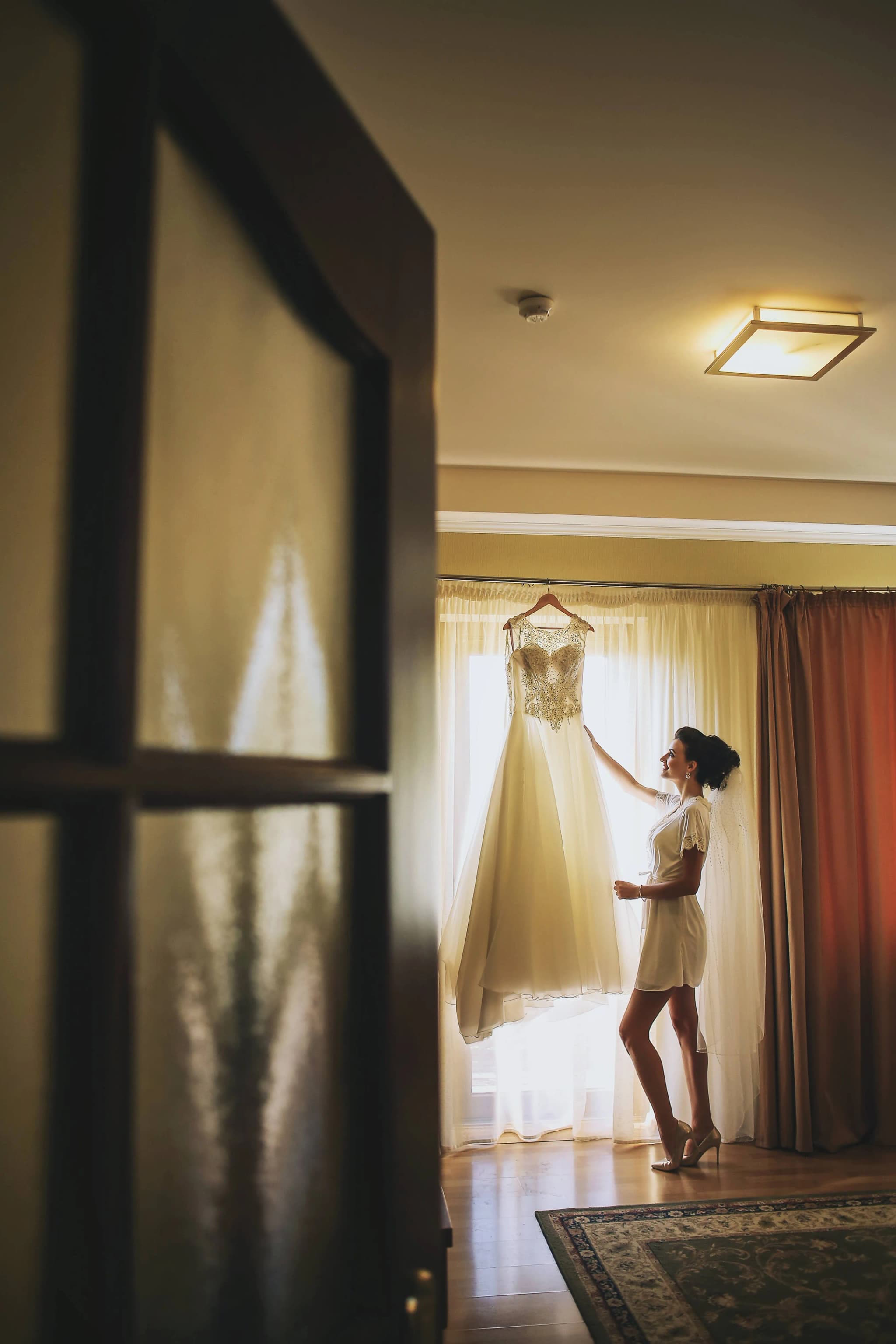

Yana Skakun
Photographer · England
Professional wedding, family and portrait photographer based in England. Passionate about capturing authentic emotions and timeless moments.
About Yana →gettingreadyroommistakes
Wedding Tips — Wedding Photography in Cambridge & England
Yana Skakun is a professional wedding photographer based in Cambridge, covering weddings across England — from intimate elopements to full-day ceremonies at country houses, barns, and city venues. Every couple receives a relaxed, documentary approach that captures the day as it truly unfolds. This guide — Getting Ready Room Mistakes That Guarantee Cluttered Photos — is part of the photography journal: practical, experience-based advice drawn from real sessions across England. Whether you arrived searching for getting or ready, the same care and attention shapes every session Yana photographs.
Wedding Photography sessions are available year-round, with bookings open across Cambridge, Ely, Huntingdon, Peterborough, and further afield — East England, London, the Midlands, and beyond. If you have specific questions about room, mention it in your enquiry. Get in touch through the contact form above to check availability and discuss your session. Enquiries are welcomed from anywhere in the UK.
Frequently Asked Questions
How much does a wedding photographer cost in England?+
Wedding photography in England typically ranges from £1,500 to £4,000+ for a full day. Price depends on experience, coverage hours, and whether albums or engagement shoots are included. Most photographers charge between £2,000–£3,000 for 8–10 hours of coverage.
How early should you book a wedding photographer?+
For peak season (May–September), book 12–18 months in advance. For autumn and winter weddings, 9–12 months is usually sufficient. Popular photographers at popular venues fill up fast — as soon as you have a date and venue confirmed, start reaching out.
How many photos do you get from a wedding photographer?+
Most professional wedding photographers deliver 400–800 edited images for a full-day wedding. The exact number depends on coverage hours, how many guests there are, and the photographer's editing style. Quality matters more than quantity — a curated gallery of 500 images tells the story better than 1,500 unedited files.
Do you need a second photographer at your wedding?+
A second photographer is helpful if you want simultaneous coverage of getting-ready moments in different locations, multiple angles during the ceremony, or more candid coverage during the reception. It adds cost but significantly increases the variety and completeness of your gallery.
What is the difference between documentary and editorial wedding photography?+
Documentary (reportage) wedding photography captures moments as they happen — the photographer observes and doesn't intervene. Editorial photography involves deliberate direction: placing you in good light, shaping compositions, creating intentional portraits. Most photographers blend both styles throughout the day.
Continue Reading
Related Articles

Wedding Tips
Sustainable Eco-Friendly Wedding Guide — Planning a Green Celebration
15 min read · Read Article
Wedding Tips
Trash the Dress Session — Complete Planning and Photography Guide
14 min read · Read Article
Wedding Tips
Client Communication for Photographers — From Enquiry to Gallery Delivery
15 min read · Read Article
Get in Touch
Ready to Book Your Session?
Get in touch to discuss your vision — I'll reply within 24 hours.