Yana Skakun
Golden hour photography: Why magic light makes the most beautiful wedding photos
By Yana Skakun·20 March 2025·6 min read
Ask most wedding photographers which twenty minutes of the day they would protect above all others, and the answer is almost always the same: golden hour, that stretch of warm, low, directional light in the hour or so before sunset. It is the single most requested effect in wedding photography, and yet it is also the part of the day most likely to get quietly squeezed out by a running-late timeline. Planning for it properly, well before the wedding day itself, is the difference between having it and losing it.
Why Golden Hour Matters So Much for Wedding Portraits
The light in the last hour before sunset behaves very differently from light at any other point in the day. Because the sun sits low on the horizon, its rays travel through much more atmosphere before reaching you, scattering out the harsher blue tones and leaving a warm, amber-heavy light that flatters skin in a way midday sun simply cannot. The low angle also means shadows fall long and soft rather than short and hard — there is none of the harsh nose-shadow or squinting that comes with photographing a couple at midday in bright sun.
It is also, quite simply, romantic in a way that is hard to manufacture at any other time. Couples who step away from their reception for twenty minutes of golden hour portraits consistently describe it afterwards as one of the most memorable parts of the day — a brief pause, just the two of them, away from the noise and schedule of the wedding, with light doing something genuinely beautiful around them. Those images tend to become the ones couples print largest and keep looking at for years.
Sunset Times Through the UK Wedding Season
One of the first things I do when a couple books their wedding date is check what sunset looks like that day, because it varies enormously across the UK wedding season. A June wedding might have sunset as late as half past nine, meaning golden hour does not arrive until around eight — well into the reception, which needs to be accounted for in the timeline. A September wedding sees sunset drift back to around half past seven, with golden hour from roughly half past six. By October, sunset can be as early as six o'clock, pulling golden hour into what feels like mid-afternoon by summer standards, and a January wedding might see the sun down by half past three, ruling out an evening golden hour altogether and shifting the plan to afternoon light instead.
This means a "standard" wedding day timeline genuinely cannot be copied from one wedding to the next. A timeline built around an August sunset will not work at all for a November wedding, and vice versa. I build each couple's timeline around their specific date's sunset time from the outset, rather than adjusting a generic template afterwards.
Building Golden Hour Into the Day's Timeline
The single most common reason couples miss their golden hour portraits is not weather — it is timeline drift. Ceremonies run long, drinks receptions overrun, speeches take longer than planned, and by the time anyone thinks about stepping outside for photographs, the light has already gone. The way to avoid this is to build a specific, named slot into the day's schedule for portraits, ideally forty-five minutes to an hour before sunset, and to protect that slot the way you would protect the ceremony start time itself.
In practice this usually means slipping away from the wedding breakfast or the early part of the evening reception for somewhere between fifteen and thirty minutes. It is a small amount of time relative to the whole day, and guests barely notice the couple has gone, but the resulting images are disproportionately valuable. I coordinate directly with the venue coordinator or best man on the day to make sure this window actually happens rather than simply hoping it will.
For couples getting married in the depths of winter, when there may be no realistic evening golden hour to speak of, I plan an equivalent portrait window around midday or early afternoon light instead, which in winter has a similar low, warm quality to summer's evening golden hour — it is simply a case of finding the right window for the season rather than forcing a summer plan onto a winter date.
Planning your wedding day timeline
Getting golden hour into your day starts with the timeline, months before the wedding. Get in touch and I'll help you plan around your specific date's light.
Discuss your wedding timelineBacklight, Silhouettes, and the Images Golden Hour Makes Possible
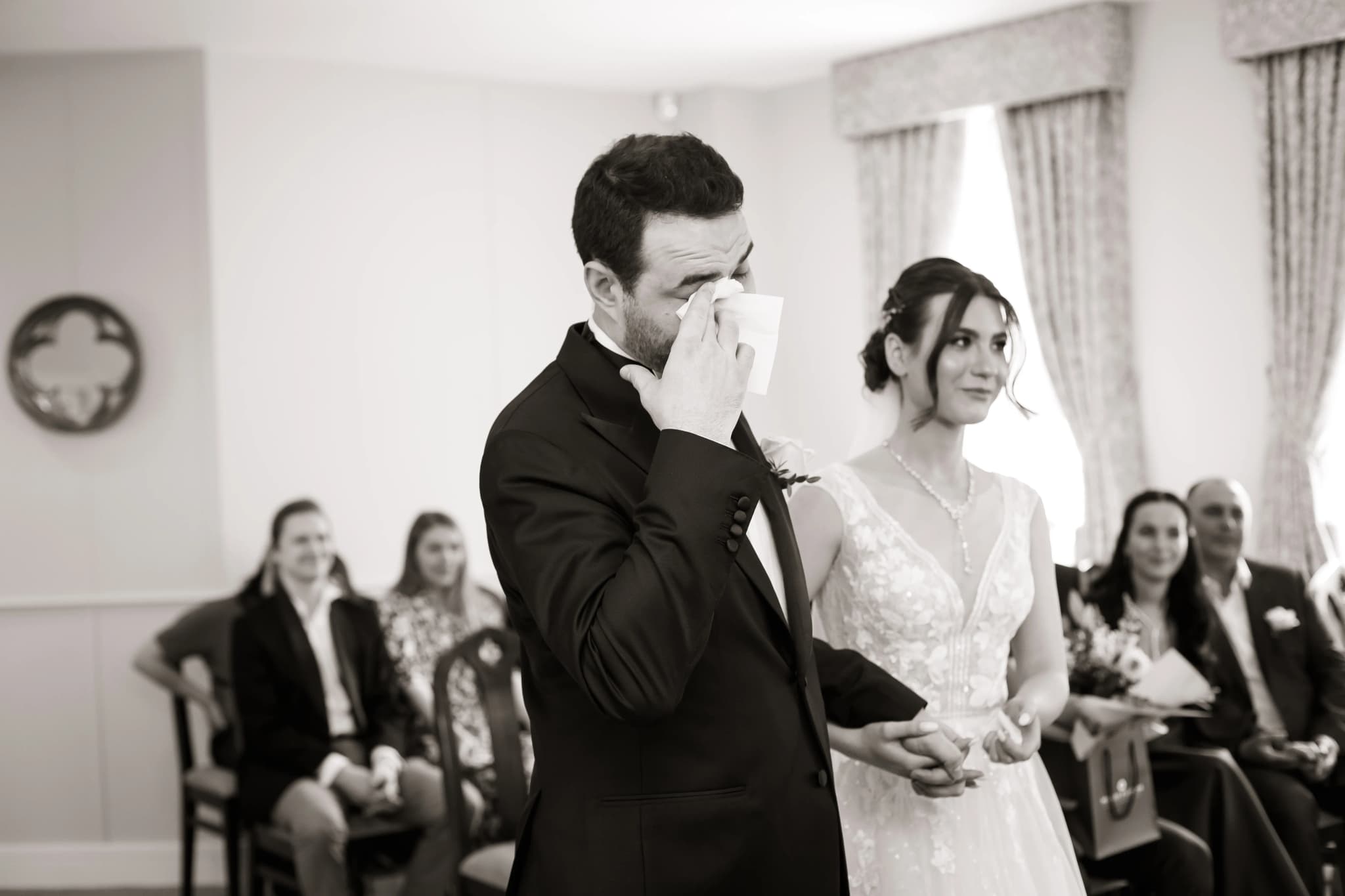
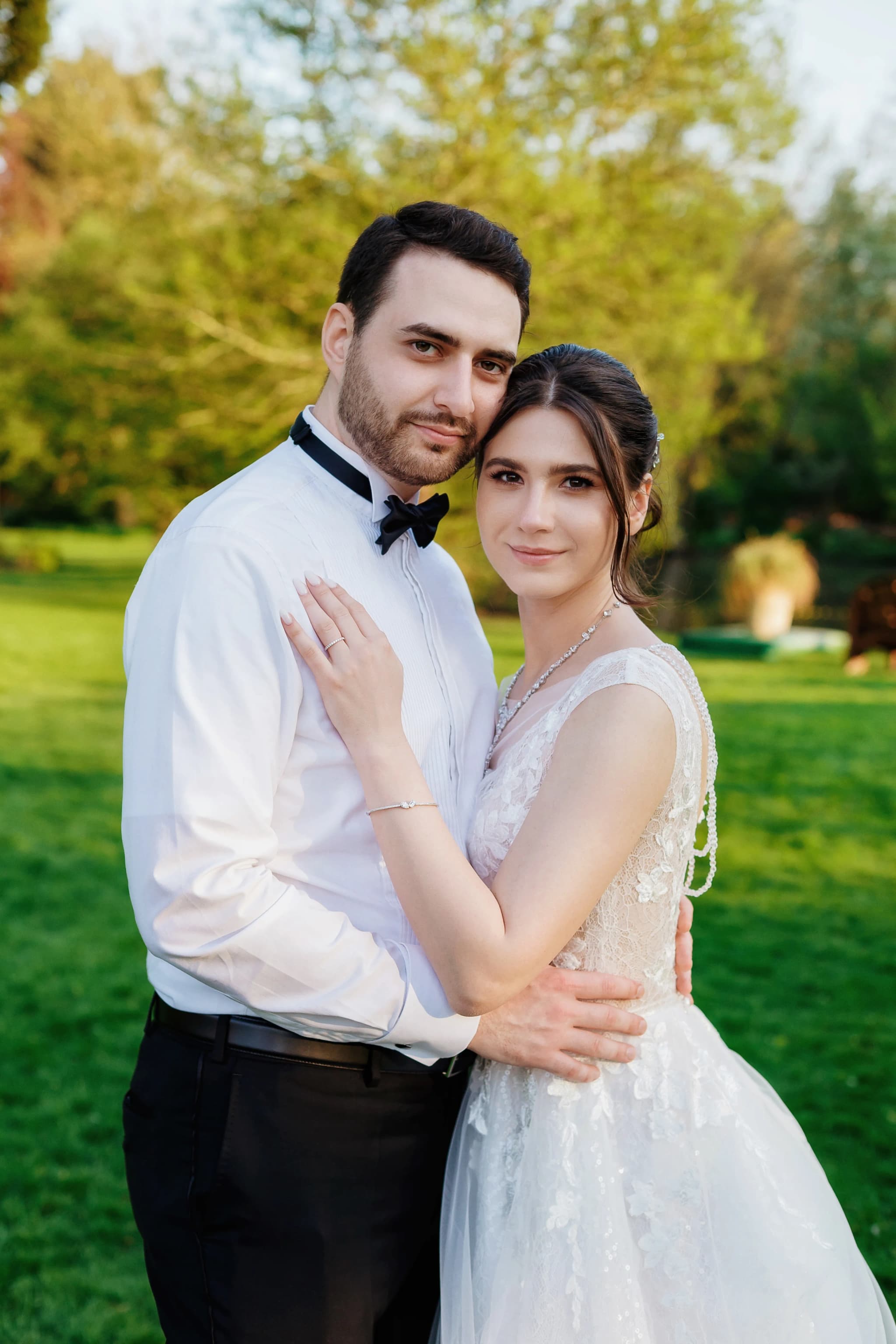
Once we are actually in that window, golden hour opens up a range of images that are simply not available at other times of day. Backlighting — positioning the couple with the sun behind them — produces the glowing rim-light and soft lens flare that has become something of a signature look in wedding photography, and it works particularly well with a veil, which catches and diffuses the light beautifully when lit from behind. As the sun drops closer to the horizon, silhouettes become possible too — a couple's outline against a deep orange sky is one of the more dramatic images a wedding day can produce, and it needs almost no additional light or equipment to achieve well.
Side lighting, with the sun at somewhere between forty five and ninety degrees to the couple, tends to produce the most classically flattering portraits — warmth across the face without the couple needing to squint directly into the sun. I generally move between a few different angles and framings within the golden hour window itself, because the light itself keeps shifting in colour and intensity as the sun continues to drop, and different angles suit different points within that window.
Choosing a Location That Suits the Light
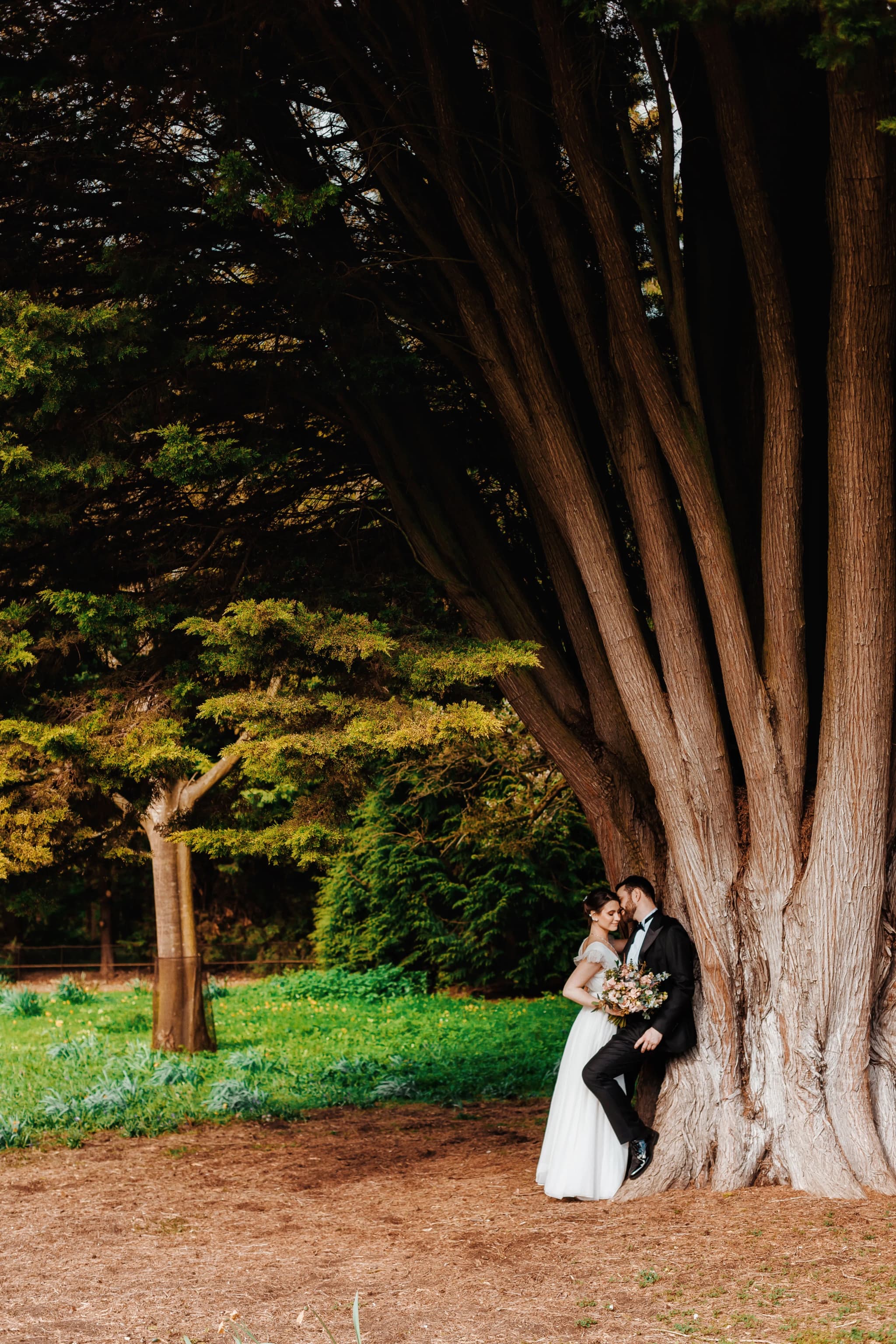
Not every wedding venue is set up to make the most of golden hour, and it is worth thinking about this specifically when scouting where the portrait session itself will happen, as distinct from the ceremony and reception locations. A walled garden or a spot enclosed by tall trees to the west can lose the last twenty or thirty minutes of usable golden light entirely, simply because the sun disappears behind an obstruction well before it actually sets. An open field, a riverside path, or high ground with a clear view to the horizon all hold the light for considerably longer.
Many of the venues I work with regularly across Cambridgeshire have at least one spot that catches the evening light well, even if the main grounds are more enclosed, and part of my preparation before a wedding is identifying that spot in advance rather than discovering it for the first time on the day itself. If your venue is new to me, I will usually try to visit beforehand, or at minimum review it carefully online, specifically with this in mind.
For couples marrying at a venue with genuinely limited access to open western sky, it is still entirely possible to get beautiful evening portraits — the softer, cooler blue hour light that follows sunset is a strong alternative in its own right, and does not depend on an unobstructed horizon in the same way golden hour does. The two are simply different tools, and I plan for whichever suits the actual site rather than insisting on one approach regardless of the setting.
What If Your Wedding Day Is Overcast?
It is worth saying plainly: a grey, overcast wedding day is not a photography disaster. Cloud cover acts as an enormous natural softbox, diffusing the sun's light evenly across the whole sky rather than concentrating it in one direction, and the resulting light is soft and flattering in its own right, even without the golden warmth of a clear evening. Some genuinely lovely wedding photographs I have taken have been on days with no direct sun at all — the drama comes from the sky itself, the richness of colour in the clothing and flowers, and the closeness of the moments between people rather than from the specific quality of the light. Golden hour is wonderful when it is available, but it is one tool among several, not a requirement for beautiful wedding photographs.


Yana Skakun
Photographer · England
Professional wedding, family and portrait photographer based in England. Passionate about capturing authentic emotions and timeless moments.
About Yana →golden hour wedding photosgolden hour photography UKbest time wedding photographysunset wedding photos England
Wedding Tips — Wedding Photography in Cambridge & England
Yana Skakun is a professional wedding photographer based in Cambridge, covering weddings across England — from intimate elopements to full-day ceremonies at country houses, barns, and city venues. Every couple receives a relaxed, documentary approach that captures the day as it truly unfolds. This guide — Golden hour photography: Why magic light makes the most beautiful wedding photos — is part of the photography journal: practical, experience-based advice drawn from real sessions across England. Whether you arrived searching for golden hour wedding photos or golden hour photography uk, the same care and attention shapes every session Yana photographs.
Wedding Photography sessions are available year-round, with bookings open across Cambridge, Ely, Huntingdon, Peterborough, and further afield — East England, London, the Midlands, and beyond. If you have specific questions about best time wedding photography, mention it in your enquiry. Get in touch through the contact form above to check availability and discuss your session. Enquiries are welcomed from anywhere in the UK.
Frequently Asked Questions
How much does a wedding photographer cost in England?+
Wedding photography in England typically ranges from £1,500 to £4,000+ for a full day. Price depends on experience, coverage hours, and whether albums or engagement shoots are included. Most photographers charge between £2,000–£3,000 for 8–10 hours of coverage.
How early should you book a wedding photographer?+
For peak season (May–September), book 12–18 months in advance. For autumn and winter weddings, 9–12 months is usually sufficient. Popular photographers at popular venues fill up fast — as soon as you have a date and venue confirmed, start reaching out.
How many photos do you get from a wedding photographer?+
Most professional wedding photographers deliver 400–800 edited images for a full-day wedding. The exact number depends on coverage hours, how many guests there are, and the photographer's editing style. Quality matters more than quantity — a curated gallery of 500 images tells the story better than 1,500 unedited files.
Do you need a second photographer at your wedding?+
A second photographer is helpful if you want simultaneous coverage of getting-ready moments in different locations, multiple angles during the ceremony, or more candid coverage during the reception. It adds cost but significantly increases the variety and completeness of your gallery.
What is the difference between documentary and editorial wedding photography?+
Documentary (reportage) wedding photography captures moments as they happen — the photographer observes and doesn't intervene. Editorial photography involves deliberate direction: placing you in good light, shaping compositions, creating intentional portraits. Most photographers blend both styles throughout the day.
Continue Reading
Related Articles

Wedding Tips
Sustainable Eco-Friendly Wedding Guide — Planning a Green Celebration
15 min read · Read Article
Wedding Tips
Trash the Dress Session — Complete Planning and Photography Guide
14 min read · Read Article
Wedding Tips
Client Communication for Photographers — From Enquiry to Gallery Delivery
15 min read · Read Article
Get in Touch
Ready to Book Your Session?
Get in touch to discuss your vision — I'll reply within 24 hours.