Yana Skakun

Groom Suit Mistakes That Look Awful on Camera
By Yana Skakun·10 June 2026·5 min read
After photographing weddings across Cambridge, Suffolk, and the wider East of England, I've seen the same suit mistakes appear in album after album — choices that looked sharp in the shop mirror but created real problems once the camera came out. This isn't about fashion rules; it's about how fabric, fit, and colour behave under natural light and flash, often in ways the groom never anticipated.
Why the Camera Sees Your Suit Differently Than You Do
The human eye is remarkably good at adapting to light, compensating for colour casts, and smoothing over texture. A camera sensor does none of that automatically. What your eye reads as a subtle silver-grey can render on screen as a washed-out, featureless slab. What looks like a tasteful pattern in a fitting room can strobe aggressively in a photograph, drawing every eye away from your face and your partner's expression.
UK wedding venues add another layer of complexity. Historic barns, country houses, and medieval churches in Cambridgeshire and beyond often mix tungsten chandeliers with daylight streaming through stone windows. That mixed lighting is already challenging to balance; a suit in a tricky colour or fabric makes it significantly harder. I've had grooms in beautifully fitted suits that simply refused to look right in the nave of a parish church because the fabric absorbed and reflected colour in unexpected ways.
The good news is that all of this is avoidable with a few deliberate choices. Understanding what photographs well — and what doesn't — is something I always discuss with couples in the planning stage, long before the wedding morning.
The Most Common Groom Suit Mistakes I See on Camera
These are the patterns I encounter regularly, drawn directly from real weddings rather than theory. Each one is fixable at the planning stage — which is precisely why it's worth knowing about them before you confirm your hire or purchase.
- ◆Overly shiny fabric: Satin-faced lapels, high-sheen polyester blends, and some metallic waistcoats catch light in unpredictable ways. Under flash or bright window light, a shiny lapel can blow out completely — turning a focal point of your outfit into a white streak. Matte or semi-matte wool and wool-blend fabrics hold detail far better across changing light conditions.
- ◆Fine checks and micro-patterns: Herringbone, fine glen plaid, and small houndstooth look handsome in person but can cause moiré — a shimmering interference pattern — when photographed. This is especially visible in full-length shots and in any image that gets cropped or resized for print. Larger, bolder patterns are less likely to moiré; plain fabrics never do.
- ◆Pale grey or ivory suits in bright outdoor light: Very pale suits are lovely in dim church interiors but become a significant exposure challenge during outdoor portraits in British summer light. I can expose either for your face or for the suit — not both, if they're far enough apart in brightness. A mid-charcoal, navy, or stone suit gives me far more flexibility to get a well-exposed image.
- ◆Ill-fitting trousers that pool or bunch: Jacket fit tends to get attention, but it's the trousers that cause the most photographic grief. Fabric bunching at the knee, a seat that sags, or a hem that drags on the cobblestones of a Cambridge courtyard will appear in every full-length frame. A half-inch alteration on the trouser break can make a significant difference to how polished a groom looks across an entire album.
- ◆A jacket that pulls across the back: During the ceremony, during the first dance, and during candid moments with groomsmen, I shoot a great deal from behind. A jacket that pulls across the shoulder blades or rides up at the back collar tells a story of poor fit that no amount of post-processing can correct. It's worth asking your tailor specifically to check the back seam when you try on.
- ◆Mismatched groomsmen suits: When groomsmen are sourced from different hire companies — common when guests are travelling from Scotland, Ireland, or abroad — small differences in navy or charcoal shade become starkly visible in a group photograph. Even suits described as 'the same colour' can differ enough to read as a mistake on camera. Where possible, agree on a single supplier for the group.
Colours That Reliably Photograph Well at UK Weddings
Navy remains the most forgiving suit colour I photograph. It reads as rich and formal, holds detail in both natural and artificial light, and works with almost every wedding palette — from blush and cream to deep burgundy and forest green. A well-cut navy suit on a groom almost never creates a problem for me as a photographer.
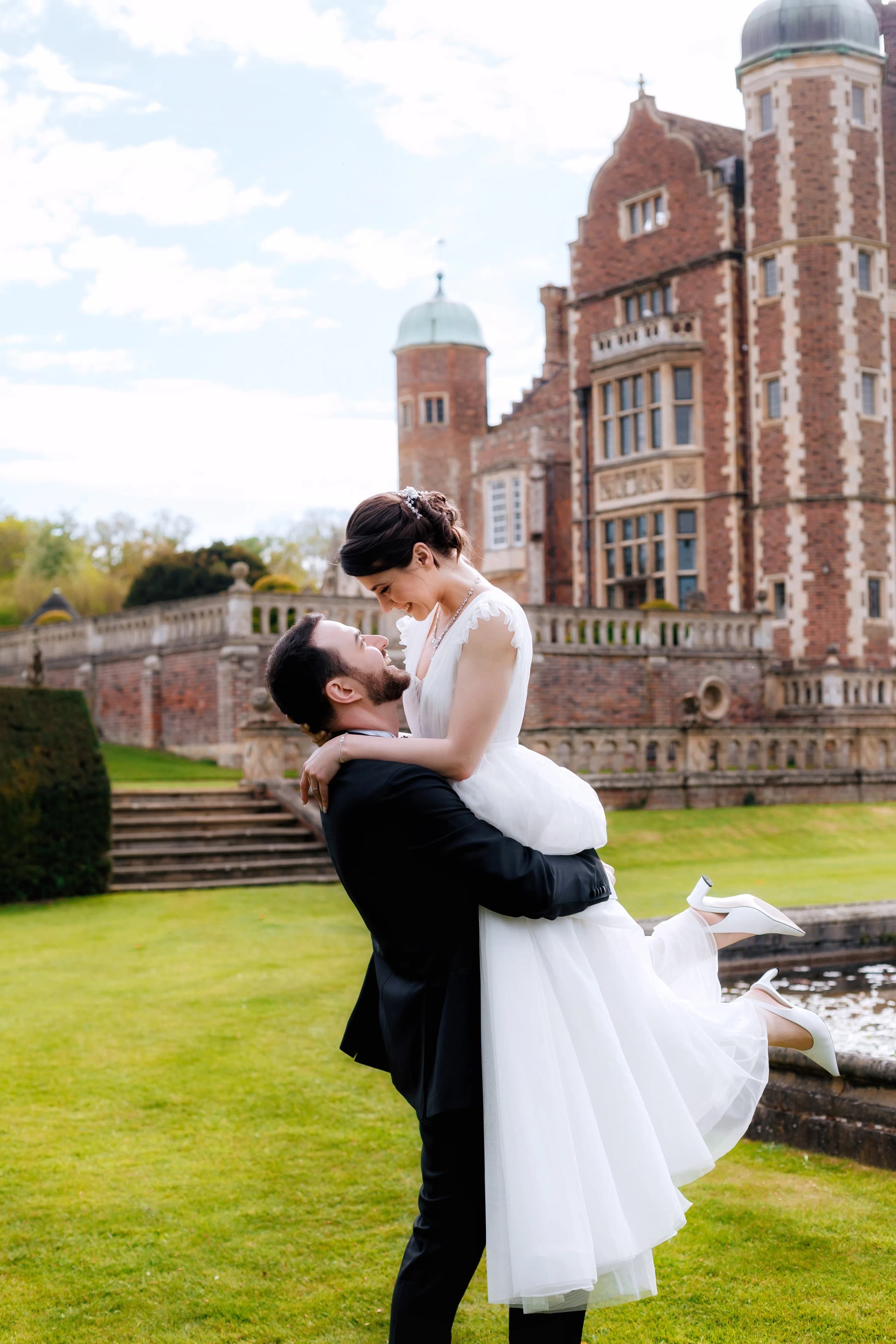
Charcoal and mid-grey are close seconds. They tend to separate well from white dresses in portraits, which is important — if the groom's suit and the bride's dress are too close in tone, the couple can look visually merged in full-length shots. The gentle contrast between a charcoal suit and an ivory gown is one of the most reliable portrait combinations I work with.
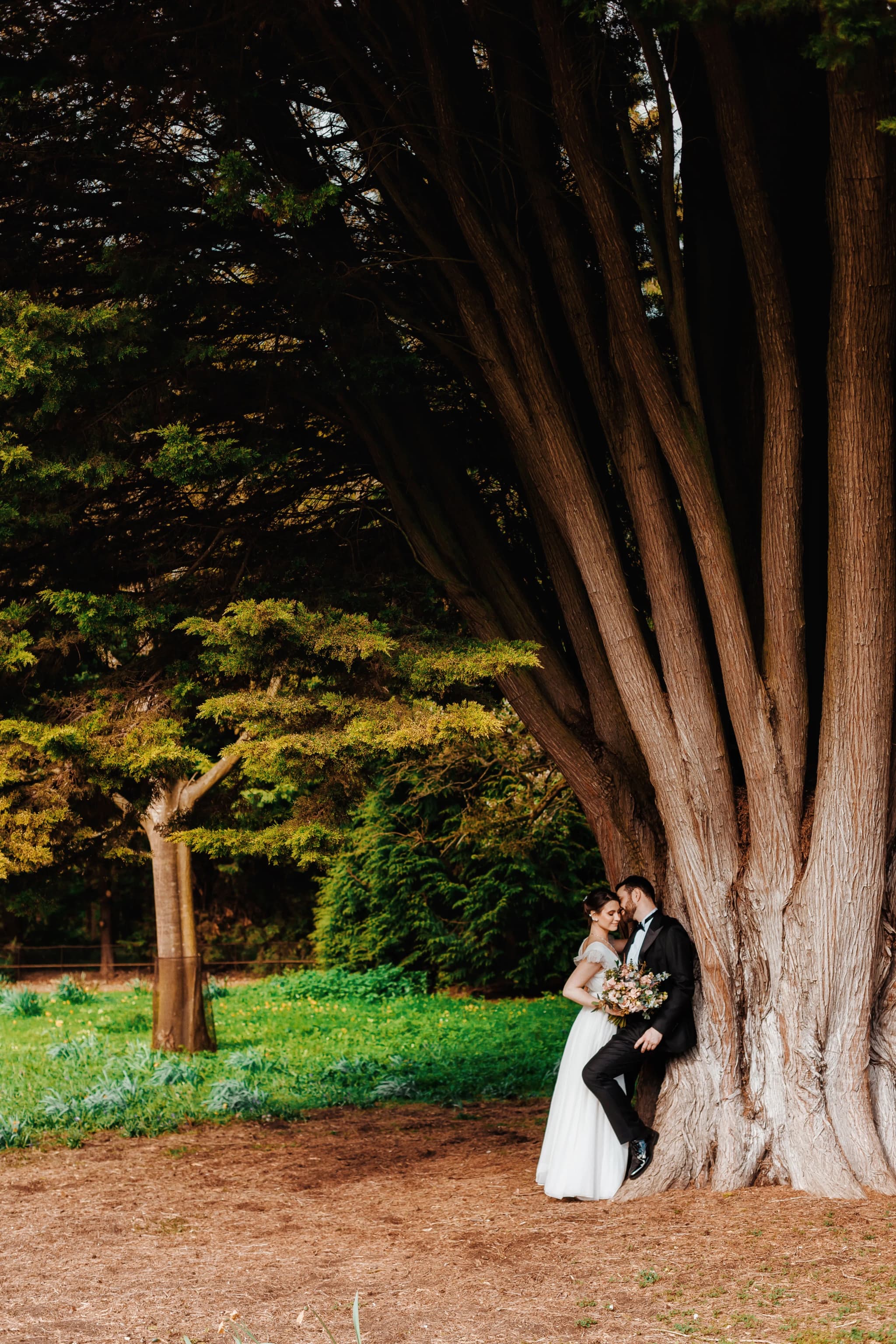
Earthy tones — stone, warm taupe, sage green — have become genuinely popular at English countryside weddings and they photograph beautifully, particularly in the golden hour light you get at outdoor venues in summer. If you're drawn to something beyond traditional navy or grey, these are strong choices. Avoid very pale cream or white suits unless you're working with a photographer who has explicitly discussed the exposure challenge with you and has a plan for it.
What to Do Before the Wedding Morning
The single most effective thing a groom can do is wear the suit at least once before the wedding — ideally outdoors or in a space with similar lighting to the venue — and look at photographs taken on a smartphone. Not a mirror. A photograph. This instantly reveals whether the fabric is creating problems with shine or moiré, whether the trousers pool at the hem, and whether the jacket pulls across the back when you move naturally.
If anything looks off in a casual snapshot, it will look off in your wedding photographs. That's the moment to take it back to the tailor or swap the hire for a different option — not the wedding morning when nothing can be changed. I always encourage grooms to send me a quick photo during their final fitting if they have any doubts. A two-minute WhatsApp exchange can save a lot of frustration later.
On the morning itself, the most important things are: jacket on a hanger (not folded in a bag), trousers hung or steamed, and enough time before I arrive so that getting dressed doesn't feel rushed. Rushed dressing means creased fabric, a wonky tie, and a groom who looks flustered in the getting-ready portraits. I typically arrive about ninety minutes before the ceremony for grooms, which gives us time for details, portraits with the groomsmen, and a relaxed atmosphere before the day accelerates.
A Note on Accessories That Photograph Badly
Suit accessories deserve a mention because they cause more photographic problems than most grooms expect. Novelty cufflinks — particularly those with very shiny chrome or complex shapes — catch light in close-up detail shots and can look distracting. If you have sentimental cufflinks you want photographed, I'll make sure to find the right angle, but simple designs photograph more cleanly.
Pocket squares with very bold prints or neon colours tend to draw the eye away from faces in group shots. A crisp white or ivory pocket square is essentially invisible in a photograph — which is exactly what you want, because the point of a pocket square is to add polish, not to dominate the frame. Similarly, ties in very bright or saturated colours can create colour casts on shirt collars in close portrait work, particularly in warm light. Muted silk or linen ties in classic tones cause no issues at all.
Finally, if you're wearing a morning suit with a top hat hired from a local company, please check that the hat fits properly. A top hat that perches too high on the head or slides forward onto the brow is extremely difficult to make look intentional in a photograph. It's a small thing, but it appears in every formal portrait of the full wedding party, and it's one of those details that catches the eye every time the album is opened.
Want a Photographer Who Notices These Details?
I go through suit choices, venue lighting, and getting-ready logistics with every couple I work with — because the preparation is what makes the photographs. If you're planning a wedding in Cambridge, Suffolk, or the surrounding area, check whether your date is still available.
Check Your Date →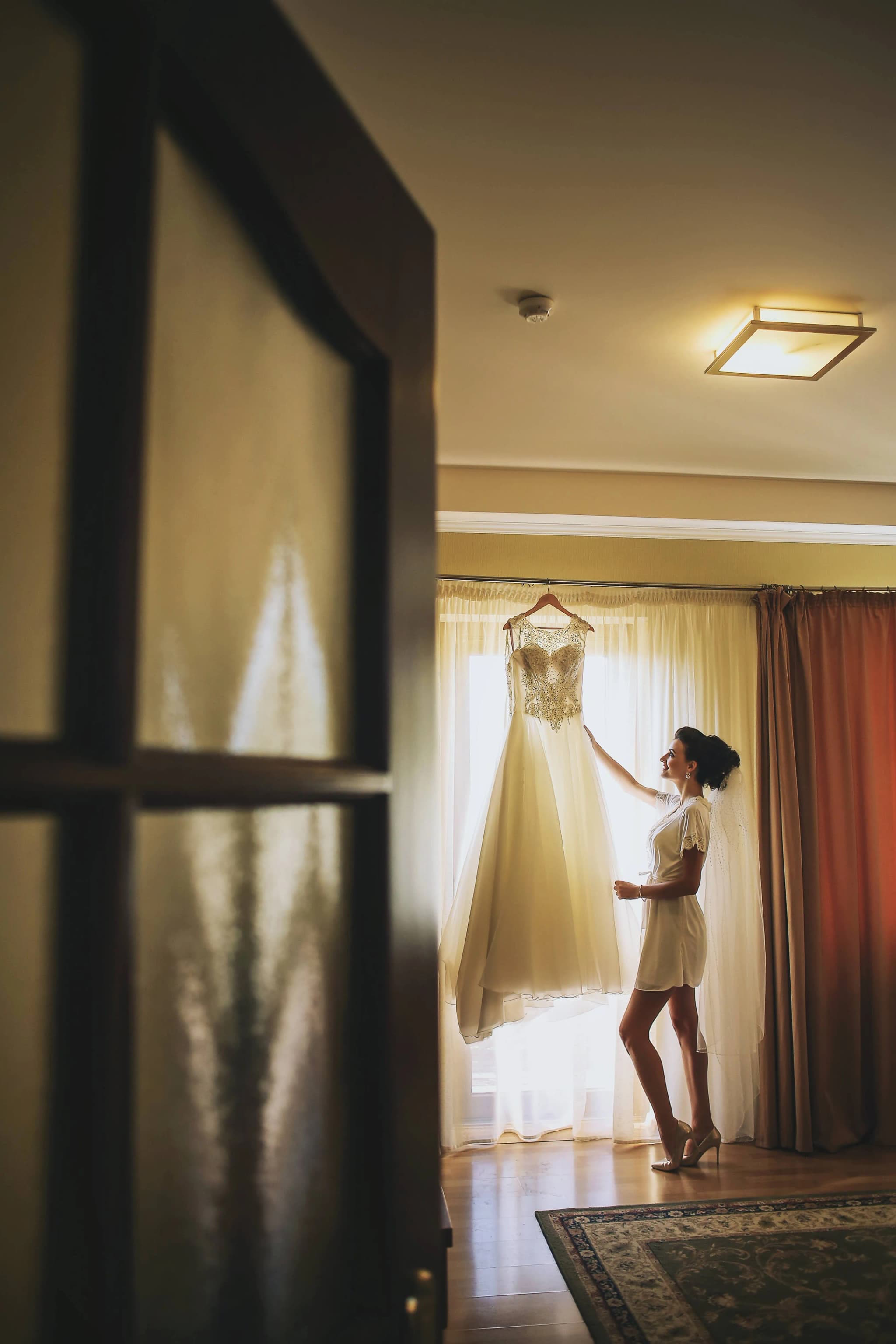

Yana Skakun
Photographer · England
Professional wedding, family and portrait photographer based in England. Passionate about capturing authentic emotions and timeless moments.
About Yana →groomsuitmistakescamera
Wedding Tips — Wedding Photography in Cambridge & England
Yana Skakun is a professional wedding photographer based in Cambridge, covering weddings across England — from intimate elopements to full-day ceremonies at country houses, barns, and city venues. Every couple receives a relaxed, documentary approach that captures the day as it truly unfolds. This guide — Groom Suit Mistakes That Look Awful on Camera — is part of the photography journal: practical, experience-based advice drawn from real sessions across England. Whether you arrived searching for groom or suit, the same care and attention shapes every session Yana photographs.
Wedding Photography sessions are available year-round, with bookings open across Cambridge, Ely, Huntingdon, Peterborough, and further afield — East England, London, the Midlands, and beyond. If you have specific questions about mistakes, mention it in your enquiry. Get in touch through the contact form above to check availability and discuss your session. Enquiries are welcomed from anywhere in the UK.
Frequently Asked Questions
How much does a wedding photographer cost in England?+
Wedding photography in England typically ranges from £1,500 to £4,000+ for a full day. Price depends on experience, coverage hours, and whether albums or engagement shoots are included. Most photographers charge between £2,000–£3,000 for 8–10 hours of coverage.
How early should you book a wedding photographer?+
For peak season (May–September), book 12–18 months in advance. For autumn and winter weddings, 9–12 months is usually sufficient. Popular photographers at popular venues fill up fast — as soon as you have a date and venue confirmed, start reaching out.
How many photos do you get from a wedding photographer?+
Most professional wedding photographers deliver 400–800 edited images for a full-day wedding. The exact number depends on coverage hours, how many guests there are, and the photographer's editing style. Quality matters more than quantity — a curated gallery of 500 images tells the story better than 1,500 unedited files.
Do you need a second photographer at your wedding?+
A second photographer is helpful if you want simultaneous coverage of getting-ready moments in different locations, multiple angles during the ceremony, or more candid coverage during the reception. It adds cost but significantly increases the variety and completeness of your gallery.
What is the difference between documentary and editorial wedding photography?+
Documentary (reportage) wedding photography captures moments as they happen — the photographer observes and doesn't intervene. Editorial photography involves deliberate direction: placing you in good light, shaping compositions, creating intentional portraits. Most photographers blend both styles throughout the day.
Continue Reading
Related Articles

Wedding Tips
Sustainable Eco-Friendly Wedding Guide — Planning a Green Celebration
15 min read · Read Article
Wedding Tips
Trash the Dress Session — Complete Planning and Photography Guide
14 min read · Read Article
Wedding Tips
Client Communication for Photographers — From Enquiry to Gallery Delivery
15 min read · Read Article
Get in Touch
Ready to Book Your Session?
Get in touch to discuss your vision — I'll reply within 24 hours.