Yana Skakun
Harvest Season Wedding Photography: Pumpkins, Wheat & Countryside Charm
By Yana Skakun·16 March 2026·6 min read
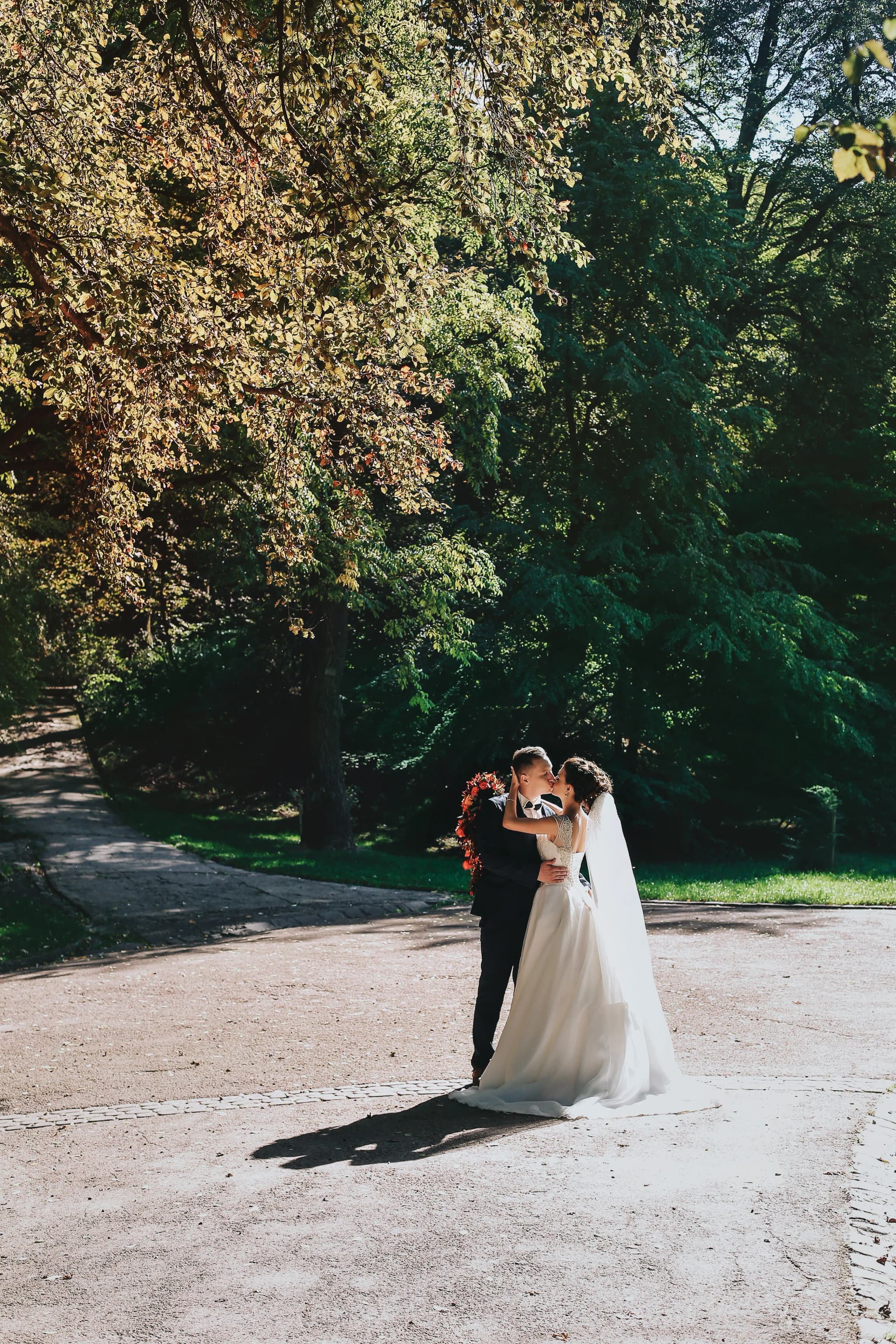
The harvest season — traditionally running from late August through October in England — carries a visual richness that is hard to overstate. Pumpkins stacked in the farm shop doorway. Wheat bales casting long afternoon shadows across stubble fields. Hedgerows heavy with sloe berries and rosehips. Ancient oaks still holding their russet leaves against a low autumn sun. And over all of it, that particular September and October light that turns ordinary things golden. I photograph a good number of weddings in this window every year, and it has become one of my favourite times of year to be working, precisely because the season does so much of the visual work for you.
The Harvest Palette in Wedding Photography
The natural harvest colour palette maps beautifully onto wedding aesthetics, and it is one of the reasons couples increasingly choose this season deliberately rather than by default. Amber, gold, and wheat tones come from the cut fields and hay bales of September. Rust and copper arrive with the earliest turning leaves in hedgerows and tree canopies. Deep burgundy and plum show up in sloes on blackthorn bushes and blackberries tangled through hedges. Burnt orange and terracotta come from pumpkins, squash, and the oak leaves of October. Warm cream and ivory appear in grain husks, dried seedheads, honesty, and teasel.
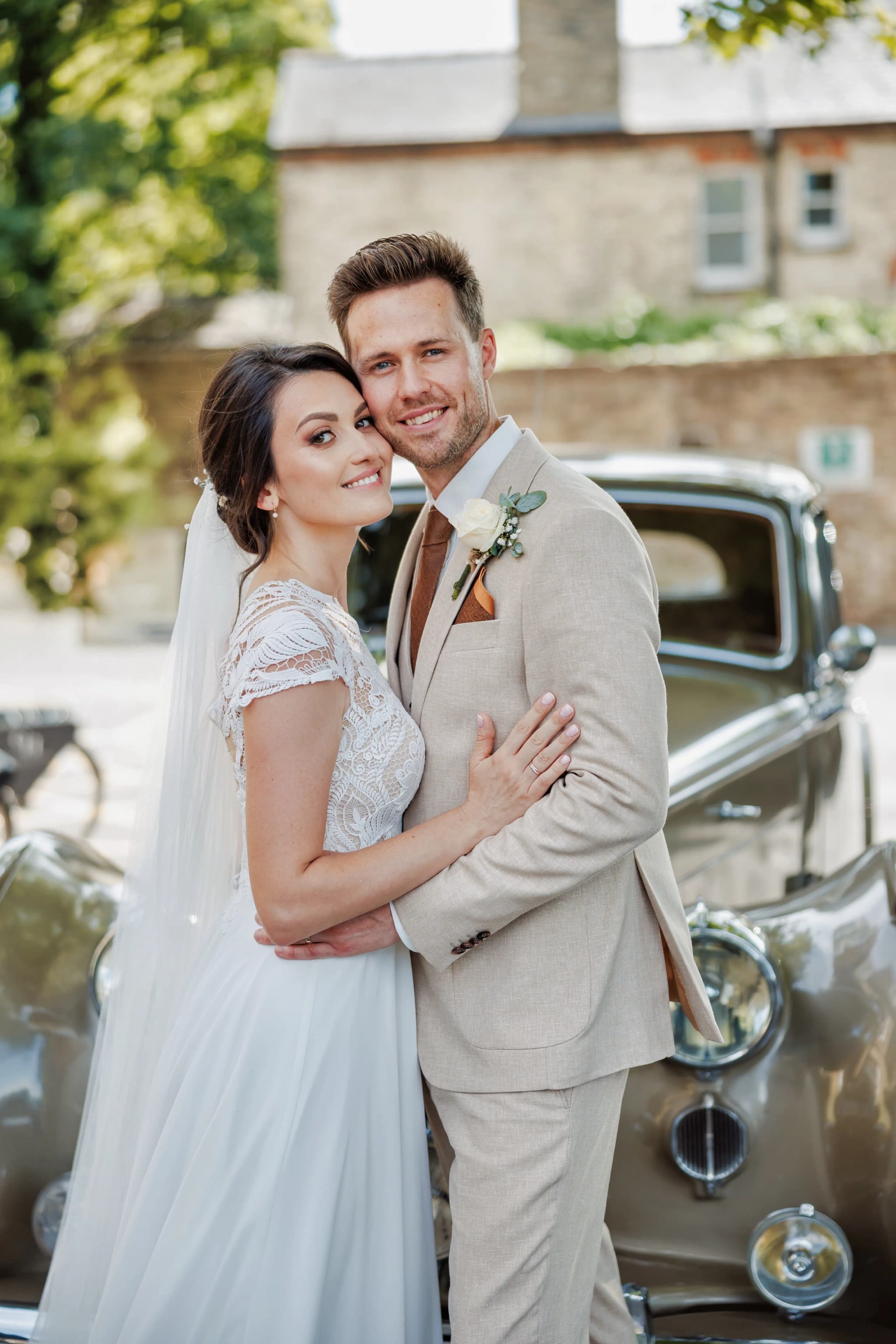
Couples who choose these tones in their flowers, décor, and outfit choices create a visual coherence with their outdoor photographs that feels considered without feeling contrived — the season itself becomes part of the wedding's design language rather than a backdrop that has to be worked around. I often talk through palette with couples during planning specifically because getting it right means the photographs from a harvest wedding hold together as a set in a way that mismatched seasonal colours never quite do.
What I find most useful about this palette practically is that it is forgiving. Warm tones photograph well in a wide range of light conditions, from the flat grey of an overcast September afternoon to the low golden light of an October evening, which takes some of the pressure off relying on one perfect hour of sunshine to make the day's photographs work.
Harvest Wedding Details and Photography
Some of the most beautifully photographed harvest season wedding details are the ones that lean into the season rather than fighting it. Wheat sheaf decorations and dried flower arrangements photograph with a texture and warmth that fresh-cut summer flowers simply do not have. Pumpkin and squash centrepieces and decorative displays give reception spaces a genuine seasonal identity, especially when they are left in their natural colours rather than painted or varnished. Apple and pear branches with fruit still attached, used in bouquets and table settings, add an abundance to close-up detail shots that is difficult to manufacture at any other time of year.
Rosehip and sloe berry accents worked into wildflower arrangements give bouquets a wilder, more foraged character that I photograph particularly well against stone or timber backgrounds. Conker and acorn table decorations, dried seed heads, and teasels add texture at the small scale that macro detail photography thrives on. And barn settings with straw bales and dried hop garlands give an authentic agricultural backdrop that no amount of styling in a purpose-built venue can quite replicate.
Harvest Season Wedding Settings
Some venue types are particularly well-suited to harvest season weddings, and I encourage couples planning an autumn date to think about the venue's relationship to the season, not just its general style. Farm and barn venues offer the most direct connection: the authentic agricultural context of hay bales, threshing barns, and orchard settings provides a harvest backdrop that cannot be manufactured anywhere else, and the working history of these buildings adds a texture to the images that purpose-built wedding venues rarely have.
Country house estates come into their own at this time of year too. Kitchen gardens are at their most abundant, walled gardens are still full rather than cut back for winter, and vegetable gardens are at their harvest peak, giving portrait locations a productive, lived-in quality rather than the purely ornamental look of a garden in high summer. Apple orchards and cider farms are a more unusual but genuinely spectacular option — several wedding venues across England and the West Country are set within working orchards, and fruit-laden trees in September and October make for backdrops that photograph completely differently to anything available in spring or summer.
English vineyard venues are worth a specific mention here as well. Harvest in English vineyards typically begins in September, and vines heavy with grapes create extraordinarily beautiful and genuinely unusual English wedding photography — rows of vines receding into low autumn light have a rhythm and depth that few other settings offer.
A note on planning a harvest season wedding
The abundance of autumn creates extraordinary wedding photography, but timing matters more than in high summer — the window for genuinely peak harvest colour and light is a matter of a few weeks each year, and it shifts slightly depending on the weather that season has had. If you are considering a harvest date, I would love to talk through how the timing lines up with your venue and vision.
Get in touch about your dateLight and Weather Through the Harvest Season
The quality of light across the harvest season changes noticeably as the weeks pass, and it is worth couples understanding this when they are choosing between an early September date and a late October one. Early in the season, days are still long and the light retains some of summer's brightness, just with a slightly warmer cast as the sun's angle begins to drop. By mid-October, sunset arrives markedly earlier, golden hour starts from early-to-mid afternoon, and the light itself has a richer, more amber quality that suits the season's palette particularly well.
Weather becomes more of a genuine variable as autumn progresses, and I always build a degree of flexibility into the day's photography plan for couples marrying from mid-October onwards — a scouted set of covered or sheltered locations at the venue as a backup, alongside the outdoor spots that depend on a dry spell. Overcast harvest-season skies are not something to fear, though: flat, diffused light is often the most flattering condition for portraits, and it lets the warm tones in the couple's clothing and the surrounding foliage carry the image rather than relying on dramatic sunlight.
Mist is one of the season's genuine gifts for photography, particularly at venues near rivers or low-lying farmland. An early morning start on a misty October day, before the sun has burned it off, can produce some of the most atmospheric images of the entire wedding, and I always flag this possibility to couples planning morning preparation photography at riverside or valley venues during the harvest months.
Choosing Between Early and Late Harvest Dates
Couples weighing up an early September date against a late October one are really choosing between two quite different weddings, visually speaking. Early September still carries much of summer's warmth and length of daylight, with the harvest palette only just beginning to appear in the landscape — the first cut fields, the earliest turning leaves at the tips of hedgerows, but still plenty of green. This suits couples who want a foot in both seasons: the ease and reliability of late summer weather with a hint of the richer tones to come.
Late October, by contrast, delivers the full harvest palette at its most saturated — deep ambers, rust, and copper throughout the landscape, but with a real risk of an early frost, shorter days, and less predictable weather generally. I always talk this trade-off through honestly with couples during planning, because there is no universally "better" choice here, only a better fit for a particular couple's priorities around weather risk, guest comfort, and how strongly they want the harvest colours to feature.
Practical Considerations for an Autumn Wedding Day
Shorter days mean the photography timeline needs slightly more careful planning than a June wedding. Golden hour portraits that might happen at eight or nine in the evening in midsummer need to happen by five or five-thirty in October, which usually means building a short portrait window into the day earlier than couples instinctively expect, often straight after the ceremony rather than being left until after the meal.
Temperature is the other practical factor worth planning for. A beautiful October afternoon can still turn cold quickly once the sun starts to drop, and I always suggest couples have a warm layer — a coat, shawl, or jacket that suits the outfit — ready for the portrait session, both for comfort and because visible cold discomfort shows in photographs far more than people expect. Guests appreciate the same consideration if outdoor drinks or confetti moments are planned.
Harvest season weddings reward couples who lean into what the season actually offers rather than trying to recreate a summer wedding a few weeks later in the calendar. The colours, the texture, the quality of the light, and the sense of abundance that comes with the season all give these weddings a distinct visual character, and it is one I genuinely love photographing. If you are planning a wedding during the harvest months and would like to talk through how the season, your venue, and the day's timeline fit together, get in touch and we can start planning.

Yana Skakun
Photographer · England
Professional wedding, family and portrait photographer based in England. Passionate about capturing authentic emotions and timeless moments.
About Yana →harvest wedding photographyrustic autumn harvest weddingharvest season photographer UK
Wedding Tips — Wedding Photography in Cambridge & England
Yana Skakun is a professional wedding photographer based in Cambridge, covering weddings across England — from intimate elopements to full-day ceremonies at country houses, barns, and city venues. Every couple receives a relaxed, documentary approach that captures the day as it truly unfolds. This guide — Harvest Season Wedding Photography: Pumpkins, Wheat & Countryside Charm — is part of the photography journal: practical, experience-based advice drawn from real sessions across England. Whether you arrived searching for harvest wedding photography or rustic autumn harvest wedding, the same care and attention shapes every session Yana photographs.
Wedding Photography sessions are available year-round, with bookings open across Cambridge, Ely, Huntingdon, Peterborough, and further afield — East England, London, the Midlands, and beyond. If you have specific questions about harvest season photographer uk, mention it in your enquiry. Get in touch through the contact form above to check availability and discuss your session. Enquiries are welcomed from anywhere in the UK.
Frequently Asked Questions
How much does a wedding photographer cost in England?+
Wedding photography in England typically ranges from £1,500 to £4,000+ for a full day. Price depends on experience, coverage hours, and whether albums or engagement shoots are included. Most photographers charge between £2,000–£3,000 for 8–10 hours of coverage.
How early should you book a wedding photographer?+
For peak season (May–September), book 12–18 months in advance. For autumn and winter weddings, 9–12 months is usually sufficient. Popular photographers at popular venues fill up fast — as soon as you have a date and venue confirmed, start reaching out.
How many photos do you get from a wedding photographer?+
Most professional wedding photographers deliver 400–800 edited images for a full-day wedding. The exact number depends on coverage hours, how many guests there are, and the photographer's editing style. Quality matters more than quantity — a curated gallery of 500 images tells the story better than 1,500 unedited files.
Do you need a second photographer at your wedding?+
A second photographer is helpful if you want simultaneous coverage of getting-ready moments in different locations, multiple angles during the ceremony, or more candid coverage during the reception. It adds cost but significantly increases the variety and completeness of your gallery.
What is the difference between documentary and editorial wedding photography?+
Documentary (reportage) wedding photography captures moments as they happen — the photographer observes and doesn't intervene. Editorial photography involves deliberate direction: placing you in good light, shaping compositions, creating intentional portraits. Most photographers blend both styles throughout the day.
Continue Reading
Related Articles

Wedding Tips
Sustainable Eco-Friendly Wedding Guide — Planning a Green Celebration
15 min read · Read Article
Wedding Tips
Trash the Dress Session — Complete Planning and Photography Guide
14 min read · Read Article
Wedding Tips
Client Communication for Photographers — From Enquiry to Gallery Delivery
15 min read · Read Article
Get in Touch
Ready to Book Your Session?
Get in touch to discuss your vision — I'll reply within 24 hours.