Yana Skakun
Headshot vs Portrait Photography: What's the Difference?
By Yana Skakun·12 March 2026·6 min read
Headshot and portrait photography are often used interchangeably — but they serve different purposes, follow different conventions, and produce different outcomes. Understanding the distinction helps you commission the right kind of session for your specific need.
The Core Difference
A headshot is a professional tool. Its job is to communicate credibility, approachability, and competence — quickly, and to people who do not know you. The image serves a function: it represents you on LinkedIn, on a company website, in a press release, in a conference programme bio.
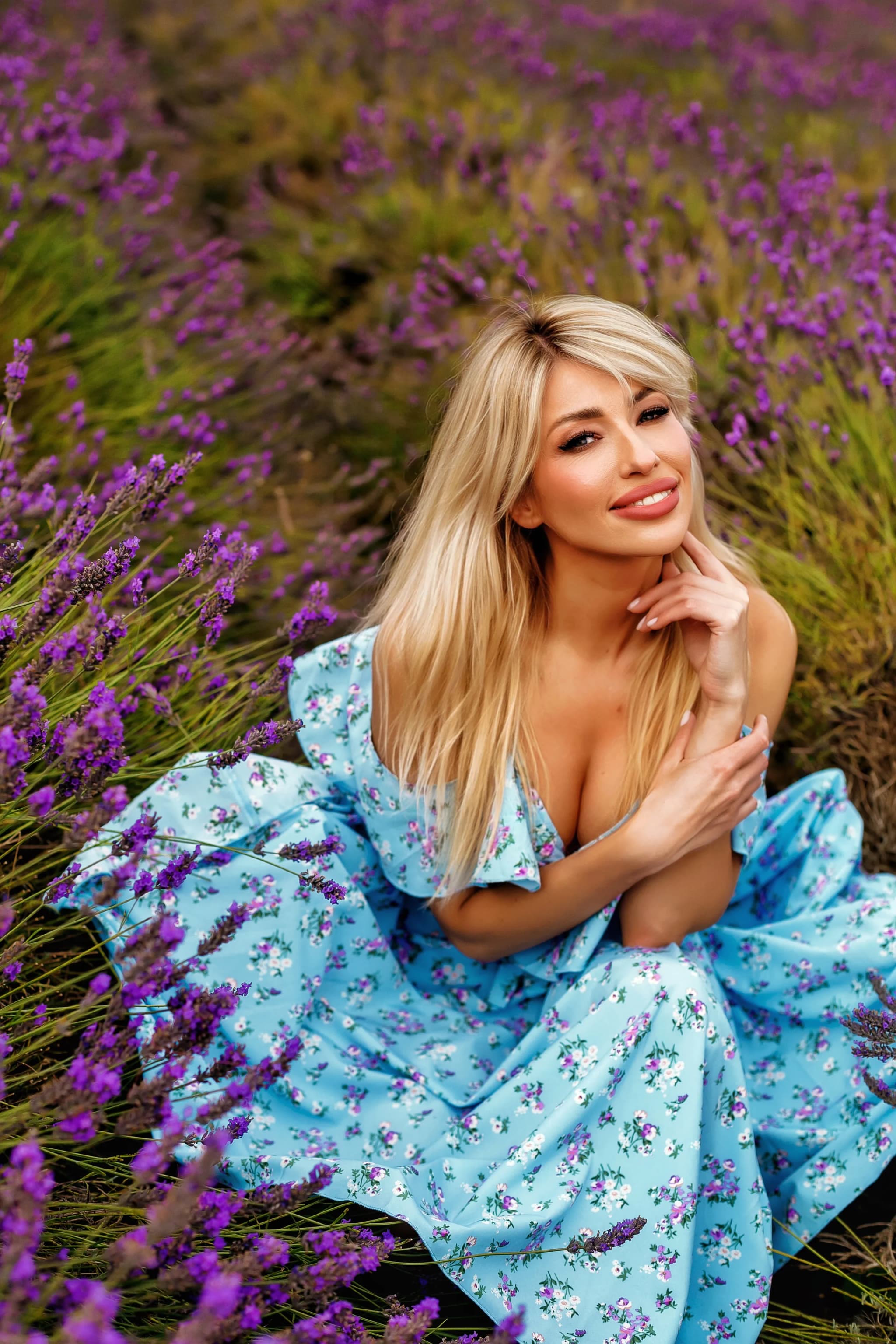
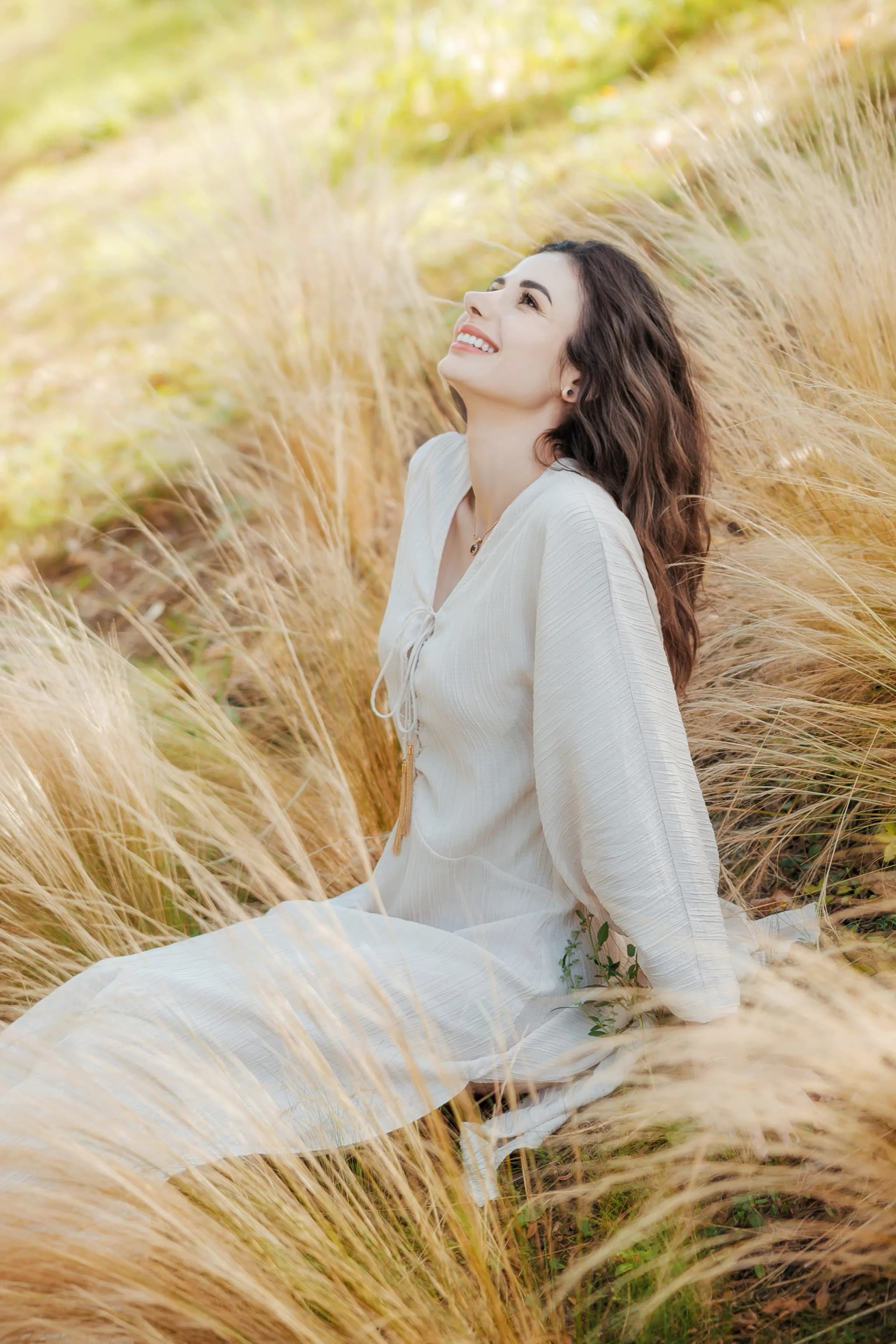
A portrait is a more expansive photographic form. It can include context — a location, props, a wider frame — and its goal is expression rather than simple identification. A portrait tells a more complete story.
Most people need a headshot. Some people need portraits. Many benefit from both. The decision starts with intended use.
Side-by-Side Comparison
| Aspect | Headshot | Portrait |
|---|---|---|
| Purpose | Immediate professional identification | Artistic expression or personal narrative |
| Framing | Head and shoulders, face fills majority of frame | Variable — can include full body, environment, props |
| Background | Plain, neutral, or softly blurred — non-distracting | Part of the story — location, setting, context |
| Expression | Approachable confidence — the expression you'd use in a first meeting | Wider range — reflective, candid, storytelling |
| Lighting | Clean, flattering — designed to show the face clearly | Creative — can be dramatic, moody, or high-contrast |
| Primary use | LinkedIn, company website, press releases, directories | Personal branding, editorial, family, artistic projects |
| Session length | 30–60 minutes typically | 60–180 minutes, sometimes across multiple locations |
| Deliverables | 3–10 selects, optimised for digital and print use | Larger gallery — 20–60 images depending on scope |
When You Need a Headshot
New job or promotion
When your LinkedIn photo no longer reflects how you present yourself professionally. This is the most common trigger for headshot bookings.
Speaking engagements and media
Conference programmes, podcast guest profiles, and press requests all require a tight, professional headshot — not a portrait.
Company team pages
Consistency across a team page matters — headshots follow a consistent framing and background convention.
Professional directories
Solicitor directories, medical registers, academic profiles, agent listings — all require a standard headshot format.
Award nominations and board bios
Annual reports and regulatory submissions for appointments typically specify a professional headshot.
When You Need a Portrait
Personal brand photography
Coaches, consultants, creative professionals who want to tell a richer visual story across their website and social channels.
Author and speaker branding
Book jackets, speaker pages, and media profiles often benefit from slightly looser, more characterful portraits.
Editorial and publication features
Magazines and longform editorial pieces use environmental portraits — the person within a context rather than isolated against plain background.
Creative and artistic professionals
Architects, designers, artists — professionals in creative fields often benefit from portraits that reflect their aesthetic sensibility.
Can You Get Both?
Yes — and many clients do. A combined session typically starts with the structured headshot component (plain background, consistent framing) and then moves into a looser portrait phase, either in-studio with different setups or on location. You leave with a clean professional headshot for LinkedIn and formal use, and a set of more characterful portraits for your website, social media, and broader brand use.
Personal branding sessions are built around exactly this approach — a single booking that covers the functional headshot need and the storytelling portrait need simultaneously.
Not sure which you need?
I offer headshot sessions, personal branding portrait sessions, and combined bookings — all in Cambridge, London, and across the UK. Get in touch to discuss which approach fits your goals.
View Headshot Services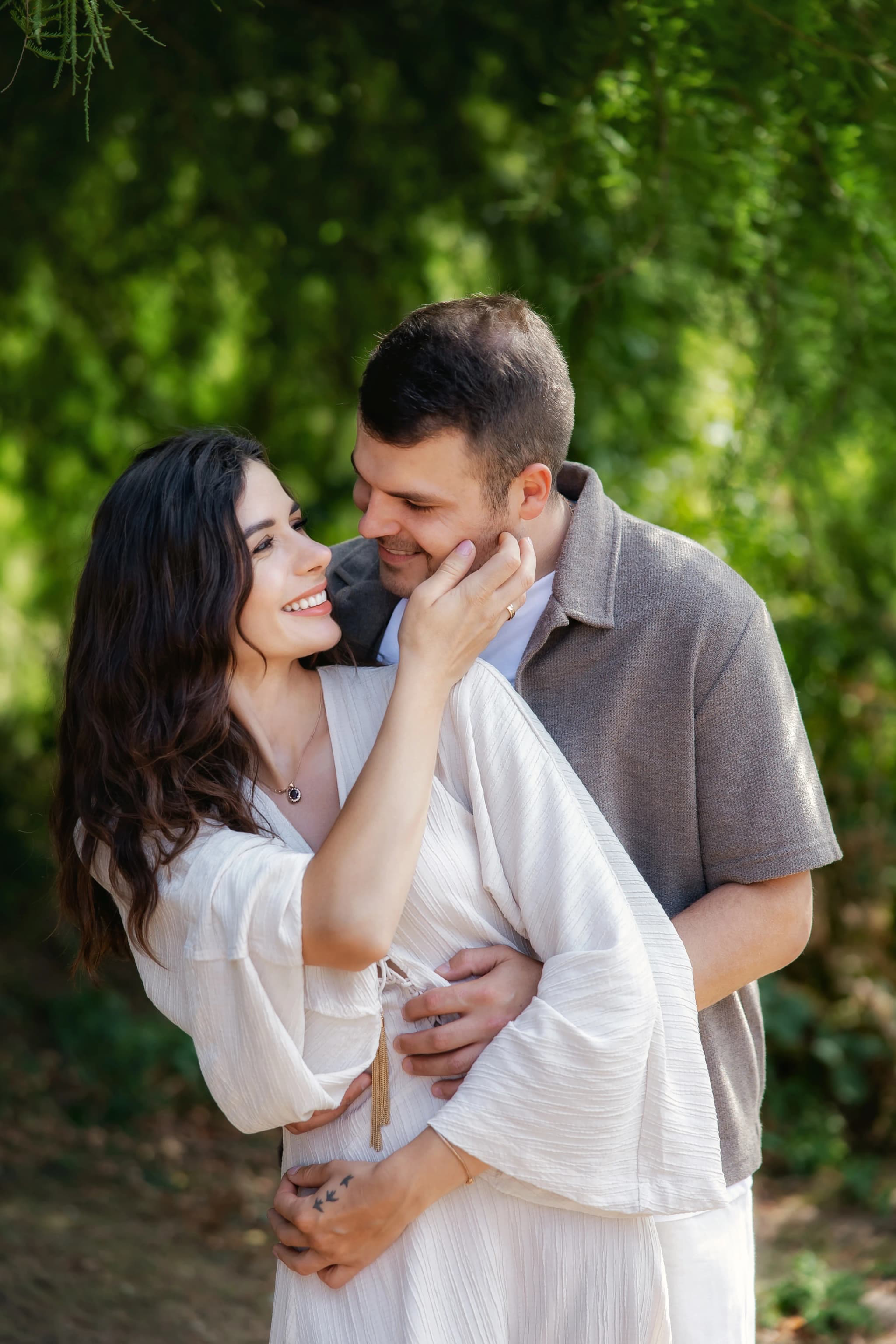
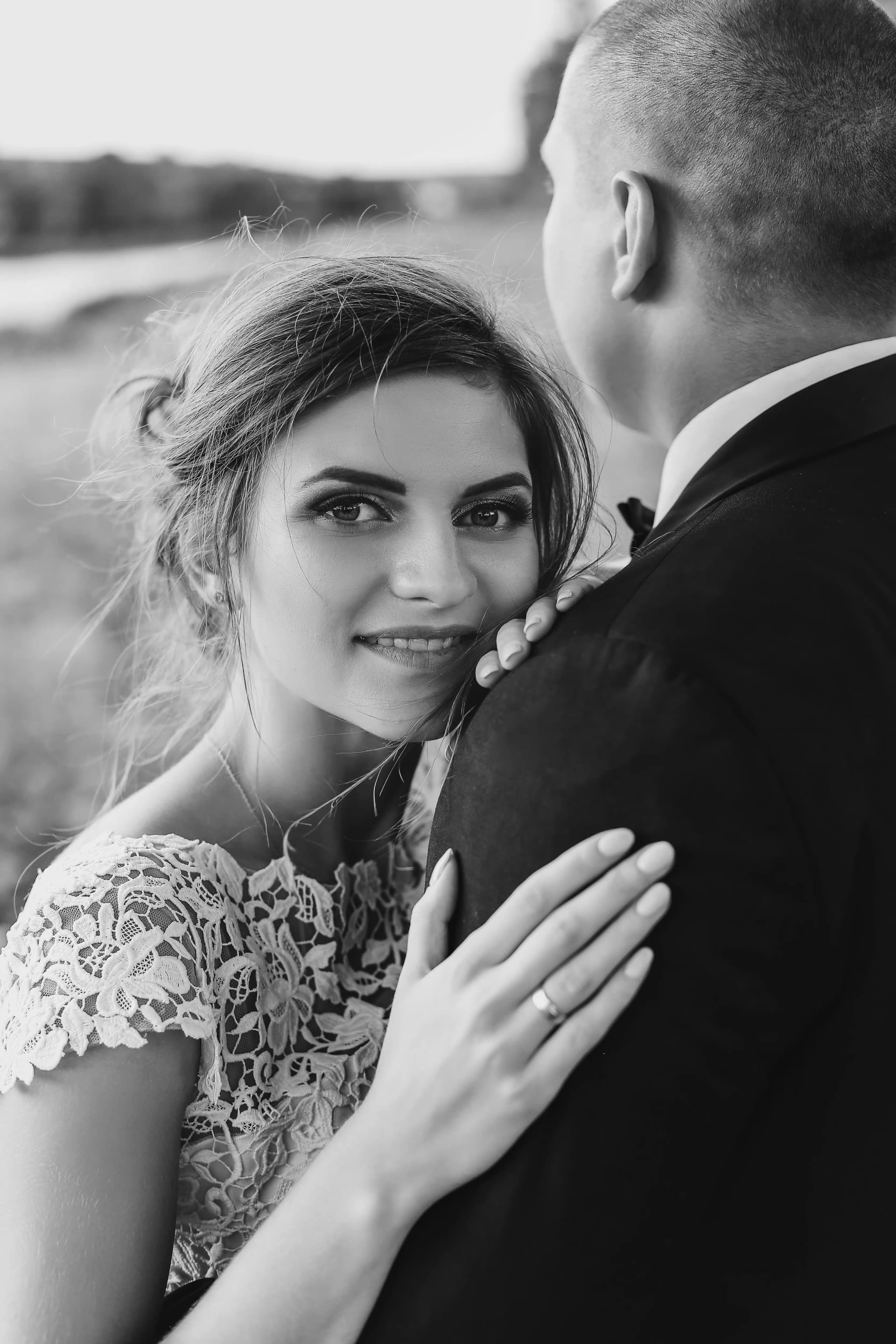
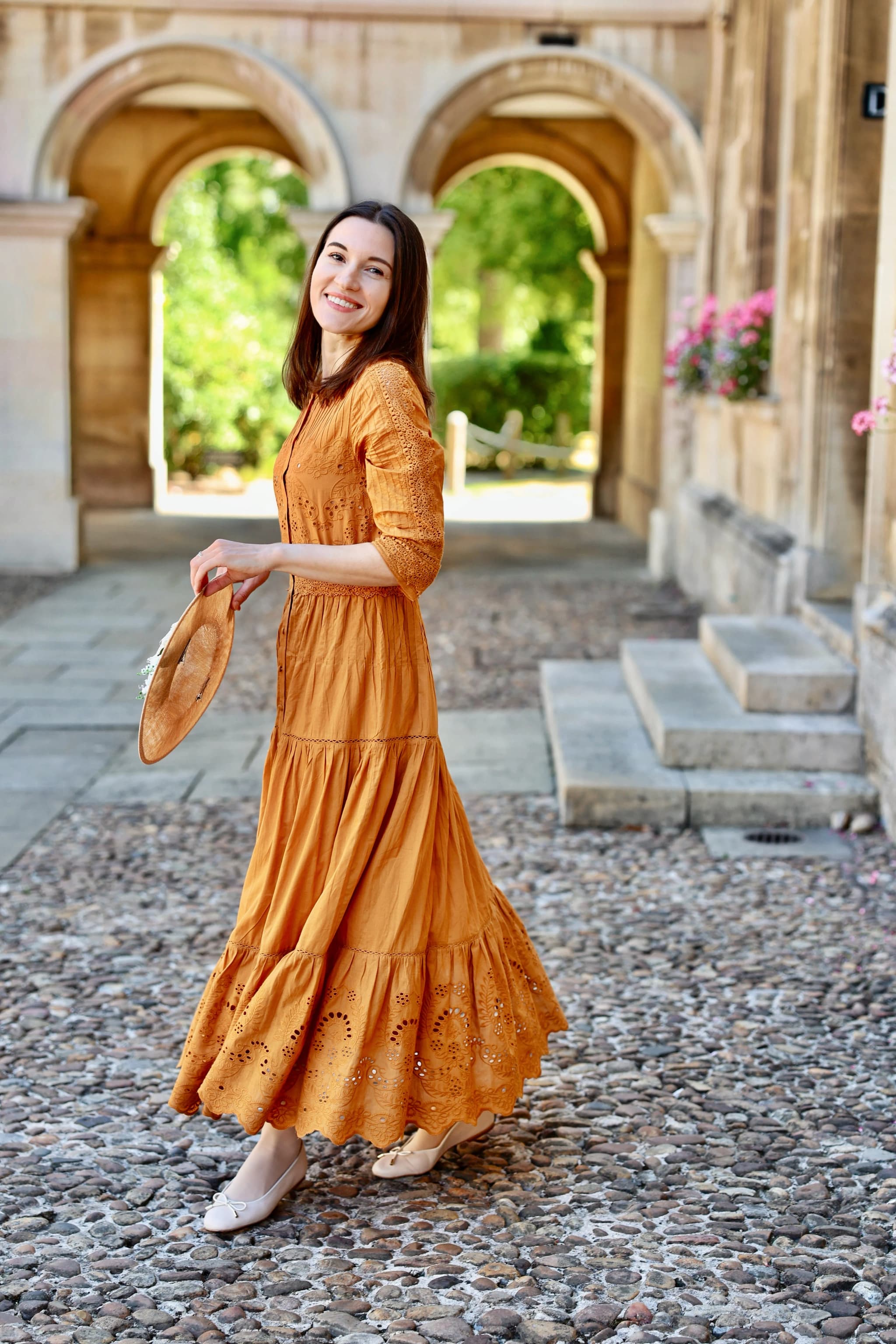

Yana Skakun
Photographer · England
Professional wedding, family and portrait photographer based in England. Passionate about capturing authentic emotions and timeless moments.
About Yana →headshot vs portraitdifference headshot portrait photographyprofessional headshot vs portraitwhen to use headshot vs portrait
Business Headshots — Corporate Headshot Photography in Cambridge & England
Corporate photography with Yana Skakun covers individual headshots, team portraits, and event documentation — all delivered with the same consistent quality and professional tone. Available in Cambridge and across England for businesses of all sizes. This guide — Headshot vs Portrait Photography: What's the Difference? — is part of the photography journal: practical, experience-based advice drawn from real sessions across England. Whether you arrived searching for headshot vs portrait or difference headshot portrait photography, the same care and attention shapes every session Yana photographs.
Corporate Headshot Photography sessions are available year-round, with bookings open across Cambridge, Ely, Huntingdon, Peterborough, and further afield — East England, London, the Midlands, and beyond. If you have specific questions about professional headshot vs portrait, mention it in your enquiry. Get in touch through the contact form above to check availability and discuss your session. Enquiries are welcomed from anywhere in the UK.
Frequently Asked Questions
What camera settings should I use for outdoor portraits?+
For outdoor portraits, shoot in aperture priority mode. Use a wide aperture (f/1.8–f/2.8) to blur the background and isolate your subject. Keep ISO as low as possible in good light. In bright conditions, use a neutral density filter or switch to manual to avoid overexposure at wide apertures.
What is the golden hour in photography?+
Golden hour is the period roughly 30–60 minutes after sunrise and before sunset. The sun is low in the sky, producing warm, soft, directional light that flatters skin tones and creates beautiful long shadows. It's widely considered the best natural light for portrait and outdoor photography.
How do you get sharp photos in low light?+
In low light, increase your ISO (accepting some grain), use the widest aperture your lens allows, and slow your shutter speed to the slowest you can hand-hold without camera shake (roughly 1/focal length as a guide). Use image stabilisation if available, and consider a tripod for static subjects.
What is the rule of thirds in photography?+
The rule of thirds divides the frame into a 3×3 grid. Placing your subject on one of the four intersection points — rather than dead centre — creates a more dynamic, visually interesting composition. It's a guideline, not a rule: some of the most powerful images break it deliberately.
How do you edit photos to look professional?+
Professional editing starts with shooting in RAW format. In Lightroom or similar software, correct exposure, white balance, and contrast first. Recover shadow and highlight detail. Apply gentle colour grading for mood. Be conservative with skin retouching — the goal is natural enhancement, not transformation. Consistency across a set of images is what separates professional from amateur editing.
Continue Reading
Related Articles
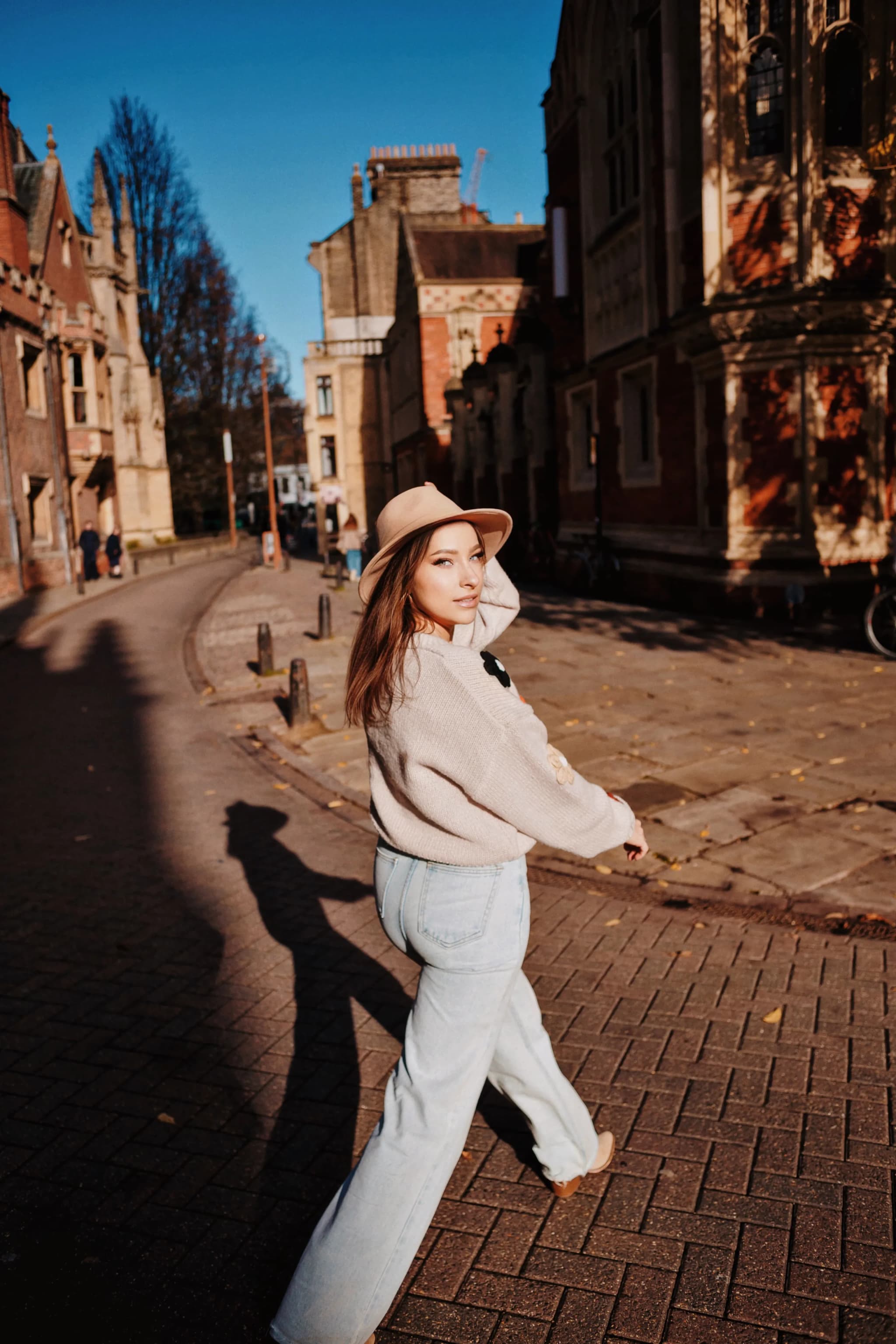
Business Headshots
Why professional business headshots are worth the investment in 2025
7 min read · Read Article
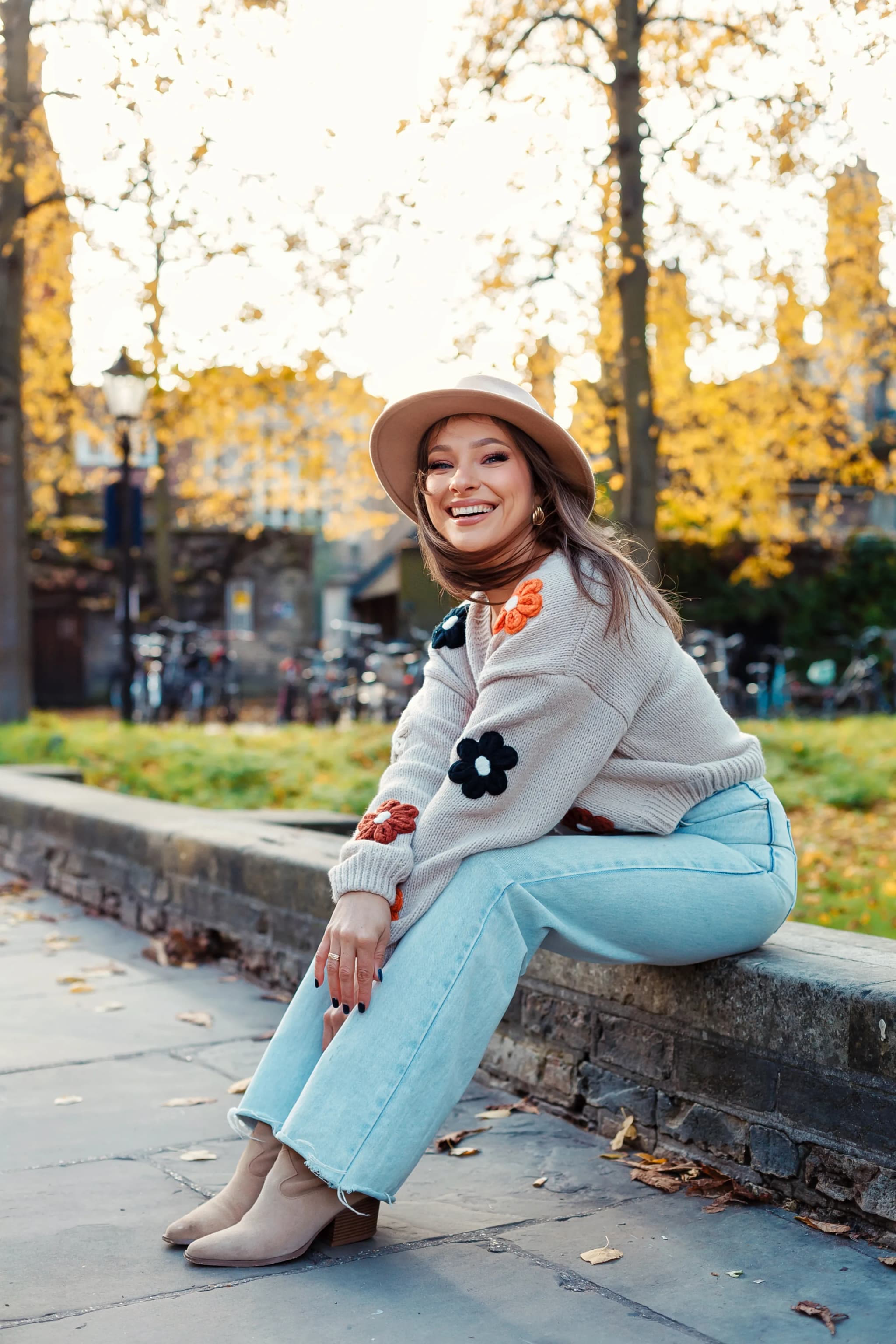
Business Headshots
The complete corporate headshot guide: What to expect and how to prepare
7 min read · Read Article
Business Headshots
LinkedIn headshot: What actually makes a profile photo work
7 min read · Read Article
Get in Touch
Ready to Book Your Session?
Get in touch to discuss your vision — I'll reply within 24 hours.