Yana Skakun

How Long Do Wedding Photos Actually Take? A Realistic Breakdown
By Yana Skakun·10 June 2026·5 min read
One of the most common questions I hear from couples is: "How much time do we actually need for photos?" It's a fair question — and one that deserves a real answer, not a vague "it depends." Having photographed weddings across Cambridge, Suffolk, and the wider UK, I can give you the honest, minute-by-minute picture that most photographers gloss over.
Getting Ready: 60–90 Minutes (and Why It Always Runs Late)
Getting-ready coverage is where the day truly begins for me as your photographer, and it's also where couples most consistently underestimate the time needed. I recommend at least 60 minutes with the bride and 30 minutes with the groom or second partner — ideally in separate rooms so I can cover both without rushing.
In practice, hair and makeup almost always overruns by 15–20 minutes. This is not a complaint — it's just reality, especially at UK venues where the bridal suite is a converted barn room with limited natural light and three people squeezing past each other. I always build a buffer into my arrival time so that a delayed start does not cascade into a frantic ceremony.
The details — dress, shoes, rings, invitations, any heirlooms — take another 10–15 minutes to photograph properly. If you want these images looking considered rather than grabbed, please have them laid out before I arrive. A chaotic pile of shoes on a hotel duvet cover tells a different story than a gown hanging against a stone wall with morning light behind it.
Ceremony Coverage: 30–90 Minutes
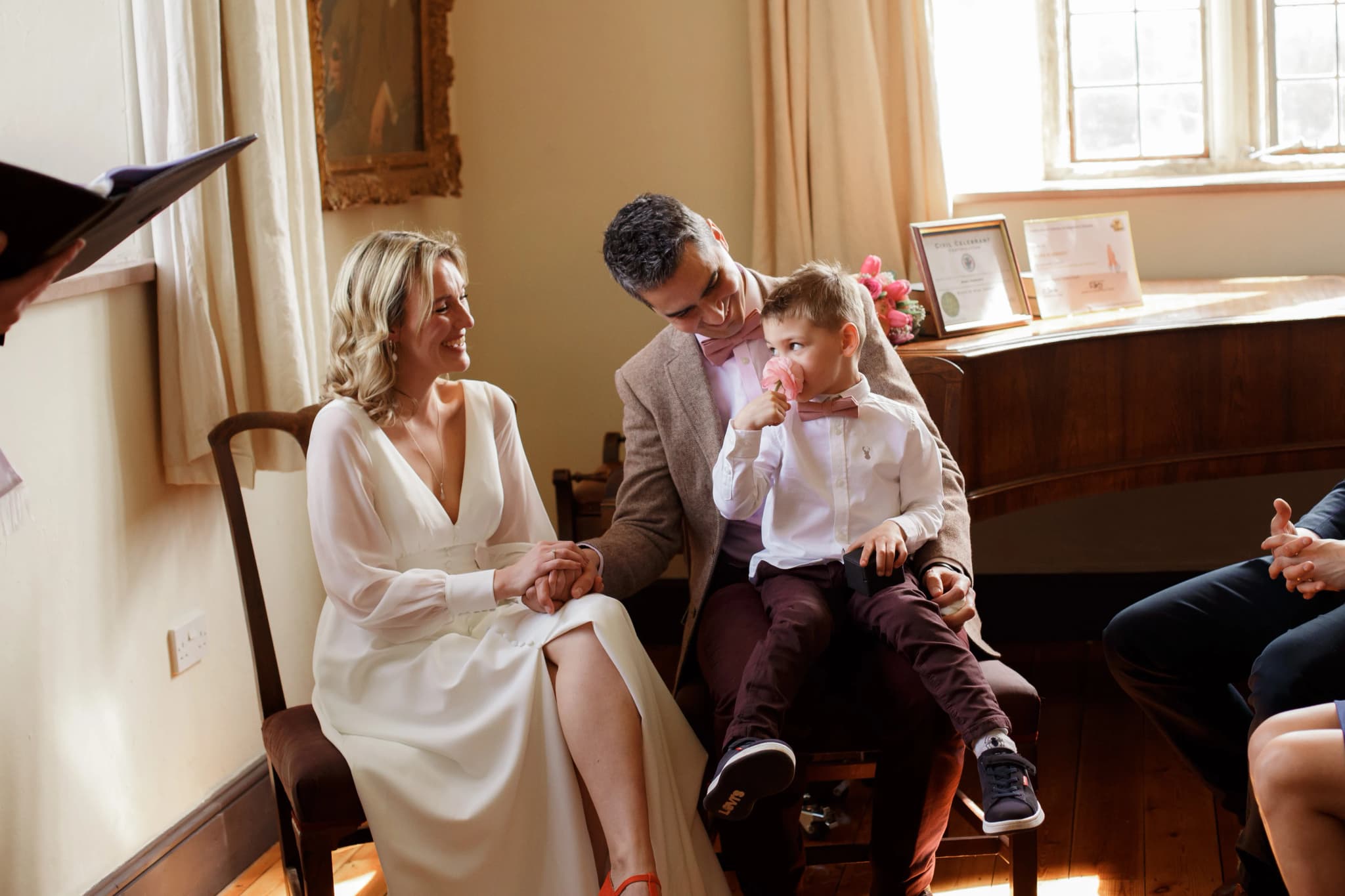
A civil ceremony at a register office might last 20–25 minutes. A Church of England service with hymns and a full address runs 45–60 minutes. A humanist ceremony can go anywhere from 30 to 75 minutes depending on how many personal readings and rituals the couple include. I capture everything — the processional, the vows, ring exchange, signing of the register, and the first walk back down the aisle as a married couple.
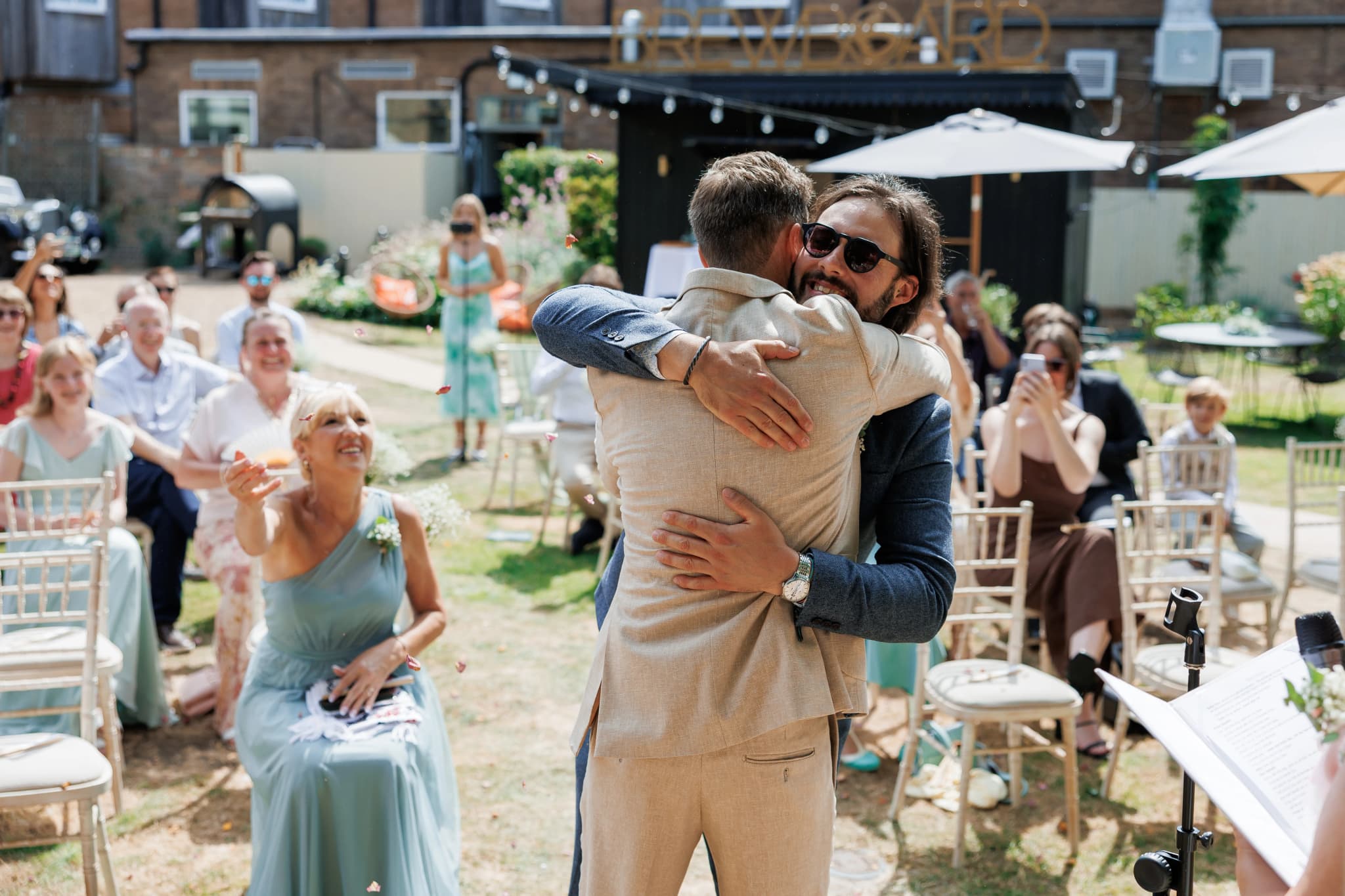
Confetti shots happen immediately after the ceremony, ideally in a designated spot the venue coordinator has cleared. If confetti is not permitted (many English churches and some historic venues prohibit it), bubbles or dried petals are alternatives I can work with. Allow 5–10 minutes for this — you do not want to rush what often becomes one of the most joyful frames of the day.
Group Formal Photographs: The Part That Eats Your Day If You Let It
Group photos take longer than every couple expects, without exception. The rough rule is two to three minutes per group combination. Ten group shots: 30 minutes minimum. Fifteen group shots: 45 minutes, often more. And that assumes everyone is cooperative, no one disappears to the bar, and your best man is not trying to keep six elderly relatives and a pair of toddlers aligned simultaneously.
My strong advice: keep the formal list to eight to twelve must-have combinations, hand it to your best man or maid of honour the night before, and let them do the herding. More than fifteen groups eats into your couple session and your own cocktail hour — time you will never get back.
- ◆Immediate family first: Start with the combinations involving grandparents and elderly relatives who tire quickly and need to be released to sit down.
- ◆Combine smartly: Both sets of parents together, then separately — that is three shots, not six. Build groups outward rather than resetting from scratch each time.
- ◆Pick a fixed location: Moving groups between three different spots adds 20 minutes of shuffling. Choose one well-lit background and stay there.
- ◆Name your list co-ordinator: The photographer cannot call names and shoot simultaneously. Give a trusted person the printed list and let them work the crowd.
- ◆Children have a time limit: Toddlers cooperate for about eight minutes before the wheels come off. Photograph groups with children first, while they are still in good humour.
- ◆Accept imperfection: Someone will always have their eyes closed in one frame. That is why I shoot each combination three to four times — but no group photo is worth losing the golden hour.
The Couple Session: 30–45 Minutes Is Enough (If the Timing Is Right)
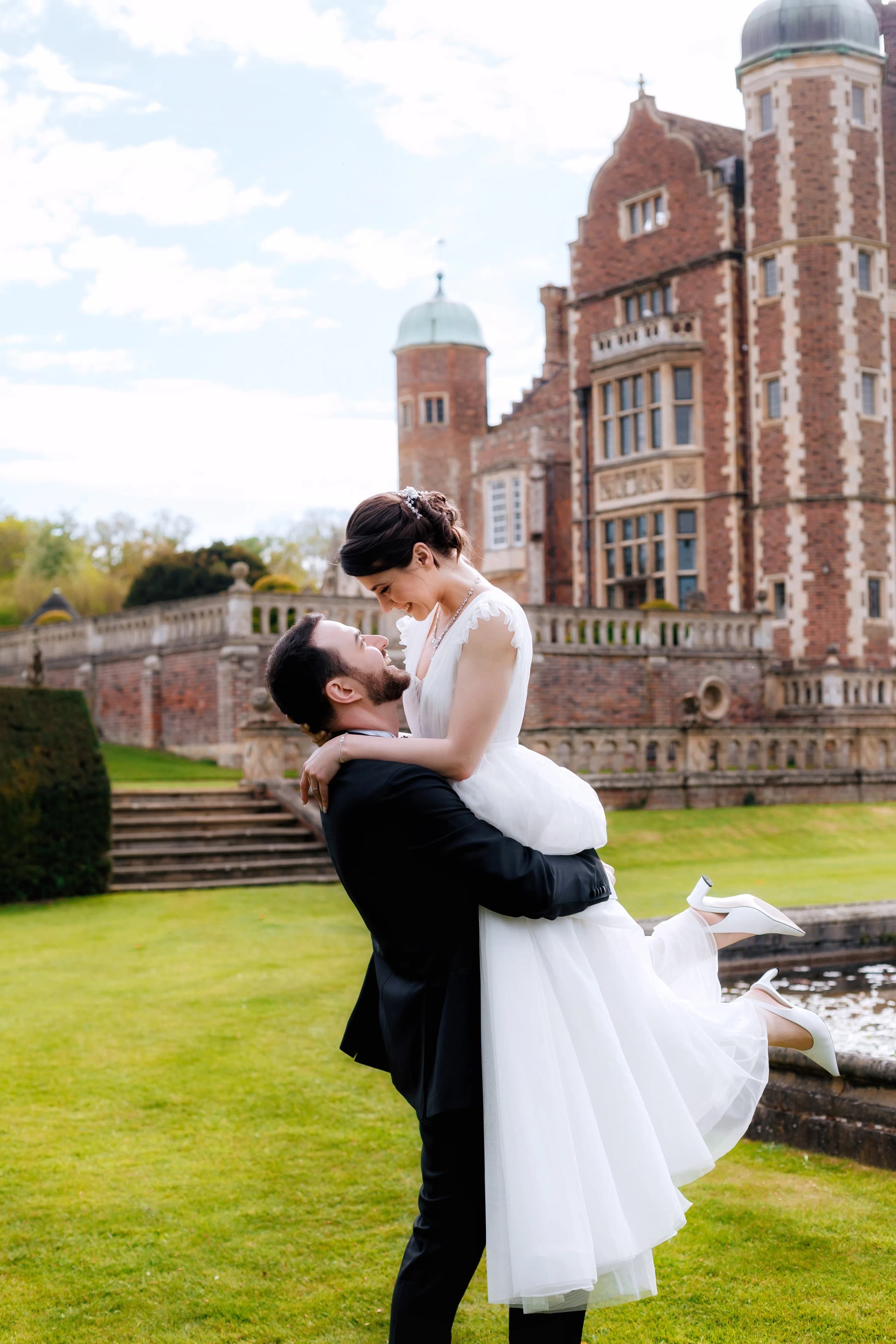
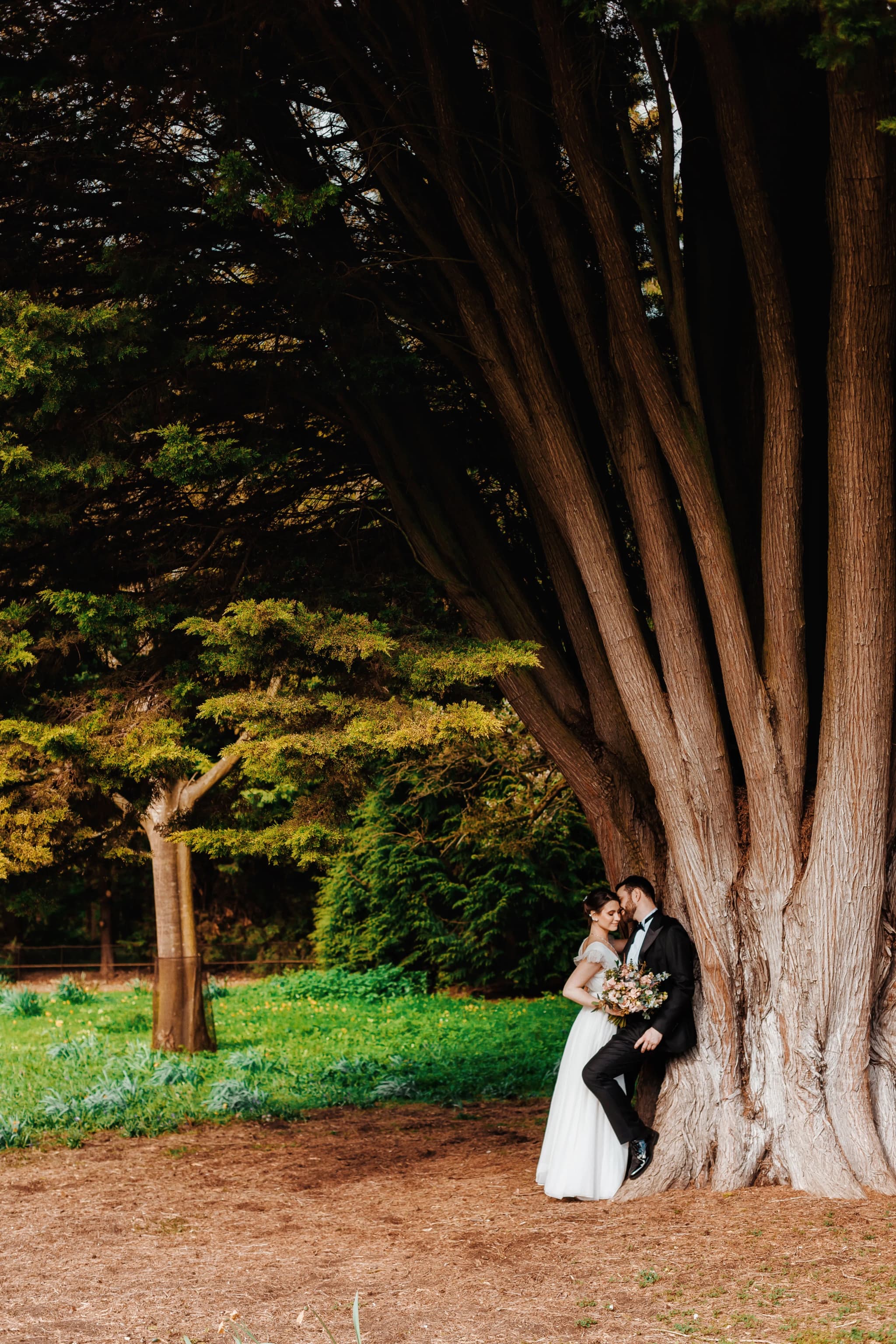
This is the part of the day that couples feel most self-conscious about and most glad they did, in that order. You do not need two hours wandering around an estate. You need 30–45 minutes at the right point in the light, with a photographer who actually directs you rather than just saying "look at each other and laugh."
In the UK, the best light for outdoor portraits is roughly one hour before sunset — which in summer can be 8 pm or later. In October and November it arrives early evening. I always check the golden hour window for your specific wedding date and location in advance, and I plan the couple session around it rather than around when the catering team want to do speeches.
If your venue is entirely indoors or the weather is reliably grim (this is England — it happens), I work with window light, candles, and the architectural details of the space. Some of my favourite couple portraits have been taken in a candlelit medieval church or a rain-soaked walled garden because the conditions created atmosphere rather than fighting it.
Reception Coverage and End-of-Night: The Hidden Hours
Wedding breakfast, speeches, first dance, and any evening entertainment can add four to six hours of coverage. During the meal I work quietly around the room — candid moments, table details, expressions during speeches — without interrupting the flow. UK speeches typically run 30–60 minutes total, though I have experienced best man speeches that generously provided 45 minutes of material for a 20-minute slot.
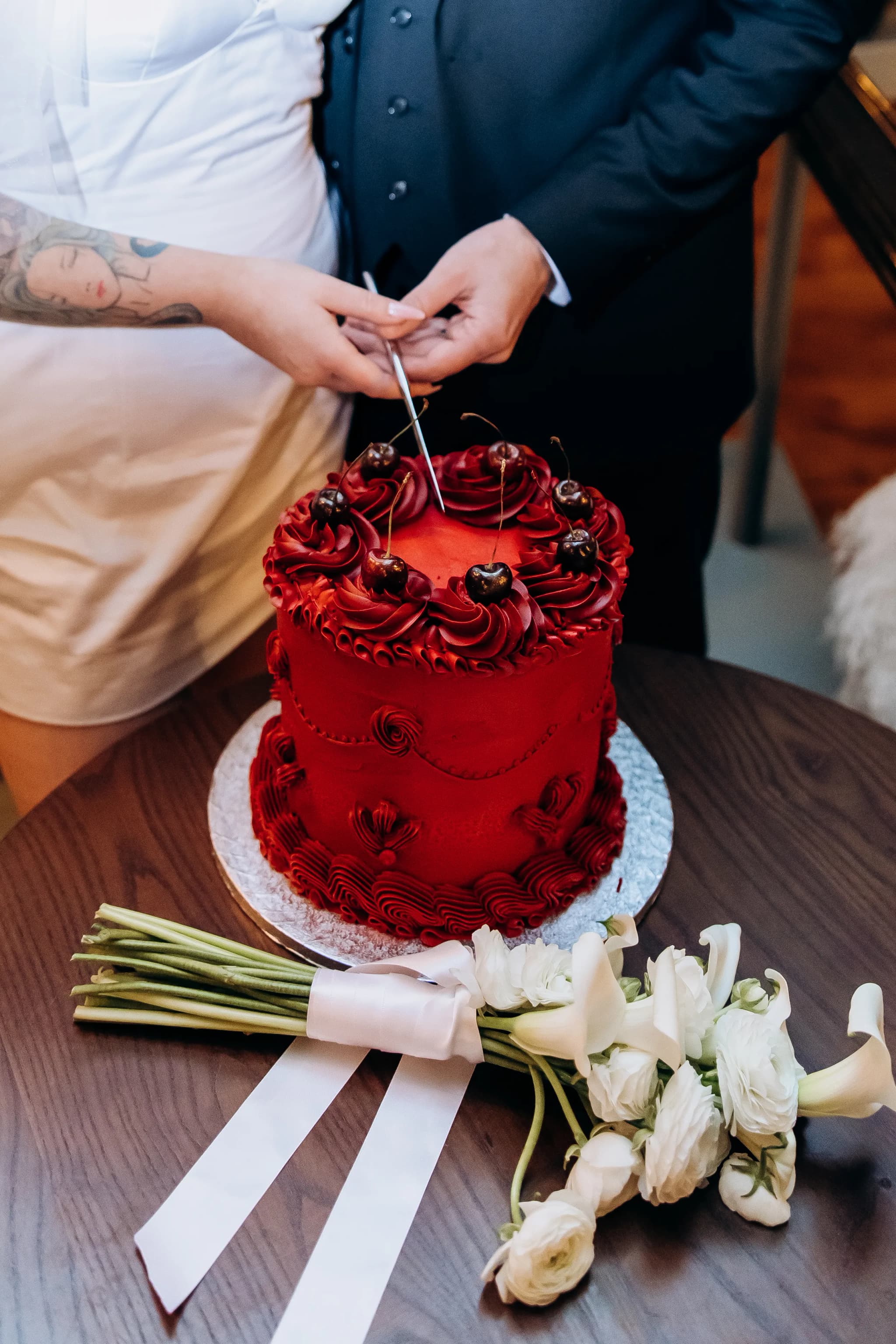
The first dance is usually five minutes of coverage but benefits enormously from me knowing the song in advance so I can anticipate the emotional beats — the moment a groom twirls his partner, the dip, the friends rushing the floor at the end. Evening guests arriving, cake cutting, sparkler exits if your venue permits them — these are all moments worth capturing but they depend entirely on what you have planned.
A typical full-day UK wedding package runs from getting-ready coverage around 10–11 am through to first dance and beyond, totalling 10–12 hours of shooting time. Shorter packages of six to eight hours work well for intimate weddings, register office ceremonies, or couples who are keeping the day deliberately simple.
The Realistic Total: What Your Wedding Day Timeline Should Protect
When you sit down to build your timeline — ideally three to four months before the wedding — work backwards from your ceremony time and protect these windows. Getting ready: 90 minutes minimum. Post-ceremony group photos: 30–40 minutes. Couple session: 30–45 minutes at golden hour. Everything else fills in around those anchors.
The single biggest mistake I see on UK wedding timelines is not leaving travel time between venues. A 20-minute drive between church and reception becomes 40 minutes when 12 cars are navigating rural Cambridgeshire lanes and someone's uncle took a wrong turn. Buffer time is not wasted time — it is the difference between arriving at your reception relaxed and arriving frantic.
I send all my couples a detailed timeline guide when they book, and I am happy to review your draft schedule and flag any pinch points before the day. You should not have to figure this out alone — it is one of the most practical things I do as part of working together.
Let's build your wedding day timeline together
Every wedding is different — your venue, your guest list, your golden hour window. Once you reach out, I'll review your plans and make sure your photography coverage is timed so nothing gets rushed and nothing gets missed.
Check Your Date →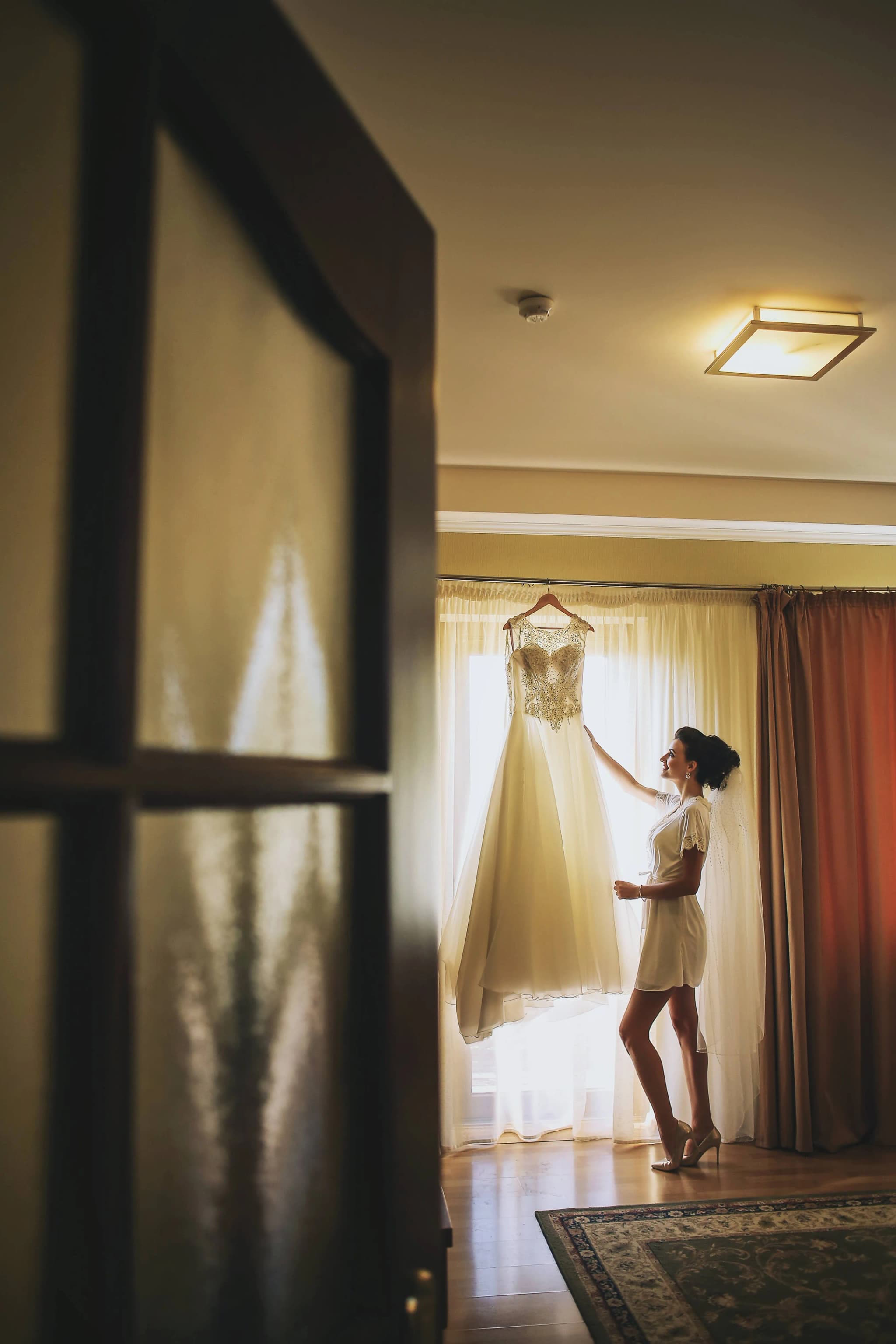

Yana Skakun
Photographer · England
Professional wedding, family and portrait photographer based in England. Passionate about capturing authentic emotions and timeless moments.
About Yana →howlongdowedding
Wedding Tips — Wedding Photography in Cambridge & England
Yana Skakun is a professional wedding photographer based in Cambridge, covering weddings across England — from intimate elopements to full-day ceremonies at country houses, barns, and city venues. Every couple receives a relaxed, documentary approach that captures the day as it truly unfolds. This guide — How Long Do Wedding Photos Actually Take? A Realistic Breakdown — is part of the photography journal: practical, experience-based advice drawn from real sessions across England. Whether you arrived searching for how or long, the same care and attention shapes every session Yana photographs.
Wedding Photography sessions are available year-round, with bookings open across Cambridge, Ely, Huntingdon, Peterborough, and further afield — East England, London, the Midlands, and beyond. If you have specific questions about do, mention it in your enquiry. Get in touch through the contact form above to check availability and discuss your session. Enquiries are welcomed from anywhere in the UK.
Frequently Asked Questions
How much does a wedding photographer cost in England?+
Wedding photography in England typically ranges from £1,500 to £4,000+ for a full day. Price depends on experience, coverage hours, and whether albums or engagement shoots are included. Most photographers charge between £2,000–£3,000 for 8–10 hours of coverage.
How early should you book a wedding photographer?+
For peak season (May–September), book 12–18 months in advance. For autumn and winter weddings, 9–12 months is usually sufficient. Popular photographers at popular venues fill up fast — as soon as you have a date and venue confirmed, start reaching out.
How many photos do you get from a wedding photographer?+
Most professional wedding photographers deliver 400–800 edited images for a full-day wedding. The exact number depends on coverage hours, how many guests there are, and the photographer's editing style. Quality matters more than quantity — a curated gallery of 500 images tells the story better than 1,500 unedited files.
Do you need a second photographer at your wedding?+
A second photographer is helpful if you want simultaneous coverage of getting-ready moments in different locations, multiple angles during the ceremony, or more candid coverage during the reception. It adds cost but significantly increases the variety and completeness of your gallery.
What is the difference between documentary and editorial wedding photography?+
Documentary (reportage) wedding photography captures moments as they happen — the photographer observes and doesn't intervene. Editorial photography involves deliberate direction: placing you in good light, shaping compositions, creating intentional portraits. Most photographers blend both styles throughout the day.
Continue Reading
Related Articles

Wedding Tips
Sustainable Eco-Friendly Wedding Guide — Planning a Green Celebration
15 min read · Read Article
Wedding Tips
Trash the Dress Session — Complete Planning and Photography Guide
14 min read · Read Article
Wedding Tips
Client Communication for Photographers — From Enquiry to Gallery Delivery
15 min read · Read Article
Get in Touch
Ready to Book Your Session?
Get in touch to discuss your vision — I'll reply within 24 hours.