Yana Skakun
January & February Weddings: The Last Untapped Wedding Season?
By Yana Skakun·18 March 2026·6 min read
January and February have long been considered the quietest months in the wedding calendar, but that is quietly changing. An increasing number of couples are discovering that the depth of winter offers something no other season can: genuine intimacy, extraordinary value, and a visual world that is minimal, dramatic, and entirely its own. If you are considering a January or February wedding, and wondering whether the photographs will hold up against a more conventional summer date, let me make the case for it properly.
Why Winter Weddings Are Having a Moment
The practical drivers come first, and they are genuinely significant. January and February are the most affordable months for wedding venues, photographers, and most suppliers across the industry. The saving can be substantial — sometimes enough to upgrade the venue meaningfully while keeping the overall budget the same as a more modest summer wedding would have cost.
Availability is the second driver. Couples can typically book at much shorter notice than for summer weddings, and have far more choice of preferred venue and supplier, since demand across the industry drops sharply outside the traditional wedding season. This matters enormously for couples who decide to marry with less than a year of planning time, which a January or February date makes considerably more realistic.
Intimacy is the third, and in many ways the most emotionally significant. Winter weddings naturally have smaller guest lists, because the people who make the journey in January are genuinely committed to being there rather than treating it as one social engagement among several that weekend. The atmosphere tends to be closer, warmer, and more genuine as a result, with less of the diffuse energy that a very large summer guest list can sometimes bring.
The Photography of Midwinter
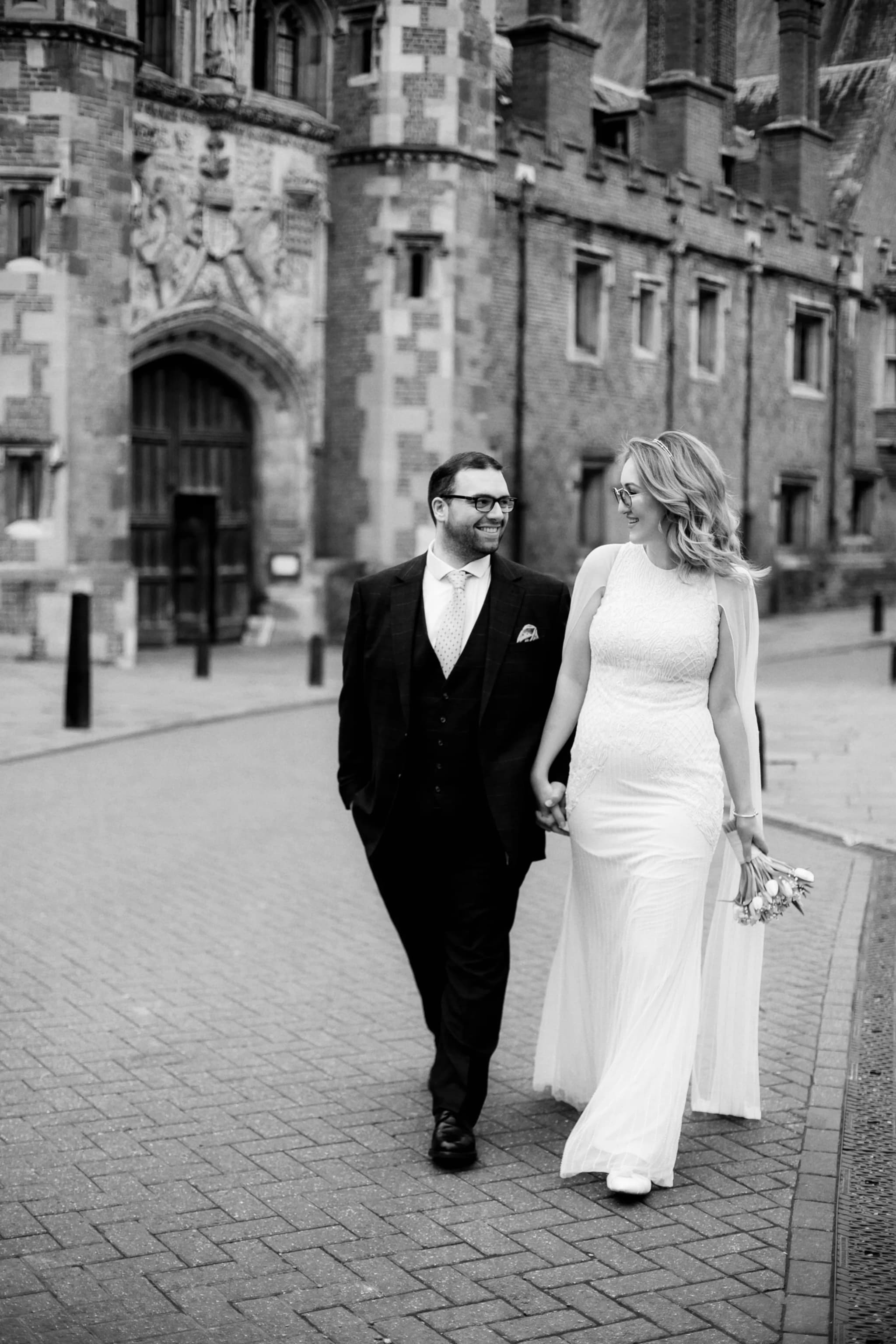
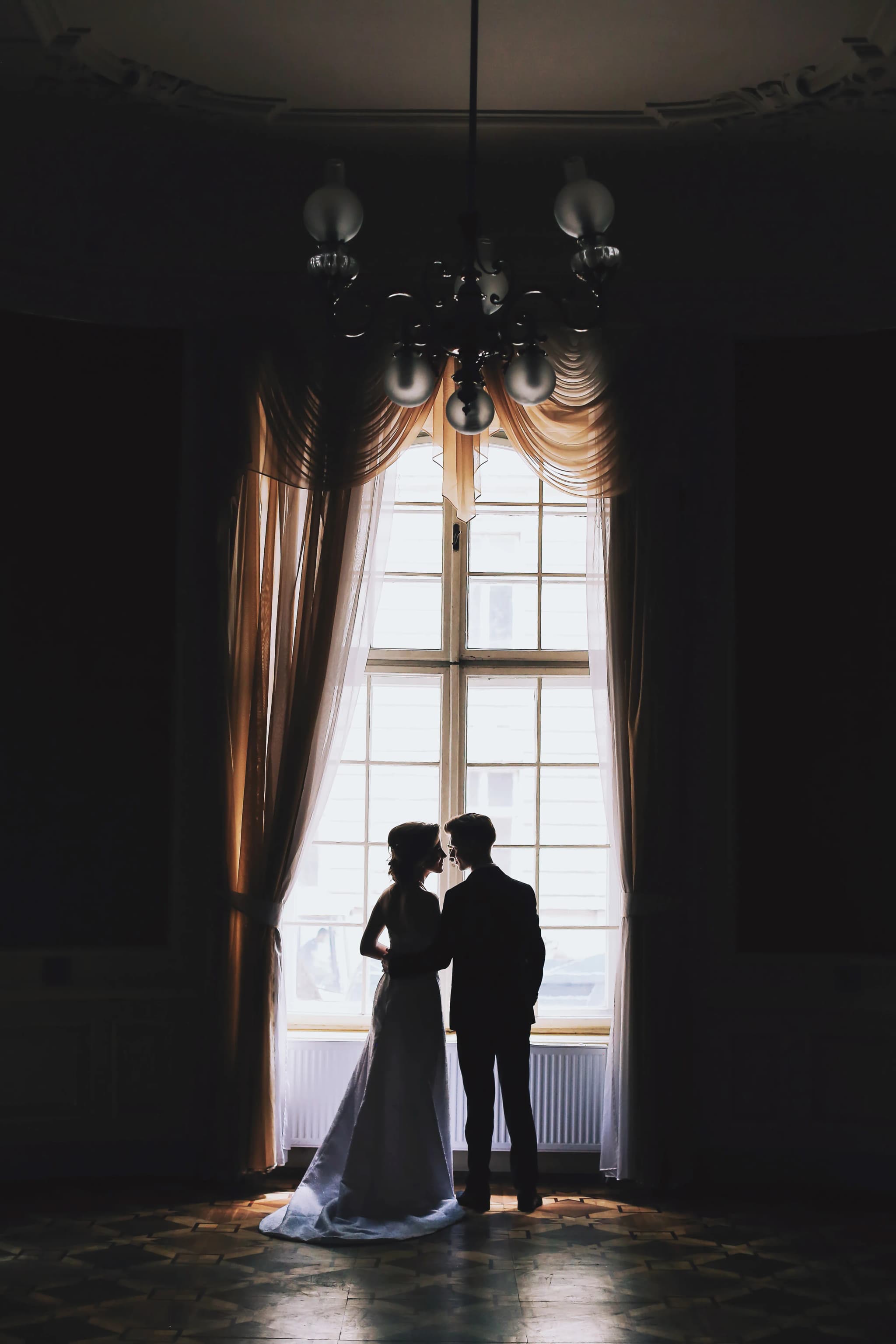
January and February in England have their own particular visual character, and it is worth understanding what that character actually looks like before assuming winter photographs are automatically a compromise. The bare landscape has a certain austerity and purity to it — skeletal trees, open skies, countryside stripped back to its bones. It is genuinely beautiful in its own right, and it translates into black and white photography with a starkness that summer's abundant green simply cannot match.
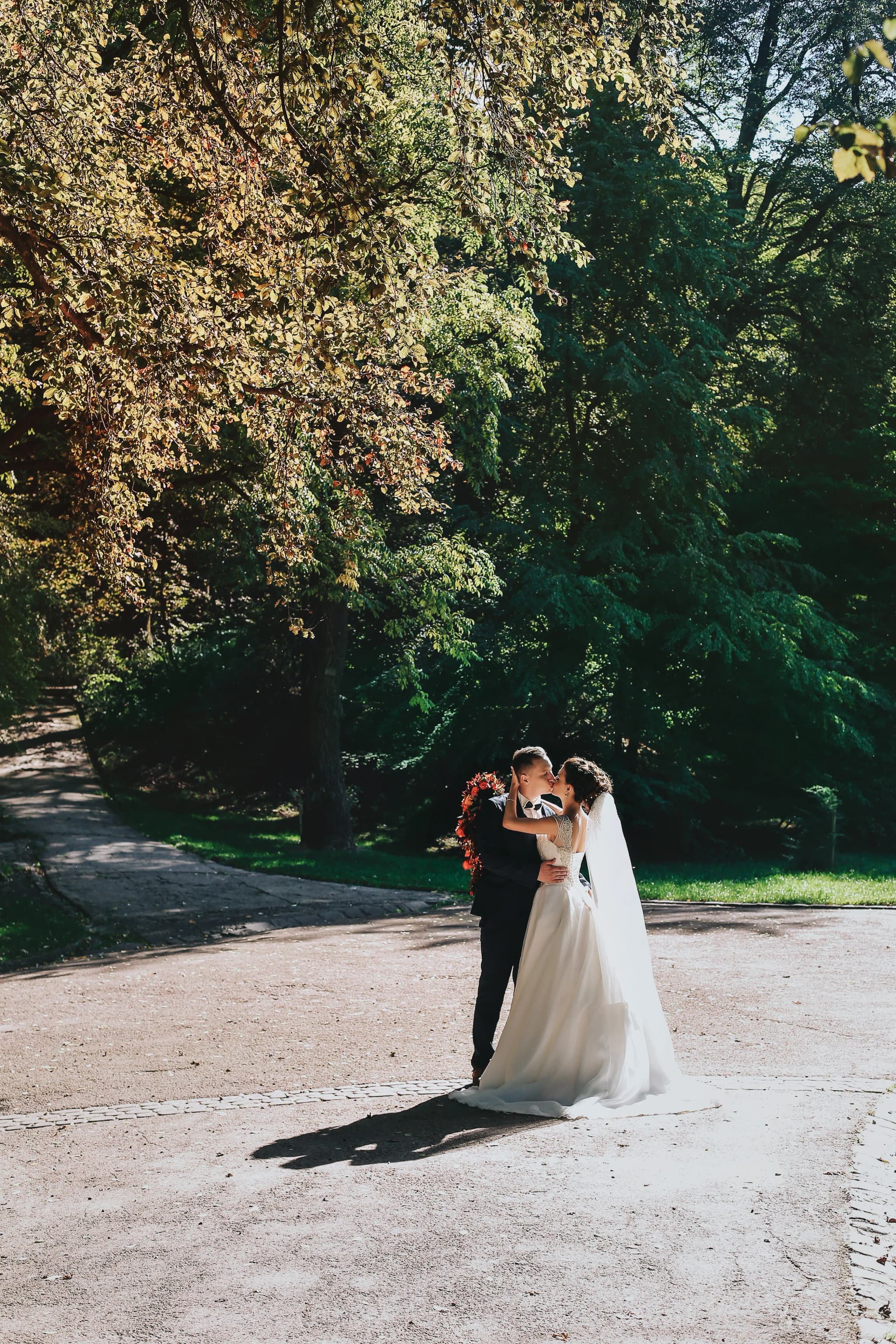
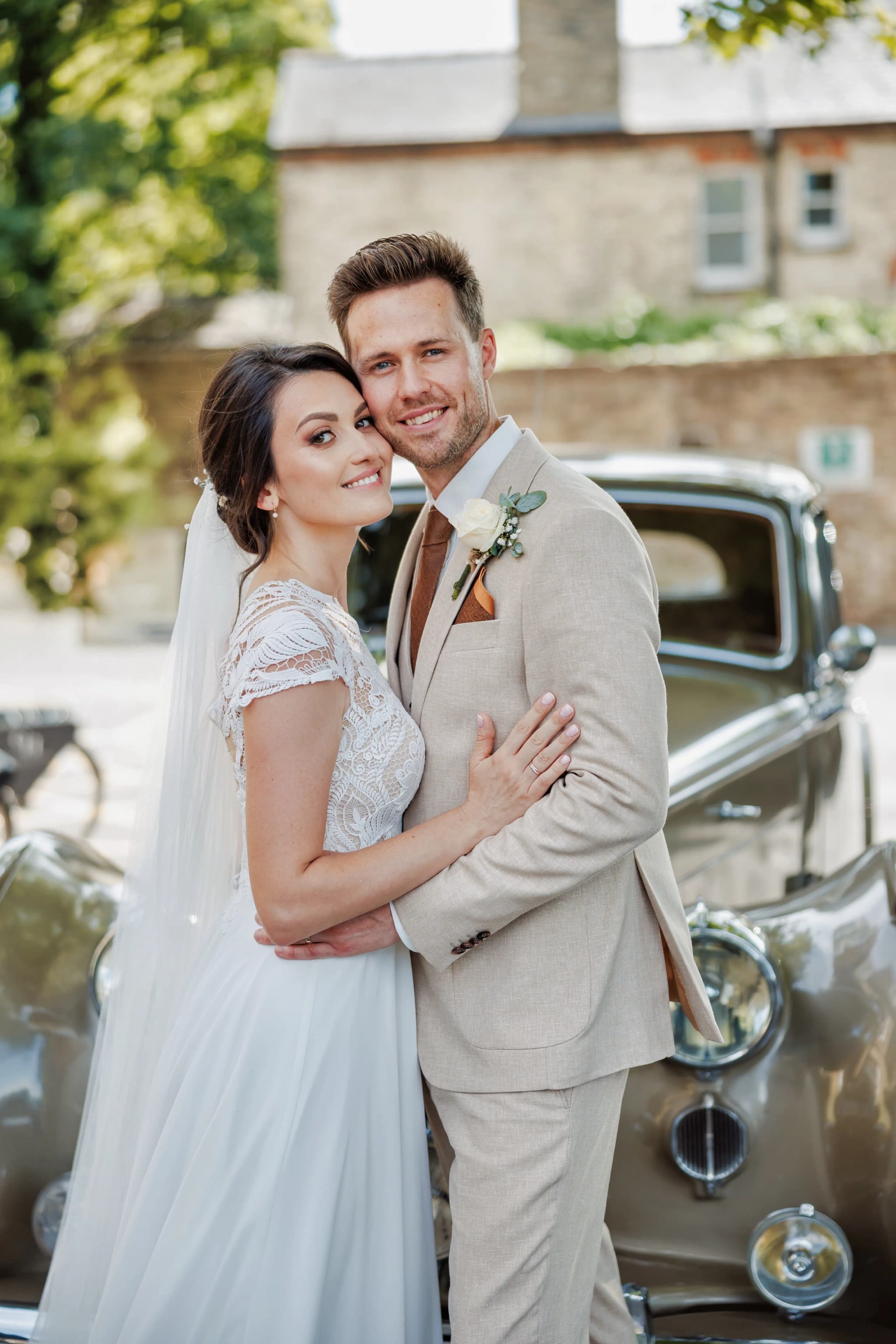
The low winter sun is, in some ways, the single biggest photographic advantage of the season. When the sun appears in January or February, it sits so low on the horizon that the light has a golden-hour quality for most of the afternoon rather than for the twenty minutes either side of sunset that summer offers. The quality of outdoor portrait photography in clear winter conditions is genuinely exceptional, and it does not require the early starts or late finishes that chasing golden hour in June demands.
Indoors, the natural human response to midwinter darkness — gathering around fire and candlelight — creates the warmest and most atmospheric interior photography of the whole year. The genuine possibility of frost on the morning of the wedding is another quality that simply cannot be manufactured at any other time of year, and it creates fairy-tale photographs whenever it happens. By late January and into February, snowdrops begin to appear as well: delicate white flowers in sheltered spots, the first sign of the returning year, and one of the most quietly beautiful natural details to incorporate into a winter wedding gallery.
A note on protecting the light
Winter light disappears fast, and the single most important thing I do differently for a January or February wedding is protect the outdoor portrait window in the timeline before anything else gets scheduled around it. Once that window is fixed, everything else in the day can flex around it rather than the other way round.
Discuss a winter wedding datePlanning the Timeline Around a Short Day
The short day, with sunrise around eight in the morning and sunset by four in the afternoon in January, means careful timeline management matters more here than for almost any other season. I work with couples to protect the key outdoor window — typically eleven in the morning until half past two in the afternoon for the best exterior light — and then transition fully indoors as the light fades rather than trying to force outdoor portraits after the usable light has gone.
Evening candlelight and blue-hour exterior shots pick up naturally from there. The transition from the last of the daylight into the candlelit reception is itself one of the most photographically rewarding parts of a winter wedding day, and it happens far earlier in the evening than it would in summer, which actually works in favour of couples who want strong photographs from the reception rather than a rushed, dark scramble at the very end of the night.
Indoor backup plans matter more for winter weddings than for any other season, and I always agree an indoor portrait location with the venue in advance, regardless of the forecast, simply because the margin for error with weather and light is smaller in January than in July.
What to Wear and How to Stay Warm
Practical warmth matters enormously for winter wedding photography, and it is worth planning for properly rather than leaving to the day itself. A coat or cape in a colour that complements the wedding party, brought specifically for the outdoor portrait window, allows for genuinely relaxed, unhurried images rather than a five-minute dash outside and back in again. Hand warmers tucked into pockets between shots make a real difference to comfort during a longer outdoor session.
For the bridal party generally, layering works better than relying on a single outfit to survive the whole day, since the temperature difference between a warm reception room and a frosty courtyard can be considerable. None of this needs to compromise the look of the photographs — a well-chosen coat or wrap often adds texture and visual interest to a winter portrait that a purely summer outfit would lack entirely.
Choosing a Venue for a Winter Wedding
Not every venue suits a January or February date equally well, and it is worth thinking about this before booking rather than after. Venues with strong interior character — a genuine open fire, characterful beams, good window light in the main rooms — carry a winter wedding day far more effectively than a venue that depends heavily on manicured gardens or outdoor space that will simply be bare and cold for a few months of the year.
I always ask to see a venue's interior spaces properly before a winter booking, since so much more of the day will happen indoors than it would in summer. A venue with good natural light through its windows in the early afternoon, and a genuinely usable outdoor spot within a short walk for the protected portrait window, tends to give the most consistently strong results across a full winter wedding day.
Setting Realistic Expectations for the Day
A winter wedding photographs beautifully, but it does ask couples to hold slightly different expectations than a summer date would. Guests are likely to be wrapped up in coats for parts of the outdoor coverage, the light will genuinely be gone by mid-afternoon rather than lingering into a long summer evening, and the overall atmosphere of the day leans cosy and intimate rather than bright and expansive. None of this is a downside once it is properly understood and planned for — it is simply a different, equally valid character of wedding.
Couples who embrace this character fully, rather than trying to force a summer-style timeline onto a January date, tend to end up with the strongest galleries. Leaning into candlelight, fires, layered textures, and the particular stillness of a winter landscape produces images with a genuinely different mood from the rest of the year, and that difference is very often exactly what makes a winter wedding gallery stand out.
January and February weddings can be extraordinarily beautiful. They require the right mindset, embracing the season rather than fighting it, and a photographer who genuinely knows how to use winter light rather than treating it as something to work around. The couples I have photographed at this time of year consistently describe the day as feeling more focused and more personal than a large summer wedding, precisely because so much of what defines a winter wedding — the guest list, the light, the candlelit rooms — pushes naturally toward intimacy rather than scale.
I genuinely love photographing at this time of year, and if you are considering a winter date, get in touch and I would be glad to talk through the possibilities.

Yana Skakun
Photographer · England
Professional wedding, family and portrait photographer based in England. Passionate about capturing authentic emotions and timeless moments.
About Yana →January wedding UKFebruary wedding photographyoff-peak winter wedding benefits
Wedding Tips — Wedding Photography in Cambridge & England
Yana Skakun is a professional wedding photographer based in Cambridge, covering weddings across England — from intimate elopements to full-day ceremonies at country houses, barns, and city venues. Every couple receives a relaxed, documentary approach that captures the day as it truly unfolds. This guide — January & February Weddings: The Last Untapped Wedding Season? — is part of the photography journal: practical, experience-based advice drawn from real sessions across England. Whether you arrived searching for january wedding uk or february wedding photography, the same care and attention shapes every session Yana photographs.
Wedding Photography sessions are available year-round, with bookings open across Cambridge, Ely, Huntingdon, Peterborough, and further afield — East England, London, the Midlands, and beyond. If you have specific questions about off-peak winter wedding benefits, mention it in your enquiry. Get in touch through the contact form above to check availability and discuss your session. Enquiries are welcomed from anywhere in the UK.
Frequently Asked Questions
How much does a wedding photographer cost in England?+
Wedding photography in England typically ranges from £1,500 to £4,000+ for a full day. Price depends on experience, coverage hours, and whether albums or engagement shoots are included. Most photographers charge between £2,000–£3,000 for 8–10 hours of coverage.
How early should you book a wedding photographer?+
For peak season (May–September), book 12–18 months in advance. For autumn and winter weddings, 9–12 months is usually sufficient. Popular photographers at popular venues fill up fast — as soon as you have a date and venue confirmed, start reaching out.
How many photos do you get from a wedding photographer?+
Most professional wedding photographers deliver 400–800 edited images for a full-day wedding. The exact number depends on coverage hours, how many guests there are, and the photographer's editing style. Quality matters more than quantity — a curated gallery of 500 images tells the story better than 1,500 unedited files.
Do you need a second photographer at your wedding?+
A second photographer is helpful if you want simultaneous coverage of getting-ready moments in different locations, multiple angles during the ceremony, or more candid coverage during the reception. It adds cost but significantly increases the variety and completeness of your gallery.
What is the difference between documentary and editorial wedding photography?+
Documentary (reportage) wedding photography captures moments as they happen — the photographer observes and doesn't intervene. Editorial photography involves deliberate direction: placing you in good light, shaping compositions, creating intentional portraits. Most photographers blend both styles throughout the day.
Continue Reading
Related Articles

Wedding Tips
Sustainable Eco-Friendly Wedding Guide — Planning a Green Celebration
15 min read · Read Article
Wedding Tips
Trash the Dress Session — Complete Planning and Photography Guide
14 min read · Read Article
Wedding Tips
Client Communication for Photographers — From Enquiry to Gallery Delivery
15 min read · Read Article
Get in Touch
Ready to Book Your Session?
Get in touch to discuss your vision — I'll reply within 24 hours.