Yana Skakun
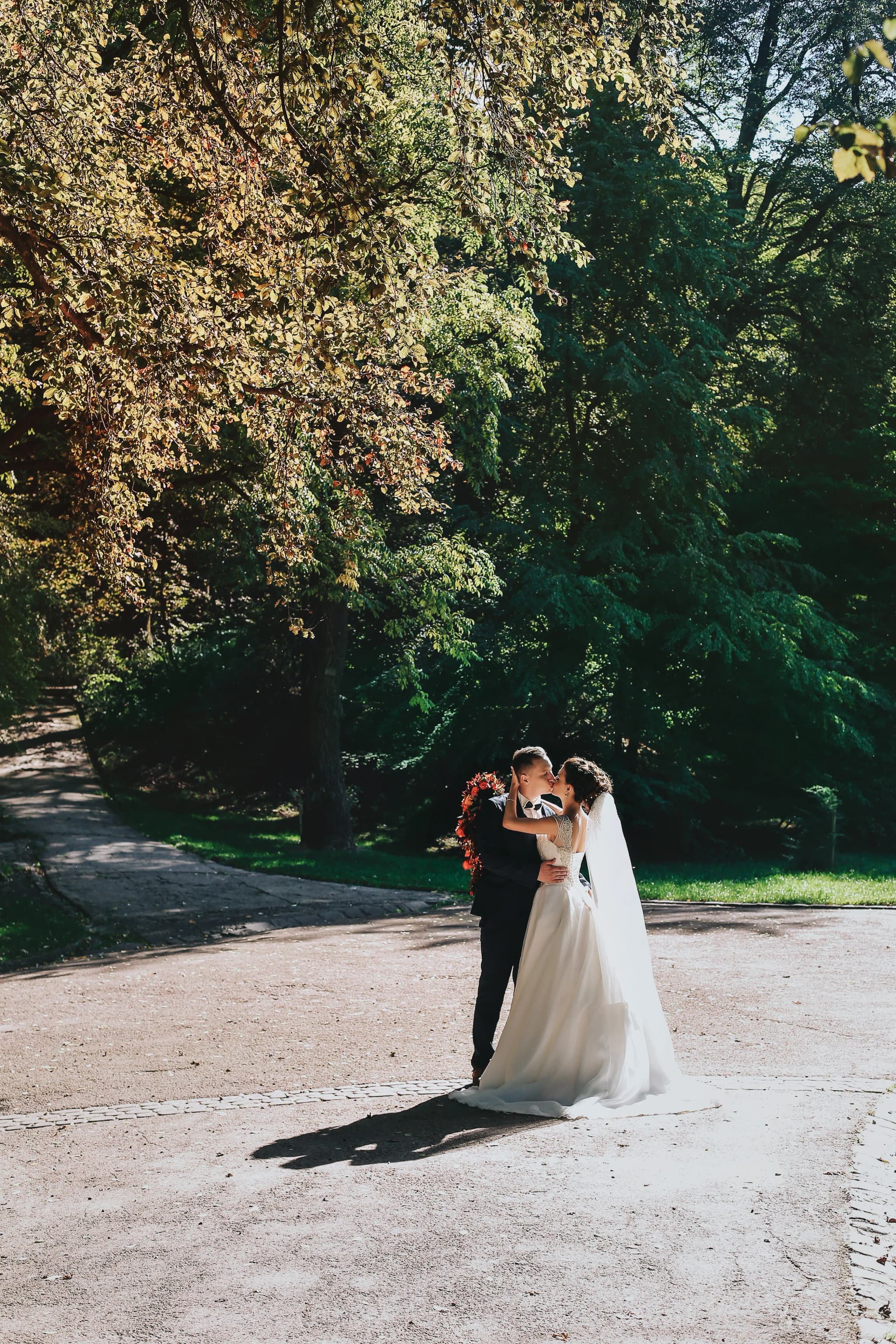
Jewish Wedding Photography in the UK: Chuppah, Hora & Beautiful Tradition
By Yana Skakun·19 March 2026·6 min read
Jewish weddings are among the most photographically rich ceremonies in the world — layered with ritual, symbolism, and moments of raw, unguarded emotion that unfold in a specific, meaningful sequence. Having photographed Jewish weddings across the UK, from intimate ceremonies at Bevis Marks in London to celebration weekends at country house venues in the Cotswolds, I have come to love both the structure and the spontaneity that define this tradition. Understanding the flow of the day and the significance behind each ritual is not optional for a Jewish wedding photographer — it is the foundation of every image.
Understanding the Structure of a Jewish Wedding Day
A Jewish wedding in the UK rarely follows a single, uniform format. Ashkenazi, Sephardi, and Progressive communities each carry their own customs, and many couples weave together traditions from both sides of their families. Before the wedding day, I always have a detailed conversation with the couple and, where helpful, with the rabbi or chazzan, so that I understand exactly what will happen, in what order, and — crucially — what is permitted photographically within the specific synagogue or ceremony space.
The day typically begins before the ceremony itself, with the kabbalat panim: separate receptions for the bride and groom where they are greeted by guests and family. This pre-ceremony period is one of the most emotionally intense parts of the day, and it is often where some of the most intimate family photographs emerge. Time spent here is never wasted. I move between the two receptions with an assistant when possible, so neither gathering goes undocumented.
What this means practically is that a Jewish wedding day is longer and more complex than many couples initially anticipate. Building in generous time buffers between the ketubah signing, the bedeken, the ceremony, and the reception is essential. I always advise couples to communicate clearly with their venue coordinator about the realistic timeline so the photography never feels rushed.
The Ketubah Signing and Bedeken
The ketubah signing is often the first formal ritual of the day, taking place in a private room with witnesses, immediate family, and the rabbi. It is a quiet, contained moment — the signing of the marriage contract — and it carries enormous weight. I photograph it with a single prime lens to keep the space uncrowded and the atmosphere intimate. The expressions during the signing, the hands on the document, the witnesses leaning in: these are the images that tend to stop couples when they first see their gallery.
In Ashkenazi tradition, the bedeken follows the ketubah signing. The groom, accompanied by family and often by singing and dancing, walks to where the bride is waiting and lowers the veil over her face. This moment — the first sight of each other, the gesture of the groom covering the bride's face, the tears that frequently follow on both sides — is one of the most emotionally charged of the entire day. It happens quickly, so I position myself to capture the bride's expression in the moment before the veil descends and the groom's face as he looks at her.
For Sephardi couples or Progressive ceremonies, the pre-ceremony rituals may differ, and some couples incorporate modern elements such as a first look or a shared ketubah signing. Whatever the approach, I follow the couple's lead and ensure that the photographs serve the meaning they have invested in each moment.
Photographing the Chuppah Ceremony
The chuppah is the visual centrepiece of a Jewish wedding. The canopy — whether a simple white cloth held by four poles or an elaborate floral structure suspended from above — frames the couple and their immediate family in a way that is architecturally and emotionally compelling. At venues such as The Grove in Hertfordshire or One Marylebone in London, the chuppah is often designed with the photography in mind, but even in a modest synagogue, the geometry of the structure creates natural compositions.
I typically work with two camera positions during the chuppah ceremony: one that captures the couple within the structure and the officiant above them, and a second that faces back towards the congregation to document the emotion rippling through the room. Many of the most powerful images from a Jewish wedding come not from the couple themselves but from the faces of grandparents, siblings, and old friends watching from the seats. These are the photographs that become heirlooms.
The circling ritual — the bride circling the groom three or seven times, or in egalitarian ceremonies both partners circling each other — creates movement and a sense of anticipation. I use a slightly longer shutter speed during this part of the ceremony to suggest flow and motion rather than freezing it entirely. The seven blessings (sheva brachot) that follow are a quieter moment of intention and listening, and the photographs reflect that stillness before the breaking of the glass changes everything.
The Breaking of the Glass and the Hora
When the groom stamps on the glass and the room erupts in "Mazel Tov!" — that split second is one of the hardest single moments to capture in wedding photography, and one of the most rewarding. I use burst mode and position myself to capture both the foot coming down and the couple's faces in the same frame. The explosion of joy that follows — the cheering, the embracing, the first kiss as a married couple — unfolds in about fifteen seconds and requires complete focus and anticipation.
The Hora is the celebration that follows the ceremony, and it is unlike anything else in wedding photography. The circle dances, the couple hoisted in chairs above the crowd, the intensity and joy of a room of people moving together — it demands energy, quick reflexes, and a wide-angle lens. I move inside the circle, I crouch low to capture the chairs rising above the crowd, and I look constantly for the interactions at the edges: the grandmother clapping, the children watching with wide eyes, the friends holding hands and spinning. These are the images that make a Jewish wedding gallery sing.
A note for couples planning a Jewish wedding
Share your rabbi's or synagogue's photography guidelines with me as early as possible. Some spaces prohibit flash; others require the photographer to stay behind a certain line during parts of the ceremony. I work comfortably within all these parameters — but knowing them in advance means I can prepare the right equipment and plan my positions, so nothing is missed. Get in touch to discuss your wedding and we can go through every detail together.
Family Portraits and the Group List
Jewish weddings frequently bring together large extended families, sometimes travelling from multiple countries, and the family portrait list reflects this. I work with couples to build a realistic, prioritised portrait list before the wedding day, grouping combinations logically so the process moves efficiently. Having a designated family member or coordinator who knows both families and can gather people quickly makes an enormous difference — I always recommend nominating someone for this role and briefing them in advance.
In my experience, forty-five minutes is a comfortable allocation for twenty to twenty-five family combinations on a well-organised list. If the list is longer or the family groups are very large, I build that additional time into the timeline recommendation I provide to the couple. The goal is always to complete portraits while the light is still beautiful and before the guests need the couple at the reception — so that the evening feels celebratory rather than administrative.
Beyond the formal portraits, I look for the informal family moments throughout the day: the grandparents watching the Hora, siblings embracing during the ketubah signing, cousins catching up over drinks during the cocktail hour. These candid family images are often the ones that matter most in the long run, and they only happen when the photographer is paying attention across the whole day rather than waiting behind the camera for the next scheduled shot.
Practical Considerations for UK Jewish Weddings
Jewish weddings in the UK take place in a wide range of settings. Synagogues vary enormously in their character and their photography policies — from the grand Victorian interiors of the Western Marble Arch Synagogue to the warm, community-feel of smaller Liberal or Reform congregations in Cambridge, Manchester, or Edinburgh. Many couples choose to hold the ceremony in a synagogue and the reception at a separate venue, which adds a logistical layer to the day that both the couple and photographer need to plan for carefully.
Shabbat and Yom Tov restrictions affect the timing of Jewish weddings, meaning that many ceremonies take place on Sundays or in the motzei Shabbat period on Saturday evenings. For late-starting ceremonies, I plan specifically for evening and low-light photography throughout the reception, ensuring that the equipment and settings are optimised for candlelight and ambient artificial light rather than relying on flash, which can flatten the warmth of an evening celebration.
Kosher catering arrangements and the separation of dairy and meat menus sometimes affect the venue layout in ways that influence where portraits and candid photographs happen during the cocktail hour and reception. Understanding these details in advance — and thinking through how they affect the flow of the photography — is part of the preparation I bring to every Jewish wedding I photograph.
A Jewish wedding is a gathering of generations, a celebration of continuity, and a ceremony dense with meaning that has been passed down across centuries. My job as your photographer is to understand that meaning well enough to be in the right place at the right moment — and then to disappear into the background so that the day unfolds exactly as it should. The photographs that result are ones that will matter to your family for generations to come. If you are planning a Jewish wedding in Cambridge, London, or anywhere across the UK, I would love to hear about your day. Visit my weddings page to see more of my work, or get in touch to begin the conversation.

Yana Skakun
Photographer · England
Professional wedding, family and portrait photographer based in England. Passionate about capturing authentic emotions and timeless moments.
About Yana →Jewish wedding photography UKchuppah wedding photographerhora dancing wedding photos
Wedding Tips — Wedding Photography in Cambridge & England
Yana Skakun is a professional wedding photographer based in Cambridge, covering weddings across England — from intimate elopements to full-day ceremonies at country houses, barns, and city venues. Every couple receives a relaxed, documentary approach that captures the day as it truly unfolds. This guide — Jewish Wedding Photography in the UK: Chuppah, Hora & Beautiful Tradition — is part of the photography journal: practical, experience-based advice drawn from real sessions across England. Whether you arrived searching for jewish wedding photography uk or chuppah wedding photographer, the same care and attention shapes every session Yana photographs.
Wedding Photography sessions are available year-round, with bookings open across Cambridge, Ely, Huntingdon, Peterborough, and further afield — East England, London, the Midlands, and beyond. If you have specific questions about hora dancing wedding photos, mention it in your enquiry. Get in touch through the contact form above to check availability and discuss your session. Enquiries are welcomed from anywhere in the UK.
Frequently Asked Questions
How much does a wedding photographer cost in England?+
Wedding photography in England typically ranges from £1,500 to £4,000+ for a full day. Price depends on experience, coverage hours, and whether albums or engagement shoots are included. Most photographers charge between £2,000–£3,000 for 8–10 hours of coverage.
How early should you book a wedding photographer?+
For peak season (May–September), book 12–18 months in advance. For autumn and winter weddings, 9–12 months is usually sufficient. Popular photographers at popular venues fill up fast — as soon as you have a date and venue confirmed, start reaching out.
How many photos do you get from a wedding photographer?+
Most professional wedding photographers deliver 400–800 edited images for a full-day wedding. The exact number depends on coverage hours, how many guests there are, and the photographer's editing style. Quality matters more than quantity — a curated gallery of 500 images tells the story better than 1,500 unedited files.
Do you need a second photographer at your wedding?+
A second photographer is helpful if you want simultaneous coverage of getting-ready moments in different locations, multiple angles during the ceremony, or more candid coverage during the reception. It adds cost but significantly increases the variety and completeness of your gallery.
What is the difference between documentary and editorial wedding photography?+
Documentary (reportage) wedding photography captures moments as they happen — the photographer observes and doesn't intervene. Editorial photography involves deliberate direction: placing you in good light, shaping compositions, creating intentional portraits. Most photographers blend both styles throughout the day.
Continue Reading
Related Articles

Wedding Tips
Sustainable Eco-Friendly Wedding Guide — Planning a Green Celebration
15 min read · Read Article
Wedding Tips
Trash the Dress Session — Complete Planning and Photography Guide
14 min read · Read Article
Wedding Tips
Client Communication for Photographers — From Enquiry to Gallery Delivery
15 min read · Read Article
Get in Touch
Ready to Book Your Session?
Get in touch to discuss your vision — I'll reply within 24 hours.