Yana Skakun
Summer Heatwave Wedding Photography: How to Look Cool & Feel Great
By Yana Skakun·14 March 2026·6 min read
Every few summers, England has a genuine stretch of heat — sometimes days, occasionally weeks — where temperatures climb past thirty degrees and the sky stays a hard, unbroken blue. For a wedding, this is both a gift and a real practical challenge, and it is one I have photographed enough times now to know exactly where the difficulties lie and how to plan around them properly rather than simply hoping for the best on the day.
Why Bright Overhead Sun Is Actually Difficult
There is a common assumption that a sunny wedding day is automatically a good photography day, and in high summer heat that assumption breaks down quite quickly. Sun directly overhead or at a steep angle, which is exactly what you get between roughly eleven in the morning and three in the afternoon in July and August, creates deep shadows under brows, noses, and chins, and forces people to squint whenever they look anywhere near the sky. Heat haze can soften distant backgrounds, and the contrast between brilliant highlights and dark shadow becomes difficult even for a camera sensor to hold detail in.
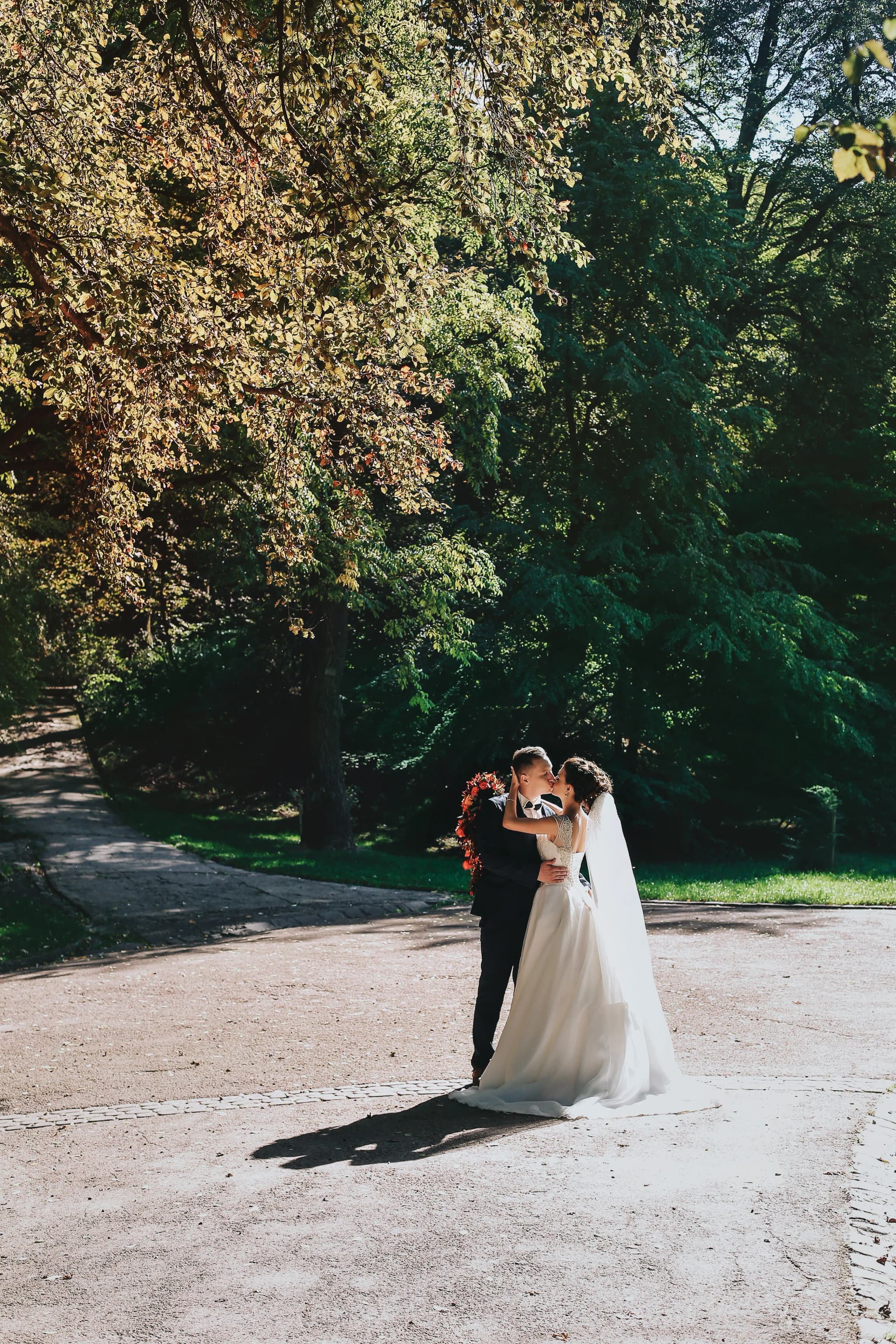
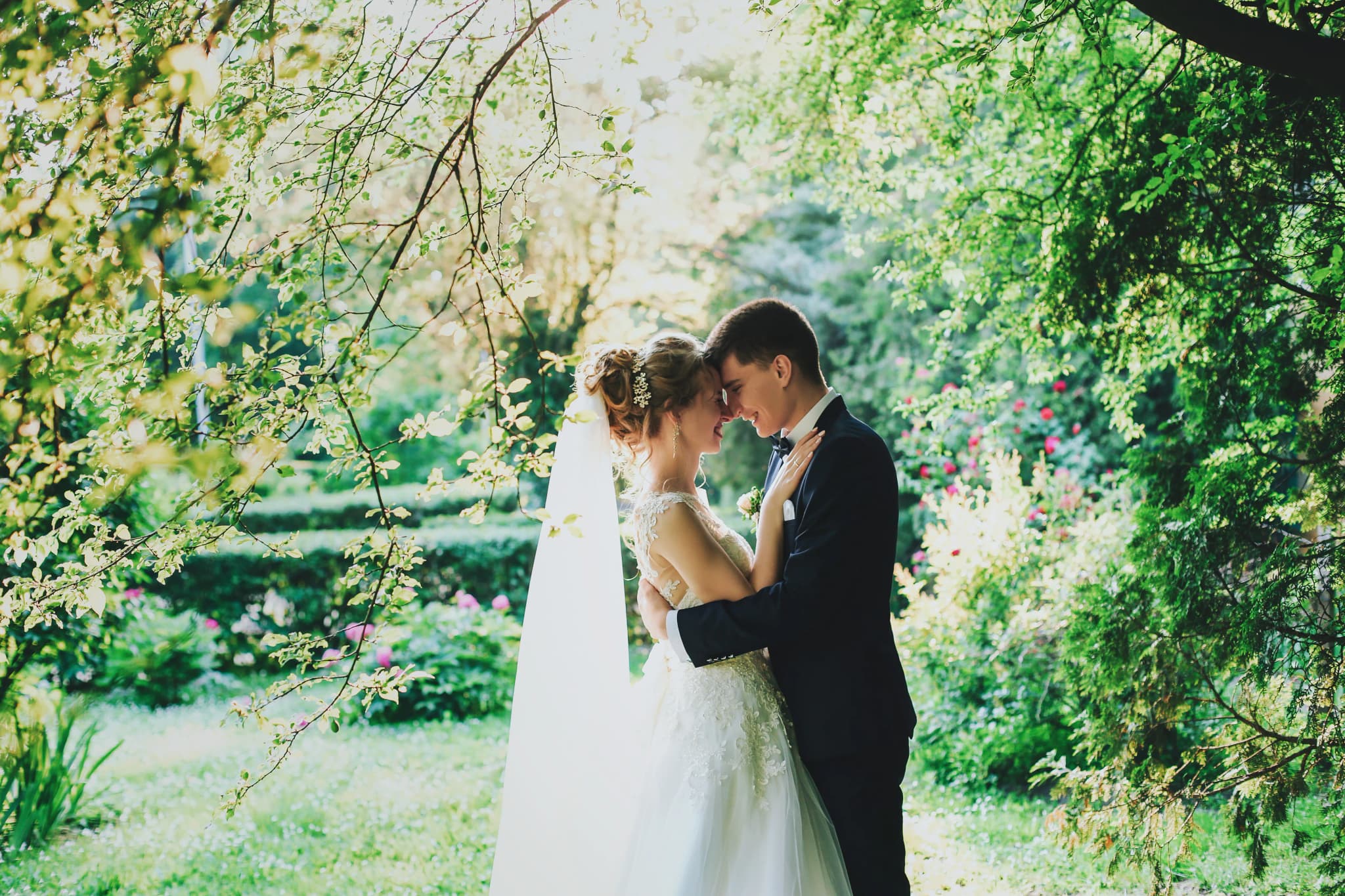
The answer is shade, and good shade in high summer is a genuinely rich photographic environment rather than a compromise anyone has to settle for. Open shade — the kind cast by a mature tree, a building's edge, or a garden archway — gives soft, even, wraparound light that is flattering in a way harsh direct sun never can be. Crucially, the background beyond that shaded pocket stays sunlit and vivid, so the photograph still reads as a bright summer day even though the faces themselves are lit gently.
I scout every heat wave wedding venue with this specifically in mind — not just where the pretty spots are, but where the shade will fall at each hour of the day the photography needs to happen, because a beautiful shaded corner at eleven in the morning may be in full sun by two in the afternoon.
What This Means for Group Photographs
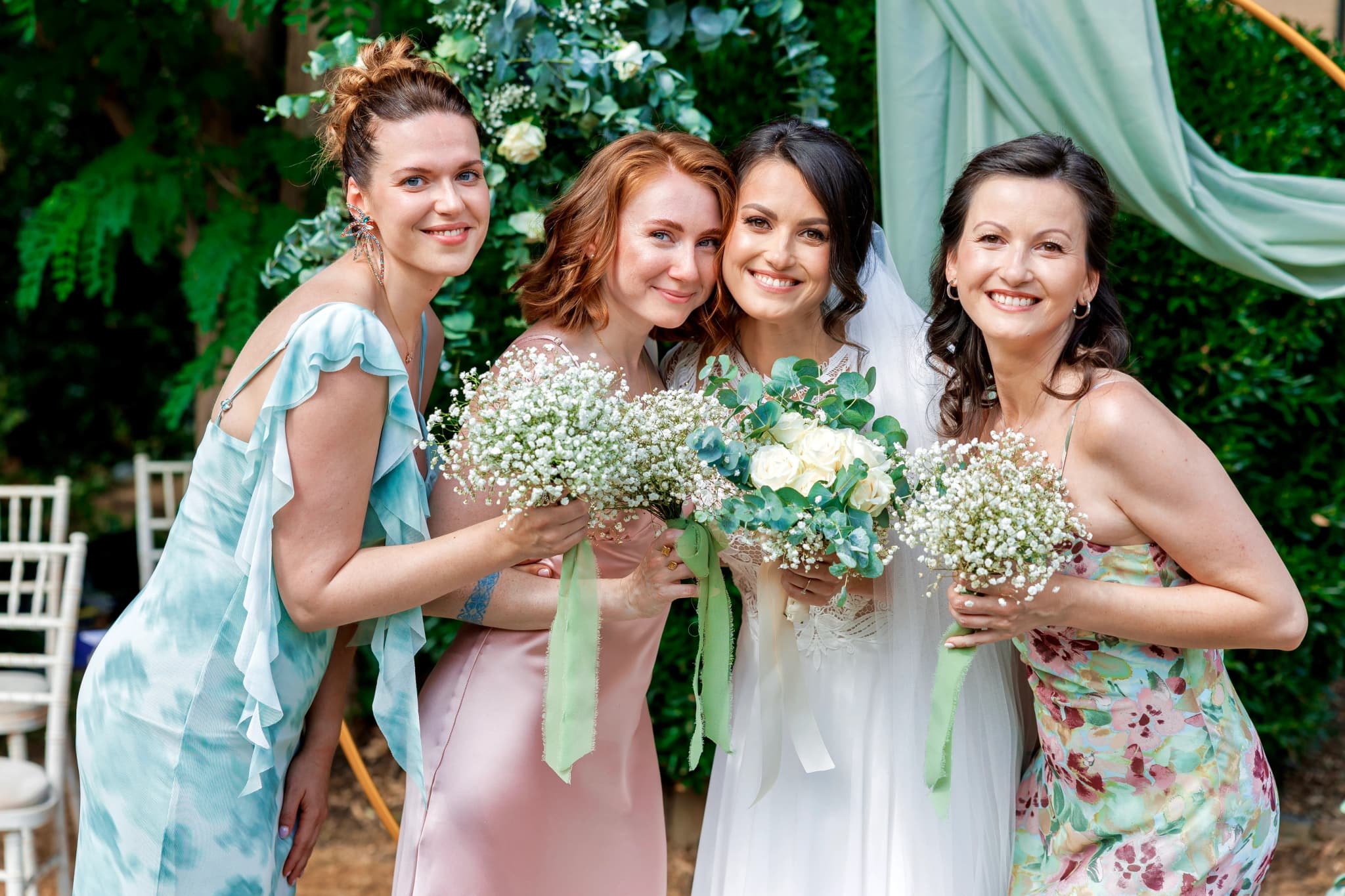
Large group photographs are one of the trickiest parts of a heat wave wedding day, simply because gathering twenty or thirty guests together in full sun for several minutes is uncomfortable for everyone involved, however quickly it is done. I always try to identify a shaded spot large enough for the biggest group shots in advance, even if it means a short walk from the main reception area, because a comfortable group produces noticeably better expressions than one squinting and wilting in direct sun.
Where no single shaded spot is large enough, splitting group photographs into two locations, or working quickly through a slightly smaller number of groupings, tends to serve everyone better than insisting on one enormous shot in the open sun purely for the sake of tradition.
Keeping Everyone Comfortable Without Losing the Occasion
The practical challenge on a genuinely hot day is helping the couple and their guests stay comfortable while still looking composed and unhurried in photographs, and a lot of that comes down to timeline decisions made weeks in advance rather than improvised on the day. If a ceremony and wedding breakfast fall through the hottest part of the afternoon, I always suggest building in a proper indoor rest period rather than pushing straight from canapés into formal photographs while everyone is wilting.
Venue choice matters enormously here too. Venues with real tree cover, a walled garden, or a genuine indoor-outdoor flow cope with a heat wave far better than an open field with no natural shelter, and I always flag this during planning conversations if a couple is choosing between venues for a July or August date.
Evening portraits are where a heat wave genuinely earns its keep. As the afternoon heat breaks into a golden evening, the light becomes spectacular — warm, low, and forgiving — and a portrait session at seven or eight in the evening on a hot day, with the temperature finally easing and a breeze picking up, produces some of the most beautiful images I take all year. I also recommend keeping cold drinks and, where possible, a misting fan near the main photography locations; five minutes of genuinely cooling down before a portrait session produces visibly more relaxed, open expressions than trying to push through discomfort for the sake of the schedule.
Planning a summer heat wave wedding?
I have learned to genuinely love photographing high summer weddings — the evening light in particular is extraordinary if the timeline is built around it properly.
Talk through your summer wedding timelineChoosing a Venue With a Heat Wave in Mind
If your wedding date already falls in late July or August, it is worth thinking about heat resilience as a genuine factor when choosing a venue, alongside the more obvious considerations of style and capacity. A courtyard with mature trees on at least one side, a walled garden with some shaded corners, or a marquee with proper ventilation and sides that can be opened will all cope far better with an unexpected heat spike than an entirely open lawn with a single exposed marquee in the middle of it.
Indoor-outdoor flow matters just as much. Venues where guests can move freely between a cool interior and a shaded terrace, rather than being committed to one or the other for hours at a time, give everyone the flexibility to manage their own comfort through the hottest part of the day without missing anything important.
The Photographic Opportunities That Only High Summer Offers
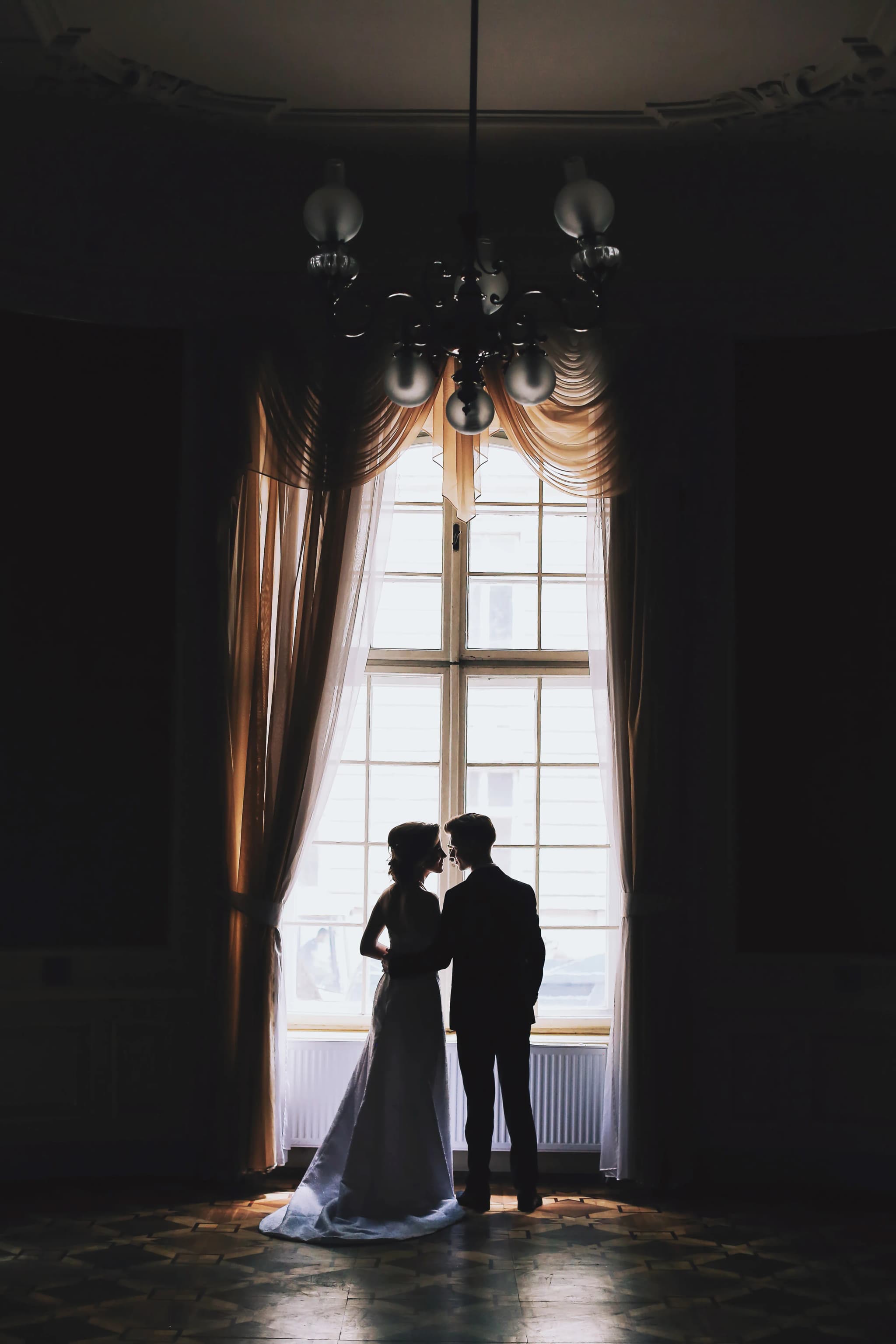
A genuine heat wave brings its own specific visual rewards alongside the challenges. Sunlit fields of wildflowers or long grass create beautiful silhouette opportunities late in the day; water features and outdoor pools throw brilliant reflections that simply are not available at other times of year; and low late-afternoon sun throws long, graphic shadows across lawns and paths that become striking compositional elements in their own right rather than something to avoid.
Sun flare through tree branches or over a hillside, which is difficult to achieve convincingly in flatter winter light, comes naturally in high summer and adds real atmosphere and warmth to a frame when it is used with intention rather than accident. And because the air often stays exceptionally clear during a settled heat wave, the golden hour itself can stretch beyond an hour with genuinely exceptional colour — a gift for anyone willing to build the timeline around it.
Dressing and Preparing for a Hot Wedding Day
A few practical choices made in the weeks before the day make a genuine difference to how comfortable everyone is and, in turn, how relaxed everyone looks in photographs. Breathable natural fabrics — linen, cotton, silk — cope with heat far better than heavier synthetic blends, and this matters as much for the wedding party's outfits as it does for guests. Hair and makeup that is built to hold through heat and any perspiration is worth discussing directly with your artists in advance, since a style that looks perfect at nine in the morning can behave quite differently by three in the afternoon in thirty-degree heat.
I always suggest having a small emergency kit on hand during the hottest part of the day — blotting papers, a travel fan, a spare hair pin or two, and cold water kept somewhere shaded and accessible. None of this needs to be elaborate, but a couple who has thought about it in advance tends to look noticeably more composed in the afternoon portraits than one who has been caught out by the heat.
A Timeline That Works With the Heat, Not Against It
For a genuine heat wave day I generally recommend keeping the ceremony, wedding breakfast, cake cutting, and speeches broadly within the late morning to mid-afternoon window, ideally indoors or in deep shade for as much of it as possible. Guest time, dancing, and lawn games in the mid to late afternoon can happen in the heat itself — guests generally enjoy this part regardless of temperature — while I keep formal photography during that stretch limited to genuinely shaded spots.
The couple's dedicated portrait session then sits from around six to eight in the evening, in the steadily improving golden light, with a further window from eight to nine for extended sunset photographs as the light mellows into deep amber. This structure protects the best light for the images that matter most while keeping everyone comfortable through the hottest hours, and it is a pattern I have refined across enough hot English summers to trust completely.
None of this requires a rigid, over-engineered schedule — just an acknowledgement, built into the plan from the outset, that the middle of a hot day is for shelter and the evening is for the photographs everyone will remember. If you are planning a July or August wedding and want to talk through how the heat might shape your particular venue and timeline, get in touch and we can work through it together.

Yana Skakun
Photographer · England
Professional wedding, family and portrait photographer based in England. Passionate about capturing authentic emotions and timeless moments.
About Yana →heatwave wedding photographyhot day wedding photos UKsummer wedding tips photographer
Wedding Tips — Wedding Photography in Cambridge & England
Yana Skakun is a professional wedding photographer based in Cambridge, covering weddings across England — from intimate elopements to full-day ceremonies at country houses, barns, and city venues. Every couple receives a relaxed, documentary approach that captures the day as it truly unfolds. This guide — Summer Heatwave Wedding Photography: How to Look Cool & Feel Great — is part of the photography journal: practical, experience-based advice drawn from real sessions across England. Whether you arrived searching for heatwave wedding photography or hot day wedding photos uk, the same care and attention shapes every session Yana photographs.
Wedding Photography sessions are available year-round, with bookings open across Cambridge, Ely, Huntingdon, Peterborough, and further afield — East England, London, the Midlands, and beyond. If you have specific questions about summer wedding tips photographer, mention it in your enquiry. Get in touch through the contact form above to check availability and discuss your session. Enquiries are welcomed from anywhere in the UK.
Frequently Asked Questions
How much does a wedding photographer cost in England?+
Wedding photography in England typically ranges from £1,500 to £4,000+ for a full day. Price depends on experience, coverage hours, and whether albums or engagement shoots are included. Most photographers charge between £2,000–£3,000 for 8–10 hours of coverage.
How early should you book a wedding photographer?+
For peak season (May–September), book 12–18 months in advance. For autumn and winter weddings, 9–12 months is usually sufficient. Popular photographers at popular venues fill up fast — as soon as you have a date and venue confirmed, start reaching out.
How many photos do you get from a wedding photographer?+
Most professional wedding photographers deliver 400–800 edited images for a full-day wedding. The exact number depends on coverage hours, how many guests there are, and the photographer's editing style. Quality matters more than quantity — a curated gallery of 500 images tells the story better than 1,500 unedited files.
Do you need a second photographer at your wedding?+
A second photographer is helpful if you want simultaneous coverage of getting-ready moments in different locations, multiple angles during the ceremony, or more candid coverage during the reception. It adds cost but significantly increases the variety and completeness of your gallery.
What is the difference between documentary and editorial wedding photography?+
Documentary (reportage) wedding photography captures moments as they happen — the photographer observes and doesn't intervene. Editorial photography involves deliberate direction: placing you in good light, shaping compositions, creating intentional portraits. Most photographers blend both styles throughout the day.
Continue Reading
Related Articles

Wedding Tips
Sustainable Eco-Friendly Wedding Guide — Planning a Green Celebration
15 min read · Read Article
Wedding Tips
Trash the Dress Session — Complete Planning and Photography Guide
14 min read · Read Article
Wedding Tips
Client Communication for Photographers — From Enquiry to Gallery Delivery
15 min read · Read Article
Get in Touch
Ready to Book Your Session?
Get in touch to discuss your vision — I'll reply within 24 hours.