Yana Skakun
June Roses: Garden Wedding Photography at the Peak of English Summer
By Yana Skakun·14 March 2026·6 min read
For a brief, luminous stretch each June, English gardens transform completely. The first flush of roses opens across borders, up pergola posts, and over archways — a cascade of cream, ivory, blush, coral, and deep red that creates a backdrop so beautiful it can seem almost staged, even though it is entirely the garden doing what it does every year. If you are marrying in June and your venue has roses, I will make absolutely sure we use every part of that window while it lasts.
When the Roses Actually Peak
The first flush of rose bloom typically falls across the second and third weeks of June, though the exact timing shifts a little from year to year depending on the spring's temperature and rainfall. A warm April and May tends to bring the peak forward slightly; a cold, wet spring pushes it back towards the very end of the month. I keep an eye on this each year at the gardens I know well, so I can give couples a realistic sense of what to expect rather than a generic date.
Old English roses — the deeply scented varieties with full, layered, almost quartered blooms — are particularly suited to both wide garden shots and close, intimate detail photography. Their texture and colour gradients hold up beautifully at any distance. Modern hybrid tea roses, with their crisper, more upright form, tend to photograph well in architectural settings — formal knot gardens, symmetrical beds, trained wall roses — while old shrub roses have a more abundant, romantic character, spilling over borders as though the whole garden were celebrating alongside you.
Weather and the Rose Garden
Roses are, happily, fairly forgiving of ordinary June weather. A light shower rarely damages a bloom and can in fact add a lovely beaded quality to petals in the photographs that follow, once the rain itself has passed and the light returns. Heavy, sustained rain or strong wind are the real risks to a rose garden's appearance, since petals can bruise or drop entirely in a bad storm, which is one more reason I keep a close eye on the forecast in the days leading up to a June wedding with roses central to the plan.
Garden Wedding Photography in Rose Season
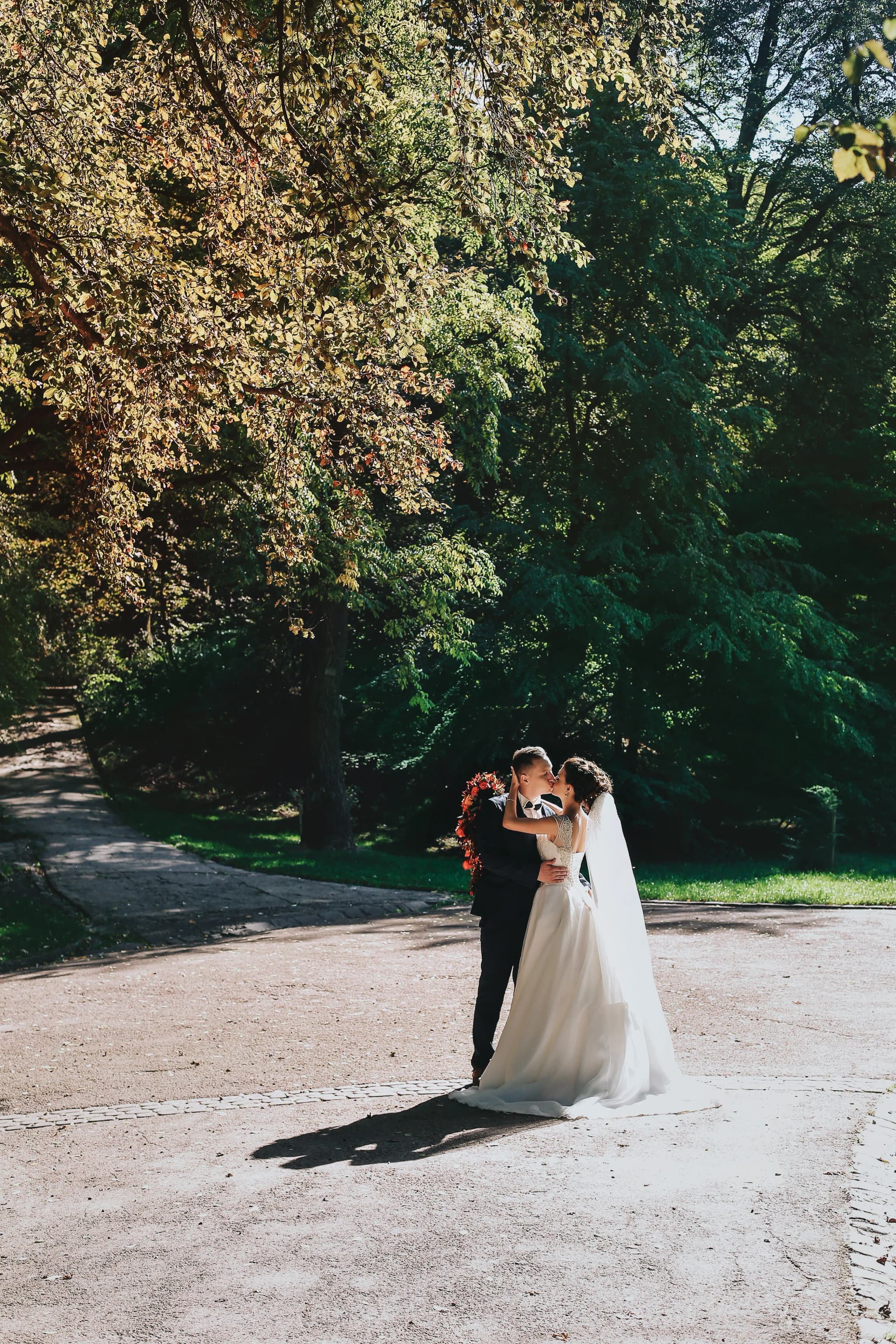
A couple photographed against a rose garden at its June peak is one of the most reliably beautiful things I get to work with all year, and there are a handful of specific opportunities I always look for. Standing beneath or walking through a rose-covered arch lets the flowers frame a couple without overwhelming them, and a rose arch at a ceremony entrance is worth building a few extra minutes into the day for.
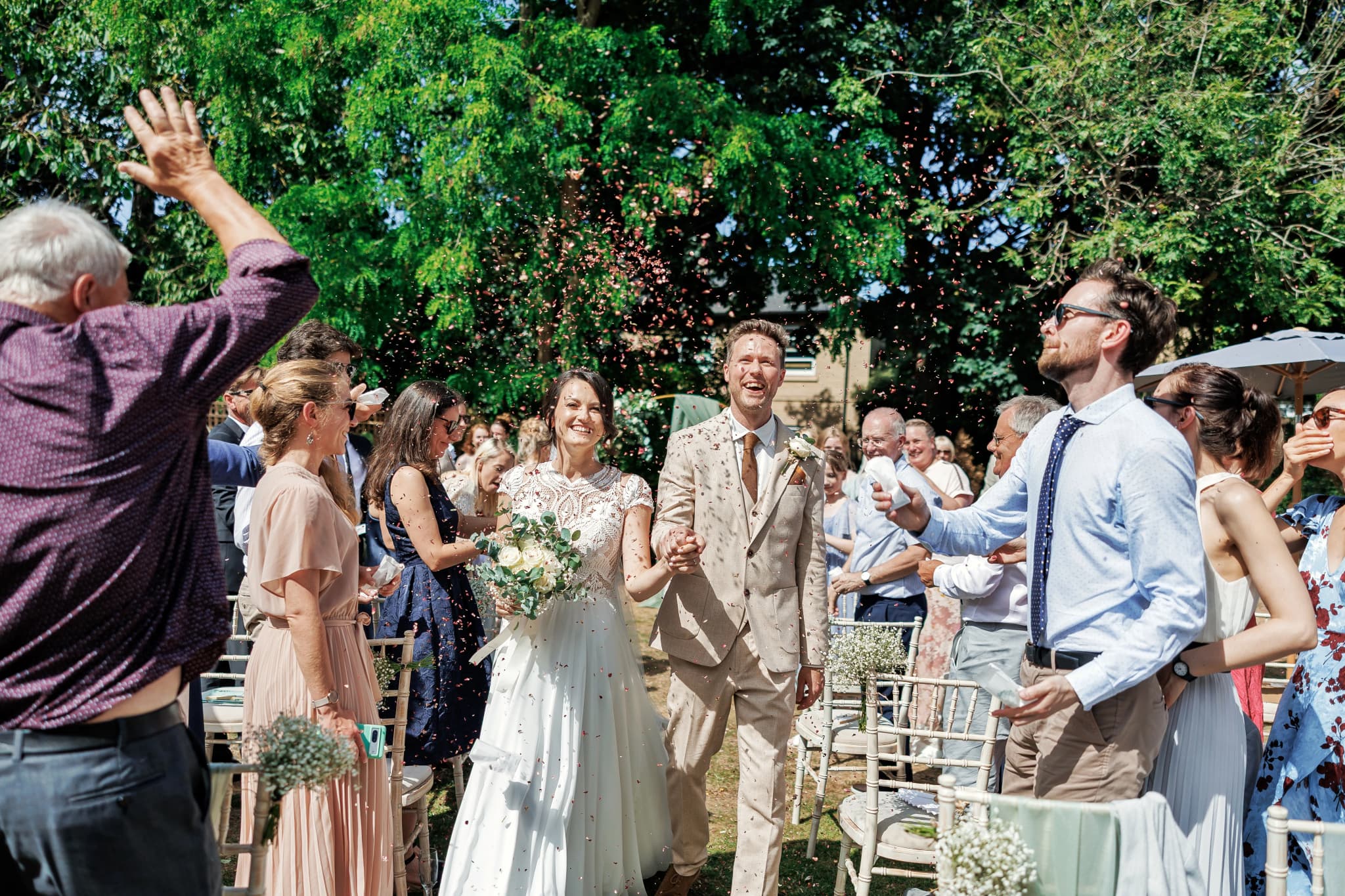
Rose petal confetti, still a popular choice for June weddings, photographs spectacularly — particularly in the softer light of early evening, when the petals seem to glow rather than simply fall. Close-up detail shots — a single bloom against wedding fabric, a bouquet detail, a buttonhole — are worth their own few minutes of dedicated photography, because the macro beauty of a rose at full bloom rarely gets the attention it deserves in the rush of a wedding day.
Walking a packed herbaceous border in June, with roses behind and peonies alongside, gives a genuine sense of abundance that is quite specific to this single month, and a handful of historic properties maintain dedicated walled rose gardens — enclosed spaces with climbing roses trained up every wall — that create an almost otherworldly setting when the light is right.
Finding the Roses at Your Own Venue
When I do a venue visit ahead of a June wedding, I always take note of exactly where the rose plantings sit, which direction they face, and at what point in the day the light will hit them best. East-facing roses catch the morning light beautifully; west-facing beds come alive in the evening. This kind of planning matters more than it might sound, because the difference between photographing roses in harsh midday sun and in soft evening light is genuinely dramatic — the same flowers can look almost unrecognisably different depending on the hour.
Even venues without a formally designated rose garden very often have rose beds tucked against a wall, climbing roses trained up a pergola, or a single rose arch framing the ceremony spot, and if your venue has any of these, however modest, I will make sure we build time in to use them properly rather than walking past.
Planning a rose-season garden wedding?
I would love to photograph your June wedding while the garden is at its very best.
Check availability for your venueWhat Happens if the Roses Are Early or Late
Because rose flowering depends so heavily on the specific weather of that particular spring, it is worth going into a June wedding with realistic expectations rather than assuming the garden will look exactly as it did in a photograph from a previous year. A warm March and April can bring the first flush forward into late May in some gardens, meaning a wedding in the final week of June might catch the roses just past their absolute peak, while a cold, slow spring can delay the same garden into early July.
I always keep this in mind when talking with couples in the months before their wedding, and I would rather set realistic expectations early than promise a peak that the weather may not deliver. The good news is that even a garden slightly past its very best first flush is still, by any ordinary standard, extraordinarily beautiful in June — and there are usually later-flowering varieties and repeat-bloomers coming into their own to fill any gaps.
Bouquets That Echo the Season
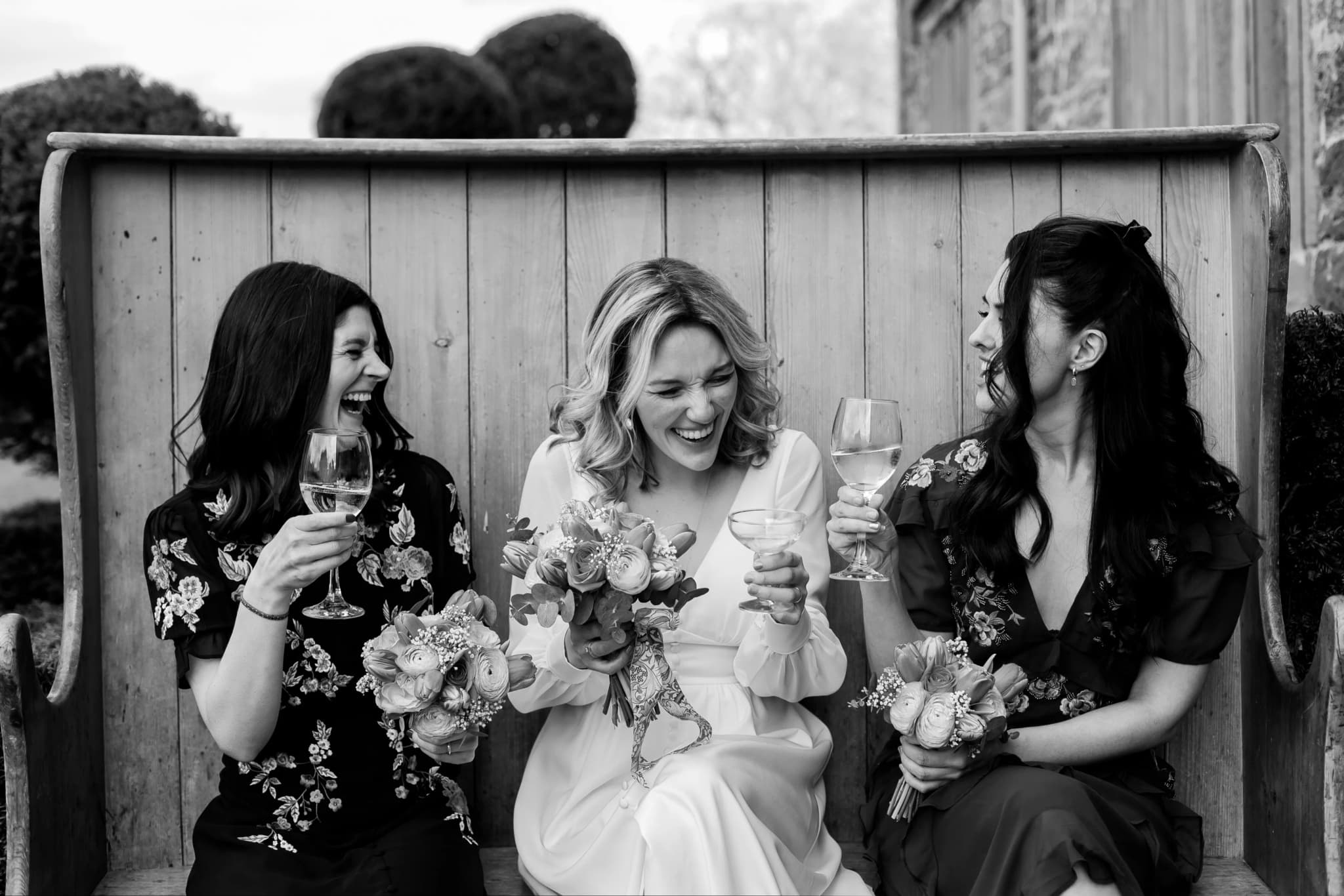
A June garden wedding feels incomplete without a bouquet that matches the season around it — loose, garden-gathered, generous rather than tightly structured. Peonies and garden roses together are among my favourite combinations to photograph: large soft blooms that catch and hold light beautifully, petals that ripple in even the slightest breeze, and a colour palette that sits perfectly alongside the borders themselves rather than competing with them.
Florists working with June stock have an unusually generous palette to draw from — sweet peas, delphiniums, foxgloves, and the last of the late spring blooms alongside the roses and peonies — and a bouquet built from what is genuinely in season that week tends to photograph far better than anything forced or out of step with what the garden itself is doing.
Rose Gardens I Return to Every June
There are a handful of Cambridgeshire and East Anglian gardens I return to year after year in June specifically because their roses are so reliably beautiful. Walled kitchen gardens attached to historic country houses tend to have the most concentrated rose plantings, often trained along the same warm brick walls that once grew fruit, and the combination of aged brick, climbing roses, and June light is genuinely one of my favourite settings to work in all year.
If your venue does not have its own rose garden, it is sometimes worth considering a short trip to a nearby National Trust or public garden known for its roses as part of the day — particularly for engagement sessions, where there is more flexibility in the schedule than on the wedding day itself. I am always happy to suggest a suitable garden near your venue if roses are something you would specifically like included in your photographs.
Timing the Day Around the Light
Rose gardens are at their most photogenic in soft, low-angled light, which in June generally means the first couple of hours after sunrise or the long stretch of golden hour that runs from around six in the evening onwards. Midday sun in June is strong and can flatten the delicate colour variation within a bloom, so where possible I build a short window into the timeline — either a quiet walk through the garden before guests arrive, or a dedicated portrait session later in the evening — specifically to make use of the roses while the light does them justice.
None of this needs to complicate your day. It usually amounts to no more than fifteen or twenty protected minutes at the right time, and the difference it makes to the resulting photographs is considerable. If you are planning a June wedding and want to talk through how your venue's roses and garden borders might feature in your photographs, get in touch and I will help you think it through.


Yana Skakun
Photographer · England
Professional wedding, family and portrait photographer based in England. Passionate about capturing authentic emotions and timeless moments.
About Yana →June rose wedding photographyEnglish rose garden weddinggarden wedding photographer June UK
Wedding Tips — Wedding Photography in Cambridge & England
Yana Skakun is a professional wedding photographer based in Cambridge, covering weddings across England — from intimate elopements to full-day ceremonies at country houses, barns, and city venues. Every couple receives a relaxed, documentary approach that captures the day as it truly unfolds. This guide — June Roses: Garden Wedding Photography at the Peak of English Summer — is part of the photography journal: practical, experience-based advice drawn from real sessions across England. Whether you arrived searching for june rose wedding photography or english rose garden wedding, the same care and attention shapes every session Yana photographs.
Wedding Photography sessions are available year-round, with bookings open across Cambridge, Ely, Huntingdon, Peterborough, and further afield — East England, London, the Midlands, and beyond. If you have specific questions about garden wedding photographer june uk, mention it in your enquiry. Get in touch through the contact form above to check availability and discuss your session. Enquiries are welcomed from anywhere in the UK.
Frequently Asked Questions
How much does a wedding photographer cost in England?+
Wedding photography in England typically ranges from £1,500 to £4,000+ for a full day. Price depends on experience, coverage hours, and whether albums or engagement shoots are included. Most photographers charge between £2,000–£3,000 for 8–10 hours of coverage.
How early should you book a wedding photographer?+
For peak season (May–September), book 12–18 months in advance. For autumn and winter weddings, 9–12 months is usually sufficient. Popular photographers at popular venues fill up fast — as soon as you have a date and venue confirmed, start reaching out.
How many photos do you get from a wedding photographer?+
Most professional wedding photographers deliver 400–800 edited images for a full-day wedding. The exact number depends on coverage hours, how many guests there are, and the photographer's editing style. Quality matters more than quantity — a curated gallery of 500 images tells the story better than 1,500 unedited files.
Do you need a second photographer at your wedding?+
A second photographer is helpful if you want simultaneous coverage of getting-ready moments in different locations, multiple angles during the ceremony, or more candid coverage during the reception. It adds cost but significantly increases the variety and completeness of your gallery.
What is the difference between documentary and editorial wedding photography?+
Documentary (reportage) wedding photography captures moments as they happen — the photographer observes and doesn't intervene. Editorial photography involves deliberate direction: placing you in good light, shaping compositions, creating intentional portraits. Most photographers blend both styles throughout the day.
Continue Reading
Related Articles

Wedding Tips
Sustainable Eco-Friendly Wedding Guide — Planning a Green Celebration
15 min read · Read Article
Wedding Tips
Trash the Dress Session — Complete Planning and Photography Guide
14 min read · Read Article
Wedding Tips
Client Communication for Photographers — From Enquiry to Gallery Delivery
15 min read · Read Article
Get in Touch
Ready to Book Your Session?
Get in touch to discuss your vision — I'll reply within 24 hours.