Yana Skakun
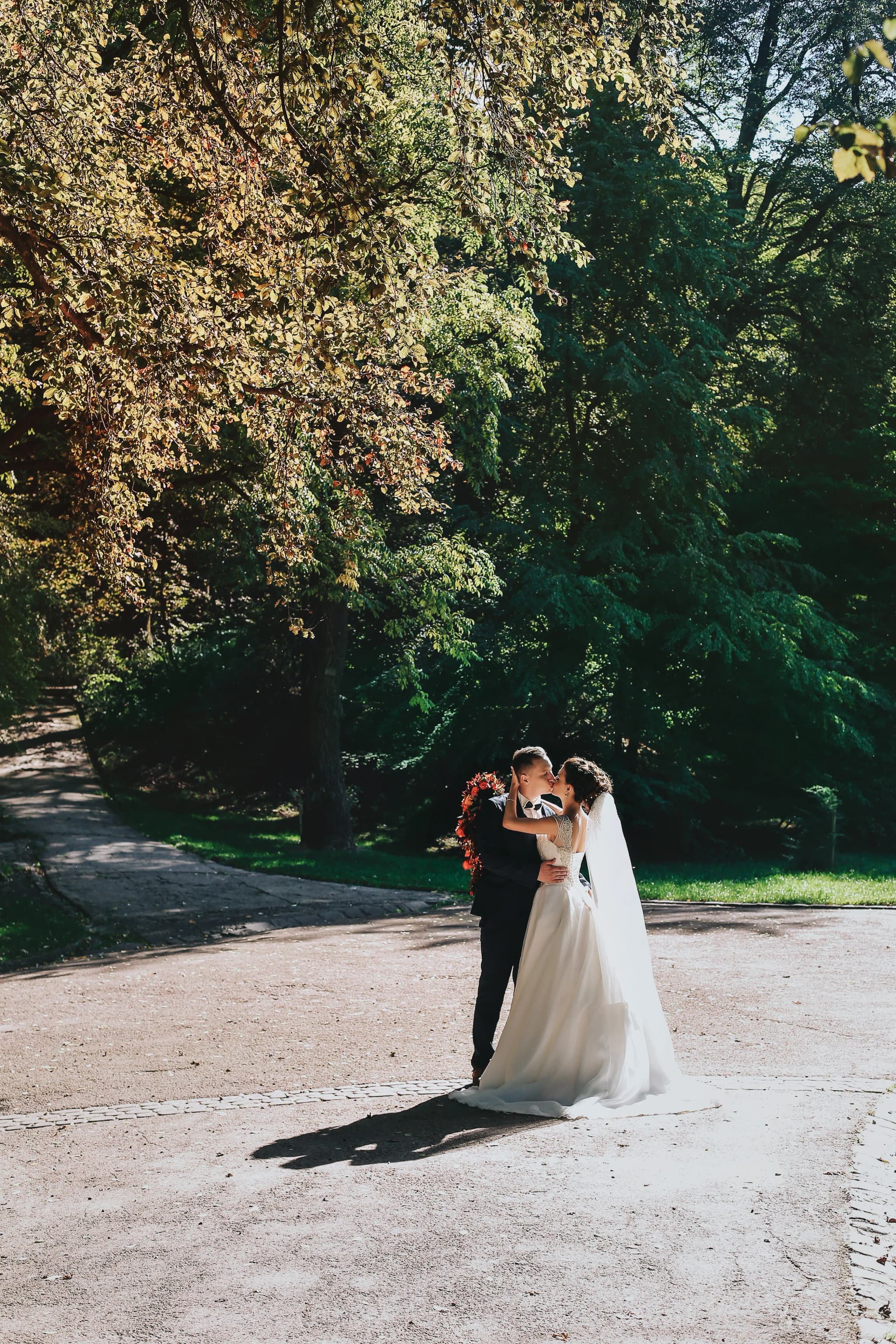
Intimate Legal Ceremony + Big Celebration: The Perfect Two-Part Wedding
By Yana Skakun·19 March 2026·6 min read
The two-part wedding — a small, legally binding ceremony followed by a separate celebration — has become one of the most thoughtfully designed approaches to getting married in the UK. It strips the formalities down to their emotional core, then lets the party breathe without the weight of legal logistics. As a photographer who has covered dozens of these split-format weddings, I can say with confidence that it produces some of the most authentic, moving images of any wedding structure I photograph.
Why the Two-Part Format Has Grown So Popular in the UK
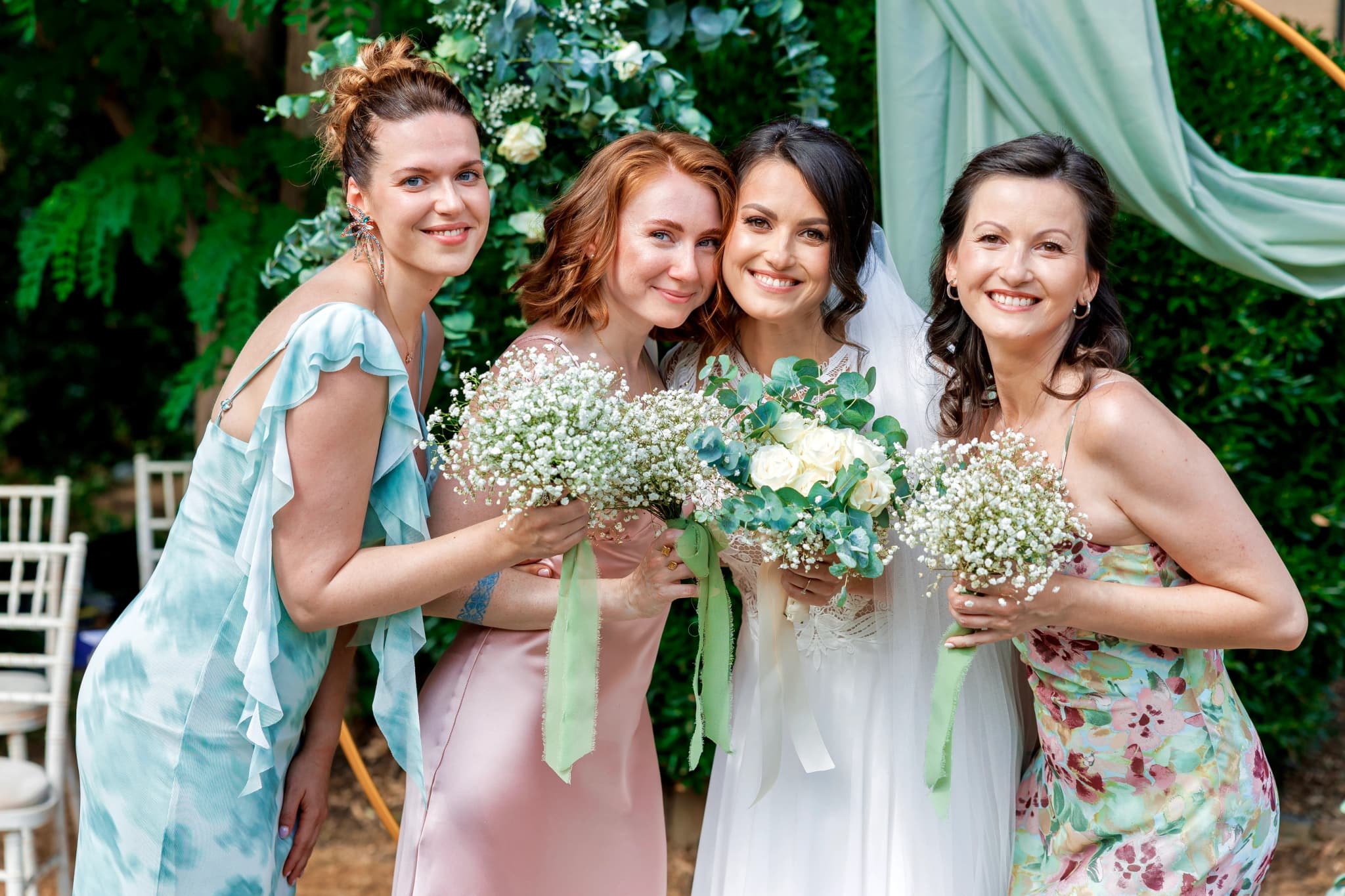
Register offices across England and Wales are governed by strict capacity rules. Many ceremony rooms in Cambridge, Ely, or Peterborough accommodate only six to twelve guests beyond the couple and their two witnesses. Rather than forcing 80 people to watch a ceremony on a screen in a waiting room, couples are increasingly deciding to treat the legal signing as what it truly is: a private, intimate moment shared with the people who matter most. The party — whether a barn celebration in the Cambridgeshire countryside, a London rooftop dinner, or a marquee in a family garden — becomes something completely different in character, and all the better for it.
There is also a very practical dimension. The legal ceremony can be registered months before or after the celebration. Couples who want to marry abroad — in Tuscany, the south of France, or the Greek islands — often complete the legal paperwork at their local register office first, then hold the symbolic celebration overseas. Others marry legally in January to simplify a partner's visa application, then hold their summer garden party in June when the weather is reliable and all their guests can travel.
Budget flexibility is another genuine advantage. A register office ceremony costs a fraction of a licensed venue ceremony, which means couples can invest more heavily in the celebration: a better caterer, a live band, a photographer with extended hours, florals that genuinely reflect their taste. The overall wedding can feel more abundant, not less, by splitting the two elements apart.
Photographing the Legal Ceremony: Intimate and Unhurried
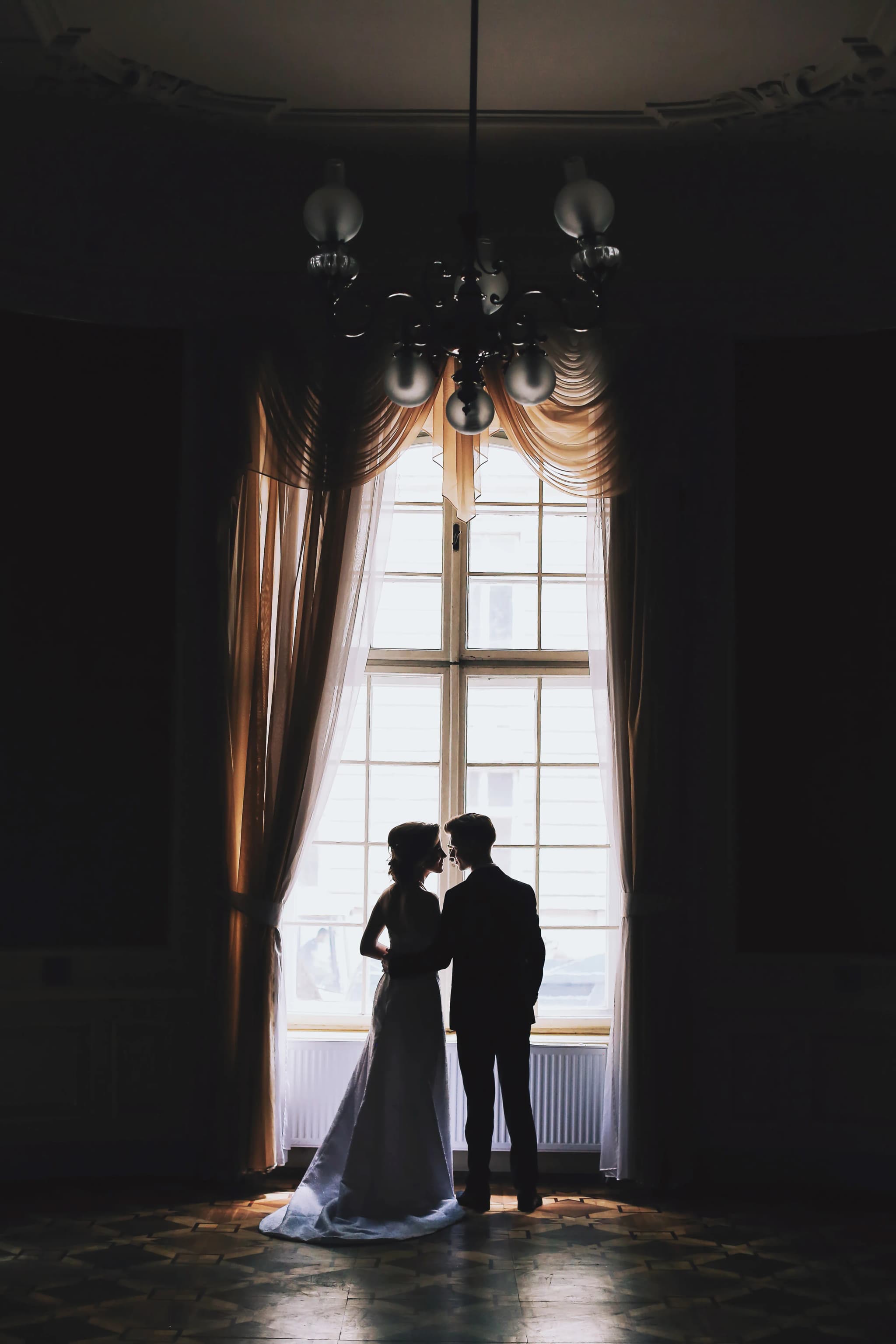
The legal ceremony — typically 20 to 30 minutes in a register office or approved premises — is one of my favourite things to photograph. The room is small, the group is tiny, and there is nowhere to hide from genuine emotion. When there are only six people in the room and two of them are exchanging rings, the atmosphere is extraordinarily concentrated. I often capture details in these settings that I rarely get at larger ceremonies: a hand trembling slightly as it reaches for a pen, a parent quietly mouthing the vows along with their child, the exact moment a couple realises the legal weight of what they have just done.
I always arrive at the register office early to assess the light. Cambridge Register Office, for example, has ceremony rooms with very different light quality depending on the time of day and the season. Knowing this in advance lets me position myself to catch natural window light on the couple's faces during the signing without using flash, which I avoid wherever possible during intimate legal ceremonies. The quieter the photographer, the more genuine the room feels — and the stronger the images.
For most legal ceremonies I recommend two to three hours of photography coverage. That typically includes arriving with the couple before guests, documenting the ceremony itself, the signing of the register, informal portraits immediately after outside the building, and perhaps a short celebratory moment with close family — a few champagne glasses, a small gift exchange — before everyone disperses. This window captures everything meaningful without overstaying the intimacy of the occasion.
Photographing the Celebration: Full Coverage, Full Freedom
The celebration that follows — whether it happens the same week or six months later — operates by entirely different photographic logic. Here, the venue, the decor, the full guest list, and the extended timeline all come into play. I approach it exactly as I would a traditional wedding reception: arriving an hour or two before guests to document the space before it fills up, then covering arrivals, cocktail hour, dinner, speeches, first dance, and the evening in full.
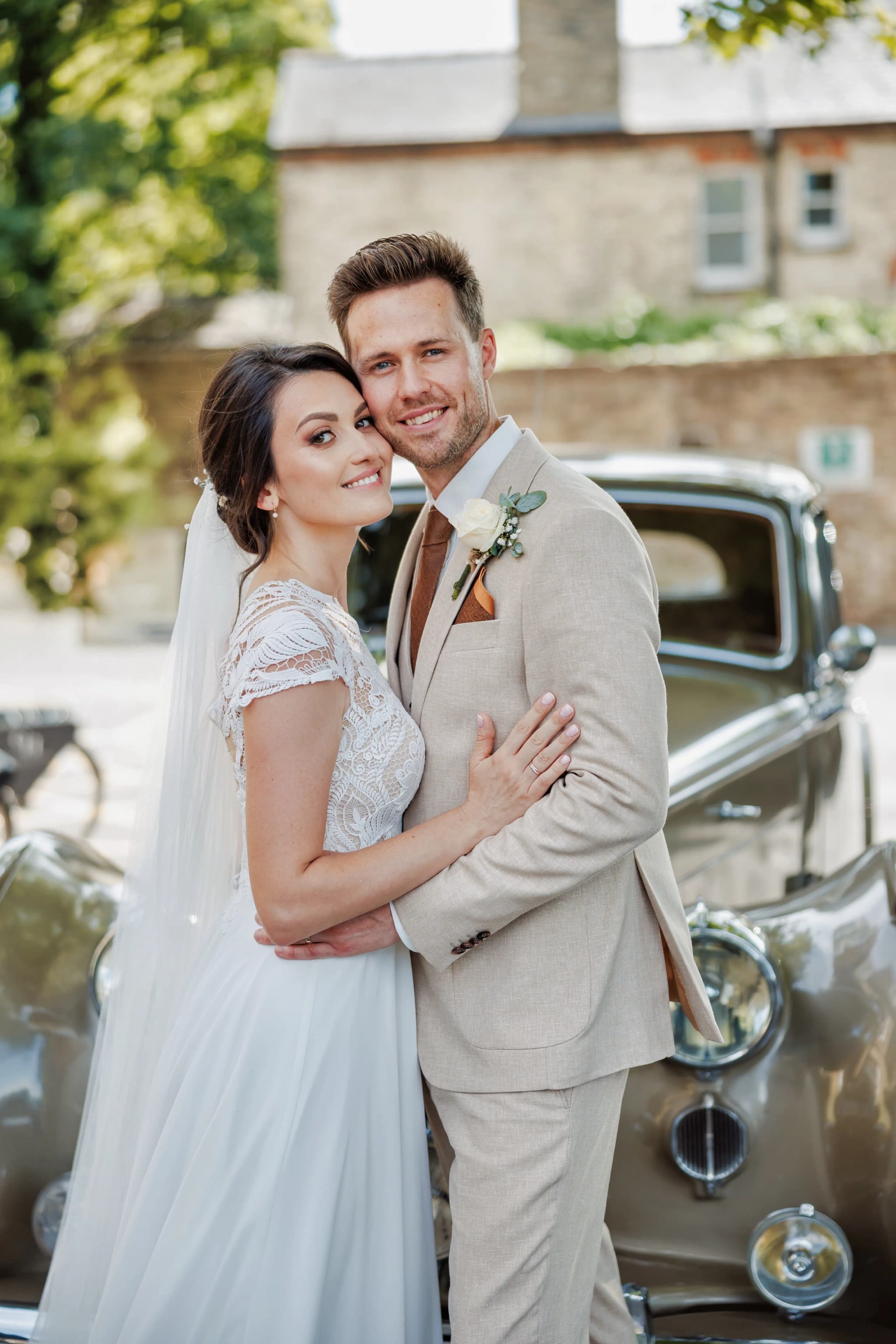
Because the couple is already legally married, there is sometimes a wonderful lightness to the celebration day. The legal nervousness is behind them. They have already had their private moment. What remains is pure joy — and joy photographs beautifully. Speeches tend to be warmer and funnier when there is no formal ceremony to navigate around. First dances feel more spontaneous. Couples I work with often tell me afterwards that the celebration felt more relaxed than a traditional combined ceremony and reception would have, and that sense of ease comes through in every frame.
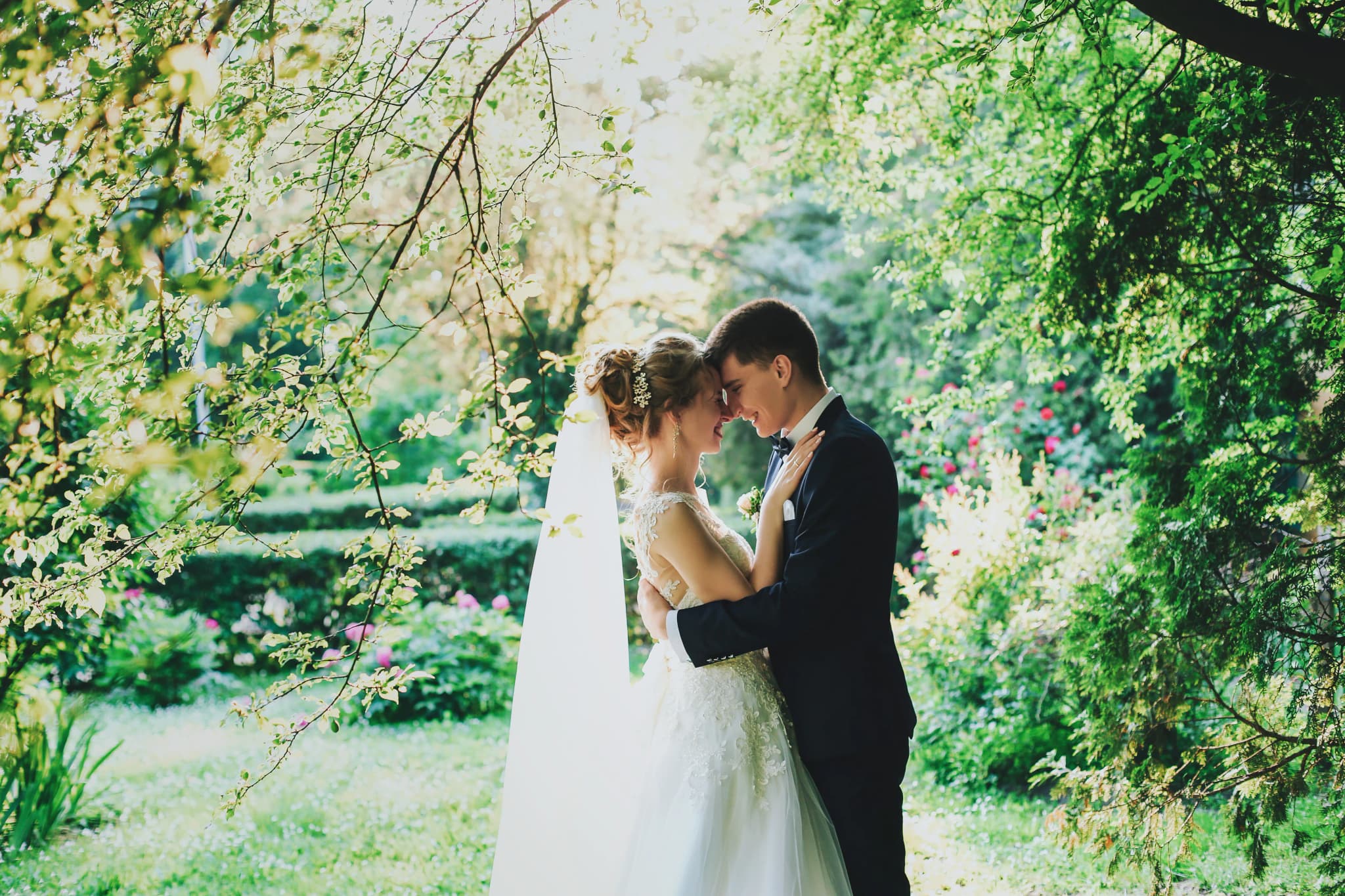
For the celebration I typically recommend six to eight hours of coverage, depending on the schedule. If the couple wants portraits done properly — a 20 to 30 minute golden-hour walk with just the two of them, away from guests — I factor that into the timeline carefully. Some of the best portrait sessions I have ever photographed have been at celebration parties in Cambridgeshire fields, where the legal pressure is already gone and the couple is simply, completely, present.
Thinking about a two-part wedding?
Whether you want photography for the legal ceremony, the celebration, or both, I would love to discuss what coverage makes sense for your specific format and venue. Get in touch to start the conversation, or browse the weddings gallery to see how I work across different formats and settings.
How to Prepare Your Guests for a Two-Part Format
Clear communication is everything with this format. Some guests, particularly older family members, may not immediately understand the distinction between a legal ceremony and a celebration party, or may feel excluded from the legal signing if they are not among the small group invited. Framing matters: the invitation to the party should make clear that it is the main event, that the couple are looking forward to celebrating fully with everyone there, and that the earlier registry formality was simply a practical step.
Wedding websites are genuinely useful here. A short, honest paragraph explaining the structure — "We completed our legal ceremony quietly with close family in April, and we cannot wait to celebrate properly with all of you in August" — tends to land warmly. It often generates more genuine excitement about the party, not less, because guests understand they are being invited to a celebration that has been specifically designed around them, not squeezed around legal logistics.
For the photography, this clarity also helps. When guests know the party is the main event, they arrive with the right energy. They dress up fully, they bring enthusiasm, and they participate in group photographs without the distraction of wondering what came before. Informed guests make for better photographs.
Choosing Whether to Book Photography for One or Both Events
I am frequently asked whether it is worth booking a photographer for both the legal ceremony and the celebration, or whether the celebration alone is sufficient. My honest answer is that it depends entirely on the couple and what the legal ceremony means to them. If it is a logistical step — a form signed on a Tuesday afternoon before the real celebration on a Saturday — coverage for the party alone makes complete sense. But if the legal ceremony is small by design precisely because it is emotionally important, because you want those 30 minutes to be just you and your closest people without 100 guests watching, then those are exactly the images you will treasure most deeply 20 years from now.
Some couples book me for three hours at the register office and then eight hours at the celebration. Others book only the celebration but ask me to arrive early and capture some informal portraits of just the two of them before guests arrive — a kind of compressed acknowledgement that they are already married before the party begins. There is no single right answer, and I always prefer an honest conversation about what you actually want over any formula.
What I can say with certainty is that the two-part format rarely results in photographs that feel incomplete. The legal ceremony, if photographed well, produces images of extraordinary intimacy. The celebration produces images of joy, scale, and connection. Together they tell the full story of a marriage in a way that a single combined day sometimes cannot.
Practical Tips for the Legal Ceremony Day
A few things make a real difference to how the legal ceremony photographs. First: choose your time of day with light in mind. Morning ceremonies between 10am and noon tend to have softer, more workable light than afternoon slots in summer, when register offices can become very bright and contrasty. If you are in Cambridge, Huntingdon, or St Ives, I can advise specifically on the rooms I have worked in before.
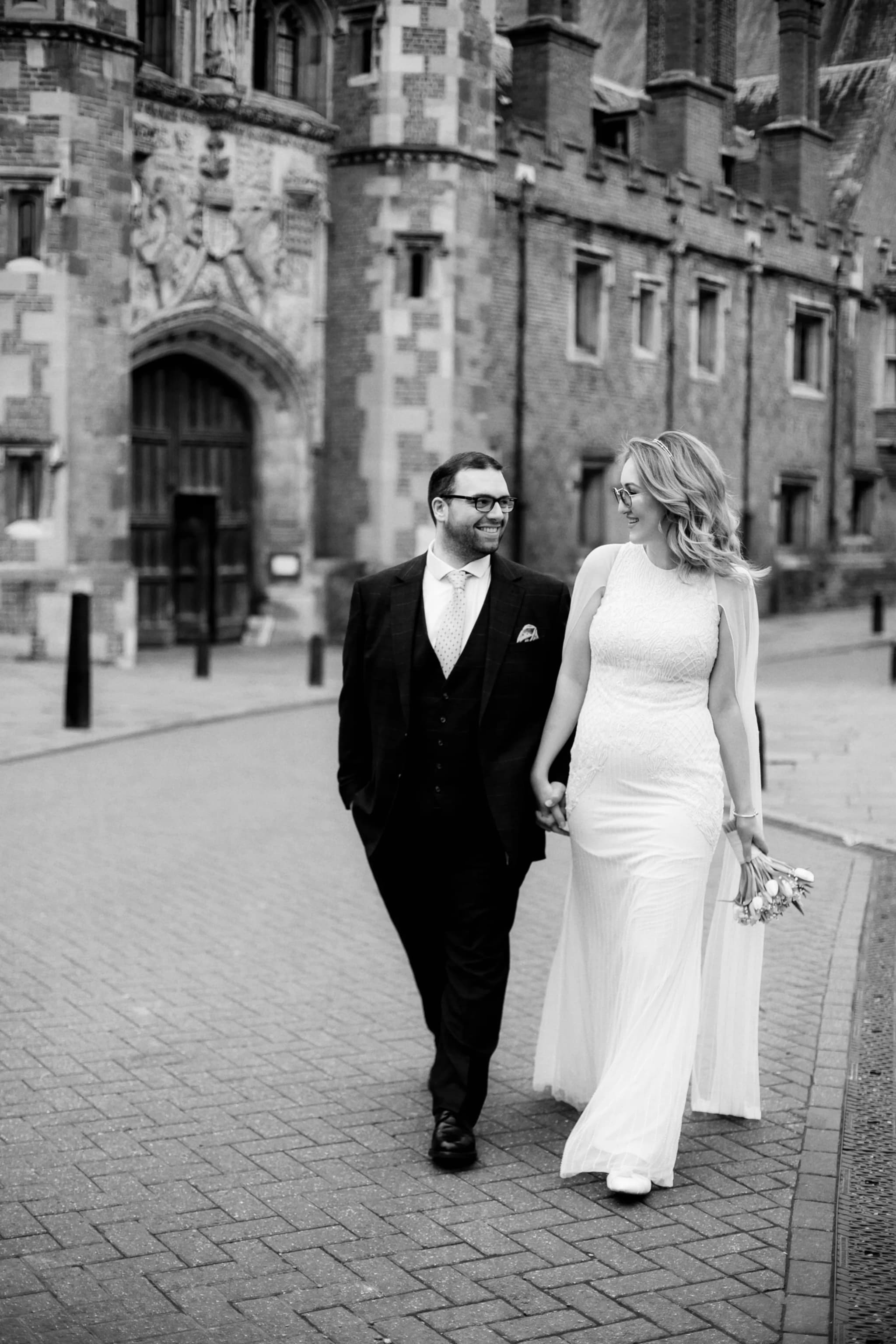
Second: plan ten to fifteen minutes after the ceremony for portraits outside. The moment immediately after signing the register is electric, and having a short, unrushed window to photograph you together — even just on the steps of the register office or in a nearby park — produces images that neither of you will want to be without. The adrenaline of the moment combined with the relief and joy that follows makes for some of the most naturally expressive portraits I take all year.
Third: wear something you genuinely love, not something understated because you think the legal ceremony "doesn't count." It does count. The images will last. Wear the dress, the suit, the flowers, the shoes that make you feel like yourself at your best. The photographs will reflect that decision back at you for the rest of your life.
The legal ceremony plus party format is, in many ways, the most intentionally designed version of a wedding available to couples in the UK. It separates the intimate from the celebratory, gives each element the space to be fully itself, and produces a photographic archive that is richer and more varied than almost any other structure. If you are considering this approach, I would love to be part of both chapters.

Yana Skakun
Photographer · England
Professional wedding, family and portrait photographer based in England. Passionate about capturing authentic emotions and timeless moments.
About Yana →split wedding ceremony party photographylegal ceremony wedding photographer UKintimate ceremony plus party wedding
Wedding Tips — Wedding Photography in Cambridge & England
Yana Skakun is a professional wedding photographer based in Cambridge, covering weddings across England — from intimate elopements to full-day ceremonies at country houses, barns, and city venues. Every couple receives a relaxed, documentary approach that captures the day as it truly unfolds. This guide — Intimate Legal Ceremony + Big Celebration: The Perfect Two-Part Wedding — is part of the photography journal: practical, experience-based advice drawn from real sessions across England. Whether you arrived searching for split wedding ceremony party photography or legal ceremony wedding photographer uk, the same care and attention shapes every session Yana photographs.
Wedding Photography sessions are available year-round, with bookings open across Cambridge, Ely, Huntingdon, Peterborough, and further afield — East England, London, the Midlands, and beyond. If you have specific questions about intimate ceremony plus party wedding, mention it in your enquiry. Get in touch through the contact form above to check availability and discuss your session. Enquiries are welcomed from anywhere in the UK.
Frequently Asked Questions
How much does a wedding photographer cost in England?+
Wedding photography in England typically ranges from £1,500 to £4,000+ for a full day. Price depends on experience, coverage hours, and whether albums or engagement shoots are included. Most photographers charge between £2,000–£3,000 for 8–10 hours of coverage.
How early should you book a wedding photographer?+
For peak season (May–September), book 12–18 months in advance. For autumn and winter weddings, 9–12 months is usually sufficient. Popular photographers at popular venues fill up fast — as soon as you have a date and venue confirmed, start reaching out.
How many photos do you get from a wedding photographer?+
Most professional wedding photographers deliver 400–800 edited images for a full-day wedding. The exact number depends on coverage hours, how many guests there are, and the photographer's editing style. Quality matters more than quantity — a curated gallery of 500 images tells the story better than 1,500 unedited files.
Do you need a second photographer at your wedding?+
A second photographer is helpful if you want simultaneous coverage of getting-ready moments in different locations, multiple angles during the ceremony, or more candid coverage during the reception. It adds cost but significantly increases the variety and completeness of your gallery.
What is the difference between documentary and editorial wedding photography?+
Documentary (reportage) wedding photography captures moments as they happen — the photographer observes and doesn't intervene. Editorial photography involves deliberate direction: placing you in good light, shaping compositions, creating intentional portraits. Most photographers blend both styles throughout the day.
Continue Reading
Related Articles

Wedding Tips
Sustainable Eco-Friendly Wedding Guide — Planning a Green Celebration
15 min read · Read Article
Wedding Tips
Trash the Dress Session — Complete Planning and Photography Guide
14 min read · Read Article
Wedding Tips
Client Communication for Photographers — From Enquiry to Gallery Delivery
15 min read · Read Article
Get in Touch
Ready to Book Your Session?
Get in touch to discuss your vision — I'll reply within 24 hours.