Yana Skakun
Loire Valley Château Wedding Photography: The Valley of a Thousand Castles
By Yana Skakun·22 April 2026·7 min read
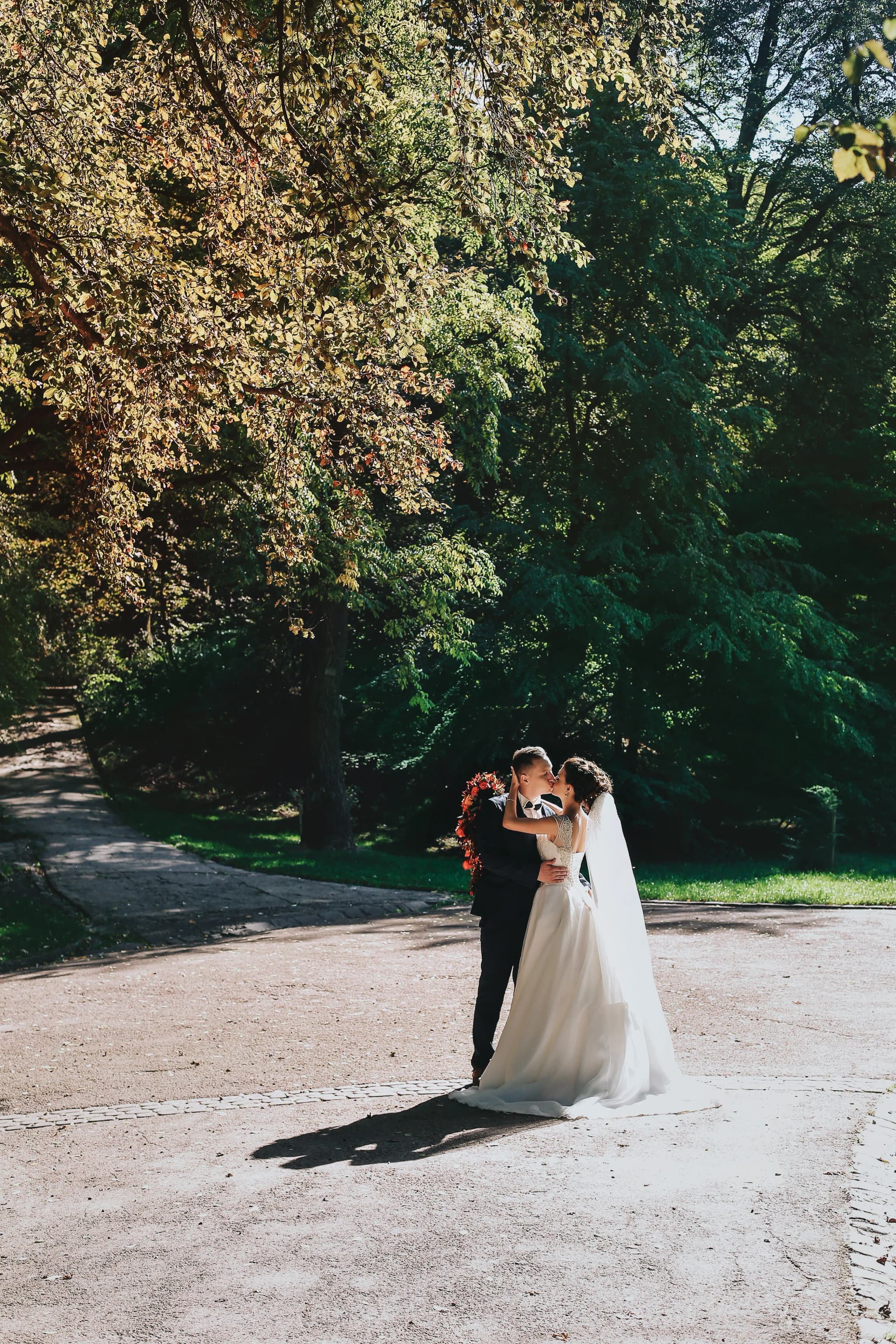
There is a particular kind of quiet that settles over a Loire Valley château in the early morning, before the first coach of day-trippers arrives and while the mist is still lifting off the moat. I have stood in that quiet more than once with a bride getting ready in a turret room, watching the light come up gold across formal parterres that have looked more or less the same for four hundred years, and thought that there is genuinely nowhere else in Europe quite like it for a wedding. The Loire Valley — the UNESCO-listed “Cultural Landscape” that stretches along the river between Orléans and Chinon — holds several hundred châteaux in total, from the great royal set-pieces that appear on every postcard of France to small, privately owned manor houses that most visitors never hear about. For couples who want their wedding photographs to look like they belong in a period drama rather than a marquee in a field, it is very hard to beat.
Why Couples Choose the Loire Valley for a Château Wedding
Most couples who contact me about a Loire Valley wedding are not looking for a beach or a barn — they want architecture, formality, and a sense of history that a photograph cannot fake. The region gives you that in layers: the honey-coloured tuffeau stone the châteaux are built from photographs beautifully in almost any light, the formal French gardens provide structure and symmetry that work as a natural frame for portraits, and the river itself — whether it is the Loire, the Cher, or the Indre — adds reflections and a sense of scale that you simply cannot recreate in a UK marquee wedding.
There is also a practical appeal. Many of the privately hired châteaux offer exclusive use for a full weekend, meaning your wedding party has the run of the building and grounds without tourists wandering through the background of your ceremony photographs. That exclusivity, combined with the sheer density of extraordinary buildings within a fairly compact region, is what makes the Loire such a strong choice for couples planning a destination wedding from the UK who want maximum visual impact without needing to travel to the other side of the world.
Chenonceau — the Bridge Château
Château de Chenonceau is the château most people picture when they imagine a fairy-tale French wedding, and it earns that reputation. It spans the River Cher across a series of arches, a Renaissance building quite literally constructed over the water, with its own reflection completing the image below it on a still morning. The formal gardens on either side — one laid out for Diane de Poitiers, the other for Catherine de Médicis — give you two entirely different backdrops within a few minutes' walk of each other, one more intimate and enclosed, the other broader and more geometric.
The long gallery that runs the length of the bridge is, for me, the single best portrait location in the whole valley. It is a corridor of arched windows looking straight down the river in both directions, and the light that comes through it in the late afternoon is soft and directional in a way that flatters everyone. Because Chenonceau is one of the most visited châteaux in France, private access outside normal opening hours needs to be arranged well in advance through the venue directly, but it is absolutely worth the planning for the images it makes possible.
Chambord and the Great Renaissance Estates
If Chenonceau is elegant and intimate, Château de Chambord is pure spectacle. Commissioned by Francis I as a hunting lodge but built on a scale that has never really been rivalled since, Chambord's roofline of towers, turrets, and chimneys is unlike anything else in French architecture — it looks almost impossible against a blue sky, and it photographs even better at dusk when the building begins to be lit from below. The approach along the grand allée, with the château reflected in the estate's canal, is one of those views that genuinely does not need much help from a photographer; you are mostly there to be in the right place at the right time.
Azay-le-Rideau, smaller and more restrained, sits on its own island in the Indre and is one of the purest examples of early French Renaissance architecture anywhere in the country — well worth considering for couples who want the grandeur of a château setting without the scale of Chambord. Villandry, meanwhile, is known above all for its gardens: an extraordinary series of ornamental vegetable and flower parterres laid out in geometric patterns that give you an entirely different, more playful backdrop for portraits than the stone-and-water settings elsewhere in the valley. Each of these estates has its own process for private and wedding-related access, and part of what I do in the run-up to a Loire wedding is help couples understand realistically what is and is not possible at each venue.
Boutique and Private Châteaux for Exclusive-Use Weddings
The famous royal châteaux are extraordinary to photograph, but most couples do not actually marry at Chenonceau or Chambord — they marry at one of the hundreds of smaller, privately owned châteaux scattered across the valley and its surrounding countryside, many of which exist specifically to host weddings on an exclusive-use basis. These range from moated manor houses with a handful of turrets to working wine estates built around tuffeau-stone cellars used for receptions, to Renaissance towers with their own formal parterres and orchards.
What these venues offer that the great public monuments cannot is time and privacy. You can have the building and grounds to yourselves from the morning of the wedding through to the following day, which means we are never racing a closing time or working around a coach party. It also means the light across the whole property is available to us at every point in the day, so rather than planning around one or two set-piece locations, we can use the entire estate — a walled kitchen garden at midday, an avenue of lime trees in the late afternoon, the front steps of the château itself as the light goes gold before dinner.
I would always encourage couples considering one of these private estates to visit, or at minimum arrange a thorough video walkthrough, before booking, since the character of these venues varies enormously — some are grand and formal, others are working farms with a château attached, and the right choice depends entirely on the kind of day you are picturing.
Planning a Loire Valley wedding from the UK
I photograph destination weddings across the Loire Valley for UK-based couples and would be glad to talk through venues, timings, and travel logistics for your day.
Discuss your Loire château weddingPractical Planning: Travel, Light, and Timing
For a UK-based couple, the logistics of a Loire Valley wedding are more straightforward than they might first appear. The region is served by direct flights into Tours and Nantes from several UK airports, and the Eurostar-to-TGV connection via Paris puts much of the valley within a single day's travel from London for guests who would rather not fly. Most couples I work with choose to arrive two or three days before the wedding itself, both to allow for jet lag and delayed luggage among guests, and to give us time for an engagement or “day after” session at a second location without compressing everything into the wedding day alone.
Light in the Loire Valley has a particular quality that photographers who work there regularly come to rely on — it tends to be softer and more diffused than further south in France, partly a function of the river valley's humidity and partly the angle of light this far north. Late spring and early autumn are, in my experience, the strongest windows for both weather and light: warm enough for outdoor ceremonies and garden portraits, but without the harsh midday sun and heat of high summer that can make the grand formal gardens difficult to shoot comfortably in the middle of the day. Many of the private châteaux also offer more favourable availability and rates outside the peak July and August season, which is worth factoring into planning conversations early.
Whichever season you choose, I always build the photography timeline around the venue's own light rather than a generic schedule copied from a UK wedding. A château ceremony held in a chapel or great hall has very different lighting needs from one held in the gardens, and the golden hour at a west-facing riverside estate will fall at a noticeably different time than at a north-facing forest château twenty minutes away. Working this out in advance, ideally during a planning call once the venue is confirmed, means the wedding day itself can unfold at its own pace rather than being dictated by a rigid shot list.
A Loire Valley château wedding gives you something that is genuinely difficult to find elsewhere — architecture, gardens, and light that work together rather than requiring a photographer to fight for a good frame. Whether you have your heart set on the grandeur of Chambord, the bridge gallery at Chenonceau, or a smaller private estate that your guests will have entirely to themselves for a weekend, the valley rewards couples who plan with the light and the venue's own character in mind rather than trying to impose a fixed vision onto it. If you are considering a château wedding anywhere along the Loire and would like to talk through venues, timings, or travel from the UK, get in touch and we can start planning your day.


Yana Skakun
Photographer · England
Professional wedding, family and portrait photographer based in England. Passionate about capturing authentic emotions and timeless moments.
About Yana →Loire Valley chateau weddingLoire Valley wedding photographyChenonceau weddingChambord wedding photographyFrench chateau wedding Loire
Wedding Tips — Wedding Photography in Cambridge & England
Yana Skakun is a professional wedding photographer based in Cambridge, covering weddings across England — from intimate elopements to full-day ceremonies at country houses, barns, and city venues. Every couple receives a relaxed, documentary approach that captures the day as it truly unfolds. This guide — Loire Valley Château Wedding Photography: The Valley of a Thousand Castles — is part of the photography journal: practical, experience-based advice drawn from real sessions across England. Whether you arrived searching for loire valley chateau wedding or loire valley wedding photography, the same care and attention shapes every session Yana photographs.
Wedding Photography sessions are available year-round, with bookings open across Cambridge, Ely, Huntingdon, Peterborough, and further afield — East England, London, the Midlands, and beyond. If you have specific questions about chenonceau wedding, mention it in your enquiry. Get in touch through the contact form above to check availability and discuss your session. Enquiries are welcomed from anywhere in the UK.
Frequently Asked Questions
How much does a wedding photographer cost in England?+
Wedding photography in England typically ranges from £1,500 to £4,000+ for a full day. Price depends on experience, coverage hours, and whether albums or engagement shoots are included. Most photographers charge between £2,000–£3,000 for 8–10 hours of coverage.
How early should you book a wedding photographer?+
For peak season (May–September), book 12–18 months in advance. For autumn and winter weddings, 9–12 months is usually sufficient. Popular photographers at popular venues fill up fast — as soon as you have a date and venue confirmed, start reaching out.
How many photos do you get from a wedding photographer?+
Most professional wedding photographers deliver 400–800 edited images for a full-day wedding. The exact number depends on coverage hours, how many guests there are, and the photographer's editing style. Quality matters more than quantity — a curated gallery of 500 images tells the story better than 1,500 unedited files.
Do you need a second photographer at your wedding?+
A second photographer is helpful if you want simultaneous coverage of getting-ready moments in different locations, multiple angles during the ceremony, or more candid coverage during the reception. It adds cost but significantly increases the variety and completeness of your gallery.
What is the difference between documentary and editorial wedding photography?+
Documentary (reportage) wedding photography captures moments as they happen — the photographer observes and doesn't intervene. Editorial photography involves deliberate direction: placing you in good light, shaping compositions, creating intentional portraits. Most photographers blend both styles throughout the day.
Continue Reading
Related Articles

Wedding Tips
Sustainable Eco-Friendly Wedding Guide — Planning a Green Celebration
15 min read · Read Article
Wedding Tips
Trash the Dress Session — Complete Planning and Photography Guide
14 min read · Read Article
Wedding Tips
Client Communication for Photographers — From Enquiry to Gallery Delivery
15 min read · Read Article
Get in Touch
Ready to Book Your Session?
Get in touch to discuss your vision — I'll reply within 24 hours.