Yana Skakun
Luxury Hotel Wedding Photography in the UK: What to Expect
By Yana Skakun·20 March 2026·6 min read
Luxury hotel weddings occupy a unique space in the UK wedding landscape. They combine the grandeur of historic architecture with the precision of five-star hospitality, producing an environment that is as photogenic as it is superbly organised. Whether you are saying your vows in a Mayfair ballroom, a Cotswolds country house hotel, or a cliff-top retreat in Cornwall, the images you take home will carry the unmistakable polish of a venue that cares deeply about every detail.
Why Luxury Hotels Make Such Beautiful Photographic Backdrops
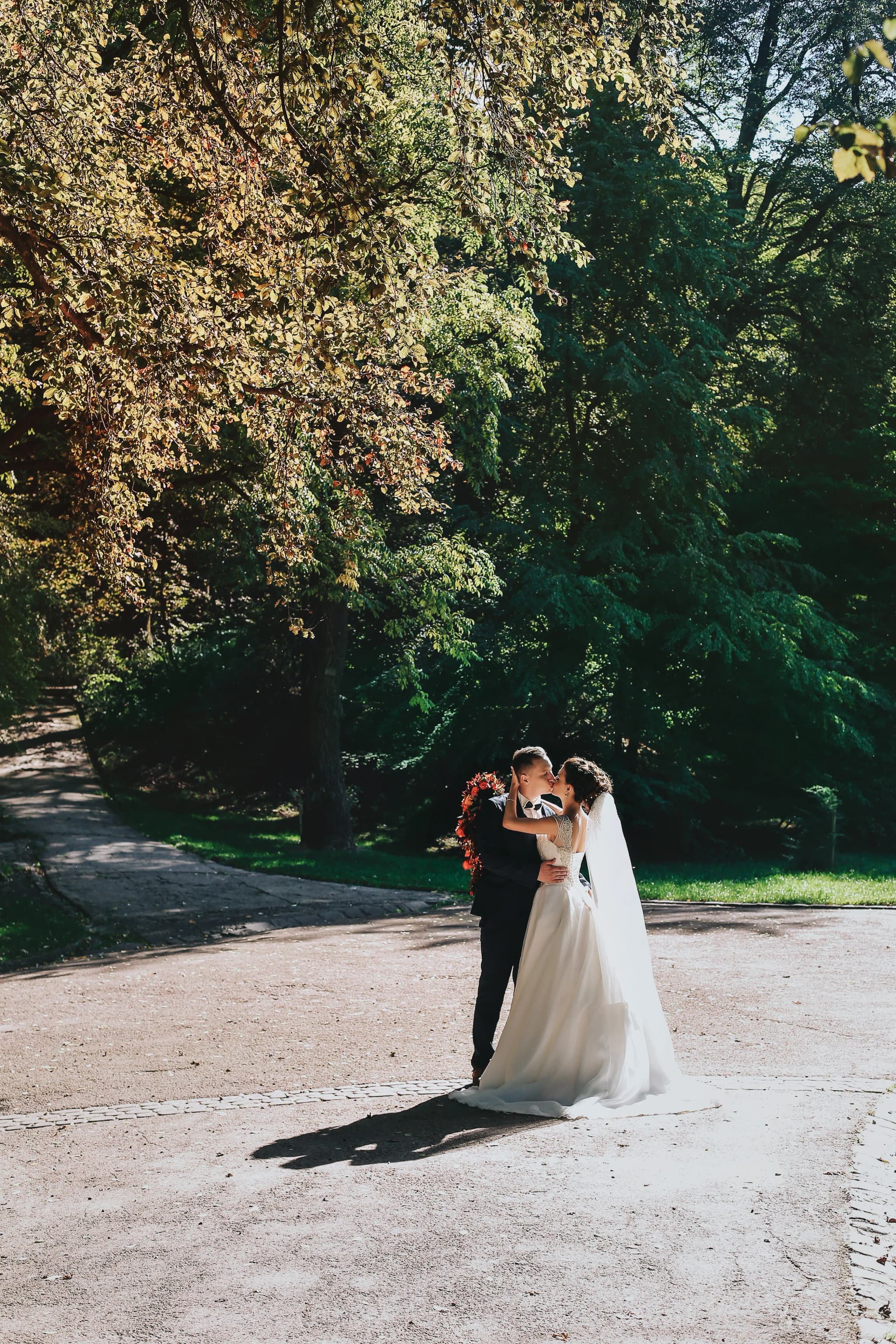
Five-star hotels invest millions in their interiors, and that investment shows directly in wedding photographs. Soaring ceilings with ornate plasterwork, bespoke chandeliers casting warm amber light, hand-laid marble floors, silk wallcoverings in muted heritage palettes — every room in a luxury hotel has been composed by a professional interior designer with beauty as the primary brief. For a photographer, this means the backdrop is already doing a great deal of the work before a single creative decision is made.
The architectural lighting in these spaces is equally important. High-end hotels hire lighting consultants to make their public rooms feel warm, intimate, and flattering. That same warmth translates directly onto a sensor. In my experience, the lobby of a place like Beaverbrook in Surrey or Cliveden in Berkshire is lit so exquisitely that flash becomes almost entirely unnecessary — the ambient light wraps around a bride's gown and catches the texture of a morning suit in a way that artificial lighting rarely replicates.
Grounds and gardens add a further dimension. Country house hotel estates — think Coworth Park near Ascot, Lucknam Park in Wiltshire, or Armathwaite Hall beside Bassenthwaite Lake — typically encompass formal parterre gardens, ancient parkland, walled kitchen gardens, and lake frontage. This variety of outdoor settings within a single estate gives a couple and their photographer enormous creative flexibility across a single wedding day.
Notable UK Luxury Hotel Venues and Their Photographic Character
Each luxury hotel has a distinct visual identity that shapes the photographs taken there. Claridge's in London delivers Art Deco geometry — black-and-white marble, gilded mirrors, bold architectural lines — and produces images with an almost cinematic formality. The Lanesborough, overlooking Hyde Park Corner, has a Regency opulence that suits long-exposure evening portraits on the steps outside. For couples who want countryside grandeur, Gleneagles in Perthshire sits within 850 acres of Highland landscape, and the combination of heather-covered hills and a perfectly maintained estate creates photographs that feel both majestic and intimately Scottish.
In the south of England, Chewton Glen in Hampshire and Lime Wood in the New Forest offer a softer, more organic luxury — ancient trees, dappled light, woodland clearings — that suits a relaxed, editorial style of photography. Further north, Rockliffe Hall in County Durham has the drama of a 2,000-acre estate with a Georgian manor at its centre, producing portraits with genuine scale and presence. I always encourage couples to look beyond the headline reputation of a hotel and consider which spaces within the venue speak most to their aesthetic — the difference between a wood-panelled library and a glass-walled orangery at the same property can mean completely different photographs.
How Hotel Organisation Benefits Your Wedding Photography
One of the less-discussed advantages of marrying at a luxury hotel is the professional event management that comes with the package. Five-star hotels employ experienced wedding coordinators who run your day to a precise schedule. Catering timings are reliable, room turnovers happen efficiently, and on-the-day logistics are handled by people who have executed hundreds of weddings. For a photographer, this is genuinely significant: when the day runs to schedule, there is time for everything.
In a less well-managed venue, a delay in the wedding breakfast service can collapse the time available for couple portraits during golden hour. At a well-run hotel, that time is protected because the kitchen is delivering courses on the minute. I have found that at luxury hotel weddings I consistently get more creative time with the couple than at comparably beautiful but less professionally managed venues. That additional time translates directly into a greater variety of images — more locations around the estate, more relaxed expressions, more of the quiet in-between moments that become the photographs couples treasure most.
Preparing for Photography at a Luxury Hotel Wedding
Before your wedding day, ask your hotel coordinator for a full tour of all spaces that will be used — not just the ceremony room and reception ballroom, but corridors, staircases, terraces, and any gardens accessible to guests. Photograph these on your phone at different times of day if you can, noting where natural light enters and which direction it falls. Share these observations with your photographer well before the wedding so that the two of you can plan the day's portrait schedule around the best light.
Consider getting ready in one of the hotel's superior suites rather than an off-site location. The dressing rooms and bathrooms in luxury hotels are typically spacious, beautifully lit, and decorated to a very high standard — the morning preparation photographs taken in these rooms have a coherence and quality that a generic serviced apartment rarely matches. Many hotels offer a bridal suite with a dedicated dressing area; securing this for the morning gives both you and your photographer a controlled, beautiful environment for the first chapter of your wedding story.
Discuss with your coordinator whether there are any rooms or areas not included in your wedding package that can be opened for a brief portrait session. Many hotels will accommodate a short visit to a library, a billiards room, or a conservatory that is not formally part of your booking — these spaces can yield some of the most distinctive images of the day precisely because fewer couples think to ask.
Planning a luxury hotel wedding?
I photograph weddings at five-star venues across the UK, from Mayfair to the Scottish Highlands. Every hotel has hidden photographic gems that a venue-familiar photographer can find for you. Get in touch to discuss your venue and the images you are imagining.
Lighting Challenges Unique to Hotel Interiors
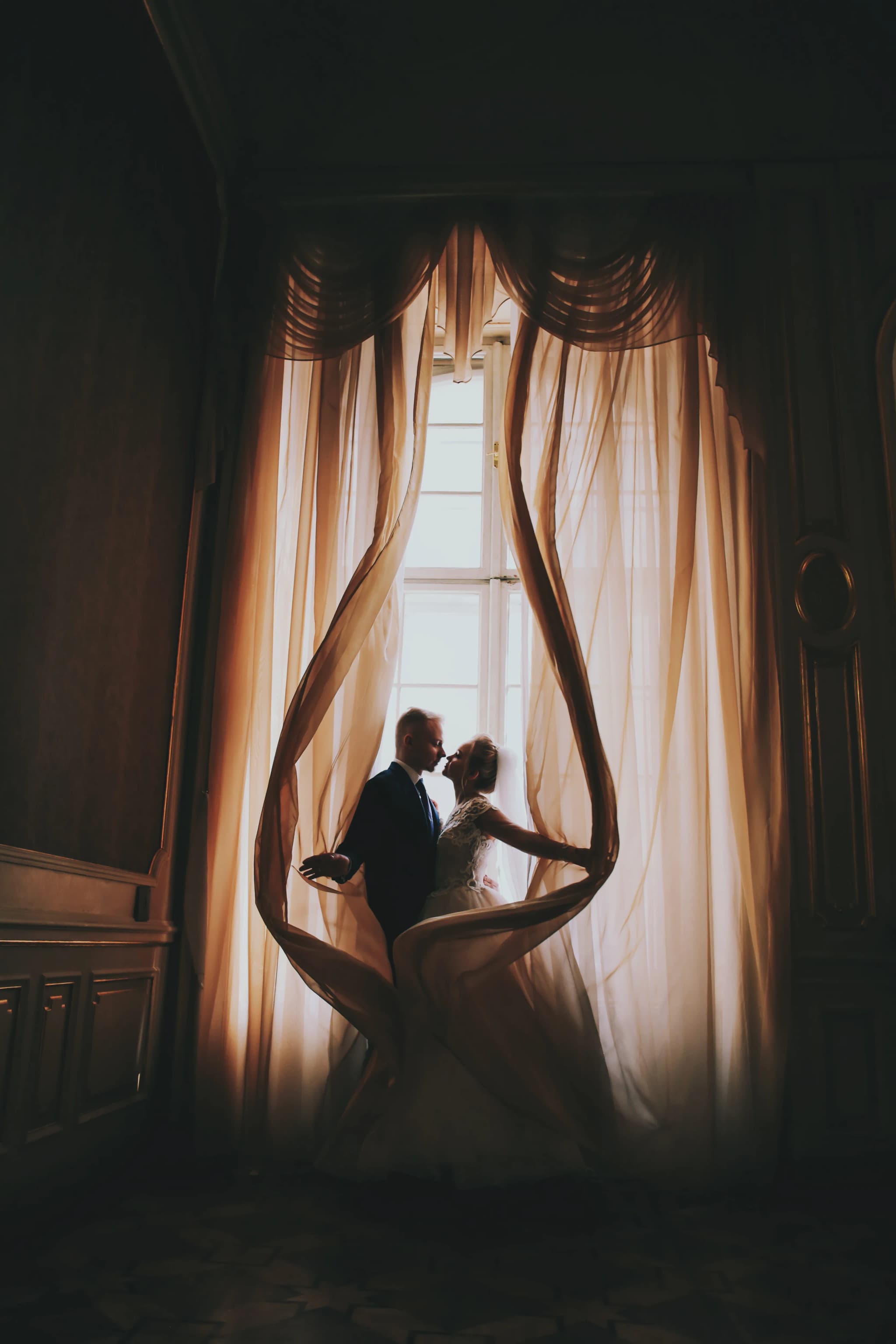
For all their beauty, luxury hotel interiors present specific technical challenges that an experienced photographer must navigate carefully. Mixed light sources are the most common: a room might have warm tungsten chandeliers overhead, cooler daylight flooding through south-facing sash windows, and LED accent lighting beneath bar counters in three entirely different colour temperatures. A photographer who defaults to automatic white balance in these environments will produce inconsistent images that are difficult to resolve in post-processing.
Ballrooms designed for large-scale events are often lit with dramatic overhead rigs that create unflattering downward shadows on faces. I carry off-camera flash equipment and large modifiers to reshape this light when needed, but the most elegant solution is often to position the couple near a window or archway where natural light can do the work gently. Scouting the ceremony room and reception ballroom in advance — ideally at the same time of day as your wedding — makes it possible to plan for these challenges rather than react to them.
Reflective surfaces are both an asset and a complication. The gilded mirrors, polished marble floors, and lacquered furniture that make hotel interiors so spectacular also bounce light unpredictably and can create lens flare at angles that seem perfectly reasonable to the naked eye. The solution is patience and precise positioning — small adjustments of a metre or two can transform a flare-heavy frame into something glowing and beautiful. This kind of spatial awareness comes from experience, and it is one of the clearest reasons to choose a photographer who has worked extensively in formal hotel environments.
The Evening and Low-Light Opportunity
As evening falls, luxury hotels reveal another photographic dimension. Candlelit dinner tables, dramatically lit ballrooms, fairy-light terraces, and the lit facades of country house hotels against a darkening sky all offer extraordinary material for the evening portion of your wedding coverage. I always plan a short portrait session immediately after the first dance — the reception room lighting is at its most romantic, guests are relaxed and present, and the couple have shed the formal tension of the ceremony to become genuinely themselves.
Many country house hotels have exterior lighting that illuminates their facades beautifully after dark. A brief ten-minute session outside at dusk or in early evening darkness, with the hotel glowing behind you, can produce some of the most dramatic images of the entire wedding day. These are the photographs that tend to end up on walls rather than in albums — wide, cinematic frames where two people are small against a grand and luminous building, the scale of the venue becoming part of the emotional story of the image.
A luxury hotel wedding is, at its best, a collaboration between exceptional hospitality and exceptional photography. The venue provides architecture, light, order, and beauty — and a skilled photographer finds within that environment the quiet, human, unrepeatable moments that make your images genuinely yours rather than interchangeable with every other wedding held in that same ballroom. Choose both your venue and your photographer for their ability to find that combination, and the photographs you take home will be as enduring as the day itself.


Yana Skakun
Photographer · England
Professional wedding, family and portrait photographer based in England. Passionate about capturing authentic emotions and timeless moments.
About Yana →luxury hotel wedding photography UKfive-star wedding photographer Englandhotel wedding photography guide
Wedding Tips — Wedding Photography in Cambridge & England
Yana Skakun is a professional wedding photographer based in Cambridge, covering weddings across England — from intimate elopements to full-day ceremonies at country houses, barns, and city venues. Every couple receives a relaxed, documentary approach that captures the day as it truly unfolds. This guide — Luxury Hotel Wedding Photography in the UK: What to Expect — is part of the photography journal: practical, experience-based advice drawn from real sessions across England. Whether you arrived searching for luxury hotel wedding photography uk or five-star wedding photographer england, the same care and attention shapes every session Yana photographs.
Wedding Photography sessions are available year-round, with bookings open across Cambridge, Ely, Huntingdon, Peterborough, and further afield — East England, London, the Midlands, and beyond. If you have specific questions about hotel wedding photography guide, mention it in your enquiry. Get in touch through the contact form above to check availability and discuss your session. Enquiries are welcomed from anywhere in the UK.
Frequently Asked Questions
How much does a wedding photographer cost in England?+
Wedding photography in England typically ranges from £1,500 to £4,000+ for a full day. Price depends on experience, coverage hours, and whether albums or engagement shoots are included. Most photographers charge between £2,000–£3,000 for 8–10 hours of coverage.
How early should you book a wedding photographer?+
For peak season (May–September), book 12–18 months in advance. For autumn and winter weddings, 9–12 months is usually sufficient. Popular photographers at popular venues fill up fast — as soon as you have a date and venue confirmed, start reaching out.
How many photos do you get from a wedding photographer?+
Most professional wedding photographers deliver 400–800 edited images for a full-day wedding. The exact number depends on coverage hours, how many guests there are, and the photographer's editing style. Quality matters more than quantity — a curated gallery of 500 images tells the story better than 1,500 unedited files.
Do you need a second photographer at your wedding?+
A second photographer is helpful if you want simultaneous coverage of getting-ready moments in different locations, multiple angles during the ceremony, or more candid coverage during the reception. It adds cost but significantly increases the variety and completeness of your gallery.
What is the difference between documentary and editorial wedding photography?+
Documentary (reportage) wedding photography captures moments as they happen — the photographer observes and doesn't intervene. Editorial photography involves deliberate direction: placing you in good light, shaping compositions, creating intentional portraits. Most photographers blend both styles throughout the day.
Continue Reading
Related Articles

Wedding Tips
Sustainable Eco-Friendly Wedding Guide — Planning a Green Celebration
15 min read · Read Article
Wedding Tips
Trash the Dress Session — Complete Planning and Photography Guide
14 min read · Read Article
Wedding Tips
Client Communication for Photographers — From Enquiry to Gallery Delivery
15 min read · Read Article
Get in Touch
Ready to Book Your Session?
Get in touch to discuss your vision — I'll reply within 24 hours.