Yana Skakun
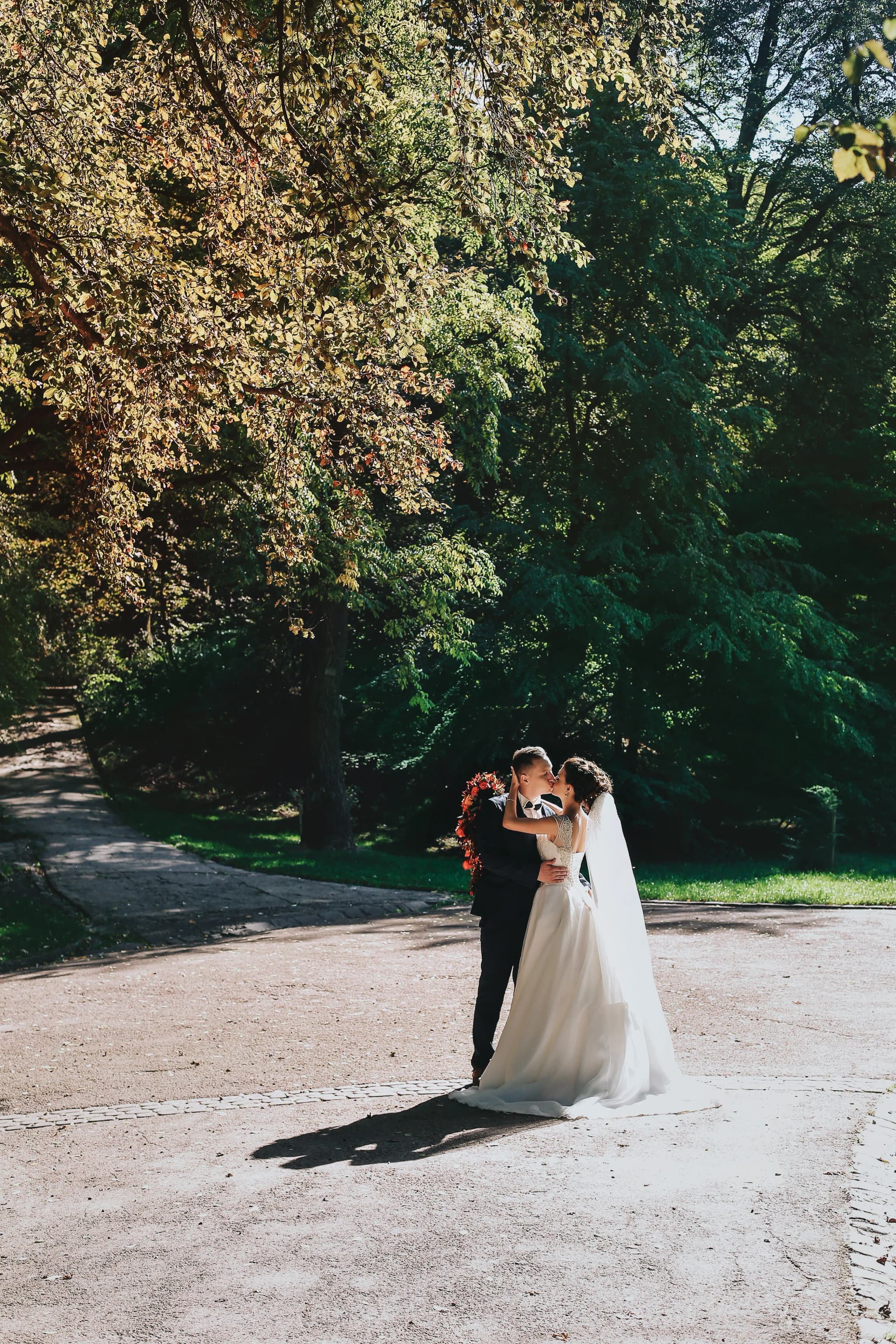
Luxury Wedding Photography: Fine Art, Attention to Detail & Discretion
By Yana Skakun·19 March 2026·6 min read
Luxury wedding photography is not primarily about price — it is about approach, attention, and intention. The most beautiful luxury wedding photographs are not produced by the most expensive equipment; they are produced by photographers who understand fine art, who are deeply attuned to light and composition, and who bring a level of discretion and professionalism to their work that allows couples to feel fully comfortable and fully seen on the one day where they are, by definition, the centre of attention. Over years of photographing weddings at country houses, historic colleges, and destination venues across the UK, I have come to think of "luxury" less as a budget bracket and more as a standard of care that touches every part of the process, from the first enquiry email to the moment an album is placed in a couple's hands. This guide sets out what that standard actually looks like in practice, so that couples planning a considered, elevated wedding know what to expect — and what to ask for — when they begin looking for a photographer.
What Makes Wedding Photography Luxurious
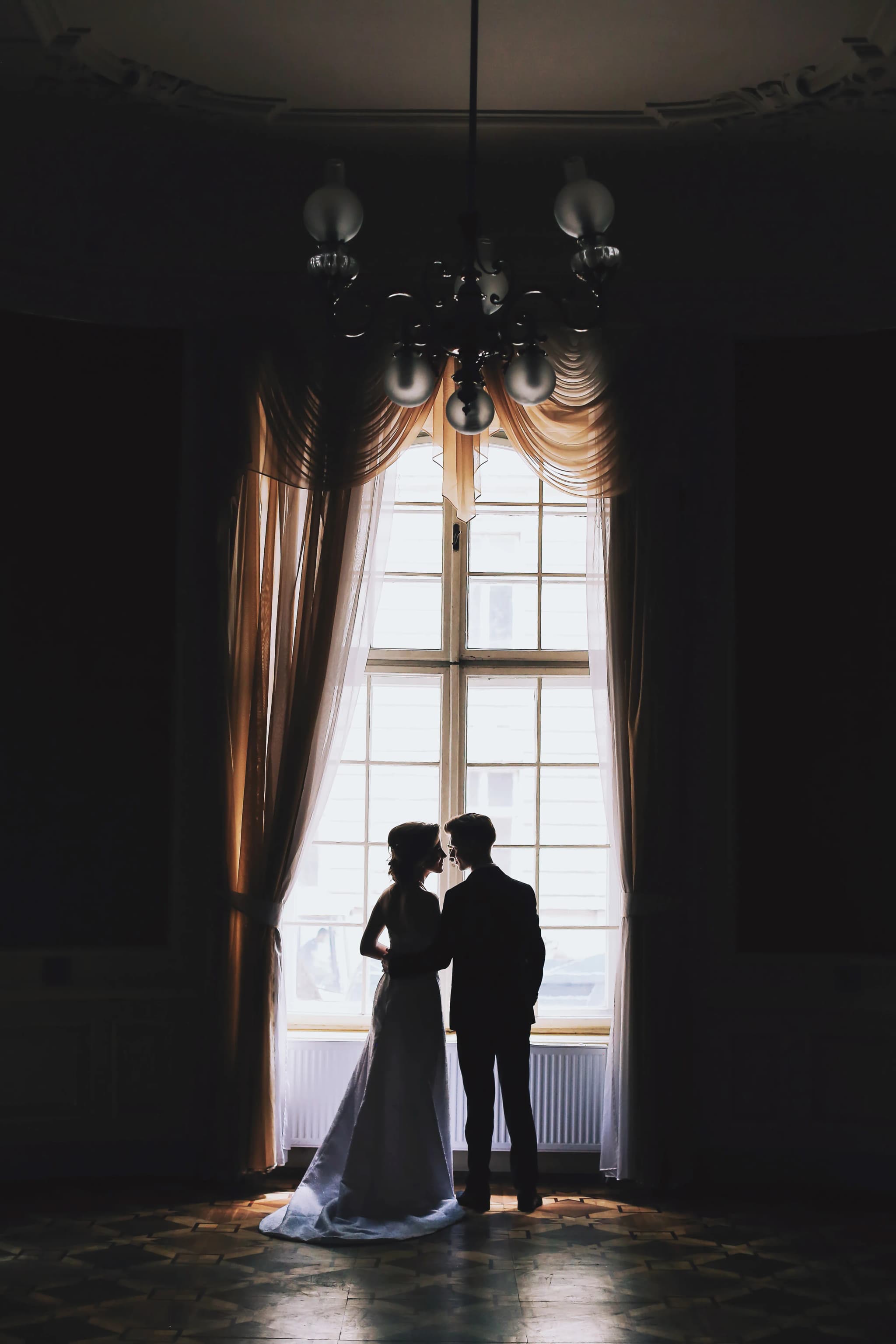
Fine art wedding photography is characterised by intentional composition, consideration of the frame as a whole, and editing that draws on the visual language of art photography and film rather than the flat, high-volume look of event photography. Each image is made rather than simply taken — the photographer chooses the moment, the angle, and the light, and creates a space for the image to exist before releasing the shutter. This is a slower, more deliberate way of working than documenting everything that happens; it means being selective in the moment, trusting instinct about what will matter in ten years rather than photographing reflexively at every turn.
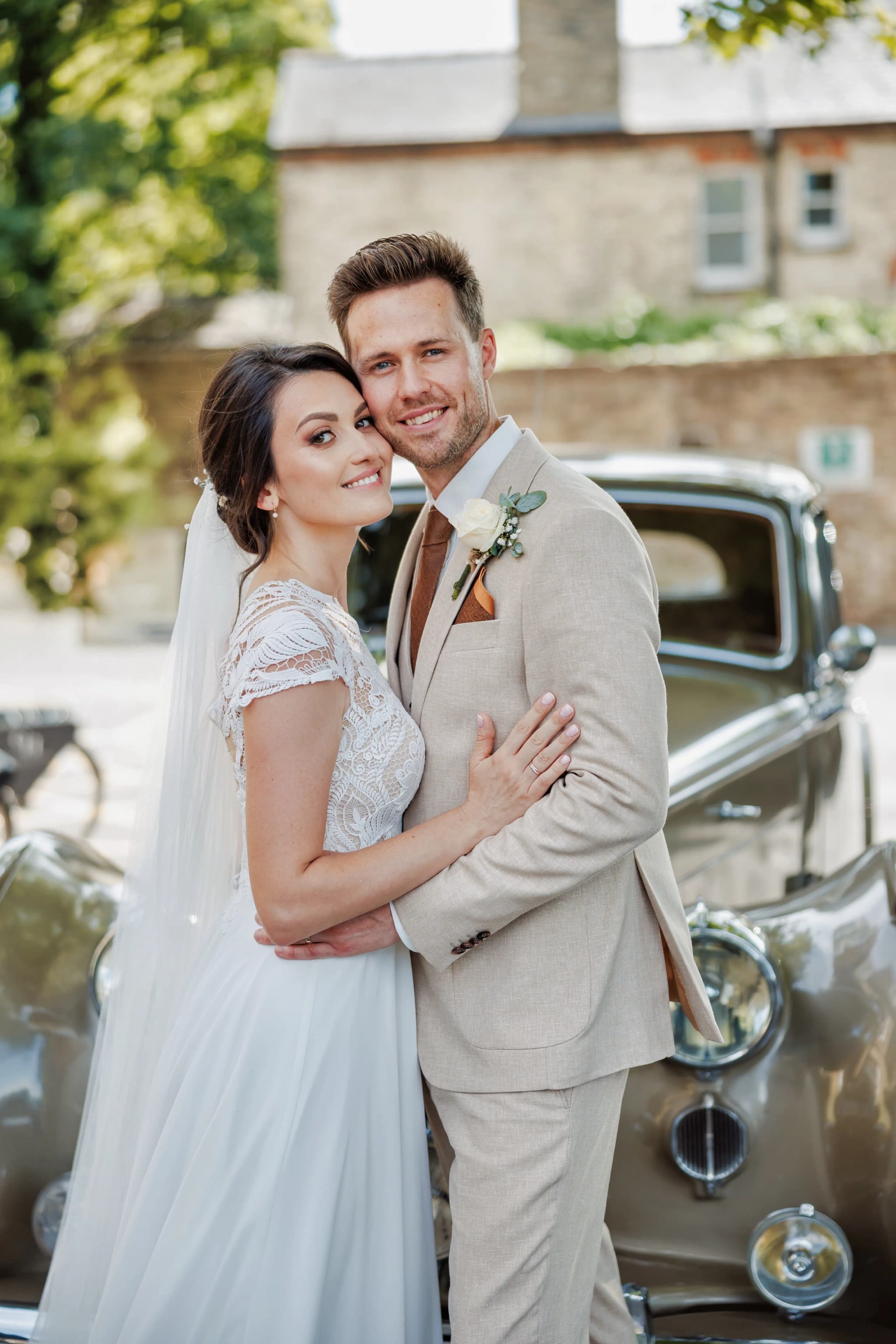
Luxury weddings often involve extraordinary detail — floristry designed by a specialist florist, bespoke stationery, hired tableware and lighting design, couture or bespoke clothing, heirloom jewellery — and all of that deserves photographically equivalent attention. A cake commissioned from a specialist baker deserves to be photographed as carefully as any commercial food shoot, with attention to the light falling across the icing and the texture of the work. Hand-embroidered shoes or a veil passed down through a family deserve a close-up that captures the artistry and the sentiment, not a rushed snap taken in passing. I approach detail photography much as a still-life photographer would: considering light, composition, and the story each object tells about the couple and the day, rather than treating it as a box-ticking exercise before the "real" photography begins.
Discretion matters enormously at this level, too. Many couples marrying at high-profile venues, along with guests who may themselves be recognisable, are sensitive to visibility and attention on the day. A photographer who draws attention to themselves — moving conspicuously, directing loudly, positioning equipment in the middle of a room — works against the atmosphere a couple has spent months curating. Discretion means moving quietly, reading a room before entering it, and ensuring the camera is a presence guests barely register rather than a disruption they have to work around.
None of this replaces professional conduct, which is really the foundation everything else sits on: absolute reliability, prompt and clear communication in the run-up to the day, contracted deliverables that are unambiguous, a confident and reassuring presence when timings inevitably shift, expert working knowledge of the venue and where its best light and best backdrops are found, and gallery delivery within the timeline that was promised at booking. Every part of the client experience — how enquiries are answered, how contracts are worded, how questions are handled in the weeks before the wedding — should reflect the same quality as the photography itself. Couples planning a significant wedding are, quite reasonably, judging the whole experience, not only the final images.
Luxury Venues and Their Photography Requirements
Country houses, historic colleges, and stately homes across Cambridgeshire and the wider UK each come with their own conditions around photography, and understanding these in advance is part of doing the job properly rather than an afterthought. Some venues restrict which rooms can be photographed in, particularly where a property is still privately occupied or where certain rooms hold works of art or furniture that cannot be exposed to flash. Others require photographers to be added to an approved supplier list in advance, with insurance documentation submitted weeks ahead of the wedding. Many require a formal site visit before the day itself, so that the photographer already knows which staircase catches the best afternoon light, where the group photographs will be taken if it rains, and how long it genuinely takes to walk from the bridal suite to the ceremony room.
I liaise directly with venue coordinators and wedding planners well in advance of the day to understand and work within these requirements, rather than leaving that conversation until the morning of the wedding when there is no room for adjustment. That preparation pays off directly in the images: knowing a venue's architecture and grounds well enough to anticipate where the light will be at four o'clock in October, rather than discovering it in real time, is the difference between a portrait session that flows and one that feels rushed and improvised.
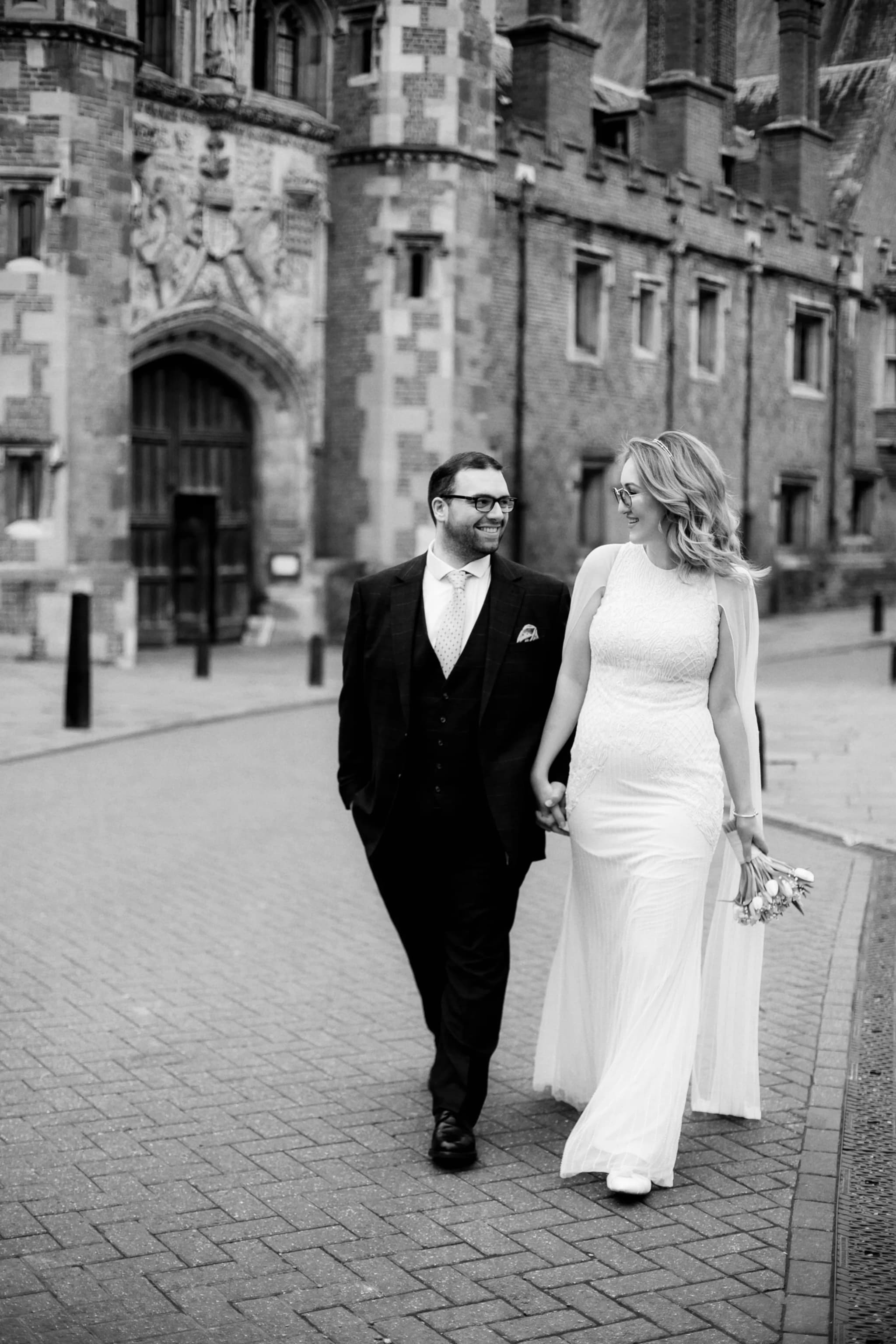
Cambridge itself offers an unusually rich set of options for couples drawn to this kind of photography — college courts and chapels with centuries of architectural detail, riverside settings along the Backs, and country house venues within easy reach across the surrounding countryside. Each has a different character and a different set of restrictions, and part of the value of working with a photographer who already knows the region is that couples do not have to discover the limitations themselves; the planning conversation can focus on making the most of what a venue offers rather than working around unexpected constraints.
Planning the Timeline Around the Light
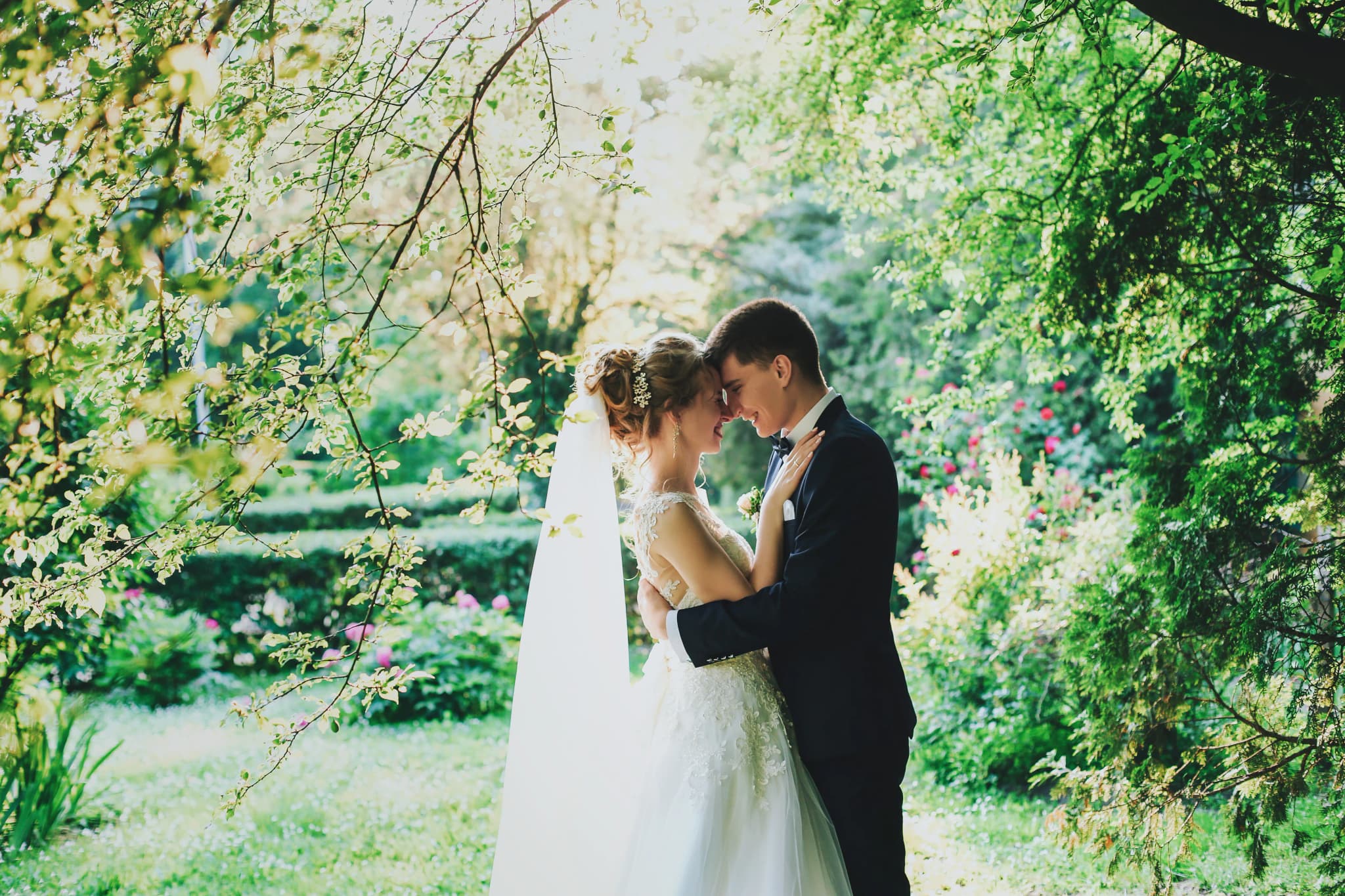
One of the quiet differences between a wedding gallery that feels ordinary and one that feels genuinely luxurious is often the timeline itself, agreed weeks before the day rather than improvised on it. Ceremonies scheduled at the wrong time of day can push the couple's portrait session into flat, harsh midday sun with nowhere good to hide from it; a ceremony moved even an hour earlier, or a portrait slot deliberately protected in the schedule for early evening, can transform the quality of the light available. I work through the draft timeline with couples and, where relevant, their planner, flagging where the light will be strongest and weakest, and suggesting adjustments that cost nothing in practical terms but change the photography considerably.
This is also where a written shot list and a clear sense of priorities becomes genuinely useful, not as a rigid checklist to be worked through mechanically, but as a shared understanding of which family groupings matter most, which details the couple has invested particular thought in, and which parts of the day — a first look, a quiet moment before the ceremony, dancing late into the evening — matter most to be captured well. Knowing these priorities in advance means decisions in the moment, when time is inevitably tight, are informed rather than guessed at.
Second Photographers and Coverage
Weddings with a significant guest list, multiple locations, or overlapping events — the groom preparing at one property while the bride prepares at another, for instance — often benefit from a second photographer working alongside the primary one. This is not simply about doubling the volume of images; it is about coverage that a single photographer physically cannot achieve, capturing both sides of a first look simultaneously, or documenting guests reacting to a ceremony from an angle the primary photographer cannot occupy while also photographing the couple. For weddings where this kind of coverage matters, I discuss it as part of the planning conversation well before the day, so the right team and equipment are in place rather than added as a late scramble.
The Fine Art Wedding Gallery and Album
The delivery of a luxury wedding gallery is itself a piece of considered work, not simply a folder of every usable frame from the day. Careful curation — selecting the images that together tell the story of the day most beautifully, in an order and rhythm that makes sense — is as important as the photography itself. Too many images dilute the impact of the strongest ones; too few leave gaps in the narrative that a couple will notice years later. I aim for galleries that feel complete and edited, where every image earns its place rather than being included simply because it was technically in focus.
For couples who want a physical record of the day, an album is where that curation matters most. A well-designed album is not a chronological photo dump but a considered sequence, with pacing, with quieter pages that let a single strong image breathe and busier spreads that carry the energy of the reception. Fine materials — genuine leather, archival paper, considered typography for any text included — matter here too, because an album made to this standard is intended to be handled, looked through, and passed down for decades, not left untouched on a shelf.
Planning a luxury wedding?
I would be honoured to discuss your vision, your venue, and how the day's timeline can be shaped around the best possible light and coverage.
Get in touch to begin the conversationChoosing a Photographer for This Kind of Day
When couples ask what they should actually look for when choosing a photographer for a significant, considered wedding, my honest answer is to look past the highlight reel and ask about process. Ask how a photographer plans a timeline around light. Ask how they handle venue liaison and site visits. Ask to see a full gallery from a real wedding, start to finish, rather than only a curated set of the strongest ten images from several different weddings — a full gallery tells you far more about consistency, editing style, and how a day is actually told as a story. Ask how they work discreetly during a ceremony or speeches, and how they approach family groups so those photographs feel warm rather than stiff. The answers to these questions reveal far more about whether a photographer's approach genuinely matches a couple's vision than any single beautiful image can.
Luxury wedding photography, done well, is ultimately about trust: trusting a photographer to move through a significant, once-only day with skill, discretion, and genuine care, and to hand back a body of work that captures it honestly and beautifully rather than performing a version of it. That trust is built well before the wedding day itself, through careful planning, clear communication, and a shared understanding of what matters most about the occasion. If you are planning a wedding of this kind and would like to talk through how the photography could work for your venue and your day, get in touch and we can begin that conversation together.

Yana Skakun
Photographer · England
Professional wedding, family and portrait photographer based in England. Passionate about capturing authentic emotions and timeless moments.
About Yana →luxury wedding photographyfine art wedding photographer UKhigh-end wedding photography England
Wedding Tips — Wedding Photography in Cambridge & England
Yana Skakun is a professional wedding photographer based in Cambridge, covering weddings across England — from intimate elopements to full-day ceremonies at country houses, barns, and city venues. Every couple receives a relaxed, documentary approach that captures the day as it truly unfolds. This guide — Luxury Wedding Photography: Fine Art, Attention to Detail & Discretion — is part of the photography journal: practical, experience-based advice drawn from real sessions across England. Whether you arrived searching for luxury wedding photography or fine art wedding photographer uk, the same care and attention shapes every session Yana photographs.
Wedding Photography sessions are available year-round, with bookings open across Cambridge, Ely, Huntingdon, Peterborough, and further afield — East England, London, the Midlands, and beyond. If you have specific questions about high-end wedding photography england, mention it in your enquiry. Get in touch through the contact form above to check availability and discuss your session. Enquiries are welcomed from anywhere in the UK.
Frequently Asked Questions
How much does a wedding photographer cost in England?+
Wedding photography in England typically ranges from £1,500 to £4,000+ for a full day. Price depends on experience, coverage hours, and whether albums or engagement shoots are included. Most photographers charge between £2,000–£3,000 for 8–10 hours of coverage.
How early should you book a wedding photographer?+
For peak season (May–September), book 12–18 months in advance. For autumn and winter weddings, 9–12 months is usually sufficient. Popular photographers at popular venues fill up fast — as soon as you have a date and venue confirmed, start reaching out.
How many photos do you get from a wedding photographer?+
Most professional wedding photographers deliver 400–800 edited images for a full-day wedding. The exact number depends on coverage hours, how many guests there are, and the photographer's editing style. Quality matters more than quantity — a curated gallery of 500 images tells the story better than 1,500 unedited files.
Do you need a second photographer at your wedding?+
A second photographer is helpful if you want simultaneous coverage of getting-ready moments in different locations, multiple angles during the ceremony, or more candid coverage during the reception. It adds cost but significantly increases the variety and completeness of your gallery.
What is the difference between documentary and editorial wedding photography?+
Documentary (reportage) wedding photography captures moments as they happen — the photographer observes and doesn't intervene. Editorial photography involves deliberate direction: placing you in good light, shaping compositions, creating intentional portraits. Most photographers blend both styles throughout the day.
Continue Reading
Related Articles

Wedding Tips
Sustainable Eco-Friendly Wedding Guide — Planning a Green Celebration
15 min read · Read Article
Wedding Tips
Trash the Dress Session — Complete Planning and Photography Guide
14 min read · Read Article
Wedding Tips
Client Communication for Photographers — From Enquiry to Gallery Delivery
15 min read · Read Article
Get in Touch
Ready to Book Your Session?
Get in touch to discuss your vision — I'll reply within 24 hours.