Yana Skakun
English Manor House Weddings: The Complete Guide (2026)
By Yana Skakun·20 March 2026·6 min read
England's manor houses represent one of the country's greatest architectural inheritances — from Tudor brick manors in Warwickshire to Queen Anne stone-and-brick in Oxfordshire, Victorian Gothic in Derbyshire, and the Palladian masterpieces scattered across the Home Counties. As wedding venues, they offer something that no modern purpose-built space can replicate: genuine historical depth combined with an aristocratic aesthetic that still reads as quietly magnificent. Having photographed weddings at manor houses across England for more than a decade, I can tell you with confidence that these settings produce some of the most naturally beautiful photographs of any venue type.
What Makes a Manor House Wedding Distinctively English
The defining quality of an English manor house is that it was built to be lived in, not to impress visitors. This gives it an entirely different character from a stately home or a castle. The proportions are human-scale but elevated — high ceilings without being overwhelming, wide corridors without being grand galleries, substantial reception rooms that feel welcoming rather than intimidating. These proportions photograph with a particular dignity that modern venues rarely achieve.
The materiality matters enormously too. Oak panelling darkened by centuries of polishing, stone fireplaces carved by craftsmen whose names have been forgotten, flagstone floors worn smooth by generations of footsteps, original plasterwork ceilings that catch afternoon light in ways that no reproduction can match — all of these create backgrounds that require almost no direction from a photographer. The house itself does the heavy lifting. A bride standing in front of a carved Tudor fireplace, or a couple walking through a walled kitchen garden in late afternoon light, needs very little from me beyond positioning and timing.
Then there are the grounds. Manor houses were almost always set within deliberately composed landscapes — formal gardens close to the house, parkland beyond, kitchen gardens and cutting gardens tucked away, ha-has that allow uninterrupted views across countryside, and often a folly or lake or dovecote placed for picturesque effect by some long-dead landscape designer. These are photographic gifts that I never take for granted.
Choosing the Right Manor for Your Wedding and Photography
England has hundreds of manor house wedding venues, and the range of character, size, and price is enormous. At the accessible end, converted manors in counties such as Suffolk, Shropshire, and Northamptonshire offer exclusive hire from around £5,000 to £10,000. At the upper end, the grandest privately owned manor houses with full weekend hire can exceed £30,000 for the venue alone. Price is not always a reliable guide to photographic quality — some of the most beautiful manor weddings I have photographed have been at relatively modest venues whose grounds were exceptional.
When you are assessing manor venues for photography, I always recommend visiting in person at approximately the time of day your ceremony and reception will take place. Ask specifically about where the light falls in the main reception room during the afternoon, whether the formal gardens are accessible during the reception, and whether there are any areas of the grounds that are off-limits. Some manors have working farms or private family sections that cannot be used for photography, and it is better to know this before you book than to discover it on the day.
County matters too. The Cotswolds offers honey-stone manors in villages like Chipping Campden and Bourton-on-the-Water whose warm limestone glows in summer light. Norfolk and Suffolk have flint-and-brick manors surrounded by farmland that turns golden in August. Hertfordshire and Buckinghamshire have formal manor estates within easy reach of London. Yorkshire's manor houses tend toward the robust and dramatic, particularly in the Dales and the Wolds. Each county has its own character, and the right manor for you depends partly on the aesthetic you are drawn to.
How I Approach Photography at a Manor House
My preparation for a manor house wedding always begins with a visit to the venue well in advance of the day, ideally at the same season and time of day as the wedding itself. I walk the grounds methodically, noting where the light falls at different times, which corners and angles are most interesting, where the background is clean and where it is cluttered, and what the contingency plan is if the weather turns. English weather being what it is, a manor house's interior spaces are just as important as its grounds.
On the day itself, I work in layers. During the ceremony I focus on unobtrusive documentary coverage — the expressions, the gestures, the moments that couples will want to remember but rarely see themselves in the moment. During the drinks reception, while guests are mingling, I take the couple away for no more than twenty to thirty minutes for formal portraits. I never want couples to feel that photography is consuming their wedding day. At a manor house, twenty minutes is genuinely enough — the setting is so strong that a small number of very considered images will always outperform a larger number of rushed ones.
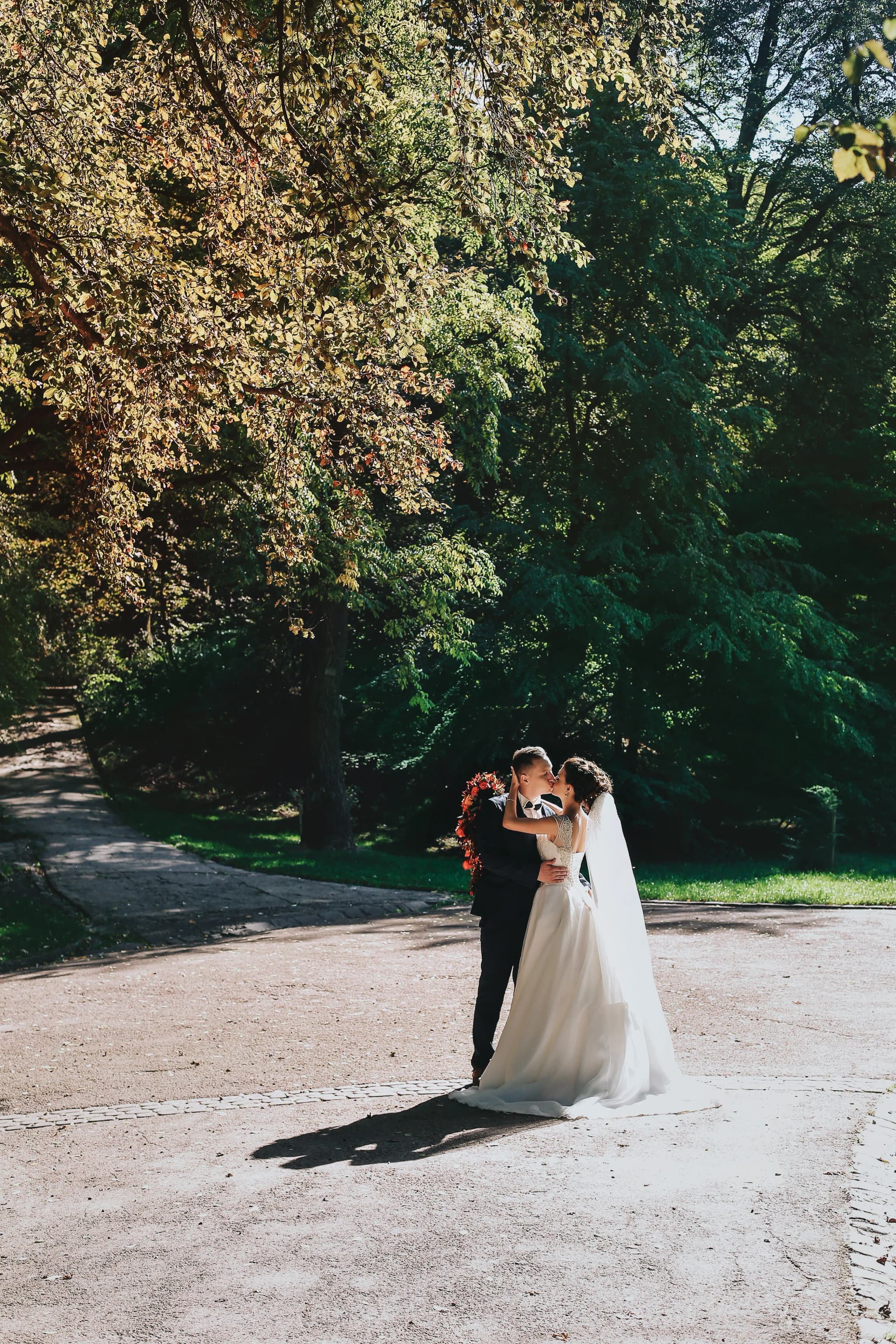
The golden hour before sunset is the single most valuable time at a manor house wedding, and I always plan for it. The warm horizontal light at dusk transforms even the most straightforward composition, and the parkland and formal gardens that surround most manors become genuinely magical. I ask couples in advance to keep this hour free on their schedule, even if informally — it takes only fifteen minutes away from the reception and the results are almost always among the favourite images from the entire day.
Planning a manor house wedding?
Every manor has its own character, and the photography approach should be tailored to the specific venue and season. I would love to hear about your plans and talk through how we can make the most of your setting. Get in touch to discuss your wedding or see my wedding portfolio for examples from a range of English venue types.
Practical Tips for Couples: Getting the Best from Your Venue
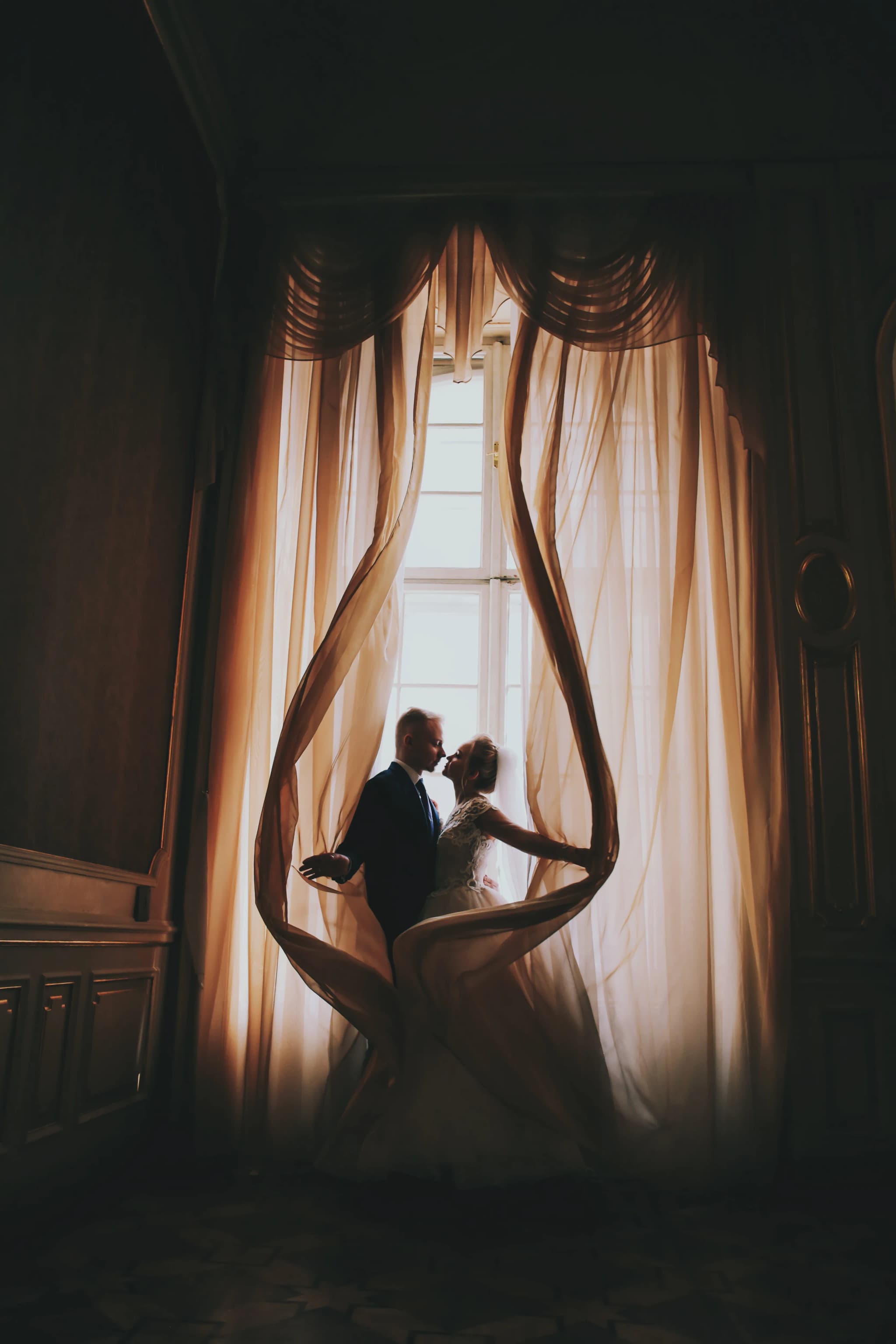
The single most useful thing a couple can do to improve their manor house wedding photography is to consider their getting-ready location. Many manor houses have bridal suites or dressing rooms that are architecturally interesting — sash windows, original fireplaces, high ceilings — and getting ready in these spaces rather than in a generic hotel room can add an entire sequence of beautiful images before the ceremony even begins. If your venue has a notable bridal suite, ask your photographer to arrive early enough to capture the preparation there.
Timing your day with the light is also important at a manor house more than at most other venue types, because the grounds are such a central part of the photography. Summer weddings with late ceremonies — a 3pm start rather than midday — allow the golden hour to fall during the natural drinks reception window, which means the photographic peak aligns with the social peak. Spring and autumn weddings often have more dramatic light and softer tones than midsummer, and the grounds of most manor houses are genuinely beautiful in October and November when the trees turn.
Finally, be selective about guest numbers in relation to the manor's scale. A manor house that comfortably seats 80 in the dining room will photograph very differently at that capacity than at 120 with tables squeezed in. The formal rooms of a manor house are designed for a certain way of living and entertaining, and photographs that show the room at ease with its occupants are always more beautiful than those in which the room looks overwhelmed. This is a consideration that goes beyond photography — it is about the feel of the day — but it is worth raising with your venue coordinator early in the planning process.
Notable Manor House Venues Across England
Elmore Court in Gloucestershire is one of the finest examples of a manor house wedding venue that has been sensitively adapted for modern weddings while retaining its genuine historical character. The grounds are exceptional, the interior spaces are architecturally coherent, and the approach through parkland creates a sense of arrival that sets the tone for the entire day. In the Cotswolds more broadly, venues such as Caswell House in Oxfordshire and Cripps Barn nearby offer different points on the scale from grand to intimate.
In the East of England — the region I know most intimately, working as I do from Cambridge — there are manor house venues of exceptional quality across Cambridgeshire, Suffolk, and Norfolk. Chippenham Park in Cambridgeshire has parkland that is genuinely outstanding for late-afternoon photography. Hales Hall in Norfolk is a medieval manor of rare atmospheric power. Alderton Hall in Suffolk combines a beautiful interior with working farm buildings that add a distinctly English rural character to the day. These are venues with deep roots in the landscape, and that rootedness comes through in the photographs.
Further north, Goldsborough Hall in North Yorkshire and Swinton Park in the Yorkshire Dales represent the grander end of the manor house spectrum — venues where the building itself is so impressive that it anchors every image taken on the grounds. For couples who want drama and scale alongside the intimate character of a manor, these venues offer something genuinely distinctive.
Seasons and Weather: Planning for the English Climate
No guide to manor house weddings in England would be complete without an honest discussion of weather. The country's climate is genuinely unpredictable, and manor house weddings require a plan for both sunshine and rain. The good news is that manor houses handle both conditions well. In bright summer sun, the formal gardens and parkland provide ample shade and soft dappled light. In overcast conditions — which are often the most flattering for portraits — the diffused light on stone facades and among garden borders can be genuinely beautiful. Rain itself need not be a catastrophe: a manor house with generous covered terraces or a carriageway entrance can provide sheltered spaces for group photographs even in a shower.
In my experience, the couples who have the best manor house wedding photography are those who have a clear contingency plan and who trust their photographer to adapt to conditions. I always discuss weather scenarios with couples in the weeks before their wedding and agree in advance on the priorities — which images are non-negotiable, which are aspirational, and what the indoor alternatives are for each outdoor shot. This conversation takes no more than twenty minutes but it eliminates a great deal of anxiety on the day itself and allows me to work confidently whatever the conditions bring.
England's manor houses have hosted celebrations for centuries, and there is something genuinely moving about adding your own chapter to that long story. The photographs from a manor house wedding carry with them a sense of place and time that is difficult to achieve in any other setting — images that will still feel rooted and real in twenty or thirty years, when the fashions of the day have faded and what remains is the quality of the light, the character of the building, and the emotion of the people within it. That is what I am always trying to capture, and manor houses make the work easier and the results more rewarding than almost anywhere else I photograph.


Yana Skakun
Photographer · England
Professional wedding, family and portrait photographer based in England. Passionate about capturing authentic emotions and timeless moments.
About Yana →manor house weddings Englandmanor house wedding photographerEnglish manor wedding guide 2026
Wedding Tips — Wedding Photography in Cambridge & England
Yana Skakun is a professional wedding photographer based in Cambridge, covering weddings across England — from intimate elopements to full-day ceremonies at country houses, barns, and city venues. Every couple receives a relaxed, documentary approach that captures the day as it truly unfolds. This guide — English Manor House Weddings: The Complete Guide (2026) — is part of the photography journal: practical, experience-based advice drawn from real sessions across England. Whether you arrived searching for manor house weddings england or manor house wedding photographer, the same care and attention shapes every session Yana photographs.
Wedding Photography sessions are available year-round, with bookings open across Cambridge, Ely, Huntingdon, Peterborough, and further afield — East England, London, the Midlands, and beyond. If you have specific questions about english manor wedding guide 2026, mention it in your enquiry. Get in touch through the contact form above to check availability and discuss your session. Enquiries are welcomed from anywhere in the UK.
Frequently Asked Questions
How much does a wedding photographer cost in England?+
Wedding photography in England typically ranges from £1,500 to £4,000+ for a full day. Price depends on experience, coverage hours, and whether albums or engagement shoots are included. Most photographers charge between £2,000–£3,000 for 8–10 hours of coverage.
How early should you book a wedding photographer?+
For peak season (May–September), book 12–18 months in advance. For autumn and winter weddings, 9–12 months is usually sufficient. Popular photographers at popular venues fill up fast — as soon as you have a date and venue confirmed, start reaching out.
How many photos do you get from a wedding photographer?+
Most professional wedding photographers deliver 400–800 edited images for a full-day wedding. The exact number depends on coverage hours, how many guests there are, and the photographer's editing style. Quality matters more than quantity — a curated gallery of 500 images tells the story better than 1,500 unedited files.
Do you need a second photographer at your wedding?+
A second photographer is helpful if you want simultaneous coverage of getting-ready moments in different locations, multiple angles during the ceremony, or more candid coverage during the reception. It adds cost but significantly increases the variety and completeness of your gallery.
What is the difference between documentary and editorial wedding photography?+
Documentary (reportage) wedding photography captures moments as they happen — the photographer observes and doesn't intervene. Editorial photography involves deliberate direction: placing you in good light, shaping compositions, creating intentional portraits. Most photographers blend both styles throughout the day.
Continue Reading
Related Articles

Wedding Tips
Sustainable Eco-Friendly Wedding Guide — Planning a Green Celebration
15 min read · Read Article
Wedding Tips
Trash the Dress Session — Complete Planning and Photography Guide
14 min read · Read Article
Wedding Tips
Client Communication for Photographers — From Enquiry to Gallery Delivery
15 min read · Read Article
Get in Touch
Ready to Book Your Session?
Get in touch to discuss your vision — I'll reply within 24 hours.