Yana Skakun
May Weddings in England: The Most Beautiful Wedding Month?
By Yana Skakun·12 March 2026·6 min read
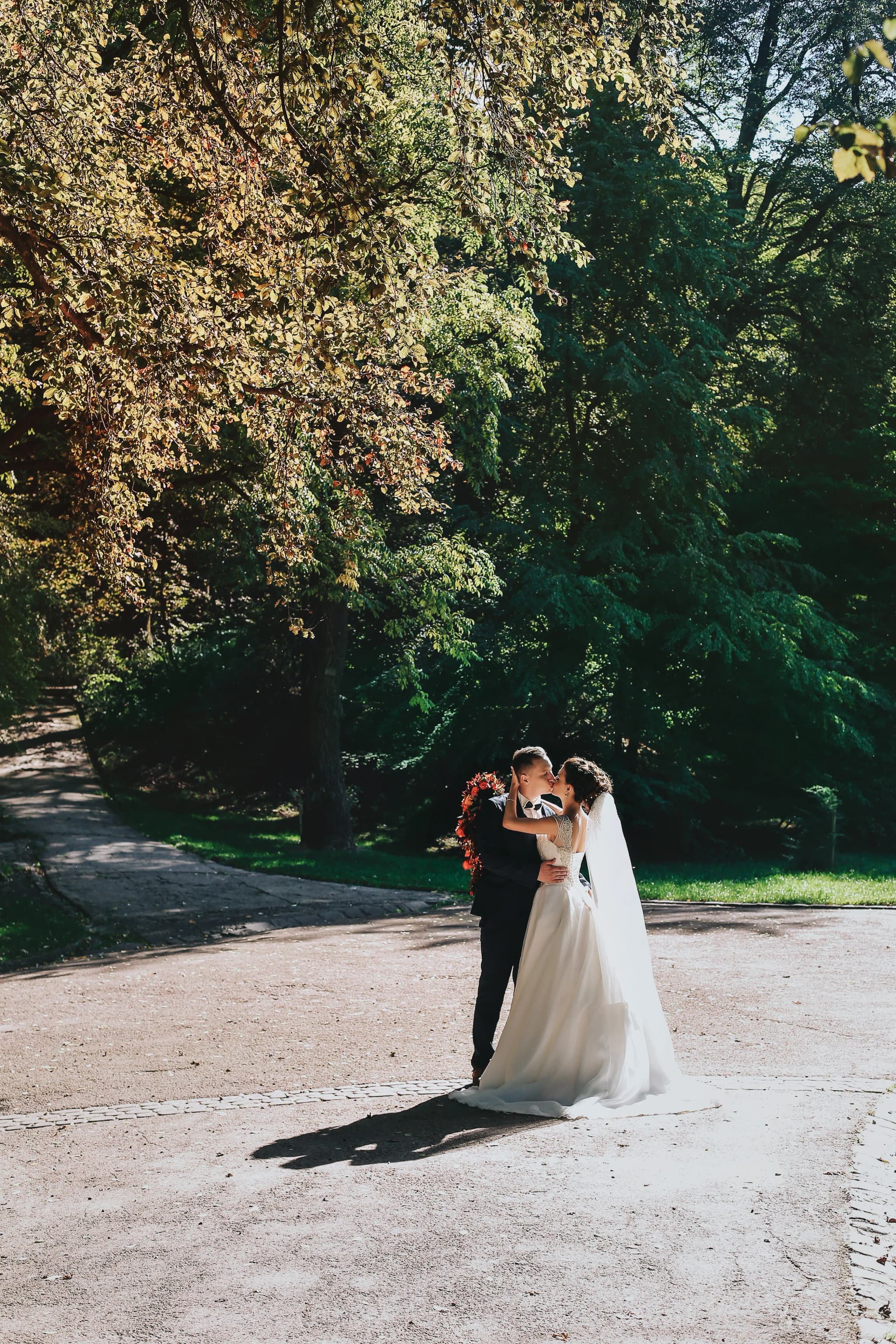
Ask any wedding photographer which month they photograph most and May will be near the top of the list, often competing only with June and September. It combines longer days with generally settled weather, a countryside at its most abundant, and that particular English energy when everyone steps outside after a long grey winter and can't quite believe how beautiful it all looks. I have photographed weddings in every month of the year, and May consistently produces some of my most treasured frames — the blossom, the light, the sense of relief and renewal that seems to sit over the whole day. If you are planning a May wedding, or still deciding on a date, here is what I think you should know about photographing this particular month, drawn from years of standing in fields, gardens, and churchyards across the East of England watching the light change.
The Case for a May Wedding
May sits at a genuine sweet spot in the English calendar — the promise of spring is fully delivered without the heat and haze of high summer. Average temperatures across England typically range from the low to high teens Celsius, which is warm enough that guests can stand outside comfortably for a drinks reception without coats, but cool enough that nobody is wilting in a marquee by mid-afternoon. Evening receptions can genuinely spill outdoors. Outdoor ceremonies become viable in a way they simply aren't in February or November. And the quality of light, from the long golden mornings well into the lingering evenings, gives a wedding day photography schedule an enormous amount of flexibility that tighter winter daylight hours simply don't allow.
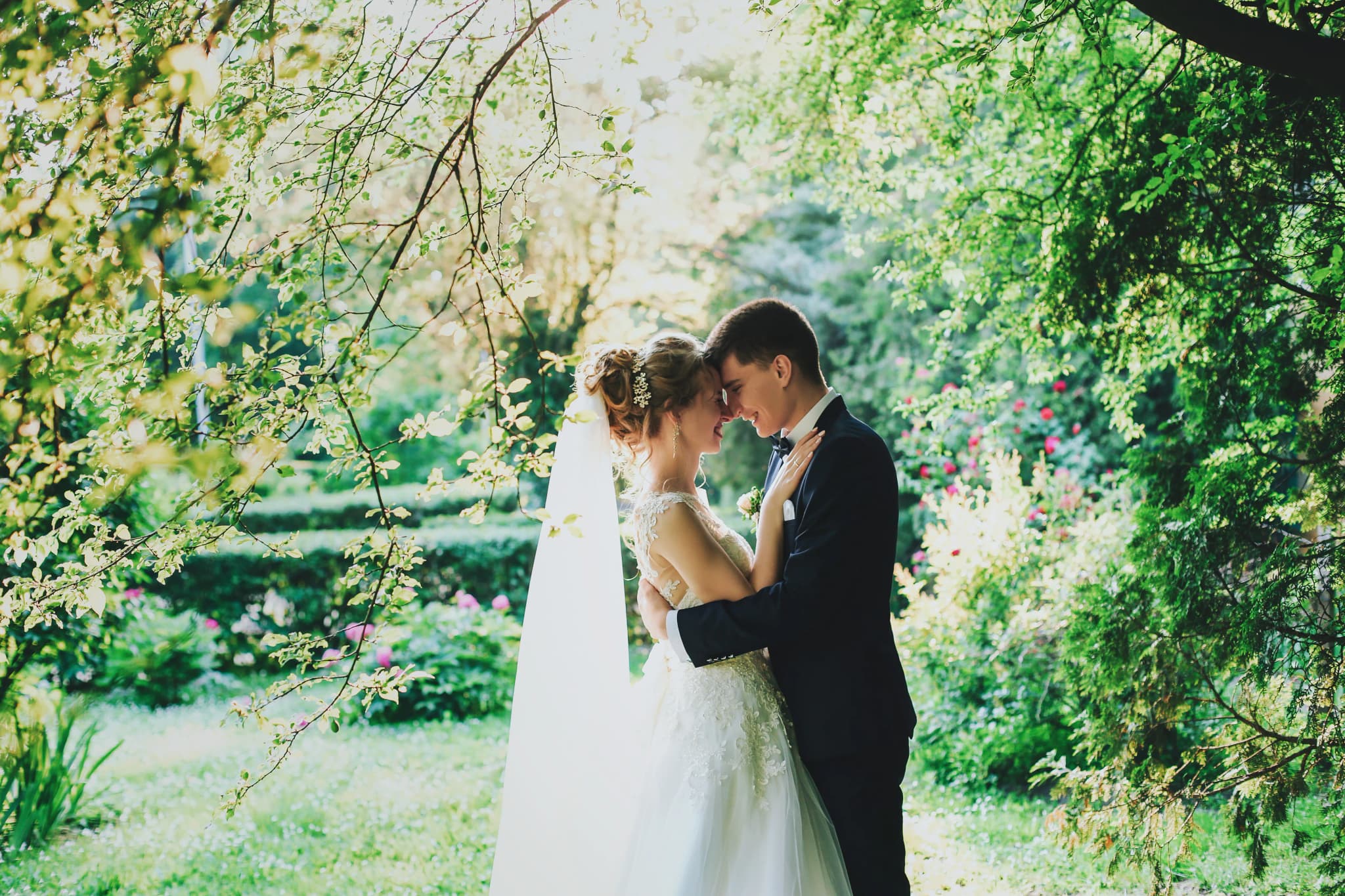
There is also something about the countryside itself in May. Blossom is often still hanging on from earlier in spring. Wildflowers are properly getting going. Verges and hedgerows that were bare in March are now dense, green, and textured. Gardens that have been dormant all winter are suddenly full of colour and structure. It is, in the most literal sense, a month of abundance — and abundance photographs beautifully. Couples who marry in May tend to get images with a freshness and vitality to them that is hard to manufacture at other times of year.
The Light in May
By May, sunrise in England is around 5.30am and the evening golden hour can stretch past 8.30pm by the end of the month. This is genuinely useful for wedding photography, not just a nice fact. I can offer both a short morning portrait session while the dew is still on the grass and the light is soft and low, and a long, amber evening session after the wedding breakfast, without asking anyone to stay up unreasonably late or rearrange the whole timeline around sunset. Couples marrying in December have perhaps six or seven usable hours of daylight to work with; couples marrying in late May have close to sixteen.
The sun is also considerably higher in the sky than it was even a month earlier, which means it casts a stronger, harder light during the middle of the day. That matters for portraits: flat, overhead midday sun is rarely flattering, and it can create heavy shadows under eyes and noses if you photograph directly in it. I always reconnoitre venues carefully in advance to identify the shaded spots — under old trees, beneath pergolas and archways, in the soft shadow cast by a stone wall or the side of a barn. This is where the best portraits often happen on a bright May afternoon, and knowing a venue's shade in advance means we lose no time hunting for it on the day itself.
Weather in May is more settled than in April, but it is still the English countryside, and a sudden shower or a grey morning that clears by lunchtime is entirely normal. I always build a little flexibility into the timeline for exactly this reason, and I keep a mental list of covered or indoor alternatives at every venue I work at, so that a spot of rain never becomes a crisis. Some of my favourite images have actually come from the ten minutes after a May shower, when the light goes soft and silvery and everything is glistening.
May's Seasonal Backdrops
Part of what makes May distinctive as a wedding month is the specific, fleeting scenery on offer. None of it lasts especially long, which is part of the appeal — a May wedding captures a version of the English countryside that a July or September wedding simply cannot.
- Hawthorn blossom: The hedgerows are white and fragrant through much of May — sometimes called "May blossom" for exactly this reason — and they make a quintessentially English countryside backdrop for portraits taken along a lane or field edge.
- Bluebells: One of the iconic English spring experiences, and one many couples specifically plan around. Bluebell woods generally peak from late April into the first half of May, and a bluebell wood in good light is genuinely one of the most striking natural backdrops available to a UK photographer.
- Cow parsley: Those tall, frothy white wildflowers lining country lanes and field margins are everywhere by mid-May — understated, but they add a soft, textured foreground or backdrop to almost any outdoor portrait.
- Garden borders coming into flower: Formal gardens at country houses and estates are waking up properly by late May — walled gardens, herbaceous borders, and early roses start to offer real colour and structure for couples who want a more manicured backdrop than open countryside.
- Rapeseed fields: The vivid yellow fields visible across much of the English countryside in May are a bold, striking choice for couples who want something unmistakably seasonal and a little unexpected as a backdrop.
Choosing a Venue for a May Wedding
Almost any venue type works well in May, but some categories particularly shine at this time of year. Country house hotels with formal gardens tend to be at or near their best, having had a full spring to recover and bloom after winter. Barn weddings benefit enormously from the surrounding fields being green and lush rather than muddy and bare, which changes the character of every outdoor shot taken around the building. Historic houses and estate properties that only open certain grounds seasonally are often at their most photogenic in May, before the crowds of high summer and while the planting is still fresh.
Outdoor ceremonies deserve a specific mention. May is one of the more forgiving months to gamble on an outdoor ceremony in England — not risk-free, since this is still a country where rain in May is entirely possible, but considerably more reliable than April, and without the risk of an unbearably hot, exposed ceremony that a July heatwave can bring. Woodland clearings, walled gardens, and open estate lawns all work beautifully as ceremony settings in May light. Whatever venue you choose, I always recommend a site visit beforehand if possible, ideally at a similar time of day to your ceremony, so we can both see exactly how the light falls across the space you'll actually be standing in.
Building a Photography Timeline Around May's Long Days
The generous daylight of May means we have room for a genuinely relaxed approach to the day's timeline, rather than the compressed, slightly anxious scheduling that a winter wedding often requires. I'll work with you well in advance to build in a dedicated couple portrait session — ideally later in the afternoon, when the light has softened and started to turn golden. With May's long evenings, this typically happens somewhere around seven or eight in the evening, once the wedding breakfast has finished, speeches are done, and golden hour is properly beginning. Twenty unhurried minutes together at this point in the day, away from the reception noise, tends to produce some of the most natural, quietly emotional images from the whole wedding.
I also love building in a short session earlier in the day, before the ceremony: the bride getting ready in good window light, the groom with his groomsmen having a laugh outside, and the venue itself looking its freshest before guests arrive and change the atmosphere of a space. None of this needs to feel like a formal photography session bolted onto your day — when the timeline is built with the light in mind from the start, it tends to feel like a natural, easy rhythm rather than a series of scheduled stops.
For guests, a well-planned May timeline also tends to mean more time outdoors, more natural drinks-reception photography in decent light, and evening dancing that can still spill onto a lawn or terrace if the venue allows it. None of that is guaranteed by the calendar alone, but May gives you considerably more room to plan for it than most other months of the year.
Getting married in May?
May is one of my favourite months to photograph weddings, and popular dates tend to be booked well ahead of time. If you have a date in mind, or you're still weighing up when to marry, I'm happy to talk through what the light and countryside will look like on your particular day.
Check availability for your dateA Note on Booking Early
May weekends, particularly the second half of the month once blossom and bluebells overlap with genuinely reliable warmth, are among the most requested dates of the year for weddings across England. Venues with limited exclusive-use dates often report May booking out earliest of all, sometimes well over a year in advance for the most established locations. If a May wedding is something you're considering, it is worth starting venue and supplier conversations earlier than you might expect — both to secure the date itself and to make sure your photographer's diary is still open. I keep a fairly limited number of wedding dates each year specifically so that every couple gets proper time and attention, both in planning conversations beforehand and in the editing afterwards, which means May Saturdays in particular tend to go quickly.
May gives you a version of England that genuinely only exists for a few weeks each year — blossom still lingering, bluebells at their peak, hedgerows filling out, and daylight generous enough to build a wedding day timeline around good light rather than around a countdown to sunset. It rewards a little planning: knowing where the shade falls at your venue, building in time for a proper portrait session in the evening glow, and having a sensible plan if a shower rolls through. None of that is complicated, but it does help to plan it with someone who has photographed enough May weddings to know what the month typically offers. If you'd like to talk through your date, your venue, or simply what a May wedding day timeline could look like for you, get in touch and I would be glad to help you plan it properly.

Yana Skakun
Photographer · England
Professional wedding, family and portrait photographer based in England. Passionate about capturing authentic emotions and timeless moments.
About Yana →May wedding photographyMay wedding EnglandMay bank holiday wedding photographer
Wedding Tips — Wedding Photography in Cambridge & England
Yana Skakun is a professional wedding photographer based in Cambridge, covering weddings across England — from intimate elopements to full-day ceremonies at country houses, barns, and city venues. Every couple receives a relaxed, documentary approach that captures the day as it truly unfolds. This guide — May Weddings in England: The Most Beautiful Wedding Month? — is part of the photography journal: practical, experience-based advice drawn from real sessions across England. Whether you arrived searching for may wedding photography or may wedding england, the same care and attention shapes every session Yana photographs.
Wedding Photography sessions are available year-round, with bookings open across Cambridge, Ely, Huntingdon, Peterborough, and further afield — East England, London, the Midlands, and beyond. If you have specific questions about may bank holiday wedding photographer, mention it in your enquiry. Get in touch through the contact form above to check availability and discuss your session. Enquiries are welcomed from anywhere in the UK.
Frequently Asked Questions
How much does a wedding photographer cost in England?+
Wedding photography in England typically ranges from £1,500 to £4,000+ for a full day. Price depends on experience, coverage hours, and whether albums or engagement shoots are included. Most photographers charge between £2,000–£3,000 for 8–10 hours of coverage.
How early should you book a wedding photographer?+
For peak season (May–September), book 12–18 months in advance. For autumn and winter weddings, 9–12 months is usually sufficient. Popular photographers at popular venues fill up fast — as soon as you have a date and venue confirmed, start reaching out.
How many photos do you get from a wedding photographer?+
Most professional wedding photographers deliver 400–800 edited images for a full-day wedding. The exact number depends on coverage hours, how many guests there are, and the photographer's editing style. Quality matters more than quantity — a curated gallery of 500 images tells the story better than 1,500 unedited files.
Do you need a second photographer at your wedding?+
A second photographer is helpful if you want simultaneous coverage of getting-ready moments in different locations, multiple angles during the ceremony, or more candid coverage during the reception. It adds cost but significantly increases the variety and completeness of your gallery.
What is the difference between documentary and editorial wedding photography?+
Documentary (reportage) wedding photography captures moments as they happen — the photographer observes and doesn't intervene. Editorial photography involves deliberate direction: placing you in good light, shaping compositions, creating intentional portraits. Most photographers blend both styles throughout the day.
Continue Reading
Related Articles

Wedding Tips
Sustainable Eco-Friendly Wedding Guide — Planning a Green Celebration
15 min read · Read Article
Wedding Tips
Trash the Dress Session — Complete Planning and Photography Guide
14 min read · Read Article
Wedding Tips
Client Communication for Photographers — From Enquiry to Gallery Delivery
15 min read · Read Article
Get in Touch
Ready to Book Your Session?
Get in touch to discuss your vision — I'll reply within 24 hours.