Yana Skakun
Micro weddings in England: A complete photographer's guide
By Yana Skakun·7 April 2026·10 min read
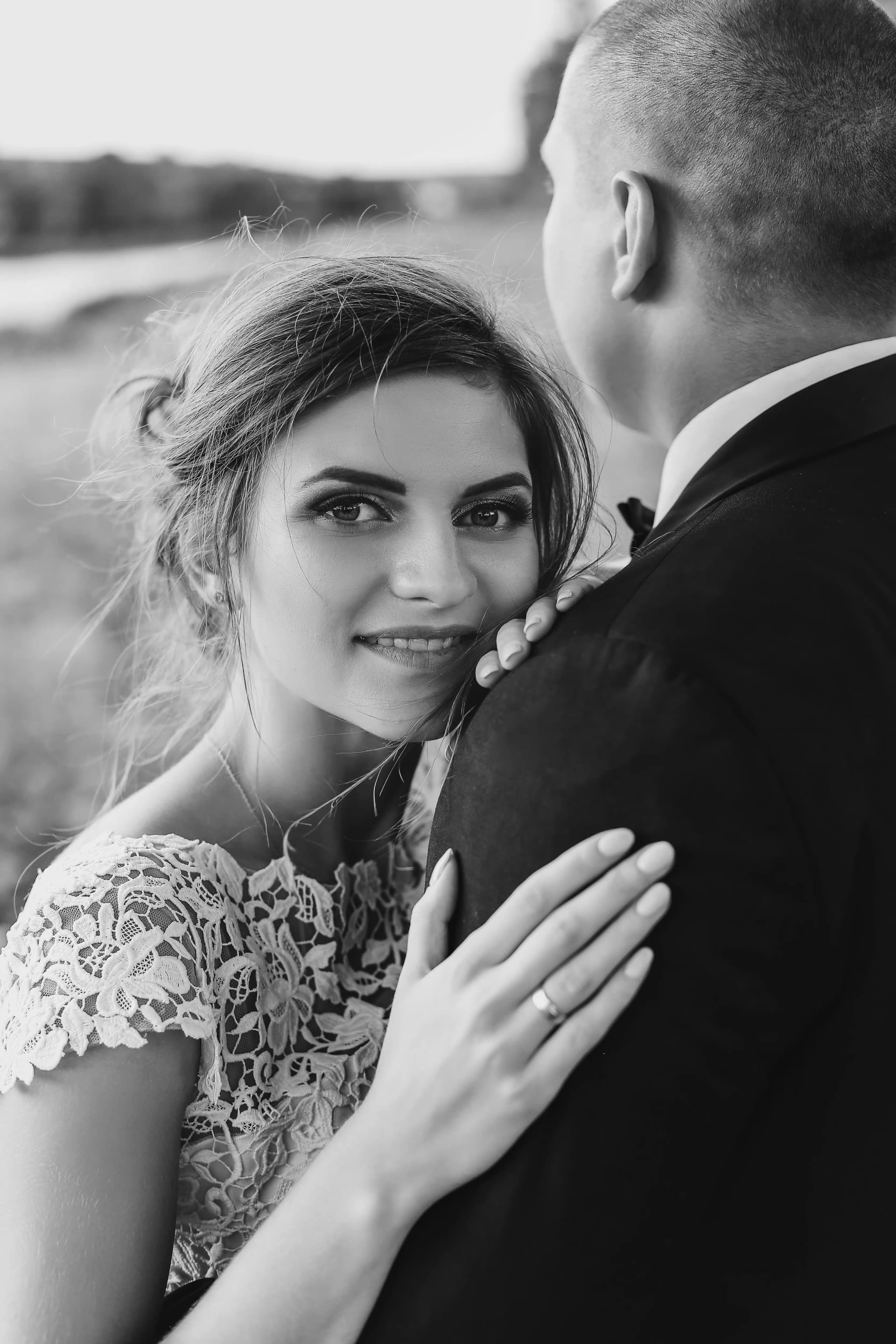
More couples come to me each year asking about micro weddings than at any point since I started photographing them, and the conversation usually starts the same way: "We don't want the big traditional day, but we still want it to feel like a wedding." That distinction matters enormously. A micro wedding is not a scaled-down version of a conventional wedding where everything simply gets smaller and cheaper. Done well, it is a completely different kind of day — one built around genuine presence rather than logistics, where every guest in the room actually matters to you, and where the photography can capture something a 150-person wedding often cannot: real, unguarded emotion from people who know you well. If you are considering a micro wedding and trying to work out what it actually involves, and specifically what to look for in a photographer for a day like this, here is what I have learned from being on the other side of the camera for a good number of them.
What a Micro Wedding Actually Is
A micro wedding is generally understood to mean a full wedding — ceremony, celebration, often a meal or reception element — with a guest list somewhere in the range of ten to thirty people. That puts it in a distinct middle ground: more people and more structure than an elopement, which is usually just the couple and perhaps one or two witnesses, but a fraction of the guest count of a conventional wedding. The term became widely used during the years when large gatherings were restricted, and what surprised a lot of the couples who married that way was that they preferred it. The format stuck around long after the restrictions that popularised it were gone, because it solves real problems that have nothing to do with public health: budget, family complexity, venue scarcity, and simply not wanting to stand up and perform in front of a room of acquaintances.
What makes a micro wedding a wedding, rather than an elopement with extra people, is usually the presence of the couple's inner circle — parents, siblings, the two or three friends who have been there through everything — along with at least some of the traditional structure: vows exchanged in front of witnesses who matter, a toast, a shared meal, dancing if that is your thing. The scale changes. The meaning of the day generally does not.
Why Couples Are Choosing This Over a Traditional Wedding
The reasons vary from couple to couple, but a few themes come up again and again in the conversations I have during initial enquiries. The first is simply venue freedom. A guest list of twenty opens up spaces that would never work for a hundred and fifty — a small chapel with a handful of pews, a private dining room above a Cambridge pub, a walled garden that could never fit a marquee, a narrowboat on the river, a single beautiful room in a historic house that would otherwise be too small to hire for a wedding at all. Some of the most striking weddings I have photographed took place in venues that simply are not available to couples working with a large guest list, because the room does not hold more than thirty people and never will.
The second is budget, though not always in the direction people expect. Some couples spend meaningfully less overall and redirect the saving towards a house deposit, a significant honeymoon, or simply a less stressful start to married life. Others spend a similar total to what a larger wedding would have cost, but concentrate it entirely differently — better food per head, a more considered flower budget, a full day of photography coverage instead of six hours, live music instead of a playlist. With fewer people to cater and host, the same money buys a noticeably higher standard of everything.
The third, and the one couples talk about most once the day is actually over, is the experience of the day itself. A guest list where you know everyone by name, where every single person there means something specific to you, changes the emotional texture of the whole event. There is no polite small talk with your father's work colleagues, no seating plan diplomacy, no sense of managing a room. You can actually be present in your own wedding, which is a strange thing to have to say out loud but is, for a lot of couples, the whole point.
How the Photography Is Genuinely Different
This is the part that couples researching micro weddings often do not anticipate, and it is worth explaining properly because it changes what you should look for in a photographer. At a large wedding, even an excellent photographer working alone is making constant triage decisions — the couple is in one place while something is happening with the bridal party in another, and however skilled the coverage, some moments are simply missed because one person cannot be in two rooms. At a wedding of twenty or twenty-five guests, a single photographer working documentary-style can realistically see almost everything that happens. The room is small enough, and the flow of the day slow enough, that very little genuinely gets missed.
Group photography changes shape entirely too. The traditional round of family combinations — couple with each set of parents, with siblings, with grandparents, then everyone together — can eat forty-five minutes or more out of a large wedding day, often at exactly the point in the afternoon when the light is best and everyone is hungry and tired of standing still. At a micro wedding, the same set of combinations takes a fraction of that time simply because there are fewer permutations and less waiting for people to be located and gathered. That recovered time goes straight back into documentary coverage, into a proper couple's portrait session, or simply into more relaxed time at the meal.
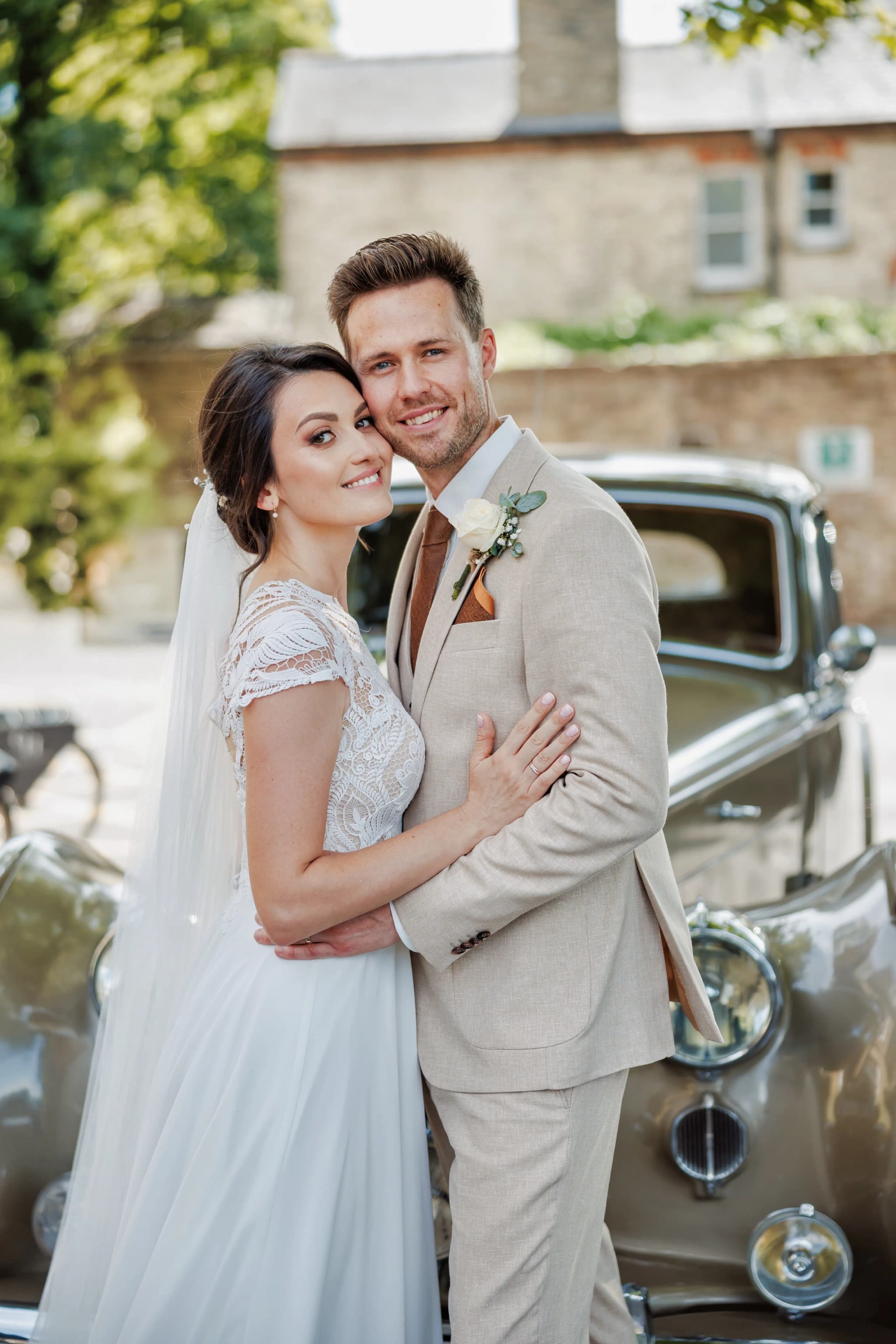
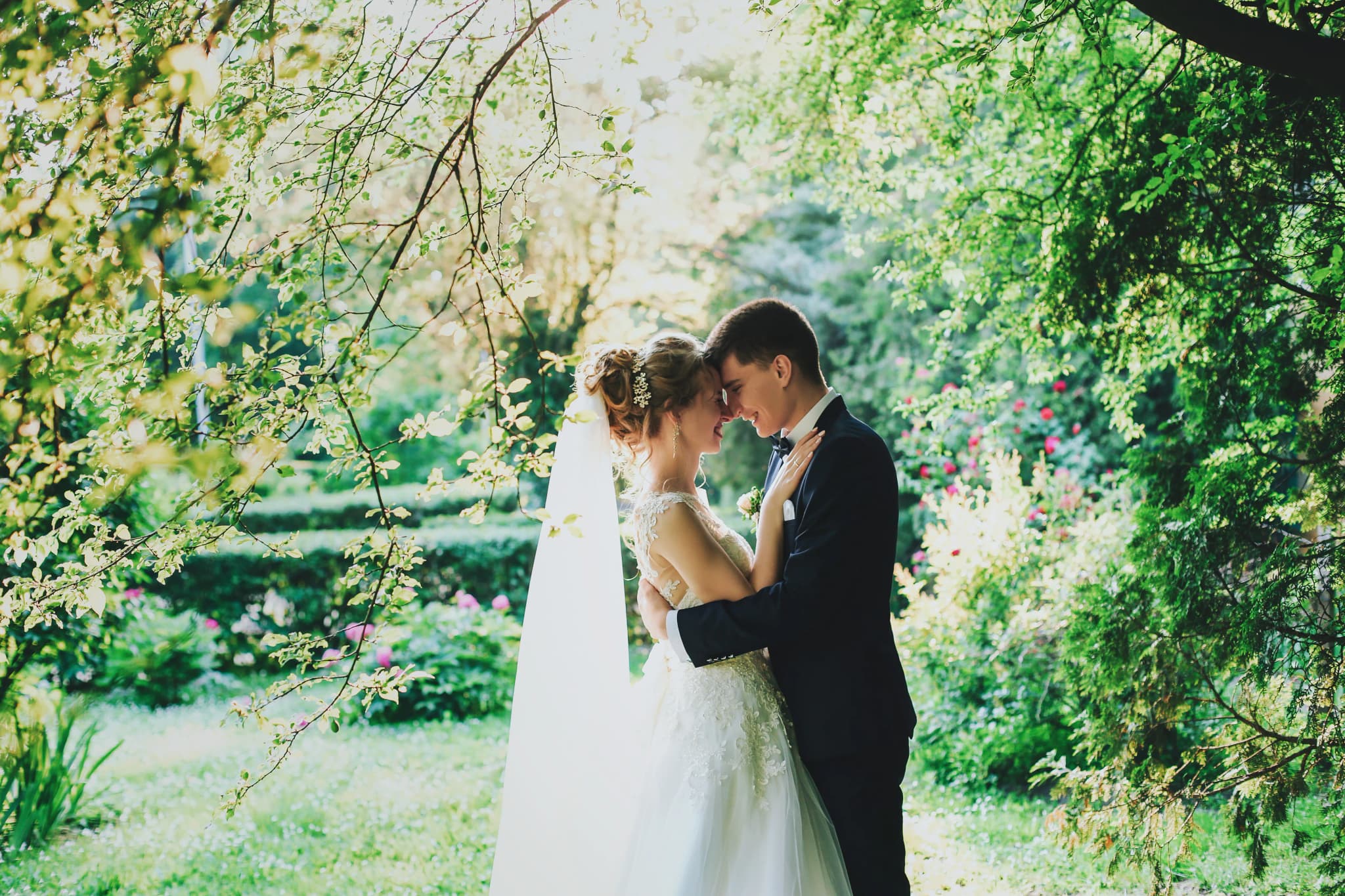
And then there is the emotional honesty of it. Guests at a micro wedding are, almost without exception, people who are genuinely invested in the couple rather than attending out of obligation or social expectation. That changes how people behave in front of a camera without a camera even being consciously noticed. Reactions during the ceremony are less performed. Speeches are shorter and more personal because the speaker knows every single person in the room rather than addressing a crowd. The resulting photographs tend to have a rawness and warmth that is harder to capture at scale, not because larger weddings lack emotion, but because there is simply more room in a small gathering for that emotion to be visible and unguarded.
Planning a micro wedding?
I photograph intimate weddings and micro weddings across Cambridge and further afield, and I am always happy to talk through venue ideas, timings, and how the day might work before you book anything.
Get in touch about your dateWhat to Actually Look for in a Micro Wedding Photographer
Not every wedding photographer is well suited to a micro wedding, even excellent ones. A photographer whose style leans heavily on grand, wide, orchestrated shots — sweeping reception rooms, huge bridal parties, elaborate staged group formations — may find a room of twenty people and a single long table a genuinely different creative problem to solve. A few things are worth asking about directly when you are choosing someone for a day like this.
Look for a documentary approach first. You want someone comfortable working quietly and observationally in a small space, who can be present for two or three hours in a single room without becoming a visible, disruptive presence. In a room of twenty people, a photographer who is constantly directing and interrupting the flow of the day is far more noticeable than the same behaviour would be at a wedding of a hundred and fifty, simply because there is nowhere to disappear into.
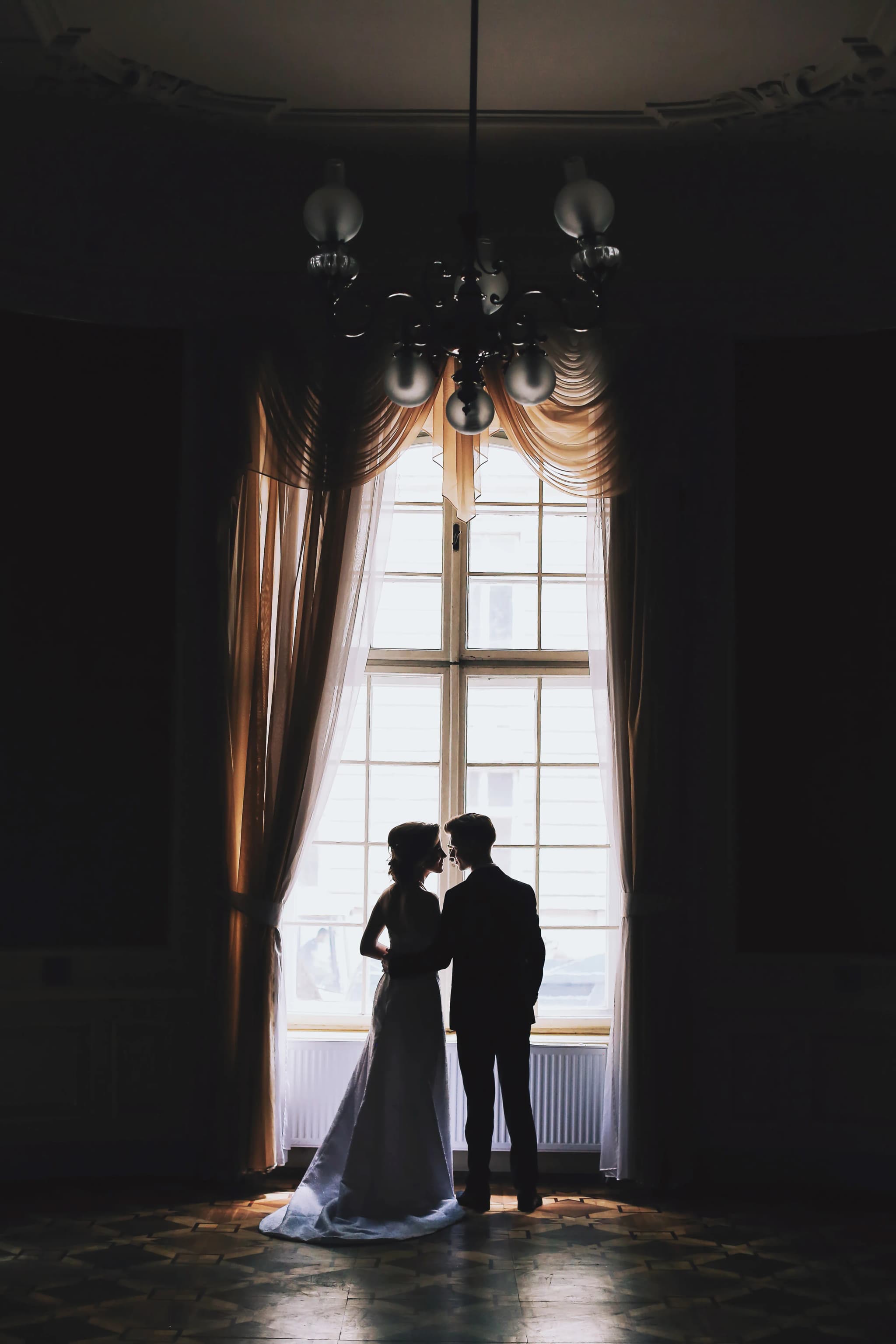
Ask about experience with unusual venues and available light. Micro weddings often happen in spaces that were never designed to host a wedding — a private dining room with a single window, a converted barn, a boat, a small deconsecrated chapel with beautiful but limited natural light. A photographer who has worked in awkward, characterful spaces before will have a much easier time producing consistently good images than one who is used to purpose-built wedding venues with reliable light and generous space.
Ask about flexibility on timing and structure, too. Micro wedding days often do not follow the traditional hour-by-hour schedule of a large wedding, and a photographer who is rigid about running order can end up working against the natural, relaxed rhythm that is usually exactly what the couple wanted in choosing this format in the first place. Finally, look at the portfolio specifically for genuine, unposed moments rather than only heavily directed and posed images — that balance tells you a great deal about how someone will actually work on your day.
Micro Wedding, Elopement, or Traditional Wedding: Which Fits
The honest answer depends entirely on what you actually want from the day, and it is worth being clear-eyed about it before you start booking anything. An elopement is usually just the two of you, sometimes with a photographer and one or two required witnesses, and almost nobody else. It suits couples for whom the ceremony itself, the two of you making a promise to each other, is the entire point, and for whom total privacy matters more than having anyone else present to witness it.
A micro wedding sits a step further out. It includes the small circle of people who have actually shaped your life — parents, siblings, the friends who have been there through everything that matters. If you cannot picture your wedding day without your closest friend's face when you walk in, or without your parents standing near you during the vows, a micro wedding gives you that while still keeping the day genuinely intimate and manageable. A traditional wedding, by contrast, is usually chosen by couples for whom a wider community celebration — extended family, colleagues, the people who have known you at every stage — is itself an important part of what the day means. None of these formats is more valid than the others. They simply serve different priorities, and it is worth being honest with yourselves about which priority actually matters most to you before the venue search begins.
Practical Notes for Planning a Micro Wedding
A few practical points come up repeatedly with couples I work with on smaller weddings. First, book key suppliers early even though the guest list is small — the most characterful small venues, the ones that make a micro wedding feel special rather than like a diminished version of a bigger day, tend to have limited dates and get booked well in advance precisely because they only hold a handful of weddings a year. Second, think carefully about who is on the list before you finalise it. With such a small number of seats, every guest is a meaningful decision, and it is worth having honest conversations early rather than managing hurt feelings later.
Third, consider how you will mark the day for people who are not there. Many couples choosing a micro wedding host a larger, more relaxed celebration afterwards — a party, a garden gathering, an evening reception weeks or months later — specifically so that wider family and friends still get to celebrate with them without changing the character of the wedding day itself. If that is part of your plan, it is worth mentioning to your photographer early, since it may shape how the smaller day is documented and what coverage makes sense for each event.
A micro wedding, done thoughtfully, is not a compromise. For a great many couples it is simply the format that best matches what they actually wanted from their wedding day in the first place — presence over performance, a small number of people who matter over a large number who are merely invited, and a day that feels entirely like their own rather than an exercise in hosting. If you are planning something along these lines and want to talk through how the photography might work for your particular venue and guest list, get in touch and we can work out what makes sense for your day.

Yana Skakun
Photographer · England
Professional wedding, family and portrait photographer based in England. Passionate about capturing authentic emotions and timeless moments.
About Yana →micro wedding photographermicro wedding Englandintimate wedding photographysmall wedding UKmicro wedding guide
Wedding Tips — Wedding Photography in Cambridge & England
Yana Skakun is a professional wedding photographer based in Cambridge, covering weddings across England — from intimate elopements to full-day ceremonies at country houses, barns, and city venues. Every couple receives a relaxed, documentary approach that captures the day as it truly unfolds. This guide — Micro weddings in England: A complete photographer's guide — is part of the photography journal: practical, experience-based advice drawn from real sessions across England. Whether you arrived searching for micro wedding photographer or micro wedding england, the same care and attention shapes every session Yana photographs.
Wedding Photography sessions are available year-round, with bookings open across Cambridge, Ely, Huntingdon, Peterborough, and further afield — East England, London, the Midlands, and beyond. If you have specific questions about intimate wedding photography, mention it in your enquiry. Get in touch through the contact form above to check availability and discuss your session. Enquiries are welcomed from anywhere in the UK.
Frequently Asked Questions
How much does a wedding photographer cost in England?+
Wedding photography in England typically ranges from £1,500 to £4,000+ for a full day. Price depends on experience, coverage hours, and whether albums or engagement shoots are included. Most photographers charge between £2,000–£3,000 for 8–10 hours of coverage.
How early should you book a wedding photographer?+
For peak season (May–September), book 12–18 months in advance. For autumn and winter weddings, 9–12 months is usually sufficient. Popular photographers at popular venues fill up fast — as soon as you have a date and venue confirmed, start reaching out.
How many photos do you get from a wedding photographer?+
Most professional wedding photographers deliver 400–800 edited images for a full-day wedding. The exact number depends on coverage hours, how many guests there are, and the photographer's editing style. Quality matters more than quantity — a curated gallery of 500 images tells the story better than 1,500 unedited files.
Do you need a second photographer at your wedding?+
A second photographer is helpful if you want simultaneous coverage of getting-ready moments in different locations, multiple angles during the ceremony, or more candid coverage during the reception. It adds cost but significantly increases the variety and completeness of your gallery.
What is the difference between documentary and editorial wedding photography?+
Documentary (reportage) wedding photography captures moments as they happen — the photographer observes and doesn't intervene. Editorial photography involves deliberate direction: placing you in good light, shaping compositions, creating intentional portraits. Most photographers blend both styles throughout the day.
Continue Reading
Related Articles

Wedding Tips
Sustainable Eco-Friendly Wedding Guide — Planning a Green Celebration
15 min read · Read Article
Wedding Tips
Trash the Dress Session — Complete Planning and Photography Guide
14 min read · Read Article
Wedding Tips
Client Communication for Photographers — From Enquiry to Gallery Delivery
15 min read · Read Article
Get in Touch
Ready to Book Your Session?
Get in touch to discuss your vision — I'll reply within 24 hours.