Yana Skakun
Multicultural Wedding Photography: Two Cultures, One Beautiful Story
By Yana Skakun·19 March 2026·6 min read
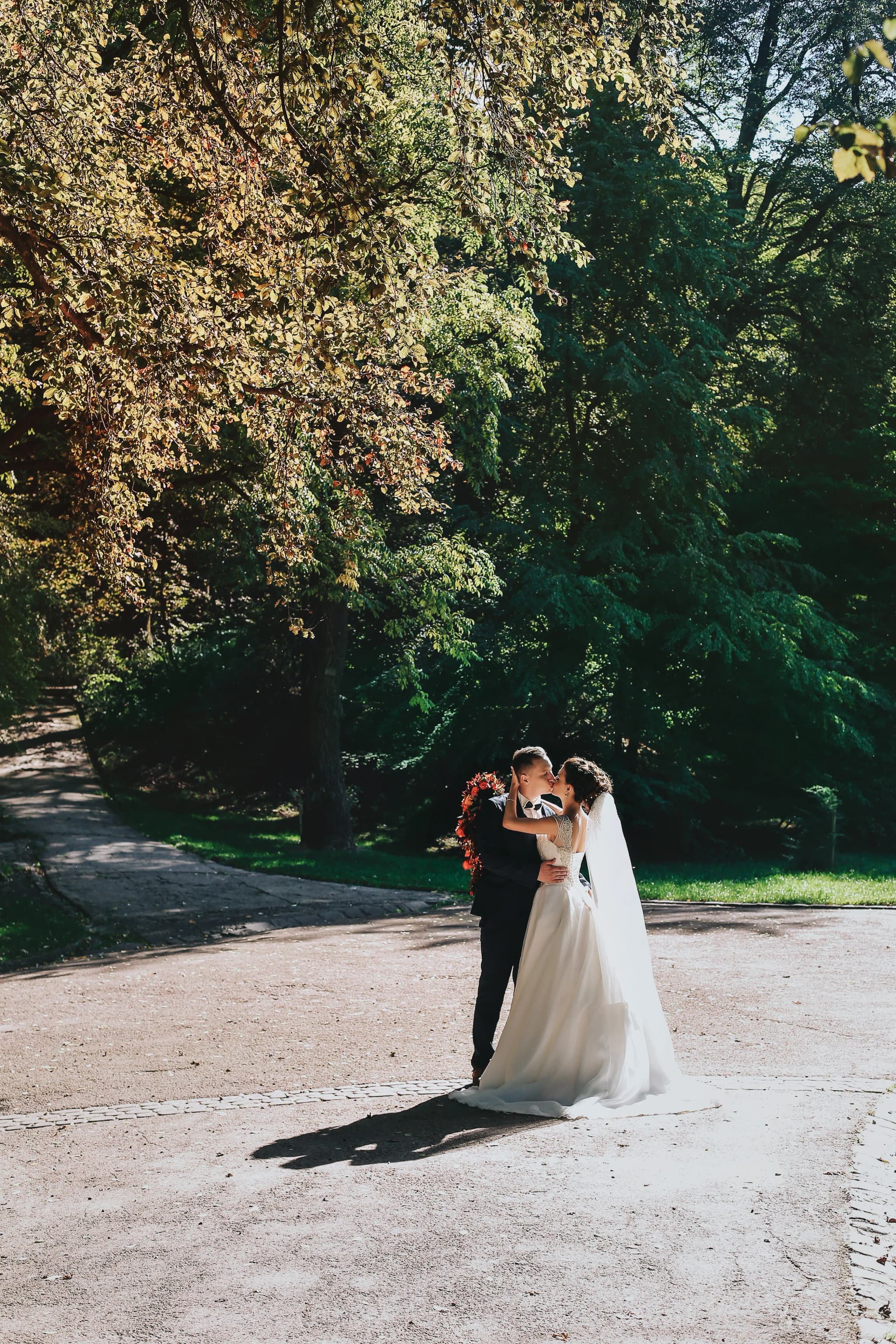
When two cultures come together at a wedding, the photographic possibilities multiply in the most extraordinary way. Two families, two sets of traditions, two aesthetic visual languages, two ceremonies layered with meaning — and at the centre, two people whose love has been built across cultural distance. Multicultural weddings are among the most visually rich and emotionally layered events I photograph, and they consistently produce some of the most powerful images in my work.
The Unique Visual Language of Multicultural Celebrations
What makes multicultural wedding photography distinct is the sheer density of visual information. Within a single day or weekend you might encounter mehndi patterns being applied in morning light, the gleam of a lengha against autumn Cambridge stonework, the crisp precision of a morning suit, and the candlelit glow of a church blessing. Each tradition carries its own palette, its own relationship to light, its own rhythm of stillness and movement. Learning to move fluidly between these worlds — without interrupting them — is a skill that takes years to develop.
In my experience covering South Asian, West African, East Asian, Middle Eastern, and European ceremonies across the UK, the greatest photographs almost always emerge in the transitional moments: a bride adjusting her dupatta before stepping into a church, two grandmothers from different continents sharing a laugh they don't share a language for, a groom in traditional dress helping his partner navigate an unfamiliar ritual with quiet tenderness. These are the images that tell the whole story of who these two families are and what this marriage means.
The light is different at different times of day and in different spaces. A Sikh Gurdwara in the early morning has a very different quality than an afternoon garden party or an evening Nigerian reception in a Cambridgeshire country house. I plan each multicultural wedding shoot with that light progression in mind, adapting kit and approach as the day moves through its distinct cultural chapters.
Understanding Ceremony Structure Before the Day
Before I photograph any multicultural wedding, I research thoroughly. If I am covering a ceremony from a tradition I have not documented before, I learn the structure: the sequence of ritual moments, what is happening at each stage and why it matters, where the emotional peaks tend to fall, and whether photography is welcome at every point. I ask couples to walk me through their specific family's practices, because within any broad tradition there is enormous variation between families, regions, and diaspora communities settled in the UK.
For Hindu weddings, I know that the Saat Phere — the seven circumambulations of the sacred fire — carry profound weight and must be captured without distraction or flash intrusion at the wrong moment. For Sikh Anand Karaj ceremonies, I understand the significance of the Laavaan and position myself to document the couple's expressions during each of the four rounds of the Guru Granth Sahib. For Nigerian traditional ceremonies held at venues across Cambridgeshire and Hertfordshire, I know to expect a rich procession, elaborate aso-ebi for the family, and a ceremony where the MC's announcements set the visual rhythm of the afternoon.
This homework is not optional — it is the difference between documentary photography that honours a culture and photography that merely records surfaces. When I know what I am looking for, I can anticipate it. When I understand why a moment matters, I can feel when it is approaching and be ready for it rather than reacting too late.
Multiple Ceremonies, Multiple Outfits, Multiple Days
Many multicultural weddings involve more than one ceremony, and sometimes more than one day. A common pattern across the UK is a traditional ceremony on the Saturday — perhaps a Hindu or Sikh ceremony held at a temple or a hired venue — followed by a civil ceremony or church blessing on the Sunday. Some couples hold a mehndi event on the Friday evening, making the full celebration a three-day affair. Others integrate both ceremonies into a single long day, with an outfit change marking the transition.
The outfit changes themselves are photographs. A bride stepping out of a bridal suite in a different dress carries a visual transformation that deserves its own documentation. When a groom changes from an achkan to a morning suit, or a bride transitions from a church gown to a reception lehenga, those moments of becoming are intimate and significant. I always discuss in advance where and when changes will happen so I can be present without being intrusive.
From a practical standpoint, multicultural weddings typically run longer than standard UK ceremonies. South Asian ceremonies routinely extend four to six hours; West African receptions have their own long evening arc; some couples hold full ceremonies on two consecutive days. When booking coverage, I work with couples to plan a realistic timeline that accounts for all of this, and I make sure the contract reflects the actual hours required rather than fitting a multicultural celebration into a standard package.
A note on ceremony briefings
One of the most useful things you can do before your wedding is spend thirty minutes on a call walking me through every ceremony, what each ritual means to your families, and whether photography is welcome at each stage. This conversation consistently produces better photography than any amount of inspiration boards. Get in touch to arrange a planning call.
Working with Two Families and Their Expectations
Family photography at multicultural weddings requires sensitivity and strong people skills. You may be working with guests who have very different relationships with the camera — some cultures treat photography as a completely natural part of celebration and guests will actively pose and perform for the lens; others have strong norms around modesty, particularly for women, and will feel uncomfortable being photographed without being asked. I read rooms carefully, adjust my approach for different family groups, and always ask before directing anyone who seems uncertain.
The formal family group photographs at multicultural weddings can be complex to organise because the families involved may be large, may speak different languages, and may have very different ideas about who should appear in which photograph. I recommend discussing the list of required group shots in advance and, where possible, nominating a family liaison on each side — someone who knows who is who and can help gather people efficiently. This small piece of planning saves significant time and reduces the stress of the post-ceremony period considerably.
Grandparents deserve particular attention at multicultural weddings. Often they have travelled significant distances, sometimes from overseas, and they may find the scale and pace of the day exhausting. I make a point of photographing grandparents early in proceedings rather than leaving them to the end of a long session when everyone is tired. The photograph of an elder from one family meeting an elder from the other — seeing their grandchild's new family across that cultural divide — is almost always one of the most moving images from the day.
Venues Across Cambridgeshire and Beyond
Cambridge and the surrounding county offer a remarkable range of venues that work well for multicultural celebrations. Larger estate venues like Elton Hall and Chilford Hall can accommodate the extended guest lists that South Asian and West African weddings often require. Barns and marquee venues in the Cambridgeshire countryside give families the flexibility to set up spaces that reflect their traditions — a mandap can be erected in a way that would be impossible in a historic listed building. For couples blending South Asian ceremony with English countryside aesthetic, the combination of open farmland and warm interior spaces in Cambridgeshire is genuinely hard to beat.
London is also well within reach for Cambridge-based couples, and I regularly photograph multicultural weddings at venues such as the Gurdwara Sri Guru Singh Sabha in Southall, Hindu temples across East London, West African reception venues in Wembley and Ilford, and Chinese restaurants and banquet halls that provide the specific ceremonial setup a tea ceremony requires. The diversity of the UK's multicultural wedding landscape is one of the things I love most about this work — no two days look the same.
One practical note for multicultural wedding planning: check access requirements carefully for any venue you are considering. Some religious spaces have specific rules about photography — particular areas that are off-limits, dress codes for the photographer, or restrictions on flash. I always make preliminary contact with venues before the day to understand any restrictions and discuss workarounds. Good documentary photography is possible within almost any constraint, but you need to know what those constraints are in advance.
What to Expect from Your Gallery
A multicultural wedding typically produces a larger and more diverse gallery than a single-ceremony event. Where a standard UK wedding might yield four hundred to six hundred edited images, a two-ceremony multicultural wedding will often produce six hundred to nine hundred, reflecting the extended day and the greater number of distinct ritual moments. Within that gallery you will see the full arc of both traditions represented with equal care: the detail shots of ceremony elements — the mehndi, the rings, the kola nut, the unity candle, the wedding favours — photographed with the same attention regardless of which cultural tradition they belong to.
I edit multicultural wedding galleries with consistency across both ceremonies. The colour and tonal treatment that I apply to your ceremony photographs does not change between the Hindu ceremony and the civil ceremony, or between the traditional Nigerian rites and the church blessing. Your gallery should feel like one coherent day, not two separate events photographed by different photographers with different aesthetics. That consistency is something I work hard to maintain in post-production because it reflects the truth of what a multicultural wedding is: not two separate events placed side by side, but a single celebration shaped by everything both families bring to it.
Multicultural weddings ask more of a photographer than almost any other event — more research, more adaptability, more cultural intelligence, more hours, and more genuine engagement with traditions that may be entirely new. I approach every multicultural wedding with the same curiosity and care I bring to my own ongoing education as a photographer. The result, when everything comes together, is a body of images that tells a story no single-culture wedding could tell: the story of two worlds choosing to become one. If that is the story of your wedding, I would love to hear about it. See how I approach wedding photography, or get in touch to start the conversation.

Yana Skakun
Photographer · England
Professional wedding, family and portrait photographer based in England. Passionate about capturing authentic emotions and timeless moments.
About Yana →multicultural wedding photographyintercultural wedding photographer UKtwo cultures one wedding photography
Wedding Tips — Wedding Photography in Cambridge & England
Yana Skakun is a professional wedding photographer based in Cambridge, covering weddings across England — from intimate elopements to full-day ceremonies at country houses, barns, and city venues. Every couple receives a relaxed, documentary approach that captures the day as it truly unfolds. This guide — Multicultural Wedding Photography: Two Cultures, One Beautiful Story — is part of the photography journal: practical, experience-based advice drawn from real sessions across England. Whether you arrived searching for multicultural wedding photography or intercultural wedding photographer uk, the same care and attention shapes every session Yana photographs.
Wedding Photography sessions are available year-round, with bookings open across Cambridge, Ely, Huntingdon, Peterborough, and further afield — East England, London, the Midlands, and beyond. If you have specific questions about two cultures one wedding photography, mention it in your enquiry. Get in touch through the contact form above to check availability and discuss your session. Enquiries are welcomed from anywhere in the UK.
Frequently Asked Questions
How much does a wedding photographer cost in England?+
Wedding photography in England typically ranges from £1,500 to £4,000+ for a full day. Price depends on experience, coverage hours, and whether albums or engagement shoots are included. Most photographers charge between £2,000–£3,000 for 8–10 hours of coverage.
How early should you book a wedding photographer?+
For peak season (May–September), book 12–18 months in advance. For autumn and winter weddings, 9–12 months is usually sufficient. Popular photographers at popular venues fill up fast — as soon as you have a date and venue confirmed, start reaching out.
How many photos do you get from a wedding photographer?+
Most professional wedding photographers deliver 400–800 edited images for a full-day wedding. The exact number depends on coverage hours, how many guests there are, and the photographer's editing style. Quality matters more than quantity — a curated gallery of 500 images tells the story better than 1,500 unedited files.
Do you need a second photographer at your wedding?+
A second photographer is helpful if you want simultaneous coverage of getting-ready moments in different locations, multiple angles during the ceremony, or more candid coverage during the reception. It adds cost but significantly increases the variety and completeness of your gallery.
What is the difference between documentary and editorial wedding photography?+
Documentary (reportage) wedding photography captures moments as they happen — the photographer observes and doesn't intervene. Editorial photography involves deliberate direction: placing you in good light, shaping compositions, creating intentional portraits. Most photographers blend both styles throughout the day.
Continue Reading
Related Articles

Wedding Tips
Sustainable Eco-Friendly Wedding Guide — Planning a Green Celebration
15 min read · Read Article
Wedding Tips
Trash the Dress Session — Complete Planning and Photography Guide
14 min read · Read Article
Wedding Tips
Client Communication for Photographers — From Enquiry to Gallery Delivery
15 min read · Read Article
Get in Touch
Ready to Book Your Session?
Get in touch to discuss your vision — I'll reply within 24 hours.