Yana Skakun

Not Booking a Second Shooter: What You Actually Miss Out On
By Yana Skakun·10 June 2026·5 min read
A second shooter is not a luxury upgrade or a nice-to-have extra. There are photographs that physically cannot exist without a second person with a camera — not because the lead photographer lacks skill, but because a single human being cannot be in two places at once. Most couples only discover this after they receive their gallery and start noticing what is missing.
The Geometry Problem Nobody Explains to You
During a wedding ceremony, the lead photographer has one primary job: document the couple. That means being positioned where the couple's expressions, reactions, and key moments are visible — typically from the front or side of the ceremony space, within a reasonable distance of the action. From that position, the photographer can capture the exchange of rings, the first kiss, the tears on the bride's face, the way the groom exhales when he sees her walk in.
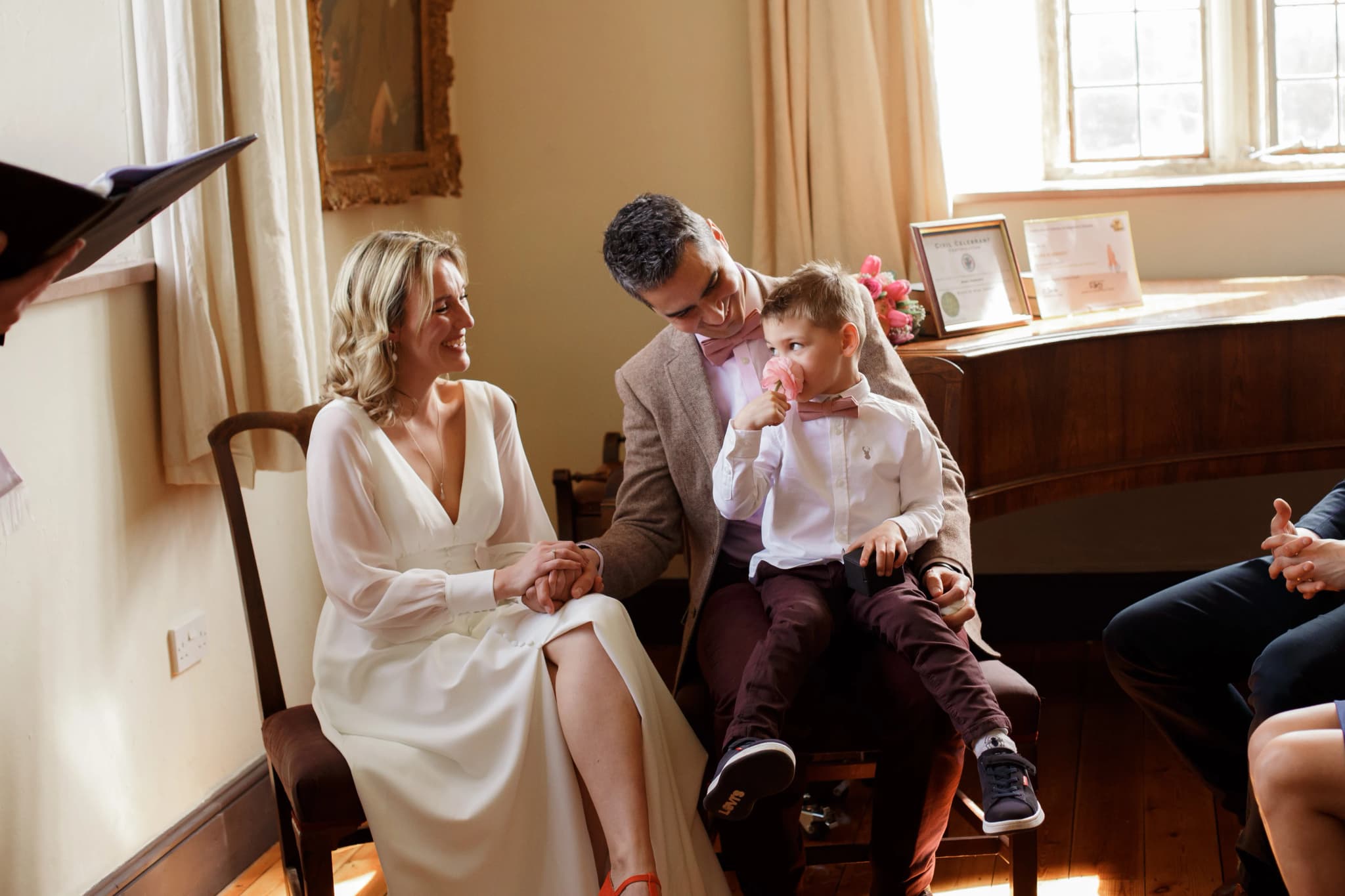
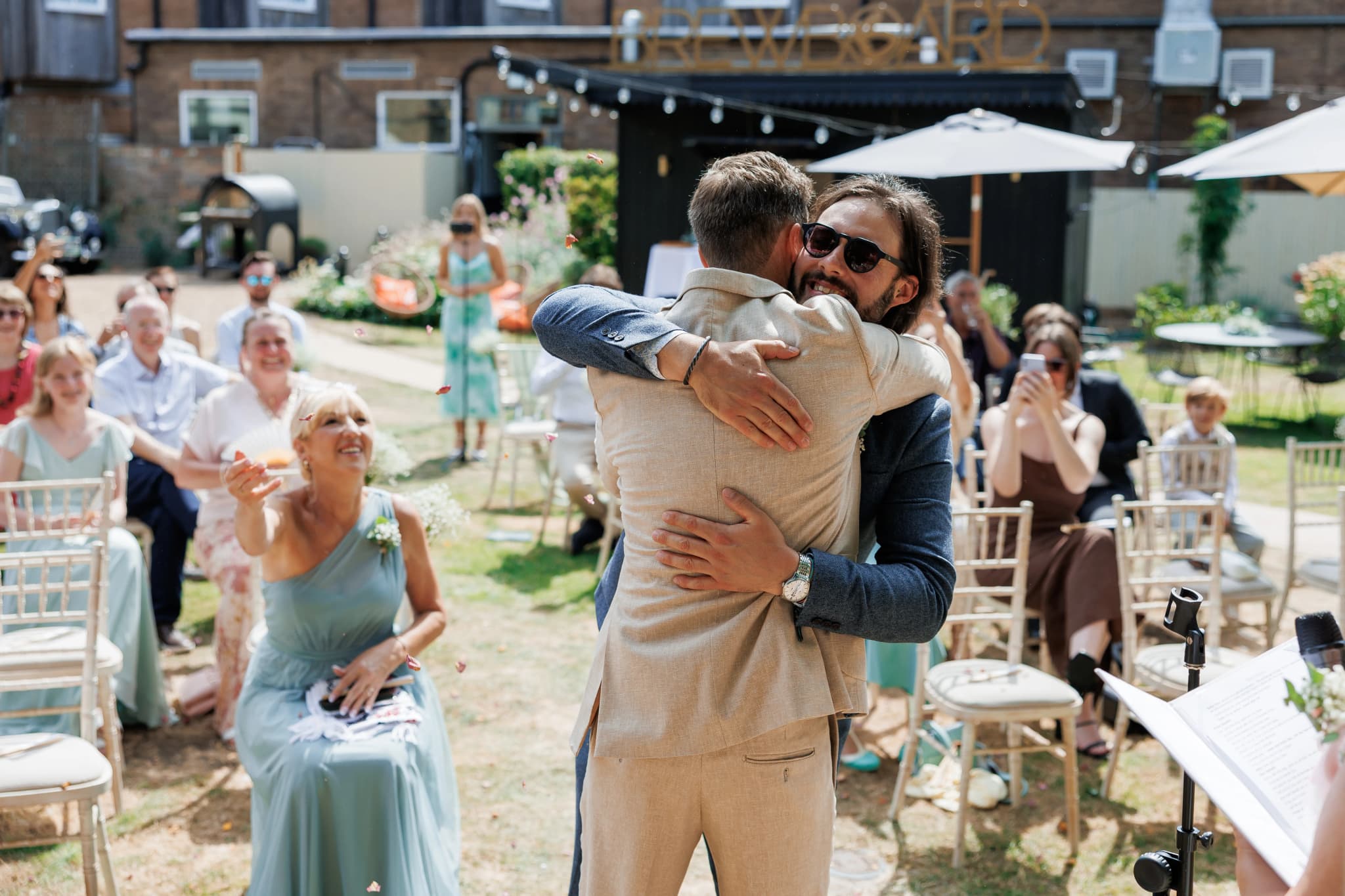
What that position cannot show you is the reaction of the guests watching. The father of the bride pressing his lips together to hold it together. The group of university friends in the third row dissolving quietly. The groom's mother reaching for a tissue. These images are not details — for many couples, they are among the most emotionally significant photographs in the entire gallery. And they require a photographer to be pointing a camera in the opposite direction from where the lead photographer must be.
This is not a matter of moving quickly or being in two places in sequence. A ceremony unfolds in real time. The father's expression lasts for three seconds and it will not repeat. If nobody is looking that way at that moment, the image simply does not exist. At UK weddings — particularly the shorter civil ceremonies common in licensed venues across Cambridgeshire, Suffolk, and beyond — the ceremony window can be as tight as twenty minutes. There is no opportunity to cover both directions consecutively.
The Specific Shots Only a Second Shooter Can Deliver
When couples ask me what they actually miss by not booking a second shooter, I give them a concrete list rather than a general promise of 'more coverage.' These are the images that consistently appear in galleries where a second shooter was present — and consistently do not appear in galleries where there was only one photographer:
- ◆The groom's reaction to the bride's entrance: The lead photographer walks with or follows the bride to document her processional. That means the camera is behind or beside her — not on his face when she appears. A second shooter positioned near the groom captures the one expression that cannot be reconstructed or posed afterwards.
- ◆Guest reactions during the ceremony: Every emotional moment in the ceremony has a mirror in the congregation. These candid reactions — unposed, unaware, genuinely felt — need a separate lens pointed the other way. They are among the most requested images from couples reviewing their galleries.
- ◆Getting-ready coverage for both sides simultaneously: At most UK weddings the bride and groom are getting ready in separate rooms, sometimes in separate buildings. Without a second shooter, one side goes undocumented entirely. The groom's morning — the putting on of cufflinks, the quiet moment with the best man, the father straightening a tie — deserves the same attention as the bridal suite.
- ◆The arrivals from multiple angles: Guests arriving, the venue filling up, the groom waiting at the altar — these moments happen while the lead photographer is often still with the bridal party. A second shooter documents the opening chapter of the ceremony that would otherwise be absent.
- ◆Candid moments during portraits: While the lead photographer is directing a formal portrait of the couple, a second shooter can work the edges of the scene — catching the flower girl wandering off, the grandparents watching from a bench, the bridesmaid laughing at something nobody else heard. These peripheral moments give a gallery its texture.
- ◆Alternative angles on the first dance and speeches: A single photographer on the floor during the first dance produces one perspective. A second shooter on a balcony or at the opposite end of the room simultaneously produces two — wide and tight, environmental and intimate — creating a visual sequence rather than a single viewpoint.
When a Second Shooter Matters Most at UK Weddings
Not every wedding has an equal need for a second shooter. The case for one is strongest at weddings with more than eighty guests, at venues where the getting-ready locations are separate, and at ceremonies in churches or listed buildings where movement is restricted. A Victorian church in Cambridge or a country house chapel in Northamptonshire often places strict limits on where a photographer can stand and move during the ceremony. When the lead photographer's movement is constrained by venue rules or architecture, a second camera in a different fixed position becomes even more valuable — it is the only way to have coverage from more than one angle simultaneously.
Weddings with a first look before the ceremony also benefit. If the lead photographer is with the couple during the first look, candid preparation images for both parties in that window require a second photographer. And weddings with long timelines — an Asian wedding with multiple ceremonies, for instance, or a weekend-long celebration — almost always benefit from the sustained coverage that a two-person team provides without either photographer burning out midway through.
There is also a practical backup consideration that couples rarely think about. Two cameras means two photographers. If the lead photographer's primary camera develops a fault mid-day — something that can and does happen with high-use professional equipment — a second shooter is already present and already familiar with the day. Coverage does not stop while a single photographer troubleshoots an equipment problem.
What to Ask When Considering a Second Shooter
The quality of a second shooter varies significantly between photographers and packages. When considering whether to add one to your booking, the conversation worth having is not just about price — it is about who that second shooter actually is, what their experience level is, and how closely they work with the lead photographer.
A second shooter who has worked with the lead photographer before and understands their editing style will deliver images that integrate seamlessly into the gallery. A second shooter who is unknown to the lead and working for the first time in that pairing may produce images that feel inconsistent in style, exposure, or colour. It is entirely reasonable to ask to see examples of work from previous weddings where the same pairing covered the day together.
It is also worth asking how the second shooter's images are delivered — whether they are edited and included in the same gallery, whether there are restrictions on image use, and whether there is a minimum guaranteed number of images from the second shooter specifically. These are standard questions that any professional photographer will answer clearly.
The Honest Calculation Couples Often Miss
When couples look at the cost of adding a second shooter, they typically compare it to the overall wedding budget and conclude it feels expensive. The more useful comparison is to look at what they are spending on a single element — the flowers, the cake, the favours — and ask whether that element will still matter to them in twenty years in the same way that a complete photographic record of their day will.
The flowers from your wedding are gone within a week. The photographs remain indefinitely, and the gaps in them are permanent. The groom's expression when he first saw you at the end of that aisle in a Cambridge chapel or a Cambridgeshire barn is not a moment that can be staged after the fact or reconstructed from memory. If no camera was pointing at his face at that moment, that image does not exist — not in the gallery, not anywhere.
Most couples who have been married for more than five years and look back at their wedding album say the same thing: they wish they had more of the candid moments, more of the reactions, more of the guests. A second shooter is the single most direct way to get exactly that.
Get Complete Coverage of Every Moment
Yana offers second shooter coverage as part of her wedding packages — with photographers she has worked alongside before and whose style integrates seamlessly into your final gallery. Get in touch to talk through what full coverage looks like for your specific venue, timeline, and guest count.
Check Your Date →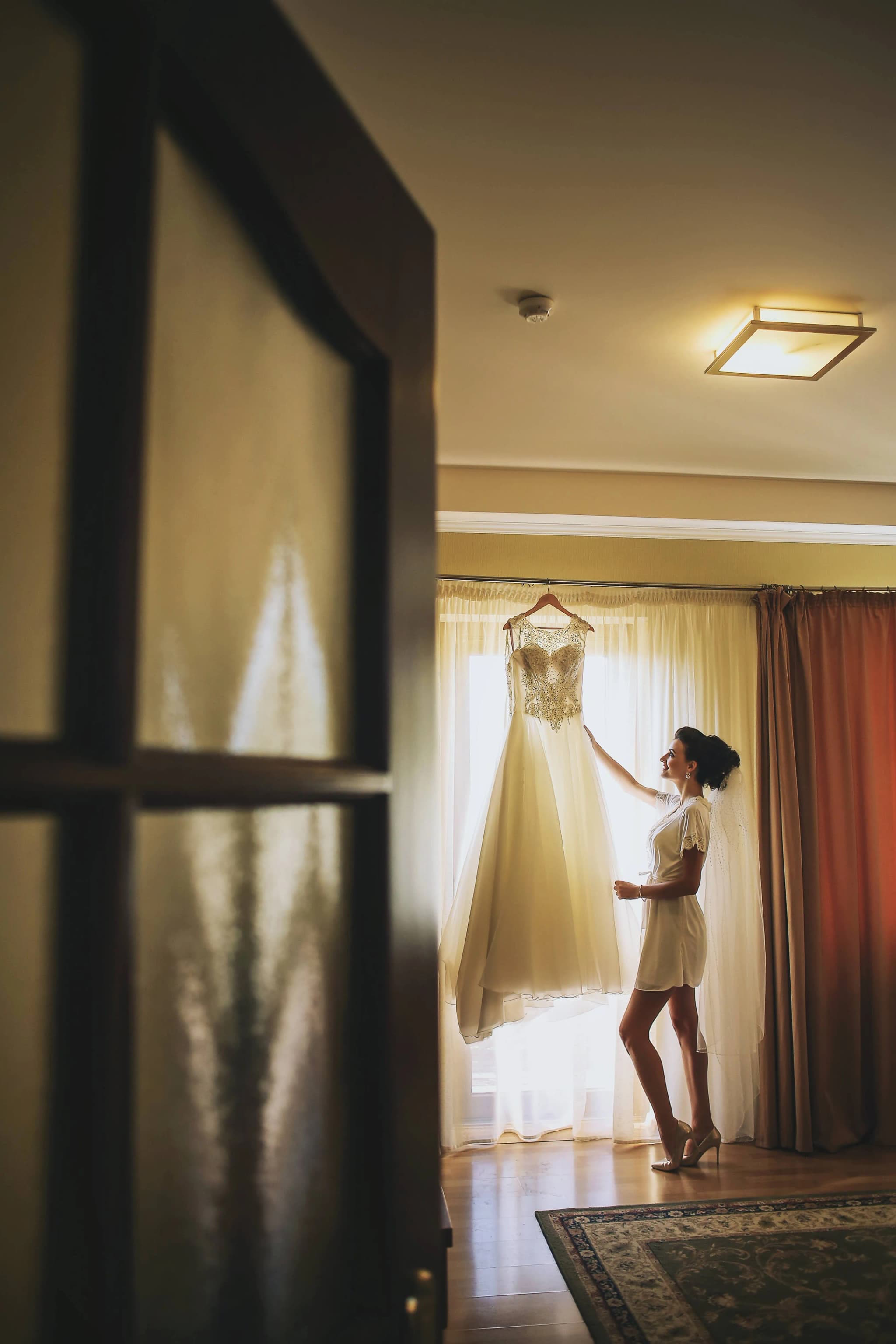

Yana Skakun
Photographer · England
Professional wedding, family and portrait photographer based in England. Passionate about capturing authentic emotions and timeless moments.
About Yana →notbookingsecondshooter
Wedding Tips — Wedding Photography in Cambridge & England
Yana Skakun is a professional wedding photographer based in Cambridge, covering weddings across England — from intimate elopements to full-day ceremonies at country houses, barns, and city venues. Every couple receives a relaxed, documentary approach that captures the day as it truly unfolds. This guide — Not Booking a Second Shooter: What You Actually Miss Out On — is part of the photography journal: practical, experience-based advice drawn from real sessions across England. Whether you arrived searching for not or booking, the same care and attention shapes every session Yana photographs.
Wedding Photography sessions are available year-round, with bookings open across Cambridge, Ely, Huntingdon, Peterborough, and further afield — East England, London, the Midlands, and beyond. If you have specific questions about second, mention it in your enquiry. Get in touch through the contact form above to check availability and discuss your session. Enquiries are welcomed from anywhere in the UK.
Frequently Asked Questions
How much does a wedding photographer cost in England?+
Wedding photography in England typically ranges from £1,500 to £4,000+ for a full day. Price depends on experience, coverage hours, and whether albums or engagement shoots are included. Most photographers charge between £2,000–£3,000 for 8–10 hours of coverage.
How early should you book a wedding photographer?+
For peak season (May–September), book 12–18 months in advance. For autumn and winter weddings, 9–12 months is usually sufficient. Popular photographers at popular venues fill up fast — as soon as you have a date and venue confirmed, start reaching out.
How many photos do you get from a wedding photographer?+
Most professional wedding photographers deliver 400–800 edited images for a full-day wedding. The exact number depends on coverage hours, how many guests there are, and the photographer's editing style. Quality matters more than quantity — a curated gallery of 500 images tells the story better than 1,500 unedited files.
Do you need a second photographer at your wedding?+
A second photographer is helpful if you want simultaneous coverage of getting-ready moments in different locations, multiple angles during the ceremony, or more candid coverage during the reception. It adds cost but significantly increases the variety and completeness of your gallery.
What is the difference between documentary and editorial wedding photography?+
Documentary (reportage) wedding photography captures moments as they happen — the photographer observes and doesn't intervene. Editorial photography involves deliberate direction: placing you in good light, shaping compositions, creating intentional portraits. Most photographers blend both styles throughout the day.
Continue Reading
Related Articles

Wedding Tips
Sustainable Eco-Friendly Wedding Guide — Planning a Green Celebration
15 min read · Read Article
Wedding Tips
Trash the Dress Session — Complete Planning and Photography Guide
14 min read · Read Article
Wedding Tips
Client Communication for Photographers — From Enquiry to Gallery Delivery
15 min read · Read Article
Get in Touch
Ready to Book Your Session?
Get in touch to discuss your vision — I'll reply within 24 hours.