Yana Skakun
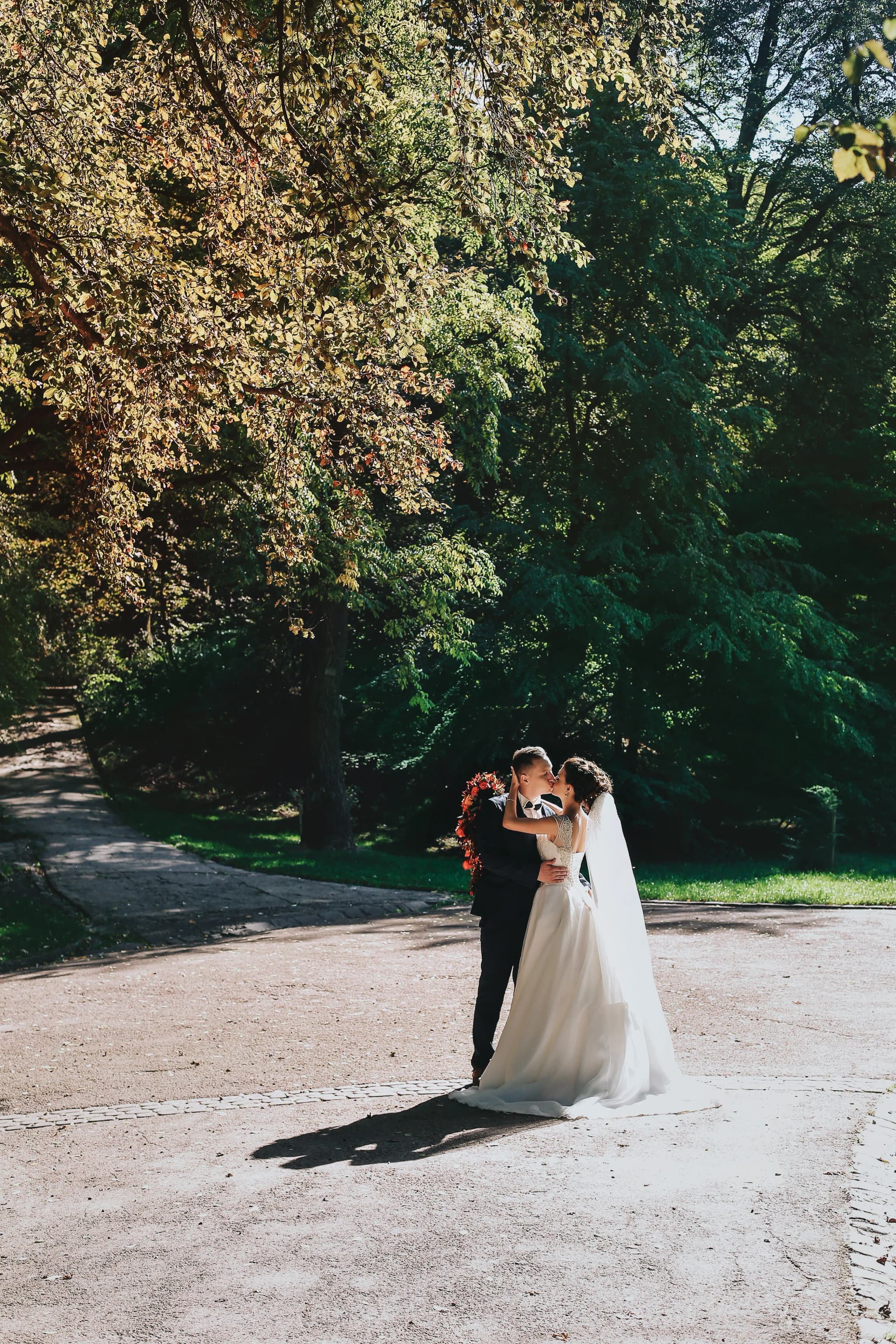
Orangery Wedding Photography: Natural Light & Botanical Beauty
By Yana Skakun·20 March 2026·6 min read
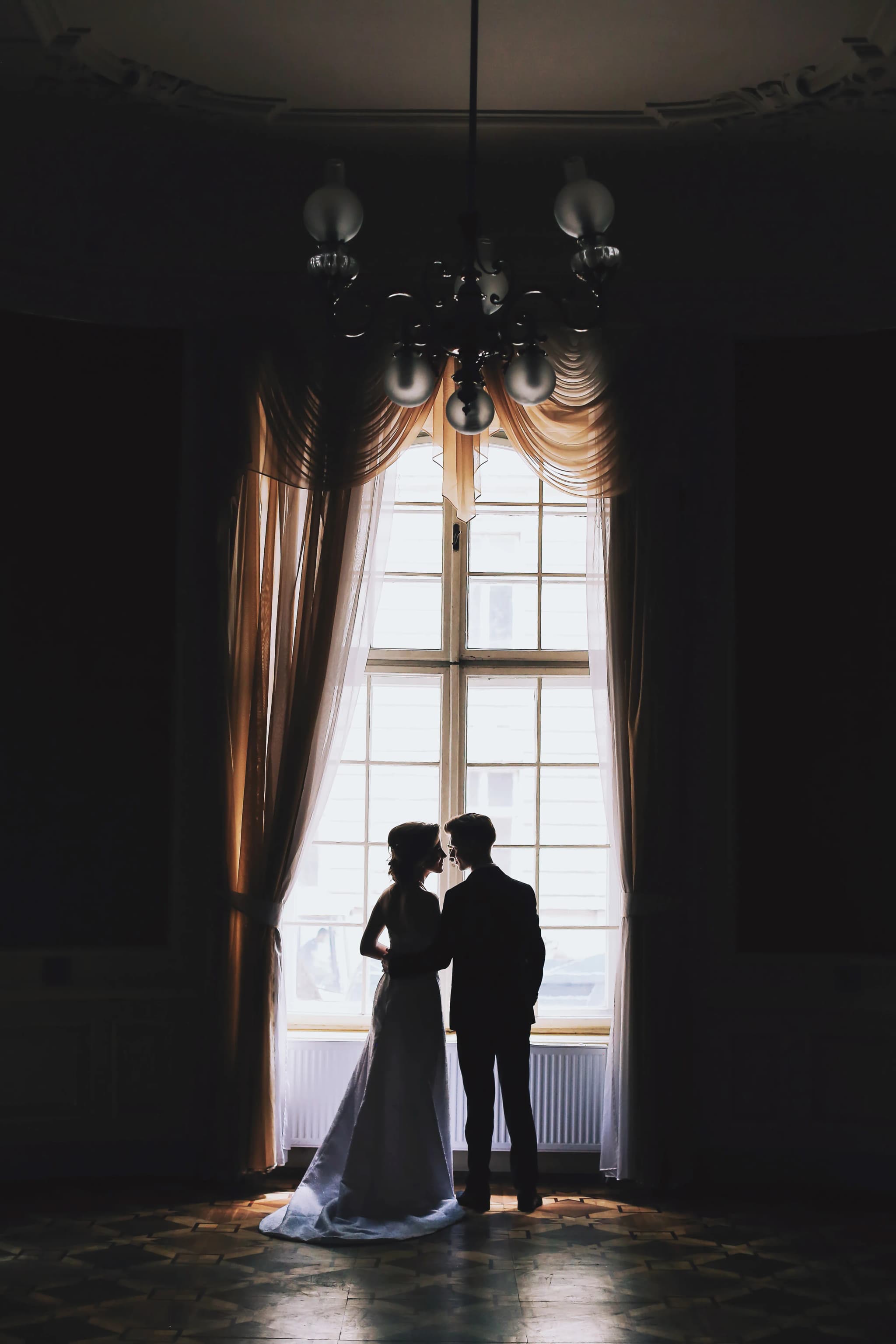
Of all the architectural spaces found inside English country houses and historic estates, few photograph with the effortless, luminous quality of a well-proportioned orangery. These classical rooms — built originally to overwinter citrus trees and exotic plants — have found a second life as some of the most sought-after wedding ceremony and reception venues in the UK, and it is not difficult to understand why. The combination of large south-facing windows, elegant stonework, and that particular quality of diffused daylight creates an interior atmosphere that feels genuinely otherworldly, and one that I return to photograph again and again with genuine excitement.
The Quality of Light That Makes Orangeries Special
The defining photographic characteristic of a traditional orangery is its light. Because these structures were purpose-built to maximise solar gain for plants, the windows are invariably large, often floor-to-ceiling, and almost always oriented to face south or south-west. The result is a quality of natural daylight that falls through the glass in long, gentle gradients — not the harsh, directional light you might fight in a venue with small windows, but something soft, even, and genuinely flattering to skin tones across the whole interior.
In practical terms, this means that as a photographer I am working with light that is already doing most of the work. Portraits made in an orangery at midday in July — which would be a challenge in almost any other interior — tend to have a wonderful, warm luminosity. The light wraps around faces rather than creating harsh shadows, and the warm stone or pale plasterwork of the walls acts as a natural reflector, lifting the shadows further. It is the kind of light that flatters every age, every skin tone, and every style of dress.
There is also a secondary quality that is easy to overlook until you have worked in these spaces: the glass roof or high clerestory windows that many orangeries feature create a gentle, even top light that adds dimension to the images without ever becoming overhead-flash harsh. On overcast days, this effect is even more pronounced — the entire ceiling becomes a soft box, and the resulting portraits have a painterly, studio quality that is quite unlike anything achievable in a conventional venue.
The Architecture as a Natural Backdrop
Beyond the quality of light, the architectural character of a well-preserved orangery provides a level of built-in visual interest that very few modern venues can replicate. Classical pilasters or columns, ornate window surrounds with their glazing bars, shallow domes, decorated cornices, and the geometric rhythm of the window grid all contribute to an interior that reads as refined and considered in photographs without any additional styling at all.
I always spend time with a couple before their wedding day identifying the specific architectural moments in their chosen orangery that will anchor the day's photography. At venues such as Kew Gardens in London, the Orangery at Blenheim Palace in Oxfordshire, or Grittleton House in Wiltshire, there are specific walls, alcoves, and window embrasures that have an almost portrait-studio quality — the geometry is simply right, the light falls perfectly, and the architectural detail provides depth and context without competing with the couple. Finding and photographing in those spots is one of the particular pleasures of working in these spaces.
The floors of historic orangeries are worth mentioning separately. Encaustic tile, polished stone flags, or original Victorian mosaic flooring provides a visual base that photographs beautifully and anchors the image in a sense of place and history. When the light from the south-facing windows falls at a low angle in the morning or late afternoon, the texture of an old stone floor can add an almost romantic, golden-hour quality to interior shots even in the middle of an English winter.
Notable Orangery Venues Across the UK
The UK is extraordinarily well supplied with orangery wedding venues, from the grandest historic houses to smaller, more intimate garden buildings. In London and the Home Counties, the Orangery at Holland Park remains one of the most architecturally distinguished licensed ceremony spaces in the capital, while the Orangery at Kew Gardens carries the particular weight of its Victorian botanical heritage. Further afield, Blenheim Palace in Oxfordshire holds weddings in the early eighteenth-century orangery designed by John Vanbrugh — one of the finest examples of Baroque garden architecture in England.
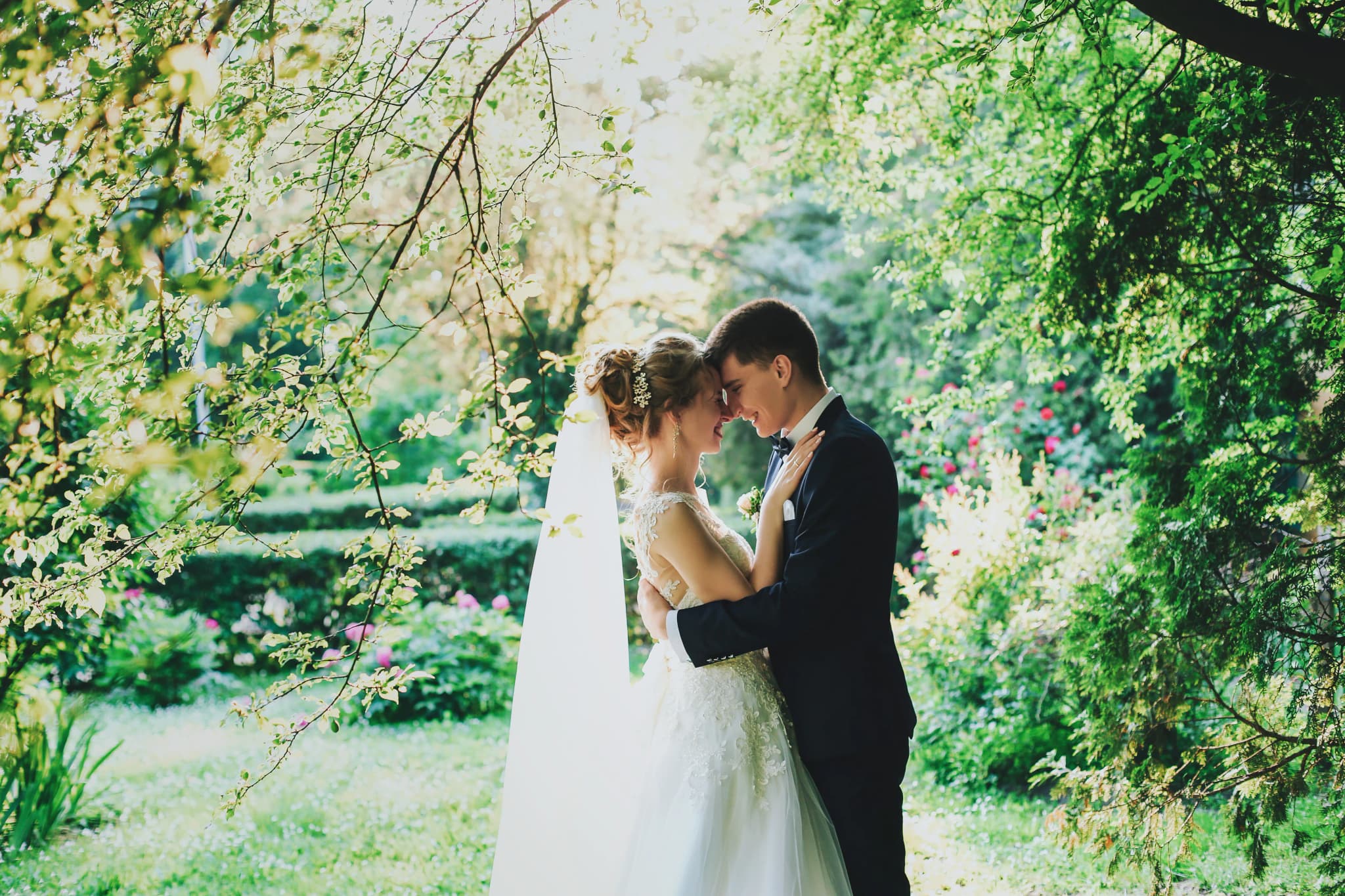
In the East of England, where much of my work is based, there are several orangery venues within easy reach of Cambridge that offer exceptional photographic conditions. Elton Hall in Cambridgeshire and Woburn Abbey in Bedfordshire both feature orangeries that open directly to formal garden terraces, allowing the ceremony and portrait sessions to flow between interior and exterior spaces with complete naturalness. This indoor-outdoor quality — moving from the warm, light-filled interior to a stone terrace or parterre garden — is one of the genuine practical pleasures of photographing an orangery wedding, and it opens up compositional possibilities that a purely indoor venue simply cannot offer.
For couples who want the look and feel of a historic orangery without the specific constraints of a listed building, a number of purpose-built contemporary venues have designed their reception spaces to deliberately echo the orangery tradition — tall glazed walls, exposed structural ironwork, and garden connections. These spaces can be equally beautiful to photograph and often offer more flexibility around timing, access, and logistics for the photography team.
Seasonal Considerations for Orangery Weddings
The popular perception is that an orangery is a summer venue, and it is true that a July or August wedding in an orangery — with the doors to the garden thrown open, the light pouring in, and the formal parterre in full colour beyond the windows — is an extraordinary thing to photograph. But in my experience, the most atmospherically distinctive orangery weddings are frequently those held in the autumn and winter months, when the contrast between the warm, glowing interior and the bare garden outside creates something genuinely more dramatic and emotionally resonant.
A December orangery wedding at dusk, with candles lit on the tables and the garden dark and still beyond the glass, photographs with an intensity and atmosphere that no summer evening can quite match. The combination of the warm artificial light from inside and the last traces of cold blue daylight from the garden creates a dual-light scenario that is a technical pleasure to work with and produces images that feel cinematic in their quality. If you are considering a winter or late-autumn date, do not be discouraged by the season — embrace it, and plan to use the changing light of the late afternoon as an active component of the day.
Spring, particularly March and April, is another exceptional season for orangery photography. The low, sharp light of an English spring morning can be extraordinary in a south-facing orangery, and the garden views through the windows will often include flowering bulbs, blossom, or the vivid green of new growth against stone balustrades — a combination that photographs with genuine beauty and seasonal specificity.
Planning an orangery wedding?
Orangery venues are among my favourite spaces to photograph in the UK — the light, the architecture, and the indoor-outdoor flow create conditions that consistently produce some of the most beautiful wedding images I make. If you are planning a ceremony or reception in an orangery and would like to discuss the photography in detail, I would love to hear from you. Get in touch to arrange a conversation, or take a look at my wedding photography portfolio to see examples from these kinds of venues.
Practical Advice for Couples: Getting the Most from Your Orangery Day
The first and most important practical consideration for any orangery wedding is timing. Because the photographic quality of these spaces is so directly tied to the movement of natural light, building some flexibility around the timing of key moments — the ceremony, the couple portrait session, the family groups — can pay real dividends in the final images. I always recommend a short conversation with your photographer before the final schedule is fixed, particularly around the time of year and the specific orientation of your venue, so that we can identify the golden windows of light and plan around them.
The second consideration is the relationship between inside and outside. Most orangeries open directly to a terrace or garden, and the ability to step outside for even fifteen or twenty minutes during the golden hour — while guests enjoy drinks or canapés — is something worth protecting in your schedule. The contrast between an orangery interior and the formal garden beyond is one of the most compositionally interesting combinations available in English wedding photography, and it is worth planning for deliberately rather than leaving to chance.
Finally, think about styling in relation to the architecture rather than in spite of it. Orangeries tend to have strong, clear visual personalities — the geometry of the window grid, the material palette of stone and iron and glass, the connection to the classical garden tradition — and floral and table styling that works with those qualities rather than attempting to transform the space completely will photograph significantly better. In my experience, restrained, elegant styling that respects the character of the building consistently produces more beautiful images than heavily themed or heavily decorated approaches that fight against the existing architecture.
Photographing the Ceremony in an Orangery
Orangery ceremonies present a particular photographic opportunity that is worth thinking about in advance. Because the light is so even and so good, the conditions for documentary ceremony photography are close to ideal — I can work from a respectful distance without needing to move around the space or use flash, simply observing and recording as the ceremony unfolds. The result is a set of ceremony images that feel natural, unhurried, and emotionally honest rather than posed or lit.
The architectural framing that an orangery provides is also genuinely useful. A couple exchanging vows framed by the geometry of the window grid, with the garden visible beyond, creates an image that is immediately legible as an English wedding — specific in its location and its season, placed in a particular cultural and architectural tradition. These are the kinds of images that age beautifully and continue to feel meaningful decades later, because they are rooted in a specific place and time rather than being generically beautiful.
For the reception, an orangery often allows a kind of ambient, available-light documentary photography that is some of my favourite work to make — the interplay of candlelight and the last daylight from the garden windows, the golden quality of the interior light on the faces of guests, the long perspective down a table with the architecture receding into the background. These are images that require no setup and no interruption to the occasion, simply a photographer who knows the space and knows where to be and when.
An orangery wedding is, at its best, a genuinely complete photographic environment — one where the architecture, the light, the seasonal garden, and the natural beauty of the occasion all work together without needing to be arranged or augmented. For couples who are drawn to spaces with real character and history, who value natural light and architectural beauty in their photography, and who want images that feel specific and rooted in a particular English tradition, there are few settings that photograph with more consistent and more effortless beauty. It is a privilege to work in these spaces, and the images they produce are consistently among the most treasured that any couple will take away from their wedding day.

Yana Skakun
Photographer · England
Professional wedding, family and portrait photographer based in England. Passionate about capturing authentic emotions and timeless moments.
About Yana →orangery wedding photographyorangery wedding venues Englandbotanical orangery wedding photographer
Wedding Tips — Wedding Photography in Cambridge & England
Yana Skakun is a professional wedding photographer based in Cambridge, covering weddings across England — from intimate elopements to full-day ceremonies at country houses, barns, and city venues. Every couple receives a relaxed, documentary approach that captures the day as it truly unfolds. This guide — Orangery Wedding Photography: Natural Light & Botanical Beauty — is part of the photography journal: practical, experience-based advice drawn from real sessions across England. Whether you arrived searching for orangery wedding photography or orangery wedding venues england, the same care and attention shapes every session Yana photographs.
Wedding Photography sessions are available year-round, with bookings open across Cambridge, Ely, Huntingdon, Peterborough, and further afield — East England, London, the Midlands, and beyond. If you have specific questions about botanical orangery wedding photographer, mention it in your enquiry. Get in touch through the contact form above to check availability and discuss your session. Enquiries are welcomed from anywhere in the UK.
Frequently Asked Questions
How much does a wedding photographer cost in England?+
Wedding photography in England typically ranges from £1,500 to £4,000+ for a full day. Price depends on experience, coverage hours, and whether albums or engagement shoots are included. Most photographers charge between £2,000–£3,000 for 8–10 hours of coverage.
How early should you book a wedding photographer?+
For peak season (May–September), book 12–18 months in advance. For autumn and winter weddings, 9–12 months is usually sufficient. Popular photographers at popular venues fill up fast — as soon as you have a date and venue confirmed, start reaching out.
How many photos do you get from a wedding photographer?+
Most professional wedding photographers deliver 400–800 edited images for a full-day wedding. The exact number depends on coverage hours, how many guests there are, and the photographer's editing style. Quality matters more than quantity — a curated gallery of 500 images tells the story better than 1,500 unedited files.
Do you need a second photographer at your wedding?+
A second photographer is helpful if you want simultaneous coverage of getting-ready moments in different locations, multiple angles during the ceremony, or more candid coverage during the reception. It adds cost but significantly increases the variety and completeness of your gallery.
What is the difference between documentary and editorial wedding photography?+
Documentary (reportage) wedding photography captures moments as they happen — the photographer observes and doesn't intervene. Editorial photography involves deliberate direction: placing you in good light, shaping compositions, creating intentional portraits. Most photographers blend both styles throughout the day.
Continue Reading
Related Articles

Wedding Tips
Sustainable Eco-Friendly Wedding Guide — Planning a Green Celebration
15 min read · Read Article
Wedding Tips
Trash the Dress Session — Complete Planning and Photography Guide
14 min read · Read Article
Wedding Tips
Client Communication for Photographers — From Enquiry to Gallery Delivery
15 min read · Read Article
Get in Touch
Ready to Book Your Session?
Get in touch to discuss your vision — I'll reply within 24 hours.