Yana Skakun
Outdoor Summer Wedding Photography in England: Making the Most of the Great Outdoors
By Yana Skakun·14 March 2026·6 min read
England in summer is a country that wants to be outside. The long evenings, the warm air, the lush growth of the countryside — summer is when England is at its most welcoming, and when outdoor wedding photography reaches its fullest potential. Whether you're marrying in a walled garden, on a country estate, beside a lake, or on a clifftop above the sea, the English summer outdoors provides a canvas that is very hard to beat. I photograph a good number of outdoor summer weddings across Cambridgeshire and the wider region each year, and the same conditions come up again and again: long light, warm evenings, and couples who want their day to feel like it genuinely belongs outdoors rather than being an indoor wedding that happens to have a marquee attached. This guide sets out how I actually plan and shoot an outdoor summer wedding, from the practical realities of English light through the season to the settings that work best and the contingencies worth having in place before the day arrives.
Why Outdoor Summer Weddings Work So Well
The practical conditions of an English summer are, when they behave, genuinely ideal for photography in a way that no other season quite matches. Long days mean golden hour extends well past nine in the evening at the height of summer, which gives a couple plenty of time for evening portraits after the wedding breakfast without anyone having to rush their meal or their speeches to chase the light. The air is warm enough to be comfortable outdoors from morning preparations right through to evening dancing, which matters more than people expect — a cold guest is a guest thinking about being cold, not about enjoying the day, and that shows in photographs.
The backdrop itself does a lot of the work. English countryside in June, July, and August is at its fullest: hedgerows are dense and green rather than bare, gardens are in bloom, and fields that would be brown stubble by September are still golden or green depending on the crop. And because the weather generally allows it, summer is the one season where outdoor ceremonies, outdoor drinks receptions, and even outdoor dancing under festoon lighting are all realistically on the table, without the anxiety that spring or early autumn dates carry about whether the garden plan will actually survive contact with the weather.
How the Light Changes Through a Summer Wedding Day
The key to strong outdoor summer wedding photography is understanding how light moves through the day and building the schedule around it rather than fighting it. I always ask to see a draft timeline before the day so I can flag where the light will help and where it will work against us, and small adjustments to timing — moving a group photo session twenty minutes earlier or later — can make a real difference to how the images look.
Early morning, roughly seven until ten, gives low light, long shadows, and often dew still on the grass. This is the window I use for outdoor getting-ready portraits when the schedule allows it, and for photographs of the venue itself before guests arrive — empty chairs at the ceremony spot, the marquee catching the first light, details laid out on a table in a garden that nobody else has walked across yet. The quality of light at this time is clean and fresh, with none of the haze that builds up later in the day.
Midday, from around eleven until three, is the hardest stretch of a summer day for photography and the one most couples underestimate. The sun is high and direct, which creates strong overhead shadows on faces — dark eye sockets, harsh lines under the nose — that no amount of editing fully corrects. This is when I actively look for open shade: the north side of a building, beneath a mature tree with a full canopy, inside a marquee with the sides up. Midday sun is, however, genuinely beautiful for wide shots of the venue and grounds, where even, bright light shows off a lawn, a lake, or a set of gardens at their best. It is close-up portraits of faces that need managing carefully during this window, not the wider photography.
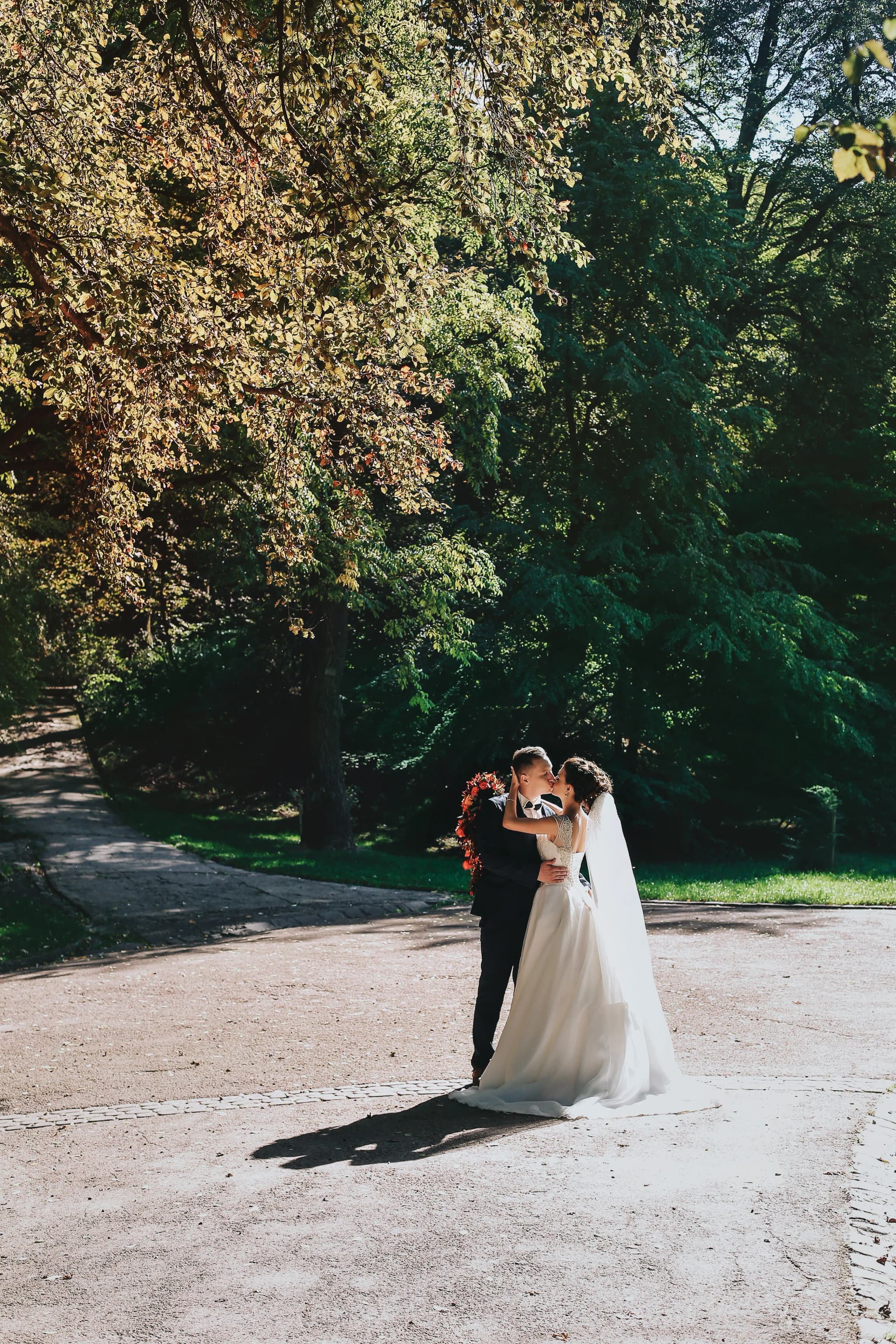
Late afternoon through to golden hour, roughly four until half past eight or nine depending on the exact date, is the best stretch of the day for outdoor portraits and it is the one I plan the schedule around wherever I have any influence over timing. The sun moves lower, the light turns warm and amber, and shadows lengthen into something with shape and interest rather than the flat harshness of midday. This is when I aim to take the couple away from the reception, even if only for twenty or thirty minutes, to a beautiful spot away from the crowd — a walk to the far end of the garden, along a tree line, down to a lake edge — for a dedicated couple portrait session with nobody else around. Those images consistently end up among the favourites from any wedding I shoot, precisely because the light is doing so much of the work and the couple finally has a few quiet minutes together in the middle of an otherwise very full day.
Top Outdoor Summer Wedding Settings
Different outdoor settings suit different couples and different styles of wedding, and part of my job during planning conversations is helping couples think through which of their venue's outdoor spaces will actually photograph best given their day's timing and the season.
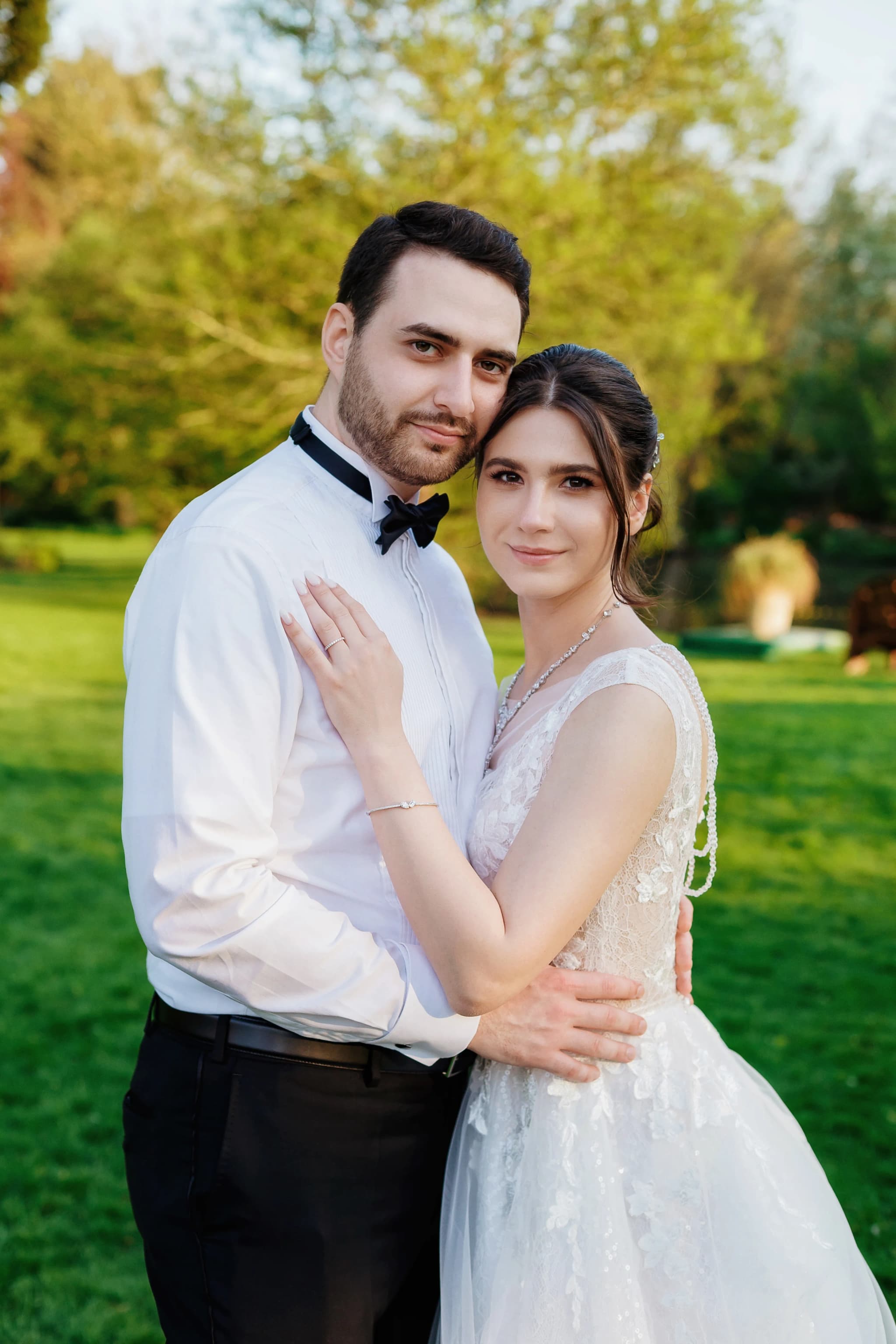
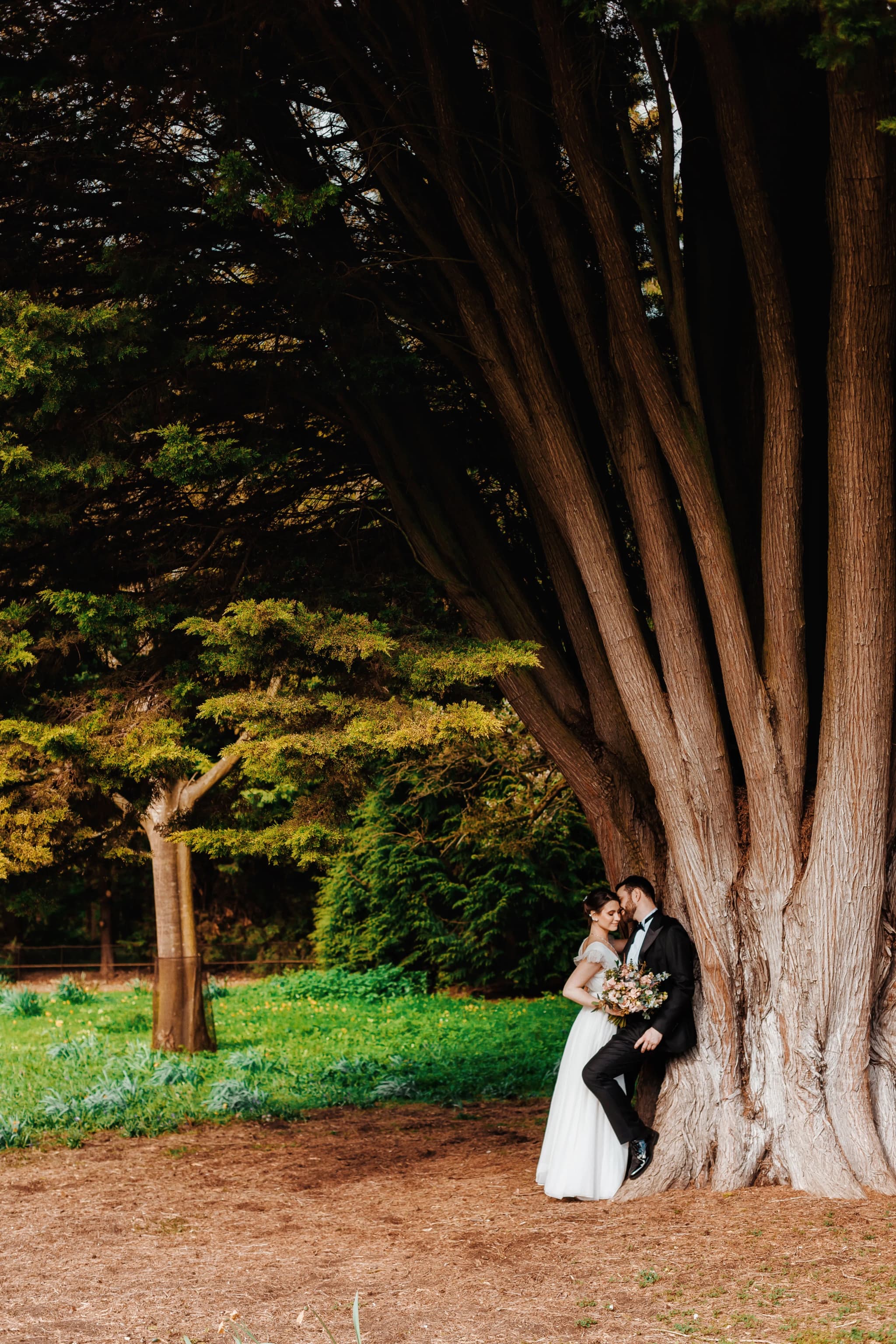
Estate lawns and parkland offer classic English grandeur — a folly or a lake in the middle distance, mature trees framing a group shot, the main house visible beyond the couple in a portrait. These settings work at almost any time of day because the scale of the landscape gives so many options for finding shade or open light as needed. Wildflower meadows are the quintessential English summer backdrop and, because they are generally open and unshaded, are best used either early morning or during golden hour rather than at midday, when the light on an open meadow can be unflattering. Coastal cliffs and beaches, for couples marrying near the coast, bring an entirely different quality of light — the reflective quality of the sea changes the colour and softness of the light on faces in a way that no inland location replicates, and the wider horizon gives a sense of scale that a walled garden simply cannot.
Lake and river shores are consistently some of my favourite settings for the couple portrait session specifically. Water reflections, the occasional passing punt on the right stretch of river, and golden light catching the surface at the end of the day combine into images with real depth. Walled gardens are the opposite in feel — enclosed, intimate, and lush, sometimes with cutting garden beds and fruit trees against old brick that create a colour palette you simply cannot get in open parkland. And for something less obviously polished, field gates and farm tracks give an honest, unstyled version of the English countryside — a gateway into a working field, a track lined with cow parsley and long grass, the kind of setting that photographs beautifully precisely because it has not been arranged for the purpose.
Group Photographs Outdoors: Keeping Them Efficient and Genuine
Outdoor group photographs come with their own logistics that indoor group shots avoid entirely. Finding a location with even light and enough space for a large group, without direct sun causing people to squint, takes some scouting on arrival, and I always try to get to a venue with enough time before the group list starts to identify the best spot rather than working it out with forty guests already standing around waiting. A tree line with open shade, or a moment just after the sun dips behind a building, both work far better than trying to arrange twenty or thirty people in direct midday light.
I ask couples for a group shot list in advance, organised roughly by combination — immediate family, extended family, wedding party, friend groups — so that the sequence can move quickly once we start, calling names as we go rather than trying to work out on the spot who should be in which photograph. A well-organised list of group combinations, worked through briskly, keeps this part of the day to a reasonable length even outdoors where the temptation for people to wander off between shots is much greater than it is in an indoor space with clearer boundaries.
Planning an outdoor summer wedding?
I'd love to help you make the most of the English summer, from the ceremony through to golden hour portraits. Every venue and every timeline is different, and I'm happy to talk through yours in detail before the day.
Get in touch to discuss your venue and plansWhat to Plan For: Weather and Contingencies
Outdoor summer weddings in England need contingency planning even in the best months of the year, and I say this not to introduce anxiety into the process but because a plan that exists and is never needed costs nothing, while the absence of a plan on a day that turns wet costs a great deal of stress at exactly the wrong moment. My approach with every couple is to always have a weather alternative identified in advance — typically a beautiful interior space at the venue, a covered terrace, an orangery, or even a large doorway with good light — while defaulting firmly to the outdoor plan unless conditions on the day genuinely require the alternative.
In practice, most summer days in England offer at least some outdoor photography window, even on days that are forecast as unsettled. Showers tend to pass through rather than sit for the whole day, and the period straight after rain, with wet grass and a freshly washed sky, often produces some of the most striking light of the entire day. The real skill is being ready to use the outdoor window the moment it opens rather than having written the day off as indoor because of an early forecast. I keep a close eye on conditions from the morning of the wedding onward and will always suggest moving a portrait session earlier or holding it back by twenty minutes if that gives us a genuinely better outcome.
It is also worth thinking practically about heat on the hottest days — shade for guests during an outdoor ceremony, water available during a long drinks reception, and a sensible expectation that a couple in full wedding attire may want a brief break from direct sun between the ceremony and the group photographs. None of this is complicated, but naming it in the planning conversation means nobody is caught out on the day itself.
Timing the Confetti Shot and the Evening Light
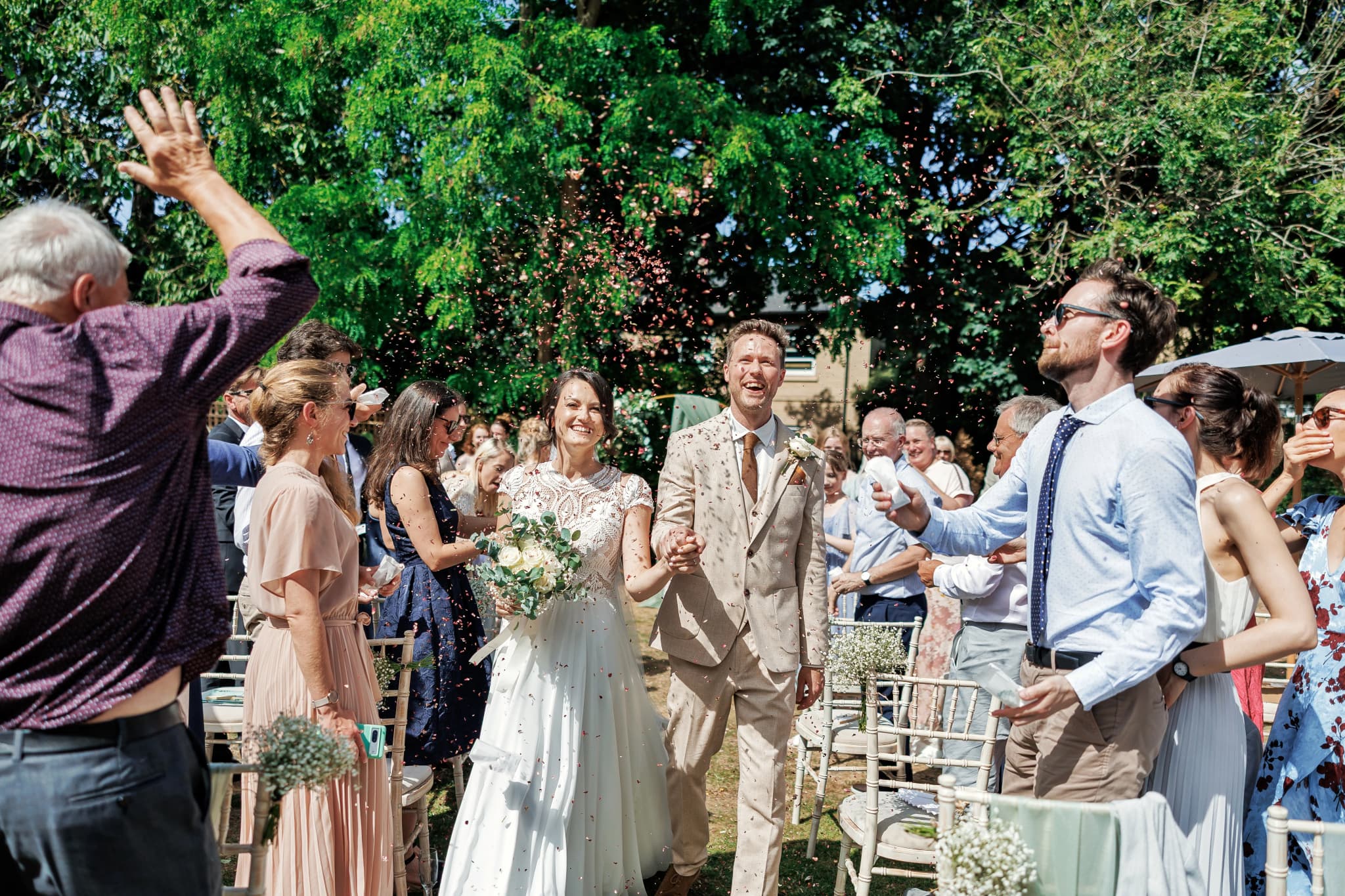
Two moments deserve particular attention when planning an outdoor summer wedding, because both depend heavily on light and both are very hard to redo if the timing is wrong. The confetti exit is at its best in soft, warm light rather than the flat glare of midday, so where the schedule allows it, I encourage couples to plan their ceremony finish for a time when the sun has started to soften rather than sit directly overhead. Confetti thrown into strong side light, with the pieces catching and glowing as they fall, photographs completely differently from confetti thrown under a flat midday sky.
The second is the couple portrait session at golden hour, which I mentioned earlier but want to return to because it is worth protecting deliberately in the timeline. On a long summer day it is easy for this slot to get squeezed by a running-late ceremony or an extended drinks reception, and by the time anyone remembers it, the light has gone flat and grey. Building in a firm, named slot for this — even just twenty minutes — toward the back end of the drinks reception or just before the wedding breakfast, protects the single most valuable outdoor photography opportunity of the whole day.
An outdoor summer wedding, done with a bit of forethought about light and a sensible contingency for weather, gives you a set of photographs that feel genuinely rooted in the English countryside at its best time of year — long evenings, warm light, and a landscape that is doing all the work a backdrop should do. If you're planning a summer wedding and want to talk through your venue, your outdoor spaces, and how the timeline can work with the light rather than against it, get in touch and we can start putting a plan together well ahead of the day.


Yana Skakun
Photographer · England
Professional wedding, family and portrait photographer based in England. Passionate about capturing authentic emotions and timeless moments.
About Yana →outdoor summer wedding photography Englandal fresco wedding photographer UKgarden wedding photos summer
Wedding Tips — Wedding Photography in Cambridge & England
Yana Skakun is a professional wedding photographer based in Cambridge, covering weddings across England — from intimate elopements to full-day ceremonies at country houses, barns, and city venues. Every couple receives a relaxed, documentary approach that captures the day as it truly unfolds. This guide — Outdoor Summer Wedding Photography in England: Making the Most of the Great Outdoors — is part of the photography journal: practical, experience-based advice drawn from real sessions across England. Whether you arrived searching for outdoor summer wedding photography england or al fresco wedding photographer uk, the same care and attention shapes every session Yana photographs.
Wedding Photography sessions are available year-round, with bookings open across Cambridge, Ely, Huntingdon, Peterborough, and further afield — East England, London, the Midlands, and beyond. If you have specific questions about garden wedding photos summer, mention it in your enquiry. Get in touch through the contact form above to check availability and discuss your session. Enquiries are welcomed from anywhere in the UK.
Frequently Asked Questions
How much does a wedding photographer cost in England?+
Wedding photography in England typically ranges from £1,500 to £4,000+ for a full day. Price depends on experience, coverage hours, and whether albums or engagement shoots are included. Most photographers charge between £2,000–£3,000 for 8–10 hours of coverage.
How early should you book a wedding photographer?+
For peak season (May–September), book 12–18 months in advance. For autumn and winter weddings, 9–12 months is usually sufficient. Popular photographers at popular venues fill up fast — as soon as you have a date and venue confirmed, start reaching out.
How many photos do you get from a wedding photographer?+
Most professional wedding photographers deliver 400–800 edited images for a full-day wedding. The exact number depends on coverage hours, how many guests there are, and the photographer's editing style. Quality matters more than quantity — a curated gallery of 500 images tells the story better than 1,500 unedited files.
Do you need a second photographer at your wedding?+
A second photographer is helpful if you want simultaneous coverage of getting-ready moments in different locations, multiple angles during the ceremony, or more candid coverage during the reception. It adds cost but significantly increases the variety and completeness of your gallery.
What is the difference between documentary and editorial wedding photography?+
Documentary (reportage) wedding photography captures moments as they happen — the photographer observes and doesn't intervene. Editorial photography involves deliberate direction: placing you in good light, shaping compositions, creating intentional portraits. Most photographers blend both styles throughout the day.
Continue Reading
Related Articles

Wedding Tips
Sustainable Eco-Friendly Wedding Guide — Planning a Green Celebration
15 min read · Read Article
Wedding Tips
Trash the Dress Session — Complete Planning and Photography Guide
14 min read · Read Article
Wedding Tips
Client Communication for Photographers — From Enquiry to Gallery Delivery
15 min read · Read Article
Get in Touch
Ready to Book Your Session?
Get in touch to discuss your vision — I'll reply within 24 hours.