Yana Skakun
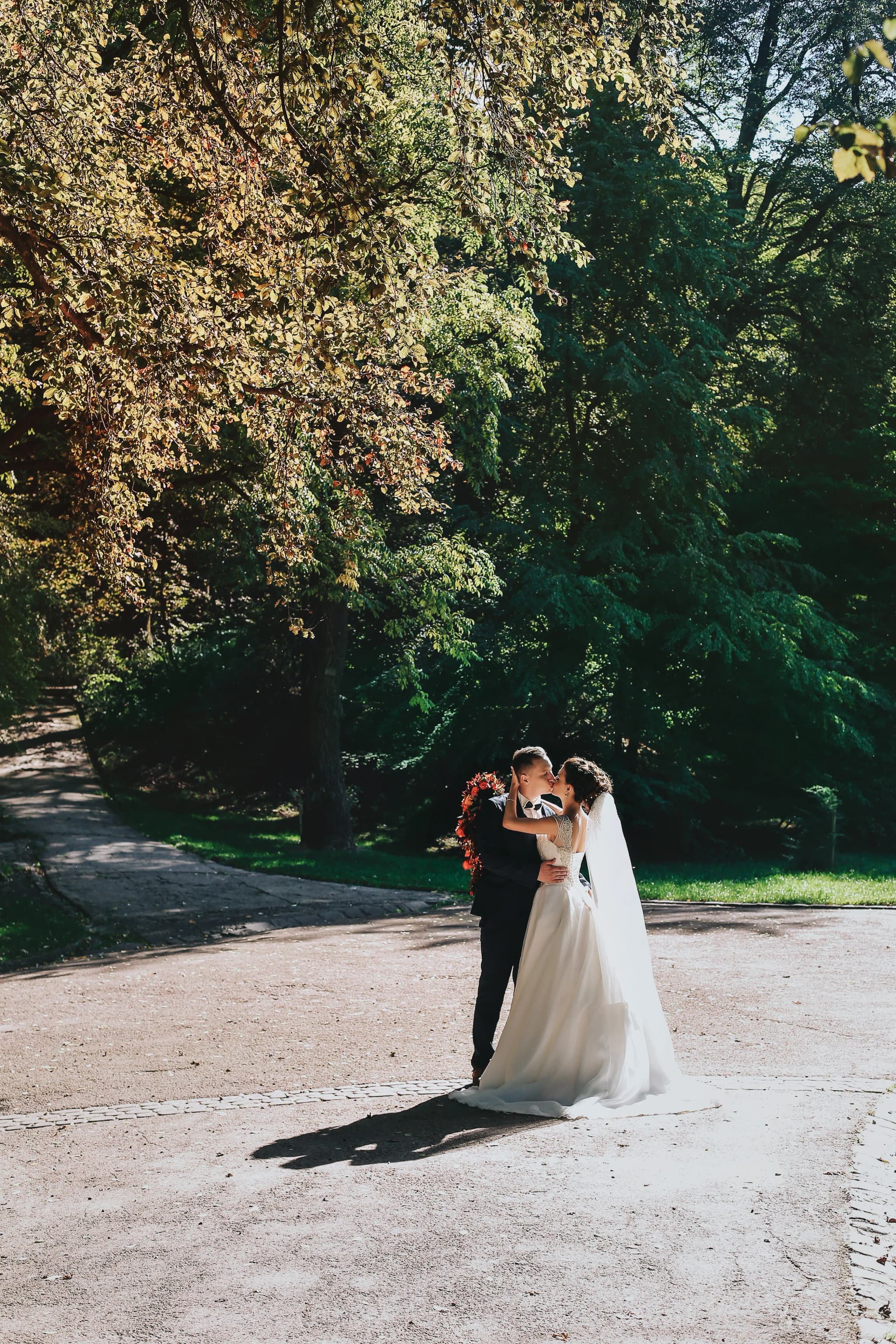
Eloping in the Peak District: Locations, Logistics & Love Stories
By Yana Skakun·20 March 2026·9 min read
The Peak District is one of England's most breathtaking landscapes, and for couples who want their elopement to feel genuinely wild and intimate, it is hard to beat. From the gritstone edges of the Dark Peak to the limestone dales of the White Peak, Derbyshire's national park offers an extraordinary range of backdrops within a few hours' drive of most UK cities. I have photographed elopements across the Peak District through every season, and this guide covers everything you need to plan one from the ground up.
Choosing Your Location: Dark Peak vs White Peak
The Peak District divides naturally into two distinct characters, and understanding the difference will help you choose the landscape that resonates with your relationship. The Dark Peak in the north and east is moorland country: vast open skies, millstone grit escarpments, blanket bog, and reservoirs. It is dramatic, elemental, and at times austere in the best possible way. Stanage Edge, the most photographed gritstone edge in England, runs south from Hathersage with views across the Hope Valley. Sunrise elopements on Stanage are genuinely extraordinary — the light hits the rock face and turns everything amber while the valley below is still dark. Carl Wark, Higger Tor, Froggatt Edge, and Curbar Edge are equally spectacular and often quieter.
The White Peak, covering the southern and central parts of the national park, is limestone country. The dales here — Dovedale, Lathkill Dale, Monsal Dale, Chee Dale — are greener, more sheltered, and filled with river sounds, cave entrances, stepping stones, and old stone footbridges. They are ideal for couples who want something lush and romantic rather than exposed and windswept. Monsal Head and the Monsal Viaduct are particularly photogenic and pair perfectly with the late afternoon light in spring and autumn.
Ladybower Reservoir in the Upper Derwent Valley sits somewhere between the two worlds: the dark water, drowned villages, and wooded ridges create an atmospheric and slightly melancholy landscape that photographs beautifully in moody overcast light. In my experience, Ladybower works especially well in November and February, when the trees are bare and the mist sits low over the water.
The Legal Side: How Elopements Work in England
One of the most common misconceptions about elopements in England is that they can be legally solemnised outdoors. Under current English and Welsh law, a legally recognised marriage ceremony must take place inside an approved premises — a registered venue with a licence from the local authority. This means your ceremony on Stanage Edge or in Dovedale will be symbolic: a deeply meaningful, fully personal ritual without legal standing on its own.
The legal element is handled separately, almost always as a short civil ceremony at a local register office. Most couples in the Peak District area use Derbyshire Register Office in Matlock, or offices in Sheffield, Chesterfield, or Buxton depending on their home address requirements. The legal appointment is typically brief and can take place the morning of your elopement, the day before, or sometimes weeks earlier if you prefer. Many couples find that separating the legal formality from the personal ceremony actually gives them complete freedom — you can write entirely your own vows, invite a friend to lead the ceremony, include readings in any language, or dispense with structure altogether.
It is worth noting that law reform on outdoor marriage in England and Wales has been discussed for some years, and the situation may evolve. I always advise couples to check the current position with their local register office at the time of planning, as the rules may have changed since this guide was written.
Permits, Access, and Practicalities
Most of the open moorland in the Peak District is designated access land under the Countryside and Rights of Way Act 2000, which means you have a legal right of access on foot without any permit or landowner permission. This includes the majority of the gritstone edges and open moor in the Dark Peak. You do not need permission to hold a small ceremony in these areas, and there is no fee involved. For very large gatherings or commercial film shoots the rules differ, but for an elopement with two witnesses and a photographer you are simply walkers exercising a right of access.
Some locations fall within National Trust, English Heritage, or privately managed land where a small access fee or permission letter may be required for anything construed as a formal event. Haddon Hall, Chatsworth estate grounds, and certain managed car parks are examples. I can help you navigate this for whichever location you have in mind — in most cases a polite email or phone call to the relevant land manager resolves any questions quickly and without cost. The Peak District National Park Authority itself does not issue elopement permits for open land, which is a relief for couples who assumed there would be bureaucracy involved.
Practical logistics matter enormously in the Peak District. Mobile signal on the moors is patchy to non-existent — I always download offline maps before a session and share a printed location reference with my couples. Car parking at popular spots like Stanage Edge fills early on weekends, particularly between April and September. For sunrise sessions I recommend arriving at the car park no later than one hour before sunrise; for late golden-hour sessions, arriving mid-afternoon gives time to walk to the location and settle before the light changes. Appropriate footwear is essential — even in summer the moorland paths can be boggy and the gritstone wet.
Thinking About a Peak District Elopement?
I photograph intimate ceremonies and elopements across the Peak District and wider Derbyshire throughout the year. Whether you have a specific location in mind or need help choosing one, I am happy to talk through every detail — from timing and logistics to what to wear on a windswept edge.
Enquire About Elopement Photography →Timing and Seasonal Considerations
The Peak District is beautiful in every season, and each has its own character for elopement photography. Late spring (late April through May) is my personal favourite: the bracken is fresh green, the bluebells carpet the woodland floors near Padley Gorge and Longshaw, and the days are long enough for golden-hour sessions without an impossibly early start. The weather is more settled than winter without the crowds of summer.
Summer (June through August) offers long evenings and warm temperatures, which means sunset golden hour falls at a comfortable time for couples travelling from outside the area. The moorland heather blooms purple in August, particularly on the eastern edges, which is visually stunning but also coincides with the busiest walking season. I always suggest arriving at sunrise rather than sunset in August to avoid other walkers in the background. Autumn (September through November) brings the most dramatic skies and the richest colours — the bracken turns copper and gold, the reservoirs reflect brooding clouds, and the low-angle light is beautiful from mid-morning onwards.
Winter elopements in the Peak District are not for the faint-hearted logistically, but the photographs they produce are unforgettable. Snow on Stanage Edge or a frost-covered Curbar Gap creates a landscape that feels genuinely remote and otherworldly. The key challenge is the short daylight window: in December and January, usable golden-hour light arrives around 8:30am and fades by 3:30pm, so sessions need to be carefully timed. I recommend winter couples build in flexibility and have a backup plan if the moorland access roads are iced over.
What to Wear for a Peak District Elopement
Elopement styling on a moorland edge requires a little more practical thought than a venue wedding, and the result is almost always more authentic and personal for it. Flowing dresses photograph beautifully on the edges because the wind catches fabric in the most natural way — I always ask my couples to embrace the wind rather than fight it. Silk, chiffon, and lightweight linen move well; heavy satin or structured ballgowns can feel impractical on uneven ground and in unpredictable weather. A light wrap or linen jacket for warmth between shots is always sensible.
For partners wearing suits, a well-fitted lighter-weight wool suit works across seasons and photographs cleanly against moorland tones. Earth tones — taupes, creams, sage greens, warm terracottas — complement the Peak District landscape without competing with it. I find that couples who choose clothing they genuinely feel comfortable in always have the best photographs, because they are relaxed rather than managing their outfit.
Footwear is worth special mention. I encourage all my Peak District couples to wear sturdy boots or at least comfortable flat shoes for the walk to the ceremony location, and to carry their preferred shoes if they want something different for portraits. Walking to Stanage Edge in wedding heels is genuinely painful and unnecessary — the portraits on the edge are only a small part of the session and the rough ground makes heels impractical. Many couples choose to go barefoot for some portraits on the smooth gritstone, which looks wonderful.
Working With a Photographer on Your Elopement Day
I always spend time before the elopement day scouting or reviewing the exact location, thinking about where the light falls at the time of day we have planned, and identifying two or three distinct spots within walking distance of each other so we have variety without covering huge distances. On the day itself I work quietly and unobtrusively — elopements are intimate occasions and my job is to document what happens, not to choreograph it. I will offer gentle direction at moments when portraits feel appropriate, but the rest of the time I am simply present, watching for the moments that matter.
Most of my Peak District elopement sessions run for three to four hours: enough time for the ceremony, quiet portraits on the edges, a walk to a second location if the landscape warrants it, and a relaxed end to the day. I deliver a full edited gallery within four to six weeks, with print-ready files and a selection of my favourites. For couples who want a small album of their elopement, I work with a UK bookbinder to produce heirloom-quality volumes that are rather different from a conventional wedding album — quieter, more considered, and made to last.
The Peak District rewards couples who approach their elopement with a spirit of adventure and a willingness to let the landscape lead. I have watched couples stand on Stanage Edge in the early morning light, the Hope Valley below them, the wind pulling at their clothes, and feel the full weight of what they are doing — choosing each other, deliberately, in one of England's most beautiful places. That is what elopement photography in the Peak District is really about, and it is a privilege to be part of it.

Yana Skakun
Photographer · England
Professional wedding, family and portrait photographer based in England. Passionate about capturing authentic emotions and timeless moments.
About Yana →Peak District elopementoutdoor elopement Derbyshireelopement Peak Districtelope in Peak Districtintimate wedding Peak District
Wedding Tips — Wedding Photography in Cambridge & England
Yana Skakun is a professional wedding photographer based in Cambridge, covering weddings across England — from intimate elopements to full-day ceremonies at country houses, barns, and city venues. Every couple receives a relaxed, documentary approach that captures the day as it truly unfolds. This guide — Eloping in the Peak District: Locations, Logistics & Love Stories — is part of the photography journal: practical, experience-based advice drawn from real sessions across England. Whether you arrived searching for peak district elopement or outdoor elopement derbyshire, the same care and attention shapes every session Yana photographs.
Wedding Photography sessions are available year-round, with bookings open across Cambridge, Ely, Huntingdon, Peterborough, and further afield — East England, London, the Midlands, and beyond. If you have specific questions about elopement peak district, mention it in your enquiry. Get in touch through the contact form above to check availability and discuss your session. Enquiries are welcomed from anywhere in the UK.
Frequently Asked Questions
How much does a wedding photographer cost in England?+
Wedding photography in England typically ranges from £1,500 to £4,000+ for a full day. Price depends on experience, coverage hours, and whether albums or engagement shoots are included. Most photographers charge between £2,000–£3,000 for 8–10 hours of coverage.
How early should you book a wedding photographer?+
For peak season (May–September), book 12–18 months in advance. For autumn and winter weddings, 9–12 months is usually sufficient. Popular photographers at popular venues fill up fast — as soon as you have a date and venue confirmed, start reaching out.
How many photos do you get from a wedding photographer?+
Most professional wedding photographers deliver 400–800 edited images for a full-day wedding. The exact number depends on coverage hours, how many guests there are, and the photographer's editing style. Quality matters more than quantity — a curated gallery of 500 images tells the story better than 1,500 unedited files.
Do you need a second photographer at your wedding?+
A second photographer is helpful if you want simultaneous coverage of getting-ready moments in different locations, multiple angles during the ceremony, or more candid coverage during the reception. It adds cost but significantly increases the variety and completeness of your gallery.
What is the difference between documentary and editorial wedding photography?+
Documentary (reportage) wedding photography captures moments as they happen — the photographer observes and doesn't intervene. Editorial photography involves deliberate direction: placing you in good light, shaping compositions, creating intentional portraits. Most photographers blend both styles throughout the day.
Continue Reading
Related Articles

Wedding Tips
Sustainable Eco-Friendly Wedding Guide — Planning a Green Celebration
15 min read · Read Article
Wedding Tips
Trash the Dress Session — Complete Planning and Photography Guide
14 min read · Read Article
Wedding Tips
Client Communication for Photographers — From Enquiry to Gallery Delivery
15 min read · Read Article
Get in Touch
Ready to Book Your Session?
Get in touch to discuss your vision — I'll reply within 24 hours.