Yana Skakun
Rathfinny Estate Wedding Photography: Sussex Fizz & South Downs Views
By Yana Skakun·20 March 2026·6 min read
Rathfinny Estate sits in the Cuckmere Valley of East Sussex, just a few miles inland from the chalk cliffs of the Seven Sisters — 600 acres of South Downs chalk downland planted with Pinot Noir, Chardonnay, and Pinot Meunier, with the English Channel shimmering on the horizon on clear days. It is, without question, one of the most dramatically beautiful wedding venues in England, and photographing there is among the most rewarding work I do as a wedding photographer.
Why Rathfinny Estate is Unlike Any Other UK Wedding Venue
Most English wedding venues offer either grand architecture or a pastoral garden. Rathfinny offers something rarer: a working landscape with genuine purpose. The estate was established in 2010 by Mark and Sarah Driver with the ambition of creating world-class English sparkling wine on the same chalk geology that defines the great Champagne houses of France. That seriousness of intent shows everywhere — in the quality of the restoration work, the precision of the planted rows, the considered architecture of the winery building.
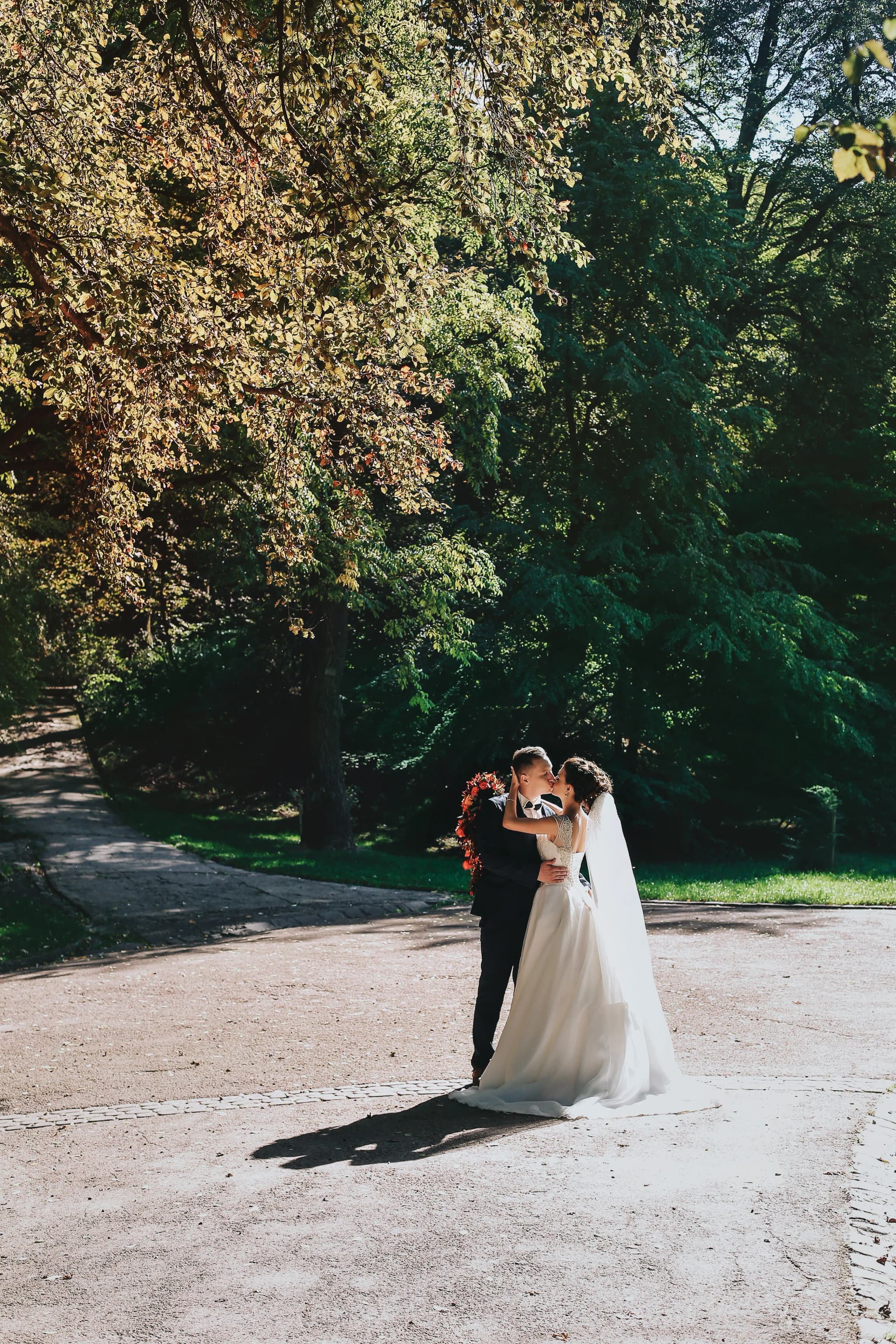
For couples who want their wedding photographs to feel rooted in a real, living place rather than a dressed stage set, Rathfinny delivers on every level. The vines change dramatically through the seasons: bare and sculptural in winter, vivid green and full in summer, turning gold and copper in September and October. Every season produces genuinely different photographs, and there is no wrong time to marry here.
The estate sits within the South Downs National Park, which means the land surrounding it is protected from development. Look outward from the vineyard in any direction and you see uninterrupted downland rolling toward the coast. This matters enormously for photography — the backgrounds are clean, expansive, and genuinely English in a way that is increasingly rare to find.
The Flint Barns and Winery: Architecture That Photographs Beautifully
The principal event spaces at Rathfinny centre on the restored Victorian Flint Barns — a cluster of agricultural buildings reconstructed using the local flint-knapping tradition that defines East Sussex vernacular architecture. Flint is a remarkable material to photograph: the irregular dark surface catches and scatters light differently at every angle, creating a textured depth that stone or brick simply cannot match. Whether I am shooting wide establishing frames or tight editorial details, the flint walls give every image a sense of place.
The winery building is newer and deliberately contemporary, with clean lines and industrial materials that sit in interesting contrast to the historic barns. I often use the winery architecture for quieter couple portraits during the wedding day — the geometry of the building creates strong compositional lines, and the interior, when the winery is not in production, has the beautiful industrial quality of high barrel ceilings and concrete floors softened by warm light through large windows.
The Tasting Room, where many receptions are held, looks directly out over the vineyard through floor-to-ceiling windows. On an autumn afternoon, when the light is low and golden, the view through those windows becomes part of the photograph itself — couple in the foreground, the vine rows receding into the distance behind them, the whole scene lit with the particular amber glow that East Sussex produces in October.
Light on the South Downs: What Makes Rathfinny Special for Photography
The chalk geology of the South Downs does something remarkable to light. White chalk soil reflects ambient light upward, filling shadows and brightening the overall exposure in a way that differs noticeably from clay or limestone landscapes. I first noticed this shooting at Rathfinny in late November — the sky was overcast, the light should have been flat and difficult, but the chalk hillside was bouncing a soft brightness upward that made every portrait luminous without any supplementary lighting.
The coastal proximity adds another dimension. The English Channel is just four miles south of the estate at its nearest point, and the maritime air keeps the atmosphere clean and clear in a way that inland venues cannot replicate. On bright days the light has a particular crystalline quality — sharp without being harsh, bright without losing the gentle softness that makes wedding portraits work. I have shot here in every season and the light is consistently better than I have any right to expect from the English climate.
Golden hour at Rathfinny is something couples should specifically plan for. When the sun drops toward the western downs in the late afternoon, the vineyard turns extraordinary — the vine rows cast long shadows across the chalk, the whole landscape shifts to amber and rose, and even a ten-minute portrait session in that light will produce images that look like they belong in a magazine. I always recommend to Rathfinny couples that we protect at least thirty minutes before sunset for this, whatever the season.
Seasonal Considerations: When to Marry at Rathfinny
Spring at Rathfinny, from April through May, brings the vines into bud and then into their first flush of vivid green growth. The South Downs are carpeted with wildflowers at this time of year, and the long evenings give wedding days a spacious, unhurried feeling. Light is often extraordinary in late April and May in East Sussex — brighter and cleaner than midsummer, with the sun still in a position to create directional golden light during the wedding reception.
Summer, from June through August, is the most popular season and for good reason: the vines are full and green, the days are long, and the estate is at its most lush. The risk in summer is the midday light, which can be harsh and unflattering on exposed chalk downland. I plan around this by scheduling the formal group photographs and couple portraits either in the shade of the Flint Barns or in the early morning and late afternoon. The midsummer light between 7pm and 9pm at Rathfinny is genuinely spectacular.
Autumn — September, October, and into November — is my personal favourite season for Rathfinny weddings. The harvest happens in September and early October, which means the working drama of the estate is at its most visible, and the vine leaves turn from green through amber to deep copper before falling. The landscape in October has a romantic melancholy to it that suits wedding photography perfectly, and the lower sun angle means golden light arrives earlier in the afternoon and lasts longer into the evening.
Practical Photography Logistics at Rathfinny
The estate is located near Alfriston, East Sussex, which means guests travelling from London are looking at roughly two hours by road or a train to Eastbourne followed by a taxi. The relative remoteness is part of what makes Rathfinny feel special — this is genuinely a destination venue, not a backdrop you pass on the way to somewhere else — but it is worth building in travel buffer for the wedding party and for guests arriving from a distance.
For the photography, the estate is entirely self-contained once you are on site. The grounds are extensive enough that I can find entirely different environments within a ten-minute walk — the formal courtyard of the Flint Barns, the wild margins of the vineyard where chalk grassland meets the planted rows, the winery building, the long views toward the Channel and the Seven Sisters. I typically plan a walking portrait route with couples during our planning conversation, mapping out three or four specific spots and the times of day when each will be at its best.
Access to the vineyard itself varies by season and by the estate's operational schedule. During harvest, the working rows are busy with equipment and staff, which I actually find adds wonderful documentary authenticity to photographs — but it is worth confirming access logistics with the venue team early in your planning. I always visit Rathfinny before a wedding day to walk the current state of the grounds and understand what the light will be doing at each point in the schedule.
Preparing for Your Rathfinny Wedding Photographs
The landscape at Rathfinny rewards couples who are willing to walk a little. The most spectacular portraits happen when we move out into the vineyard itself, which means comfortable footwear matters — particularly for brides in dresses with long trains, who will want to consider the chalk path surfaces through the vines. Wellies for a quick change are a practical addition to your wedding day kit if your ceremony is in the autumn or early spring.
I always recommend that Rathfinny couples think carefully about their colour palette in relation to the landscape. Ivory, champagne, and warm blush tones work beautifully against the chalk and the autumn vine colours. Deep jewel tones — emerald, sapphire, burgundy — create a striking contrast against the pale downland. What tends to work less well are very neutral or mid-grey palettes, which can merge into the chalk on overcast days rather than standing apart from it.
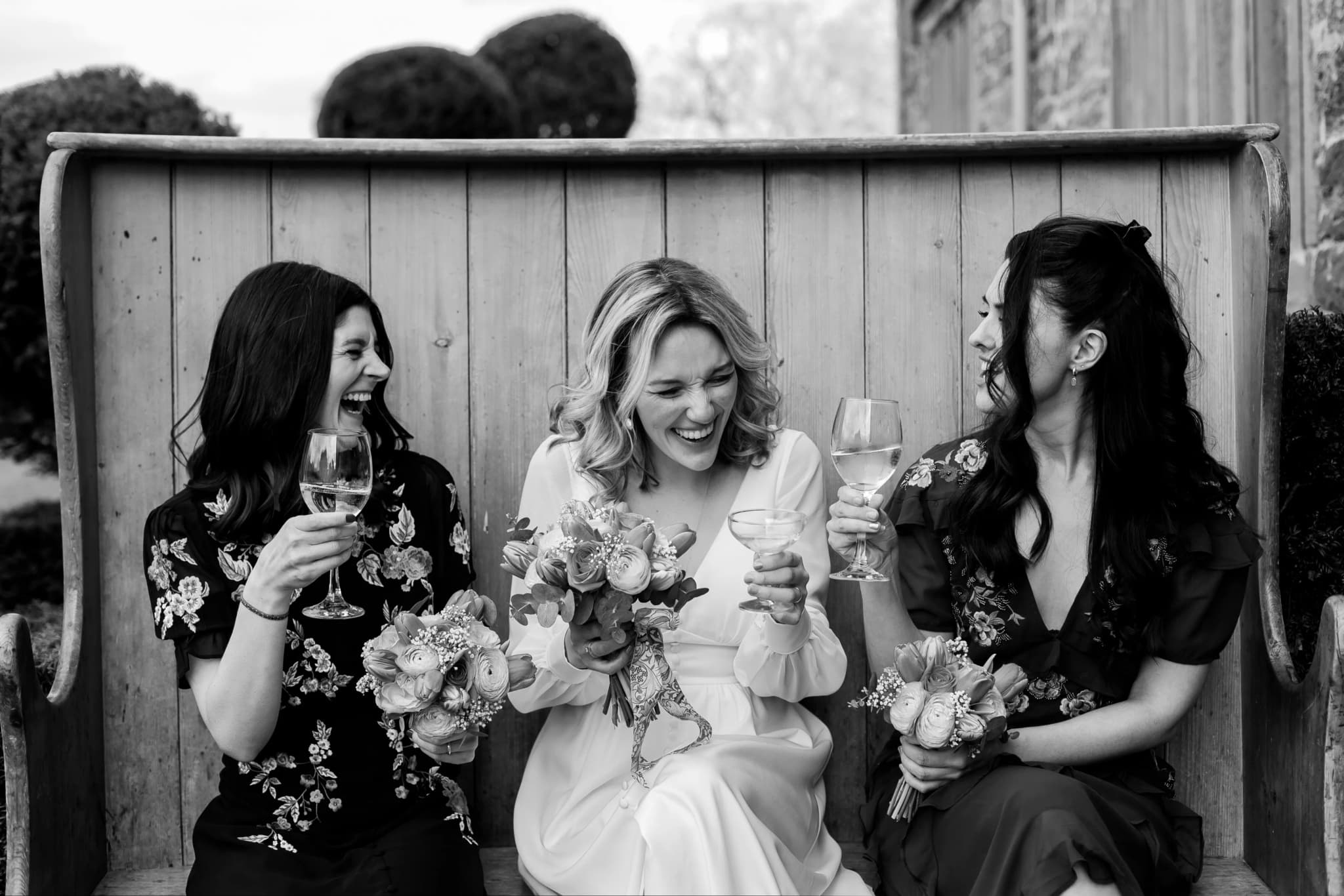
The estate's wine is, of course, exceptional, and I have found that couples who allow their guests to experience a proper Rathfinny tasting during the reception create a relaxed, celebratory atmosphere that makes documentary photographs of the reception itself wonderfully warm and natural. Some of my favourite wedding photographs from Rathfinny have been candid moments around the tasting tables, glasses catching the light, faces lit with genuine pleasure.
Planning a wedding at Rathfinny Estate?
Rathfinny is one of the venues I return to most happily — the landscape, the light, and the architecture make it one of England's finest settings for wedding photography. I would love to hear about your plans and talk through how we can make the most of everything this remarkable estate offers. Get in touch to check availability for your date, or visit the weddings page to learn more about how I work.
A wedding at Rathfinny Estate is a genuinely rare thing: a celebration set within a landscape that is both working and beautiful, ancient and new, English in the most particular and rooted sense. The photographs that come from a day here carry that quality with them — images that feel like they belong to a specific place and moment, not a generic venue backdrop. If you are considering Rathfinny for your wedding, I would encourage you to visit in person at different times of year if you can, and to choose your season with some thought about the photographs you want to take home. Whatever you decide, the estate will reward you.


Yana Skakun
Photographer · England
Professional wedding, family and portrait photographer based in England. Passionate about capturing authentic emotions and timeless moments.
About Yana →Rathfinny Estate weddingSussex vineyard wedding photographerSouth Downs winery wedding
Wedding Tips — Wedding Photography in Cambridge & England
Yana Skakun is a professional wedding photographer based in Cambridge, covering weddings across England — from intimate elopements to full-day ceremonies at country houses, barns, and city venues. Every couple receives a relaxed, documentary approach that captures the day as it truly unfolds. This guide — Rathfinny Estate Wedding Photography: Sussex Fizz & South Downs Views — is part of the photography journal: practical, experience-based advice drawn from real sessions across England. Whether you arrived searching for rathfinny estate wedding or sussex vineyard wedding photographer, the same care and attention shapes every session Yana photographs.
Wedding Photography sessions are available year-round, with bookings open across Cambridge, Ely, Huntingdon, Peterborough, and further afield — East England, London, the Midlands, and beyond. If you have specific questions about south downs winery wedding, mention it in your enquiry. Get in touch through the contact form above to check availability and discuss your session. Enquiries are welcomed from anywhere in the UK.
Frequently Asked Questions
How much does a wedding photographer cost in England?+
Wedding photography in England typically ranges from £1,500 to £4,000+ for a full day. Price depends on experience, coverage hours, and whether albums or engagement shoots are included. Most photographers charge between £2,000–£3,000 for 8–10 hours of coverage.
How early should you book a wedding photographer?+
For peak season (May–September), book 12–18 months in advance. For autumn and winter weddings, 9–12 months is usually sufficient. Popular photographers at popular venues fill up fast — as soon as you have a date and venue confirmed, start reaching out.
How many photos do you get from a wedding photographer?+
Most professional wedding photographers deliver 400–800 edited images for a full-day wedding. The exact number depends on coverage hours, how many guests there are, and the photographer's editing style. Quality matters more than quantity — a curated gallery of 500 images tells the story better than 1,500 unedited files.
Do you need a second photographer at your wedding?+
A second photographer is helpful if you want simultaneous coverage of getting-ready moments in different locations, multiple angles during the ceremony, or more candid coverage during the reception. It adds cost but significantly increases the variety and completeness of your gallery.
What is the difference between documentary and editorial wedding photography?+
Documentary (reportage) wedding photography captures moments as they happen — the photographer observes and doesn't intervene. Editorial photography involves deliberate direction: placing you in good light, shaping compositions, creating intentional portraits. Most photographers blend both styles throughout the day.
Continue Reading
Related Articles

Wedding Tips
Sustainable Eco-Friendly Wedding Guide — Planning a Green Celebration
15 min read · Read Article
Wedding Tips
Trash the Dress Session — Complete Planning and Photography Guide
14 min read · Read Article
Wedding Tips
Client Communication for Photographers — From Enquiry to Gallery Delivery
15 min read · Read Article
Get in Touch
Ready to Book Your Session?
Get in touch to discuss your vision — I'll reply within 24 hours.