Yana Skakun

Renting Your Wedding Dress: The Sustainable UK Bridal Trend
By Yana Skakun·12 April 2026·7 min read
A few years ago, almost every bride I photographed arrived with a dress she had bought outright, often after months of appointments, and almost always with the quiet understanding that it would be worn once and then boxed away in a wardrobe for good. That is changing, and it is changing quickly. In the last couple of wedding seasons I have photographed a genuinely growing number of brides across Cambridgeshire and the wider East of England who have chosen to rent their wedding dress rather than buy it, and every single one of them has told me some version of the same thing: it made the whole process feel lighter, less financially fraught, and somehow more in keeping with the values they wanted their wedding day to reflect. As someone who stands a few feet away with a camera for eight or ten hours watching how a dress moves, catches light, and holds up under the practical demands of a real wedding day, I have a slightly unusual vantage point on this trend, and I think it is worth talking about honestly — the genuine advantages, the practical considerations, and the things I wish more brides knew before they made a decision either way.
Why UK Brides Are Turning to Rental
The reasons brides give me for renting rather than buying tend to fall into two broad categories, and most brides I speak to hold both at once. The first is straightforwardly financial. A wedding involves an enormous number of expenses arriving all at once — venue, catering, flowers, photography, transport, the list goes on — and the dress is very often one of the largest single line items on a bride's personal budget. Renting a dress typically costs a fraction of buying an equivalent gown outright, which frees up budget for other priorities, whether that is a better honeymoon, a photographer booked for longer coverage, or simply a smaller, less stressful overall spend.
The second reason is about values, and it comes up more and more in conversations I have with brides during planning calls. Many brides are genuinely uncomfortable with the idea of an elaborate, resource-intensive garment being worn for a matter of hours and then never worn again. The environmental cost of producing a wedding dress — the fabric, the labour, the shipping, the packaging — sits oddly against a single day of use, and renting addresses that directly. A rented dress gets worn by bride after bride, season after season, and the resources that went into making it are spread across many wedding days rather than one. For brides who have made sustainable choices elsewhere in their planning, from locally sourced flowers to a venue chosen partly for how easy it is to reach without everyone driving separately, renting the dress is a natural extension of that thinking rather than a compromise.
There is a third reason that gets mentioned less often but matters a great deal in practice: decision fatigue. Wedding planning involves choosing so many things, in such a short window, that some brides find real relief in a rental process that narrows the field of options and moves faster than the traditional buy-and-alter timeline. Renting can mean fewer appointments, a shorter lead time, and a decision that, once made, is genuinely finished rather than requiring months of fittings and follow-up.
How the Rental Process Actually Works
For brides who have never rented formalwear before, the mechanics can feel unfamiliar, so it is worth setting out roughly how the process tends to run. Most rental services work on a fixed hire period built around your wedding date, typically covering delivery a few days beforehand and requiring the dress to be returned within a set number of days afterwards. Some operate through a physical showroom where you try dresses on in person, much like a traditional bridal boutique, while others work primarily online, with dresses shipped to your home for you to try in advance and send back if they are not right before your final booking is confirmed.
Sizing is the single biggest practical consideration, and it is worth taking seriously rather than assuming a rental will simply fit. Because rental gowns are used by many different brides, minor alterations such as taking in a bodice, adjusting a hem, or adding temporary straps are usually permitted, but major structural changes generally are not, since the dress needs to return to something close to its original form for the next bride. This means choosing a silhouette that suits your natural shape from the outset matters more with rental than with a bespoke or made-to-order gown, and it is worth being candid with yourself and with the rental service about what level of alteration is realistically possible in the time available.
Insurance and deposits are standard practice across the rental market, and I would encourage any bride considering it to read the terms carefully before booking. A deposit is usually held against damage or late return, and most services distinguish clearly between the ordinary wear and tear a dress picks up over a full wedding day — a little dust on the hem, some creasing, perhaps a small mark that comes out in cleaning — and genuine damage such as tearing or staining that cannot be remedied. Knowing where that line sits before your wedding day means you can relax and actually enjoy wearing the dress, rather than spending the reception anxiously monitoring the hemline.
What a Rented Dress Looks Like Through a Camera
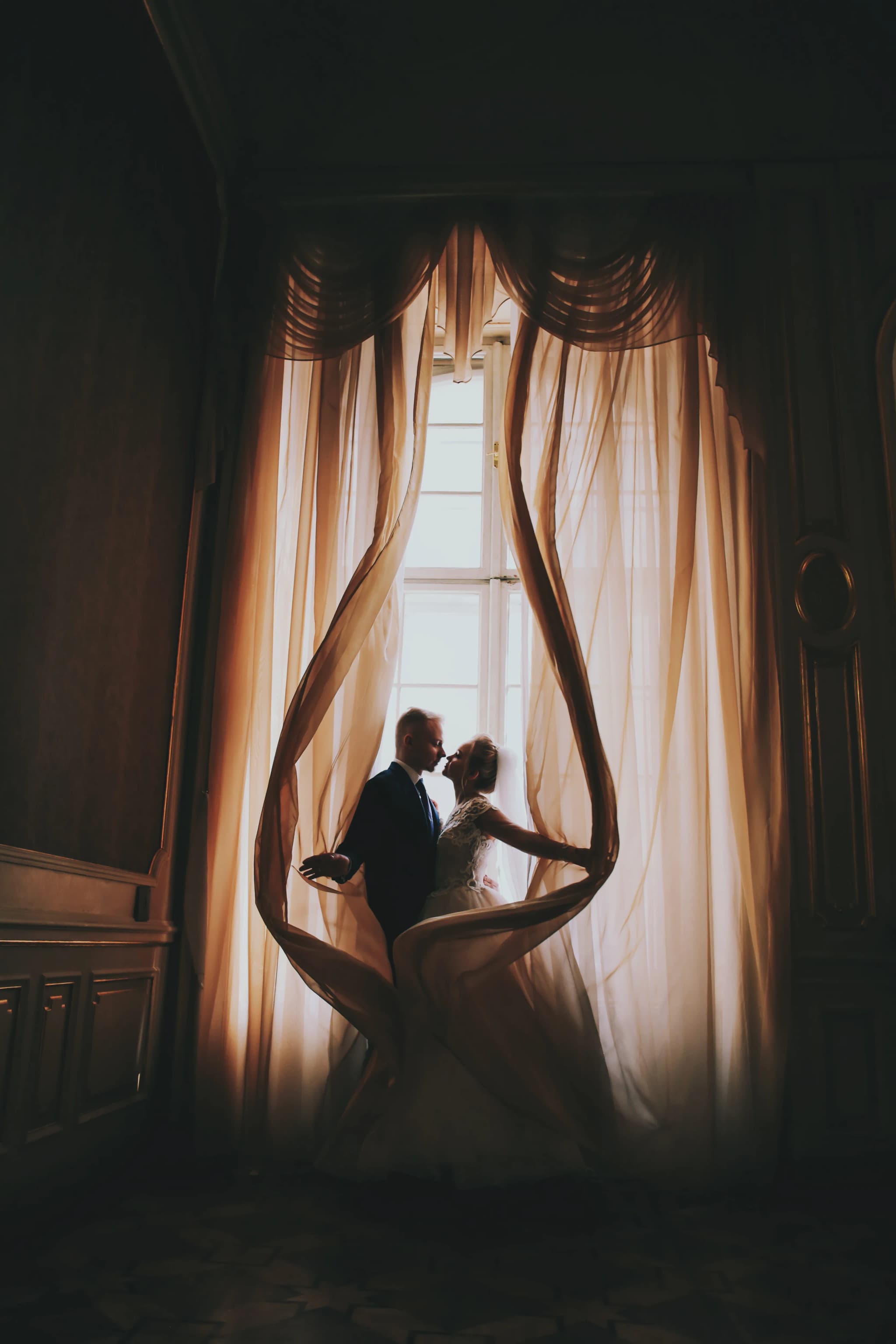
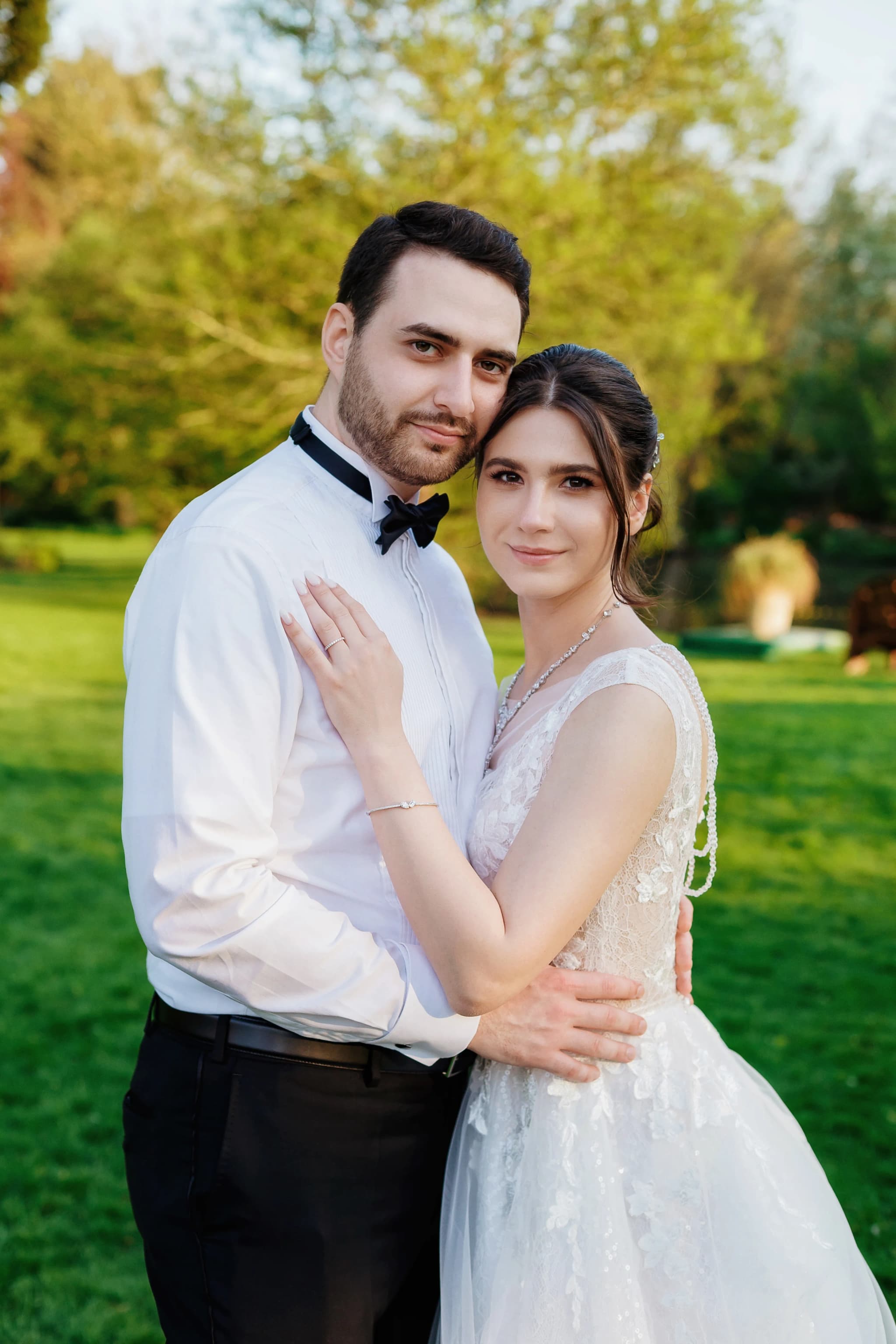
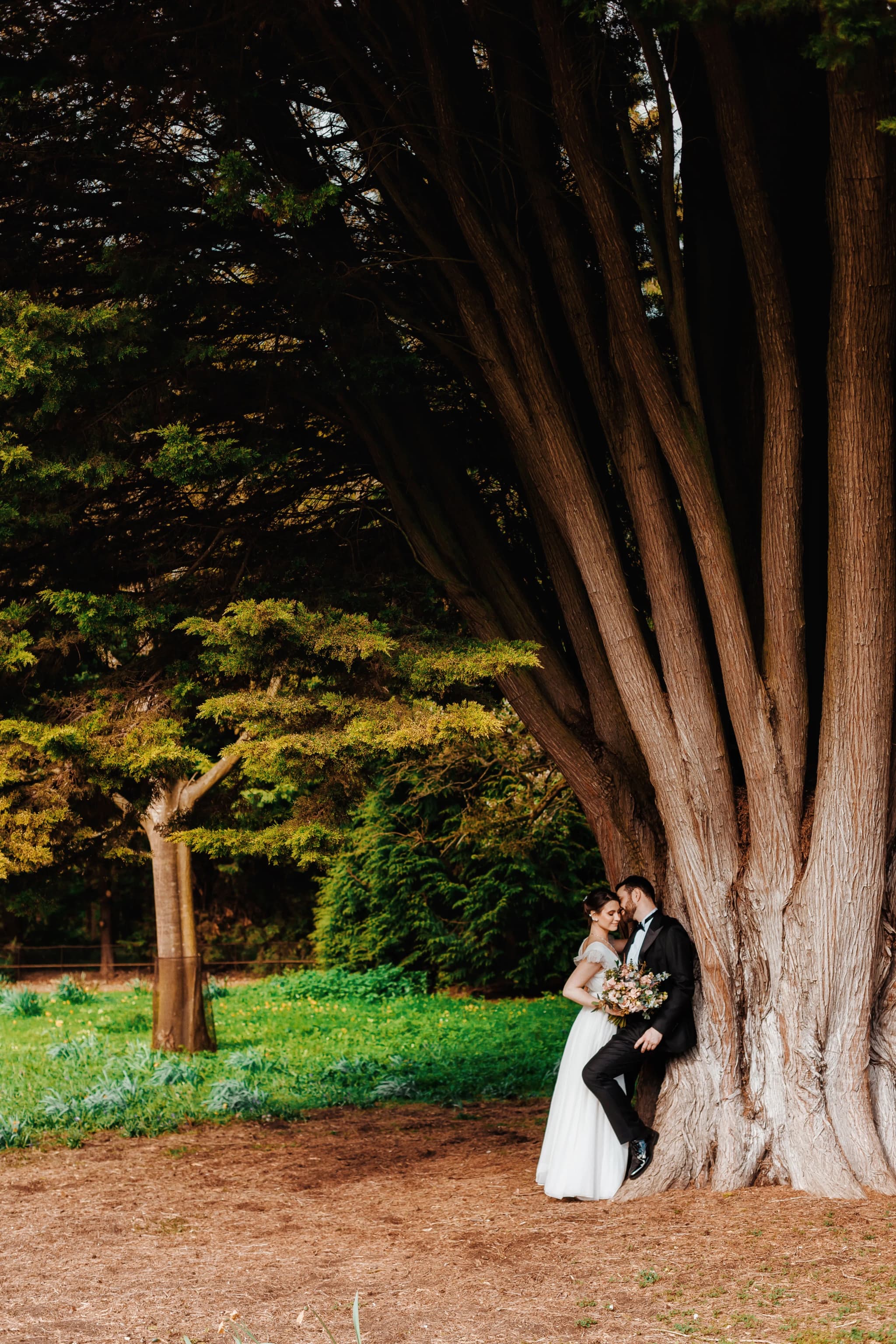
This is the part I can speak to with real authority, because I have now photographed enough rented gowns to have a genuinely informed view, and the honest answer is that it makes no discernible difference to the final images. A well-chosen rental dress photographs exactly as beautifully as a purchased one. What matters for photography is fit, fabric, and how the dress moves and catches light — not where it came from or what happens to it afterwards. A structured satin gown holds its shape under directional light in precisely the same way whether it was bought outright or hired for the weekend, and a soft, floating chiffon layer catches movement during a first dance identically either way.
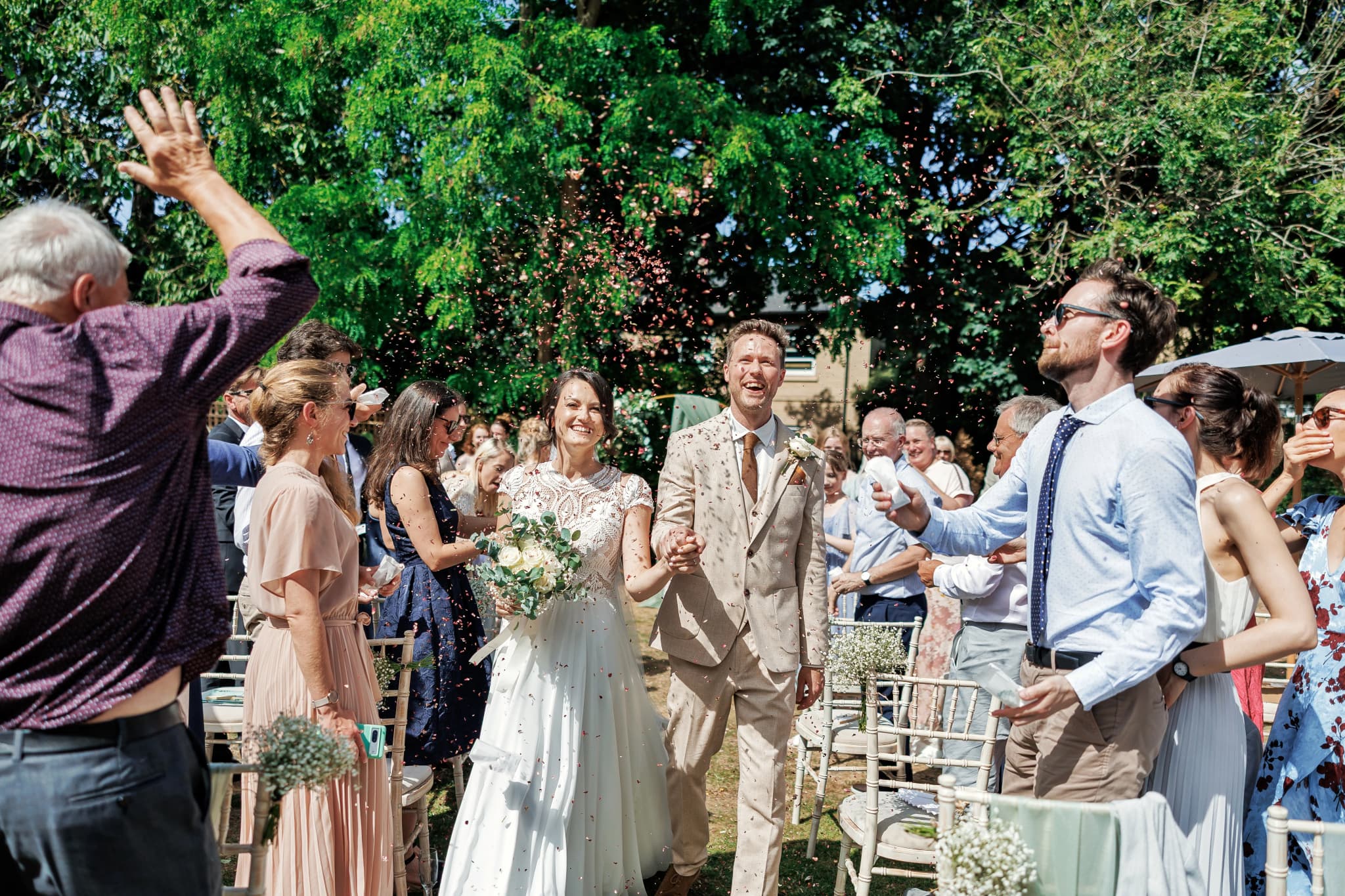
If anything, I have noticed that brides who rent sometimes arrive slightly more relaxed about the dress itself, which shows in the images. When a bride is not privately worrying about resale value or the cost of dry cleaning an expensive purchase, she tends to move more freely through a garden, sit down on grass without a second thought, or lean against a doorway without flinching — and that ease reads clearly in photographs. Some of the most naturally joyful bridal portraits I have taken have been of brides in rented dresses who simply were not thinking about the fabric at all, because the terms of the rental had already made peace with a bit of honest wear.
The one area worth genuine forethought is colour matching between the dress and any accessories, since rental turnaround times mean you may only see the actual dress you will wear a short time before the wedding, rather than having it in your possession for months beforehand as you would with a purchased gown ordered early. I always recommend confirming exact shade — ivory, pure white, champagne, blush — as early as possible in the rental booking process, and bringing swatches or photographs of your shoes, jewellery, and any accessories to your fitting so everything reads as a coherent whole in the final images rather than clashing subtly under camera flash.
Practical Timing: Booking Rental Around Your Wedding Day
Timing a rental correctly against your wedding day takes a little more planning than people expect, mostly because the dress typically only enters your possession for a short, defined window rather than sitting in your wardrobe for months. I always advise brides to build in a buffer of at least a few days either side of the wedding for delivery, in case of courier delays, and to check the return window carefully so it does not clash with a honeymoon departure the following morning. A dress that needs to be returned the day after the wedding is fine if you are staying local for the first night, but it becomes a genuine logistical headache if you are flying out early the next day and someone else needs to handle the return on your behalf.
I also encourage brides to think about the getting-ready timeline itself. If you are trying a rented dress on for the very first time only a day or two before the wedding, it is worth scheduling a proper trial with your hair and makeup team beforehand if at all possible, so you know exactly how the dress sits, how it needs to be stepped into, and how any straps or fastenings work under time pressure. Wedding mornings move fast, and the getting-ready portion of my coverage runs far more smoothly when everyone in the room already knows the mechanics of the dress rather than encountering fastenings for the first time with the ceremony an hour away.
Weather is worth a specific mention here too, particularly for anyone marrying outside the height of summer. British weather is unpredictable at the best of times, and a rented dress with a delicate hem or a long train needs the same practical protection as a purchased one — someone assigned to lift the train over wet grass or gravel, a plan for what happens if there is a sudden shower between the ceremony and the photographs, and realistic expectations about mud on rural or woodland venues. None of this is specific to rental, but because a rented dress will be worn by someone else afterwards, it is worth being a little more deliberate about protecting it than you might otherwise be with a dress destined for storage.
Planning around a rented dress
If you are considering renting your dress, it is worth talking through your day's timeline early so we can plan the right moments for portraits, the right approach to weather protection, and a getting-ready schedule that gives the dress its due attention without adding pressure to the morning.
Talk through your wedding day plansChoosing a Rental Service You Can Trust
I am not in a position to recommend specific rental businesses, since that is genuinely outside my expertise and every bride's circumstances and taste are different, but I can offer the same practical criteria I would encourage any friend to apply when comparing options. Look closely at the terms around damage, cleaning, and late returns before you commit, since these vary considerably between services and matter far more in practice than the initial browsing experience. Ask specifically what alterations are permitted and whether a local seamstress can carry them out, or whether alterations must go through the rental service itself, since this affects both cost and timeline.
It is also worth asking how far in advance the actual dress you will wear is confirmed, since some services allocate a specific physical garment only shortly before your date, based on availability, while others let you reserve a known dress much earlier. If colour matching, exact sizing, or a very particular silhouette matter a great deal to you, a service that confirms your actual dress early will generally give you more peace of mind than one that only does so close to the day. Finally, read reviews with an eye for how brides describe the fit and condition of the dress on the day itself, not just the booking experience, since that is the detail that tells you most about how the garment will actually perform.
Renting a wedding dress is not the right choice for every bride — some genuinely want to keep the gown afterwards, whether to preserve it, alter it into another garment one day, or simply hold onto it as a keepsake, and there is nothing wrong with that instinct at all. But for the growing number of brides who are weighing cost, environmental impact, and the sheer administrative simplicity of a shorter commitment, rental has become a completely legitimate and increasingly popular route to a beautiful wedding day, and from behind the camera I can say with confidence that it changes nothing about how the day photographs. If you are planning a wedding in Cambridge or further afield and want to talk through how your dress choice, whatever it is, fits into the wider plan for the day, get in touch and we can talk it through together.


Yana Skakun
Photographer · England
Professional wedding, family and portrait photographer based in England. Passionate about capturing authentic emotions and timeless moments.
About Yana →rent wedding dress uksustainable wedding dresswedding dress rental UKeco-friendly bridal wearCambridge wedding photography
Wedding Tips — Wedding Photography in Cambridge & England
Yana Skakun is a professional wedding photographer based in Cambridge, covering weddings across England — from intimate elopements to full-day ceremonies at country houses, barns, and city venues. Every couple receives a relaxed, documentary approach that captures the day as it truly unfolds. This guide — Renting Your Wedding Dress: The Sustainable UK Bridal Trend — is part of the photography journal: practical, experience-based advice drawn from real sessions across England. Whether you arrived searching for rent wedding dress uk or sustainable wedding dress, the same care and attention shapes every session Yana photographs.
Wedding Photography sessions are available year-round, with bookings open across Cambridge, Ely, Huntingdon, Peterborough, and further afield — East England, London, the Midlands, and beyond. If you have specific questions about wedding dress rental uk, mention it in your enquiry. Get in touch through the contact form above to check availability and discuss your session. Enquiries are welcomed from anywhere in the UK.
Frequently Asked Questions
How much does a wedding photographer cost in England?+
Wedding photography in England typically ranges from £1,500 to £4,000+ for a full day. Price depends on experience, coverage hours, and whether albums or engagement shoots are included. Most photographers charge between £2,000–£3,000 for 8–10 hours of coverage.
How early should you book a wedding photographer?+
For peak season (May–September), book 12–18 months in advance. For autumn and winter weddings, 9–12 months is usually sufficient. Popular photographers at popular venues fill up fast — as soon as you have a date and venue confirmed, start reaching out.
How many photos do you get from a wedding photographer?+
Most professional wedding photographers deliver 400–800 edited images for a full-day wedding. The exact number depends on coverage hours, how many guests there are, and the photographer's editing style. Quality matters more than quantity — a curated gallery of 500 images tells the story better than 1,500 unedited files.
Do you need a second photographer at your wedding?+
A second photographer is helpful if you want simultaneous coverage of getting-ready moments in different locations, multiple angles during the ceremony, or more candid coverage during the reception. It adds cost but significantly increases the variety and completeness of your gallery.
What is the difference between documentary and editorial wedding photography?+
Documentary (reportage) wedding photography captures moments as they happen — the photographer observes and doesn't intervene. Editorial photography involves deliberate direction: placing you in good light, shaping compositions, creating intentional portraits. Most photographers blend both styles throughout the day.
Continue Reading
Related Articles

Wedding Tips
Sustainable Eco-Friendly Wedding Guide — Planning a Green Celebration
15 min read · Read Article
Wedding Tips
Trash the Dress Session — Complete Planning and Photography Guide
14 min read · Read Article
Wedding Tips
Client Communication for Photographers — From Enquiry to Gallery Delivery
15 min read · Read Article
Get in Touch
Ready to Book Your Session?
Get in touch to discuss your vision — I'll reply within 24 hours.