Yana Skakun

Why You Need Two Photographers for a 300-Guest Wedding
By Yana Skakun·10 June 2026·6 min read
A 300-guest wedding is a beautiful, sprawling, slightly chaotic thing — and no single photographer, however quick on their feet, can be in two places at once. When you're hosting that many people across a marquee in the Cambridgeshire countryside or a grand hall in Suffolk, a second shooter stops being a luxury and becomes the difference between a complete story and a story with holes in it.
The simple maths of a big day
Think about how a large wedding actually unfolds. While the bride is having her final hair pinned in a suite at a country house near Newmarket, the groom is greeting 300 arriving guests by the ceremony entrance. Those two moments happen at the same time, in different rooms, sometimes in different buildings. One photographer has to choose one and miss the other. With two of us, nobody chooses — we simply cover both.
I've photographed enough weddings across East Anglia to know that the morning preparations alone can eat ninety minutes of overlapping activity. A second shooter lets me stay with one partner from start to finish while my colleague captures the other, so you get matching, parallel stories rather than a rushed dash between two locations that leaves both looking thin.
Two angles on every key moment
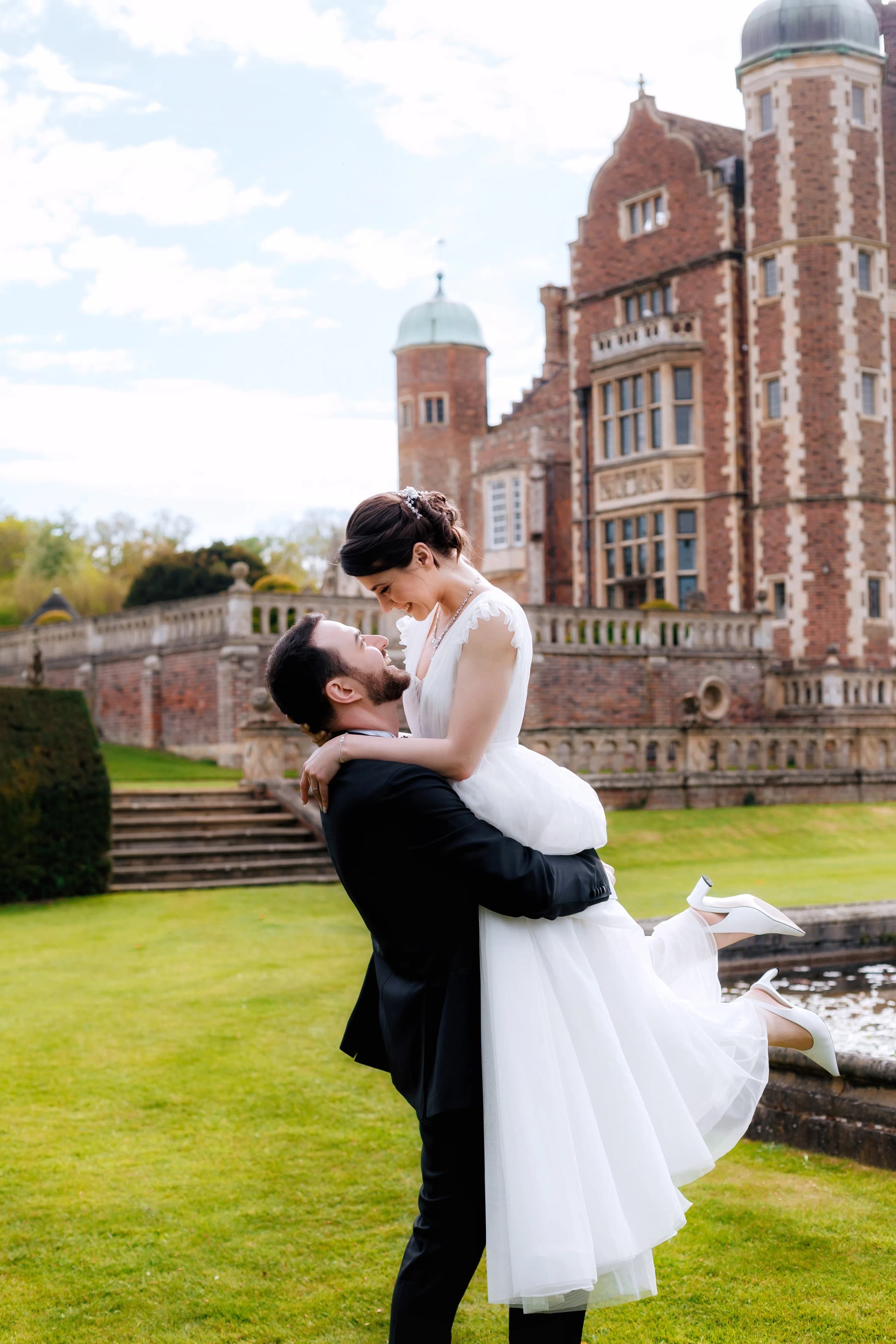
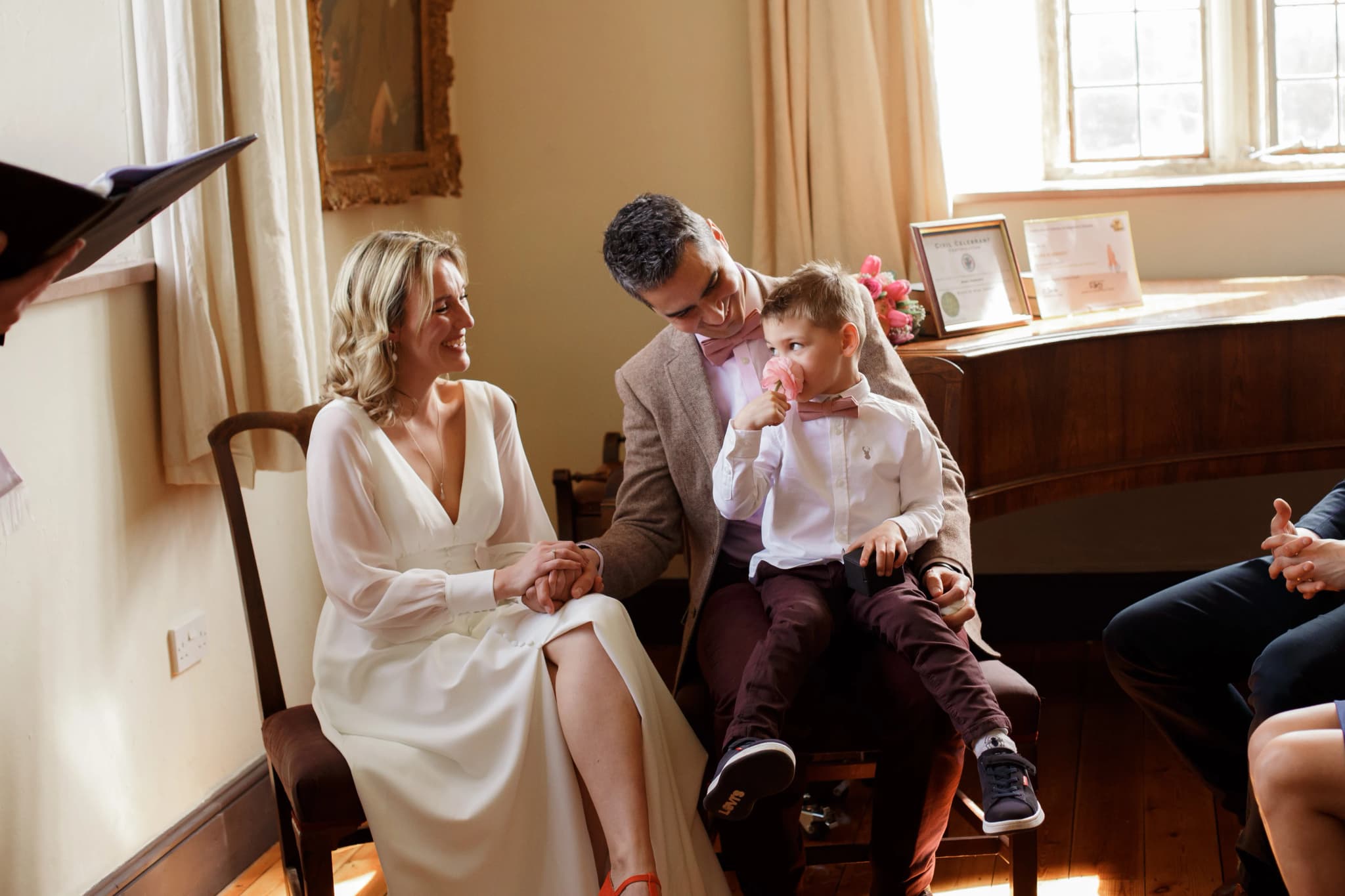
The most powerful argument for two photographers isn't coverage of separate events — it's coverage of the same one. During your ceremony I'll be positioned for the wide, formal frame: the aisle, the vows, the ring exchange. My second shooter is simultaneously tucked to the side, capturing your father's face as you walk past, or the tears of a grandmother in the second row.
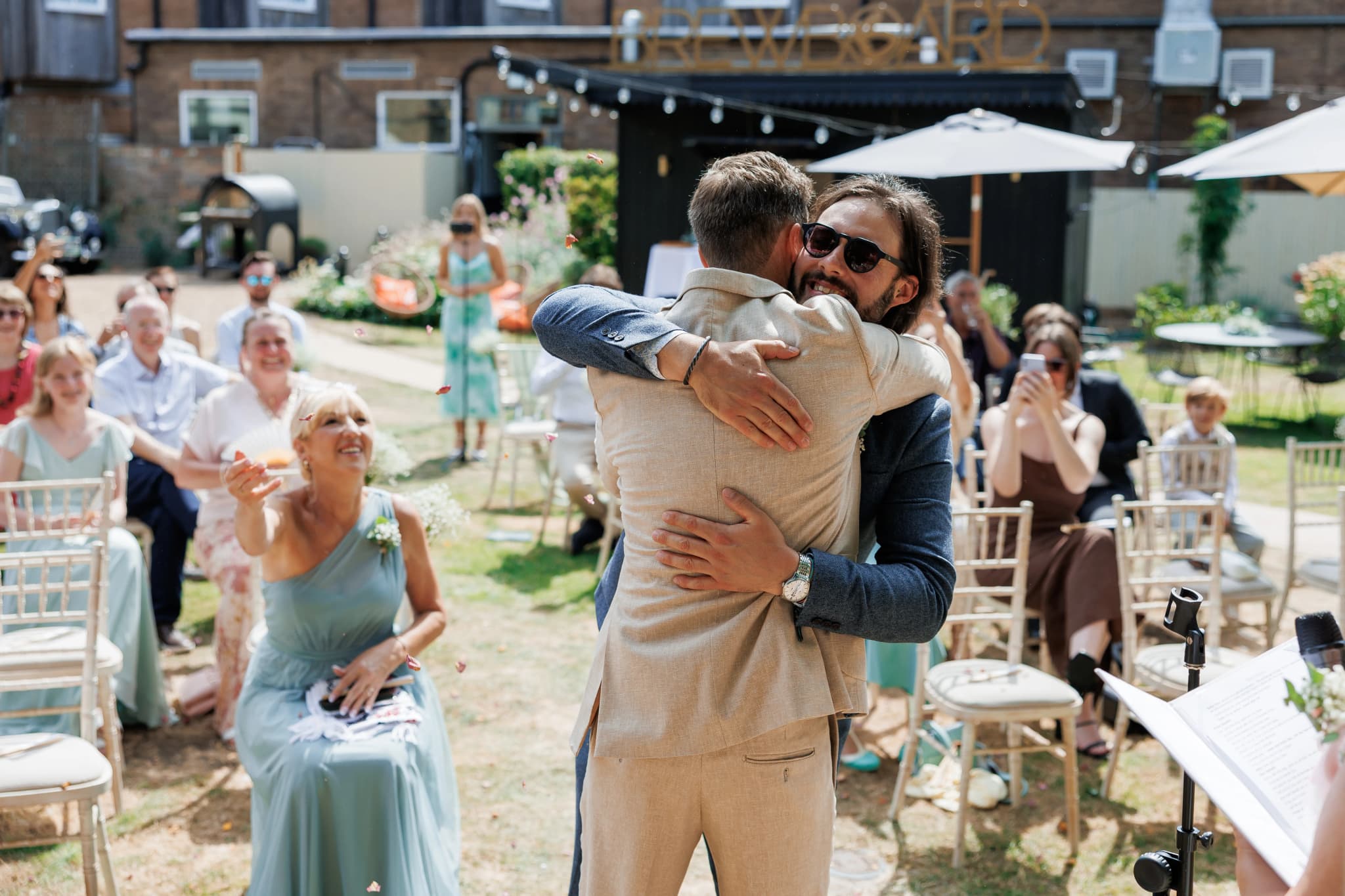
These reaction shots are very often the images couples love most, and they're almost impossible to gather alone. The same is true of the first kiss, the confetti line, and the first dance. One camera holds the hero shot while the other harvests the unguarded human reactions happening just out of the main frame. At 300 guests, there is a lot of reacting going on, and you want it documented.
Where a second shooter earns their place
It helps to see exactly where the value lands across a full wedding day. These are the moments where having a second pair of eyes consistently makes the strongest difference at a large celebration.
- ◆Dual preparations: Both partners photographed properly that morning, in parallel, with no frantic driving between two getting-ready locations.
- ◆Ceremony reactions: The vows from the front and the guests' faces from the side, captured in the same minute rather than reconstructed afterwards.
- ◆Guest arrivals & drinks: While I shoot your couple portraits, my colleague keeps documenting 300 mingling guests so the candid coverage never stops.
- ◆The formal group shots: One of us composes each line-up while the other herds the next family group into position, keeping a long shot list moving.
- ◆Speeches & top table: Speaker and listeners covered at once, so the punchline and the laughter that follows both make it into the album.
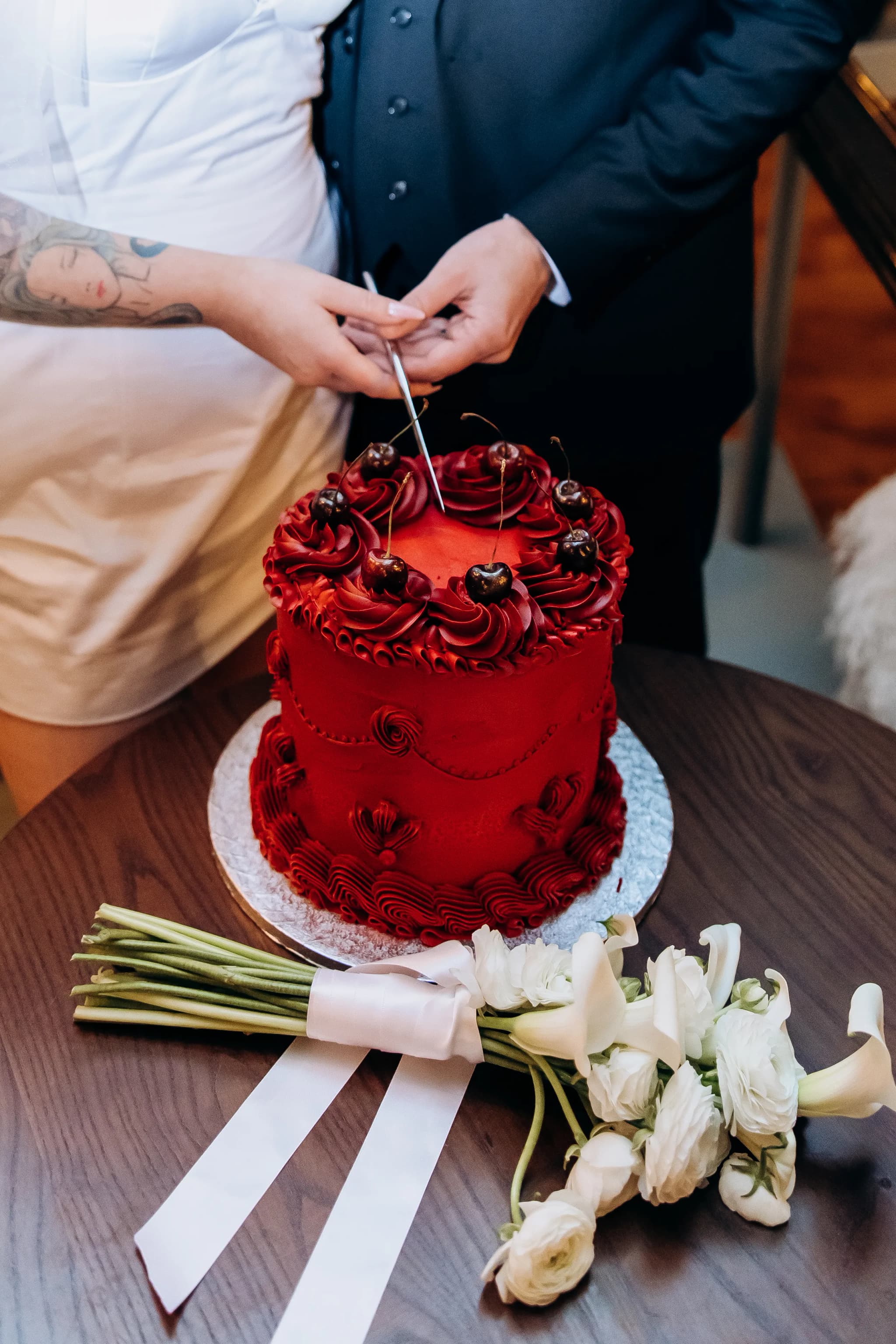
- ◆Reception details: Cake, decor, and the dance floor building up are all captured without abandoning the live action on the other side of the room.
Speed, light and British weather
Large weddings run on tight timelines, and the formal photographs are where they most often slip. A list of family groupings for 300 guests can be enormous — multiple sets of parents, step-families, university friends, work colleagues. Working as a pair, I photograph the current group while my second shooter is already lining up the next, which can halve the time spent on formals and hand you back precious minutes for drinks and golden hour.
Then there's our reliably unreliable weather. I've shot June weddings in Cambridgeshire that delivered four seasons before lunch. When a sudden downpour scatters everyone under a marquee, two photographers can split the room and keep the energy documented from both ends rather than missing half of it. Fading light at an autumn Suffolk reception is far easier to manage when one of us lights the dance floor while the other works the candid edges.
Peace of mind and a richer album
There is also the quiet, practical reassurance. Cameras occasionally fail and memory cards very rarely corrupt, but on the most important day of your life, redundancy matters. With two of us shooting, your wedding is never resting on a single device. That safety net alone settles a lot of nerves for couples planning a celebration of this scale.
Ultimately, a second shooter doesn't just double the number of photographs — it deepens them. You end up with a story told from two perspectives: the considered, composed view and the spontaneous, in-the-crowd view woven together. For a wedding with 300 people who all travelled to celebrate you, that fuller, layered record feels like the only fair way to remember the day.
Planning a large celebration across Cambridgeshire or Suffolk?
Let's talk through your timeline and whether a second shooter is right for your guest count and venue. I'd love to hear about your day before the date gets booked.
Check Your Date →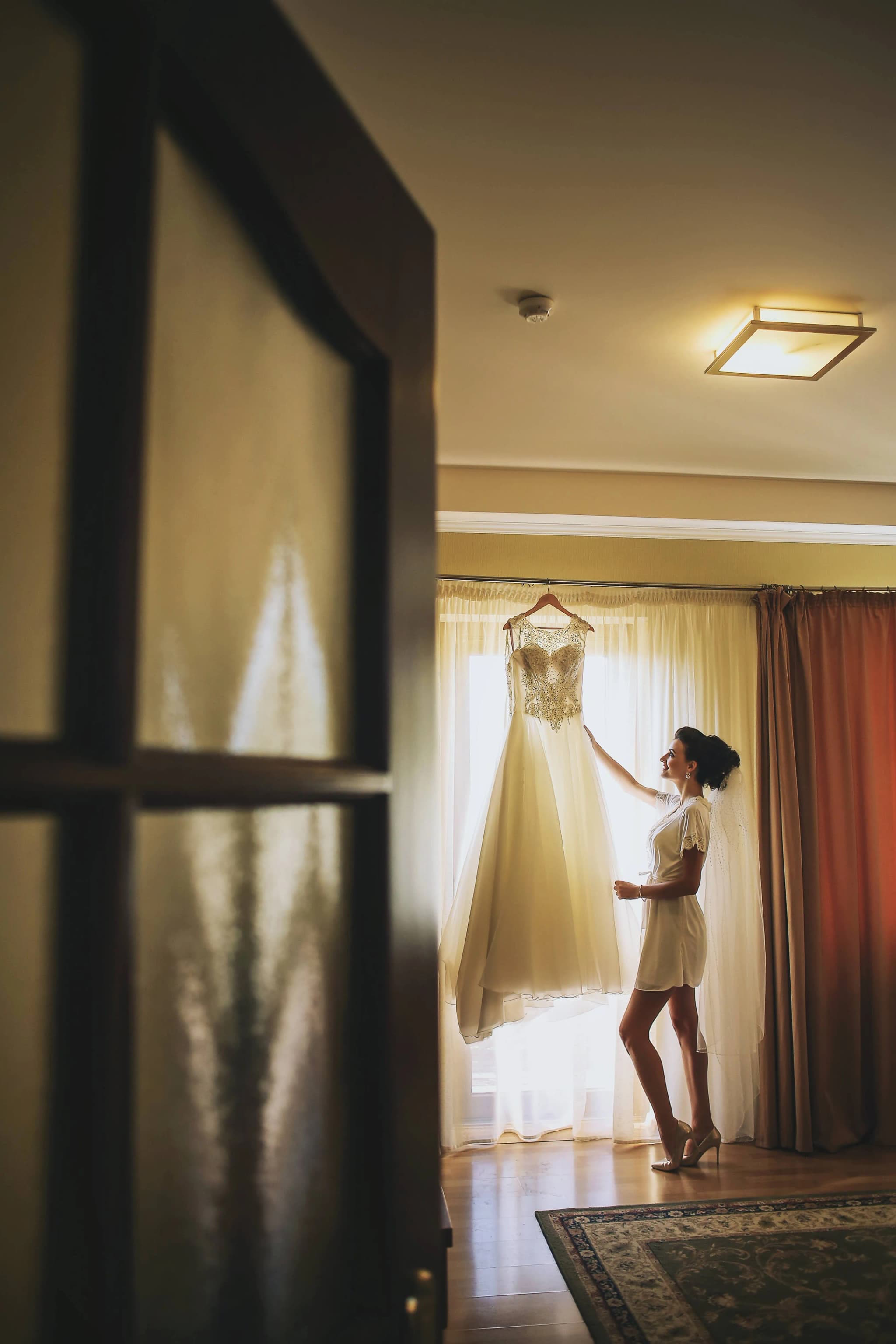

Yana Skakun
Photographer · England
Professional wedding, family and portrait photographer based in England. Passionate about capturing authentic emotions and timeless moments.
About Yana →twophotographerslargewedding
Wedding Tips — Wedding Photography in Cambridge & England
Yana Skakun is a professional wedding photographer based in Cambridge, covering weddings across England — from intimate elopements to full-day ceremonies at country houses, barns, and city venues. Every couple receives a relaxed, documentary approach that captures the day as it truly unfolds. This guide — Why You Need Two Photographers for a 300-Guest Wedding — is part of the photography journal: practical, experience-based advice drawn from real sessions across England. Whether you arrived searching for two or photographers, the same care and attention shapes every session Yana photographs.
Wedding Photography sessions are available year-round, with bookings open across Cambridge, Ely, Huntingdon, Peterborough, and further afield — East England, London, the Midlands, and beyond. If you have specific questions about large, mention it in your enquiry. Get in touch through the contact form above to check availability and discuss your session. Enquiries are welcomed from anywhere in the UK.
Frequently Asked Questions
How much does a wedding photographer cost in England?+
Wedding photography in England typically ranges from £1,500 to £4,000+ for a full day. Price depends on experience, coverage hours, and whether albums or engagement shoots are included. Most photographers charge between £2,000–£3,000 for 8–10 hours of coverage.
How early should you book a wedding photographer?+
For peak season (May–September), book 12–18 months in advance. For autumn and winter weddings, 9–12 months is usually sufficient. Popular photographers at popular venues fill up fast — as soon as you have a date and venue confirmed, start reaching out.
How many photos do you get from a wedding photographer?+
Most professional wedding photographers deliver 400–800 edited images for a full-day wedding. The exact number depends on coverage hours, how many guests there are, and the photographer's editing style. Quality matters more than quantity — a curated gallery of 500 images tells the story better than 1,500 unedited files.
Do you need a second photographer at your wedding?+
A second photographer is helpful if you want simultaneous coverage of getting-ready moments in different locations, multiple angles during the ceremony, or more candid coverage during the reception. It adds cost but significantly increases the variety and completeness of your gallery.
What is the difference between documentary and editorial wedding photography?+
Documentary (reportage) wedding photography captures moments as they happen — the photographer observes and doesn't intervene. Editorial photography involves deliberate direction: placing you in good light, shaping compositions, creating intentional portraits. Most photographers blend both styles throughout the day.
Continue Reading
Related Articles

Wedding Tips
Sustainable Eco-Friendly Wedding Guide — Planning a Green Celebration
15 min read · Read Article
Wedding Tips
Trash the Dress Session — Complete Planning and Photography Guide
14 min read · Read Article
Wedding Tips
Client Communication for Photographers — From Enquiry to Gallery Delivery
15 min read · Read Article
Get in Touch
Ready to Book Your Session?
Get in touch to discuss your vision — I'll reply within 24 hours.