Yana Skakun

Should the Photographer Shoot the Groom Getting Ready Too?
By Yana Skakun·10 June 2026·6 min read
It's one of the most common questions I'm asked when couples are building their wedding timeline: do we really need the photographer with the groom while he's getting ready? My honest answer is that groom getting ready photos are worth more than most couples expect — but only when they're planned properly. Here's how I decide when to add groom prep coverage to a day, and how to make it genuinely worth your time and money.
Why groom prep is so often skipped — and why that's a shame
For decades, wedding photography centred almost entirely on the bride. The morning was about hair, make-up, the dress on a hanger by the window, and the emotional reveal. The groom, meanwhile, was assumed to throw on a suit in ten minutes and turn up. That assumption still shapes a lot of timelines, and it's why groom prep is the first thing to get cut when budgets or hours are tight.
But the reality I see at weddings across Cambridgeshire and Suffolk is quite different. The groom's morning is often where the warmth and humour of the day lives — the best man fumbling with a pocket square, a quiet word from a father, brothers laughing over a bacon roll. These moments are unscripted and unrepeatable, and when they're missing from the final gallery, couples notice. Half the story of the day simply isn't there.
When adding groom coverage genuinely makes sense
Groom prep isn't automatically right for every wedding, and I'd rather be honest about that than sell hours nobody needs. The decision usually comes down to logistics and to what kind of relationships the groom has with the people around him that morning.
If the groom is getting ready close to where the bride is — the same hotel, a cottage on the same estate, or a venue with onsite rooms like many barns in rural Suffolk offer — then adding coverage is easy and almost always worthwhile. It also makes a real difference when there's a meaningful group present: a gaggle of ushers, a son helping his dad, or close friends who've travelled a long way. Those are the mornings that produce photographs you'll actually return to.
What groom prep coverage should actually capture
Good groom photography is not just "a few snaps of the lads". When I photograph a groom's morning, I'm looking for the same emotional thread I follow on the bridal side, told in a slightly more relaxed register. The details matter just as much — they're simply different details.
- ◆The details: Cufflinks, watch, buttonhole, polished shoes and the suit laid out before it's worn — flat-lays that match the bridal detail shots so the album feels balanced.
- ◆Getting dressed: Tying the tie, fastening the waistcoat, a friend or father straightening a collar. These are the moments that read as 'real morning' rather than posed.
- ◆The group dynamic: Honest, candid frames of the banter, the toast, the nervous pacing — the personalities that make the wedding party who they are.
- ◆A father-and-son moment: Often the quietest and most moving image of the whole morning, and one that's gone the instant it happens.
- ◆A handful of portraits: Two or three clean, confident portraits of the groom looking his best, ready to use the moment the suit is on.
- ◆The exit: Heading out the door together towards the ceremony — the natural bridge between getting ready and the day proper.
The timeline question: one photographer or two?
This is where planning earns its keep. If the bride and groom are preparing in two different places — say, the bride at home near Cambridge and the groom at the venue twenty minutes away — then a single photographer can't be in both rooms at once. There are two sensible solutions, and I'll always talk both through with you.
The first is a second photographer, who heads to the groom while I stay with the bride, so both mornings are covered in full and simultaneously. The second, for tighter budgets, is sequencing: I photograph the groom first, while his preparation peaks earlier, then move to the bride for the final, more time-sensitive part of her morning. It works beautifully as long as travel times and the British weather are factored in — and in this part of the country, an unexpected downpour or a closed level crossing can quietly eat fifteen minutes you didn't have.
The honest trade-off is that single-photographer sequencing means the groom's coverage is lighter and finishes before the most emotional bridal moments. If those groom moments matter to you, a second shooter is the cleaner answer. If you simply want the day to feel complete, careful sequencing usually does the job.
How to make the most of it on the morning
A little preparation transforms what I can do with the time. Have the details — watch, buttonholes, shoes, cufflinks — gathered in one spot rather than scattered across three rooms. Choose a space with a window if you can; soft natural light flatters everyone, and Cambridgeshire hotel rooms and Suffolk barns both tend to have plenty of it. A quick tidy of the room before I arrive does wonders, because nobody wants a stray crisp packet in the background of an otherwise lovely portrait.
Most of all, give the morning a touch of breathing room. The best groom photographs come from a relaxed atmosphere, not a frantic scramble to be dressed on time. Aim to be ready a little earlier than feels necessary, and the camera fades into the background while the genuine moments unfold. That, ultimately, is the whole point — to tell the full story of your day, both halves of it, exactly as it really happened.
Wondering whether groom prep fits your wedding day?
I'm a Cambridge-based wedding photographer and I'd love to help you plan a timeline that captures both sides of your morning. Let's talk through your venue, your travel times and the coverage that suits you.
Check Your Date →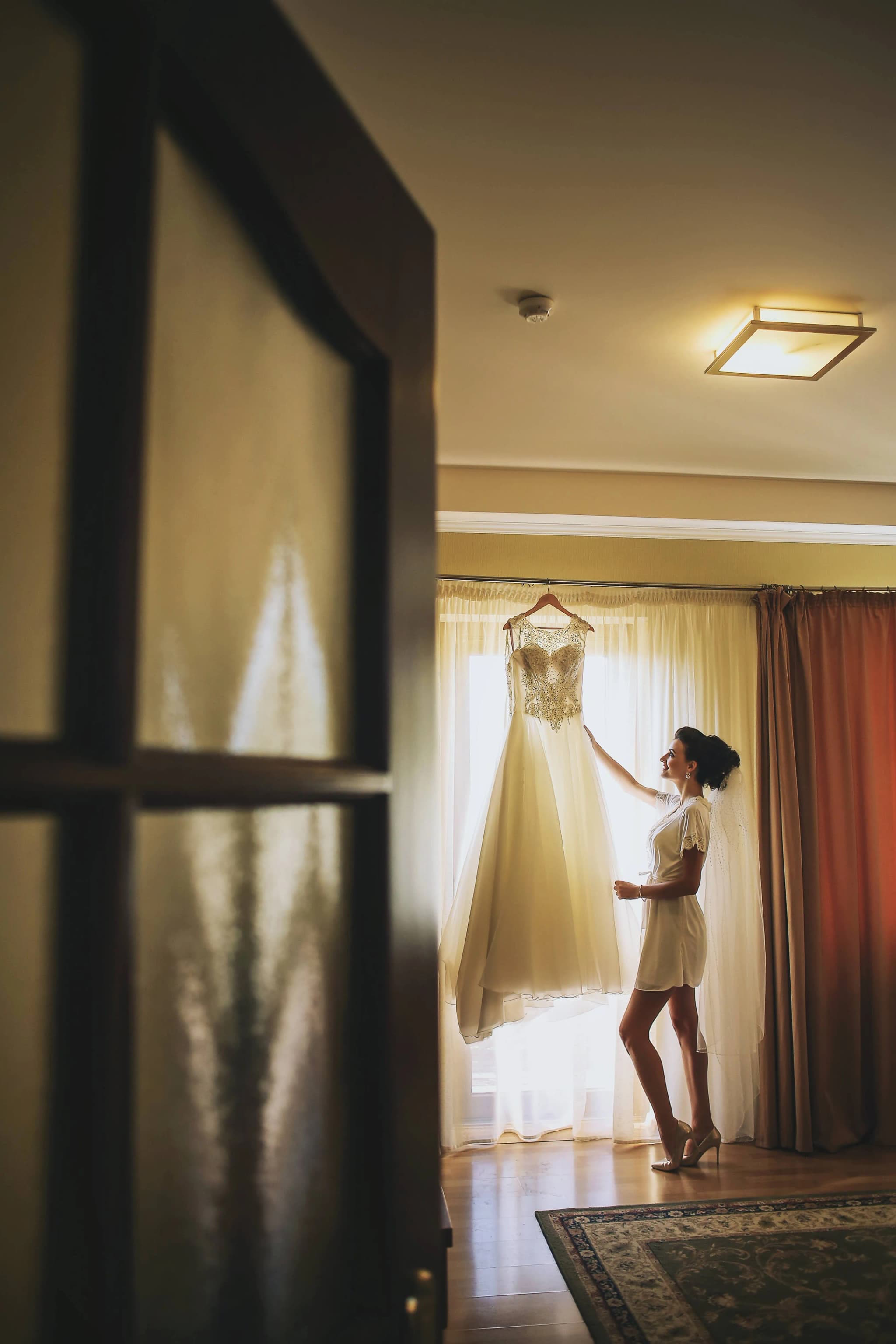

Yana Skakun
Photographer · England
Professional wedding, family and portrait photographer based in England. Passionate about capturing authentic emotions and timeless moments.
About Yana →groomgettingreadyphotos
Wedding Tips — Wedding Photography in Cambridge & England
Yana Skakun is a professional wedding photographer based in Cambridge, covering weddings across England — from intimate elopements to full-day ceremonies at country houses, barns, and city venues. Every couple receives a relaxed, documentary approach that captures the day as it truly unfolds. This guide — Should the Photographer Shoot the Groom Getting Ready Too? — is part of the photography journal: practical, experience-based advice drawn from real sessions across England. Whether you arrived searching for groom or getting, the same care and attention shapes every session Yana photographs.
Wedding Photography sessions are available year-round, with bookings open across Cambridge, Ely, Huntingdon, Peterborough, and further afield — East England, London, the Midlands, and beyond. If you have specific questions about ready, mention it in your enquiry. Get in touch through the contact form above to check availability and discuss your session. Enquiries are welcomed from anywhere in the UK.
Frequently Asked Questions
How much does a wedding photographer cost in England?+
Wedding photography in England typically ranges from £1,500 to £4,000+ for a full day. Price depends on experience, coverage hours, and whether albums or engagement shoots are included. Most photographers charge between £2,000–£3,000 for 8–10 hours of coverage.
How early should you book a wedding photographer?+
For peak season (May–September), book 12–18 months in advance. For autumn and winter weddings, 9–12 months is usually sufficient. Popular photographers at popular venues fill up fast — as soon as you have a date and venue confirmed, start reaching out.
How many photos do you get from a wedding photographer?+
Most professional wedding photographers deliver 400–800 edited images for a full-day wedding. The exact number depends on coverage hours, how many guests there are, and the photographer's editing style. Quality matters more than quantity — a curated gallery of 500 images tells the story better than 1,500 unedited files.
Do you need a second photographer at your wedding?+
A second photographer is helpful if you want simultaneous coverage of getting-ready moments in different locations, multiple angles during the ceremony, or more candid coverage during the reception. It adds cost but significantly increases the variety and completeness of your gallery.
What is the difference between documentary and editorial wedding photography?+
Documentary (reportage) wedding photography captures moments as they happen — the photographer observes and doesn't intervene. Editorial photography involves deliberate direction: placing you in good light, shaping compositions, creating intentional portraits. Most photographers blend both styles throughout the day.
Continue Reading
Related Articles

Wedding Tips
Sustainable Eco-Friendly Wedding Guide — Planning a Green Celebration
15 min read · Read Article
Wedding Tips
Trash the Dress Session — Complete Planning and Photography Guide
14 min read · Read Article
Wedding Tips
Client Communication for Photographers — From Enquiry to Gallery Delivery
15 min read · Read Article
Get in Touch
Ready to Book Your Session?
Get in touch to discuss your vision — I'll reply within 24 hours.