Yana Skakun
Snow Wedding Photography: When It Actually Snows on Your Wedding Day
By Yana Skakun·18 March 2026·6 min read
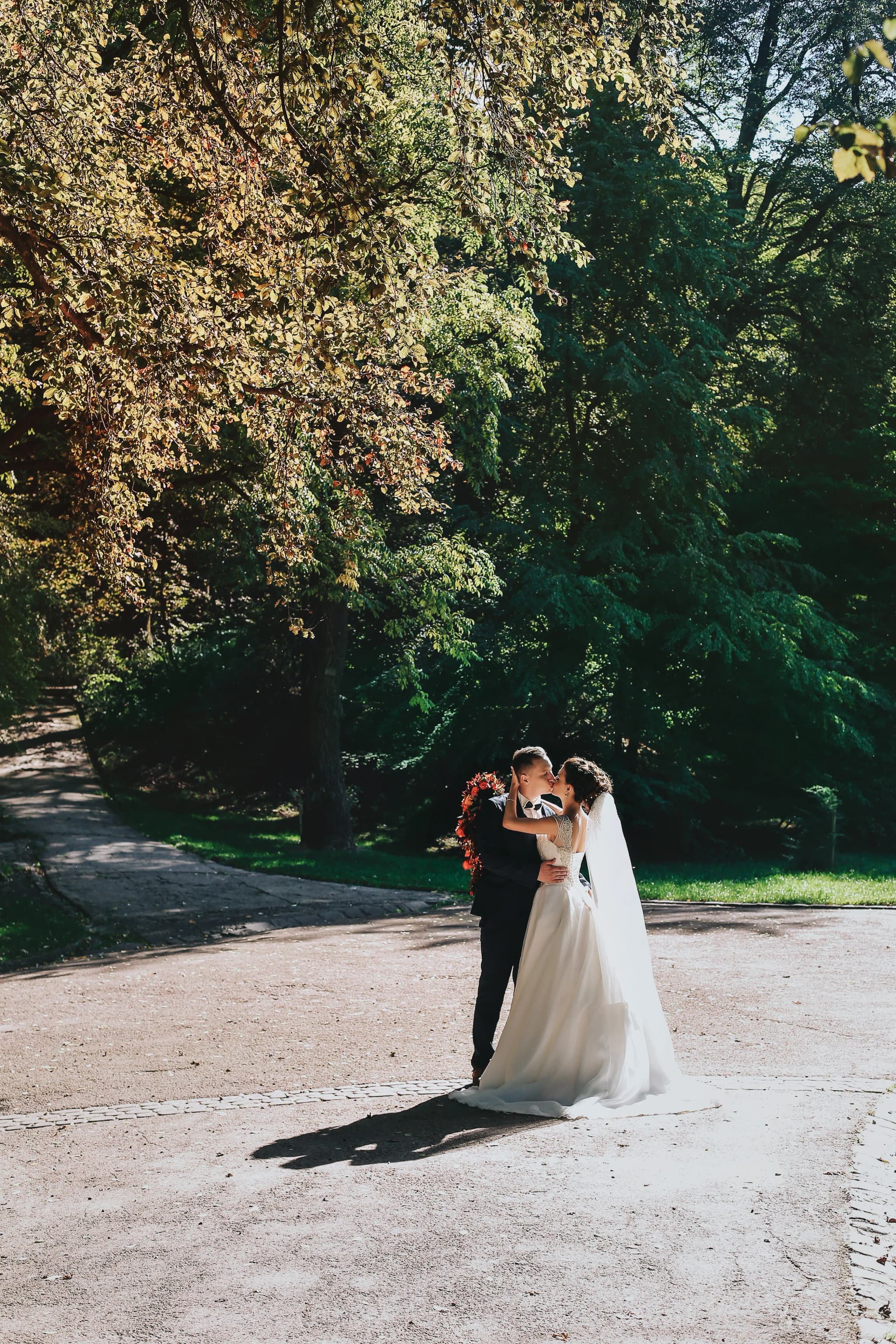
Snow on a wedding day is one of those things that seems, in the planning, like a disaster — and turns out, in the experience, to be a gift. I have photographed weddings where snow fell on the day, sometimes a light dusting that settled just enough to whiten the lawns, sometimes a proper fall that turned the whole venue into something out of a storybook, and without exception, those couples count the snow as one of the best things that happened to them. The photographs look like nothing else I produce the rest of the year. There is a particular quality to a winter wedding album with snow in it — a hush, a softness, a sense of the ordinary world being briefly transformed — that no amount of styling or venue dressing can quite replicate. This piece is for two kinds of couples: those planning a winter wedding who are wondering whether to hope for snow or fear it, and those who already have snow forecast and want to know how to make the most of the day, practically and photographically.
The Reality of a Snowy Wedding Day in England
Let me be honest first, because I would rather manage expectations than sell a fantasy: snow in England is unpredictable and relatively rare, and Cambridgeshire in particular is not a part of the country known for reliable snowfall. You cannot plan a wedding around snow the way you might plan around a specific flower being in season. What you can do is choose a winter date — December through to February, with January often the most likely month for a cold snap — and know that if snow does arrive, your photographer will already know how to use it rather than being caught off guard.
I always ask couples booking a winter date whether they would want me to prioritise different shot types if snow falls unexpectedly, and most say yes without hesitation. It costs nothing to have that conversation in advance, and it means that if you wake up on your wedding morning to a white garden, there is no scramble to work out a new plan — we already have one, and I can simply put it into action.
It is also worth saying plainly that a wedding without snow is not a lesser wedding, photographically or otherwise. Most winter weddings I photograph do not get snow, and they are every bit as beautiful in their own way — bare trees, low golden light, candlelit interiors, the particular cosiness of a winter celebration. Snow is a bonus, not a requirement, and I never want a couple spending their morning anxiously checking a weather app instead of enjoying getting ready.
What Snow Actually Does to Wedding Photography
When it does happen, snow changes the visual character of a wedding in several distinct ways, and understanding these helps explain why the resulting images feel so different from photographs taken on any other day of the year.
Everything becomes white and clean. Snow covers the car park, the bare mud, the browned winter grass, and all the slightly utilitarian edges that every venue has somewhere — the bin store, the gravel path, the fire exit signage. What is left is a simplified, unified white world, and that simplicity is enormously flattering to photographs. Clutter disappears. The eye goes straight to the couple.
The light quality changes entirely. Snow reflects light from every direction at once — the ground itself becomes a giant natural reflector, bouncing soft light back up into faces from below in a way that almost never happens in summer. Combined with the low winter sun, which never climbs high in the sky even at midday, the resulting light on a snowy day is soft, even, and extraordinarily flattering for portraits. Shadows are gentle rather than harsh, and skin tones look wonderful.
Colour stands out with real intensity. Against a field of white, the colours in a wedding — a burgundy bridesmaid dress, a bouquet of deep red and white flowers, a groomsman's navy waistcoat, the golden glow of venue lighting seen through a window — become vivid in a way they never do against grey January grass or a beige function room. Snow is the best possible background for colour.
Falling snow adds atmosphere and depth. If snow is actually falling during the ceremony or the portraits, rather than just lying on the ground, it creates a genuine sense of atmosphere and depth in an image. The middle distance softens into white, backgrounds that might otherwise be distracting simply dissolve, and the couple becomes the clear, isolated subject of the frame with snowflakes suspended around them. These are the images couples tend to print largest and hang on their walls.
The emotional response is unmistakable. Seeing snow on your wedding morning, after months of planning and worrying about weather, produces a very specific kind of joy — the sense of an unexpected gift, a fairy-tale turn that nobody could have guaranteed. That emotion shows up in every photograph taken that day: genuine laughter, wide eyes at the window, the specific delight of a couple stepping outside together to see it for the first time. You cannot direct that expression. It only happens because the moment is real.
The Technical Side of Photographing in Snow
Photographing well in snow requires some deliberate technical adjustments, and it is worth couples knowing what their photographer should be doing, even if the detail itself stays behind the scenes on the day.
The most important adjustment is exposure. Camera light meters are calibrated to read the world as roughly mid-grey, which means that a scene dominated by bright white snow will consistently be underexposed if left to the camera's automatic judgement — the snow comes out looking grey and dull rather than bright and white. Correcting for this means deliberately overexposing relative to what the meter suggests, and checking the result carefully rather than trusting the initial reading.
White balance is the next consideration, and it is partly a creative choice rather than a purely technical fix. Snow can be rendered with a cool, blue, wintry feel, which suits some venues and some couples' taste beautifully, or it can be warmed slightly toward a more neutral white that keeps skin tones looking natural without an overall blue cast. I generally lean toward the warmer, more natural end of that spectrum for portraits of people, while allowing wider landscape-style shots of the venue to keep a little more of that cool wintry character.
Equipment care matters too. Moving a camera repeatedly between a warm interior and freezing exterior air causes condensation to form inside the camera and on the lens, which can take several minutes to clear and can fog images taken too soon after coming back inside. On a snowy wedding day I manage this deliberately — keeping gear in a bag that buffers the temperature change, wiping down lenses regularly, and being conscious of battery life, which drops faster in cold weather than photographers who have not worked in genuine winter conditions often expect.
Practical Preparations for a Possibly Snowy Wedding Day
If your wedding date falls in the winter months and there is any realistic chance of snow, a small amount of practical planning goes a long way toward making sure you can actually enjoy the outdoor moments rather than simply enduring them for the sake of a photograph.
Warm inner layers under a wedding dress are worth considering, particularly if the ceremony venue has a warm interior but you will be stepping outside for portraits or confetti afterwards — a simple thermal layer underneath is invisible in photographs but makes a genuine difference to comfort. A beautiful faux-fur or wool wrap or shawl over the shoulders for outdoor portrait moments works as both a practical warmth measure and a lovely styling addition, photographing far better than a couple visibly shivering.
Footwear is worth planning properly. Heels sink into snow and ice almost immediately, so I always suggest having a pair of wellies or warm boots ready to swap into for anything outdoors, with the heels kept for the aisle and the reception room. Nobody looking at the final photographs will ever know your feet were in wellies moments before — the images are cropped and composed so the footwear is simply never the point.
For grooms and the wedding party, a proper coat or overcoat that suits the formalwear is worth having on hand rather than assuming everyone will simply be cold for twenty minutes and that is fine — genuine discomfort shows on faces, and a coat that can go on between shots and come off for the actual photograph keeps everyone looking relaxed rather than braced against the cold.
It is also worth preparing, gently, for the possibility of guest travel difficulty. Heavy snow on the day can mean that not every guest makes it through, particularly anyone travelling any distance or from areas prone to road closures. Accepting this gracefully in advance, rather than being blindsided by it on the day, tends to make for a more relaxed and intimate celebration rather than a stressful one — and in my experience, the guests who do make it through snow to be there often become some of the most memorable and appreciated presences of the whole day.
Planning a winter wedding and dreaming of snow?
If it happens on your day, I will be entirely ready for it — and if it does not, your winter wedding will still be beautifully photographed in all the ways a winter celebration deserves.
Get in touch about your winter weddingMaking the Most of a Snowy Wedding on the Day Itself
If snow does arrive, a few small decisions on the day make a real difference to the final images. I always try to find at least ten or fifteen minutes, even in the busiest timeline, for the couple to step outside together away from the group — just the two of you, in the snow, without an audience. These quiet moments consistently produce the images couples respond to most strongly afterwards, precisely because nobody is performing for a crowd. There is something about snow that makes people go quiet and genuinely present in a way that a sunny summer garden rarely manages.
I also keep an eye out for details that only exist because of the snow — footprints leading away from the venue door, a bouquet resting on a snow-covered wall, breath visible in cold air during a first look, sparklers or fairy lights against a darkening snowy evening. These small, specific details end up being some of the most treasured images in a winter album precisely because they could not have happened on any other kind of day.
Timing matters as well. Winter daylight is short, so I plan the schedule for a snowy or potentially snowy wedding with that in mind from the outset — making sure there is a proper window for outdoor portraits before the light fades rather than trying to fit them in as an afterthought once the reception has already begun. A little flexibility built into the timeline on a winter wedding day means we are never racing against the light, snow or no snow.
A snowy wedding day in England is genuinely rare, which is exactly what makes it so special when it happens. Most couples who book a winter date never quite dare to hope for it out loud, and then find themselves standing at a window on the morning of their wedding, watching it fall, feeling like the day has been given something extra they could never have arranged themselves. Whether your winter wedding turns out to be crisp and clear or genuinely snow-covered, the season itself brings a softness and an intimacy that summer weddings simply cannot offer in the same way. If you are planning a winter wedding in or around Cambridge and would like to talk through how the day — snow or no snow — can be photographed at its very best, get in touch and we can start planning.

Yana Skakun
Photographer · England
Professional wedding, family and portrait photographer based in England. Passionate about capturing authentic emotions and timeless moments.
About Yana →snow wedding photography UKsnowy wedding photos Englandwinter snow wedding photographer
Wedding Tips — Wedding Photography in Cambridge & England
Yana Skakun is a professional wedding photographer based in Cambridge, covering weddings across England — from intimate elopements to full-day ceremonies at country houses, barns, and city venues. Every couple receives a relaxed, documentary approach that captures the day as it truly unfolds. This guide — Snow Wedding Photography: When It Actually Snows on Your Wedding Day — is part of the photography journal: practical, experience-based advice drawn from real sessions across England. Whether you arrived searching for snow wedding photography uk or snowy wedding photos england, the same care and attention shapes every session Yana photographs.
Wedding Photography sessions are available year-round, with bookings open across Cambridge, Ely, Huntingdon, Peterborough, and further afield — East England, London, the Midlands, and beyond. If you have specific questions about winter snow wedding photographer, mention it in your enquiry. Get in touch through the contact form above to check availability and discuss your session. Enquiries are welcomed from anywhere in the UK.
Frequently Asked Questions
How much does a wedding photographer cost in England?+
Wedding photography in England typically ranges from £1,500 to £4,000+ for a full day. Price depends on experience, coverage hours, and whether albums or engagement shoots are included. Most photographers charge between £2,000–£3,000 for 8–10 hours of coverage.
How early should you book a wedding photographer?+
For peak season (May–September), book 12–18 months in advance. For autumn and winter weddings, 9–12 months is usually sufficient. Popular photographers at popular venues fill up fast — as soon as you have a date and venue confirmed, start reaching out.
How many photos do you get from a wedding photographer?+
Most professional wedding photographers deliver 400–800 edited images for a full-day wedding. The exact number depends on coverage hours, how many guests there are, and the photographer's editing style. Quality matters more than quantity — a curated gallery of 500 images tells the story better than 1,500 unedited files.
Do you need a second photographer at your wedding?+
A second photographer is helpful if you want simultaneous coverage of getting-ready moments in different locations, multiple angles during the ceremony, or more candid coverage during the reception. It adds cost but significantly increases the variety and completeness of your gallery.
What is the difference between documentary and editorial wedding photography?+
Documentary (reportage) wedding photography captures moments as they happen — the photographer observes and doesn't intervene. Editorial photography involves deliberate direction: placing you in good light, shaping compositions, creating intentional portraits. Most photographers blend both styles throughout the day.
Continue Reading
Related Articles

Wedding Tips
Sustainable Eco-Friendly Wedding Guide — Planning a Green Celebration
15 min read · Read Article
Wedding Tips
Trash the Dress Session — Complete Planning and Photography Guide
14 min read · Read Article
Wedding Tips
Client Communication for Photographers — From Enquiry to Gallery Delivery
15 min read · Read Article
Get in Touch
Ready to Book Your Session?
Get in touch to discuss your vision — I'll reply within 24 hours.